
The Connection Between Sanskrit and Meditation Practices

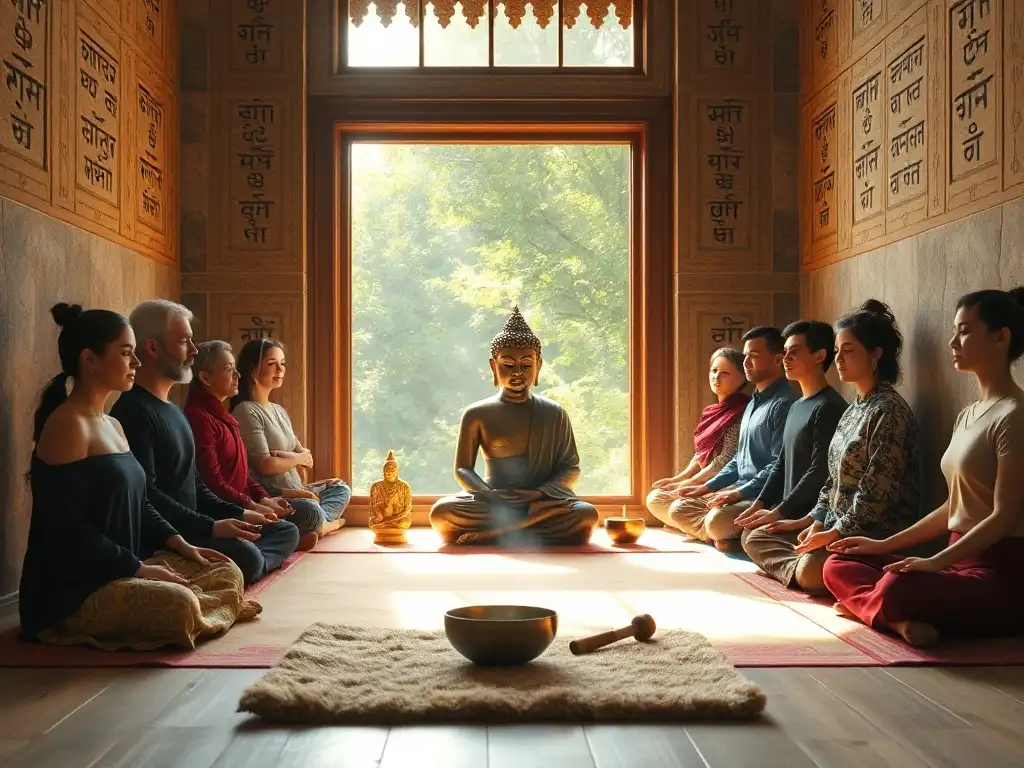
Welcome to Ancient India History, where we embark on a fascinating journey through the rich tapestry of India's past. Here, we delve into the intricate connections between language, culture, and spirituality that have shaped civilizations from the Indus Valley to the Gupta Empire. In our featured article, we uncover the hidden nuances of Sanskrit meditation techniques and their historical significance, revealing how this ancient language has influenced meditative practices that continue to resonate today. Join us as we explore the depth and diversity of ancient Indian history, igniting your curiosity and inspiring a deeper understanding of our shared heritage.

Introduction to Sanskrit Meditation Techniques History
The intricate relationship between Sanskrit and meditation practices is a fascinating aspect of ancient Indian culture that has evolved over millennia. Sanskrit, one of the oldest languages in the world, serves not only as a medium of communication but also as a vessel for spiritual and philosophical concepts. The exploration of Sanskrit meditation techniques history reveals a deep interconnection between language, thought, and consciousness that has shaped the spiritual landscape of India. This article delves into how meditation practices are intertwined with the Sanskrit language, shedding light on the historical context and cultural significance of these techniques.
Overview of Sanskrit in Ancient India
Sanskrit has a rich and complex history, emerging as a classical language around 1500 BCE. It was primarily used by scholars and spiritual leaders and became the foundation for numerous texts that encapsulate the essence of Indian philosophy, spirituality, and culture.
- Key Characteristics of Sanskrit:
- Phonetic Precision: The language's phonetic structure allows for precise articulation of sounds, which is crucial in spiritual practices.
- Grammatical Complexity: Its intricate grammar enables nuanced expression of philosophical ideas.
- Cultural Significance: Sanskrit is often regarded as a divine language in Hinduism, Buddhism, and Jainism, believed to have a sacred potency.
The integration of Sanskrit into meditation practices is evident as many of the techniques and mantras utilized in meditation are derived from Sanskrit texts, reflecting the language's profound influence on spiritual disciplines.
Importance of Meditation in Indian Culture
Meditation holds a pivotal role in Indian culture, serving as a means for individuals to connect with their inner selves and the cosmos. It is deeply embedded in various religious and philosophical traditions, offering a pathway to enlightenment and self-realization.
- Cultural Aspects of Meditation:
- Spiritual Growth: Meditation is seen as a tool for personal transformation and spiritual awakening.
- Health Benefits: The practice is also associated with mental clarity, emotional stability, and physical well-being.
- Community Practices: Group meditative practices foster a sense of community and shared spiritual goals.
The historical roots of meditation techniques are closely linked to the development of Sanskrit literature, where philosophical discourses and meditative practices are extensively documented.
Historical Context of Sanskrit and Meditation
The historical interplay between Sanskrit and meditation is rich with references in ancient texts that highlight the significance of meditative practices in spiritual life. Understanding this context provides insight into the evolution of these techniques over time.
Early References to Meditation in Sanskrit Texts
The earliest mentions of meditation can be traced back to the Vedas, particularly the Upanishads, which are considered the philosophical core of Hinduism. These texts outline various meditative practices aimed at achieving self-realization and understanding the nature of the universe.
- Key Texts and Concepts:
- Vedas (1500-500 BCE): Contain hymns and rituals that emphasize meditation as a means to connect with the divine.
- Upanishads (800-200 BCE): Focus on the inner experience and the concept of "Brahman" (universal consciousness), advocating for meditative practices as a path to enlightenment.
These early texts form the basis for many modern meditation techniques, highlighting the enduring legacy of Sanskrit in shaping spiritual practices.
The Role of Sanskrit in Ancient Indian Spirituality
Sanskrit was not merely a language; it was a medium through which profound spiritual truths were communicated. Its role in ancient Indian spirituality can be observed through various religious practices, rituals, and teachings that incorporated meditation.
- Influential Philosophies:
- Buddhism: The Pali Canon, while distinct from Sanskrit, shares roots with Sanskrit texts, emphasizing meditation as central to the path of enlightenment.
- Yoga Sutras of Patanjali: These foundational texts outline the eight limbs of yoga, including meditation (Dhyana), as essential practices for spiritual growth.
The depth and precision of Sanskrit allowed for the articulation of complex spiritual concepts, making it an indispensable tool in the dissemination and practice of meditation techniques throughout ancient India.
The connection between Sanskrit and meditation practices reveals a rich history that continues to influence contemporary spiritual practices, underscoring the relevance of this ancient language in today's world.
Key Sanskrit Texts on Meditation Practices
The exploration of meditation practices in ancient India is deeply rooted in key Sanskrit texts that have shaped spiritual and philosophical thought. These texts not only provide insight into the techniques and purposes of meditation but also reflect the broader cultural and spiritual milieu of their times. Understanding these texts is crucial for anyone interested in the history of Sanskrit meditation techniques.
The Vedas and Their Influence on Meditation
The Vedas, the oldest sacred scriptures of Hinduism, encompass a vast body of knowledge, including hymns, rituals, and philosophical discourses. Composed between 1500 and 500 BCE, the Vedas present early references to meditation practices, particularly through the concept of dhyana (meditative absorption). The Rigveda, for example, includes hymns that speak to the importance of inner focus and contemplation, laying the groundwork for later meditative techniques.
The ritualistic aspects of the Vedas suggest that meditation was initially linked to the performance of sacrifices and chants, where practitioners sought to connect with the divine through focused thought and intention. Over time, the Vedic tradition evolved, and meditation began to be seen not merely as a tool for ritual but as a means to attain spiritual insight and self-realization.
The Upanishads: Philosophical Foundations of Meditation
The Upanishads, composed around 800 to 400 BCE, mark a significant shift from ritualistic practices to philosophical inquiry. They delve into the nature of reality, the self (Atman), and the ultimate reality (Brahman), emphasizing the importance of meditation as a tool for understanding these concepts. Texts like the Chandogya Upanishad and the Mandukya Upanishad explore the idea of tapas (austerity) and dhyana as essential practices for self-discovery.
In the Upanishads, meditation is presented as a means to transcend the limitations of the physical world, leading to liberation ( moksha). The emphasis on inner stillness and contemplation reflects a profound understanding of the mind's role in spiritual realization, marking a foundational moment in the history of Sanskrit meditation techniques.
The Bhagavad Gita: Meditation as a Path to Enlightenment
The Bhagavad Gita, composed around the 2nd century BCE, synthesizes various philosophical traditions and emphasizes the practice of meditation as a pathway to enlightenment. In this revered text, Lord Krishna imparts wisdom to the warrior Arjuna on the battlefield, discussing the significance of dhyana in achieving clarity and peace of mind.
The Gita categorizes meditation into various forms, including karma yoga (the yoga of action) and bhakti yoga (the yoga of devotion), illustrating that meditation can take many forms depending on one's personal inclinations and life circumstances. The text underscores the importance of a disciplined practice, suggesting that regular meditation can lead to a deeper understanding of one's duty and the nature of existence.
Evolution of Sanskrit Meditation Techniques
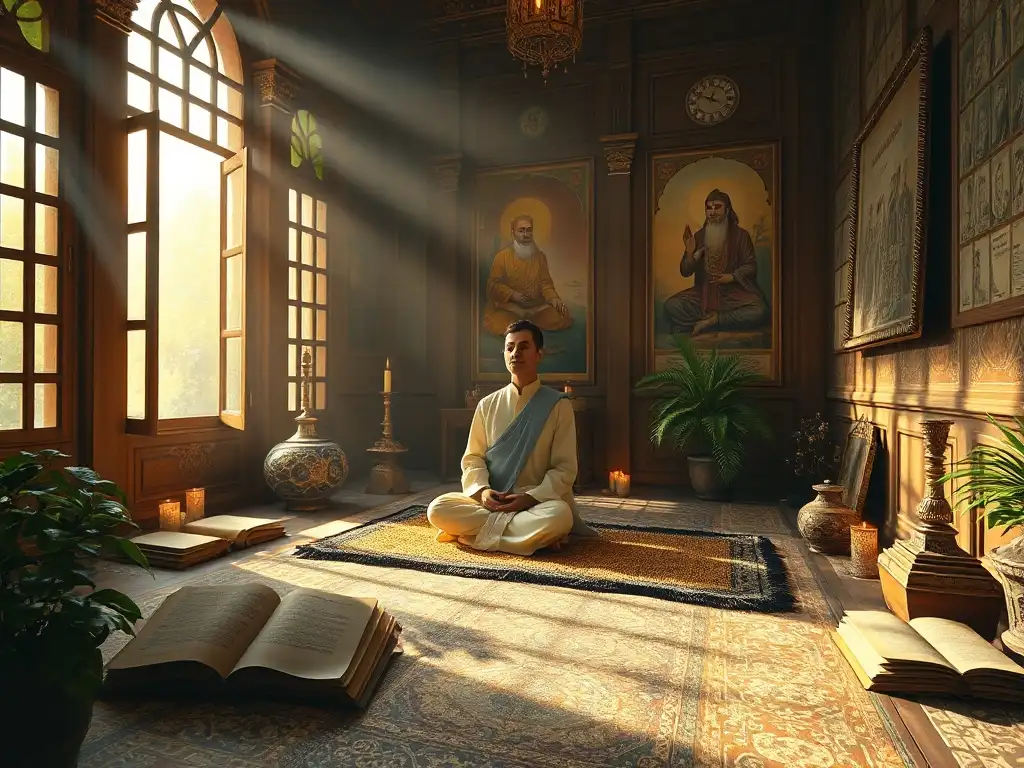
The evolution of Sanskrit meditation techniques reflects the dynamic interplay of various philosophical and religious traditions throughout Indian history. From their early Vedic roots to the complexities introduced by later schools of thought, these techniques have undergone significant transformation and adaptation.
Early Practices and Their Development Over Time
The earliest meditation practices, as found in the Vedas and Upanishads, were often linked to rituals and the quest for spiritual knowledge. As these practices developed, they began to integrate elements of mindfulness and concentration, leading to more structured techniques. By the time of the Mauryan Empire (circa 322–185 BCE), meditation was becoming increasingly sophisticated, influenced by the ascetic traditions emerging within Hinduism.
Over centuries, various schools, including the Samkhya and Yoga philosophies, contributed to the refinement of meditation techniques. Texts like the Yoga Sutras of Patanjali, composed around the 2nd century CE, codified practices such as asana (posture), pranayama (breath control), and dharana (concentration), establishing a comprehensive framework for meditation that remains influential today.
Influence of Buddhism and Jainism on Sanskrit Meditation
The advent of Buddhism and Jainism around the 6th century BCE introduced new dimensions to meditation practices in India. Both traditions emphasized introspection, ethical living, and mental discipline, which influenced the existing Hindu practices. The concept of mindfulness ( sati) in Buddhism, for example, resonated with the meditative focus on awareness found in Hindu texts.
Buddhist texts such as the Pali Canon and various Mahayana sutras elaborated on meditation techniques, including vipassana (insight meditation) and samatha (calm abiding), which would later permeate Hindu practices. Jainism, with its rigorous ascetic practices and emphasis on non-violence, also contributed to the evolution of meditation, particularly the techniques focused on inner purity and self-discipline.
Modern Interpretations of Ancient Techniques
In contemporary times, the resurgence of interest in yoga and meditation has prompted a reevaluation of ancient Sanskrit meditation techniques. With globalization and the spread of Eastern philosophies to the West, many traditional practices have been adapted to suit modern lifestyles. Techniques derived from ancient texts are now often presented in simplified formats, making them accessible to a broader audience.
While some practitioners seek to adhere closely to traditional methods, others create hybrid practices that incorporate elements from various spiritual traditions. This evolution reflects a dynamic engagement with ancient wisdom, as practitioners aim to find relevance and meaning in meditation in today's fast-paced world. As a result, the essence of Sanskrit meditation techniques continues to thrive, adapting to the needs of contemporary seekers while rooted in a rich historical context.
Connection Between Language and Meditation
The relationship between language and meditation is profound, particularly in the context of Sanskrit, one of the oldest languages in the world. Sanskrit is not merely a means of communication; it embodies a rich spiritual and philosophical heritage that enhances the practice of meditation. The very structure of Sanskrit, with its unique phonetics and grammatical rules, fosters a deeper connection with the inner self and the universe. This connection facilitates a meditative state that allows practitioners to engage more fully with their spiritual journeys.
Sanskrit's historical significance in ancient Indian texts, such as the Vedas, Upanishads, and the Bhagavad Gita, underscores its integral role in spiritual practices. These texts provide foundational insights into various meditation techniques, emphasizing the transformative power of language in spiritual enlightenment. The sounds and rhythms of Sanskrit words resonate on a vibrational level, which many believe can enhance the effectiveness of meditation, creating a harmonious link between the practitioner and their intentions.
How Sanskrit Language Enhances Meditation Practices
Sanskrit is often referred to as a "sacred language," deeply intertwined with spiritual practices and philosophies. Its use in meditation practices enhances the overall experience through several mechanisms. Firstly, the precision of Sanskrit grammar allows for nuanced expression of complex spiritual concepts, making it easier for practitioners to grasp and internalize profound ideas.
Moreover, the rhythmic and melodic qualities of Sanskrit contribute to a tranquil atmosphere conducive to meditation. Chanting or reciting Sanskrit verses can induce a calming effect, helping to quiet the mind and allow for deeper contemplation. This auditory experience not only aids in focus but also creates a sense of connection to the ancient traditions that have used these techniques for centuries.
Another significant aspect is the use of specific Sanskrit terms that encapsulate intricate spiritual ideas, such as "Dharma" (duty/righteousness) and "Moksha" (liberation). Incorporating these terms into meditation practices allows practitioners to align their intentions with historical and philosophical contexts, enriching their meditative experience.
The Power of Mantras in Sanskrit Meditation
Mantras, which are sacred sounds or phrases, play a pivotal role in Sanskrit meditation practices. The repetition of mantras, often chanted in their original Sanskrit form, serves multiple purposes. It acts as a focal point for the mind, helping to eliminate distractions and enhance concentration. This focused repetition allows practitioners to enter deeper states of meditation, facilitating a stronger connection with their inner selves.
The vibrational quality of Sanskrit mantras is believed to resonate with the energy of the universe. Each mantra carries a specific frequency, which can affect the mind and body positively. For instance, the mantra "Om," considered the primordial sound, symbolizes the essence of the ultimate reality and serves as a powerful tool for meditation. Its sound vibrations are thought to align the practitioner with universal consciousness, promoting peace and harmony.
Furthermore, the emotional and spiritual meanings attached to these mantras enable practitioners to channel their intentions more effectively. By focusing on specific mantras, individuals can cultivate qualities such as compassion, wisdom, and mindfulness, thereby enhancing their overall meditation practice.
Phonetic Qualities of Sanskrit and Their Meditative Benefits
The phonetic structure of Sanskrit is uniquely designed for clarity and resonance, which significantly contributes to its effectiveness in meditation. Each sound in Sanskrit is produced with intentionality, allowing for precise articulation and a rich auditory experience. This precision enhances the meditative practice by aiding in mindfulness and focus.
Sanskrit's phonetics also include a variety of sounds that can have different emotional and spiritual impacts. For example, the use of nasal sounds can produce vibrations that stimulate certain areas of the body, promoting relaxation and enhancing the meditative state. This aspect is particularly relevant in practices such as chanting, where the physical act of sound production becomes a meditative exercise in itself.
Moreover, the inherent rhythm of Sanskrit can guide breath control, an essential component of meditation. By aligning breath with the natural cadence of the language, practitioners can achieve a state of flow that deepens their meditative experience. This rhythmic quality of Sanskrit not only aids in calming the mind but also encourages a deeper spiritual connection through the practice.
Contemporary Applications of Sanskrit Meditation Techniques
Sanskrit meditation techniques have found their way into modern practices, showcasing their timeless relevance and adaptability. Contemporary yoga and meditation classes often incorporate elements of Sanskrit, both in the form of mantras and instructional language, bridging ancient wisdom with current wellness trends.
Modern Yoga and Meditation Practices Derived from Sanskrit
Modern yoga practices frequently draw upon the teachings and terminologies of Sanskrit, reflecting the language’s enduring influence. Many yoga classes begin with the recitation of traditional Sanskrit mantras, setting a spiritual tone for the session. Poses (asanas) are often named in Sanskrit, allowing practitioners to connect with the historical roots of their practice.
Additionally, various meditation techniques, such as guided meditations and sound baths, utilize Sanskrit mantras to enhance the experience. By integrating these ancient elements, modern practitioners can access the rich heritage of Indian spiritual traditions, enriching their personal journeys toward mindfulness and self-discovery.
The Relevance of Ancient Techniques in Today's World
In today's fast-paced and often chaotic world, the ancient techniques rooted in Sanskrit offer powerful tools for stress relief, personal growth, and spiritual exploration. The resurgence of interest in mindfulness and holistic wellness has led many individuals to seek out traditional practices that promote mental clarity and emotional stability.
Sanskrit meditation techniques, with their focus on sound, breath, and intention, provide effective strategies for navigating contemporary challenges. As more people explore these ancient practices, they discover the profound impact that language and sound can have on their overall well-being. By embracing these techniques, modern practitioners can tap into a lineage of wisdom that has stood the test of time, fostering a deeper connection with themselves and the world around them.
Conclusion
The relationship between Sanskrit and meditation practices is both profound and intricate. As a language of ancient wisdom, Sanskrit has been the medium through which spiritual teachings, philosophical concepts, and meditation techniques have been articulated and transmitted across generations. Understanding this connection unveils the depth of meditation practices that have their roots in the Sanskrit language, enriching our appreciation of both the language itself and the meditative experiences it facilitates.
Summary of the Connection Between Sanskrit and Meditation
Sanskrit, often referred to as the language of the gods, has played an integral role in the development of meditation practices in ancient India. The etymology of many Sanskrit terms provides insight into the essence of meditative experiences. For instance, words like "dhyana" (meditation) and "samadhi" (state of consciousness) reflect the nuanced understanding of mental states and spiritual realization.
The texts that form the foundation of Hindu philosophy, such as the Vedas, Upanishads, and Bhagavad Gita, are written in Sanskrit and contain extensive discussions on meditation. These texts outline various techniques and philosophies that guide practitioners toward higher states of consciousness. Moreover, the rhythmic patterns and phonetics of Sanskrit chants are believed to enhance focus and facilitate deeper meditative states, demonstrating how the language itself can influence the practice of meditation.
The Importance of Preserving Sanskrit Meditation Techniques for Future Generations
Preserving Sanskrit meditation techniques is crucial for several reasons. Firstly, these techniques encapsulate centuries of spiritual wisdom that can benefit contemporary practitioners seeking mental clarity, emotional balance, and spiritual growth. By safeguarding these practices, we ensure that future generations have access to a rich heritage that promotes holistic well-being.
Secondly, the preservation of Sanskrit meditation techniques fosters cultural continuity. As globalization spreads, there is a risk that indigenous practices may be diluted or lost. By maintaining the integrity of these techniques, we honor the historical and cultural contexts from which they emerged, ensuring that they remain authentic and meaningful.
Lastly, as modern society grapples with increasing stress and mental health challenges, the teachings embedded in Sanskrit meditation practices offer valuable tools for coping and self-discovery. By promoting awareness and education around these techniques, we can empower individuals to reconnect with ancient wisdom that resonates with contemporary life, creating a bridge between past and present.
- Introduction to Sanskrit Meditation Techniques History
- Overview of Sanskrit in Ancient India
- Historical Context of Sanskrit and Meditation
- Key Sanskrit Texts on Meditation Practices
- Evolution of Sanskrit Meditation Techniques
- Connection Between Language and Meditation
- Contemporary Applications of Sanskrit Meditation Techniques
- Conclusion
- What is the significance of Sanskrit in meditation practices?
- How did meditation practices evolve in ancient Indian civilizations?
- What role does Sanskrit play in the study of meditation techniques?
- Are there specific Sanskrit texts that outline meditation practices?
- How can understanding the history of Sanskrit enhance meditation practice?
Frequently Asked Questions
What is the significance of Sanskrit in meditation practices?
Sanskrit is the ancient language of India, often used in spiritual texts. Its precision and depth help convey complex meditation concepts effectively.
How did meditation practices evolve in ancient Indian civilizations?
Meditation practices in ancient India evolved through various philosophical schools, integrating techniques from the Indus Valley to the Gupta Empire.
What role does Sanskrit play in the study of meditation techniques?
Sanskrit provides a rich lexicon that describes various meditation techniques, allowing practitioners to understand and perform them with authenticity.
Are there specific Sanskrit texts that outline meditation practices?
Yes, texts like the Yoga Sutras and the Bhagavad Gita contain extensive teachings on meditation techniques, emphasizing the importance of mindfulness and concentration.
How can understanding the history of Sanskrit enhance meditation practice?
Understanding the history of Sanskrit can deepen one's appreciation for the cultural context of meditation, enriching the overall experience and effectiveness of the practice.
Final Reflection: The Timeless Bond of Sanskrit and Meditation
The exploration of Sanskrit meditation techniques and their historical roots reveals a profound connection that resonates deeply in today's fast-paced world. As we navigate the complexities of modern life, the ancient wisdom embedded in these practices offers a sanctuary for the mind and spirit. The resurgence of interest in mindfulness and meditation underscores the relevance of these techniques, reminding us that the path to inner peace is often paved with the timeless teachings of the past.
Cultural and social landscapes are continually shaped by the practices we adopt, and Sanskrit meditation techniques stand as a testament to this evolution. The integration of these ancient practices into contemporary wellness routines not only honors their origins but also enriches our collective consciousness. As the renowned spiritual teacher Thich Nhat Hanh once said, Meditation is not a way to escape from life, but a way to embrace it more fully.
This sentiment encapsulates the ongoing influence of Sanskrit meditation, inviting us to engage with our experiences more deeply and authentically.
As you reflect on the insights shared in this article, I encourage you to consider how you can incorporate these ancient techniques into your daily life. Take a moment to pause, breathe, and connect with the wisdom of Sanskrit meditation. Whether through a simple breathing exercise or a more structured meditation practice, allow yourself the space to cultivate mindfulness and presence. In doing so, you not only honor the rich history of these techniques but also embark on a transformative journey toward greater self-awareness and inner tranquility.
Unlock the Power of Sanskrit in Your Meditation Journey!
Thank you for exploring the profound connection between Sanskrit and meditation practices with us! You've gained valuable insights into how this ancient language can enhance your meditation experience, deepen your focus, and enrich your spiritual journey. Now, let's put that knowledge into action!
Here are some practical steps you can take right away:
- Integrate a Sanskrit mantra into your daily meditation practice to deepen your connection with the ancient wisdom behind the words.
- Join a community or workshop focused on Sanskrit chants to connect with like-minded individuals and share your experiences.
- Explore online resources or applications that offer guided meditations incorporating Sanskrit elements to further enhance your practice.
Which Sanskrit words or phrases resonate with you the most? How do you envision them transforming your meditation practice? We invite you to share your thoughts below!