
Decoding the Indus Script: What We Know and What Remains a Mystery

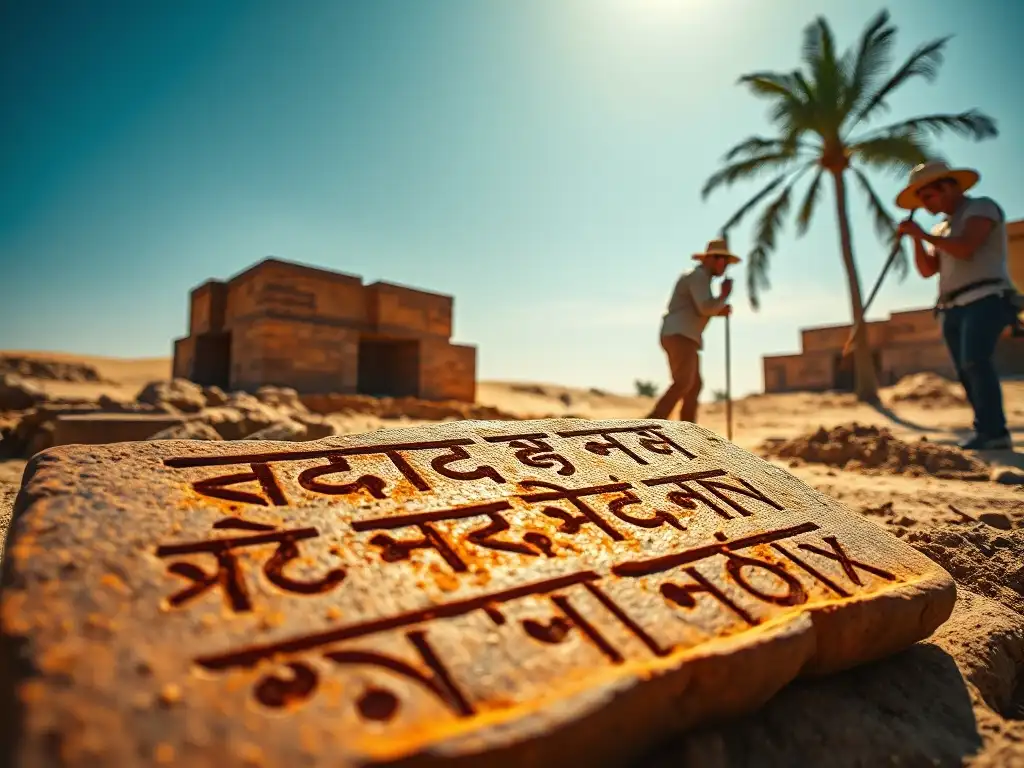
Welcome to Ancient India History, where we embark on a fascinating journey through the rich tapestry of ancient Indian civilizations. Today, we delve into the enigmatic world of the Indus Valley civilization mysteries. As we decode the intricacies of the Indus Script, we invite you to join us in uncovering the secrets that have puzzled historians and linguists alike for centuries. What truths lie hidden within these ancient symbols? Explore with us as we unravel what we know and what remains shrouded in mystery, sparking your curiosity to delve deeper into this captivating chapter of history.
The Indus Valley Civilization, one of the world's earliest urban cultures, flourished around 2500 BCE in what is now modern-day Pakistan and northwest India. Known for its advanced city planning, sophisticated drainage systems, and impressive architecture, this civilization has long fascinated historians and archaeologists alike.
However, one of its most enigmatic features remains the Indus script, a collection of symbols that have yet to be deciphered. This article delves into the mysteries of the Indus Valley civilization, exploring what we currently understand about the script, the various theories proposed by researchers, and the significant gaps in our knowledge that continue to intrigue scholars.
As we embark on this journey through the ancient language of the Indus Valley, we will uncover the potential meanings behind these symbols, their cultural implications, and the ongoing efforts to solve one of history's most captivating puzzles. Join us as we decode the Indus script and unravel the mysteries that have surrounded it for millennia.
- Introduction to the Indus Valley Civilization Mysteries
- The Indus Script: An Overview
- Current Understanding of the Indus Script
- The Mysteries Surrounding the Indus Script
- Future Directions in Indus Script Research
- Conclusion: The Indus Valley Civilization Mysteries Remain
- Call to Action: Engage with the Mysteries of Ancient Indian Scripts
- Frequently Asked Questions
- Final Reflection: Unraveling the Mysteries of the Indus Valley Civilization
- Unlock the Secrets of the Indus Script Today!
Introduction to the Indus Valley Civilization Mysteries
The Indus Valley Civilization (IVC), flourishing around 2500 BCE in what is now Pakistan and northwest India, is one of the world's earliest urban cultures. Despite its advanced urban planning, sophisticated drainage systems, and impressive architecture, several mysteries, particularly surrounding its script, remain unsolved. The enigmatic nature of the Indus script adds a layer of intrigue to the ongoing exploration of this ancient civilization. Scholars and enthusiasts alike are drawn to the numerous Indus Valley civilization mysteries, particularly those concerning the nature, usage, and meaning of the script itself.
Overview of the Indus Valley Civilization
The Indus Valley Civilization was characterized by its remarkable urban centers, including Mohenjo-Daro and Harappa, which showcased advanced engineering and social organization. Key features of the civilization include:
- Urban Planning: Cities were constructed with a grid layout, featuring well-planned streets and sophisticated drainage systems.
- Architecture: The use of baked brick and standardized weights and measures facilitated trade and construction.
- Agriculture: Evidence suggests that the IVC was largely agrarian, cultivating wheat, barley, and cotton.
- Trade Networks: The civilization engaged in extensive trade with neighboring regions, including Mesopotamia and Central Asia, facilitating cultural exchange.
Despite these achievements, the decline of the Indus Valley Civilization around 1900 BCE raises further questions. Theories suggest a combination of climatic changes, shifting river patterns, and possible invasions. However, definitive explanations remain elusive, contributing to the mysteries of the Indus Valley civilization.
Importance of the Indus Script in Historical Context
The Indus script, composed of a series of symbols found on seals, pottery, and other artifacts, is crucial for understanding the IVC's social, economic, and cultural dynamics. Key points regarding the significance of the Indus script include:
- Cultural Identity: The script is seen as a marker of identity for the Indus people, reflecting their culture and possibly their language.
- Economic Transactions: Many believe that the script was used for trade and administrative purposes, with seals often found in contexts suggesting commercial activities.
- Religious and Ritual Significance: Some scholars argue that inscriptions may have had religious connotations, potentially linked to the spiritual practices of the civilization.
Despite numerous attempts to decipher the Indus script, including statistical analyses and comparisons with known languages, progress has been limited. The lack of bilingual inscriptions, akin to the Rosetta Stone for Egyptian hieroglyphs, poses a significant challenge. As a result, the Indus script continues to be one of the most compelling mysteries of the Indus Valley civilization, inviting ongoing research and debate in the fields of archaeology and linguistics.
The exploration of these mysteries not only deepens our understanding of the Indus Valley Civilization but also highlights the broader complexities of ancient human societies and their methods of communication.
The Indus Script: An Overview
The Indus Script remains one of the most enigmatic aspects of the Indus Valley civilization, a culture that flourished around 2500 BCE in what is now modern-day Pakistan and northwest India. Despite extensive archaeological research, the script has yet to be deciphered, leading to numerous theories about its origins, purpose, and meaning. The significance of the Indus Script lies not only in its potential to unlock the history and culture of the Indus Valley civilization but also in the broader context of ancient writing systems.
What is the Indus Script?
The Indus Script is a collection of symbols and signs found primarily on seals, pottery, and other artifacts from the Indus Valley civilization. These inscriptions were typically short, consisting of a series of symbols that may represent words, sounds, or concepts. Estimates suggest there are over 400 unique signs, making it a complex system.
The script's usage is predominantly associated with trade, religious practices, and administrative functions. Seals engraved with the script often depict animals and motifs, indicating that they may have served as identifiers for merchants or as a means of communication within the trade networks that spanned ancient South Asia.
Despite numerous attempts to decipher the Indus Script, including efforts by linguists and archaeologists, no consensus has emerged, leaving many questions unanswered regarding its syntax, semantics, and the underlying language. The lack of bilingual texts, which have aided in the decipherment of other ancient scripts, further complicates the effort to understand this writing system.
Characteristics of the Indus Script
The Indus Script exhibits several notable characteristics that set it apart from other ancient writing systems:
- Logographic and Phonetic Elements: Some scholars propose that the script combines logographic elements (where symbols represent words or morphemes) with phonetic elements (where symbols represent sounds), although this remains speculative.
- Directionality: Inscriptions can be found written in various orientations, including left to right, right to left, and even vertically. This variability suggests a degree of complexity in how the script was used and understood.
- Size and Format: The symbols vary significantly in size, ranging from small engravings on seals to larger inscriptions on pottery. This difference may indicate varying purposes, from official seals to everyday communication.
- Material Medium: The Indus Script is primarily found on durable materials such as steatite (soapstone), terracotta, and metal. This choice of materials suggests that the inscriptions were intended to last and perhaps serve important societal functions.
- Absence of Decipherment: As mentioned earlier, the most striking characteristic of the Indus Script is its undeciphered nature. The symbols have resisted all attempts at translation, despite the extensive corpus of over 5,000 known inscriptions.
Comparison with Other Ancient Scripts
When comparing the Indus Script with other ancient scripts, several key differences and similarities emerge:
| Feature | Indus Script | Egyptian Hieroglyphs | Mesopotamian Cuneiform |
|---|---|---|---|
| Decipherment Status | Undeciphered | Deciphered | Deciphered |
| Writing System Type | Logographic and possibly phonetic | Logographic and phonetic | Mainly syllabic and logographic |
| Primary Usage | Trade, administration | Religious and monumental | Administrative and literary |
| Symbol Count | 400+ unique signs | Hundreds of symbols | Over 1,000 signs |
| Directionality | Variable | Primarily left to right | Left to right |
The table illustrates that while the Indus Script shares some characteristics with other ancient writing systems, particularly its logographic potential, its undeciphered nature remains a significant barrier to understanding the complexities of the Indus Valley civilization. The comparison underscores the unique challenges presented by the Indus Script and highlights the mysteries surrounding its origin and function.
The Indus Script continues to captivate historians and linguists alike, embodying the mysteries of the Indus Valley civilization. Ongoing research and archaeological discoveries may yet provide the key to understanding this ancient form of communication, illuminating the lives of one of history’s most intriguing cultures.
Current Understanding of the Indus Script
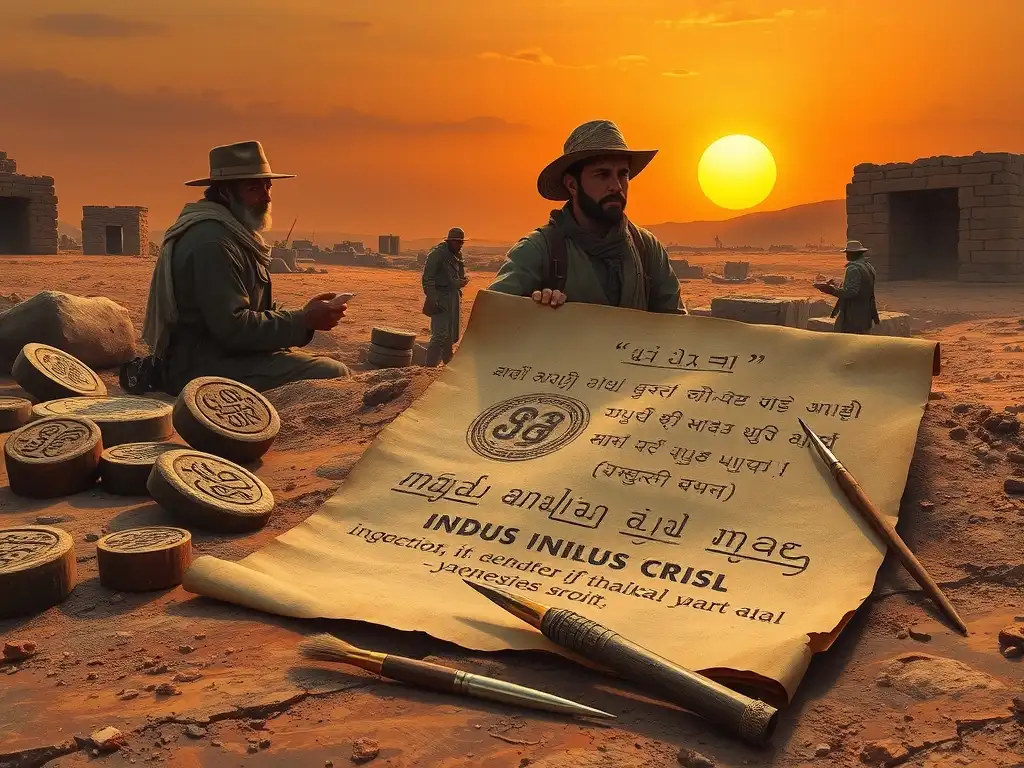
The Indus script remains one of the most enigmatic aspects of the Indus Valley civilization, which flourished from approximately 3300 to 1300 BCE. Despite numerous archaeological findings, the script has not yet been definitively deciphered, leading to ongoing debates and speculation regarding its significance and meaning. Scholars generally agree that the script consists of around 400 distinct signs, which appear on seals, pottery, and other artifacts.
While the Indus script is often considered a form of writing, its exact function—whether it was used for administrative purposes, religious rituals, or trade—remains unclear. The absence of bilingual texts, such as the Rosetta Stone for Egyptian hieroglyphs, complicates efforts to decode it. Therefore, current understanding hinges on indirect evidence and the context in which these inscriptions were found.
Major Sites and Inscriptions
Several key archaeological sites have yielded significant inscriptions that contribute to our understanding of the Indus script. Among these, Mohenjo-Daro, Harappa, and Dholavira stand out:
- Mohenjo-Daro: Here, seals bearing the Indus script have been discovered, often depicting animals and symbols. The most famous seal is the "Pashupati Seal," which features a figure seated in a yogic posture surrounded by animals.
- Harappa: Numerous clay tablets and seals have been unearthed, with some displaying a consistent arrangement of characters. The discovery of a "scripted" brick structure suggests that writing was integral to urban planning and administration.
- Dholavira: This site has revealed the largest known inscription in the Indus script, consisting of 10 large letters carved into stone. The arrangement of these characters indicates a possible use for public communication or display.
Archaeological Findings and Their Significance
The significance of the archaeological findings extends beyond mere inscriptions. They provide insight into the social, economic, and cultural dynamics of the Indus Valley civilization. For example:
- Trade and Economy: The presence of standardized weights and measures alongside inscriptions suggests a sophisticated trading system, potentially indicated through written records.
- Religious Practices: Symbols associated with deities and ritualistic objects found alongside inscriptions hint at spiritual practices, yet the exact religious significance of these inscriptions remains an open question.
- Urban Planning: The layout of cities like Mohenjo-Daro and Harappa, including drainage systems and public baths, indicates a high level of civic organization, potentially supported by written documentation.
Theories on the Language Behind the Indus Script
Linguistic Theories and Proposals
Various linguistic theories have emerged to explain the language represented by the Indus script. Some of the prominent hypotheses include:
- Dravidian Hypothesis: Some scholars propose that the script may represent an early form of Dravidian languages, which are still spoken in southern India. This theory is supported by the geographical proximity of the Indus Valley to regions where Dravidian languages are prevalent today.
- Sanskrit Connection: Others suggest that the script could be an early form of Sanskrit, positing a connection between the Indus Valley civilization and later Vedic culture.
- Isolating Features: A significant challenge in deciphering the Indus script arises from the lack of grammatical structure and contextual clues, making it difficult to categorize it linguistically.
Experts' Opinions on Decipherment Efforts
Experts' opinions on the decipherment of the Indus script vary widely, reflecting the ongoing debates within the academic community. Some notable perspectives include:
- Cautious Optimism: Some linguists believe that breakthroughs may come with advances in technology, such as computational linguistics and machine learning, which could analyze patterns and make predictions about meanings.
- Skeptical Views: Conversely, other experts remain skeptical, arguing that without more substantial evidence or bilingual texts, the script may remain undecipherable.
- Collaborative Approaches: A growing number of researchers advocate for interdisciplinary collaboration, combining insights from archaeology, linguistics, and history to unravel the complexities of the Indus script.
While strides have been made in understanding the Indus script, it remains one of the Indus Valley civilization mysteries that continue to captivate scholars and enthusiasts alike. Further research and discoveries may eventually illuminate the meanings behind these ancient inscriptions, shedding light on the civilization's rich history and culture.
The Mysteries Surrounding the Indus Script
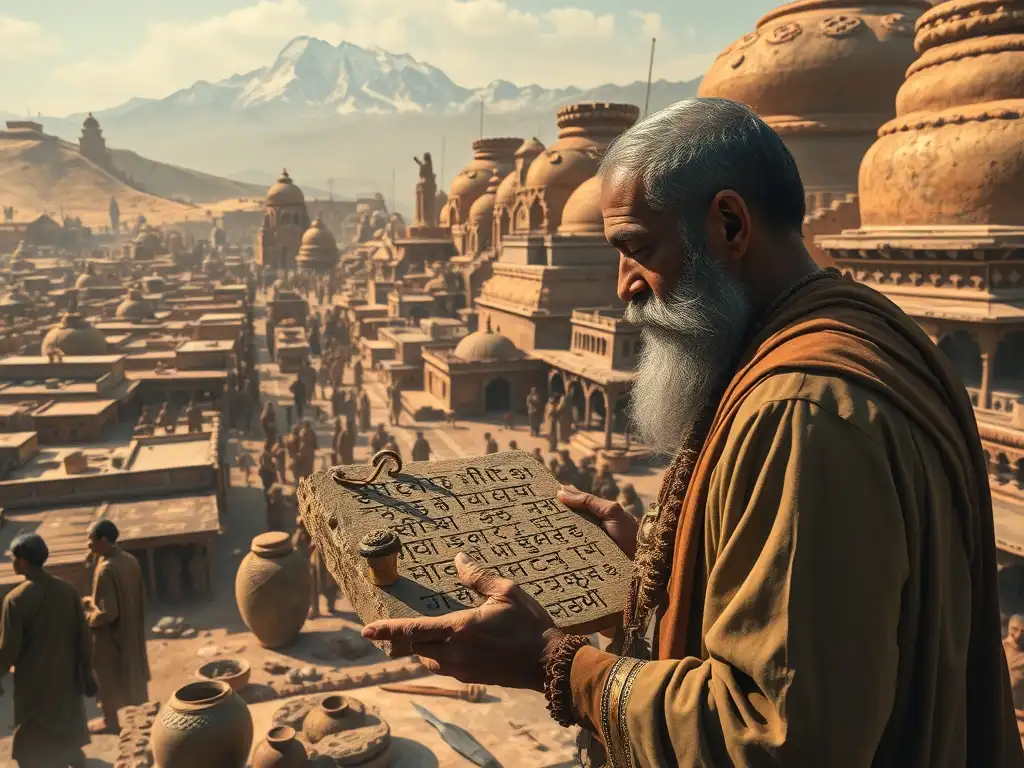
The Indus script, a collection of symbols found on seals, pottery, and other artifacts from the Indus Valley Civilization, continues to puzzle scholars and enthusiasts alike. This enigmatic writing system, which appears to date back to around 2600-1900 BCE, is a critical piece of the ancient puzzle regarding one of the world's first urban cultures. Despite numerous attempts at decipherment, the script remains one of the key mysteries of the Indus Valley civilization, leading to ongoing debates about its nature and function.
Unsolved Questions About the Indus Script
The mysteries surrounding the Indus script raise several compelling questions that have yet to be answered satisfactorily. These inquiries not only enhance our understanding of the script itself but also reflect on the broader historical context of the Indus Valley Civilization. Some of the most pressing questions include:
- What was the primary purpose of the Indus script?
- How many unique symbols are there in the script?
- Were these symbols used for administrative, religious, or commercial purposes?
Why Has the Indus Script Remained Undeciphered?
The most significant reason the Indus script remains undeciphered is the lack of a bilingual inscription, akin to the Rosetta Stone for Egyptian hieroglyphs. Without a comparative text in a known language, scholars have struggled to establish a definitive correlation between the symbols and their meanings.
Moreover, the script’s brevity adds another layer of complexity. Most inscriptions are quite short, often comprising fewer than five symbols, which poses challenges for establishing grammatical structures or vocabulary. The limited corpus of data means that many interpretations remain speculative, resulting in a stalemate in decipherment efforts.
The Role of Context and Cultural Nuances
In addition to the textual challenges, the cultural context of the Indus Valley civilization plays a crucial role in understanding the script. The civilization thrived in a region with diverse languages and cultural practices, which may have influenced the development of their writing system.
Interpreting the symbols without understanding the socio-political and economic structures of the time can lead to misinterpretations. For example, certain symbols may have had significance in trade or religious contexts that are not immediately evident to modern scholars. Thus, an interdisciplinary approach that combines archaeology, anthropology, and linguistics might be necessary to unlock the mysteries of the Indus script.
The Implications of the Indus Script’s Mystery
The undeciphered nature of the Indus script has significant implications for our understanding of the Indus Valley civilization and the study of ancient scripts in general.
Impact on Understanding Indus Valley Civilization
The inability to read the Indus script hampers our comprehension of the civilization's administrative systems, social structures, and belief systems. For instance, if the script contained records of trade or governance, deciphering it could provide insights into how the civilization organized itself and interacted with neighboring cultures.
Moreover, the mystery surrounding the script has led to various theories, some of which suggest that the Indus Valley civilization may have been more advanced than previously thought. Understanding the script could challenge or confirm these theories, reshaping our historical narrative.
Influence on Contemporary Studies of Ancient Scripts
The challenges posed by the Indus script have implications beyond just the Indus Valley civilization. They resonate with contemporary studies of ancient scripts worldwide. Scholars studying other undeciphered scripts, such as the Etruscan or the Rongorongo of Easter Island, often draw parallels with the Indus script.
The ongoing efforts to decode the Indus script highlight the importance of using innovative technologies, such as machine learning and pattern recognition, which may provide new avenues for decipherment. The quest to unlock its secrets continues to inspire a new generation of linguists and historians, making it a vital area of study within the broader field of ancient languages and scripts.
Through a deeper exploration of these mysteries, we may one day uncover the lost voice of the Indus Valley civilization, shedding light on its contributions to human history.
Future Directions in Indus Script Research

Advances in Technology and Their Potential
As we delve deeper into the enigmatic world of the Indus Valley civilization, technological advancements are reshaping the landscape of research related to the Indus script. The intersection of archaeology, linguistics, and technology has opened new avenues for understanding this ancient writing system, which has long posed challenges to scholars.
Digital Tools for Decipherment
Recent developments in digital technology have introduced innovative tools that facilitate the analysis of the Indus script. Software applications utilizing machine learning algorithms can analyze patterns, frequencies, and structures within the script. This computational approach allows researchers to:
- Identify recurrent symbols and their potential meanings by analyzing large datasets of inscriptions.
- Create databases that compile all known inscriptions, making it easier to conduct comparative studies.
- Visualize relationships between symbols and potential linguistic roots, providing clues that were previously overlooked.
These digital tools hold promise for breaking down the complexities of the script, paving the way for a more systematic approach to decipherment.
Interdisciplinary Approaches to Understanding the Script
The study of the Indus script is increasingly becoming an interdisciplinary endeavor. Linguists, archaeologists, historians, and computer scientists are collaborating to explore this ancient writing system from multiple perspectives. Some key interdisciplinary strategies include:
- Linguistic Analysis: By applying principles from contemporary linguistic studies, researchers can hypothesize about the phonetic structure of the script.
- Cultural Contextualization: Understanding the socio-cultural backdrop of the Indus Valley civilization can provide insights into the possible functions of the script, such as trade or religious ceremonies.
- Data Science: Utilizing statistical models and algorithms to decipher patterns in the inscriptions can lead to new interpretations and theories.
This multifaceted approach enhances our understanding of the Indus script, moving beyond traditional methods and fostering a richer academic dialogue.
Hopes for Future Discoveries
The future of Indus script research is full of promise, highlighted by ongoing excavations and the collaborative efforts of scholars worldwide. These initiatives aim to shed light on the mysteries of the Indus Valley civilization and its unique writing system.
Ongoing Excavations and Research Projects
Excavation sites across the Indus Valley continue to yield new artifacts and inscriptions, providing fresh material for study. Some notable projects include:
- Harappa and Mohenjo-Daro Excavations: These sites remain focal points for archaeological research, with ongoing efforts to uncover inscriptions that could reveal more about the script's usage and context.
- Remote Sensing Technologies: Advanced techniques such as LiDAR (Light Detection and Ranging) are being employed to discover new sites that may contain undiscovered inscriptions, expanding our understanding of the geographic spread of the script.
- Community Involvement: Local communities are being engaged in excavation efforts, leading to a more inclusive approach that incorporates indigenous knowledge and perspectives.
These initiatives are crucial for unearthing new data that may one day lead to a breakthrough in deciphering the Indus script.
Collaborations Between Scholars Worldwide
The global academic community is increasingly recognizing the importance of collaborative research in understanding the Indus script. Scholars from diverse fields are sharing knowledge, resources, and methodologies to tackle the complexities of this ancient writing system. Notable aspects of these collaborations include:
- International Conferences: These gatherings facilitate discussions on recent findings and foster partnerships between institutions, enhancing the collective knowledge base.
- Joint Research Grants: Funding opportunities are encouraging multidisciplinary teams to pursue projects focused specifically on the Indus script.
- Online Platforms and Forums: Digital communication tools allow scholars to share insights and hypotheses, fostering an environment of continuous learning and discovery.
By pooling resources and expertise, researchers are better equipped to unlock the mysteries of the Indus Valley civilization and its script, moving closer to a comprehensive understanding of this fascinating aspect of ancient history.
Conclusion: The Indus Valley Civilization Mysteries Remain

The Indus Valley civilization, one of the world's earliest urban cultures, continues to captivate scholars and enthusiasts alike with its rich tapestry of historical enigmas. While significant strides have been made in understanding the social, economic, and technological aspects of this ancient society, the Indus script remains one of its most perplexing mysteries. Despite numerous attempts to decode this enigmatic writing system, the lack of a bilingual inscription, such as the Rosetta Stone for Egyptian hieroglyphs, leaves many questions unanswered.
Summary of Key Points
- Indus Script Characteristics: The Indus script consists of around 400 distinct symbols, primarily found on seals, pottery, and other artifacts. Its brevity, typically comprising short inscriptions, poses a challenge for decipherment.
- Historical Context: The script is believed to have been used between 2600 BCE and 1900 BCE, during the height of the Indus Valley civilization. This period was marked by advanced urban planning, trade networks, and remarkable craftsmanship.
- Decipherment Attempts: Numerous scholars have proposed various hypotheses regarding the language family to which the Indus script belongs, ranging from Dravidian to Indo-European. However, none have achieved consensus within the academic community.
- Cultural Significance: The symbols may not only represent a form of communication but could also hold religious or administrative significance, indicating a complex societal structure.
- Technological Advances: Recent advancements in technology, such as machine learning and digital imaging, have revitalized efforts to analyze the script more thoroughly. These tools may provide new insights and facilitate breakthroughs in understanding.
The Importance of Continued Research on the Indus Script
The ongoing scholarly pursuit to decode the Indus script is essential for several reasons:
- Cultural Heritage: Understanding the Indus script is vital for appreciating the cultural heritage of ancient India. It may reveal insights into the beliefs, daily life, and governance of the Indus Valley people, enriching our understanding of human civilization.
- Interdisciplinary Approaches: Continued research encourages collaboration across various disciplines, including archaeology, linguistics, and computer science. This interdisciplinary approach can yield innovative methods to tackle the complexities of the script.
- Preservation of Artifacts: As archaeological sites in the Indus Valley face threats from urbanization and climate change, timely research can help in documenting and preserving these invaluable artifacts, ensuring that future generations can study and learn from them.
- Potential Discoveries: Every year, new excavations and findings expand our understanding of the Indus Valley civilization. Each discovery may bring us closer to unlocking the mysteries of the script, with the potential for significant revelations regarding ancient Indian history.
While the Indus script remains an enduring mystery, the dedication to uncovering its secrets reflects the rich intellectual legacy of the Indus Valley civilization. Continued exploration and research may one day illuminate this ancient puzzle, deepening our appreciation for one of history's most fascinating cultures.
Call to Action: Engage with the Mysteries of Ancient Indian Scripts
The Indus Valley civilization, one of the most remarkable ancient cultures, continues to captivate historians, linguists, and archaeologists alike. As we delve deeper into the enigma of the Indus script, we invite you to engage with this fascinating subject and contribute to the ongoing discourse surrounding its mysteries.
Encourage Readers to Explore Further
Exploration of the Indus script is not merely an academic pursuit; it is a journey into understanding the very fabric of one of the world's earliest urban societies. As you venture into this topic, consider the following avenues to enhance your exploration:
- Join Online Courses and Webinars: Many institutions offer courses focusing on ancient scripts and civilizations. These platforms provide insights from experts and foster discussions that can deepen your understanding.
- Participate in Archaeological Expeditions: Some organizations allow volunteers to participate in archaeological digs. This hands-on experience can provide a unique perspective on how the Indus Valley civilization operated.
- Engage with Community Forums and Discussions: Online forums dedicated to ancient history are an excellent way to connect with like-minded enthusiasts. Sharing perspectives can lead to new insights and interpretations of the Indus script.
- Visit Museums and Exhibitions: Museums often feature artifacts from the Indus Valley civilization. Engaging with these physical remnants can evoke a deeper appreciation for the culture and its mysteries.
To further enrich your understanding of the Indus Valley civilization and its mysteries, consider exploring the following related topics:
- Comparative Studies of Ancient Scripts
- Investigate how the Indus script compares with other ancient writing systems, such as Mesopotamian cuneiform and Egyptian hieroglyphs. What similarities and differences can be identified in their development and usage?
- Linguistic Analysis of the Indus Script
- Delve into the ongoing debates about the linguistic nature of the Indus script. Is it a language, a proto-language, or perhaps a system of symbols?
- Cultural Context of the Indus Valley Civilization
- Study the social, economic, and religious aspects of the civilization to understand better how these factors may have influenced the development of their writing system.
- Technological Advances in Deciphering Scripts
- Explore modern technologies, such as machine learning and artificial intelligence, that are being utilized in attempts to decode the Indus script.
- The Role of Trade and Interaction with Neighboring Cultures
- Research how trade networks with neighboring civilizations may have impacted the evolution of writing in the Indus Valley.
By engaging with these topics, you can contribute to the broader narrative surrounding the Indus Valley civilization mysteries and help illuminate the significance of its script in the history of human communication.
Frequently Asked Questions
What is the Indus Valley Civilization?
The Indus Valley Civilization was an ancient civilization that thrived around 2500 BCE in present-day Pakistan and northwest India, known for its advanced urban planning and writing system.
Why is the Indus Script significant?
The Indus Script is significant because it is one of the earliest forms of writing, and understanding it could provide insights into the culture, administration, and daily life of the Indus Valley people.
What are some of the mysteries surrounding the Indus Valley Civilization?
Some mysteries include the meaning of the Indus Script, the reasons for the civilization's decline, and the extent of their trade networks with other ancient cultures.
How does studying the Indus Valley Civilization contribute to our understanding of ancient India?
Studying the Indus Valley Civilization helps us comprehend the foundations of urbanization, social structure, and cultural practices that influenced later Indian civilizations.
What methods are used to decode the Indus Script?
Researchers use methodologies such as comparative linguistics, statistical analysis, and archaeological context to attempt to decode the Indus Script and uncover its meanings.
Final Reflection: Unraveling the Mysteries of the Indus Valley Civilization
The exploration of the Indus script remains one of the most captivating enigmas in archaeology today. As we delve into the remnants of the Indus Valley civilization, we uncover not only the sophisticated urban planning and advanced societal structures but also the profound mysteries that continue to baffle scholars.
The quest to decode this ancient script is not just an academic pursuit; it resonates with our innate desire to understand the past and connect with the roots of human civilization. The mysteries of the Indus Valley civilization are not merely historical puzzles; they are reflections of our ongoing journey toward knowledge and understanding.
Cultural narratives are shaped by the stories we tell and the mysteries we seek to unravel. The Indus Valley civilization, with its intricate seals and symbols, serves as a reminder of the complexities of human expression and communication. As we grapple with the limitations of our current understanding, we are reminded of the words of the renowned historian Will Durant: Civilization exists by geological consent, subject to change without notice.
This quote encapsulates the fragility of our knowledge and the importance of remaining open to new interpretations and discoveries. The ongoing research into the Indus script not only enriches our understanding of ancient societies but also influences contemporary discussions about cultural identity and heritage.
As we reflect on the mysteries of the Indus Valley civilization, I invite you to consider your own relationship with history and knowledge. What mysteries in your life are waiting to be explored? Embrace the curiosity that drives us to seek answers, and let it inspire you to delve deeper into your own passions and interests.
By engaging with the past, we not only honor those who came before us but also empower ourselves to shape a more informed and connected future. The journey of decoding the Indus script is a testament to the enduring human spirit—let it inspire you to embark on your own quest for understanding and discovery.
Unlock the Secrets of the Indus Script Today!
Thank you for diving into the fascinating world of the Indus Script with us! Your curiosity about this ancient civilization is not only commendable but crucial in keeping history alive. Now that you’ve uncovered the mysteries of what we know, it’s time to take actionable steps towards a deeper understanding and exploration.
Here’s how you can continue your journey:
- Join an online forum or community dedicated to ancient scripts and archaeology—engaging with enthusiasts will broaden your insights.
- Share this article with friends or on social media to spark discussions about this intriguing topic!
- Explore more resources—visit ancientindiahistory.com for further readings that delve into related historical themes.
What aspect of the Indus Script fascinates you the most, and how do you think it shapes our understanding of ancient civilizations?