
Agricultural Innovations of Ancient India: A Comparative Study with Other Civilizations

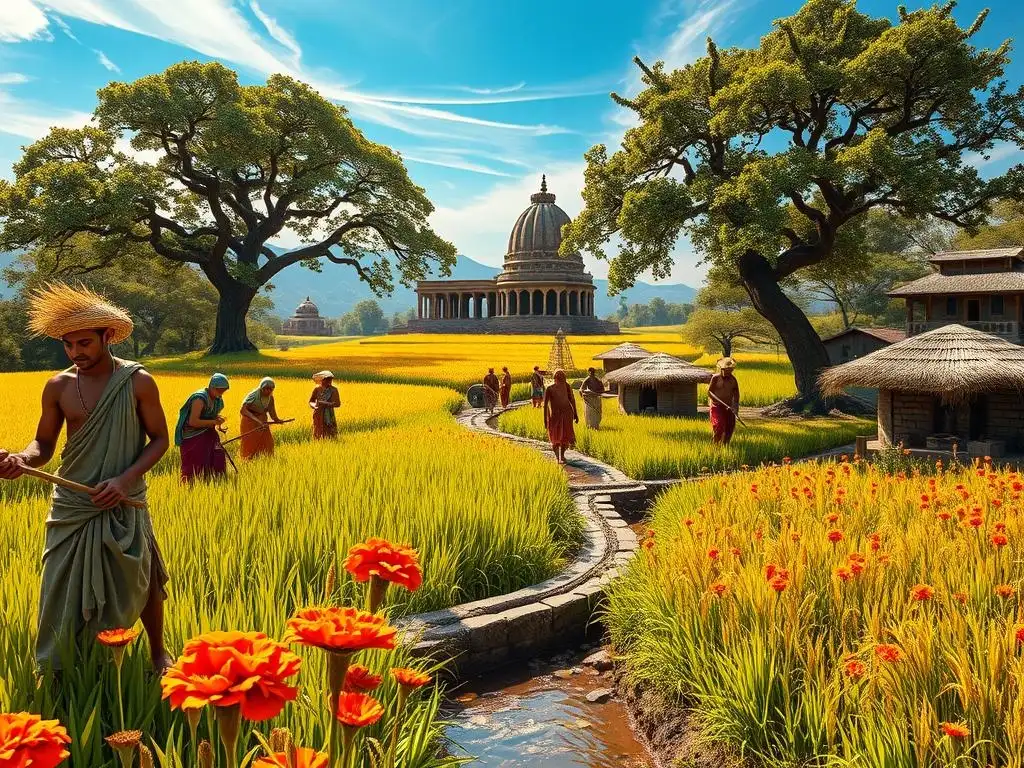
Welcome to Ancient India History, where we embark on an enthralling journey through the rich tapestry of ancient Indian civilizations. From the sophisticated urban planning of the Indus Valley to the cultural zenith of the Gupta Empire, the legacy of these societies continues to inspire and intrigue. In our featured article, "Agricultural Innovations of Ancient India: A Comparative Study with Other Civilizations," we delve into the groundbreaking agricultural techniques that not only transformed the Indian landscape but also influenced societies around the globe.
Prepare to uncover the ingenious methods that paved the way for sustainable farming practices and explore how these innovations set the stage for future advancements. Are you ready to discover the hidden gems of ancient agricultural wisdom? Let’s dive in!
- Introduction to Ancient Indian Agricultural Innovations
- Key Agricultural Innovations in Ancient India
- Comparative Analysis of Agricultural Innovations
- The Impact of Climate and Geography on Agricultural Innovations
- Legacy of Ancient Indian Agricultural Innovations
- Conclusion
-
Frequently Asked Questions
- What were some key agricultural innovations in ancient India?
- How did ancient Indian agricultural practices compare to other civilizations?
- What role did the Indus Valley Civilization play in agriculture?
- How did the Gupta Empire influence agricultural innovations?
- Why are ancient Indian agricultural innovations significant today?
- Final Reflection: The Enduring Legacy of Ancient Indian Agricultural Innovations
- Unveil the Legacy of Agricultural Innovations!
Introduction to Ancient Indian Agricultural Innovations
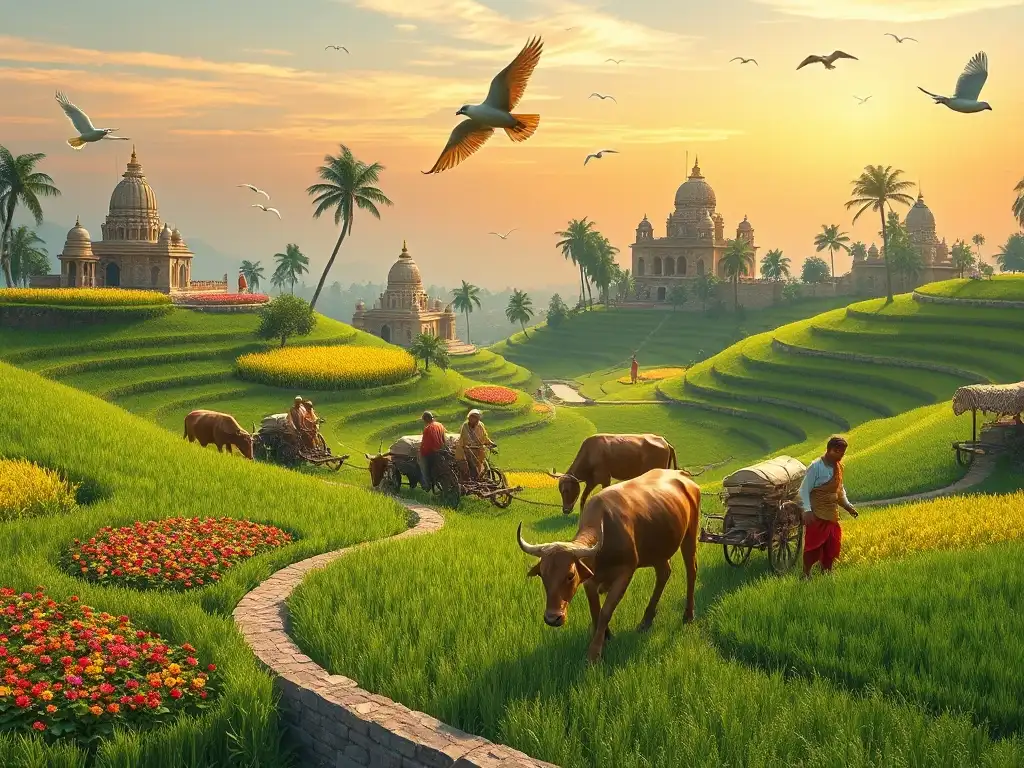
Ancient India, a cradle of civilization, is renowned not only for its rich cultural heritage but also for its remarkable advancements in agriculture. The innovations that emerged in this period laid the groundwork for sustainable farming practices that would influence generations to come.
From the sophisticated irrigation systems of the Indus Valley civilization to the crop rotation methods developed during the Gupta Empire, ancient Indian agricultural innovations played a pivotal role in shaping society and economy. This article delves into the intricacies of these innovations, comparing them with those from other ancient civilizations, highlighting their significance, and exploring their lasting impact on agriculture as we know it today.
Overview of Agriculture in Ancient India
Agriculture in ancient India was not merely a means of sustenance; it was a way of life that intertwined with the social, economic, and religious fabric of the civilization. Key features of ancient Indian agriculture included:
- Diverse Cultivation: Ancient Indians cultivated a variety of crops such as wheat, barley, rice, and pulses, adapting to regional climates and soil types.
- Irrigation Techniques: The development of advanced irrigation systems, including canals and wells, allowed for the expansion of arable land and increased crop yields.
- Agricultural Tools: The use of plows, sickles, and other tools made from iron and bronze improved efficiency and productivity in farming activities.
- Crop Rotation: Ancient farmers practiced crop rotation, which helped maintain soil fertility and reduce pest infestations.
These practices not only ensured food security but also supported trade and economic growth, with surplus production facilitating commerce both within and beyond the subcontinent.
Importance of Agricultural Innovations in Ancient Civilizations
Agricultural innovations were fundamental to the prosperity of ancient civilizations, including those in Mesopotamia, Egypt, and China, as well as in India. The significance of these innovations can be highlighted through various aspects:
- Food Security: Innovations in agriculture directly contributed to increased food production, which was essential for sustaining large populations and urban centers.
- Economic Development: Agricultural surplus allowed for the growth of trade, with food products becoming valuable commodities in both local and regional markets.
- Social Structure: The rise of agrarian societies led to the development of complex social hierarchies, with landowners often wielding significant power and influence.
- Cultural Practices: Agricultural cycles dictated festivals, rituals, and community gatherings, embedding agriculture deeply into the cultural identity of civilizations.
In ancient India, as in other civilizations, agricultural innovations not only served practical purposes but also played a crucial role in shaping the societal framework, ensuring that agriculture remained a cornerstone of civilization well into the future.
Key Agricultural Innovations in Ancient India
Crop Rotation Techniques in Ancient India
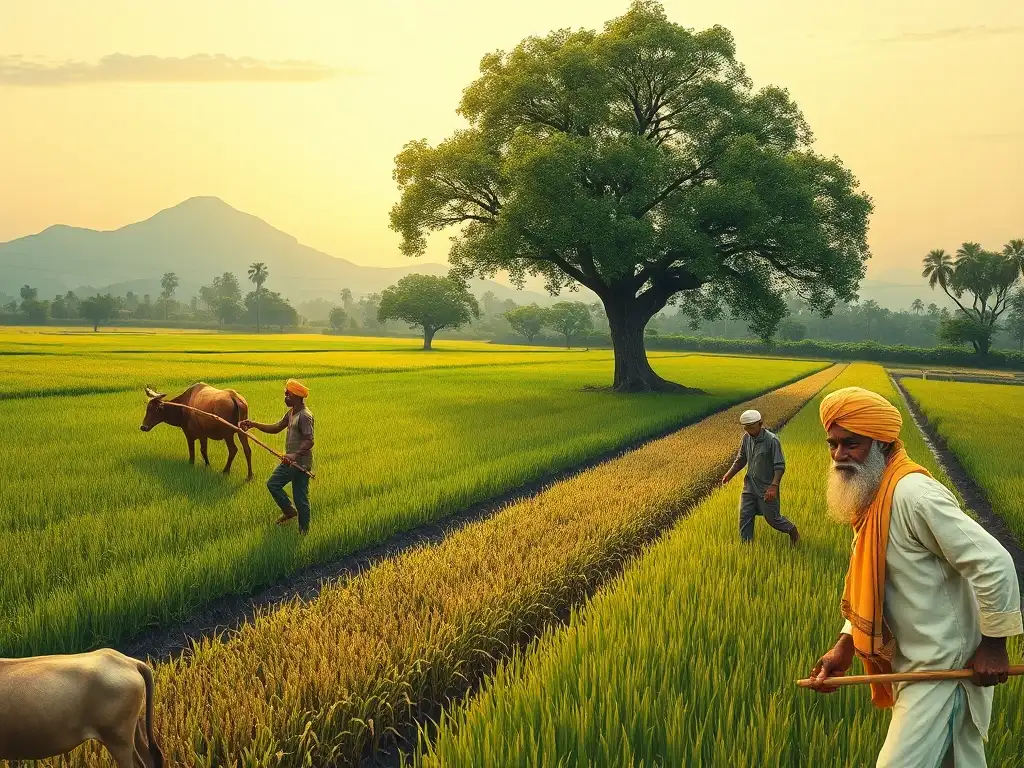
Crop rotation was a fundamental agricultural practice in ancient India, significantly enhancing soil fertility and crop yield. This technique involved alternating the cultivation of different crops in a specific sequence over seasons to avoid nutrient depletion and minimize pest infestations. Indian farmers recognized that certain crop combinations, such as legumes with cereals, could restore nitrogen levels in the soil, thus improving subsequent harvests.
- Benefits of Crop Rotation:
- Nutrient Management: By alternating crops, farmers could maintain a balance of nutrients in the soil. For example, legumes like lentils and chickpeas enriched the soil with nitrogen, which benefited nitrogen-consuming crops like wheat and rice.
- Pest and Disease Control: Crop rotation disrupted the life cycles of pests and diseases that thrived on specific crops. This practice reduced the need for chemical interventions, promoting more sustainable farming.
The adoption of crop rotation was not only a practical approach to enhance agricultural productivity but also a reflection of the sophisticated agricultural knowledge possessed by ancient Indian civilizations.
Use of Irrigation Systems in Ancient Indian Agriculture
Irrigation played a pivotal role in the agricultural landscape of ancient India. The innovative use of irrigation systems enabled farmers to cultivate crops in arid regions and during dry seasons, ensuring a steady food supply. Ancient Indian agronomists developed various irrigation techniques, showcasing their ingenuity in water management.
- Types of Irrigation Systems:
- Canal Irrigation: Large canal systems were constructed to divert water from rivers to fields. The Indus Valley Civilization is known for its advanced canal network, which supported extensive agriculture.
- Wells and Tanks: Farmers utilized wells and reservoirs (tanks) to store rainwater and groundwater, allowing for irrigation during critical growth periods. This technique was particularly effective in regions with seasonal rainfall.
These irrigation innovations not only increased agricultural yields but also supported population growth and urbanization by stabilizing food supplies.
Development of Plough and Tillage Methods
The development of the plough and various tillage methods marked a significant advancement in ancient Indian agriculture. The introduction of the plough, particularly the ard or the wooden plough, revolutionized farming practices and enhanced the efficiency of land cultivation.
- Types of Ploughs:
- Traditional Wooden Plough: Early ploughs were made of wood and pulled by oxen. This simple yet effective tool allowed farmers to till the land more deeply and prepare it for sowing.
- Iron Ploughshare: With advancements in metallurgy, the introduction of iron ploughshares improved durability and effectiveness in breaking up hard soil, making it easier to cultivate various types of land.
- Tillage Practices:
- Zai and Bakhara Techniques: These methods involved creating small pits or furrows for planting seeds, allowing for better moisture retention and crop establishment.
- Intercropping and Mixed Cropping: Farmers practiced intercropping by planting multiple crops in the same field, optimizing land use and enhancing biodiversity.
The innovations in plough design and tillage practices not only improved agricultural productivity but also reflected the technological sophistication of ancient Indian civilizations.
Introduction of New Crops and Varietals
The agricultural landscape of ancient India was significantly shaped by the introduction of new crops and varietals, which played a crucial role in enhancing food security and supporting the growing population. The diverse climatic zones in India allowed for the cultivation of a wide range of crops, and the early Indian farmers were adept at experimenting with different species to find the most suitable varieties.
One of the most notable contributions was the domestication and cultivation of rice, which became a staple food in various regions, particularly in the eastern and southern parts of India. Archaeological evidence suggests that rice cultivation dates back to around 7000 BCE in the eastern regions, with different varieties being developed over time to adapt to local conditions. This adaptability was essential as it allowed farmers to optimize yield and cope with varying climatic challenges.
In addition to rice, ancient Indian farmers were instrumental in introducing and developing other significant crops such as wheat, barley, and millet. For instance, wheat cultivation, believed to have originated in the northwest regions of the Indian subcontinent, saw the introduction of various hard and soft wheat varieties that thrived in different soils and climates. These innovations not only diversified the agricultural output but also played a pivotal role in trade, as surplus production facilitated exchanges with neighboring civilizations.
The practice of selective breeding further enhanced crop resilience and productivity. Farmers would select the best seeds from their harvests to plant in the following season, leading to the gradual improvement of crop varieties. This practice, alongside the knowledge of traditional farming techniques, contributed to the foundation of what would later be recognized as sustainable agricultural practices.
Moreover, the introduction of pulses and oilseeds, such as lentils, chickpeas, and sesame, added nutritional value to the diet of ancient Indians. These crops were not only important for their food value but also played a role in soil fertility, as legumes helped in nitrogen fixation, thereby enhancing soil health for subsequent crops.
Overall, the introduction of new crops and varietals in ancient India exemplifies the remarkable innovation and adaptability of its agricultural practices. These advancements not only catered to the immediate food needs of the population but also laid the groundwork for the complex agricultural systems that would emerge in later Indian history. The legacy of these innovations can still be seen today in the rich agricultural diversity of modern India.
Comparative Analysis of Agricultural Innovations
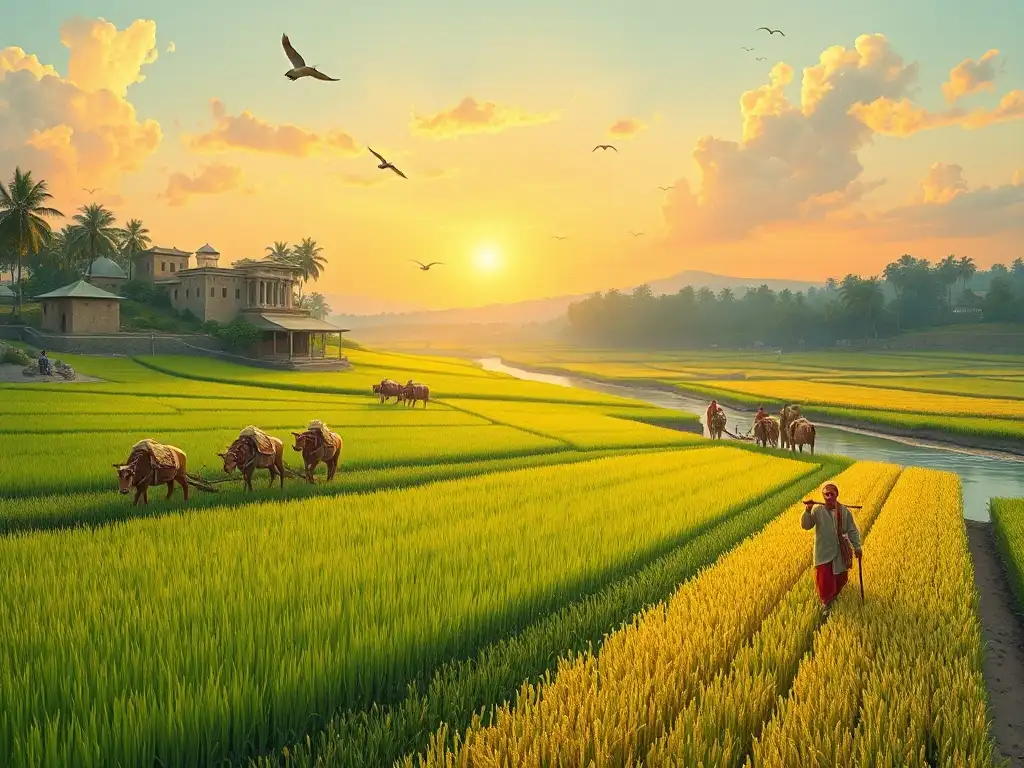
The agricultural innovations of ancient India represent a significant chapter in the history of human civilization, showcasing advancements that were often parallel or distinct from those developed in contemporary societies such as Mesopotamia and Egypt. This comparative analysis will delve into the nuances of these innovations, offering insights into how ancient Indian agricultural practices evolved and contributed to the broader agricultural landscape.
Comparison with Mesopotamian Agricultural Practices
Similarities in Irrigation Techniques
Both ancient Indian and Mesopotamian civilizations placed a strong emphasis on irrigation as a means to enhance agricultural productivity. The Mesopotamians developed a complex irrigation system utilizing canals and dikes to manage the unpredictable flooding of the Tigress and Euphrates rivers. Similarly, the Indus Valley civilization engineered sophisticated drainage and irrigation systems that included wells and reservoirs, reflecting an advanced understanding of water management.
- Key Similarities:
- Canals and Ditches: Both civilizations employed canals for water distribution.
- Water Management: Effective techniques to control seasonal flooding and droughts.
- Construction Techniques: Use of mud-brick and stone structures to support irrigation systems.
Differences in Crop Cultivation
While both civilizations relied on irrigation, the crops they cultivated reflected their differing geographical and climatic conditions. Mesopotamia primarily focused on staple crops such as barley and wheat, which thrived in their semi-arid environment. In contrast, ancient Indian agriculture was more diverse, with rice, millet, and pulses forming the backbone of their diet.
- Diverse Crop Cultivation:
- Indus Valley: Known for rice cultivation, especially in the eastern regions, along with a variety of pulses and oilseeds.
- Mesopotamia: Heavily reliant on barley, with wheat being a secondary crop, adapted to their specific soil and climate.
Contrast with Ancient Egyptian Agricultural Innovations
Use of Nile vs. Monsoon Irrigation
The agricultural practices in ancient Egypt were largely dictated by the predictable flooding of the Nile River, which provided fertile silt and a reliable irrigation source. In contrast, ancient Indian agriculture was heavily influenced by the monsoon rains, which were less predictable but essential for crop growth.
- Irrigation Sources:
- Nile River: Allowed for a systematic approach to agriculture with annual flooding cycles.
- Monsoon Rains: Required innovative methods of water storage and management in ancient India, including the construction of reservoirs and the use of rainwater harvesting techniques.
Crop Varieties Unique to Each Civilization
The climatic and geographical distinctions between these civilizations also led to the development of unique crop varieties. While ancient Egyptians cultivated crops such as flax and papyrus alongside their staple grains, ancient Indians had access to a wider range of agricultural biodiversity.
- Unique Crop Varieties:
- Ancient India: Introduced crops like cotton, spices (such as black pepper), and various types of legumes.
- Ancient Egypt: Focused on crops suited to their dry climate, such as emmer wheat, and flax for linen production.
The agricultural innovations of ancient India not only reflect a rich tapestry of practices adapted to local conditions but also present a fascinating study in comparison with other ancient civilizations. By examining these similarities and differences, we gain a deeper understanding of the technological advancements that shaped ancient agricultural societies.
Examination of Agricultural Methods in Ancient China
Ancient China is renowned for its sophisticated agricultural practices that laid the foundation for its civilization. The methods employed by Chinese farmers were advanced for their time and had significant implications for agricultural productivity. The system of agriculture in ancient China was deeply intertwined with the culture and geography of the region, leading to various innovations that can be compared with those in ancient India.
One of the key features of ancient Chinese agriculture was the implementation of the Three Crop Rotation System. This innovative technique involved alternating rice, wheat, and beans to maximize soil fertility and crop yield. By rotating crops, farmers could maintain nutrient balance in the soil, which prevented depletion and promoted sustainable farming practices. This method bears similarities to the practices observed in ancient India, where crop rotation was also essential to farming efficiency.
In addition, the Chinese developed extensive irrigation systems, particularly in the fertile plains of the Yellow River. These systems included the construction of canals and dikes that controlled floodwaters and directed them to fields during dry seasons. The management of water resources was crucial for maximizing agricultural output and is comparable to the sophisticated irrigation techniques employed in the Indus Valley Civilization.
Innovation in Farming Tools
The advancements in farming tools during ancient China played a pivotal role in enhancing agricultural productivity. One of the most significant innovations was the iron plow. The introduction of iron significantly improved the durability and efficiency of plowing compared to earlier wooden plows. This allowed farmers to cultivate heavier and more challenging soils, ultimately leading to increased crop production.
Moreover, the invention of the seed drill in ancient China revolutionized the planting process. This device enabled farmers to plant seeds at consistent depths and spacing, improving germination rates and crop yields. The adoption of such tools not only increased efficiency but also reduced the labor required for planting, allowing farmers to focus on other important agricultural tasks.
In contrast, ancient India also saw the use of innovative tools, including wooden plows and sickles, which were adapted to local conditions. While both civilizations advanced their farming technologies, the specific tools and methods reflected their unique agricultural environments and needs.
Crop Diversity and Cultivation Techniques
Ancient China boasted a remarkable diversity of crops, which was crucial for food security and nutrition. Key staples included rice, millet, wheat, and soybeans, each cultivated using specific techniques tailored to regional climates. For instance, rice cultivation relied heavily on wet-field farming methods, while millet was often grown in drier areas.
The Chinese also employed intercropping, a technique that involved planting two or more crops in proximity. This practice not only maximized land use but also helped in pest control and improved soil health. The diversity of crops cultivated in ancient China allowed for a balanced diet and reduced the risk of famine, similar to the diverse agricultural practices seen in ancient India, where crops like wheat, barley, and legumes were cultivated.
Additionally, ancient Chinese farmers utilized organic fertilizers, such as manure and compost, to enrich the soil, paralleling the composting techniques used in India. The emphasis on crop diversity and sustainable practices in both civilizations highlights a shared understanding of the importance of ecology in agriculture.
Overall, while ancient China and India developed distinct agricultural practices, both civilizations contributed significantly to agricultural innovations that shaped their societies. The comparative analysis reveals a rich tapestry of agricultural advancements that not only enhanced productivity but also influenced cultural practices and societal structures in both regions.
The Impact of Climate and Geography on Agricultural Innovations
Role of the Indian Monsoon in Agricultural Development
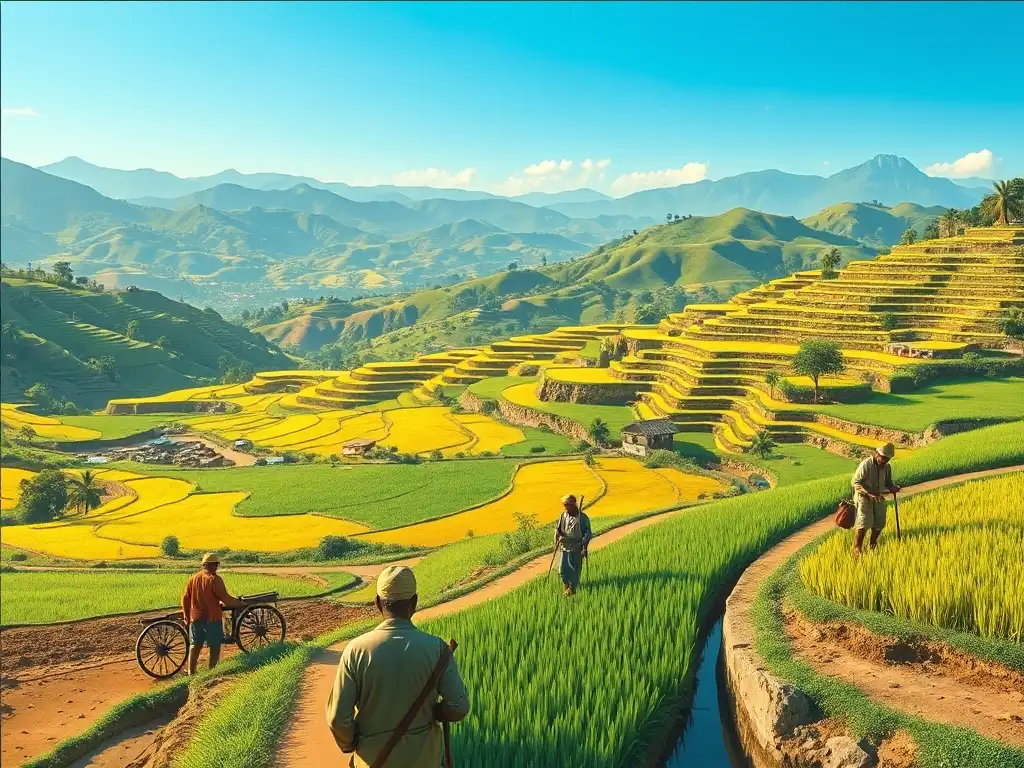
The Indian monsoon plays a pivotal role in shaping the agricultural landscape of ancient India. Spanning from June to September, the monsoon season brings substantial rainfall, which is essential for crop cultivation in a predominantly agrarian society. Ancient Indian civilizations harnessed this climatic phenomenon to optimize agricultural output, leading to several innovations.
- Rain-fed Agriculture: Ancient farmers developed techniques to maximize the benefits of monsoon rains, such as creating bunds and channels to manage water flow. This not only prevented soil erosion but also ensured that crops received adequate moisture.
- Crop Rotation: With the seasonal variation in rainfall, farmers practiced crop rotation, alternating between cereals and legumes. This method enriched the soil with nutrients and mitigated the risk of crop failure due to pests or diseases.
- Timing of Sowing: The monsoon's predictability allowed farmers to refine their sowing techniques, ensuring that crops were planted just before the rains. This synchronization not only improved yields but also reduced reliance on irrigation.
- Innovations in Irrigation: While the monsoon provided the primary water source, ancient Indian agronomists also devised various irrigation methods, such as the use of wells and canals, to supplement rainfall during dry spells. These innovations were crucial for sustaining agriculture in regions with less predictable rainfall patterns.
The adept use of the monsoon season significantly contributed to the agricultural productivity of ancient India, allowing civilizations to thrive and develop complex societies.
Geographic Influences on Crop Selection and Farming Practices
The diverse geography of ancient India significantly influenced the selection of crops and farming practices across different regions. From the fertile plains of the Ganges to the arid landscapes of Rajasthan, the geographical variations led to a rich tapestry of agricultural practices.
- Regional Crop Diversity:
- Northern Plains: The alluvial soil and ample water supply from the Ganges River basin facilitated the cultivation of rice, wheat, and barley. These staples formed the backbone of ancient Indian diets.
- Deccan Plateau: The black soil of this region was ideal for cotton cultivation, which not only served local needs but also became an important trade commodity.
- Western Desert: In arid regions, farmers adapted by cultivating drought-resistant crops like millet and pulses, showcasing their ingenuity in overcoming environmental challenges.
- Farming Techniques:
- Terracing: In hilly areas, terracing was employed to create flat plots of land, reducing soil erosion and maximizing arable land.
- Use of Ploughs: The invention of wooden ploughs, which were common in ancient India, facilitated deeper cultivation and improved soil aeration, enhancing crop yields.
- Cultural Practices: The geographic context also influenced the cultural practices surrounding agriculture. For instance, certain festivals were aligned with the agricultural calendar, celebrating sowing and harvest times, which reinforced community ties and agricultural knowledge.
The interplay of climate and geography not only shaped the agricultural innovations of ancient India but also laid the foundation for its rich agricultural heritage, influencing crop selection, farming practices, and societal structures across various regions.
Legacy of Ancient Indian Agricultural Innovations
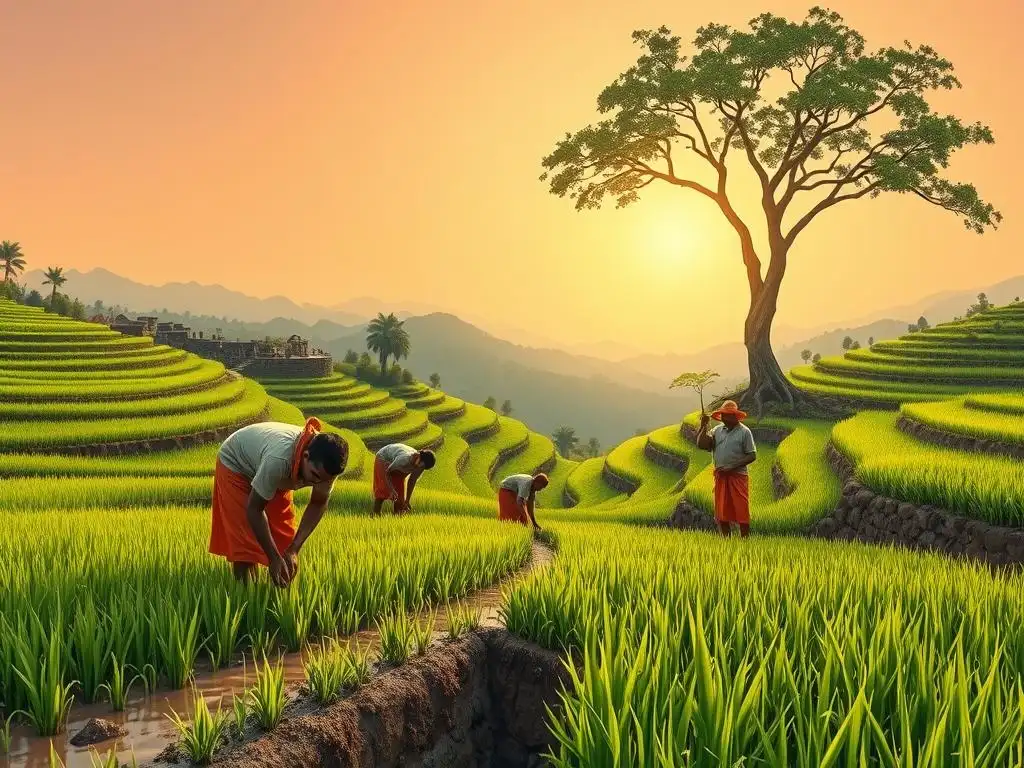
The legacy of ancient Indian agricultural innovations is profound and far-reaching, laying the groundwork for sustainable farming practices and techniques that are still relevant today. Ancient Indian civilizations, particularly during the Indus Valley Civilization and the subsequent Vedic period, developed advanced agricultural methods that transformed the landscape of farming in the region. Key innovations included irrigation systems, crop rotation, and the domestication of various plants and animals.
Influence on Modern Agricultural Practices in India
The agricultural practices established by ancient Indian civilizations have a lasting impact on modern Indian agriculture. Techniques that were innovated thousands of years ago continue to be utilized, albeit in advanced forms. For instance:
- Irrigation Techniques: The sophisticated irrigation systems developed in ancient times, such as step wells and canals, paved the way for modern irrigation techniques. Today, many regions in India still rely on these ancient methods, adapted to modern technologies.
- Crop Diversity: Ancient farmers practiced crop rotation and mixed cropping, which helped in maintaining soil fertility and reducing pest infestations. This method is now being revisited in sustainable agriculture practices to enhance biodiversity and food security.
- Use of Organic Fertilizers: The use of natural fertilizers, like compost and green manure, was common in ancient India. These practices are gaining renewed attention as modern agriculture seeks to reduce chemical inputs and promote organic farming.
The resilience and adaptability of these ancient practices demonstrate their significance in today’s agricultural landscape. Modern farmers in India are increasingly recognizing the value of these time-tested methods, integrating them into contemporary farming strategies to address challenges such as climate change and food security.
Contributions to Global Agricultural Knowledge
Ancient Indian agricultural innovations have not only influenced local practices but have also contributed significantly to global agricultural knowledge. Scholars and historians recognize several key areas where ancient Indian techniques have left their mark:
- Rice Cultivation: Indian agronomists were among the first to cultivate rice, especially varieties such as Basmati, which are now cherished worldwide. The techniques developed for rice cultivation have influenced practices in other rice-growing regions across Asia.
- Spices and Herbs: Ancient India was a hub for the cultivation of a variety of spices and herbs, such as black pepper and turmeric. The methods of cultivation, harvesting, and preservation developed in ancient times have been adopted globally, enriching culinary traditions around the world.
- Agricultural Texts: Works such as the "Krishi Parashara" and "Arthashastra" compiled agricultural wisdom and practices of the time. These texts have influenced agricultural theory and practices in various civilizations, leading to the development of agricultural sciences.
- Sustainable Practices: Ancient Indian practices emphasized harmony with nature, promoting sustainability long before it became a global concern. Concepts such as agroforestry and permaculture can be traced back to these ancient innovations.
The agricultural innovations of ancient India have had a lasting legacy that not only shaped the agricultural practices within the country but also contributed significantly to the global agricultural community. The integration of ancient knowledge with modern techniques continues to inspire sustainable practices that address the challenges of today’s agricultural landscape.
Conclusion
Summary of Key Findings on Ancient Indian Agricultural Innovations
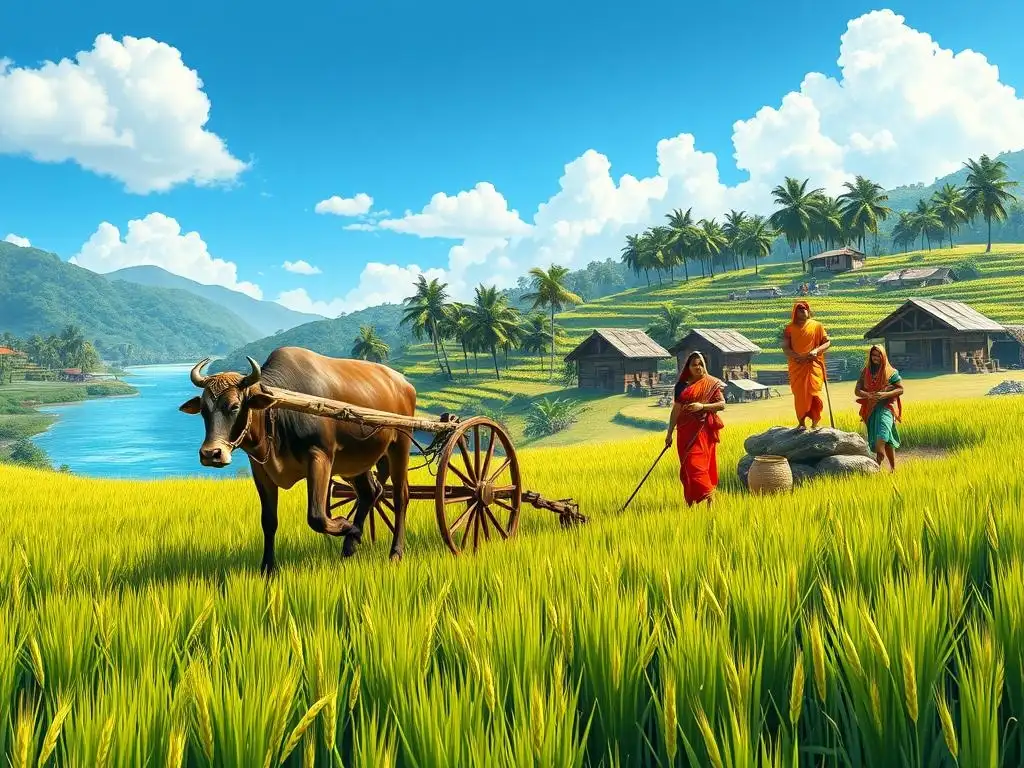
The exploration of ancient Indian agricultural innovations reveals a landscape rich with creativity and adaptability. Key findings highlight several significant contributions that shaped agricultural practices in ancient India:
- Irrigation Techniques:
- Ancient Indians developed sophisticated irrigation systems, including the construction of canals, reservoirs, and wells. These innovations significantly increased crop yields and supported the growth of settlements.
- Crop Rotation and Mixed Cropping:
- The practice of crop rotation was prevalent, allowing for sustainable land use and improved soil fertility. Mixed cropping techniques also helped mitigate risks from crop failure and pests, ensuring food security.
- Use of Fertilizers:
- The utilization of organic fertilizers, such as animal dung and compost, was common, promoting soil health and enhancing agricultural productivity.
- Selective Breeding:
- Ancient farmers engaged in selective breeding of crops and livestock, leading to the enhancement of desirable traits. This practice ensured higher yields and better resilience to local climatic conditions.
- Agricultural Texts:
- Ancient texts like the Arthashastra and Krishi Parashara provided guidelines on agriculture, including pest management, crop selection, and seasonal farming practices, reflecting a deep understanding of agricultural science.
These innovations not only laid the foundation for sustained agricultural productivity but also facilitated social and economic development in ancient Indian civilizations.
The Significance of Comparative Studies in Understanding Agricultural Development
Comparative studies of agricultural innovations across different civilizations offer valuable insights into the unique and shared practices that shaped human societies. Understanding how ancient Indian agricultural innovations align with or differ from those in other cultures can illuminate several critical aspects:
- Cultural Exchange:
- By examining the agricultural techniques of other civilizations, such as Mesopotamia and ancient China, scholars can identify patterns of cultural exchange and adaptation. This perspective highlights how ancient societies influenced one another and adapted practices to suit their environmental conditions.
- Technological Progress:
- Comparative analysis allows for the assessment of technological advancements in agriculture, shedding light on how innovations emerged in response to similar challenges, such as climate variability and population growth.
- Sustainability Practices:
- Understanding ancient agricultural practices through a comparative lens can also inform modern sustainable agriculture. Insights gained from ancient methodologies can inspire contemporary solutions to food security and environmental issues.
- Economic Implications:
- The relationship between agricultural innovations and economic development can be elucidated through comparisons. By studying how different civilizations utilized their agricultural advancements for trade and economic stability, a clearer picture of their societal progress emerges.
The study of ancient Indian agricultural innovations, coupled with comparative analyses, enriches our understanding of historical agricultural practices and their lasting impact on civilizations worldwide.
Frequently Asked Questions
What were some key agricultural innovations in ancient India?
Ancient India saw significant agricultural innovations such as the development of irrigation systems, the use of crop rotation, and the domestication of various crops like rice and wheat.
How did ancient Indian agricultural practices compare to other civilizations?
Ancient Indian agricultural practices were often more advanced due to their emphasis on sustainable farming methods, which were comparable to those in Mesopotamia and Egypt but uniquely tailored to local conditions.
What role did the Indus Valley Civilization play in agriculture?
The Indus Valley Civilization was one of the first to implement planned urban agriculture, using sophisticated techniques for water management and crop cultivation, which laid the foundation for future agricultural practices in India.
How did the Gupta Empire influence agricultural innovations?
During the Gupta Empire, there was a notable enhancement in agriculture through the introduction of new tools and techniques, which increased productivity and supported the growing population and economy.
Why are ancient Indian agricultural innovations significant today?
These innovations are significant as they provide insights into the sustainable practices that can be adapted in modern agriculture, showcasing the importance of traditional knowledge in addressing contemporary food security challenges.
Final Reflection: The Enduring Legacy of Ancient Indian Agricultural Innovations
The agricultural innovations of ancient India are not just relics of the past; they are pivotal to understanding the evolution of sustainable practices that resonate in today's agricultural discourse. As we grapple with modern challenges such as climate change and food security, the wisdom embedded in ancient techniques offers invaluable insights. The ingenuity of ancient Indian farmers, who developed sophisticated irrigation systems and crop rotation methods, serves as a striking reminder of humanity's capacity for innovation in harmony with nature.
The influence of these agricultural practices extends far beyond their historical context, shaping not only the agricultural landscape of India but also inspiring global farming techniques. The principles of sustainability and biodiversity that were integral to ancient Indian agriculture continue to inform contemporary discussions on food production and environmental stewardship. The greatest danger in times of turbulence is not the turbulence; it is to act with yesterday's logic.
– Peter Drucker. This quote encapsulates the need to look back at ancient wisdom to forge a sustainable future, emphasizing that the lessons from our ancestors are crucial in navigating today's challenges.
As you reflect on the agricultural innovations of ancient India, consider how these time-tested practices can inspire your own approach to sustainability and resource management. Let this exploration ignite a passion for preserving and promoting agricultural diversity, not only as a tribute to our ancestors but as a commitment to future generations. Embrace the opportunity to learn from the past and apply these lessons in your life, fostering a deeper connection with the land and a more sustainable future for all.
Unveil the Legacy of Agricultural Innovations!
Thank you for taking the time to explore the remarkable agricultural innovations of ancient India! You've discovered how these advancements shaped civilizations and significantly influenced our global agricultural practices today. Now, it's time to put your newfound knowledge into action!
Here are a few inspiring steps you can take next:
- Dive Deeper: Explore additional resources on ancient agricultural techniques from various cultures by visiting our extensive collection of articles and studies.
- Share the Knowledge: Discuss these fascinating innovations with friends or on social media to ignite a conversation about the impact of agriculture on society.
- Engage with Us: Join our community by subscribing to our newsletter to stay updated on new findings and discussions regarding ancient innovations that continue to resonate today!
What aspect of ancient agricultural practices fascinates you the most, and how do you think these innovations influence modern farming?