
The Evolution of Ancient Indian Farming: From the Indus Valley to the Mauryan Empire

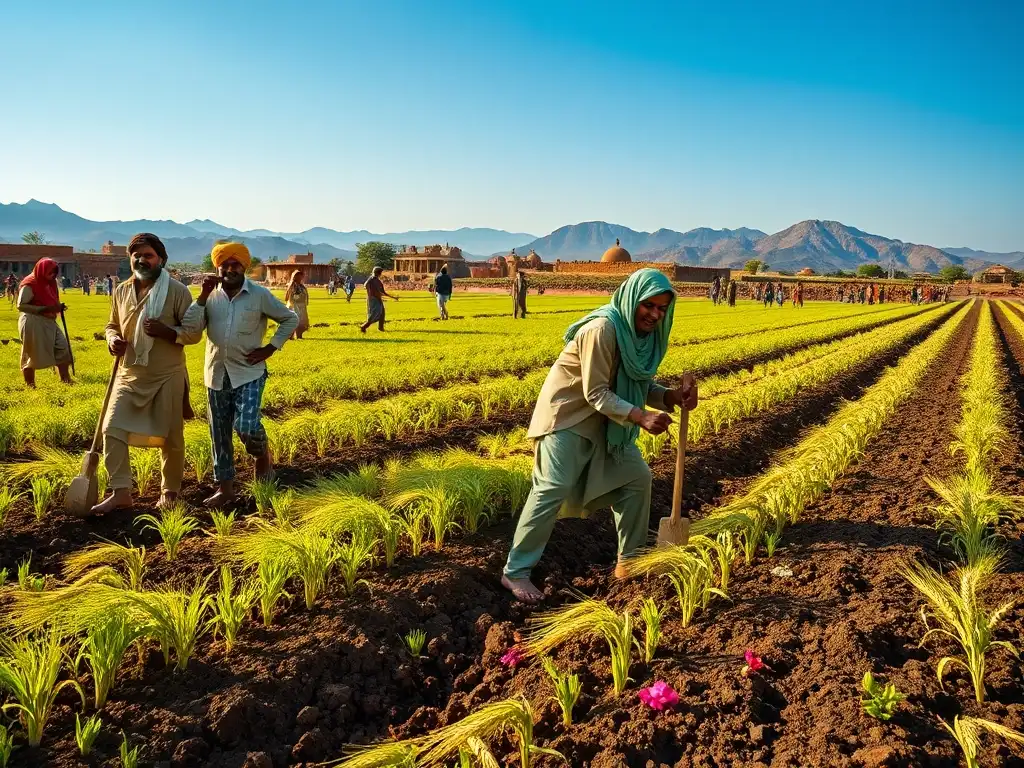
Welcome to Ancient India History, where we invite you to embark on a fascinating journey through the rich tapestry of ancient Indian civilization! In this exploration, we delve into the remarkable ancient Indian farming techniques that shaped the livelihoods and cultures of people from the Indus Valley to the Mauryan Empire. Discover how innovative practices and agricultural advancements not only sustained communities but also laid the groundwork for one of the world’s oldest civilizations. Get ready to uncover the secrets of ancient agriculture and its profound impact on society—your adventure into the past begins here!
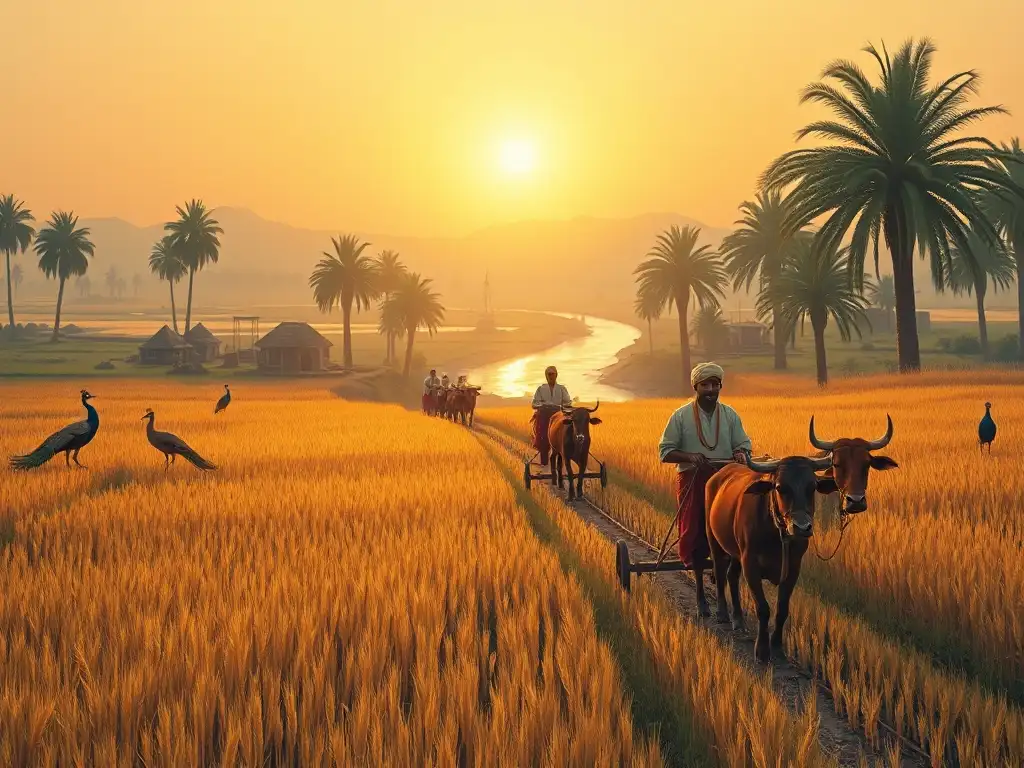
Introduction to Ancient Indian Farming Techniques
The history of ancient Indian farming techniques is a testament to the ingenuity and adaptability of early civilizations in the Indian subcontinent. From the sophisticated urban planning of the Indus Valley Civilization to the expansive agricultural practices of the Mauryan Empire, ancient Indian farming evolved significantly over millennia. This evolution not only facilitated the sustenance of large populations but also laid the foundation for economic development, social organization, and cultural richness in ancient India. By examining various farming techniques and innovations, we can gain valuable insights into how agriculture shaped the trajectory of Indian history and its civilizations.
Importance of Agriculture in Ancient Indian Civilizations
Agriculture served as the backbone of ancient Indian societies, influencing various aspects of life, including economy, social structure, and cultural practices. The agrarian lifestyle allowed communities to settle and develop, leading to the rise of cities and trade networks. Key points highlighting the importance of agriculture include:
- Economic Prosperity: Farming provided surplus food, enabling trade and the growth of towns.
- Social Stability: A reliable food supply fostered population growth and social stratification.
- Cultural Practices: Agriculture influenced festivals, rituals, and the arts, intertwining farming with daily life.
Overview of Agricultural Innovations in Ancient India
Ancient Indian farmers were pioneers of innovative practices that enhanced productivity and sustainability. Notable innovations included:
- Crop Rotation: Farmers rotated different crops to maintain soil fertility.
- Selective Breeding: The practice of selecting seeds from the best plants improved crop yields.
- Irrigation Techniques: Development of sophisticated water management systems enabled farming in diverse climates.
The Indus Valley Civilization: The Birthplace of Farming
The Indus Valley Civilization, flourishing around 2500 BCE, is often regarded as the cradle of ancient Indian farming. This civilization showcased advanced agricultural practices that set the stage for future developments.
Key Farming Techniques in the Indus Valley
The farmers of the Indus Valley employed several techniques that were revolutionary for their time:
- Plowing: Use of wooden plows increased efficiency in land cultivation.
- Terracing: In hilly regions, terraced farming helped in managing water runoff and soil erosion.
- Seasonal Cropping: Farmers timed their planting based on seasonal changes, optimizing their harvests.
Crop Diversity: Grains and Vegetables Cultivated
The agricultural practices of the Indus Valley were marked by a diverse array of crops:
- Major Grains: Wheat and barley were staple crops, providing essential nutrition.
- Legumes and Pulses: Lentils and chickpeas contributed to dietary diversity and soil enrichment.
- Vegetables: Cultivation of various vegetables supported local diets and trade.
Irrigation Systems: The Role of Rivers and Canals
Irrigation was a crucial element in the success of farming in the Indus Valley. The civilization developed an intricate system of canals and water management techniques:
- River Utilization: Rivers like the Indus were harnessed for irrigation, facilitating agriculture in arid regions.
- Canal Systems: Canals were constructed to transport water efficiently to fields, ensuring consistent crop production.
- Water Storage: Structures were built to store rainwater, aiding in cultivation during dry periods.
Vedic Period: Advancements in Agricultural Practices
The Vedic Period, spanning from approximately 1500 to 500 BCE, marked a significant transition in ancient Indian farming techniques. This era saw the development of more systematic agricultural practices, influenced greatly by the socio-cultural and environmental factors of the time. The introduction of new crops, along with improved tools and religious considerations, played a pivotal role in enhancing agricultural productivity.
Introduction of New Crops and Farming Methods
During the Vedic Period, ancient Indian farmers began to diversify their crops, transitioning from a reliance on indigenous varieties to the cultivation of new crops. Key staples such as barley and wheat were cultivated alongside pulses, rice, and millets. The adoption of crop rotation and intercropping methods emerged as farmers sought to maximize land use and yields. Additionally, the practice of fallowing—allowing fields to rest—was implemented to maintain soil fertility, illustrating an early understanding of sustainable agricultural practices.
Tools and Implements Used in Ancient Indian Agriculture
Agricultural tools underwent significant refinement during the Vedic Period. The plough, often made of wood, became a fundamental implement, enhancing the efficiency of land preparation. Farmers also utilized simple hand tools such as sickles and hoes for planting and harvesting. The emergence of the irrigation system, including the construction of canals and water reservoirs, facilitated farming in arid regions, showcasing the innovative spirit of Vedic agriculturalists. These tools and methods laid the groundwork for more advanced farming techniques in later periods.
The Influence of Religion and Culture on Farming Techniques
Religion and culture played a crucial role in shaping agricultural practices during the Vedic Period. Rituals and ceremonies were often conducted to ensure bountiful harvests, reflecting the deep-seated belief in the divine oversight of agricultural success. The Yajna, a fire sacrifice, was commonly performed to appease agricultural deities. Furthermore, the concept of Dharma influenced farming practices, encouraging a sense of duty towards sustainable farming and land stewardship, which echoed through the ages and continued to impact agricultural activities in subsequent periods.
The Mauryan Empire: Agricultural Innovations and Administration
The Mauryan Empire, which thrived from 322 to 185 BCE, is recognized for its remarkable advancements in agriculture and its systematic approach to agricultural administration. Under the reign of Emperor Ashoka, agricultural techniques saw further refinement, and state policies significantly influenced farming practices, contributing to economic stability and growth.
State Support for Agriculture: Policies and Reforms
The Mauryan state implemented various policies to support agriculture, recognizing its foundational role in the economy. Land revenue systems were established, ensuring fair taxation while providing incentives for farmers to increase productivity. The introduction of agrarian reforms aimed at improving land ownership rights encouraged more individuals to engage in farming. Additionally, the state invested in infrastructure, such as roads and irrigation works, facilitating trade and enhancing agricultural output.
Technological Advancements in Farming During the Mauryan Era
Technological innovations flourished during the Mauryan Empire, with significant advancements in farming tools and techniques. The iron plough, which was stronger and more durable than its wooden predecessor, became widely used, allowing for deeper tillage and more efficient cultivation of the soil. Furthermore, improvements in irrigation techniques, including the use of wells and water-lifting devices, expanded arable land and increased water availability for crops, driving agricultural productivity to new heights.
The Impact of Trade on Agricultural Practices
Trade played a pivotal role in shaping agricultural practices during the Mauryan Empire. The empire's extensive trade networks facilitated the exchange of agricultural products, techniques, and knowledge across regions. As a result, farmers were able to access new seeds and crops from distant lands, enriching the diversity of their agricultural output. The demand for surplus crops also led to the specialization of certain regions in specific crops, enhancing economic interdependence and agricultural innovation. This interconnectedness laid the foundation for a more robust agricultural economy that would sustain future generations.
Comparative Analysis of Farming Techniques: Indus Valley vs. Mauryan Empire
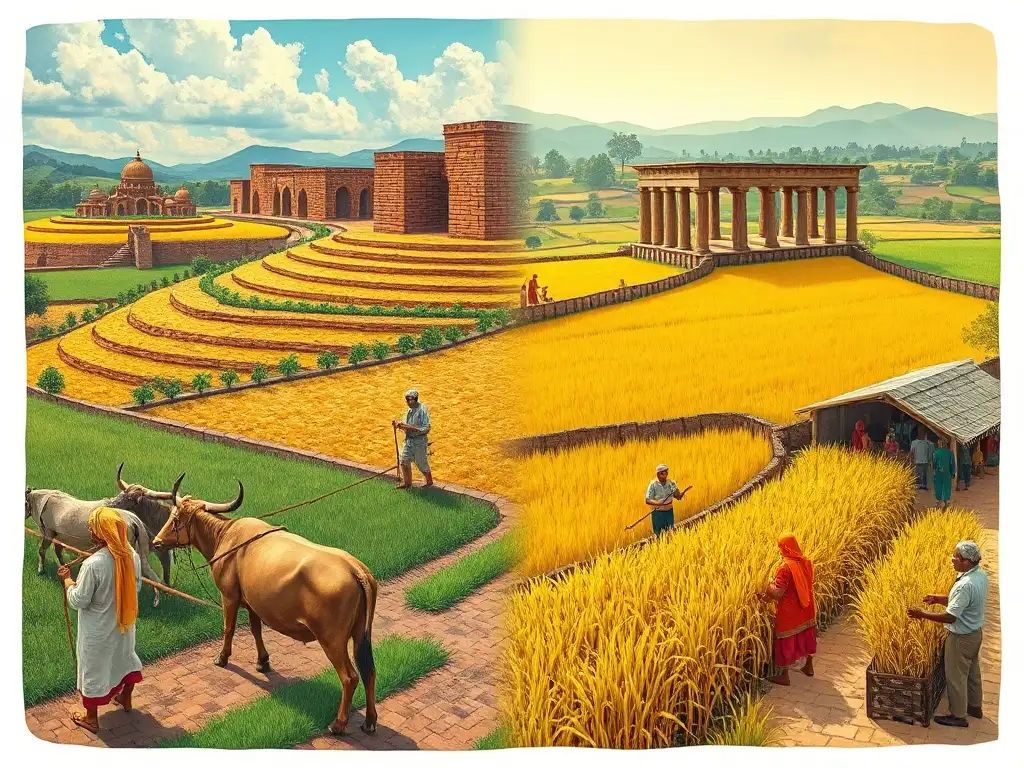
The farming techniques utilized in ancient India evolved significantly from the time of the Indus Valley Civilization (circa 3300–1300 BCE) to the Mauryan Empire (circa 322–185 BCE). Each period showcased unique agricultural practices shaped by environmental conditions, technological advancements, and socio-political contexts. Understanding the comparative aspects of these farming techniques provides insights into the agricultural foundations that supported these ancient civilizations.
Similarities in Agricultural Practices
Despite the passage of time and the transition between the Indus Valley and the Mauryan Empire, several agricultural practices remained consistent. Both civilizations relied heavily on irrigation to enhance crop yields, leveraging nearby river systems such as the Indus, Ganges, and their tributaries. The use of floodplain farming was prominent, with both societies cultivating staple crops such as wheat, barley, and millet.
Additionally, both the Indus Valley and Mauryan farmers engaged in crop rotation, a practice that helped maintain soil fertility and reduce pest infestations. This technique allowed them to diversify their crops, ensuring a more stable food supply. Furthermore, the cultivation of legumes, which enriched the soil with nitrogen, was a common practice in both periods, showcasing an understanding of sustainable agricultural practices.
Differences in Tools and Techniques
While there were similarities, notable differences characterized the agricultural tools and techniques between the two eras. The Indus Valley farmers utilized advanced irrigation systems, including reservoirs and canals, constructed with remarkable engineering skills. The tools of the Indus Valley, such as plows made from wood and later from bronze, were relatively rudimentary but effective for the time.
In contrast, during the Mauryan Empire, agricultural technology saw significant advancements. The introduction of iron tools revolutionized farming practices, with stronger plows and sickles that improved efficiency. Mauryan farmers also implemented more sophisticated techniques, such as terracing in hilly areas, which optimized land use and reduced soil erosion.
Additionally, the Mauryans emphasized the importance of agronomic knowledge, including better understanding of seasonal cycles and soil health, which led to improved crop yields compared to the earlier techniques of the Indus Valley.
Evolution of Crop Management Strategies
The evolution of crop management strategies reflects the growing complexity of agricultural practices from the Indus Valley to the Mauryan Empire. Indus Valley farmers practiced subsistence farming, focusing primarily on meeting their immediate needs. The cultivation was relatively simple, with an emphasis on staple crops and minimal commercialization.
As the Mauryan Empire emerged, agricultural practices transitioned towards a more complex system that included market-oriented farming. This period marked the beginning of crop specialization, where farmers began to cultivate specific crops for trade, such as rice and cash crops like cotton and sugarcane. The Mauryan administration promoted agricultural surplus, leading to the establishment of trade networks that connected rural farmers with urban markets.
Furthermore, the Mauryan period saw the implementation of agricultural policies and state-sponsored initiatives aimed at improving irrigation systems and providing support to farmers. This shift in focus not only enhanced productivity but also laid the groundwork for a more organized agricultural economy.
The Lasting Impact of Ancient Indian Farming Techniques
The ancient Indian farming techniques developed during these civilizations have had a profound and lasting impact, influencing agricultural practices in the region for centuries to come. The innovations and methods established during the Indus Valley and Mauryan Empire set the stage for future agricultural advancements and shaped the socio-economic landscape of India.
Influence on Modern Agricultural Practices in India
Many modern agricultural practices in India can trace their roots back to ancient techniques. The use of irrigation systems continues to be a cornerstone of Indian agriculture, with modern farmers employing advanced methods while still relying on traditional knowledge of river systems and seasonal patterns. Additionally, practices such as crop rotation and the use of legumes for soil health are widely adopted today, emphasizing sustainability in farming.
Moreover, the emphasis on diversified cropping and organic farming methods in contemporary India reflects the agricultural philosophies of ancient civilizations that valued ecological balance and resource management. This continuity highlights the resilience and adaptability of Indian farming practices over millennia.
Legacy of Ancient Innovations in Sustainable Farming
The legacy of ancient Indian farming techniques extends beyond immediate agricultural practices; it encompasses a broader understanding of sustainable farming. The principles of soil conservation, water management, and biodiversity observed in ancient times resonate with modern sustainable agricultural practices.
For instance, the concept of mixed cropping, prevalent in ancient India, is celebrated today for its role in enhancing biodiversity and reducing pest vulnerability. Additionally, the ancient methods of composting and organic fertilizers continue to inform contemporary sustainable farming initiatives aimed at reducing chemical input and promoting ecological health.
Overall, the lasting impact of ancient Indian farming techniques underscores the importance of tradition and innovation in shaping agricultural practices, ensuring food security, and fostering environmental sustainability for future generations.
Conclusion: The Significance of Ancient Indian Farming in History
The evolution of ancient Indian farming techniques plays a crucial role in understanding the broader narrative of Indian civilization. The advancements made in agriculture throughout various periods, from the sophisticated practices of the Indus Valley Civilization to the organized methods seen during the Mauryan Empire, laid the foundation for sustained social, economic, and cultural development. These agricultural innovations were not merely about food production; they were intertwined with the very fabric of society, influencing settlement patterns, trade, and even governance.
The significance of ancient Indian farming can also be observed in its ability to adapt to diverse geographical conditions and climates across the Indian subcontinent. Techniques such as crop rotation, irrigation systems, and the domestication of various plants and animals reflect the ingenuity and resilience of early farmers. This adaptability not only ensured food security but also allowed for the growth of population centers, ultimately leading to the rise of urbanism in ancient India.
Reflection on the Evolution of Agricultural Techniques
Reflecting on the evolution of agricultural techniques in ancient India reveals a narrative of innovation driven by necessity and environmental challenges. The Harappan civilization, with its advanced urban planning, implemented systematic irrigation methods that maximized water usage, crucial for cultivating crops in arid regions. As time progressed, the introduction of iron tools enhanced farming efficiency, enabling farmers to till more land and increase yields.
Moreover, the transition from subsistence farming to more complex agricultural systems during the Vedic period marked a significant shift. The Vedic texts illustrate a growing understanding of seasonal cycles and crop management, which further improved productivity. By the time of the Mauryan Empire, the establishment of a centralized administrative structure facilitated the widespread dissemination of agricultural knowledge and innovations, promoting trade and economic stability.
Overall, this evolution highlights not only advancements in techniques but also the growing understanding of ecological principles and the need for sustainability in farming practices.
The Role of Ancient Farming in Shaping Indian Civilization
Ancient farming techniques were pivotal in shaping the trajectory of Indian civilization. Agriculture served as the backbone of the economy, supporting the livelihoods of the majority of the population. The surplus produced by effective farming practices allowed for specialization in various crafts and trades, fostering urbanization and the development of complex societies.
Additionally, agricultural practices influenced social structures and cultural practices. The agrarian calendar dictated the rhythm of life, with festivals and rituals often tied to planting and harvest cycles. This deep connection between farming and culture is evident in ancient texts, art, and archaeological findings, showcasing the reverence for land and fertility.
Furthermore, the development of trade networks, both local and long-distance, was significantly fueled by agricultural products. The exchange of grains, textiles, and other goods not only enhanced economic relationships but also facilitated cultural exchanges, making ancient India a melting pot of ideas and innovations.
Ancient Indian farming techniques were instrumental in not only sustaining populations but also in shaping the cultural, economic, and social landscapes of Indian civilization, leaving a legacy that resonates through history.
- Introduction to Ancient Indian Farming Techniques
- The Indus Valley Civilization: The Birthplace of Farming
- Vedic Period: Advancements in Agricultural Practices
- The Mauryan Empire: Agricultural Innovations and Administration
- Comparative Analysis of Farming Techniques: Indus Valley vs. Mauryan Empire
- The Lasting Impact of Ancient Indian Farming Techniques
- Conclusion: The Significance of Ancient Indian Farming in History
- What were some key farming techniques used in the Indus Valley civilization?
- How did the Mauryan Empire influence farming practices in ancient India?
- What crops were predominantly grown in ancient Indian agriculture?
- How did ancient Indian farming techniques evolve over time?
- What role did cultural practices play in ancient Indian farming?
Frequently Asked Questions
What were some key farming techniques used in the Indus Valley civilization?
The Indus Valley civilization utilized advanced irrigation systems and crop rotation, which allowed them to cultivate various crops efficiently, maximizing their agricultural output.
How did the Mauryan Empire influence farming practices in ancient India?
The Mauryan Empire introduced state-sponsored agricultural reforms and improved infrastructure, such as roads, which facilitated trade and the distribution of agricultural products across the region.
What crops were predominantly grown in ancient Indian agriculture?
Ancient Indian farmers primarily cultivated rice, wheat, barley, and millets, which were staples of the ancient Indian diet and formed the backbone of their economy.
How did ancient Indian farming techniques evolve over time?
Farming techniques in ancient India evolved from simple hand tools in the Indus Valley to more sophisticated practices, including the use of plows and irrigation, particularly during the Gupta Empire.
What role did cultural practices play in ancient Indian farming?
Cultural practices, such as festivals and rituals, were integral to farming in ancient India, as they were believed to ensure bountiful harvests and were often tied to the agricultural calendar.
Final Reflection: The Enduring Legacy of Ancient Indian Farming Techniques
The evolution of ancient Indian farming techniques is not just a historical narrative; it is a testament to the ingenuity and resilience of civilizations that laid the groundwork for sustainable agriculture. Today, as we face pressing challenges such as climate change and food security, understanding these ancient practices offers invaluable insights into how we can cultivate our land responsibly and sustainably. The wisdom of our ancestors in managing resources and adapting to environmental changes is more relevant now than ever.
The impact of ancient Indian farming techniques extends far beyond their time, influencing agricultural practices across cultures and generations. From the sophisticated irrigation systems of the Indus Valley to the agrarian policies of the Mauryan Empire, these techniques have shaped not only the landscape of India but also the socio-economic fabric of society. As Mahatma Gandhi once said, “The future depends on what we do in the present.” This quote encapsulates the importance of learning from our past to inform our present and future agricultural practices.
As we reflect on the lessons of ancient Indian farming, let us consider how we can incorporate these time-tested techniques into our modern lives. I invite you to explore your own relationship with food and agriculture—whether through supporting local farmers, practicing sustainable gardening, or simply being mindful of the origins of what you consume. By embracing the wisdom of ancient practices, we can cultivate a future that honors our past while nurturing the earth for generations to come.
Unveil the Secrets of Ancient Indian Farming!
Thank you for diving into the fascinating journey of ancient Indian farming! You've unlocked valuable insights into how agriculture shaped civilizations from the Indus Valley to the Mauryan Empire. Now, let’s take the next step to further explore and connect with this incredible legacy.
Here are some actions you can take today:
- Start a garden: Experiment with heirloom seeds and traditional farming techniques inspired by ancient practices to witness the roots of agriculture firsthand.
- Join a local history club: Connect with fellow enthusiasts who share your passion for ancient cultures and engage in discussions about the advancements in farming techniques.
- Share your knowledge: Use social media to highlight your favorite facts about ancient farming, inspiring others to learn about this rich history and its relevance today.
As you reflect on this journey, consider this question: How do you think ancient farming practices can influence modern sustainable agriculture?