
The Evolution of Indus Valley Art: From Primitive to Complex

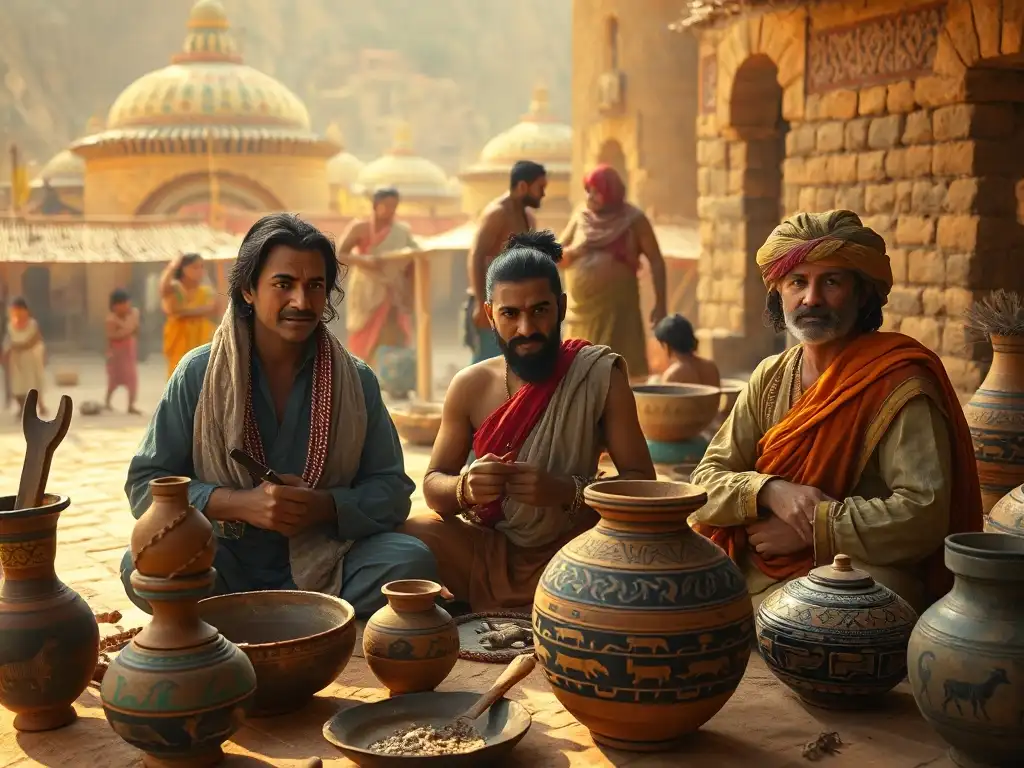
Welcome to Ancient India History, where we embark on an enlightening journey through the rich tapestry of ancient Indian civilizations. Here, we delve into the remarkable transformations that shaped the cultural and artistic landscape of the subcontinent. In our featured article, “The Evolution of Indus Valley Art: From Primitive to Complex,” we uncover the fascinating progression of artistic expression in one of the world's earliest urban societies.
Prepare to be captivated as we reveal the intricate details and profound influences that defined the art of the Indus Valley. Join us as we explore this vibrant history and discover the stories that have shaped a civilization.
Introduction to Indus Valley Art Evolution
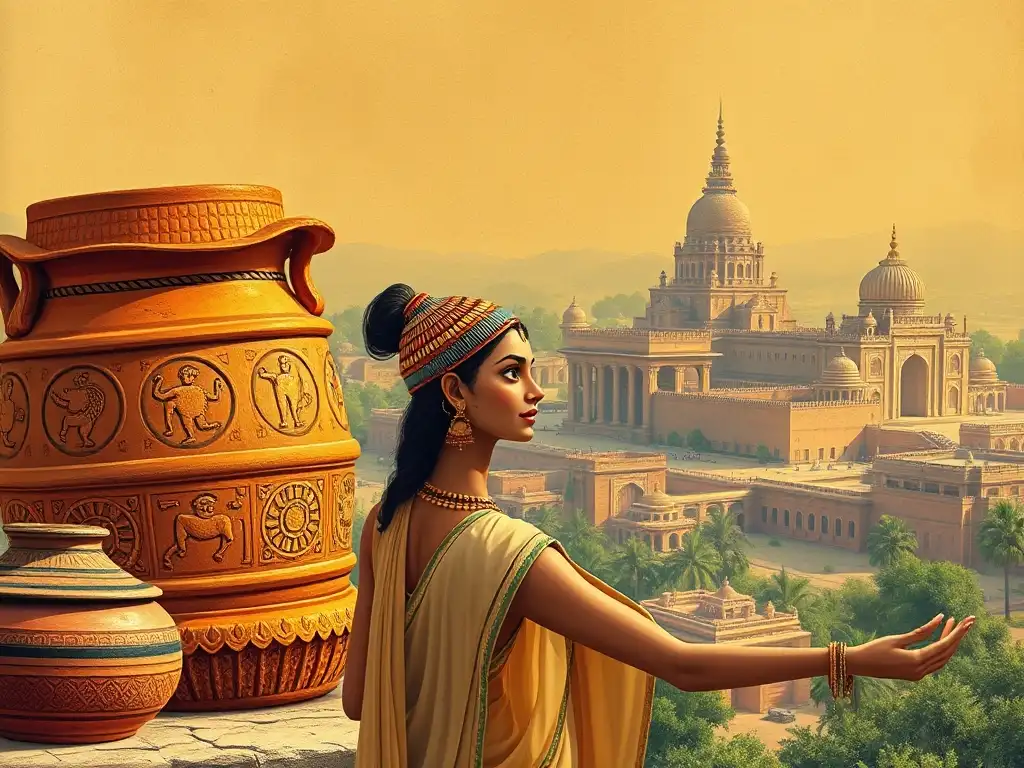
The Indus Valley Civilization, one of the world's oldest urban cultures, flourished around 2500 BCE in what is now Pakistan and northwest India. Renowned for its advanced city planning, sophisticated drainage systems, and impressive architecture, the civilization also produced a rich tapestry of art that reflects its cultural and societal values.
The evolution of Indus Valley art, from simple and utilitarian forms to intricate and symbolic designs, serves as a fascinating lens through which we can explore the complexities of this ancient society. This article delves into the evolution of Indus Valley art, highlighting its significance, characteristics, and notable examples, ultimately providing insight into how art played a vital role in the cultural and spiritual life of one of the earliest civilizations.
Overview of the Indus Valley Civilization
Emerging around 3300 BCE, the Indus Valley Civilization spanned a vast area, encompassing major urban centers such as Harappa and Mohenjo-Daro. It is characterized by:
- Urban Planning: The cities were well-planned, featuring grid patterns, sophisticated drainage systems, and standardized fired-brick buildings.
- Trade and Economy: The civilization engaged in extensive trade, both locally and with distant regions, contributing to its economic prosperity.
- Social Structure: Evidence suggests a complex social hierarchy, with specialized craftspeople and a potential ruling elite.
The artistic expressions of the Indus Valley people included pottery, seals, figurines, and jewelry, providing a glimpse into their daily lives, beliefs, and aesthetic sensibilities.
Importance of Art in Ancient Indian Culture
Art in ancient Indian cultures, including the Indus Valley, served multiple purposes:
- Functional: Many art forms were utilitarian, crafted for everyday use or trade.
- Spiritual: Art often held religious significance, with motifs and symbols that reflected the spiritual beliefs of the society.
- Cultural Identity: Artistic expressions contributed to the cultural identity and social cohesion of communities, serving as a means of communication and storytelling.
In the context of the Indus Valley Civilization, art was not merely decorative; it was integral to their societal framework, reflecting their values, beliefs, and interactions with the environment.
Primitive Forms of Indus Valley Art
As we examine the earliest stages of Indus Valley art, it is essential to identify its primitive forms, which laid the groundwork for more complex artistic expressions.
Characteristics of Early Indus Valley Art
Primitive Indus Valley art is characterized by:
- Simplicity: Early artifacts often displayed straightforward designs and minimalistic forms, focusing on utility rather than aesthetic complexity.
- Natural Materials: Artisans utilized locally available materials, such as clay, stone, and metal, to create functional items.
- Symbolism: Even in its primitive stages, art often featured symbolic elements, hinting at the spiritual and cultural beliefs of the society.
Examples of Primitive Artifacts
Several artifacts exemplify the primitive art of the Indus Valley:
- Terracotta Figurines: Small, clay figures depicting animals, humans, and deities, often with exaggerated features, which may have held religious significance.
- Seals: The famous Indus seals, often engraved with animal motifs and script, served practical purposes in trade but also reflected artistic skill and cultural symbols.
- Pottery: Early pottery showcased simple geometric designs and was typically used for storage and cooking, representing the everyday life of the civilization.
Together, these examples illustrate the foundational role of art in the Indus Valley, setting the stage for its evolution into more complex and sophisticated forms.
Transition to Complex Art Forms
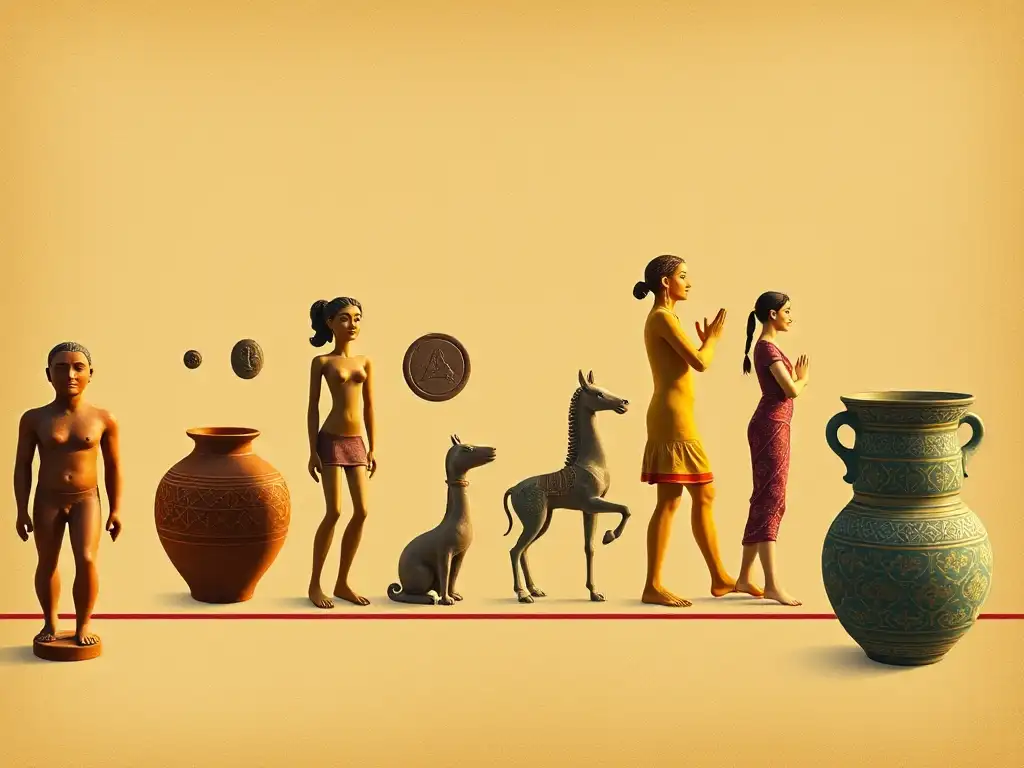
The evolution of Indus Valley art marks a significant transition from primitive expressions to complex and sophisticated forms. Initially, the art produced in the early stages of the Indus Valley Civilization (c. 3300-1300 BCE) consisted of simple pottery and rudimentary carvings. These early artworks often served functional purposes and displayed basic geometric patterns and motifs.
As the civilization progressed, there was a notable shift towards more intricate and detailed art forms. This transition can be attributed to several factors, including social stratification, trade interactions, and technological advancements. The emergence of urban centers facilitated the exchange of ideas and artistic styles, leading to a richer artistic vocabulary. The use of new materials, such as terracotta, and the introduction of specialized artisans contributed to the refinement of artistic techniques, enabling the creation of more complex sculptures, seals, and pottery.
Factors Influencing the Evolution of Art
Several key factors influenced the evolution of art in the Indus Valley, each contributing to the increase in complexity and sophistication. These factors include:
- Cultural Interactions: Interaction with neighboring civilizations, such as Mesopotamia, introduced new artistic ideas and styles, fostering an environment of creativity and innovation.
- Economic Growth: The growth of trade networks allowed for the exchange of goods and ideas, leading to an influx of materials and techniques that enhanced artistic production.
- Urbanization: The rise of urban centers in the Indus Valley created a demand for decorative art in both public and private spaces, encouraging artists to explore more elaborate designs.
- Social Structure: The development of a social hierarchy may have led to the patronage of the arts by elite classes, resulting in commissioned works that pushed the boundaries of artistic expression.
Development of Artistic Techniques
The craftsmanship seen in Indus Valley art reflects a significant evolution in artistic techniques over time. Early artisans primarily utilized hand-made tools and simple methods, but as the civilization advanced, so did their skills and tools. Key developments included:
- Pottery Techniques: The introduction of the potter's wheel revolutionized pottery making, allowing for uniform shapes and intricate designs. Pottery became a canvas for elaborate motifs, including floral patterns and animal depictions.
- Sculptural Techniques: Artists began to experiment with different materials such as bronze, terracotta, and stone. The creation of detailed figurines, including the famous "Dancing Girl" statue, exemplifies the skill and artistry of the period.
- Seal Carving: The production of seals with intricate carvings of animals and script showcased advanced engraving techniques. These seals were not only artistic expressions but also served administrative and trade purposes.
Influence of Religion and Beliefs on Art
The art of the Indus Valley civilization was deeply intertwined with the religious and spiritual beliefs of its people. As a result, many artistic expressions reflected their worldview, rituals, and connection to the divine.
Spiritual and Ritualistic Themes in Indus Valley Art
Spirituality played a pivotal role in the artistic output of the Indus Valley. Artworks often depicted themes associated with fertility, nature, and the cycle of life, suggesting a deep reverence for the forces that governed their existence. Ritualistic objects, such as figurines believed to represent fertility goddesses, indicate the importance of religious practices in daily life. Additionally, the use of symbols and motifs connected to fertility and prosperity in pottery and seals points to a collective desire for abundance and well-being.
Representation of Deities and Nature
Indus Valley art also showcased the representation of deities and natural elements, emphasizing the civilization's connection to their environment. While specific deities are not definitively identified due to the lack of written records, certain motifs—like the horned figure often interpreted as a proto-Shiva—suggest the presence of early religious beliefs. The depiction of animals in art, such as elephants and unicorns, illustrates both the reverence for nature and its importance in their cultural narrative. This harmony between artistic expression and spiritual beliefs reflects the sophistication of the Indus Valley civilization's understanding of the world around them.
Architectural Advancements in Indus Valley Civilization
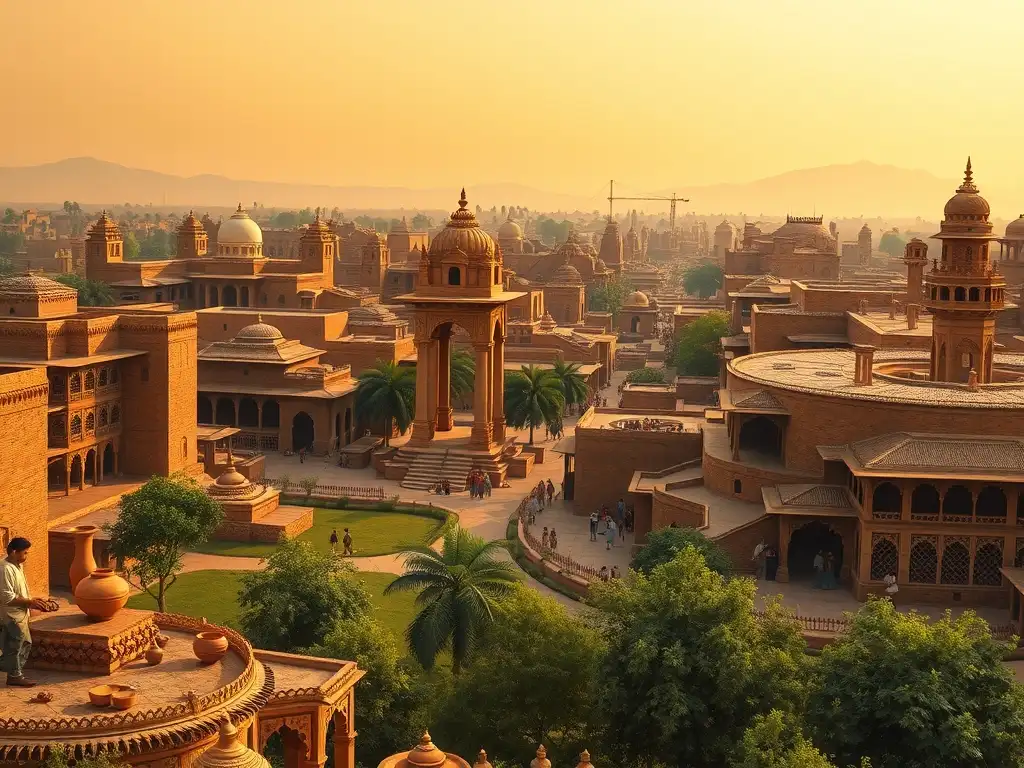
The architectural advancements of the Indus Valley Civilization (IVC) are a testament to the ingenuity and planning abilities of its people. Spanning from approximately 3300 to 1300 BCE, the civilization is renowned for its well-planned cities, sophisticated drainage systems, and impressive structures. The use of standardized fired bricks, which created uniformity in construction, was a significant innovation. This approach not only facilitated the building of robust structures but also allowed for the development of intricate urban layouts that prioritized functionality and aesthetics.
Moreover, the architectural style of the IVC showcased a blend of utilitarian and decorative elements. Buildings were often adorned with terracotta figurines, seals, and intricate carvings that reflected both religious beliefs and daily life. The impressive granaries and warehouses indicate an understanding of storage and resource management, emphasizing the civilization's advanced economic practices. As artisans honed their skills, the art embedded within architecture became increasingly complex, reflecting the evolving cultural identity of the Indus Valley people.
Urban Planning and Its Artistic Reflection
Urban planning in the Indus Valley Civilization was exceptionally advanced and reflected a deep understanding of both aesthetics and functionality. Cities like Mohenjo-Daro and Harappa were laid out in a grid pattern, featuring wide streets and well-defined residential areas. This meticulous planning extended to public spaces, which often included baths, marketplaces, and public assembly areas that served as focal points for community life.
The artistic reflection of urban planning is evident in the use of decorative elements in buildings and public spaces. For instance, the Great Bath at Mohenjo-Daro not only served a practical purpose but also featured artistic embellishments that underscored its significance in ritualistic practices. The presence of intricate drainage systems, adorned with terracotta pipes and stone slabs, illustrates how functionality and art coexisted, making urban living both practical and aesthetically pleasing.
Public Structures and Their Artistic Significance
Public structures in the Indus Valley were not merely functional; they held significant artistic value that communicated the civilization's social and cultural ethos. The architecture of these structures often incorporated elaborate carvings and sculptures that depicted various deities, animals, and mythological motifs, reflecting the spiritual beliefs of the society.
One notable example is the granaries, which were not only crucial for storage but also showcased artistic designs that emphasized the importance of agriculture and trade in the IVC. The craftsmanship involved in creating these spaces highlighted the skills of artisans, who used their talents to blend utility with artistic expression. The artistic significance of public structures can also be seen in the seals often found at these sites, which featured intricate designs and script, contributing to the understanding of Indus Valley culture and commerce.
Decline of the Indus Valley Art Tradition
The decline of the Indus Valley art tradition marks a significant transition in ancient Indian history. As the civilization faced various challenges, including environmental changes and possible invasions, artistic practices began to diminish, leading to a loss of the intricate craftsmanship that had characterized the region.
Reasons for the Decline of Artistic Practices
Several factors contributed to the decline of artistic practices in the Indus Valley. Environmental degradation, such as shifts in river patterns and climate changes, likely disrupted agricultural practices, leading to economic instability. This instability would have diminished the resources available for artistic endeavors, as communities focused on survival rather than creativity.
Additionally, possible invasions from neighboring cultures and the migration of people may have led to the fragmentation of the civilization. This cultural disintegration resulted in a loss of the shared artistic language that had flourished in the cities. As a consequence, the unique art forms of the Indus Valley were gradually replaced by simpler styles and techniques influenced by the incoming cultures, marking a significant shift in the artistic landscape of ancient India.
Legacy of Indus Valley Art in Subsequent Indian Cultures
Despite the decline of the Indus Valley art tradition, its legacy continued to influence subsequent Indian cultures. Elements of IVC art, such as motifs and techniques, can be seen in later civilizations, including the Maurya and Gupta empires. The intricate craftsmanship and symbolic representations established by the Indus Valley artisans set a foundation for future artistic developments.
Moreover, the seals and figurines found in Indus Valley sites have provided a rich source of inspiration for later artists, who drew upon these ancient symbols to express new ideas and cultural narratives. The continued reverence for the craftsmanship of the Indus Valley civilization can be observed in various art forms, including sculpture, pottery, and textiles, which reflect a blend of old traditions and new influences, showcasing the resilience and adaptability of Indian art throughout history.
Conclusion: The Significance of Indus Valley Art Evolution
The evolution of Indus Valley art from its primitive beginnings to its more complex forms highlights the dynamic nature of cultural expression in ancient civilizations. This transformation not only signifies advancements in artistic techniques and materials but also reflects the societal changes, technological innovations, and interactions with neighboring cultures. The art of the Indus Valley Civilization serves as a profound testament to the creativity and ingenuity of its people, laying foundational elements that influenced subsequent artistic movements in Indian history.
As we explore the significance of this evolution, it becomes clear that the artistic expressions found in the Indus Valley—ranging from pottery and sculpture to seals and jewelry—offer invaluable insights into the daily lives, religious practices, and social structures of its inhabitants. This art is not merely decorative; it encapsulates the community's values, beliefs, and identity, making it a critical component of understanding the broader narrative of ancient Indian civilizations.
Lasting Impact on Indian Art History
The art of the Indus Valley Civilization has had a profound and lasting impact on the trajectory of Indian art history. The intricate craftsmanship and aesthetic sensibilities developed during this period can be traced through various subsequent art forms, influencing styles during the Vedic period and beyond.
- Influence on Sculpture and Pottery: The techniques and motifs found in Indus Valley pottery and sculpture laid the groundwork for later Indian artistic traditions. The use of local materials, combined with sophisticated craftsmanship, can be seen in the artistic developments that followed.
- Symbolism and Motifs: Many symbols and motifs that originated in Indus Valley art reemerged in later periods, illustrating a continuity of cultural expression. For instance, the use of animal motifs and geometric patterns can be found in both ancient and modern Indian art.
- Art as a Reflection of Society: The evolution of art in the Indus Valley also set a precedent for art as a reflection of societal values and beliefs. This characteristic continues to resonate in Indian art today, where artists often draw upon cultural narratives and heritage.
Reflection on Cultural Heritage and Identity
The evolution of art in the Indus Valley is not only an artistic journey but also a reflection of the cultural heritage and identity of the people who inhabited this region. The artifacts produced during this time are imbued with meanings that transcend their physical forms.
- Cultural Identity: The distinct styles and techniques observed in Indus Valley art contribute to a deeper understanding of the cultural identity of its people. These artworks embody the community's connection to their environment, spirituality, and social structures.
- Heritage Conservation: Today, the significance of preserving this artistic heritage is recognized, as it offers a window into the values, beliefs, and practices of ancient societies. Efforts to study and conserve Indus Valley art foster a sense of pride and continuity in cultural identity.
- Global Influence: Additionally, the influence of Indus Valley art extends beyond India, contributing to global art history. Its unique characteristics have intrigued scholars and artists worldwide, fostering a greater appreciation for ancient Indian civilizations.
References and Further Reading on Indus Valley Art Evolution
For those interested in delving deeper into the evolution of Indus Valley art, a wealth of resources is available that offer insights into archaeological findings, artistic techniques, and cultural significance.
Key Archaeological Sites
- Mohenjo-Daro: This UNESCO World Heritage site is pivotal for understanding Indus Valley art, featuring well-preserved artifacts, including intricate pottery and seals.
- Harappa: Another crucial site, Harappa provides rich evidence of the artistic traditions and urban planning of the Indus Valley Civilization, showcasing various art forms.
- Dholavira: Known for its sophisticated water conservation system, Dholavira also reveals insights into the artistic expressions and societal organization of the Indus Valley people.
Recommended Literature on Indus Valley Civilization Art
- "The Indus Civilization: A Contemporary Perspective": by Gregory L. Possehl: This book offers a comprehensive overview of the Indus Valley Civilization, with a focus on its art and cultural practices.
- "Art and Architecture of the Indian Subcontinent" by James C. Harle: This text explores the evolution of art across different Indian civilizations, including a significant section on the Indus Valley.
- "Mohenjo-Daro and the Indus Civilization" by N. J. D. S. K. V. S. B. D. M. G. R. R. M. G. R. R. H. S. M. G. R. R. H. S. M. G. R. R. H. S. M. G. R. R. H. S. M. G. R. R. H. S. M. G. R. R. H. S. M. G. R. R. H. S. M. G. R. R. H. S. M. G. R. R. H. S. M. G. R. R. H. S. M. G. R. R. H. S. M. G. R. R. H. S. M. G. R. R. H. S. M. G. R. R. H. S. M. G. R. R. H. S. M. G. R. R. H. S. M. G. R. R. H. S. M. G. R. R. H. S. M. G. R. R. H. S. M. G. R. R. H. S. M. G. R. R. H. S. M. G. R. R. H. S. M. G. R. R. H. S. M. G. R. R. H. S. M. G. R. R. H. S. M. G. R. R. H. S. M. G. R. R. H. S. M. G. R. R. H. S. M. G. R. R. H. S. M. G. R. R. H. S. M. G. R. R. H. S. M. G. R. R. H. S. M. G. R. R. H. S. M. G. R. R. H. S. M. G. R. R. H. S. M. G. R. R. H. S. M. G. R. R. H. S. M. G. R. R. H. S. M. G. R. R. H. S. M. G. R. R. H. S. M. G. R. R. H. S. M. G. R. R. H. S. M. G. R. R. H. S. M. G. R. R. H. S. M. G. R. R. H. S. M. G. R. R. H. S. M. G. R. R. H. S. M. G. R. R. H. S. M. G. R. R. H. S. M. G. R. R. H. S. M. G. R. R. H. S. M. G. R. R. H. S. M. G. R. R. H. S. M. G. R. R. H. S. M. G. R. R. H. S. M. G. R. R. H. S. M. G. R. R. H. S. M. G. R. R. H. S. M. G. R. R. H. S. M. G. R. R. H. S. M. G. R. R. H. S. M. G. R. R. H. S. M. G. R. R. H. S. M. G. R. R. H. S. M. G. R. R. H. S. M. G. R. R. H. S. M. G. R. R. H. S. M. G. R. R. H. S. M. G. R. R. H. S. M. G. R. R. H. S. M. G. R. R. H. S. M. G. R. R. H. S. M. G. R. R. H. S. M. G. R. R. H. S. M. G. R. R. H. S. M. G. R. R. H. S. M. G. R. R. H. S. M. G. R. R. H. S. M. G. R. R. H. S. M. G. R. R. H. S. M. G. R. R. H. S. M. G. R. R. H. S. M. G. R. R. H. S. M. G. R. R. H. S. M. G. R. R. H. S. M. G. R. R. H. S. M. G. R. R. H. S. M. G. R. R. H. S. M. G. R. R. H. S. M. G. R. R. H. S. M. G. R. R. H. S. M. G. R. R. H. S. M. G. R. R. H. S. M. G. R. R. H. S. M. G. R. R. H. S. M. G. R. R. H. S. M. G. R. R. H. S. M. G. R. R. H. S. M. G. R. R. H. S. M. G. R. R. H. S. M. G. R. R. H. S. M. G. R. R. H. S. M. G. R. R. H. S. M. G. R. R. H. S. M. G. R. R. H. S. M. G. R. R. H. S. M. G. R. R. H. S. M. G. R. R. H. S. M. G. R. R. H. S. M. G. R. R. H. S. M. G. R. R. H. S. M. G. R. R. H. S. M. G. R. R. H. S. M. G. R. R. H. S. M. G. R. R. H. S. M. G. R. R. H. S. M. G. R. R. H. S. M. G. R. R. H. S. M. G. R. R. H. S. M. G. R. R. H. S. M. G. R. R. H. S. M. G. R. R. H. S. M. G. R. R. H. S. M. G. R. R. H. S. M. G. R. R. H. S. M. G. R. R. H. S. M. G. R. R. H. S. M. G. R. R. H. S. M. G. R. R. H. S. M. G. R. R. H. S. M. G. R. R. H. S. M. G. R. R. H. S. M. G. R. R. H. S. M. G. R. R. H. S. M. G. R. R. H. S. M. G. R. R. H. S. M. G. R. R. H. S. M. G. R. R. H. S. M. G. R. R. H. S. M. G. R. R. H. S. M. G. R. R. H. S. M. G. R. R. H. S. M. G. R. R. H. S. M. G. R. R. H. S. M. G. R. R. H. S. M. G. R. R. H. S. M. G. R. R. H. S. M. G. R. R. H. S. M. G. R. R. H. S. M. G. R. R. H. S. M. G. R. R. H. S. M. G. R. R. H. S. M. G. R. R. H. S. M. G. R. R. H. S. M. G. R. R. H. S. M. G. R. R. H. S. M. G. R. R. H. S. M. G. R. R. H. S. M. G. R. R. H. S. M. G. R. R. H. S. M. G. R. R. H. S. M. G. R. R. H. S. M. G. R. R. H. S. M. G. R. R. H. S. M. G. R. R. H. S. M. G. R. R. H. S. M. G. R. R. H. S. M. G. R. R. H. S. M. G. R. R. H. S. M. G. R. R. H. S. M. G. R. R. H. S. M. G. R. R. H. S. M. G. R. R. H. S. M. G. R. R. H. S. M. G. R. R. H. S. M. G. R. R. H. S. M. G. R. R. H. S. M. G. R. R. H. S. M. G. R. R. H. S. M. G. R. R. H. S. M. G. R. R. H. S. M. G. R. R. H. S. M. G. R. R. H. S. M. G. R. R. H. S. M. G. R. R. H. S. M. G. R. R. H. S. M. G. R. R. H. S. M. G. R. R. H. S. M. G. R. R. H. S. M. G. R. R. H. S. M. G. R. R. H. S. M. G. R. R. H. S. M. G. R. R. H. S. M. G. R. R. H. S. M. G. R. R. H. S. M. G. R. R. H. S. M. G. R. R. H. S. M. G. R. R. H. S. M. G. R. R. H. S. M. G. R. R. H. S. M. G. R. R. H. S. M. G. R. R. H. S. M. G. R. R. H. S. M. G. R. R. H. S. M. G. R. R. H. S. M. G. R. R. H. S. M. G. R. R. H. S. M. G. R. R. H. S. M. G. R. R. H. S. M. G. R. R. H. S. M. G. R. R. H. S. M. G. R. R. H. S. M. G. R. R. H. S. M. G. R. R. H. S. M. G. R. R. H. S. M. G.
- Introduction to Indus Valley Art Evolution
- Overview of the Indus Valley Civilization
- Importance of Art in Ancient Indian Culture
- Primitive Forms of Indus Valley Art
- Transition to Complex Art Forms
- Factors Influencing the Evolution of Art
- Development of Artistic Techniques
- Influence of Religion and Beliefs on Art
- Architectural Advancements in Indus Valley Civilization
- Decline of the Indus Valley Art Tradition
- Conclusion: The Significance of Indus Valley Art Evolution
- References and Further Reading on Indus Valley Art Evolution
Frequently Asked Questions
What is the Indus Valley art evolution?
The Indus Valley art evolution refers to the progression of artistic styles and techniques from the early primitive forms of the Indus Valley Civilization to more complex and sophisticated artworks.
What are some key features of Indus Valley art?
Indus Valley art is characterized by its intricate pottery, seals with animal motifs, and figurines, showcasing the civilization's skilled craftsmanship and cultural significance.
How did the Indus Valley Civilization influence later art forms?
The Indus Valley Civilization laid the groundwork for later Indian art by introducing symbolism, geometry, and naturalistic representations, which influenced subsequent cultures and artistic expressions.
What materials were commonly used in Indus Valley art?
Artists in the Indus Valley Civilization primarily used terracotta, stone, and metal to create their artworks, highlighting their access to diverse materials and advanced techniques.
What role did art play in Indus Valley society?
Art in the Indus Valley Civilization served not only as a form of expression but also played a significant role in rituals, trade, and social status, reflecting the civilization's complex social structure.
Final Reflection: The Timeless Journey of Indus Valley Art Evolution
The evolution of Indus Valley art is not just a historical narrative; it is a testament to the enduring human spirit and creativity. As we explore the intricate designs and sophisticated techniques that emerged from this ancient civilization, we realize that the artistic expressions of the Indus Valley continue to resonate in our contemporary world. The journey from primitive forms to complex artistry highlights the profound connection between culture, identity, and innovation that remains relevant today.
Cultural heritage shapes our understanding of who we are and where we come from. The evolution of Indus Valley art has significantly influenced the artistic landscape, inspiring modern artists and scholars alike to delve into the depths of their own cultural roots. As we reflect on this rich history, we are reminded of the words of the renowned art historian John Berger: The relation between what we see and what we know is never settled.
This observation underscores the ongoing dialogue between past and present, inviting us to appreciate the layers of meaning embedded in artistic expression.
As we conclude this exploration of Indus Valley art evolution, I invite you to reflect on your own relationship with art and culture. Consider how the stories and symbols from the past can inspire your creative journey today. Embrace the lessons of innovation and resilience that this ancient civilization offers, and let them guide you in your pursuit of artistic expression. The evolution of art is a continuous process, and your contribution to this narrative can shape the future in ways we have yet to imagine.
Unveil the Beauty of Indus Valley Art Now!
Thank you for immersing yourself in the fascinating evolution of Indus Valley art! You've explored the journey from primitive forms to intricate masterpieces—now it's time to put that knowledge into action.
Here are some exciting ways to deepen your engagement with this incredible artistic heritage:
- Visit local museums or galleries that feature ancient art; it’s a wonderful opportunity to connect with history firsthand.
- Share your insights about Indus Valley art with friends and family on social media, starting conversations that can inspire others!
- Consider creating a blog or journal to document your impressions and discoveries about ancient art forms—who knows how many others you might inspire along the way?
What aspect of Indus Valley art intrigued you the most, and how do you plan to explore it further?