
The Aesthetic Appeal of Indus Valley Cities: A Visual Exploration

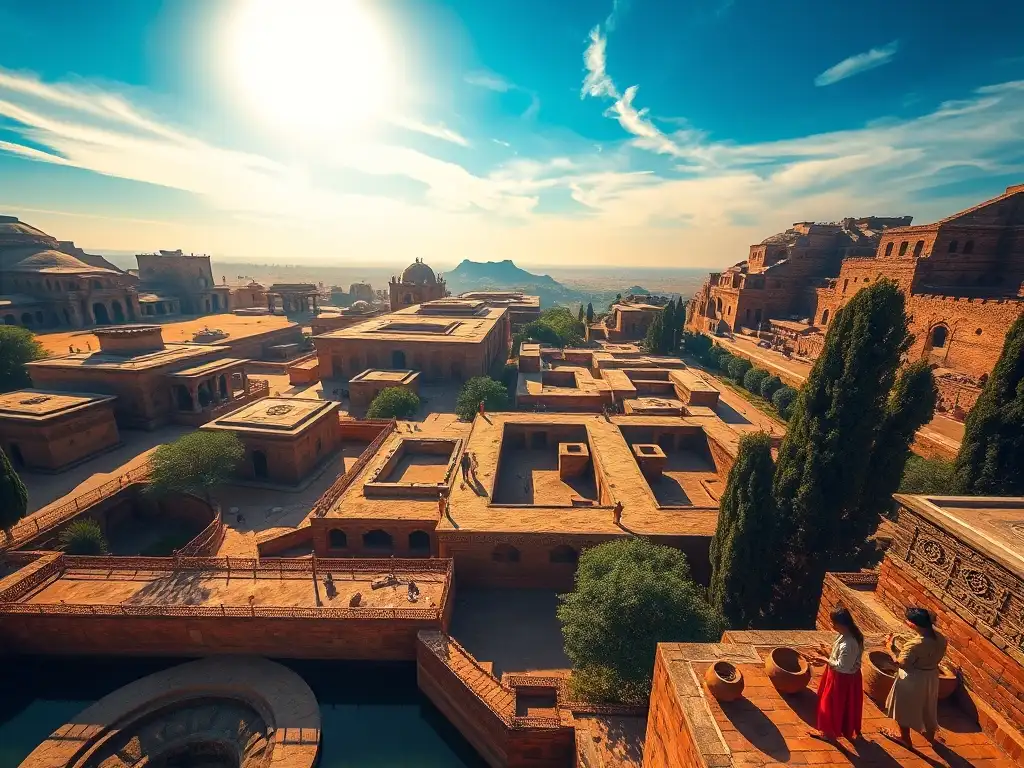
Welcome to Ancient India History, where we embark on a journey through the rich tapestry of ancient Indian civilizations. Dive into the aesthetic appeal of Indus Valley cities architecture as we unveil the splendor of one of the world's earliest urban cultures. From intricate layouts to innovative drainage systems, discover how these remarkable structures reflect not only artistry but also the ingenuity of their time. Are you ready to explore the captivating stories woven into the very fabric of these ancient cities? Let your curiosity guide you deeper into this fascinating chapter of history!
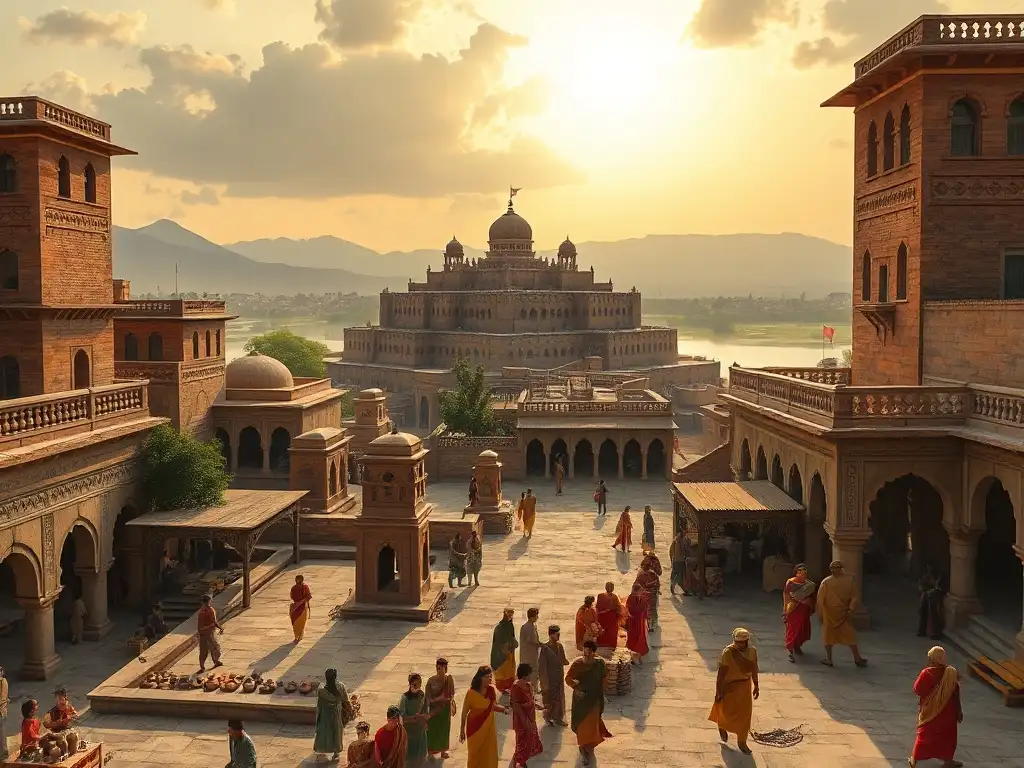
Introduction to Indus Valley Civilization Architecture
The Indus Valley Civilization, one of the world's earliest urban cultures, flourished between approximately 3300 BCE and 1300 BCE in the northwestern regions of South Asia. This civilization is renowned not only for its advanced urban planning and government systems but also for its remarkable architecture and aesthetic sensibilities.
The architectural achievements of the Indus Valley cities, such as Harappa and Mohenjo-Daro, reflect a unique blend of functionality and beauty, showcasing the ingenuity of ancient Indian architects. Understanding the aesthetic appeal of these cities provides invaluable insights into the cultural and social dynamics of one of the most sophisticated civilizations in human history.
Key Features of Indus Valley Cities Architecture
Urban Planning and Layout of Indus Valley Cities
The urban planning of Indus Valley cities is characterized by its meticulous and organized layout. Streets were laid out in a grid pattern, demonstrating an advanced understanding of urban design. Each city was divided into distinct areas, including residential, commercial, and industrial zones. Notably, the cities featured:
- Wide streets: Facilitating movement and trade.
- Public baths: Such as the Great Bath of Mohenjo-Daro, indicating the importance of ritual cleanliness.
- Drainage systems: Advanced sanitation facilities that highlight the civilization's emphasis on hygiene.
Construction Materials Used in Indus Valley Architecture
The Indus Valley architects primarily utilized locally available materials for construction. The most notable materials included:
- Burnt bricks: Known for their durability, these were standardized in size, contributing to the uniformity of structures.
- Mud bricks: Used for less formal structures, showcasing versatility in building techniques.
- Stone and timber: Employed in significant structures, although less frequently than bricks.
The choice of materials reflects not only the practical needs of the civilization but also their aesthetic considerations, as evidenced by the well-finished surfaces and intricate designs found in various artifacts.
Distinctive Architectural Styles and Elements
Indus Valley architecture is marked by a few distinctive styles and elements that set it apart from other ancient civilizations. Key characteristics include:
- Granary structures: Often built on raised platforms, indicating a focus on agriculture and storage.
- Houses with flat rooftops: Providing additional living space and contributing to the cityscape.
- Ornamental features: Such as seals and pottery, which reveal the artistic sensibilities of the people.
The architectural style of the Indus Valley civilization was not only functional but also aesthetically pleasing, reflecting the society's values and artistic achievements.
Notable Indus Valley Cities and Their Architectural Highlights
The Indus Valley Civilization, one of the world's earliest urban cultures, boasts several remarkable cities known for their sophisticated architecture and urban planning. Among these cities, Mohenjo-Daro, Harappa, and Dholavira stand out due to their unique architectural features and innovations that reflect the aesthetic sensibilities of the time. Each city showcases a blend of functionality, symmetry, and artistry, contributing to the overall aesthetic appeal of the civilization.
Mohenjo-Daro: A Case Study in Urban Design
Mohenjo-Daro, often regarded as the hallmark of Indus Valley cities, exemplifies advanced urban design. The city is characterized by its grid-like layout, with streets oriented in cardinal directions. This meticulous planning facilitated efficient movement and trade.
Key architectural highlights include:
- The Great Bath: A large, public water tank that signifies the importance of ritual bathing and water management. Its sophisticated waterproofing techniques reflect the architectural prowess of the civilization.
- Residential Blocks: Houses built from baked bricks, often featuring flat roofs, multiple rooms, and courtyards. This design not only provided functionality but also created a sense of community among residents.
The meticulous urban design of Mohenjo-Daro demonstrates the aesthetic and practical considerations that defined its architecture.
Harappa: Architectural Innovation and Urban Infrastructure
Harappa, another principal city of the Indus Valley Civilization, showcases significant architectural innovation and infrastructure development. The city is renowned for its extensive drainage systems, which highlight the advanced engineering capabilities of its inhabitants.
Notable features include:
- Grid System Layout: Similar to Mohenjo-Daro, Harappa's streets were laid out in a grid format, promoting order and accessibility.
- Public Buildings: Structures such as granaries and warehouses indicate a well-organized economy and communal storage practices, emphasizing a blend of utility and aesthetics in public architecture.
The architectural innovations found in Harappa not only served functional purposes but also reflected the aesthetic ideals of the time, making it a critical site for understanding Indus Valley architecture.
Dholavira: Water Management and Urban Aesthetics
Dholavira is celebrated for its exceptional water management systems and urban aesthetics. Located in the arid region of present-day Gujarat, this city demonstrates how architecture can harmonize with environmental challenges.
Key aspects include:
- Water Storage Systems: Dholavira features sophisticated reservoirs and channels designed for rainwater harvesting, showcasing a deep understanding of hydrology and sustainable practices within the urban landscape.
- Architectural Layout: The city is known for its large public squares and intricate stone carvings, which add to its visual appeal. The meticulous attention to detail in public spaces reflects the cultural importance of communal gatherings.
Dholavira’s architectural achievements underscore the importance of water management while enhancing the city’s aesthetic beauty.
The Aesthetic Aspects of Indus Valley Cities
The aesthetic appeal of Indus Valley cities is not solely about structural ingenuity; it also encompasses the harmonious integration of various design elements that enhance their visual character.
The Role of Geometry in Indus Valley City Planning
Geometry played a pivotal role in the planning of Indus Valley cities, reflecting a sophisticated understanding of spatial organization. The use of geometric principles in layout design ensured:
- Symmetry and Balance: The grid pattern of streets and buildings created a sense of harmony, making the cities visually appealing.
- Functional Zoning: Different areas were allocated for residential, commercial, and public use, demonstrating a thoughtful approach to urban organization.
The geometric precision in city planning not only contributed to functionality but also enhanced the aesthetic experience of the urban environment.
Use of Decorative Elements in Indus Valley Architecture
Decorative elements were integral to the architecture of Indus Valley cities, adding layers of artistic expression to functional structures. Key features include:
- Terracotta Figurines and Seals: These artifacts often depicted animals and human figures, showcasing artistic creativity and cultural beliefs.
- Intricate Brickwork: The use of baked bricks allowed for detailed patterns and designs that added visual interest to buildings.
These decorative elements reflect the cultural richness of the Indus Valley Civilization and their desire to infuse beauty into everyday life.
Influence of Natural Surroundings on Architectural Design
The natural environment significantly influenced the architectural design of Indus Valley cities. The adaptation to local landscapes resulted in:
- Use of Local Materials: Buildings were constructed using locally sourced materials, such as clay and stone, ensuring harmony with the surroundings.
- Orientation and Ventilation: Structures were strategically oriented to harness natural light and promote airflow, enhancing comfort within the urban spaces.
This integration of nature into architectural design not only improved the cities' aesthetic appeal but also demonstrated a deep respect for the environment among the Indus Valley inhabitants.
Cultural Significance of Indus Valley Cities Architecture
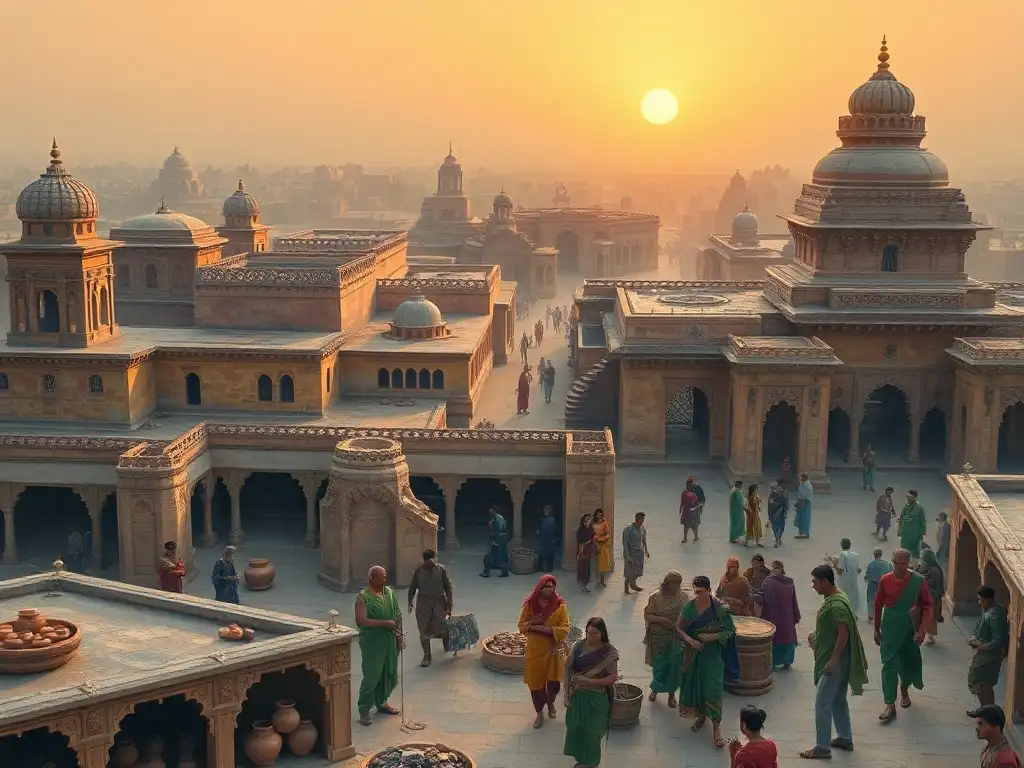
The architecture of the Indus Valley cities, such as Harappa and Mohenjo-Daro, serves as a profound reflection of the culture and society that thrived during the Indus Valley Civilization (IVC) around 2500 BCE. The layout of these cities demonstrates advanced urban planning, with a grid-like structure that emphasized order and functionality. Streets were constructed at right angles, and the use of baked bricks standardized the construction process. This meticulous planning showcases a society that valued organization and efficiency in its urban environment.
Furthermore, the architectural features of these cities reveal insights into the social hierarchy and communal life of the Indus people. Larger structures, possibly public baths and granaries, suggest a well-organized civic administration that catered to the needs of the community. The presence of residential complexes indicates a sense of identity and belonging among the inhabitants. This architecture not only served practical purposes but also symbolized the prosperity and technological advancements of the civilization.
The aesthetic appeal of the Indus Valley cities is also evident in the intricate drainage systems and the well-planned sanitation infrastructure, which highlight the civilization's commitment to hygiene and public health. Such features are testaments to a culture that was ahead of its time, influencing various aspects of daily life and setting standards for future urban settlements.
Symbolism in Indus Valley Architectural Designs
The architectural designs of the Indus Valley cities are rich in symbolism, reflecting the spiritual and cultural beliefs of their inhabitants. Many structures, particularly the Great Bath of Mohenjo-Daro, are thought to have held ritualistic significance, suggesting that water played an essential role in their religious practices. The meticulous construction of this large, public bathing facility implies that the Indus people placed great value on purification rituals, which may have been central to their spiritual life.
Additionally, the use of specific materials and designs can be interpreted as a representation of the region's agricultural abundance. The prevalence of granaries and storage facilities within these cities indicates a society that revered agricultural productivity, symbolizing sustenance and wealth. The architectural focus on public spaces and communal facilities illustrates a collective identity and shared cultural values among the inhabitants.
Moreover, the presence of various seals and figurines found in the ruins reflects the artistic expressions and symbolic meanings attributed to animals and deities. These artifacts suggest that the architectural forms were not merely functional but were also imbued with deeper cultural meanings, connecting the physical environment with spiritual beliefs and social practices.
Architectural Contributions to Later Indian Civilizations
The architectural legacy of the Indus Valley Civilization significantly influenced subsequent Indian civilizations. The principles of urban planning and construction methods demonstrated in the IVC laid the groundwork for later architectural developments in ancient India. For instance, the use of baked brick construction and sophisticated drainage systems can be seen in later urban centers, such as those in the Mauryan and Gupta empires.
Additionally, the emphasis on public spaces and community-centric designs established a blueprint for future city layouts. The concept of central markets and communal bathing areas continued to evolve, reflecting the enduring impact of Indus architectural practices on urban design in India.
The craftsmanship and aesthetic sensibilities of the Indus Valley artisans also set a high standard for artistic expression in architecture. The detailed carvings and intricate designs found in Indus structures can be traced forward into the temples and palaces of later periods, showcasing a continuity of artistic tradition that celebrated both functionality and beauty.
Conclusion: The Legacy of Indus Valley Cities Architecture
The architectural achievements of the Indus Valley cities not only represent the ingenuity of an ancient civilization but also leave a profound legacy that continues to influence the modern world. The advanced urban planning, symbolic designs, and communal structures provide invaluable insights into the social, cultural, and spiritual life of the Indus people.
Lasting Impact on Modern Urban Planning
The principles of urban planning established by the Indus Valley cities resonate in contemporary urban development. The grid layout and emphasis on sanitation and public spaces serve as foundational concepts in modern city planning. Current urban designers often draw inspiration from the efficient use of space and the integration of natural elements observed in these ancient cities.
Moreover, the focus on sustainable living, as evidenced by the advanced drainage systems of the Indus Valley, highlights an early understanding of environmental management that remains relevant today. Urban planners are increasingly advocating for eco-friendly designs that echo the sustainable practices of ancient civilizations.
Continuing Influence on Indian Art and Architecture
The aesthetic legacy of the Indus Valley cities continues to inspire Indian art and architecture. The intricate craftsmanship, use of symbols, and emphasis on community are reflected in various forms of Indian architecture, from temples to modern structures. Artists and architects often look to the past, particularly the rich visual language of the Indus Valley, to inform their contemporary creations.
Furthermore, the resurgence of interest in ancient architectural practices has led to a renewed appreciation for traditional building methods and styles. This continuing influence underscores the enduring significance of the Indus Valley cities' architecture, which remains a source of inspiration and cultural pride in India today.
References and Further Reading on Indus Valley Civilization Architecture
The architecture of the Indus Valley Civilization (IVC) provides invaluable insights into the aesthetics, urban planning, and cultural practices of one of the world's earliest urban societies. Below, we explore suggested books, articles, and online resources that delve deeper into the architectural marvels of the Indus Valley cities.
Suggested Books and Articles
-
"The Indus Civilization: A Contemporary Perspective" by Gregory L. Possehl
This comprehensive volume offers an in-depth analysis of the urban planning and architectural features of the Indus Valley Civilization. It discusses the significance of city layouts and materials used, enriched with archaeological findings.
-
"Ancient Cities: The Archaeology of Urban Life in the Ancient Near East and Egypt, Greece, and Rome" by Charles Gates
While focusing on various ancient civilizations, this book includes a section on the Indus Valley, emphasizing urban design and architectural styles, placing them in a broader context of urban development.
-
"Indus Valley Civilization" by Irfan Habib
This article presents a scholarly overview of the civilization's architecture, highlighting the planning of cities like Mohenjo-Daro and Harappa, and discussing their societal implications.
-
"The Art and Architecture of Ancient India" by James C. Harle
Although it covers a broader spectrum of Indian art and architecture, this book dedicates chapters to the IVC, showcasing the unique features of its structures and materials.
-
"Mohenjo-Daro: The Great City of the Indus" by K. N. Dikshit
This book is a detailed study of Mohenjo-Daro, one of the most prominent sites of the Indus Valley Civilization, focusing on its architectural innovations and urban layout.
Online Resources for Visual Exploration of Indus Valley Cities
-
Archaeological Survey of India (ASI)
The ASI website features extensive resources on the Indus Valley Civilization, including images and descriptions of excavated sites, architectural features, and urban layouts.
-
Digital South Asia Library
This online resource offers a collection of maps, photographs, and documents related to the Indus Valley, providing visual insights into the architectural heritage of ancient cities.
-
YouTube Documentaries and Lectures
Channels focused on archaeology and history often feature documentaries about the Indus Valley Civilization, showcasing the aesthetic appeal of its cities through visual storytelling.
-
The British Museum Online Collection
The British Museum hosts a range of artifacts from the IVC, including sculptures and pottery. Their digital collection allows users to explore these items, providing context to the architectural styles of the time.
-
Google Arts & Culture: Indus Valley Civilization
This platform offers virtual exhibits that include high-resolution images of artifacts and site reconstructions, making it a great tool for visual exploration of Indus Valley architecture.
These resources serve as excellent starting points for anyone interested in diving deeper into the aesthetic appeal and architectural significance of Indus Valley cities.
- Introduction to Indus Valley Civilization Architecture
- Key Features of Indus Valley Cities Architecture
- Notable Indus Valley Cities and Their Architectural Highlights
- The Aesthetic Aspects of Indus Valley Cities
- Cultural Significance of Indus Valley Cities Architecture
- Conclusion: The Legacy of Indus Valley Cities Architecture
- References and Further Reading on Indus Valley Civilization Architecture
- What are the main characteristics of Indus Valley cities architecture?
- How did the Indus Valley civilization influence later Indian cultures?
- What materials were commonly used in Indus Valley architecture?
- What is the significance of drainage systems in Indus Valley cities?
- How can we explore the aesthetic appeal of Indus Valley cities today?
Frequently Asked Questions
What are the main characteristics of Indus Valley cities architecture?
The Indus Valley cities architecture is known for its planned layout, advanced drainage systems, and the use of baked bricks. These features reflect the sophistication and innovation of ancient builders.
How did the Indus Valley civilization influence later Indian cultures?
The Indus Valley civilization laid the groundwork for subsequent Indian cultures through its urban planning, trade practices, and artistic expressions. Many elements were integrated into later societies, influencing architecture and culture.
What materials were commonly used in Indus Valley architecture?
Baked bricks, wood, and stone were the primary materials used in Indus Valley architecture. Their use of baked bricks allowed for durable and organized structures, which are still evident in archaeological sites today.
What is the significance of drainage systems in Indus Valley cities?
The drainage systems in Indus Valley cities highlight the civilization's engineering prowess and commitment to urban sanitation. These systems were crucial for maintaining public health and demonstrate advanced urban planning.
How can we explore the aesthetic appeal of Indus Valley cities today?
Exploring the aesthetic appeal involves visiting archaeological sites, studying artifacts, and engaging with scholarly research. Virtual tours and documentaries also provide insight into the rich history and design of these ancient cities.
Final Reflection: The Enduring Beauty of Indus Valley Cities Architecture
The architectural marvels of the Indus Valley cities continue to resonate with us today, showcasing a sophisticated blend of functionality and aesthetic appeal that remains relevant in contemporary discussions about urban design. The meticulous planning and artistry of these ancient cities serve as a reminder of the rich cultural heritage that shapes our understanding of architecture and urban living. As we navigate the complexities of modern urbanization, the lessons from the Indus Valley remind us of the importance of harmony between beauty and utility in our built environments.
The influence of Indus Valley architecture extends far beyond its historical context, permeating modern architectural practices and cultural narratives. The principles of urban planning, water management, and community spaces observed in these ancient cities continue to inspire architects and city planners today. Architecture is the thoughtful making of space,
as Louis Kahn once said, and the Indus Valley cities exemplify this philosophy through their innovative designs and communal focus. This enduring legacy invites us to reflect on how we can incorporate these timeless principles into our own urban landscapes.
As you contemplate the aesthetic appeal of Indus Valley cities, consider how their architectural wisdom can inform your own life and environment. Embrace the idea that beauty and functionality can coexist in your surroundings, and seek inspiration from the past to create spaces that foster community and connection. Let the elegance of these ancient cities guide you in your pursuit of a more harmonious and aesthetically pleasing world, encouraging you to appreciate the artistry in everyday life and to advocate for thoughtful design in your own community.
Unveil the Beauty of Indus Valley Cities!
Thank you for exploring the fascinating visual appeal of the Indus Valley Cities with us! You've gained insight into their unique aesthetics and cultural significance. Now, it’s time to take that knowledge and transform it into action.
Here are some inspiring steps you can take:
- Explore further! Research more about specific Indus Valley sites and their artistic features. Visit online museum archives or virtual tours to bring these ancient wonders closer to you.
- Share your findings! Discuss your discoveries with friends or within online communities to foster appreciation for ancient aesthetics and history.
- Create! Develop a visual or written piece that showcases how the aesthetic elements of the Indus Valley continue to influence modern architecture.
What aspect of the Indus Valley's aesthetic captured your imagination the most, and in what ways do you believe it influences our world today?