
The Representation of Women in Ancient Indian Sculpture and Art

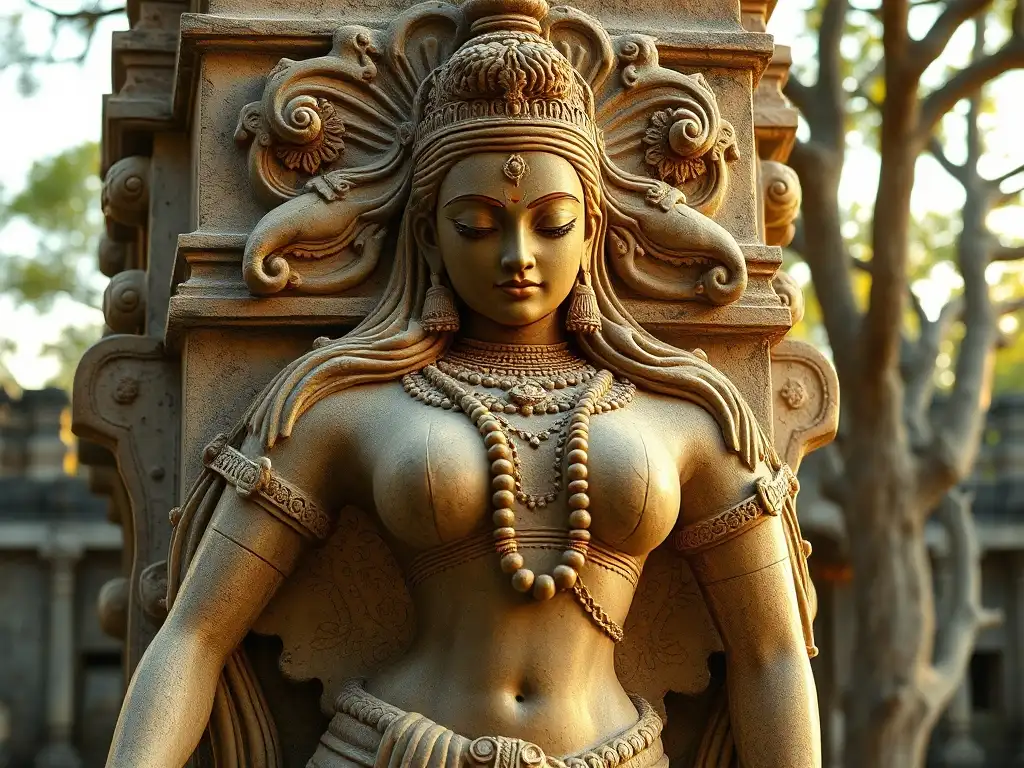
Welcome to Ancient India History, where we delve deep into the tapestry of time that has shaped one of the world's oldest civilizations. Our latest exploration focuses on the fascinating representation of women in ancient Indian art, a subject that reveals not only their roles in society but also the profound cultural narratives that have been woven through centuries.
As you embark on this journey through sculpture and artistry, prepare to uncover the layers of history that celebrate the strength, grace, and influence of women from the Indus Valley to the Gupta Empire. Join us as we illuminate this captivating facet of ancient Indian heritage!
Introduction to Women in Ancient Indian Art
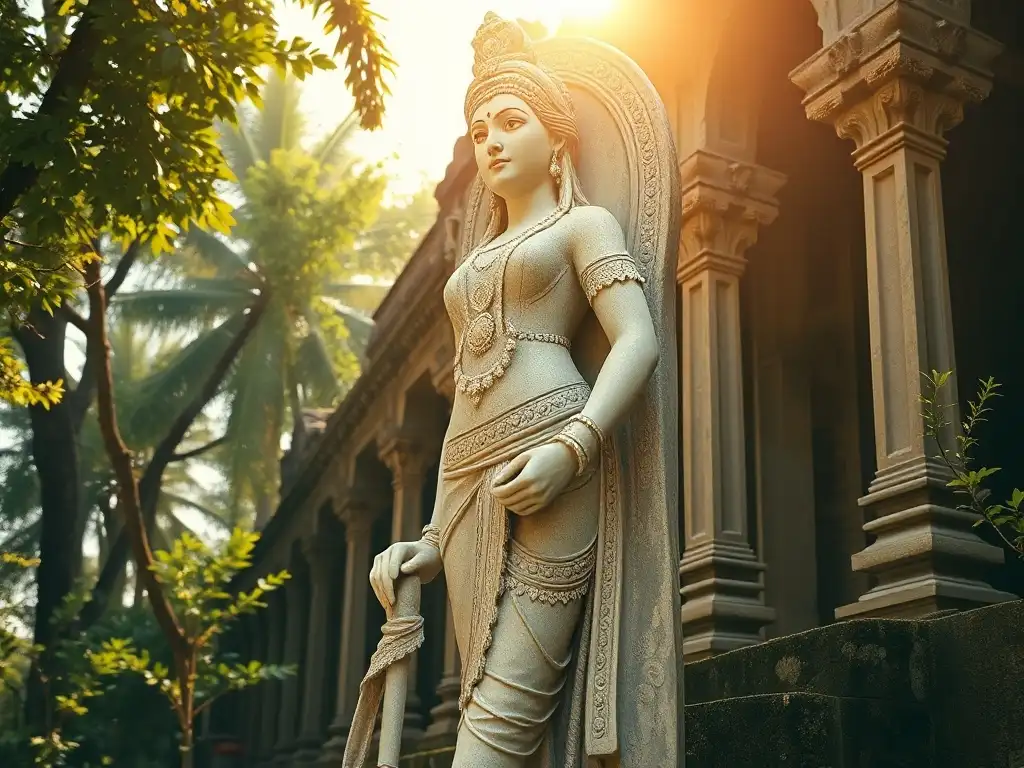
The Representation of women in ancient Indian art is a compelling subject that reflects the intricate and multifaceted roles women played in society. From the exquisite carvings of the Indus Valley Civilization to the intricate frescoes of the Gupta Empire, ancient Indian art serves as a significant lens through which we can explore the cultural, social, and political dynamics of the time.
This article delves into how women were depicted in various artistic forms, shedding light on their roles, statuses, and the perceptions surrounding femininity in ancient India. By examining these representations, we can better understand the complexities of gender relations and the importance of women in shaping the cultural heritage of India.
Overview of Ancient Indian Art and Sculpture
Ancient Indian art is characterized by its diversity, ranging from the detailed sculptures adorning temples to vibrant frescoes and pottery. Major periods such as the Maurya, Gupta, and later medieval times produced remarkable artistic outputs that not only reflect religious themes but also portray daily life and social structures.
- Key Features of Ancient Indian Art:
- Religious Influence: Art was often inspired by major religions like Hinduism, Buddhism, and Jainism, leading to the creation of numerous deities and mythological scenes.
- Symbolism: Many sculptures and paintings carry deep symbolism, often illustrating moral and philosophical teachings.
- Regional Variations: Different regions developed unique styles and techniques, showcasing local traditions and cultures.
These elements combined to create a rich tapestry of artistic expression that captures the essence of ancient Indian civilization.
Importance of Studying Women's Representation
Understanding the representation of women in ancient Indian art is crucial for several reasons:
- Cultural Insights: It provides insight into the prevailing attitudes towards women and their roles in society.
- Historical Context: Analyzing these representations helps historians and scholars comprehend the socio-political environment of ancient times.
- Gender Studies: It contributes to broader discussions on gender roles, highlighting both the empowerment and restrictions faced by women throughout history.
By studying these artistic representations, we can foster a deeper appreciation for the complexities of women's lives in ancient India.
Historical Context of Women in Ancient Indian Society
To grasp the nuances of women's representation in art, it is essential to contextualize their roles within ancient Indian society. This context reveals how societal norms, values, and beliefs shaped artistic expressions.
Women’s Roles in Ancient Indian Civilizations
Women in ancient Indian civilizations experienced a spectrum of roles and statuses, influenced by factors such as caste, class, and region. They were engaged in various activities, including:
- Domestic Duties: Women were primarily responsible for managing household affairs and raising children.
- Economic Contributions: Many women participated in agricultural activities and crafts, contributing to the family economy.
- Cultural and Spiritual Roles: Women played vital roles in religious rituals and cultural practices, often being seen as custodians of tradition.
Despite their contributions, societal norms often restricted women's freedoms, leading to a complex interplay between empowerment and subjugation.
Influence of Religion and Mythology on Gender Representation
Religion and mythology significantly influenced how women were depicted in ancient Indian art. Goddesses like Durga, Lakshmi, and Saraswati were celebrated for their strength, wisdom, and prosperity. In contrast, mortal women were often idealized or relegated to specific roles, reflecting the duality of women's representations:
- Divine Feminine: Goddesses were portrayed as powerful beings, embodying various aspects of life and nature.
- Idealized Womanhood: Mortal women were often depicted in roles that emphasized virtue, chastity, and devotion, reflecting societal ideals.
This duality in representation showcases the rich tapestry of beliefs surrounding femininity, highlighting both reverence and restriction within ancient Indian society.
Artistic Depictions of Women in Ancient Indian Sculpture
The artistic depictions of women in ancient Indian sculpture reflect a multifaceted perspective of gender roles, beauty ideals, and societal functions in various historical contexts. From the graceful figures of the Indus Valley Civilization to the intricate carvings of the Gupta period, women were often portrayed in a manner that both celebrated their physical beauty and highlighted their roles within family and society.
Women in these sculptures are frequently depicted in various activities, showcasing their involvement in daily life, religious rituals, and even mythological narratives. The detailed craftsmanship in these sculptures not only demonstrates the artistic proficiency of ancient artisans but also offers insights into the cultural values and norms surrounding femininity during different eras.
The portrayal of women was not merely ornamental; it served a deeper symbolic purpose. Many sculptures featured women in poses that conveyed grace and strength, often emphasizing their nurturing qualities as mothers, wives, and caretakers. This duality in representation illustrates how women were viewed as both central figures in domestic spheres and as divine representations in spiritual contexts.
Common Themes in Sculptural Representations
Several common themes emerge in the sculptural representations of women throughout ancient Indian history. These include:
- Fertility and Motherhood: Many sculptures depict women in nurturing poses, emphasizing fertility and maternal attributes. This theme often correlates with agricultural cycles and the reverence for motherhood within society.
- Beauty and Grace: Idealized forms of beauty are prevalent in ancient sculptures, reflecting aesthetic standards of the time. Women are often depicted with elongated limbs, intricate hairstyles, and ornamental jewelry, symbolizing both physical allure and social status.
- Divine Female Figures: Goddesses such as Durga, Parvati, and Lakshmi are frequently represented, showcasing the reverence for feminine divinity. These depictions often convey strength, power, and spiritual significance, reinforcing the idea of women as embodiments of both physical and metaphysical qualities.
- Engagement in Daily Activities: Sculptures often illustrate women engaged in everyday tasks, such as dancing, playing musical instruments, or participating in rituals, which attest to their active roles within society.
Iconography of Women in Ancient Indian Art
The iconography of women in ancient Indian art is rich and varied, often laden with symbolic meanings that extend beyond mere representation. For instance, the use of specific motifs, such as the lotus flower, frequently signifies purity and beauty, while the positioning of figures can denote their status and importance.
- Attributes and Accessories: Women are often adorned with elaborate jewelry, including necklaces, bangles, and earrings, which signify wealth and status. These accessories are not just decorative; they also serve to enhance the representation of femininity in ancient art.
- Postures and Gestures: The poses of female figures are carefully crafted to convey specific emotions and attributes. For example, a woman depicted in a dancing posture may symbolize joy and celebration, while a seated figure may represent serenity and contemplation.
- Cultural Context: The iconography also reflects the cultural and spiritual beliefs of the time. In many cases, the depiction of women aligns with the narratives found in religious texts, blending daily life with divine representations.
Notable Examples of Women in Ancient Indian Sculpture
Numerous notable examples of women in ancient Indian sculpture highlight the artistic and cultural significance of these representations. These works not only showcase the skill of ancient artisans but also provide insight into the historical context of women's roles.
Famous Sculptures and Their Cultural Significance
One of the most iconic representations of women in ancient Indian sculpture is the "Dancing Girl" from the Indus Valley Civilization, which exemplifies the sophistication of early Indian art. This bronze figure captures a moment of grace and movement, suggesting that the society valued artistic expression and the role of women within it.
Another significant work is the "Goddess Durga" sculpture, where she is depicted in a fierce posture slaying the buffalo demon Mahishasura. This representation encapsulates the idea of feminine power and divinity, demonstrating how women were revered as protectors and warriors in the spiritual realm.
In the Gupta period, the sculptures of the "Sculpted Female Figures" from temples exhibit an intricate style that highlights beauty and elegance while maintaining a sense of spirituality. These figures often embody the ideals of grace and devotion, reflecting the cultural values of that era.
Regional Variations in Representation
The representation of women in ancient Indian sculpture also varies regionally, influenced by local customs, beliefs, and artistic traditions.
- North India: Sculptures from this region often depict women in elaborate clothing and jewelry, showcasing their status and beauty. Temples in places like Khajuraho illustrate the celebration of eroticism and femininity through intricate carvings.
- South India: In contrast, South Indian sculptures often emphasize the divine aspects of women, particularly in temple art dedicated to goddesses like Meenakshi and Parvati. These figures are adorned with traditional South Indian attire and jewelry, reflecting regional aesthetics.
- Eastern India: In areas like Bengal, representations of women are often intertwined with narratives from local folklore and mythology, showcasing their roles in cultural stories and traditional practices.
These regional variations not only highlight the diversity of women's roles in ancient Indian society but also serve as a testament to the rich tapestry of Indian art and culture.
The Evolution of Women's Representation in Ancient Indian Art
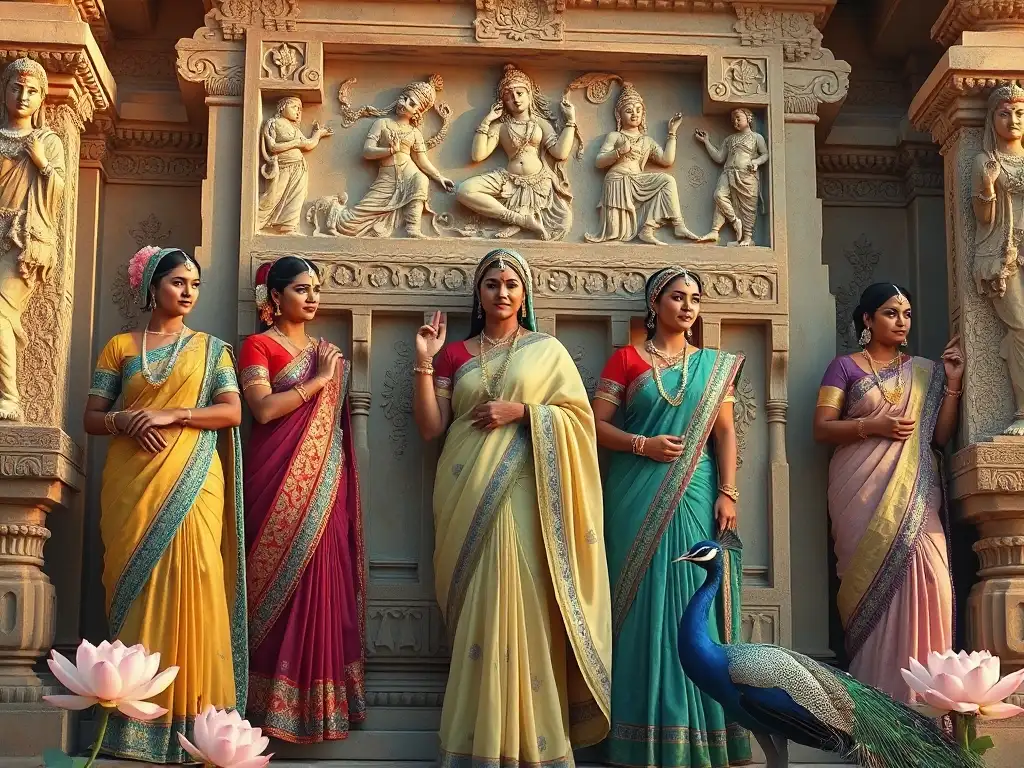
The representation of women in ancient Indian art is a fascinating study that reflects the changing societal roles, cultural norms, and artistic styles over centuries. From the early Indus Valley Civilization to the Gupta Empire, women have been depicted in various forms, symbolizing both divine and mortal attributes. The evolution of these representations is not only a testament to artistic skill but also offers insights into the status and perception of women in ancient Indian society.
Initially, during the Indus Valley Civilization (circa 3300–1300 BCE), figurines of women, often characterized by exaggerated features such as large breasts and wide hips, indicated fertility and motherhood. These figures, often referred to as "Mother Goddess" statues, suggest a reverence for femininity and the female form as a source of life. As art transitioned into the Vedic period, the representation became more abstract, focusing on divine aspects where women were often depicted as consorts to male deities.
The following periods, particularly the Maurya (circa 322–185 BCE) and the post-Mauryan era, saw a shift in artistic expression with the introduction of intricate sculptures and relief work. Women began to be portrayed in more varied roles, including those of dancers, musicians, and warriors, reflecting a broader spectrum of societal contributions. By the time of the Gupta Empire (circa 320–550 CE), women were depicted with a greater emphasis on grace and beauty, embodying ideals of aesthetic pleasure and spiritual devotion. The evolution thus mirrors not only artistic trends but also changing perceptions of women’s roles across different historical contexts.
Changes Over Different Periods
The representation of women in ancient Indian art can be divided into several key periods, each marked by distinct stylistic and thematic changes.
- Indus Valley Civilization: Women were predominantly represented in fertility figurines, signifying the importance of motherhood and the female form. The representation was often simplistic but carried significant cultural meaning.
- Vedic Period: The art from this period began emphasizing ritualistic themes, with women depicted within the context of spiritual and domestic spheres, often as wives of important figures or goddesses.
- Maurya and Post-Mauryan Periods: Artistic representations diversified, showing women in secular roles such as musicians and dancers. This shift indicates a growing recognition of women's contributions to cultural life.
- Gupta Period: This era is notable for its exquisite sculptures where women are depicted in elaborate attire and jewelry, reflecting ideals of beauty and femininity. The art from this period showcases women not only in divine contexts but also in everyday life, highlighting their multifaceted roles.
The changes in representation across these periods highlight a dynamic interplay between art, culture, and the evolving status of women in society.
Impact of Historical Events on Artistic Representation
Historical events have significantly influenced the representation of women in ancient Indian art. Political changes, invasions, and cultural exchanges brought about shifts in artistic styles and themes.
- The Rise of Empires: The establishment of powerful empires, such as the Maurya and Gupta, often led to a flourishing of the arts. During these times, women were portrayed more prominently in various artistic expressions, reflecting their elevated status in society.
- Religious Transformations: The transition from Vedic traditions to the rise of Buddhism and Jainism also impacted women's representation. Buddhist art, for instance, included depictions of women that were both human and divine, symbolizing compassion and enlightenment.
- Cultural Interactions: The interactions with foreign cultures, especially during the Islamic invasions, introduced new artistic influences that altered the depiction of women. This period saw a blend of indigenous styles with foreign motifs, leading to new representations of women that incorporated different aesthetic principles.
Overall, the historical context surrounding each period played a crucial role in shaping how women were depicted in art, reflecting broader societal attitudes toward gender and femininity.
Interpretation and Analysis of Women's Representation
The interpretation of women's representation in ancient Indian art goes beyond mere aesthetics; it delves into the cultural and social constructs surrounding femininity. Understanding these representations requires a critical analysis of the ideals and roles assigned to women throughout history.
Feminine Ideals in Ancient Indian Society
The ideals of femininity depicted in ancient Indian art often reflect the values and beliefs of the society at the time. Women were frequently portrayed as embodiments of beauty, grace, and virtue, adhering to the cultural expectations of the era.
- Idealized Beauty: Artworks often showcase women with delicate features and attributes that signify beauty, such as long hair, ornate jewelry, and elegant clothing. These representations align with societal ideals that celebrated physical appearance as a reflection of moral and spiritual worth.
- Roles and Virtues: Women in art were typically portrayed in roles that emphasized their nurturing qualities, such as motherhood or devotion to family. This portrayal reinforces the idea that women's primary contributions were within the domestic sphere.
- Divine Representation: Many artworks depict women as goddesses, imbuing them with qualities of power and reverence. This duality in representation suggests a complex understanding of femininity, where women could be both revered and confined within societal norms.
Thus, the feminine ideals depicted in ancient Indian art provide valuable insights into the cultural values and expectations surrounding women in different historical contexts.
The Role of Art in Shaping Gender Norms
Art has played a pivotal role in shaping and reinforcing gender norms throughout history. In ancient India, the representation of women in art not only reflected societal attitudes but also influenced perceptions of gender roles.
- Reinforcement of Traditional Roles: Artistic representations often perpetuated traditional gender roles by showcasing women primarily in domestic or supportive capacities. This served to reinforce the notion that women's primary purpose was to contribute to family and society in nurturing ways.
- Subversion and Agency: Conversely, some artworks depicted women in assertive roles, such as warriors or leaders, which challenge the traditional norms. These representations could inspire a sense of agency and empowerment among viewers, suggesting that women were capable of more than domestic responsibilities.
- Cultural Narratives: The stories conveyed through art often include moral lessons or societal ideals, which shape how gender roles are perceived. By embedding these narratives within visual culture, art becomes a powerful tool for reinforcing or challenging existing norms.
The representation of women in ancient Indian art serves as a mirror reflecting the intricate dynamics of gender roles, cultural ideals, and societal values. Through careful analysis of these depictions, we gain a deeper understanding of the historical context and the evolving perception of women throughout ancient Indian history.
Conclusion: The Legacy of Women in Ancient Indian Sculpture
The representation of women in ancient Indian sculpture and art is a profound testament to the roles and contributions of women in society throughout history. These artistic expressions not only reflect the aesthetic values of their time but also provide valuable insights into the cultural, social, and spiritual dimensions of ancient Indian life. From the sensuous depictions of female deities to the portrayal of women in daily life and rituals, these artworks illustrate a complex understanding of femininity that transcends mere visual representation.
The legacy of women in ancient Indian sculpture goes beyond their physical depictions; it encompasses a rich narrative of empowerment, spirituality, and resilience. These artworks have influenced generations of artists, providing a foundation for the appreciation of women's roles in Indian culture. The intricate details, symbolic meanings, and diverse representations found in ancient sculptures continue to inspire contemporary interpretations and discussions surrounding gender and representation in art.
Lasting Influence on Modern Indian Art
The legacy of women in ancient Indian sculpture significantly impacts modern Indian art, where themes of femininity, strength, and spirituality remain prevalent. Contemporary artists draw inspiration from the forms and motifs found in ancient sculptures, reinterpreting them through a modern lens. This influence is evident in the works of many artists who incorporate traditional techniques and iconography to explore women's identities and experiences.
Moreover, the celebration of women's figures in ancient art has led to a resurgence of interest in female representation within modern artistic movements. Artists are increasingly challenging historical narratives and advocating for more inclusive interpretations of women's roles in society. By revisiting the rich heritage of ancient Indian art, contemporary creators not only honor the past but also pave the way for future explorations of gender and identity in art.
Reflections on Gender Representation in Contemporary Culture
The representation of women in ancient Indian art serves as a mirror to contemporary societal attitudes towards gender. While ancient sculptures often celebrated women's beauty, strength, and divinity, modern culture grapples with complex issues related to gender representation and equality. The dialogue surrounding these representations encourages reflection on how women are portrayed in art today and the implications of these portrayals on societal perceptions of gender roles.
Today, artists and scholars alike are increasingly aware of the importance of equitable representation. The contrasting depictions of women in ancient art—from revered goddesses to everyday figures—invite discussions about the varied and multifaceted roles women occupy in society. As contemporary culture continues to evolve, the legacy of women in ancient Indian sculpture remains a vital reference point, inspiring ongoing conversations about empowerment, identity, and the broader implications of representation in art.
References and Further Reading
To further explore the representation of women in ancient Indian art and its implications, the following literature and resources are recommended:
Suggested Literature on Ancient Indian Art
-
"The Sculpture of India" by John Guy
This comprehensive work delves into the evolution of Indian sculpture, highlighting key periods and significant themes, including women’s representations.
-
"Women in Ancient India" by Kumkum Roy
This book provides an in-depth analysis of women's roles as depicted in various forms of art and literature, offering insights into their societal status.
-
"Art and Architecture of Ancient India" by R. C. Majumdar
A detailed exploration of ancient Indian art forms, including sculpture, with a focus on the cultural contexts surrounding women's representations.
Key Resources for Understanding Women's Roles in Ancient India
-
"Gender and the Politics of History" by Joan Scott
This influential text provides a theoretical framework for understanding gender roles and representations in historical contexts, applicable to ancient Indian studies.
-
"The Role of Women in Ancient Indian Society" (Research Papers)
A collection of academic articles exploring various aspects of women's lives in ancient India, including their representations in art and literature.
-
"Indian Women: From Purdah to Modernity" by Ramesh Chandra Dutt
This resource examines the transition of women’s roles from ancient to modern times, offering a historical perspective on gender dynamics.
These resources will enrich your understanding of the representation of women in ancient Indian art and contribute to a broader dialogue about gender roles and contributions throughout history.
- Introduction to Women in Ancient Indian Art
- Historical Context of Women in Ancient Indian Society
- Artistic Depictions of Women in Ancient Indian Sculpture
- Notable Examples of Women in Ancient Indian Sculpture
- The Evolution of Women's Representation in Ancient Indian Art
- Interpretation and Analysis of Women's Representation
- Conclusion: The Legacy of Women in Ancient Indian Sculpture
- References and Further Reading
- What are the main themes in the representation of women in ancient Indian art?
- How did ancient Indian sculptures depict women's roles in society?
- What materials were commonly used in ancient Indian art to depict women?
- Are there notable examples of women's representation in ancient Indian temples?
- How did the representation of women evolve through different ancient Indian periods?
Frequently Asked Questions
What are the main themes in the representation of women in ancient Indian art?
The representation of women in ancient Indian art often focuses on beauty, fertility, and divinity, showcasing their roles as mothers, goddesses, and nurturers.
How did ancient Indian sculptures depict women's roles in society?
Ancient Indian sculptures portrayed women in various social roles, including housewives, royalty, and goddesses, reflecting their importance in both the private and public spheres.
What materials were commonly used in ancient Indian art to depict women?
Artists predominantly used stone, metal, and terracotta to create sculptures, with intricate details emphasizing facial features, jewelry, and clothing that showcased the cultural significance of women.
Are there notable examples of women's representation in ancient Indian temples?
Yes, many temples feature exquisite carvings of women, especially in Khajuraho and Konark, where they are depicted in various poses, often symbolizing love, grace, and spirituality.
How did the representation of women evolve through different ancient Indian periods?
Over time, the representation of women evolved from idealized forms in the Indus Valley to more dynamic and realistic portrayals during the Gupta Empire, reflecting changes in societal attitudes toward gender and beauty.
Final Reflection: Celebrating the Representation of Women in Ancient Indian Art
The representation of women in ancient Indian art is not merely a historical exploration; it is a vibrant testament to the roles, identities, and narratives that have shaped our cultural heritage. Today, as we navigate a world still grappling with gender representation and equality, the insights gleaned from ancient sculptures and artworks resonate profoundly. They remind us that women have always been integral to the tapestry of society, and their portrayal in art reflects both reverence and complexity. This ongoing relevance underscores the importance of recognizing and valuing women's contributions throughout history.
The impact of these representations extends beyond mere aesthetics; they influence our understanding of gender roles and societal structures. By examining the intricate details and symbolism in ancient Indian sculptures, we uncover layers of meaning that speak to the strength, resilience, and multifaceted nature of women. The narratives embedded in these artworks challenge contemporary perceptions and inspire a reevaluation of women's roles in both historical and modern contexts. As noted by art historian Dr. R. S. Sharma, Art is a mirror of society, and through it, we can glimpse the evolving status of women across ages.
As we reflect on the representation of women in ancient Indian art, let us take this opportunity to engage with these narratives actively. I invite you to explore your own perceptions of gender representation and consider how the lessons from the past can inform our present and future.
Embrace the stories of women that have been etched in stone and canvas, and let them inspire you to advocate for a more inclusive and equitable society. Together, we can honor the legacy of these representations and ensure that the voices of women continue to be celebrated and amplified in all forms of art and life.
Unveil the Legacy: Celebrate Women in Ancient Indian Arts!
Thank you for diving into the rich tapestry of women’s representation in ancient Indian sculpture and art. Your interest fosters a deeper appreciation for these incredible legacies! Now, let’s take actionable steps to further explore and celebrate this captivating subject.
- Visit a local museum to experience ancient Indian art firsthand and engage with exhibits showcasing the significant contributions of women throughout history.
- Share your thoughts and discoveries on social media to connect with a community that values this heritage and promotes the importance of women's roles in art.
- Join an online forum or reading group focused on ancient Indian history, where you can share insights and learn from diverse perspectives.
What aspect of women’s representation in ancient Indian art surprised you the most? Let's discuss in the comments below!