
Women Philosophers of Ancient India: Trailblazers of Thought

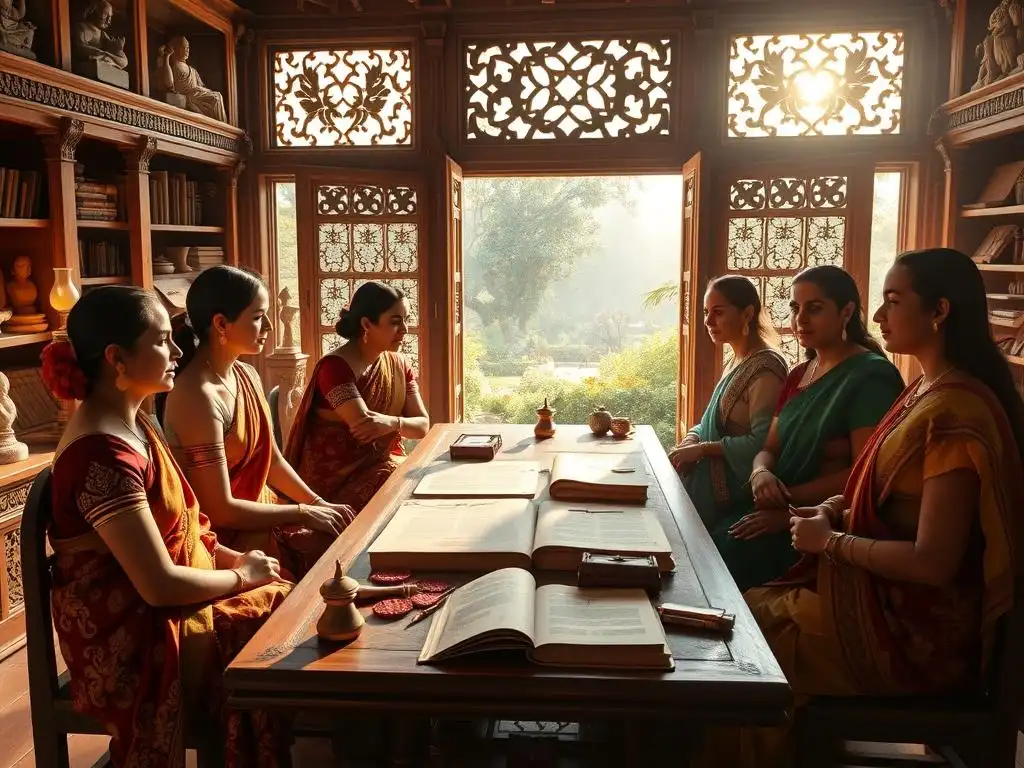
Welcome to Ancient India History, where we embark on an enlightening journey through the fascinating tapestry of India's past. In this exploration, we shine a spotlight on the remarkable women philosophers of ancient India, who not only shaped the intellectual landscape of their time but also paved the way for future generations of thinkers. Are you ready to uncover the trailblazers of thought and their profound contributions? Join us as we delve deeper into their lives, philosophies, and the enduring legacy they left behind. Your adventure into the heart of ancient wisdom begins now!
- Introduction to Women Philosophers in Ancient India
- Historical Context of Women Philosophers in Ancient India
- Notable Women Philosophers of Ancient India
- Contributions of Women Philosophers to Indian Philosophy
- Comparing Women Philosophers to Their Male Counterparts
- Legacy of Women Philosophers in Ancient India
- Conclusion
- References
-
Frequently Asked Questions
- What were the key contributions of women philosophers in ancient India?
- Who is considered the most notable woman philosopher from ancient India?
- How did the societal status of women affect their philosophical contributions?
- What role did women play in the philosophical discourse of ancient India?
- How can we learn more about women philosophers of ancient India today?
- Final Reflection: Celebrating the Legacy of Women Philosophers in Ancient India
- Unleash Your Curiosity: Dive Deeper into Ancient Thought!
Introduction to Women Philosophers in Ancient India
The history of ancient India is rich with a tapestry of thoughts, beliefs, and intellectual contributions that have shaped not only the Indian subcontinent but also the broader realm of global philosophy. Among the myriad voices that have emerged from this vibrant intellectual tradition, women philosophers stand out as pioneering figures who challenged societal norms and made significant contributions to philosophical discourse. This article delves into the lives and works of these trailblazers of thought, emphasizing their influence and the unique perspectives they brought to the philosophical landscape of ancient India.
Overview of Philosophy in Ancient India
Philosophy in ancient India encompasses a diverse array of schools of thought and spiritual traditions, ranging from Hinduism to Buddhism and Jainism. Each of these traditions contributed to a rich intellectual heritage, characterized by a profound inquiry into the nature of reality, ethics, and the self.
- Key Philosophical Schools:
- Vedanta: Focused on the nature of Brahman (ultimate reality) and the Atman (soul).
- Sankhya: Emphasized dualism between consciousness and matter.
- Buddhism: Introduced concepts of Anatta (non-self) and Dukkha (suffering).
- Jainism: Advocated for ahimsa (non-violence) and the multiplicity of viewpoints.
The works of these philosophical schools were often recorded in sacred texts, including the Vedas, Upanishads, Puranas, and Agamas, which provided the groundwork for subsequent philosophical discussions.
Importance of Women in Philosophical Discourse
Women’s contributions to philosophical discourse in ancient India are not just historical footnotes; they are essential to understanding the full breadth of Indian philosophy. Despite the patriarchal society that often marginalized women, several notable figures emerged, offering unique insights and perspectives that enriched philosophical dialogue.
- Notable Contributions:
- Maitreyi: A philosopher and scholar featured in the Brihadaranyaka Upanishad, known for her dialogues on the nature of the self.
- Gargi Vachaknavi: A prominent figure in the Upanishads, she engaged in philosophical debates with sages, questioning the nature of reality and knowledge.
- Vasavadatta: A character in classical literature whose thoughts reflect the complexities of womanhood and philosophical inquiry.
The presence of women in philosophical discourse highlights their roles as thinkers and scholars, challenging the traditional narratives that often overlook their contributions. Their ideas not only influenced contemporary thought but also laid the groundwork for future generations of philosophers, both male and female, in India and beyond.
In examining the lives and works of these women philosophers, we gain a deeper appreciation of their impact on philosophy and the broader cultural context of ancient India, showcasing their role as true trailblazers of thought.
Historical Context of Women Philosophers in Ancient India
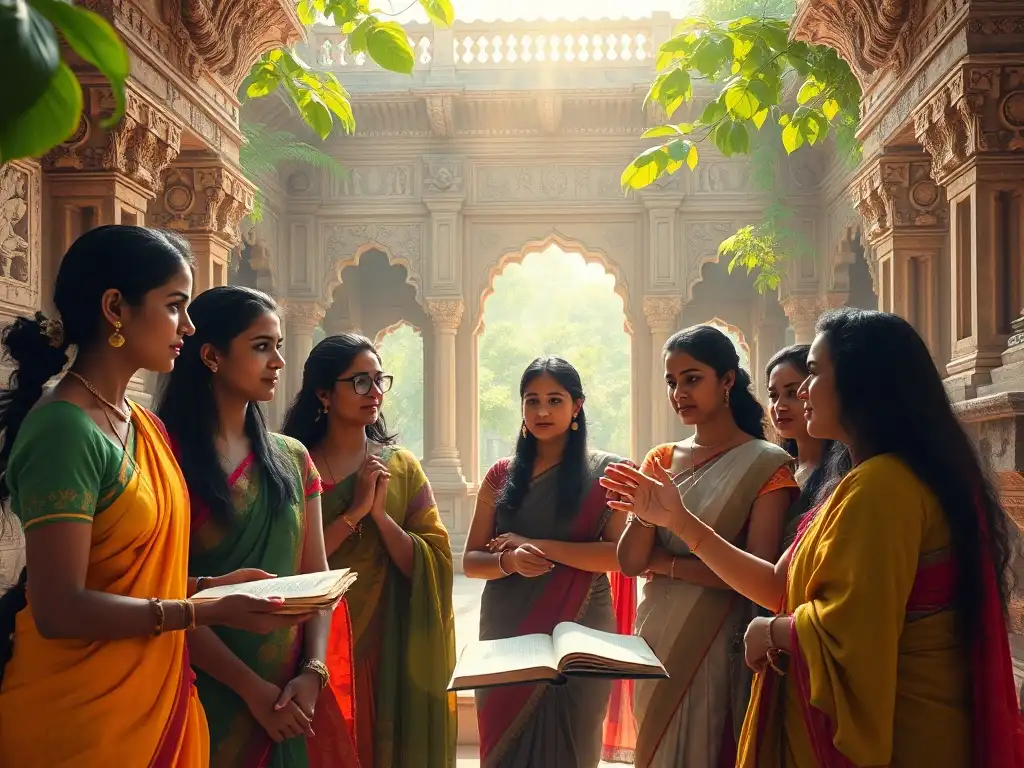
The historical context of women philosophers in ancient India is critical to understanding their contributions and the intellectual landscape of the time. Ancient Indian society was multifaceted, with varying roles and statuses for women across different regions and periods. While women in some communities enjoyed considerable freedom and respect, in others, they faced significant restrictions.
The Role of Women in Ancient Indian Society
Women in ancient India were not monolithic; their roles varied significantly based on factors such as class, caste, and region. In early periods, particularly during the Vedic age (circa 1500–500 BCE), women were often educated and could partake in philosophical discussions. Texts like the Rigveda include hymns composed by women, showcasing their intellectual contributions.
However, as society evolved, particularly during the later Vedic period and into the Maurya and Gupta empires, women's roles began to shift. The emergence of patriarchal norms restricted their public participation in many spheres, yet some women continued to influence philosophy and spirituality.
Key aspects of women's roles during this time include:
- Education: Women had access to education in certain contexts, especially in early Vedic society.
- Philosophical Inquiry: Some women were known to challenge existing philosophical paradigms, contributing to discussions on ethics, metaphysics, and spirituality.
- Religious Influence: Women often played vital roles in religious ceremonies and rituals, which were closely linked to philosophical thought.
Despite societal constraints, several women philosophers emerged as notable figures, contributing to the rich tapestry of thought in ancient India.
Key Philosophical Schools in Ancient India
Ancient Indian philosophy is characterized by a diversity of schools, each with unique perspectives and contributions. The most prominent philosophical traditions are classified into two main categories: Astika (orthodox) and Nastika (heterodox) schools.
- Astika Schools:
- Vedanta: Focused on the study of the Upanishads and concepts like Brahman (ultimate reality) and Atman (soul). Women like Gargi and Maitreyi are noted figures who engaged in philosophical discourse within this tradition.
- Sankhya: A dualistic framework emphasizing the distinction between Purusha (consciousness) and Prakriti (matter). Although less direct involvement from women is recorded, the philosophical inquiries of female thinkers contributed to the discourse.
- Yoga: Integrates physical discipline and meditation with philosophical inquiry. Some texts hint at the participation of women practitioners and thinkers.
- Nastika Schools:
- Buddhism: Founded by Siddhartha Gautama (Buddha), this school emphasizes the Four Noble Truths and the Eightfold Path. Prominent female figures like Mahapajapati Gotami, the Buddha's aunt, played significant roles in early Buddhist philosophy and monastic life.
- Jainism: Focuses on non-violence and truth. Women like the Tirthankara Mallinatha are recognized for their contributions to Jain philosophy.
The contributions of women philosophers in ancient India reflect their resilience and intellectual prowess, often navigating a complex social landscape to assert their philosophical ideas. Their legacies continue to inspire contemporary discourses on gender and philosophy, highlighting the vital role women played in shaping ancient Indian thought.
Notable Women Philosophers of Ancient India
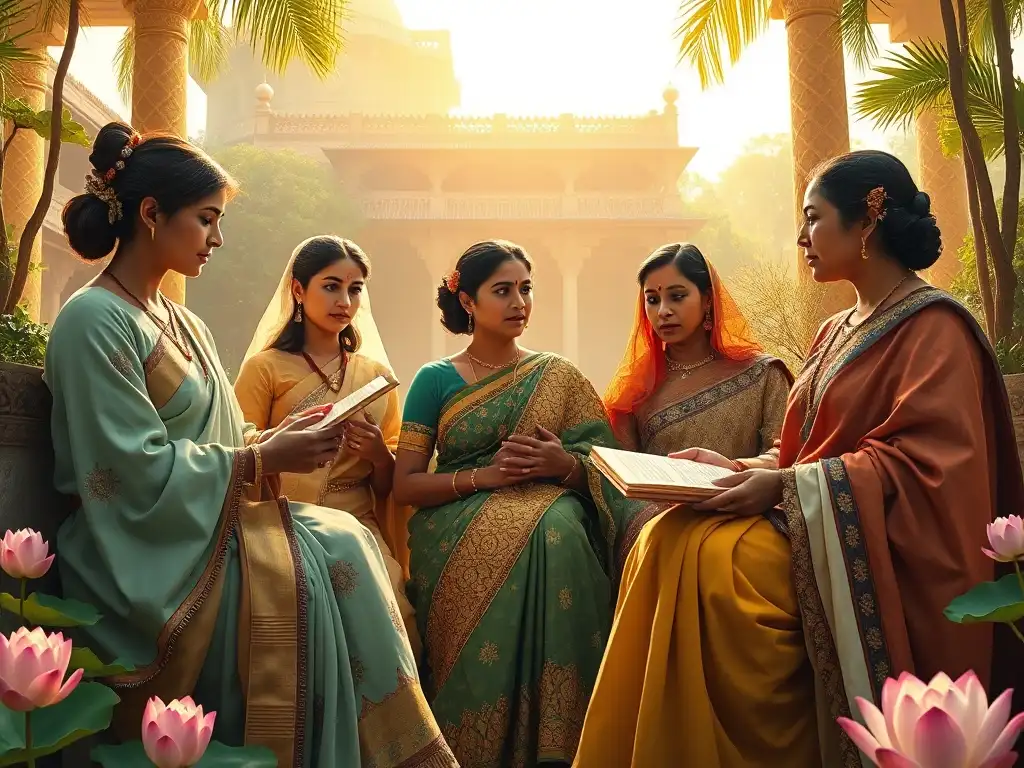
Gargi Vachaknavi, one of the most distinguished women philosophers of ancient India, was a prominent figure in Vedic literature, particularly noted for her intellectual prowess and philosophical inquiries. Her contributions are primarily recorded in the Brahadaranyaka Upanishad, where she engages in profound dialogues with some of the greatest sages of her time.
- Philosophical Contributions: Gargi is celebrated for her inquiries about the nature of the universe and the ultimate reality, referred to as Brahman. She posed challenging questions that tested the limits of philosophical reasoning and theological understanding.
- Significance in Vedic Tradition: Her presence in philosophical discussions during the Vedic period underscores the role of women in intellectual domains, challenging the notion that only men were the primary thinkers.
Gargi's legacy is a testament to the intellectual capabilities of women in ancient India, paving the way for future generations of female philosophers. Her dialogues illustrate the importance of critical thinking and the pursuit of knowledge, making her a trailblazer in the philosophical realm.
Maitreyi: The Proponent of Knowledge and Self-Realization
Maitreyi, another eminent women philosopher of ancient India, is primarily known through the Brahadaranyaka Upanishad, where she is depicted as a wise and learned woman who engages in deep philosophical discussions with her husband, Yajnavalkya.
- Exploration of Self-Realization: Maitreyi's philosophical inquiries focus on the nature of the self ( Atman) and its relationship with the universe. Her famous question, "If I should attain to immortality, what shall I do with this wealth?" reflects her quest for deeper understanding beyond material possessions.
- Integration of Knowledge and Spirituality: Maitreyi emphasizes the importance of knowledge as a pathway to self-realization, advocating that true wisdom lies in understanding the self rather than merely accumulating worldly wealth.
Her teachings highlight the transformative power of knowledge and the pursuit of spiritual growth, reinforcing the idea that women played pivotal roles in shaping philosophical thought in ancient India.
Savitri: The Symbol of Strength and Wisdom
Savitri, though often celebrated as a legendary figure in Indian mythology, also embodies the philosophical spirit of resilience and wisdom. Her story, particularly as narrated in the epic Mahabharata, goes beyond mere folklore; it carries profound philosophical themes.
- Philosophical Themes: Savitri's unwavering determination to save her husband from the clutches of death showcases her strength and intellect. Through her clever dialogues with Yama, the god of death, she embodies the essence of perseverance and the quest for truth.
- Role as a Moral Philosopher: By challenging the divine forces and engaging in a battle of wits, Savitri symbolizes the moral and ethical dilemmas faced in life. Her story encourages reflection on themes of love, sacrifice, and the human condition.
Savitri stands as a powerful symbol of women's resilience and wisdom in ancient Indian philosophy, illustrating that the journey of knowledge is often intertwined with personal sacrifice and moral courage.
Other Influential Women Thinkers in Ancient India
Ancient India was home to numerous influential women thinkers who contributed significantly to various fields, including philosophy, literature, and spirituality. While many of these women might not have received the same level of recognition as their male counterparts, their ideas and teachings enriched the cultural and intellectual landscape of the time.
Gargi Vachaknavi
Gargi Vachaknavi is one of the earliest recorded women philosophers in ancient Indian history. She is prominently featured in the Brahadaranyaka Upanishad, where she engages in philosophical debates with renowned sages such as Yajnavalkya. Gargi is celebrated for her profound inquiries into the nature of the universe and the self, particularly her questioning of the ultimate reality, or Brahman. Her ability to challenge patriarchal norms in a male-dominated society marks her as a trailblazer in philosophical thought.
- Key Contributions:
- Pioneered philosophical debates on metaphysics.
- Advocated for the pursuit of knowledge and truth.
- Inspired subsequent generations of thinkers and scholars.
Maitreyi
Maitreyi, another prominent figure in the Upanishads, was the wife of sage Yajnavalkya. She is known for her profound philosophical discussions regarding the nature of the self and immortality. Maitreyi’s dialogue in the Brihadaranyaka Upanishad emphasizes the importance of self-knowledge and the realization of one’s identity, reflecting her deep understanding of existential concepts.
- Key Contributions:
- Explored the connection between the self and the ultimate reality.
- Emphasized the significance of personal experience in spiritual understanding.
- Challenged societal norms regarding women's roles in philosophical discourse.
Lilavati
Lilavati, a mathematician and philosopher of the 12th century, is renowned for her work in mathematics, particularly in the field of algebra. The Lilavati, a treatise attributed to her, illustrates her understanding of mathematical concepts through poetic verses. While her primary contributions were in mathematics, her work reflected a philosophical approach to problem-solving and logical reasoning, showcasing the interconnectedness of philosophy and mathematics.
- Key Contributions:
- Innovations in mathematical thought.
- Integrated philosophical inquiry with practical applications.
- Inspired future generations of scholars in both mathematics and philosophy.
Aditi
Aditi, often regarded as a mother goddess in Vedic texts, also symbolizes the philosophical concept of creation and the cosmos. Though not a philosopher in the traditional sense, Aditi's representation in texts like the Rigveda highlights the philosophical underpinnings of femininity in creation narratives. Her association with the infinite and the nurturing aspects of the universe illustrates the philosophical depth attributed to female figures in ancient Indian thought.
- Key Contributions:
- Represented the philosophical concepts of creation and infinity.
- Served as a symbol of nurturing, wisdom, and the cosmos.
- Influenced spiritual and philosophical discussions around divinity and femininity.
Conclusion
These influential women thinkers of ancient India exemplify the diverse contributions women made to philosophy and intellectual discourse. Their ideas continue to resonate today, reminding us of the rich tapestry of thought that ancient Indian civilization fostered. Through their inquiries and teachings, they paved the way for future generations, inspiring a more inclusive understanding of philosophy that transcends gender boundaries.
Contributions of Women Philosophers to Indian Philosophy
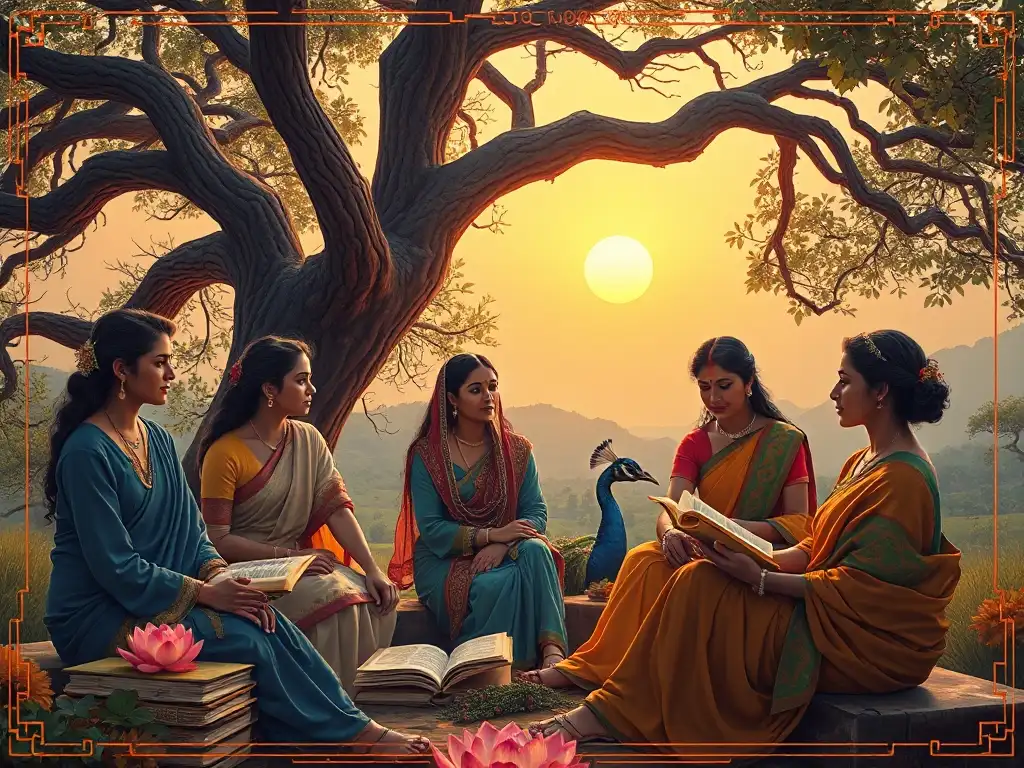
The contributions of women philosophers in ancient India are often overshadowed by their male counterparts. However, their impact on Indian philosophy is profound and multifaceted, spanning various domains such as ethics, metaphysics, epistemology, and spirituality. This section delves into the significant roles played by women philosophers, underscoring their trailblazing thoughts and insights that have shaped philosophical discourse in ancient India.
Ethical and Moral Philosophy by Women
Women philosophers of ancient India made notable contributions to ethical and moral philosophy, emphasizing the importance of virtue, duty (dharma), and social responsibilities. One such figure is Maitreyi, a revered philosopher mentioned in the Brahmanas. She is best known for her dialogues with her husband, Yajnavalkya, where she questions the nature of reality and the self. Her inquiry into the nature of knowledge and love underscores a moral framework that prioritizes personal growth and ethical living.
Additionally, Gargi Vachaknavi, another prominent figure, is celebrated for her contributions to ethical discussions during the Vedic period. In the Brahmodya, she engages in debates questioning the nature of the ultimate reality (Brahman) and the moral implications of knowledge. Her famous challenge to male philosophers in the court of King Janaka reflects her ethical stance against male-dominated philosophy, advocating for intellectual rigor and moral responsibility.
- Key Themes in Ethical Philosophy by Women:
- Dharma: The moral and ethical duties that govern individual actions.
- Virtue Ethics: The importance of personal character and virtues in ethical decision-making.
- Social Responsibility: The roles and responsibilities of women in society, emphasizing care and nurturing.
Contributions to Metaphysics and Epistemology
Women philosophers in ancient India also contributed significantly to metaphysical and epistemological discussions. Their insights often intersected with the realms of reality, perception, and knowledge. Vedic texts highlight the philosophical contributions of women such as Maitreyi and Gargi, who interrogated fundamental questions about existence and the nature of knowledge.
For instance, Maitreyi’s exploration of the self (Atman) in relation to the ultimate reality (Brahman) demonstrates a sophisticated understanding of metaphysical concepts. Her dialogues reflect an epistemological approach that values experiential knowledge and self-inquiry as pathways to understanding the universe.
Vishnu Sita, another lesser-known philosopher, is credited with her interpretations of Vedanta. She emphasized the significance of personal experience in gaining knowledge, challenging the reliance solely on tradition or authority. Her views on perception and knowledge acquisition laid foundational ideas for later philosophical discourse.
- Core Aspects of Metaphysics and Epistemology:
- Nature of Reality: Investigating the relationship between the self and the cosmos.
- Knowledge Systems: Understanding different ways of knowing, including direct experience and rational inquiry.
- Self-Inquiry: The role of introspection in philosophical thought.
Influence on Spiritual and Religious Thought
The influence of women philosophers on spiritual and religious thought in ancient India is profound. Their reflections on spirituality often intertwined with ethical teachings and metaphysical inquiries. Figures like Anandamayi Ma and Vatsala made significant contributions to spiritual thought, encouraging a holistic understanding of existence that encompassed both the material and the spiritual.
Anandamayi Ma, a 20th-century spiritual leader, is known for her teachings that draw upon ancient philosophical ideas, emphasizing the importance of inner realization and the divine nature of all beings. Her approach to spirituality encourages individuals to look beyond rituals and dogmas to seek a personal connection with the divine, resonating with ancient philosophical discourses.
Women philosophers also played a crucial role in interpreting and disseminating religious texts, often providing unique perspectives that challenged patriarchal interpretations. Their contributions fostered a more inclusive understanding of spirituality that embraced diverse experiences and insights.
- Significant Themes in Spiritual Thought:
- Inner Realization: The pursuit of self-knowledge as a means to spiritual enlightenment.
- Inclusivity in Spirituality: Recognizing diverse paths to the divine, transcending traditional boundaries.
- Philosophical Integration: Merging philosophical inquiries with spiritual practices to enrich understanding.
The legacy of women philosophers in ancient India is a testament to their profound impact on the philosophical landscape, influencing generations of thinkers and practitioners. Their contributions to ethical, metaphysical, and spiritual thought continue to resonate, inviting further exploration and recognition of their vital roles in shaping Indian philosophy.
Comparing Women Philosophers to Their Male Counterparts
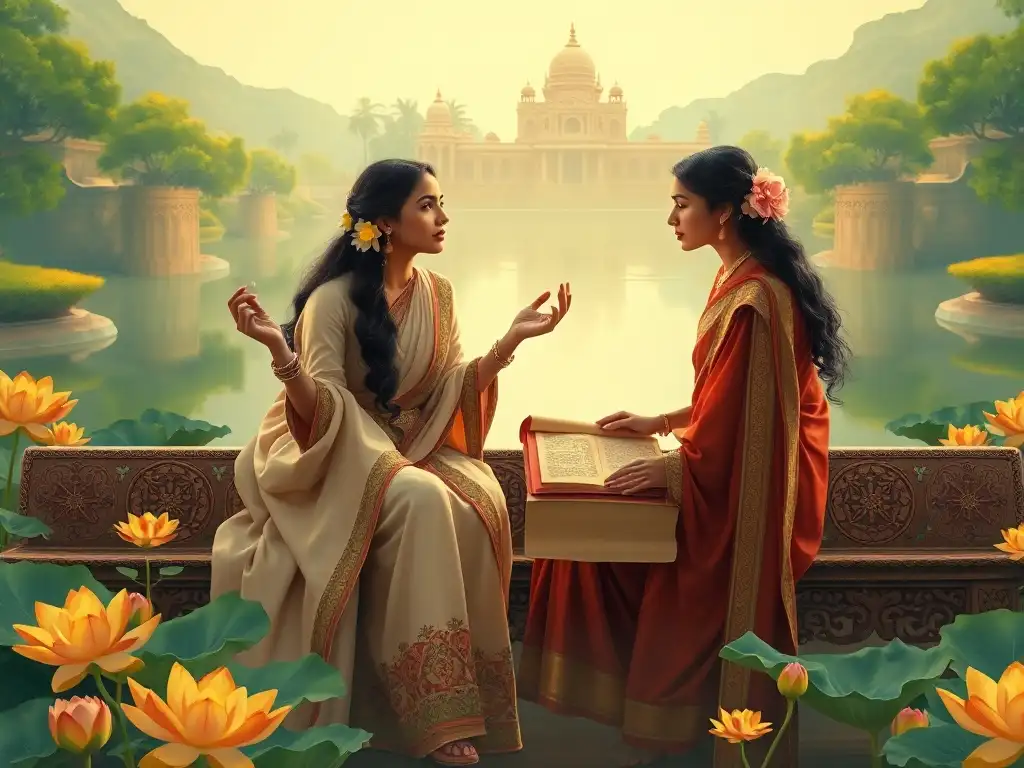
In ancient India, the philosophical landscape was predominantly male-dominated, yet women philosophers made significant contributions that often challenged the prevailing norms. The comparisons between women philosophers and their male counterparts reveal a rich tapestry of thought that reflects not only individual intellects but also the societal dynamics of the time.
Perspectives on Gender in Ancient Indian Philosophy
The perspectives on gender within ancient Indian philosophy are complex and multifaceted. Notable women philosophers such as Gargi and Maitreyi emerged during the Vedic period, showcasing their intellectual prowess in a society that often relegated women to subordinate roles.
- Gargi: Renowned for her participation in philosophical debates, Gargi is mentioned in the Brihadaranyaka Upanishad. She posed challenging questions about the nature of the universe, demonstrating that women were not only philosophers but also seekers of truth.
- Maitreyi: Another prominent figure, Maitreyi, engaged in discussions about the nature of the self and immortality. Her dialogues with her husband, Yajnavalkya, signify a collaborative intellectual environment, challenging the perception that women's contributions were limited.
The presence of these women in philosophical texts indicates that gender was not a rigid barrier to intellectual engagement. However, their legacy often remained overshadowed by their male counterparts, such as Adi Shankaracharya and Aristotle, whose works gained more prominence in historical discourse.
The Impact of Gender on Philosophical Ideas
The impact of gender on philosophical ideas in ancient India can be observed in several key areas:
- Epistemology: Women philosophers introduced unique perspectives on knowledge and learning. They often emphasized experiential knowledge and intuition, contrasting with the more rationalist approaches of their male colleagues.
- Ethics and Morality: Female thinkers contributed to discussions on ethics, particularly in the context of familial and social responsibilities. Their insights often reflected a more holistic approach to morality, integrating personal relationships and spiritual growth.
- Spirituality: Women philosophers frequently addressed the spiritual dimensions of life, advocating for a balance between worldly duties and spiritual pursuits. This emphasis on spirituality can be seen as a response to the patriarchal structures that sought to confine women to domestic roles.
| Philosopher | Main Contributions | Philosophical Focus |
|---|---|---|
| Gargi | Debates on the nature of reality | Metaphysics, epistemology |
| Maitreyi | Discussions on immortality and self | Ethics, spirituality |
| Vatsala | Commentaries on societal roles and responsibilities | Feminine ethics, social philosophy |
The contributions of women philosophers in ancient India, while sometimes overlooked, are crucial for understanding the full spectrum of philosophical thought during this era. Their ideas not only enriched the philosophical discourse but also laid the groundwork for future generations of thinkers, regardless of gender. By examining the interplay of gender and philosophy, we gain a deeper appreciation of the diverse intellectual heritage of ancient India.
Legacy of Women Philosophers in Ancient India
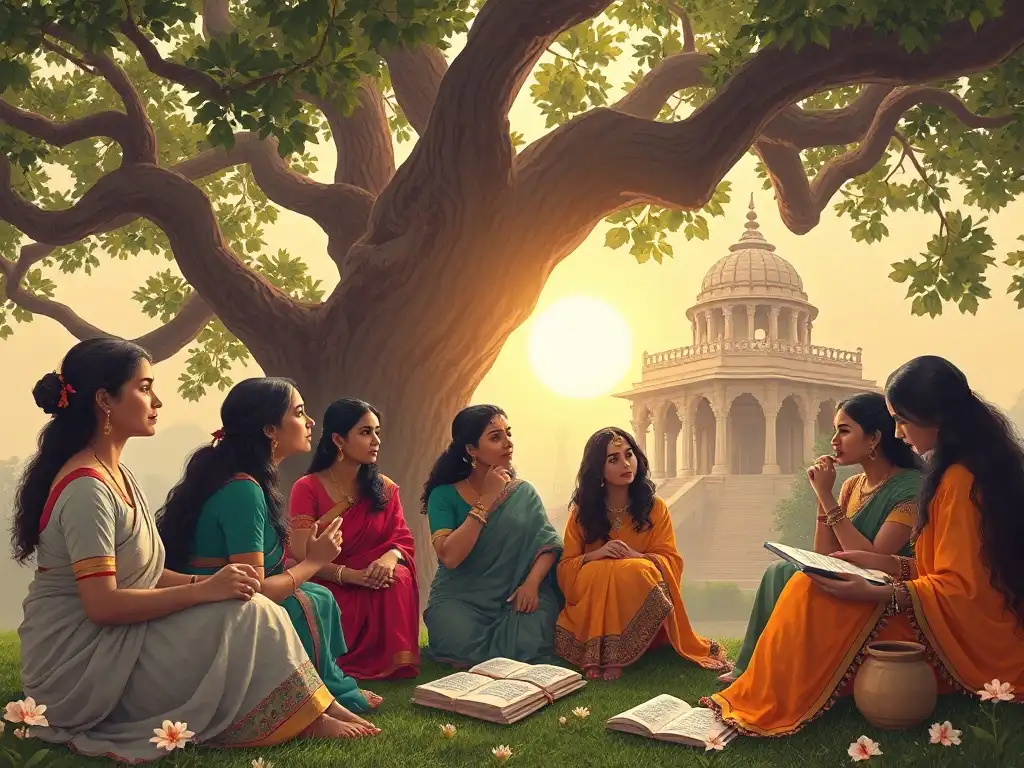
The legacy of women philosophers in ancient India is one that deserves recognition and celebration. These women not only contributed to philosophical discourse but also influenced the socio-cultural fabric of their time. Their thoughts encompassed various aspects of life, spirituality, ethics, and governance, often reflecting a unique understanding of the world and human existence.
Influence on Later Philosophical Traditions
The philosophical ideas presented by women in ancient India laid foundational stones for subsequent generations. One of the most significant figures is Gargi Vachaknavi, who engaged in debates with prominent philosophers of her time and is renowned for her inquiries into the nature of the self and the universe. Her contributions can be seen in later philosophical traditions, particularly in the development of metaphysical inquiries.
Another notable figure is Maitreyi, who is often cited in the context of the Upanishads. Her dialogues with her husband, the sage Yajnavalkya, reveal a deep philosophical understanding of the self (Atman) and its relationship to the ultimate reality (Brahman). This exploration influenced subsequent schools of thought, including Advaita Vedanta.
These early women philosophers not only participated in philosophical debates but also influenced the philosophical frameworks of their time. Their thoughts on ethics, metaphysics, and epistemology resonate through later Indian philosophical traditions, such as Nyaya and Mimamsa.
Moreover, the ethical teachings of Vatsyayana reflect the influence of feminine perspectives. His work, the Kama Sutra, includes insights into relationships and societal norms, emphasizing the importance of mutual respect and understanding, principles likely informed by the philosophical contributions of women.
The influence of women philosophers in ancient India can be seen as a precursor to the rich philosophical dialogues that followed, highlighting their essential role in shaping the intellectual landscape of their time.
Recognition and Rediscovery of Women Thinkers in Modern Times
In recent years, there has been a resurgence of interest in the contributions of women philosophers from ancient India. Scholars and historians are increasingly recognizing the significance of these thinkers, which has led to a reevaluation of historical narratives that often marginalized their contributions.
Research initiatives and academic discourse have begun to highlight figures such as Gargi and Maitreyi, showcasing their philosophical inquiries and advocating for their rightful place in the history of Indian philosophy. Publications and conferences dedicated to the study of women in philosophy have emerged, providing platforms for discussion and exploration of these figures' legacies.
Moreover, educational institutions are incorporating the works of women philosophers into their curricula, fostering a more inclusive understanding of philosophical history. This recognition is vital for correcting historical biases and ensuring that future generations appreciate the contributions of women to philosophical thought.
As part of this rediscovery, there is also a growing body of literature that seeks to contextualize the philosophical contributions of women within the broader spectrum of ancient Indian thought. This includes examining texts that reference women philosophers, exploring their roles in spiritual traditions, and understanding their impact on societal norms and values.
The legacy of women philosophers in ancient India is being rediscovered and celebrated in modern times. Their thoughts and contributions not only enriched the philosophical landscape of their era but continue to inspire contemporary discourse, reaffirming the importance of women's roles in the history of philosophy.
Conclusion
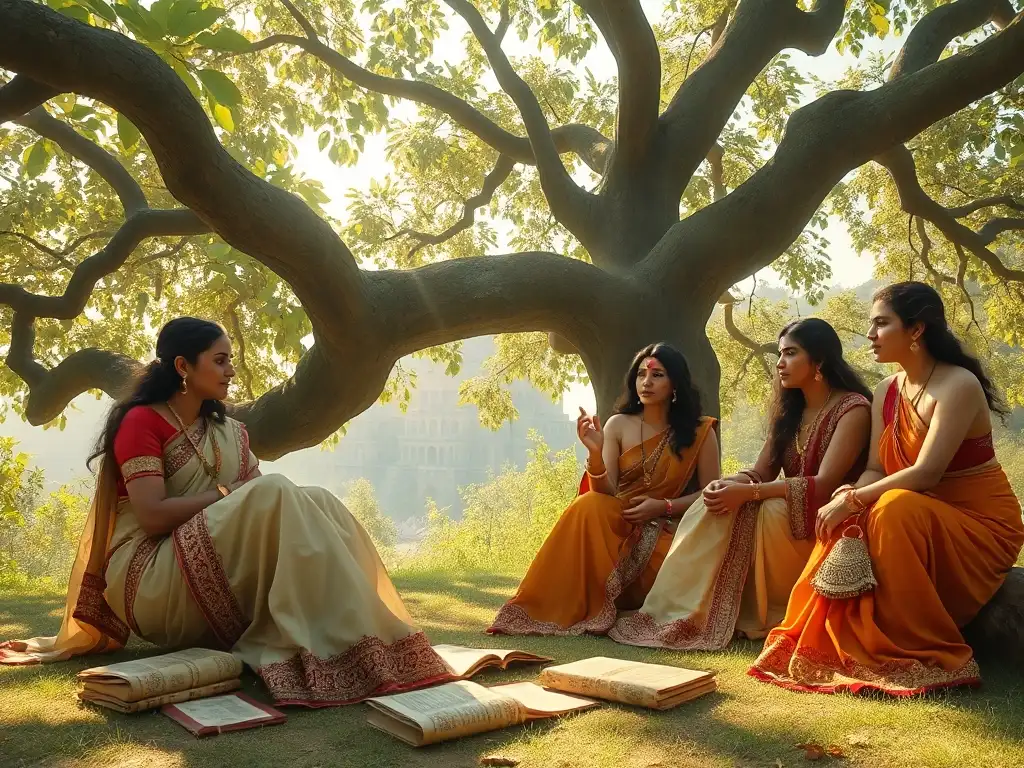
The Enduring Impact of Women Philosophers in Ancient India
The contributions of women philosophers in ancient India have left a profound and enduring impact on the landscape of Indian thought and philosophy. These trailblazers not only challenged the prevailing norms of their time but also laid the groundwork for future generations to engage in philosophical discourse. From the early Vedic period, where women like Gargi and Maitreyi posed challenging questions about the nature of reality and the self, to the later influences of thinkers such as Anandamayi Ma, the voices of women philosophers have resonated across centuries.
Their philosophical inquiries often intersected with spiritual practice, ethics, and societal issues. For example, Gargi's dialogues in the Brahmanas reflect a deep understanding of metaphysics, while Maitreyi's questions about the nature of the self in relation to the eternal underscore the philosophical depth women brought to discussions traditionally dominated by men. This intersectionality enriched the philosophical landscape, fostering a more inclusive and comprehensive exploration of existential questions.
Moreover, the teachings of women philosophers often emphasized the importance of inner knowledge and self-realization, aligning with the broader spiritual traditions of India. The emphasis on personal experience and intuition as valid sources of knowledge challenged conventional epistemologies and opened new avenues for philosophical inquiry. This legacy continues to inspire contemporary thinkers and feminists who seek to reclaim and amplify women's voices in philosophy.
Call to Further Explore Women’s Contributions to Philosophy
The rich tapestry of women philosophers in ancient India invites further exploration and appreciation. By delving into their lives and ideas, we can uncover insights that are not only relevant to the study of philosophy but also to the broader understanding of women's roles in shaping intellectual traditions.
- Dive Deeper: Consider exploring texts that feature the works of women philosophers, such as the Upanishads and various commentaries on Indian philosophy.
- Engage with Contemporary Discussions: Investigate how modern scholars are interpreting the contributions of these ancient thinkers and how their ideas resonate in today's philosophical discourse.
- Celebrate Diversity: Acknowledge the diverse perspectives and backgrounds of women philosophers throughout history, recognizing that their experiences and insights contribute to a richer understanding of philosophy as a whole.
By recognizing and celebrating the contributions of women philosophers in ancient India, we not only honor their legacy but also enrich our understanding of the philosophical traditions that continue to shape our world today. 🌏
References
Exploring the contributions of women philosophers in ancient India requires an understanding of the historical context and the philosophical frameworks that shaped their thoughts. A rich tapestry of texts, both primary and secondary, provides insights into the lives and ideas of these remarkable figures. Below are some key references that delve deeper into the subject:
Suggested Reading on Women Philosophers in Ancient India
-
"Women in Ancient India: A Historical Perspective" by R.K. Sharma
This book offers a comprehensive overview of women's roles in various spheres, including philosophy, throughout ancient Indian history.
-
"The Philosophy of Women in Ancient India" by Rina R. Sharma
An in-depth study that examines the philosophical contributions of women, highlighting their thoughts and impact on contemporary and future philosophical discourse.
-
"Ancient Indian Philosophy: A Critical History" by N. N. Bhattacharyya
While focusing on ancient Indian philosophy as a whole, this work includes sections dedicated to the contributions of women philosophers, providing context and analysis.
-
"Empowered by Knowledge: Women Philosophers in India" by Shobha S. Ghosh
This text explores the lives and thoughts of prominent female philosophers, showcasing their intellectual contributions and societal impact.
-
"Voices of Women in Indian Philosophy" edited by Anjali Kumar
A collection of essays that brings together various scholarly perspectives on the influence of women philosophers throughout ancient Indian history.
Academic Works and Research Studies
- "Philosophical Contributions of Ancient Indian Women" - This journal article provides an analysis of the known works and philosophies of women in ancient India, discussing their relevance and influence on later philosophical thought.
- "Gender and Philosophy in Ancient India" - A research study that investigates the intersection of gender and philosophical ideas, looking closely at how women philosophers navigated societal norms to express their thoughts.
- "The Role of Women in Indian Religious and Philosophical Thought" - This thesis examines the contributions of women to religious and philosophical discourse, highlighting key figures and their works.
- "Ancient Indian Texts and Women Philosophers: An Analysis": - A critical examination of ancient texts that mention or are attributed to women philosophers, assessing their contributions to the broader philosophical landscape.
- "Revisiting Feminine Philosophies in Ancient India" - This paper encourages a reevaluation of historical narratives regarding women in philosophy, advocating for a greater acknowledgment of their intellectual heritage.
By engaging with these references and suggested readings, scholars and enthusiasts can gain a deeper understanding of the significant yet often overlooked contributions of women philosophers in ancient India.
Frequently Asked Questions
What were the key contributions of women philosophers in ancient India?
Women philosophers in ancient India made significant contributions to spirituality, ethics, and political thought, often influencing social reforms and educational practices through their works and teachings.
Who is considered the most notable woman philosopher from ancient India?
Gargi Vachaknavi is often regarded as one of the most notable woman philosophers, known for her profound insights in the Upanishads and her debates with prominent male philosophers of her time.
How did the societal status of women affect their philosophical contributions?
The societal status of women in ancient India was complex; while some had access to education and intellectual discourse, many were restricted by patriarchal norms, impacting their visibility in philosophical traditions.
What role did women play in the philosophical discourse of ancient India?
Women played a vital role in philosophical discourse by contributing to dialogues and debates, often challenging prevailing gender norms and advocating for equal intellectual engagement.
How can we learn more about women philosophers of ancient India today?
To learn more, one can explore historical texts, academic articles, and modern interpretations that highlight the contributions of women philosophers, emphasizing their impact on Indian thought and culture.
Final Reflection: Celebrating the Legacy of Women Philosophers in Ancient India
The exploration of women philosophers in ancient India reveals a rich tapestry of thought that continues to resonate in contemporary discussions about gender, philosophy, and intellectual heritage. These trailblazers not only contributed to the philosophical discourse of their time but also laid the groundwork for future generations to challenge societal norms and pursue knowledge. Their insights remind us that the quest for wisdom is not confined to any gender, and their legacies are more relevant today than ever as we strive for equality and representation in all fields of thought.
The impact of these women philosophers extends far beyond their historical context; they have shaped the cultural and social landscape of India and the world. Their ideas challenge us to reconsider the narratives we accept and inspire a deeper understanding of the diverse voices that have contributed to philosophical inquiry.
As we reflect on their contributions, we are reminded of the words of the philosopher Gargi, who asserted, “The truth is not confined to a single perspective.” > This sentiment underscores the importance of inclusivity in philosophical discourse and encourages us to seek out and amplify diverse voices in our own intellectual pursuits.
As we conclude our journey through the lives and thoughts of these remarkable women, I invite you to reflect on how their legacies can inspire your own path. Consider the ways in which you can engage with the ideas of women philosophers, both historical and contemporary, in your daily life.
Let their courage and wisdom motivate you to challenge the status quo, seek knowledge, and advocate for a more inclusive understanding of philosophy. Together, we can honor their contributions and ensure that the voices of women philosophers continue to be heard and celebrated in the ongoing dialogue of human thought.
Unleash Your Curiosity: Dive Deeper into Ancient Thought!
Thank you for taking the time to explore the trailblazing ideas of women philosophers in ancient India. Their unique perspectives have shaped the landscape of thought, offering timeless wisdom that resonates even today. Now, it's your turn to carry the torch forward!
Here are some practical steps you can take to further engage with this fascinating topic:
- Read a book on ancient Indian philosophy or the contributions of women to broaden your understanding; consider starting with a title that highlights the voices of women in this rich intellectual tradition.
- Join a discussion group or online forum to share your insights and learn from others who are passionate about philosophy and history.
- Share your newfound knowledge with friends and family—perhaps host a casual discussion or write a blog post about what you've learned!
What unique perspectives do you think these ancient thinkers would offer in today's world?