
The Philosophical Underpinnings of Women’s Rights in Ancient Indian Society

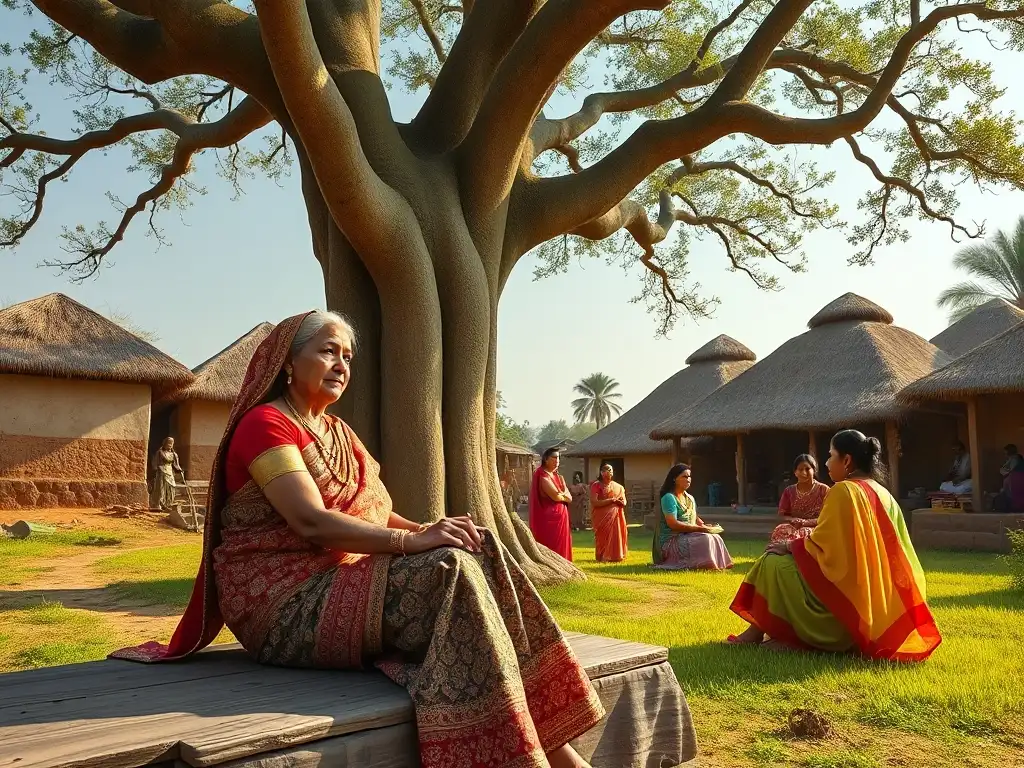
Welcome to Ancient India History, where we embark on a journey through the rich tapestry of India's past! Today, we delve into the often-overlooked yet profoundly significant topic of women's rights in ancient India. How did the philosophical beliefs of the time shape the roles and contributions of women within society? Join us as we uncover the intricate layers of history that reveal the empowered positions women held, from the Indus Valley to the Gupta Empire. Prepare to be intrigued and inspired as we explore the dynamic interplay of culture, philosophy, and gender in ancient India.
Introduction to Women’s Rights in Ancient India
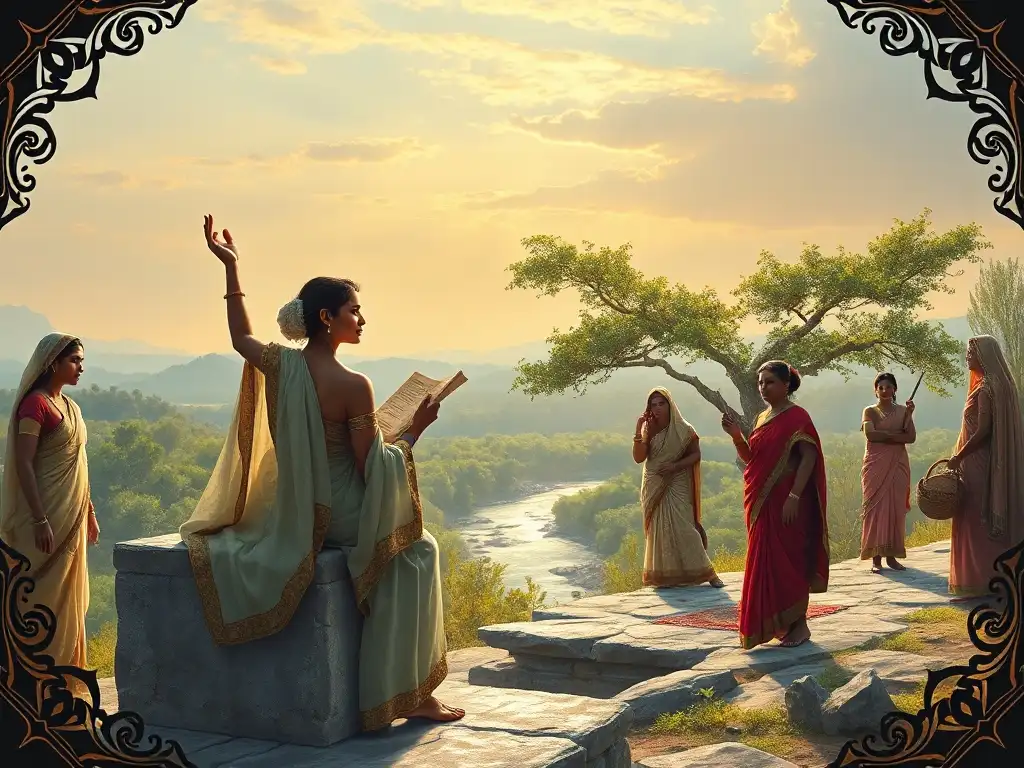
The exploration of women's rights in ancient India unveils a complex tapestry woven with cultural, philosophical, and religious threads. Ancient Indian society, often perceived through a historical lens of patriarchy, exhibited multifaceted attitudes toward women's roles and rights. While some texts and practices reflected limitations, others illuminated a profound respect and recognition of women's contributions to society, spirituality, and family life. This article delves into the philosophical underpinnings that shaped these rights, revealing how ancient Indian thinkers and texts contributed to the discourse surrounding women's status and autonomy.
Overview of Women's Rights in Ancient Indian Context
In ancient India, women's rights were not monolithic; they varied significantly based on region, class, and prevailing philosophical doctrines. The Vedic texts, for instance, provide glimpses into a society that acknowledged women's agency, allowing them to participate in religious rituals and education.
- Rights and Autonomy: Women like Gargi and Maitreyi, who are celebrated in the Upanishads, exemplify intellectual empowerment and participation in philosophical discourse.
- Contrasting Views: Conversely, texts like Manusmriti often delineated strict roles and duties for women, emphasizing obedience and domesticity over autonomy.
This duality in women's rights illustrates the need for a nuanced understanding of ancient Indian society, where rights and roles were often influenced by philosophical thought, social norms, and legal frameworks.
Importance of Philosophy in Shaping Rights
Philosophy in ancient India played a critical role in shaping societal values and norms, including those pertaining to women's rights. The discourse surrounding dharma (duty), artha (wealth), kama (desire), and moksha (liberation) provides a framework for understanding the moral and ethical considerations of women's roles.
- Dharma and Gender: The concept of dharma dictated that women had specific duties, yet it also allowed for interpretations that recognized women's needs and rights within the familial and societal context.
- Influence of Thinkers: Philosophers and scholars debated the nature of women's rights, often advocating for a balance between societal expectations and individual freedoms.
Through these philosophical explorations, the foundation for women's rights began to take shape, influencing subsequent generations and legal frameworks.
Historical Background of Women in Ancient India
To understand the philosophical underpinnings of women's rights, it is crucial to examine the historical context of women in ancient India. This context reveals the evolving roles and perceptions of women throughout various epochs.
Social Structure and Gender Roles in Ancient India
The social structure of ancient India was predominantly hierarchical, with caste systems and family lineage influencing gender roles. Women navigated a landscape marked by both restrictions and freedoms:
- Caste and Class: Women's experiences were often mediated by their caste, dictating their rights and responsibilities within society. Higher caste women sometimes had access to education and property rights, while lower caste women faced more stringent limitations.
- Role of Religion: Religion played a significant role in defining women's roles, with various deities representing different aspects of femininity, from nurturing to warrior-like qualities.
This intricate social framework set the stage for the philosophical discussions surrounding women's rights.
Key Texts Influencing Women’s Rights
Several ancient texts significantly impacted the discourse on women's rights in India, shaping societal norms and expectations:
- Vedic Literature: The Rigveda and Upanishads present a more egalitarian view, showcasing women as scholars and spiritual leaders.
- Dharma Shastras: Texts like Manusmriti provided codified laws that often restricted women's rights but also included provisions for their protection and welfare.
These texts reflect the ongoing tension between empowerment and restriction, illustrating the philosophical debates that surrounded women's rights in ancient Indian society. By analyzing these texts, we can better understand the philosophical foundations that contributed to the evolving status of women throughout history.
Philosophical Foundations of Women’s Rights in Ancient India
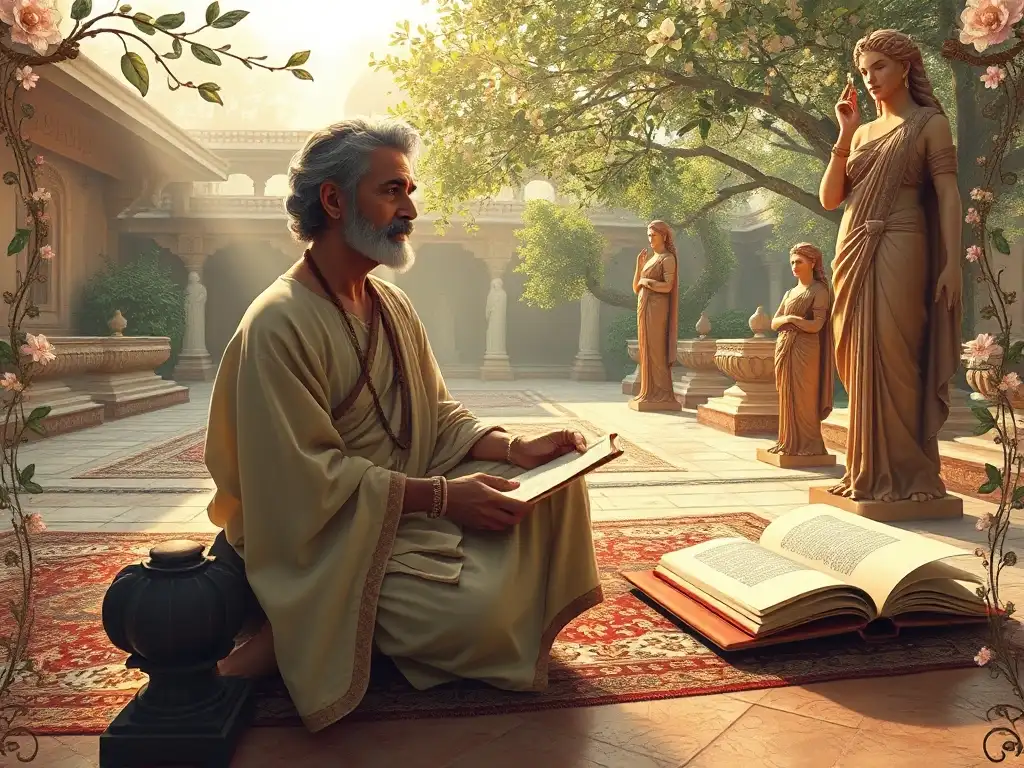
The philosophical underpinnings of women’s rights in ancient Indian society are deeply intertwined with the cultural, religious, and social frameworks of the time. The conceptualization of women's roles and rights can be traced back to various texts and philosophies that shaped the moral and ethical standards of the society. These philosophical foundations reflect a complex relationship between men's and women's rights, often oscillating between empowerment and subjugation. Understanding these foundations provides crucial insights into the status of women in ancient India and the evolving interpretations of their rights.
Vedic Texts and Women’s Status
The Vedic texts, which form the foundation of Hindu philosophy, present a nuanced view of women's status in ancient India. Women were revered as mothers, wives, and daughters, and their roles were integral to the family and society. The Rigveda, one of the oldest texts, features several hymns that praise women, highlighting their importance in rituals and domestic life.
- Women were allowed to participate in religious ceremonies and were seen as essential to the performance of rituals.
- The concept of Savitri, a devoted wife who exemplifies loyalty and virtue, is a recurring theme that underscores the respect afforded to women in spiritual contexts.
However, there were also limitations placed on women's autonomy, particularly in terms of education and inheritance rights. The tension between reverence and restriction in the Vedic texts lays the groundwork for understanding the complex evolution of women's rights in subsequent periods.
Contributions of Upanishadic Philosophy to Gender Equality
The Upanishads, which delve into philosophical inquiries and spiritual concepts, also contribute to the discourse on gender equality. They emphasize the idea of Brahman (the ultimate reality) and the interconnectedness of all beings, suggesting that spiritual enlightenment is accessible to both men and women.
- The Upanishads advocate for the pursuit of knowledge, which was traditionally considered a male domain. However, they recognize the capacity of women to attain spiritual wisdom.
- Prominent female figures, such as Gargi and Maitreyi, are celebrated for their intellectual contributions, challenging the notion that women lacked the capability for philosophical thought.
This philosophical shift encourages a broader interpretation of women's rights, suggesting a potential for equality that could be harnessed in social practices.
The Role of Dharma in Women’s Rights
The concept of Dharma, or duty, plays a significant role in shaping the understanding of women's rights in ancient India. Dharma encompasses moral, ethical, and social responsibilities, and its interpretations have significant implications for gender roles.
- Women were often seen as the upholders of family dharma, responsible for maintaining social order through their roles in the household. This elevated their status as moral guardians.
- However, the rigid interpretations of dharma also imposed constraints on women's freedoms, particularly in matters of marriage and inheritance.
The duality of dharma reflects the complexity of women's rights in ancient India, where societal expectations often conflicted with the philosophical ideals of equality and respect.
Religious Influences on Women’s Rights
The interplay between religion and women's rights in ancient India is multifaceted, with different religions offering varying perspectives on gender roles. The teachings and practices of Hinduism, Buddhism, and Jainism provide a rich tapestry of beliefs that influenced women's status and rights.
Hinduism’s Perspective on Women
Hinduism presents a diverse perspective on women’s rights, influenced by a multitude of texts and traditions. While many scriptures extol women's virtues and roles within the family, others impose strict limitations.
- The Manusmriti, a central text on Hindu law, outlines specific duties and roles for women, often relegating them to subordinate positions. However, it also acknowledges their rights to education and property, albeit in a limited context.
- The reverence for female deities and the concept of Shakti (divine feminine energy) suggest an inherent respect for women's power, indicating that the cultural view of women is not entirely monolithic.
This duality reflects the complexities of women's rights in Hindu society, where traditional roles coexist with philosophical ideals of equality.
Buddhism and Women's Rights in Ancient India
Buddhism, emerging in the 5th century BCE, introduced a more egalitarian approach to gender. The foundational teachings of Buddhism emphasize the potential for all beings, regardless of gender, to attain enlightenment.
- The Buddha accepted women into the monastic community, allowing them to become nuns and participate in spiritual practices. This was a significant step toward recognizing women's rights in a religious context.
- Buddhist texts often highlight the stories of accomplished female disciples, showcasing their intellectual and spiritual capabilities, thereby challenging prevailing gender norms.
Buddhism's inclusive philosophy contributed positively to the discourse on women's rights in ancient India, promoting the idea of equality in spiritual attainment.
Jainism’s Approach to Gender Equality
Jainism offers another perspective on women's rights, advocating for non-violence and respect for all living beings, which extends to gender relations. The Jain doctrine emphasizes the soul's equality, irrespective of gender.
- Jain texts articulate that women possess the same potential for spiritual liberation as men, with various historical examples of female ascetics and thinkers.
- The practice of non-attachment encourages a reevaluation of societal norms surrounding marriage and family, allowing for greater freedom and agency among women.
Jainism's philosophical approach fosters an environment that supports gender equality, significantly influencing the broader discourse on women's rights in ancient Indian society.
Notable Figures and Their Contributions
The landscape of women's rights in ancient India was significantly shaped by various philosophers, thinkers, and historical figures. These individuals not only influenced societal norms but also engaged in dialogues that challenged traditional views on women's roles and rights. Their contributions laid the groundwork for understanding and advocating for women's rights, highlighting the philosophical and cultural contexts of their times.
Women Philosophers and Thinkers of Ancient India
Ancient India was home to several remarkable women philosophers and thinkers who made profound contributions to philosophy, spirituality, and social thought. One such figure is Gargi Vachaknavi, a prominent philosopher mentioned in the Brahmanas. Known for her intellectual prowess, Gargi engaged in philosophical debates with male sages, asserting her right to participate in discussions traditionally dominated by men. Her dialogues emphasized the importance of knowledge and wisdom, transcending gender barriers.
Another significant figure is Maitreyi, a philosopher and scholar who also appears in the Brahmanas. She is recognized for her inquiry into the nature of the self and the universe, challenging conventional wisdom. Maitreyi's contributions highlight the capacity of women to engage deeply with philosophical questions and assert their intellectual agency.
Additionally, Vachana poets, such as Akka Mahadevi, emerged during the medieval period, blending spiritual and philosophical insights. Their poetic expressions often addressed themes of love, devotion, and the quest for knowledge, positioning women as central figures in spiritual discourse.
Key Historical Figures Advocating for Women’s Rights
Throughout ancient Indian history, certain figures emerged as advocates for women's rights, challenging societal norms and promoting gender equality. Buddha, the founder of Buddhism, emphasized the potential for women to achieve enlightenment, which was revolutionary for his time. His teachings encouraged the inclusion of women in monastic life, allowing them to pursue spiritual paths traditionally reserved for men.
Another notable figure is Empress Chandragupta Maurya, who played a crucial role during the Maurya Empire. Her leadership and administrative capabilities showcased women's potential in governance and societal influence, challenging prevailing notions of female subservience.
Additionally, Kautilya, in his work Arthashastra, discussed women's rights in the context of law and governance, acknowledging their roles as property owners and decision-makers. His pragmatic approach to women's rights reflects an understanding of their significance in society, suggesting a philosophical foundation for advocating for their rights.
Case Studies of Women's Rights in Ancient Indian Society
Examining specific periods in ancient Indian history reveals the evolving concept of women's rights and their societal roles. These case studies provide insight into how philosophical and cultural ideologies influenced women's status and rights over time.
Analysis of Women’s Roles in the Indus Valley Civilization
The Indus Valley Civilization (c. 3300 – c. 1300 BCE) presents a unique perspective on women's rights in ancient India. Evidence from archaeological findings, such as seals and figurines, indicates that women held significant roles in society, possibly as artisans, traders, and ritual participants. The presence of female figurines and symbols associated with fertility suggests a reverence for women's contributions to society and the economy.
Moreover, the absence of clear evidence of rigid patriarchy in Indus Valley artifacts indicates a more egalitarian social structure. Women might have enjoyed certain rights, including property ownership and participation in religious ceremonies, reflecting an early acknowledgment of their status in society.
Examination of Women’s Rights During the Maurya Empire
The Maurya Empire (c. 322 – c. 185 BCE) marked a pivotal moment in the evolution of women's rights in ancient India. Under the rule of Ashoka, women experienced a degree of social and legal recognition. Ashoka's edicts promoted moral and ethical standards, which included considerations for women's welfare.
Historical texts indicate that women were involved in various professions, including trade and agriculture, and had rights related to inheritance and property. The establishment of women's councils (Mahila Sabhas) during this period is a testament to the growing recognition of women's voices in governance and civic matters. This era also saw prominent figures like Sadhana, who advocated for women's education and empowerment.
Gupta Empire: A Shift in Women’s Rights
The Gupta Empire (c. 240 – c. 550 CE) is often viewed as a period of cultural flourishing, but it also witnessed significant shifts in women's rights. While some aspects of women's lives improved, such as education and participation in religious activities, societal attitudes began to revert toward more conservative norms.
Women's roles became increasingly defined by domesticity, as the ideal of the devoted wife (Patni) emerged. However, the era also saw notable women like Vatsala, a philosopher and poet, who challenged these norms through their literary contributions. Texts from this period reflect a complex view of women's rights, where philosophical discussions continued to advocate for their recognition, even as societal constraints tightened.
The philosophical underpinnings of women's rights in ancient India reveal a rich tapestry of thought and advocacy. From the contributions of women philosophers to key historical figures and important case studies, these elements collectively illustrate the evolving understanding of women's rights throughout ancient Indian history.
Challenges and Limitations to Women’s Rights
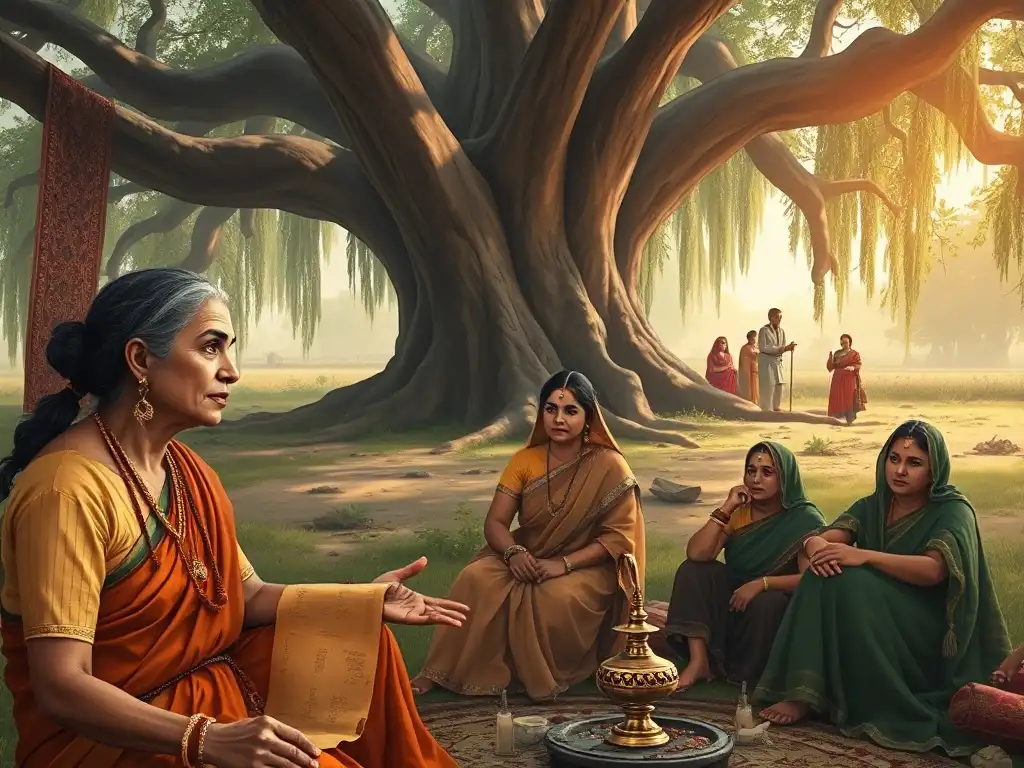
The exploration of women's rights in ancient India reveals a complex tapestry of philosophical ideals and practical realities. While significant strides were made in certain realms, various challenges and limitations persisted that influenced the status and rights of women. These barriers were often deeply rooted in societal norms, legal frameworks, and philosophical interpretations that shaped the lived experiences of women throughout history.
Societal Norms and Constraints on Women
In ancient Indian society, societal norms played a pivotal role in defining the status of women. The patriarchal structure was predominant, which often relegated women to subordinate roles. Social expectations dictated that women primarily manage household responsibilities and care for children, limiting their participation in public life.
Cultural practices such as sati (the practice of widow immolation) and purdah (the seclusion of women) further exacerbated their marginalization. These customs were justified through various philosophical arguments that emphasized women's roles as dutiful wives and mothers, often overlooking their individuality and potential. As a result, the philosophical discourse surrounding women’s rights was frequently constrained by the prevailing norms that prioritized male authority and lineage.
Moreover, religious texts, including Manusmriti, reinforced these societal constraints by prescribing a rigid framework of duties and rights that often placed women at a disadvantage. The emphasis on chastity and obedience created an environment where women's autonomy was severely limited, thereby hindering their rights and freedoms.
Legal Restrictions and Their Philosophical Roots
Legal frameworks in ancient India also reflect the challenges faced by women regarding their rights. The Dharma Shastras, ancient legal texts, outlined various laws that governed social conduct, including those pertaining to women. While certain texts celebrated women's contributions to society, they simultaneously imposed restrictions on their rights to property, inheritance, and decision-making.
Philosophically, these legal restrictions can be traced back to interpretations of duty ( dharma). Women were often expected to adhere to the dharma of wifehood and motherhood, which prioritized familial obligations over personal rights. The notion of women's rights was, therefore, often framed within the context of their roles in maintaining social order rather than recognizing their intrinsic worth as individuals.
Despite some progressive philosophies, which advocated for women's education and agency, the prevailing legal norms reflected a conservative approach that limited women's rights. This duality in philosophical thought and legal practice created a complex landscape where women's rights were acknowledged yet consistently undermined.
Conclusion: The Legacy of Women’s Rights in Ancient Indian Philosophy
The philosophical underpinnings of women's rights in ancient India reveal a rich yet conflicted legacy. While there were significant contributions to the discourse on gender equality, the prevailing challenges and limitations often overshadowed these advancements. Understanding this legacy is crucial for contextualizing the evolution of women's rights in contemporary society.
Summary of Key Philosophical Contributions
Several philosophical traditions in ancient India proposed ideas that could support women's rights. Thinkers such as Buddha and Mahavira advocated for the importance of compassion and equality, suggesting that women should be treated with respect and dignity. Additionally, Shakti philosophy, which venerates the feminine divine, posits that women embody essential qualities that are integral to societal harmony.
These perspectives provided a foundation for later discussions on gender equality, emphasizing the importance of recognizing women's agency and contributions. However, despite these philosophical contributions, the societal and legal frameworks often impeded the realization of these ideals.
Modern Implications of Ancient Indian Women’s Rights
The legacy of women's rights in ancient India continues to resonate in modern discussions about gender equality and women's empowerment. Contemporary movements often draw upon philosophical principles from ancient texts to advocate for women's rights, emphasizing the need to balance tradition with progressive values.
As society grapples with issues of gender discrimination and inequality, revisiting the philosophical debates of ancient India can offer valuable insights. By acknowledging the complexities and contradictions in the history of women's rights, modern advocates can work towards creating a more equitable future that honors the contributions and rights of women, rooted in both ancient wisdom and contemporary understanding.
Further Reading and Resources on Women’s Rights in Ancient India
For those interested in deepening their understanding of women's rights and their philosophical foundations within ancient Indian society, a variety of resources are available. These materials range from scholarly books to online platforms that delve into the historical, cultural, and philosophical contexts that have shaped the discourse around women's rights in ancient India.
Suggested Books and Articles
-
"Women in Ancient India" by Kumkum Sangari
This book offers a comprehensive study of the roles and statuses of women in ancient Indian society, exploring various texts and historical contexts that reflect women's rights and freedoms.
-
"The Status of Women in Ancient India" by S. R. Sharma
S. R. Sharma analyzes the socio-religious texts of ancient India to elucidate the conditions and rights of women, providing a nuanced perspective on their roles in society.
-
"Nari: The Feminine in Indian Philosophy" by J. S. S. S. Sarma
This work examines the philosophical discourses surrounding femininity and women's rights, linking ancient Indian thought with contemporary discussions on gender equality.
-
"Beyond the Veil: The Indian Woman in History" by R. R. N. Sharma
This article discusses the evolution of women's rights in India, focusing on historical narratives and their implications for understanding women's roles in ancient society.
-
"Women’s Rights in Ancient India: A Historical Perspective" by N. S. Chatterjee
This scholarly article provides a critical overview of women's rights as seen through various historical periods in ancient India, detailing the philosophical underpinnings that influenced these rights.
Online Resources for Further Exploration
-
Digital South Asia Library (DSAL)
A vast repository of resources that includes historical texts, articles, and scholarly works related to women in ancient Indian society.
-
Indian History Congress
This platform hosts various papers and articles presented at the congress, many of which focus on women's roles and rights in different historical contexts.
-
Women in World History Curriculum
An educational resource that offers lesson plans and articles focused on women's history, including specific sections on ancient Indian women's rights.
-
Academia.edu
A network for academics where numerous papers related to women's rights in ancient India can be found, allowing readers to access current research and discussions in the field.
-
The Internet Archive
This digital library provides access to a wealth of historical texts and documents, including those that pertain to women's roles in ancient Indian culture and philosophy.
In exploring these resources, readers can gain a more profound insight into how ancient Indian philosophical thought shaped the understanding and rights of women, enriching the broader narrative of women's contributions to society.
- Introduction to Women’s Rights in Ancient India
- Overview of Women's Rights in Ancient Indian Context
- Importance of Philosophy in Shaping Rights
- Historical Background of Women in Ancient India
- Philosophical Foundations of Women’s Rights in Ancient India
- Religious Influences on Women’s Rights
- Notable Figures and Their Contributions
- Case Studies of Women's Rights in Ancient Indian Society
- Challenges and Limitations to Women’s Rights
- Conclusion: The Legacy of Women’s Rights in Ancient Indian Philosophy
- Further Reading and Resources on Women’s Rights in Ancient India
- What were the philosophical beliefs regarding women's rights in ancient India?
- How did ancient texts influence women's rights in India?
- Were there any notable women leaders in ancient Indian history?
- How did the social structure impact women's rights in ancient India?
- What modern implications can be drawn from ancient women's rights in India?
Frequently Asked Questions
What were the philosophical beliefs regarding women's rights in ancient India?
In ancient Indian society, philosophical beliefs often emphasized the importance of women's roles, viewing them as integral to family and society. Texts like the Vedas and Upanishads contain references that highlight their spiritual significance.
How did ancient texts influence women's rights in India?
Ancient texts, such as the Manusmriti, provided both guidelines and restrictions for women's roles. While some passages advocated for education and respect, others imposed limitations, reflecting a complex view of women's rights.
Were there any notable women leaders in ancient Indian history?
Yes, ancient India saw influential women leaders, such as Rani Durgavati and Chennamma, who played pivotal roles in governance and resistance. Their contributions highlight the active participation of women in societal and political arenas.
The social structure, particularly the caste system, significantly influenced women’s rights. Higher caste women often experienced more freedoms and privileges, while those from lower castes faced greater restrictions and hardships.
What modern implications can be drawn from ancient women's rights in India?
The study of women's rights in ancient India reveals historical complexities that can inform contemporary discussions on gender equality. Understanding these historical foundations can aid in addressing current gender issues and promoting women's empowerment today.
Final Reflection: The Enduring Legacy of Women’s Rights in Ancient India
The exploration of women’s rights in ancient India reveals a profound connection between historical philosophies and contemporary societal norms. As we delve into the philosophical underpinnings that shaped women’s rights in ancient Indian society, we uncover a narrative that is not only rich in complexity but also strikingly relevant today. The principles established centuries ago continue to resonate, reminding us that the fight for equality is an ongoing journey rooted in our shared history.
Clearly, the philosophical discourse surrounding women’s rights has left an indelible mark on the cultural and social landscape of India. The teachings of ancient texts and the practices of historical figures serve as a foundation for the modern movement toward gender equality. As we reflect on this legacy, we must acknowledge the words of the great philosopher and advocate for justice, Mahatma Gandhi, who said, A nation’s greatness is measured by how it treats its weakest members.
This sentiment underscores the importance of recognizing and honoring the rights of women, as their empowerment is essential for the progress of society as a whole.
As we look to the future, I invite you to reflect on the lessons drawn from ancient Indian society and consider how they can inform our actions today. Let us embrace the wisdom of the past to inspire our commitment to advocating for women's rights in every corner of the world. By engaging with this rich history, we can foster a deeper understanding of the challenges that persist and work together to create a more equitable future for all.
Unleash the Power of Knowledge and Action!
Thank you for exploring the rich and profound insights about women's rights in ancient Indian society. Your interest in these philosophical foundations not only enhances your understanding but also empowers you to make a meaningful difference today. Now, let’s take the next steps together to amplify this knowledge!
- Explore further: Research influential women from ancient India and discover how their legacies continue to resonate in modern society.
- Engage in conversation: Share this article with friends and family to spark discussions about the evolution of women's rights over time.
- Join a community: Connect with local or online groups that focus on women's history and rights, and contribute your valuable insights.
What impact do you think the philosophies of ancient India have on contemporary discussions about women's rights? We would love to hear your thoughts below!