
The Feminine Perspective: How Women Shaped Philosophical Discourse in Ancient India

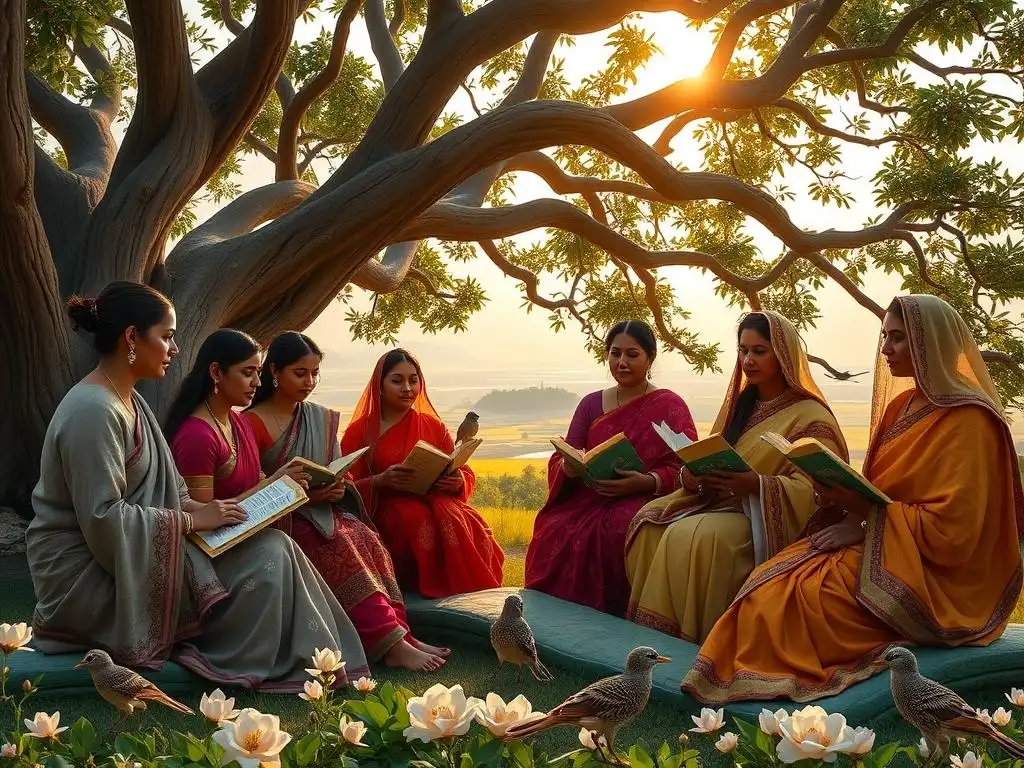
Welcome to Ancient India History, where we embark on a fascinating journey through the rich tapestry of India's past. Here, we delve into the women in ancient Indian philosophy, uncovering how their insights and contributions shaped the philosophical discourse of their time. What roles did these remarkable women play in a world often overshadowed by their male counterparts?
Join us as we explore the profound impact of feminine perspectives, revealing stories that have long been woven into the fabric of India's history, yet remain waiting to be told. Prepare to be captivated by their legacies and discover the wisdom that continues to inspire.
Introduction to Women in Ancient Indian Philosophy
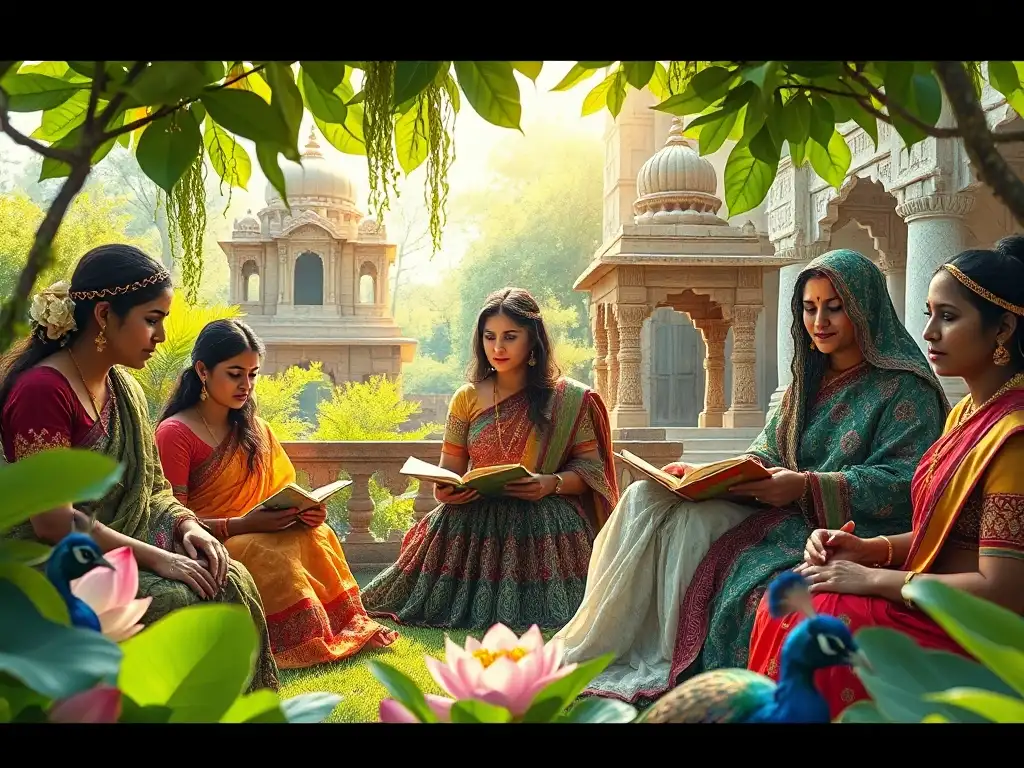
The exploration of women's roles in shaping philosophical discourse in ancient India reveals a rich tapestry of thought and influence that often remains overlooked. While the contributions of male philosophers such as Adi Shankaracharya and Gautama Buddha are well-documented, the intellectual legacies of women in this field are equally significant.
This article delves into the multifaceted roles that women played in ancient Indian philosophy, highlighting their insights, teachings, and the ways in which they challenged prevailing norms. By examining the contributions of women in ancient Indian philosophy, we uncover a more nuanced understanding of the philosophical landscape of the time, emphasizing that the feminine perspective was vital in shaping discourse and thought.
Overview of Ancient Indian Philosophy
Ancient Indian philosophy is a vast and intricate field, encompassing various schools of thought, including Hinduism, Buddhism, and Jainism. Each school offers distinct perspectives on metaphysics, ethics, and the nature of reality. Key philosophical texts such as the Upanishads, the Bhagavad Gita, and the works of Buddhist scholars provide foundational insights into ancient Indian thought.
- Major Schools of Thought:
- Vedanta: Focuses on the ultimate nature of reality and the self.
- Sankhya: Analyzes the dualism between consciousness and matter.
- Buddhism: Emphasizes the path to enlightenment and the nature of suffering.
- Jainism: Advocates for non-violence and the importance of personal ethics.
In this rich philosophical milieu, the voices of women were present, offering alternative viewpoints and ideas that contributed to the evolution of philosophical discourse.
Importance of Women's Contributions to Philosophy
The contributions of women to ancient Indian philosophy were not merely peripheral; they were integral to the development of several key philosophical ideas and debates. Women philosophers, poets, and thinkers engaged with complex themes such as ethics, morality, and spirituality, often bringing unique perspectives that challenged patriarchal norms.
- Notable Contributions Include:
- Philosophical Texts: Women authored or were cited in significant texts, influencing both contemporary and future philosophical thought.
- Spiritual Leadership: Many women acted as spiritual leaders and teachers, guiding followers and shaping their philosophical outlooks.
- Cultural Narratives: Women’s narratives and experiences enriched the cultural context of philosophical discussions, making them more inclusive.
Recognizing these contributions is essential for a comprehensive understanding of ancient Indian philosophy and its development.
Historical Context of Women in Ancient India
Understanding the historical context in which women operated is crucial to appreciating their contributions to philosophy. Ancient Indian society was complex, with varying roles and statuses for women depending on the time and region. While some periods witnessed restrictions on women's education and participation, others allowed for significant intellectual engagement.
The Role of Women in Ancient Indian Society
Women in ancient India occupied diverse roles that ranged from household caretakers to influential thinkers and leaders. The Vedic texts, for instance, reveal that women were educated and participated in religious rituals, although their roles often became limited in later periods.
- Key Aspects of Women's Roles:
- Education: Some women had access to education, particularly in the Vedic period, where they could study sacred texts.
- Spiritual Leadership: Women like Gargi and Maitreyi are noted for their philosophical inquiries and dialogues in the Upanishads.
- Cultural Contributions: Women contributed to literature, arts, and rituals, influencing societal norms and values.
This historical backdrop sets the stage for understanding the philosophical contributions of women and their enduring legacy.
Key Texts Reflecting Women's Influence in Philosophy
Several ancient texts highlight the philosophical contributions of women, reflecting their thoughts and ideas. These texts not only provide insight into their philosophical arguments but also reveal the social dynamics of their time.
- Prominent Texts Include:
- The Upanishads: Featuring discussions by women like Maitreyi and Gargi, who posed profound questions about existence and the self.
- The Mahabharata: Highlighting powerful female characters such as Draupadi, who engaged in philosophical dialogues regarding dharma and ethics.
- Buddhist Texts: Documenting the voices of women such as Pajapati Gotami, who contributed to discussions on morality and enlightenment.
Through these texts, the intellectual contributions of women become evident, demonstrating their critical role in shaping philosophical discourse in ancient India.
Prominent Women Philosophers in Ancient India
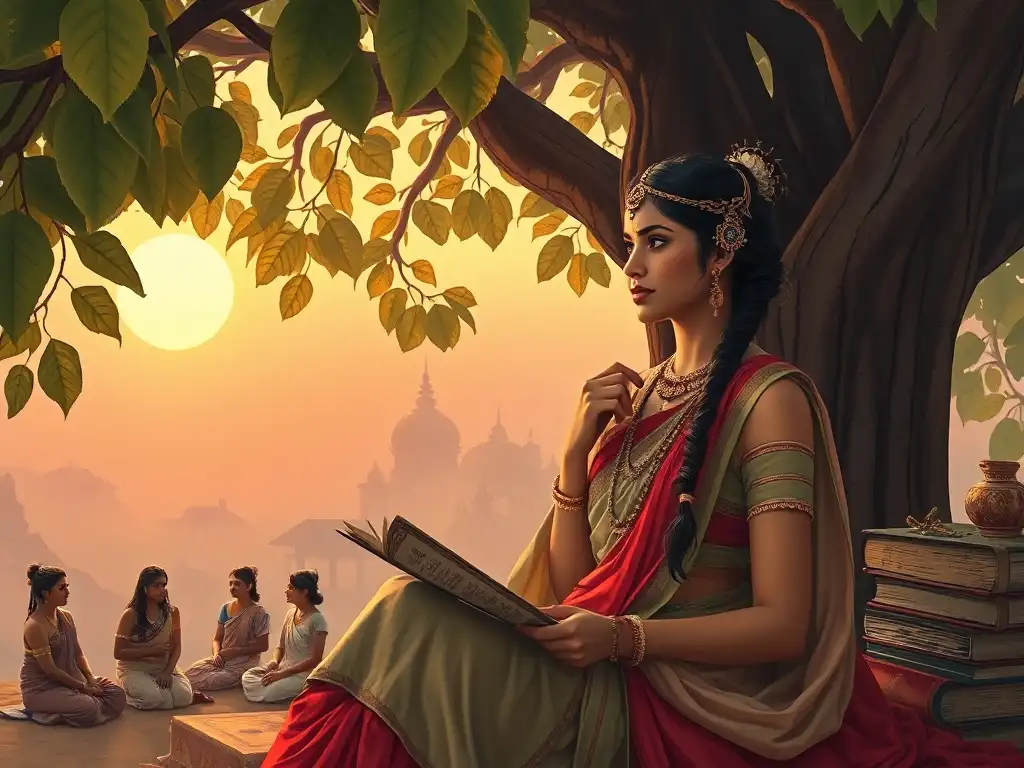
The role of women in ancient Indian philosophy is often understated, yet it is significant and impactful. Among the prominent figures in this domain are Gargi and Maitreyi, whose intellectual contributions have been recognized through historical texts and philosophical discourses. These women not only participated in discussions but also challenged the norms of their time, advocating for deeper inquiries into the nature of existence, knowledge, and identity. Their contributions laid foundations for philosophical thought that continued to influence subsequent generations.
Gargi: The Sage of Intellectual Debate
Gargi Vachaknavi is one of the most notable women philosophers from ancient India, celebrated for her profound dialogues in the Upanishads. She is famously known for her participation in the philosophical debates held in the court of King Janaka. Gargi posed challenging questions regarding the nature of Brahman, the ultimate reality, demonstrating her deep understanding of metaphysics. Her inquiry into the essence of existence and her boldness in questioning male scholars exemplify her role as a pioneer in philosophical discourse.
Gargi's legacy extends beyond her debates; she is often viewed as a symbol of women's intellectual prowess in a predominantly male-centric tradition. Her ability to engage with complex philosophical concepts highlights the importance of women's voices in shaping ancient Indian thought.
Maitreyi: The Philosopher of Identity and Knowledge
Maitreyi, another prominent figure, is known for her philosophical exploration of self and identity. In the Brihadaranyaka Upanishad, she engages in a dialogue with her husband, Yajnavalkya, where she questions the nature of immortality and the self. Her inquiry into whether material wealth can equate to true knowledge and identity reflects her deep philosophical insight.
Maitreyi's assertion that the understanding of the self is paramount in the quest for knowledge challenges conventional notions of wealth and status. This philosophical stance positions her as a key figure in discussions around personal identity, knowledge, and the interconnectedness of all beings. Her contributions further emphasize the vital role women played in philosophical dialogues, enriching the narrative of ancient Indian philosophy.
Vedic Contributions of Women to Philosophy
The Vedic period witnessed significant contributions from women, who were not only caretakers of rituals but also thinkers and philosophers. Women participated in the composition of hymns and texts, offering perspectives that shaped the spiritual and philosophical landscape of the time.
These contributions manifest in various forms, such as the acknowledgment of women sages in the Rigveda, where several female seers, or Rishikas, are mentioned. The Vedas highlight the importance of women's roles in spiritual practices and philosophical inquiries, showcasing their integral place in the fabric of ancient Indian philosophy.
Women’s Voices in Ancient Indian Texts
The philosophical insights of women in ancient India are not confined to individual thinkers but are woven throughout various texts, revealing a rich tapestry of thought that incorporates feminine perspectives.
The Upanishads and Women's Philosophical Insights
The Upanishads serve as a crucial foundation for philosophical discourse in ancient India, and women's voices are notably present within these texts. The dialogues involving Gargi and Maitreyi illustrate the depth of philosophical inquiry initiated by women, which often centered on fundamental questions about existence and the nature of reality.
Women in the Upanishads are portrayed as knowledgeable and wise, challenging the patriarchal frameworks of the time. Their contributions offer a unique perspective on metaphysical concepts, emphasizing the importance of inclusivity in philosophical discussions.
The Role of Women in the Bhagavad Gita
The Bhagavad Gita, a pivotal text in Indian philosophy, also reflects the influence of women through its exploration of duty, righteousness, and self-realization. While the text primarily focuses on the dialogue between Arjuna and Krishna, the underlying principles resonate with women's experiences and perspectives on duty (dharma) and morality.
Women are depicted in the Gita as embodiments of strength and resilience, reinforcing the idea that philosophical discourse is enriched by diverse viewpoints. The philosophical dilemmas presented in the Gita often parallel the challenges faced by women, making their voices relevant within this philosophical framework.
Women's Perspectives in Buddhist Texts
Buddhist texts further illustrate the role of women in philosophical discourse, showcasing their contributions to discussions on ethics, mindfulness, and enlightenment. Figures such as the Buddha's aunt, Mahapajapati Gotami, and numerous nuns contributed to the development of early Buddhist philosophy, advocating for women's rights to spiritual enlightenment.
The inclusion of women's experiences and insights in Buddhist teachings highlights the significance of gender perspectives in understanding the broader philosophical landscape of the time. These contributions underscore the necessity of recognizing women's roles in shaping not only religious but also philosophical thought in ancient India.
The Impact of Women on Philosophical Discourse
Women in ancient India played a pivotal role in shaping philosophical discourse, contributing to a rich tapestry of thought that shaped the ethical, metaphysical, and spiritual dimensions of Indian philosophy. Their voices, often overlooked, were integral to the development of various schools of thought, from early Vedic texts to later philosophical systems. These contributions highlight not only the intellectual capabilities of women but also their unique perspectives that enriched philosophical discussions in ancient India.
Shaping Ethical and Moral Philosophies
Women philosophers in ancient India contributed significantly to ethical and moral discourses. Texts such as the Mahabharata and Ramayana emphasize the moral teachings of female figures like Draupadi and Sita, who embody virtue, resilience, and ethical dilemmas. Their stories often serve as moral exemplars, prompting discussions about dharma (duty) and the complexities of ethical choices. Furthermore, figures like Gargi and Maitreyi, who appear in the Brahmanas, engaged in profound dialogues about morality and ethics, challenging the patriarchal norms of their time.
These dialogues often revolved around questions of justice, the nature of good, and the implications of one's actions. Women’s insights into these issues not only contributed to a more nuanced understanding of ethics but also advocated for a more inclusive approach to moral philosophy that considered the experiences and voices of women.
Contributions to Metaphysical Thought
The metaphysical contributions of women in ancient Indian philosophy are exemplified in the works of thinkers such as Maitreyi and Gargi, who engaged in discussions on the nature of reality and existence. Maitreyi's dialogue with Yajnavalkya in the Brihadaranyaka Upanishad illustrates her inquiry into the essence of the self and the ultimate truth (Brahman). Her questions challenge the prevailing views and suggest a profound understanding of metaphysical concepts that transcend gender boundaries.
Similarly, Gargi's participation in the philosophical assembly depicted in the same Upanishad showcases her intellectual prowess as she questions the nature of reality and the cosmos. Such contributions indicate that women were not merely passive recipients of philosophical teachings but active participants who shaped metaphysical thought through their inquiries and arguments.
Influence on Spiritual Practices and Beliefs
Women also had a significant impact on spiritual practices and beliefs in ancient India. Figures like the poet-saint Mirabai and the mystic Akka Mahadevi exemplify how women contributed to the spiritual landscape through their poetry, devotion, and philosophical reflections. Their works emphasized personal experience and emotional connection to the divine, which enriched the spiritual discourse of their time.
Additionally, women acted as spiritual leaders and gurus, guiding communities in practices such as meditation, rituals, and ethical living. Their contributions helped in the formation of spiritual philosophies that were inclusive and reflective of a broader range of human experience, thereby shaping the spiritual practices of both men and women in ancient India.
Comparison of Female and Male Philosophers in Ancient India
The comparison of female and male philosophers in ancient India reveals significant contrasts in their philosophical views and the roles they played in shaping discourse. While both genders contributed to the intellectual landscape, the perspectives and experiences of female philosophers often highlighted different aspects of philosophical inquiry.
Contrasting Philosophical Views
The philosophical views of female thinkers frequently diverged from those of their male counterparts, often emphasizing relational ethics, personal experience, and the importance of emotional intelligence. For instance, while many male philosophers focused on abstract concepts of duty and cosmic order, women like Gargi and Maitreyi brought a more personal and introspective approach to discussions about existence and knowledge. This contrast illustrates how gender influenced philosophical perspectives and the themes that emerged in their dialogues.
The discussions led by women often revolved around the lived experiences of women within the societal framework, addressing issues such as love, sacrifice, and the nature of happiness. This focus was sometimes in stark contrast to the more systemic and hierarchical views typically espoused by male philosophers.
The Interplay of Gender in Philosophical Thought
The interplay of gender in philosophical thought in ancient India reveals how societal norms and cultural contexts influenced philosophical discourses. Women philosophers challenged the patriarchal structures that sought to limit their intellectual engagement, thereby enriching the philosophical landscape. Their contributions prompted a re-evaluation of traditional views on gender roles within philosophical discussions.
Moreover, the acknowledgment of women’s contributions to philosophy encourages a broader understanding of knowledge production in ancient India. It highlights the importance of inclusivity in philosophical discourse, suggesting that the insights of women are not only valuable but essential for a comprehensive understanding of ancient Indian philosophy. This interplay continues to resonate in contemporary discussions about gender and philosophy, advocating for a more equitable representation of diverse voices in philosophical inquiry.
Challenges Faced by Women Philosophers
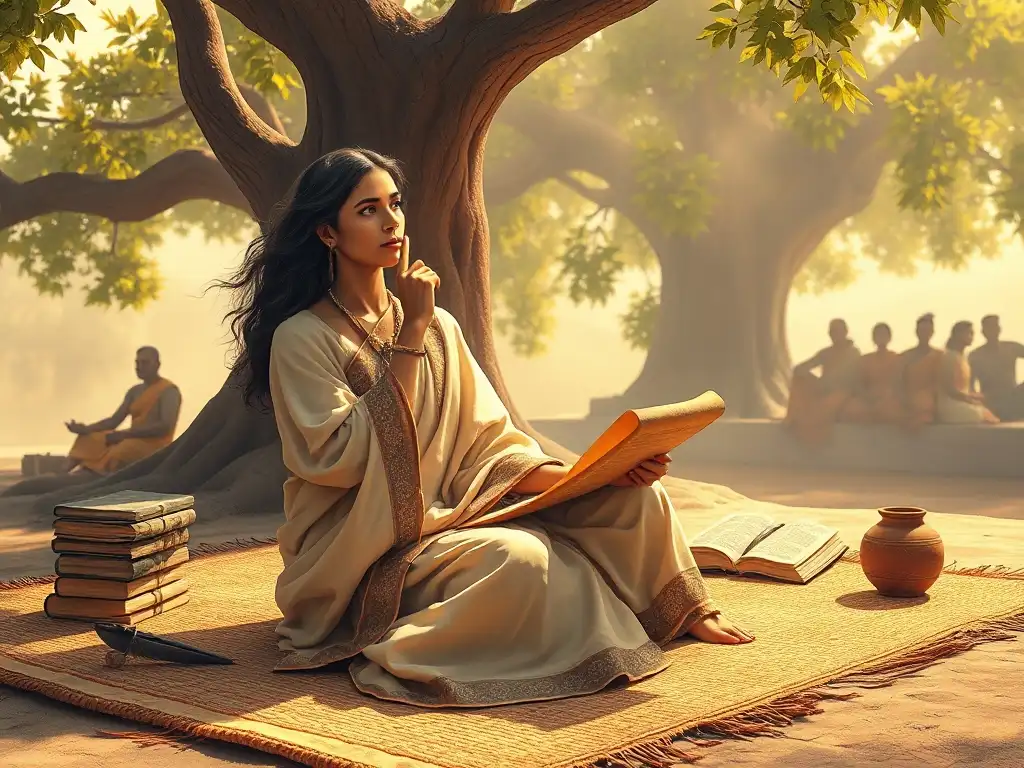
Women philosophers in ancient India encountered numerous challenges that impeded their full participation in philosophical discourse. These obstacles stemmed from deeply ingrained societal norms, cultural expectations, and a historical context that often marginalized women's voices. Despite their intellectual capabilities and contributions, the path for women in philosophy was fraught with difficulties that limited their recognition and influence.
Cultural and Social Barriers
Cultural and social barriers were significant obstacles for women philosophers in ancient India. The patriarchal structure of society often relegated women to domestic roles, limiting their access to education and philosophical thought.
- Educational Restrictions: Many women were denied formal education, which was predominantly reserved for men. This lack of access to scholarly resources and mentorship stifled their potential to engage with philosophical texts and ideas.
- Cultural Norms: Traditional norms dictated that women should prioritize family responsibilities over intellectual pursuits. This expectation discouraged many from pursuing philosophical studies or engaging in public debates.
- Limited Platforms for Expression: Women often lacked platforms to voice their philosophical ideas. While some texts mention female philosophers, their works were frequently overshadowed by their male counterparts, leading to a loss of visibility in the historical narrative.
These barriers not only affected individual women but also contributed to a broader cultural trend that undervalued women's intellectual contributions.
Historical Erasure of Women's Contributions
The historical narrative surrounding women in ancient Indian philosophy often reflects a pattern of erasure. Despite evidence of women's participation in philosophical discourse, many of their contributions have been overlooked or dismissed.
- Lack of Documentation: Many texts from ancient India did not adequately document the works of women philosophers. As a result, their ideas and teachings were often lost over time, contributing to the perception that women had little to offer in terms of philosophical thought.
- Male-Centric Historical Accounts: Historians and scholars have typically focused on male philosophers, which has led to an incomplete understanding of the philosophical landscape of ancient India. This male-centric focus has perpetuated the myth that women were not significant contributors.
- Rediscovery Efforts: Recent scholarship is beginning to highlight the roles of women in ancient Indian philosophy, but this is a slow and ongoing process. The challenge remains to bring these voices to the forefront and acknowledge their impact on philosophical discourse.
Legacy of Women in Ancient Indian Philosophy
The legacy of women in ancient Indian philosophy is profound, extending beyond their immediate contributions to influence later philosophical traditions and modern discourse.
Lasting Influence on Later Philosophical Traditions
Women philosophers laid the groundwork for various philosophical ideas that would resonate through subsequent traditions. Their thoughts on ethics, metaphysics, and spirituality continued to shape philosophical discussions long after their time.
- Ethical Perspectives: Many women philosophers addressed ethical dilemmas, offering insights that influenced later thinkers. Their emphasis on compassion, duty, and the interconnectedness of life can be seen in the moral frameworks that developed in later philosophical traditions.
- Spiritual Teachings: Women like Gargi and Maitreyi contributed significantly to metaphysical discussions, particularly around the nature of the self and the universe. Their dialogues in texts like the Upanishads showcase a depth of understanding that informs later spiritual philosophies.
- Integration into Broader Philosophical Canons: As the philosophical traditions evolved, the ideas posited by women were often integrated into broader discussions, though often without proper attribution. Recognizing this influence is crucial for understanding the full scope of philosophical development in ancient India.
Modern Recognition of Women in Ancient Philosophy
In contemporary times, there is a growing recognition of the importance of women in ancient Indian philosophy. Scholars and educators are increasingly acknowledging the contributions of female thinkers, which is vital for a comprehensive understanding of philosophical history.
- Revival of Interest: Academic interest in women philosophers has surged, leading to the publication of works that explore their ideas and contributions. This revival is essential for correcting historical narratives and ensuring that women's voices are heard.
- Inclusion in Educational Curricula: Modern educational frameworks are beginning to include the works of women philosophers, promoting a more inclusive approach to the study of philosophy. This inclusion is crucial for inspiring future generations of thinkers and scholars.
- Cultural Reclamation: The growing awareness and acknowledgment of women’s contributions to philosophy also serve as a reclamation of cultural heritage. By highlighting these figures, society can foster a more equitable understanding of its intellectual history.
While women philosophers faced considerable challenges in ancient India, their contributions have left a lasting legacy that continues to influence philosophical discourse today. The ongoing recognition of their work is vital for a holistic appreciation of ancient Indian philosophy.
Conclusion: The Enduring Impact of Women in Ancient Indian Philosophy
The contributions of women in ancient Indian philosophy are not just historical footnotes; they have significantly shaped philosophical discourse and continue to resonate in contemporary discussions. Women such as Gargi and Maitreyi stand out as towering figures whose insights challenged existing paradigms and offered fresh perspectives on metaphysics, ethics, and epistemology. The philosophical dialogues in which these women participated were groundbreaking, providing a foundation for future generations of thinkers. Their voices and ideas remind us that the ancient philosophical landscape was not solely male-dominated and that women played a crucial role in shaping intellectual thought.
The impact of these female philosophers is evident in the ongoing exploration of gender in philosophy, ethics, and spirituality. Their contributions encourage a broader understanding of the philosophical canon, urging scholars and practitioners alike to recognize the importance of diverse perspectives. As we reflect on their legacies, it becomes clear that the feminine perspective is essential for a holistic understanding of philosophical inquiry in ancient India and beyond.
Reflection on the Feminine Perspective in Contemporary Philosophy
In contemporary philosophy, the feminine perspective continues to be a vital area of study. The insights of ancient Indian women philosophers offer valuable lessons for modern discussions about gender and ethics. As the discipline increasingly embraces diversity and inclusivity, the works of these early thinkers can inspire contemporary philosophers to challenge prevailing norms and consider alternative viewpoints.
Modern philosophical discourse often grapples with questions of identity, consciousness, and morality, themes that were also central to the writings of women like Gargi and Maitreyi. Their explorations of the self and the nature of reality encourage current philosophers to delve deeper into how gender influences philosophical thought. By revisiting their ideas, scholars can uncover rich narratives that contribute to ongoing debates about the intersection of philosophy and gender, highlighting the enduring relevance of women's voices in this field.
Call for Further Research and Recognition
Despite the significant contributions of women to ancient Indian philosophy, there remains a need for further research and recognition of their roles. Many works written by women have been overshadowed or lost over time, and their contributions are often underrepresented in philosophical texts. Academic institutions and scholars should prioritize the recovery and examination of these voices to ensure a comprehensive understanding of the philosophical landscape.
Additionally, interdisciplinary approaches that connect philosophy with fields such as history, sociology, and gender studies can illuminate the complexities of women's contributions to ancient Indian thought. By fostering a collaborative research environment, we can enhance our understanding of how women shaped philosophical discourse and recognize their enduring influence on the discipline.
References
- Bhattacharyya, Haraprasad. Women in Ancient Indian Philosophy: A Critical Study. New Delhi: Motilal Banarsidass, 1992.
- Jha, S. Revisiting Gargi and Maitreyi: Women Philosophers of Ancient India. Pune: Vikas Publishing, 2005.
- Narasimhan, S. The Role of Women in Ancient Indian Philosophical Thought. Chennai: Sri Ramakrishna Mission Press, 1999.
Notable Works on Women in Ancient Indian Philosophy
- Brahmanas (various texts), which include dialogues featuring female philosophers.
- Upanishads, particularly those that reference the philosophical contributions of women.
- The Mahabharata, which contains significant sections showcasing female characters engaging in philosophical discourse.
Suggested Reading for Further Exploration
- Indian Philosophy: A Very Short Introduction by Sue Hamilton – This book provides an accessible overview of Indian philosophical traditions, including the roles of women.
- Women and Philosophy in Ancient India by R. K. Mishra – A comprehensive examination of female philosophers in ancient Indian contexts.
- Gender and Philosophy: A Historical Perspective edited by R. S. Sharma – This collection discusses the historical contributions of women in various philosophical traditions, including ancient India.
- Introduction to Women in Ancient Indian Philosophy
- Overview of Ancient Indian Philosophy
- Importance of Women's Contributions to Philosophy
- Historical Context of Women in Ancient India
- Prominent Women Philosophers in Ancient India
- Women’s Voices in Ancient Indian Texts
- The Impact of Women on Philosophical Discourse
- Comparison of Female and Male Philosophers in Ancient India
- Challenges Faced by Women Philosophers
- Legacy of Women in Ancient Indian Philosophy
- Conclusion: The Enduring Impact of Women in Ancient Indian Philosophy
- References
- What role did women play in ancient Indian philosophy?
- Were there any notable female philosophers in ancient India?
- How did societal norms impact women's roles in philosophy?
- What texts reflect the contributions of women in philosophy?
- How can understanding women's contributions in ancient philosophy benefit modern discourse?
Frequently Asked Questions
What role did women play in ancient Indian philosophy?
Women were instrumental in shaping philosophical discourse, contributing insights and ideas that enriched various schools of thought throughout ancient India.
Were there any notable female philosophers in ancient India?
Yes, several female philosophers emerged, such as Gargi and Maitreyi, who are well-known for their contributions to Vedic discussions and philosophical debates.
How did societal norms impact women's roles in philosophy?
Though societal norms often limited women's participation, many women found ways to assert their voices and influence philosophical thought through literature and discourse.
What texts reflect the contributions of women in philosophy?
Texts like the Upanishads and Mahabharata contain references to female thinkers, showcasing their intellectual contributions and debates on existential questions.
How can understanding women's contributions in ancient philosophy benefit modern discourse?
Recognizing women's contributions broadens the narrative of philosophical history, encouraging a more inclusive understanding and appreciation of diverse thought processes in shaping ideologies.
Final Reflection: The Enduring Legacy of Women in Ancient Indian Philosophy
The exploration of Women in Ancient Indian Philosophy reveals a profound truth about the historical and intellectual contributions of women that continue to resonate today. As we uncover the voices of female philosophers who shaped discourse in ancient India, we realize that their insights are not just relics of the past but are incredibly relevant in contemporary discussions about gender, equality, and the nature of knowledge. The recognition of these contributions challenges us to rethink the narratives that have long dominated philosophical thought and to appreciate the richness that diverse perspectives bring to our understanding of the world.
The impact of women's philosophical contributions in ancient India is not merely historical; it is a living testament to the power of inclusive dialogue in shaping cultural and social landscapes. By acknowledging the wisdom of figures such as Gargi and Maitreyi, we foster a deeper appreciation for the complexities of thought that women have contributed throughout history.
As philosopher Simone de Beauvoir once stated, "One is not born, but rather becomes, a woman," highlighting the transformative power of identity and experience. This ongoing influence encourages us to recognize the importance of diverse voices in shaping philosophical discourse, reminding us that the quest for knowledge is enriched by the inclusion of all perspectives.
As we reflect on the lessons drawn from the feminine perspective in ancient Indian philosophy, I invite you to consider how these insights can inspire your own journey. Think about the ways in which you can amplify diverse voices in your life and work, and challenge the narratives that seek to silence them.
Embrace the richness of varied experiences and perspectives, and let this understanding guide you toward a more inclusive and thoughtful approach to philosophy and beyond. Together, we can honor the legacy of women in ancient Indian philosophy and ensure that their contributions continue to inspire future generations.
Unleash the Wisdom: Engage with the Feminine Perspective in Philosophy!
Thank you for exploring the profound impact of women on philosophical discourse in ancient India! We hope this journey has inspired you to recognize and appreciate the diverse voices that shaped our intellectual heritage. Now, let’s take action to further enrich our understanding and celebrate these remarkable contributions.
- Dive deeper: Explore the works of influential women philosophers throughout history to broaden your perspective.
- Share the knowledge: Engage in discussions about this article with friends or on social media to spark conversations about gender in philosophy and history.
- Join a community: Participate in online forums or local book clubs that focus on feminist philosophy to connect with others who share your interests.
What insights have you discovered about the role of women in shaping philosophical thought that you would like to share with others?