
The Role of Women in Shaping Morality and Ethics in Ancient Indian Thought

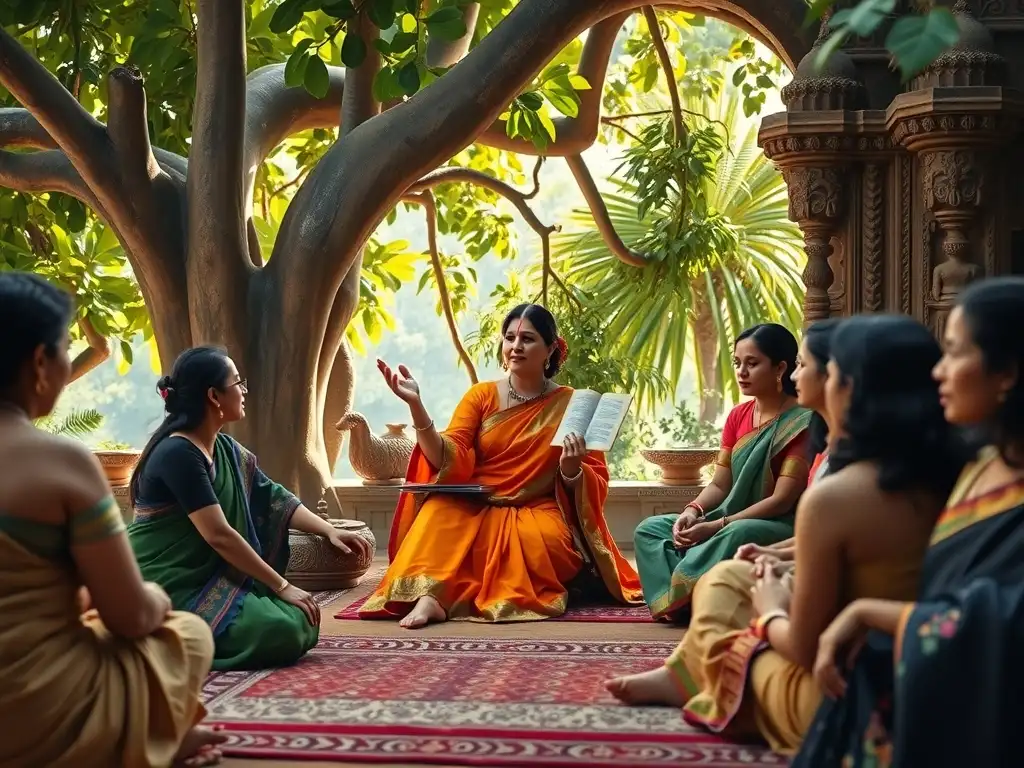
Welcome to Ancient India History, where we embark on a fascinating journey through the rich tapestry of ancient civilizations. Today, we delve into the compelling narrative of Women in Ancient Indian Ethics, exploring how their influence shaped morality and thought in a time long past. As we uncover the significant roles these remarkable women played, you’ll discover insights that challenge the conventional understanding of gender in historical contexts.
Prepare to be intrigued as we unveil the layers of their contributions and the profound effects they had on society. Dive deeper with us to uncover the stories that have been waiting to be told!
Introduction to Women in Ancient Indian Ethics
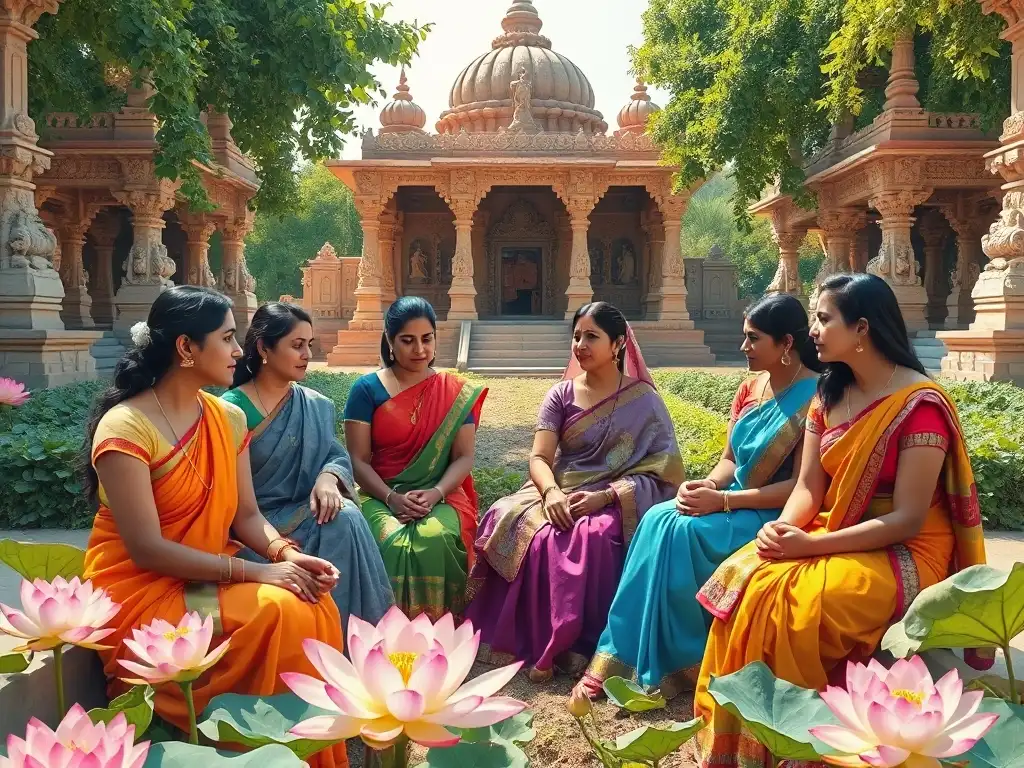
The exploration of women’s roles in the ethical and moral frameworks of ancient Indian thought unveils a rich tapestry of influence that often goes underappreciated. Women in ancient India were not mere passive observers; they were active participants in shaping the philosophical and ethical discourses of their time. Their contributions traversed various dimensions, including spirituality, family dynamics, and societal norms, reflecting a profound understanding of morality that transcended gender boundaries.
As we delve into the historical context and key texts that highlight these contributions, it becomes evident that the ethical paradigms of ancient Indian society were significantly shaped by the insights and values imparted by women. This article aims to illuminate the pivotal role of women in ancient Indian ethics, shedding light on how their voices and experiences contributed to the moral framework of the civilization.
Historical Context of Women in Ancient Indian Society
The Status of Women in Ancient India
In ancient India, the status of women was complex and multifaceted, influenced by varying cultural, regional, and temporal factors. Women enjoyed certain rights and privileges, especially in early societies, where they participated in religious rituals and held significant positions within family and community settings.
- Early Vedic Period: Women were respected as scholars and poets, and many were involved in Vedic rituals. Figures such as Gargi and Maitreyi are noted for their philosophical contributions.
- Later Developments: However, over time, societal changes led to a decline in women's status, particularly during the later Vedic and post-Vedic periods. The rise of patriarchal structures often limited women's autonomy and rights.
Despite these constraints, women continued to influence moral teachings and ethical considerations through their roles as mothers, educators, and spiritual leaders, emphasizing virtues such as compassion, loyalty, and resilience.
Key Texts Reflecting Women's Contributions
Various ancient texts illuminate the ethical contributions of women in Indian philosophy. These texts not only reflect women’s roles but also their philosophical insights that shaped societal morals.
- The Vedas: These sacred texts include hymns composed by women, highlighting their philosophical and spiritual contributions.
- The Manusmriti: While often criticized for its patriarchal leanings, it also acknowledges the importance of women in upholding dharma (duty) within the family and society.
- The Mahabharata and Ramayana: Epic narratives that feature strong female characters like Draupadi and Sita, who embody ethical dilemmas and moral virtues, providing profound insights into the human condition.
- The Upanishads: Philosophical texts that include dialogues with women, showcasing their quest for knowledge and understanding of the self.
Through these texts, we see that women not only contributed to ethical thought but also challenged existing norms, advocating for a more nuanced understanding of morality that included compassion, justice, and equality. Their legacy continues to inspire contemporary discussions on gender and ethics in Indian society today.
The Influence of Women on Moral Philosophy
In ancient Indian thought, women played a crucial role in shaping moral philosophy, contributing significantly to ethical discourse and frameworks. Their participation was not merely passive; instead, they actively engaged in discussions that influenced societal norms and moral values. Texts such as the Manusmriti and various philosophical works reveal insights into how women were viewed as moral agents, capable of making ethical decisions that impacted their families and communities. This engagement laid the groundwork for a complex understanding of ethics that transcended gender boundaries, allowing for a more inclusive approach to moral philosophy.
Moreover, women were often portrayed as embodiments of virtues such as compassion, selflessness, and loyalty, which were integral to the moral fabric of society. Their contributions were recognized in both domestic and public spheres, reinforcing the idea that ethics were not solely a male domain. The legacy of these contributions continues to inform contemporary discussions on gender and ethics, illustrating the foundational role women played in the development of moral philosophy in ancient India.
Women as Moral Agents in Ancient Indian Thought
Women in ancient India were often depicted as moral agents, possessing the capacity to influence ethical behavior. The texts highlight various figures, from legendary queens to philosophers, who exemplified moral integrity and wisdom. For instance, characters like Savitri, who is celebrated for her devotion and intelligence in the Mahabharata, symbolize the ethical dimensions of female agency. Such narratives positioned women not just as passive recipients of ethical teachings but as active contributors to moral reasoning.
Additionally, the presence of female teachers and ascetics in philosophical traditions like the Upanishads underscores the recognition of women as capable of profound ethical thought. They challenged the prevailing norms and offered alternative perspectives that enriched the ethical landscape. This recognition of women as moral agents contributed to a more nuanced understanding of ethics, suggesting that moral philosophy was, and should be, inclusive of diverse voices and experiences.
The Role of Goddesses in Ethical Frameworks
In ancient Indian culture, goddesses played a pivotal role in establishing and reinforcing ethical frameworks. Deities such as Saraswati, the goddess of wisdom, and Durga, symbolizing strength and righteousness, were revered not only for their divine powers but also for their moral attributes. The narratives surrounding these goddesses often conveyed lessons about virtue, justice, and the importance of ethical conduct, serving as models for both men and women in society.
The worship of goddesses also reflected a socio-cultural acknowledgment of feminine moral authority. By associating ethical ideals with divine female figures, ancient Indian society emphasized the importance of virtues traditionally associated with women, such as nurturing, compassion, and self-sacrifice. This divine endorsement of women's ethical qualities contributed to shaping societal values and expectations, positioning women as central figures in the moral framework of ancient Indian thought.
Gender Dynamics in Ethical Discourses
The ethical discourses in ancient India were deeply intertwined with gender dynamics, revealing both the challenges and contributions of women in the realm of morality. While women were often marginalized in formal philosophical debates, their influence persisted through various cultural narratives and practices. The interplay between male perspectives and women's voices created a complex ethical landscape that shaped societal norms.
Male Perspectives on Women’s Ethics
Male philosophers and scholars frequently addressed women's roles in ethical discussions, often reflecting societal norms that viewed women through a lens of protection and subservience. Texts like the Manusmriti outline specific moral expectations for women, emphasizing virtues such as chastity and obedience. However, these views were not monolithic; certain male thinkers acknowledged the intelligence and moral insight of women, advocating for their inclusion in ethical debates.
The portrayal of women as moral paragons in literature and philosophical texts often served to reinforce male-centric views while simultaneously recognizing women's capacity for ethical reasoning. This duality showcases the complexities of gender dynamics in ethical discourses, where women could be both idealized and constrained within societal norms.
Women's Voices in Ethical Debates
Despite the challenges posed by patriarchal structures, women's voices emerged in various ethical debates, challenging the status quo and advocating for more equitable moral frameworks. Figures like Gargi and Maitreyi, who are celebrated in the Upanishads, exemplify women's intellectual contributions to philosophical discussions. Their inquiries into the nature of reality and ethics showcased the capacity of women to engage critically with moral issues.
Additionally, the Bhakti movement, which emphasized personal devotion and egalitarianism, provided a platform for women to express their ethical beliefs and challenge established norms. Female saints and poets articulated moral perspectives rooted in personal experiences, creating a rich tapestry of ethical thought that included women's insights and experiences.
This active participation in ethical debates signifies a broader recognition of women's contributions to moral philosophy, illustrating that their voices were essential in shaping the ethical landscape of ancient India. The intersection of gender and ethics continues to inform contemporary discussions, underscoring the importance of inclusivity in moral philosophy.
Case Studies of Influential Women in Ethics
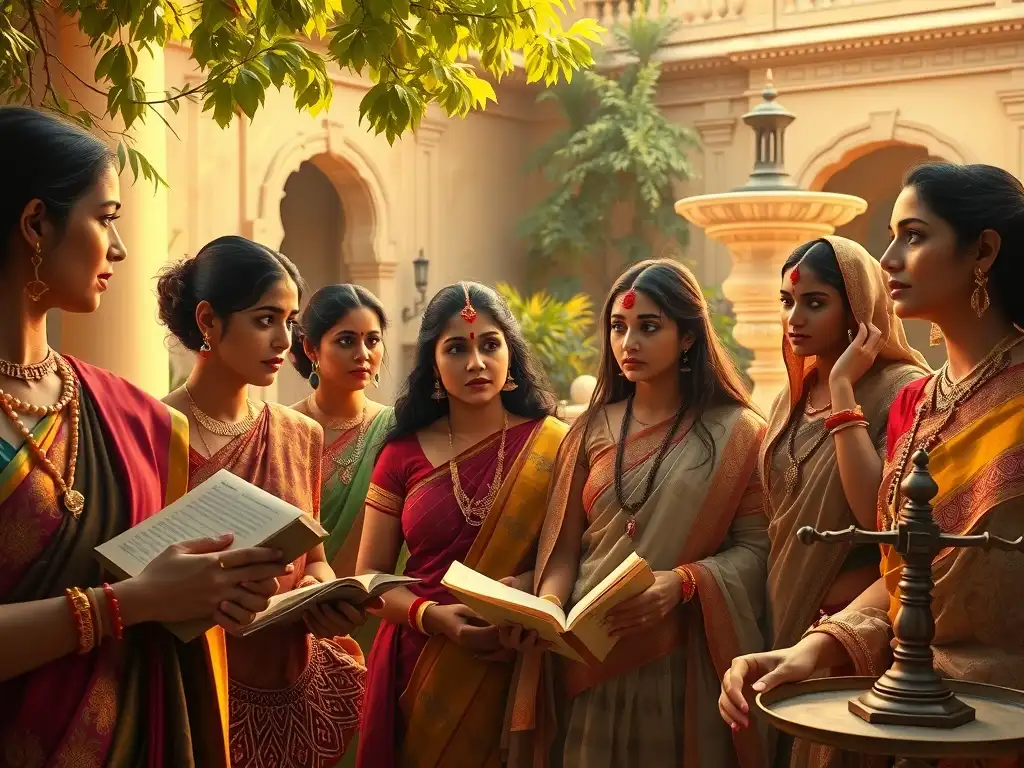
Throughout ancient Indian history, several women played pivotal roles in shaping ethical thought and moral philosophy. Their contributions are often intertwined with religious texts and philosophical discourses, reflecting the values and ideals of their times. These women not only influenced the ethical frameworks within their communities but also left a lasting legacy that continues to resonate.
One notable figure is Maitreyi, a philosopher from the Vedic period. She is famously known for her dialogue with the sage Yajnavalkya in the Brihadaranyaka Upanishad. In this text, Maitreyi challenges the notion of wealth as the ultimate goal of life, advocating instead for the pursuit of knowledge and self-realization. Her insights underscore the ethical importance of inner wisdom, promoting a philosophy where morality is derived from understanding one's true nature rather than material possessions.
Another significant figure is Gargi Vachaknavi, who is celebrated for her intellectual prowess during the Vedic period. Gargi engages in philosophical debates, particularly in the same Upanishadic context, where she questions the nature of the ultimate reality (Brahman). Her inquiries reflect a deep ethical concern for truth and understanding, positioning her as a key contributor to the moral discourse of her time.
Vedic and Upanishadic Women
The Vedic and Upanishadic texts provide a rich tapestry of women's contributions to ethics and morality. Women like Maitreyi and Gargi represent the intellectual vigor of their era, emphasizing the importance of education and philosophical inquiry.
In the Vedic texts, women had access to learning and were often depicted as scholars and sages. They participated in rituals and were considered custodians of moral values. The Rigveda mentions women such as Apala and Vishwavara, who are not only revered for their knowledge but also for their contributions to hymns and rituals that embody ethical principles.
The Upanishads further illustrate women's roles in ethical discussions. They emphasize the significance of self-knowledge and moral living, with women like Vachana being highlighted for their spiritual insights. The ethical teachings derived from these texts often focus on concepts of dharma (duty), ahimsa (non-violence), and the pursuit of truth, all of which were articulated by both men and women.
Philosophical Contributions of Medieval Women
During the medieval period, the contributions of women to ethical thought became more pronounced, despite societal constraints. Mirabai, a prominent saint-poet of the Bhakti movement, is celebrated for her devotional songs that encapsulate ethical teachings centered around love, devotion, and the rejection of societal norms. Her life and work emphasized the moral virtues of compassion and selflessness, challenging the existing patriarchal structures.
Another significant figure is Anandamayi Ma, who lived in the early 20th century but drew from ancient traditions. Her teachings emphasized the importance of inner moral integrity and the transformative power of love and devotion. She advocated for a universal ethics that transcended religious boundaries, promoting a vision of a harmonious society.
These women, through their spiritual practices and philosophical inquiries, contributed to a deeper understanding of ethics that was inclusive and compassionate, encouraging followers to embrace moral living in everyday life.
Conclusion: The Legacy of Women in Ancient Indian Ethics
The legacy of women in ancient Indian ethics is profound and multifaceted. Their contributions, ranging from philosophical discourses to spiritual guidance, have significantly shaped the moral landscape of Indian thought. Women like Maitreyi, Gargi, Mirabai, and Anandamayi Ma not only challenged existing paradigms but also laid the foundation for future generations to explore ethics through a lens of inclusivity and compassion.
Today, as we reflect on the role of women in ancient Indian ethics, it becomes evident that their insights continue to inspire contemporary discussions on morality and ethics. The enduring impact of these women serves as a reminder of the integral role that women have played in shaping philosophical and ethical frameworks throughout history. Their voices echo in the ongoing quest for moral clarity and ethical living in modern society, emphasizing that the contributions of women in ancient Indian ethics are both significant and timeless.
Further Reading on Women in Ancient Indian Ethics
To deepen your understanding of the intricate role women played in shaping morality and ethics in ancient Indian thought, a variety of scholarly works and texts are available that explore this topic from multiple perspectives. Here are some notable resources:
Books
-
"Women in Ancient India" by Nandini Bhattacharya
This book provides a comprehensive overview of women's roles throughout ancient Indian history, examining their contributions to ethical and moral frameworks within various philosophical traditions.
-
"Gender and the Politics of History" by Joan Wallach Scott
Although not solely focused on India, this text discusses the implications of gender in historical narratives, which can offer insights into the ethics surrounding women in ancient cultures, including India.
-
"The Role of Women in Hinduism" by Aditi Dandekar
Dandekar's work dissects the moral and ethical dimensions of women's roles in Hindu scriptures and practices, shedding light on how these roles contributed to broader ethical discourses.
Articles and Journals
-
"Ethics and the Feminine: Historical Perspectives from Ancient India" in the Journal of Indian Philosophy
This article analyzes the representation of women in ancient Indian philosophical texts, focusing on how their roles influenced ethical thought.
-
"Women's Voices in Ancient Indian Literature" in the Journal of Gender Studies
This study reviews ancient texts to highlight the perspectives of women and their contributions to moral philosophies, emphasizing their often-overlooked voices.
Online Resources
-
The Internet Archive
A treasure trove of ancient texts and translations, the Internet Archive includes works that address women in Indian ethics. Search for texts like the Mahabharata or Manusmriti to find passages relevant to women's roles.
-
Digital South Asia Library
This resource offers access to a wealth of materials related to South Asian history, including feminist interpretations and discussions surrounding women’s ethical contributions in ancient India.
Documentaries and Lectures
-
"Women in Ancient India" - Lecture Series by Dr. Ranjana Kumari
In this series, Dr. Kumari discusses the multifaceted roles of women in ancient Indian society and how they influenced ethical thought, making it accessible for a broader audience.
-
"Ethics and Gender in Ancient Indian Thought" - Documentary by Indian History Collective
This documentary examines various historical accounts and philosophical texts to illustrate the ethical contributions of women in shaping ancient Indian society.
By engaging with these resources, readers can gain a nuanced understanding of how women in ancient India not only participated in ethical discourse but also shaped the moral fabric of their society.
- Introduction to Women in Ancient Indian Ethics
- Historical Context of Women in Ancient Indian Society
- The Influence of Women on Moral Philosophy
- Gender Dynamics in Ethical Discourses
- Case Studies of Influential Women in Ethics
- Conclusion: The Legacy of Women in Ancient Indian Ethics
- Further Reading on Women in Ancient Indian Ethics
- What was the role of women in ancient Indian ethics?
- How did the status of women change during different periods in ancient India?
- Were there any prominent female figures in ancient Indian ethics?
- How did religious texts influence women's roles in ethics?
- What contributions did women make to ancient Indian culture beyond ethics?
Frequently Asked Questions
What was the role of women in ancient Indian ethics?
Women played a crucial role in shaping morality and ethical frameworks in ancient Indian thought, influencing family values, societal norms, and spiritual practices.
How did the status of women change during different periods in ancient India?
The status of women fluctuated, with periods of greater autonomy during the Indus Valley Civilization and more restrictive norms emerging in later eras, reflecting changes in social structures.
Were there any prominent female figures in ancient Indian ethics?
Yes, figures like Gargi and Maitreyi are celebrated for their philosophical contributions and are often referenced in discussions about women's roles in ethical discourse.
How did religious texts influence women's roles in ethics?
Religious texts like the Vedas and Upanishads often depicted women's roles in nurturing moral values and maintaining family ethics, though interpretations varied widely.
What contributions did women make to ancient Indian culture beyond ethics?
Women contributed significantly to art, literature, and education, often serving as patrons and creators, thereby enriching the cultural fabric of ancient India.
Final Reflection: The Enduring Legacy of Women in Ancient Indian Ethics
The role of women in shaping morality and ethics in ancient Indian thought is not just a historical account; it is a vital narrative that resonates deeply in today’s society. As we navigate contemporary discussions around gender equality and ethical frameworks, we must recognize that the contributions of women in ancient Indian ethics laid foundational principles that continue to influence our moral compass. Their wisdom and insights remind us that ethical considerations are not solely the domain of any one gender but a collective responsibility that transcends time.
The influence of women in ancient Indian ethics is a testament to the power of diverse voices in shaping societal norms. From revered figures like Gargi and Maitreyi, who challenged patriarchal structures to articulate profound philosophical ideas, we see that women's perspectives have been pivotal in crafting a more inclusive ethical landscape. Where there is a woman, there is magic,
said Ntozake Shange, encapsulating the transformative power that women bring to moral discourse. This ongoing legacy encourages us to reflect on how we can continue to uplift and amplify women's voices in our current ethical discussions.
As we conclude this exploration, I invite you to reflect on the lessons from ancient Indian thought and consider how you can incorporate these insights into your own life. Embrace the wisdom of women in shaping your moral and ethical decisions, and strive to create spaces where diverse perspectives are valued and heard. By doing so, we honor the past while paving the way for a more equitable future, where the contributions of all individuals, regardless of gender, are recognized and celebrated.
Unveil the Impact of Women on Ethics and Morality!
Thank you for diving into this exploration of women's vital role in shaping morality and ethics in ancient Indian thought! We hope you found inspiration in the powerful narratives and insights shared. Now, let’s take that inspiration further and act on what you've learned!
Here are some ways to engage with this essential topic:
- Reflect on the lessons learned from the historical contributions of women and consider how these can apply to modern ethics. Take a moment to jot down your thoughts!
- Share your insights with friends or on social media. Start a discussion about the importance of female voices in moral philosophy—your voice matters!
- Join a local or online community focusing on the history and philosophies of ancient cultures. Engage in discussions about women's roles to further enrich your understanding!
What aspect of women's contributions to morality in ancient Indian thought resonates most with you, and how can it inspire your actions today?