
The Indus Valley Civilization: A Study of Early Property Rights


Welcome to Ancient India History, where we embark on a captivating journey through the rich tapestry of India's past. Dive into our featured article, “The Indus Valley Civilization: A Study of Early Property Rights,” where we unravel the intriguing complexities of Indus Valley property rights history. Discover how these ancient legal frameworks laid foundational stones for modern property laws, and explore the profound implications they have on our understanding of civilization. Are you ready to uncover the secrets of one of the world's earliest urban societies? Continue reading to unlock the mysteries that shaped ancient India!
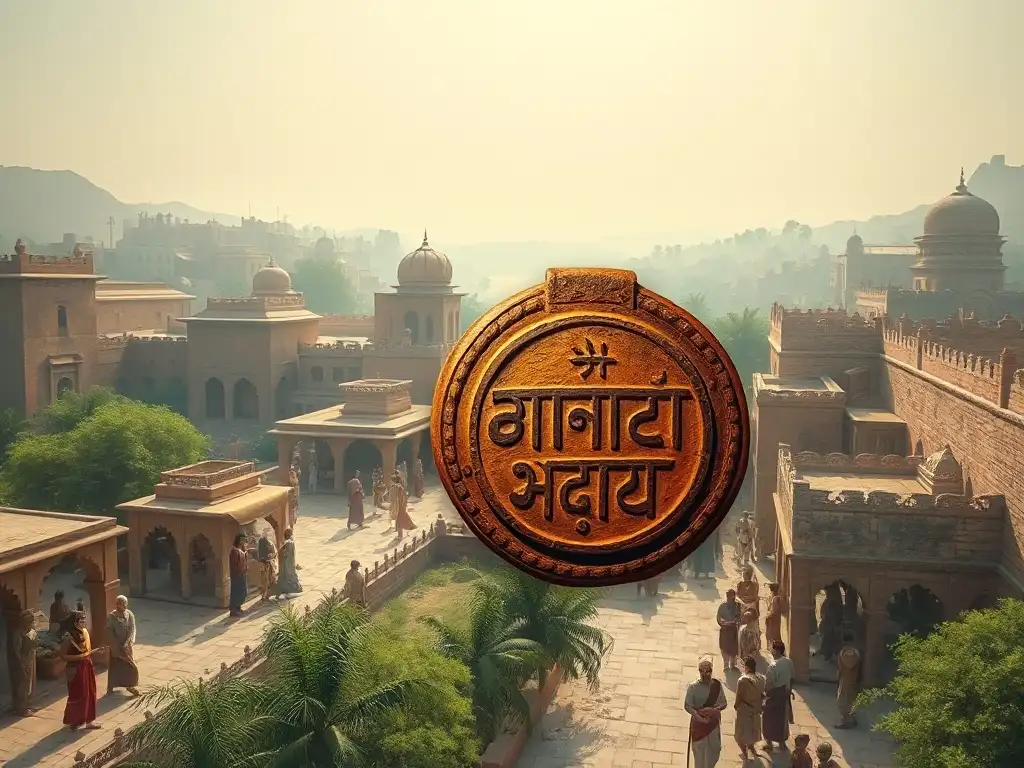
Introduction to Indus Valley Civilization
The Indus Valley Civilization (IVC), flourishing between approximately 3300 BCE and 1300 BCE, stands as one of the most remarkable and sophisticated early urban societies in history. Encompassing a vast area that spans modern-day Pakistan and northwest India, the IVC is renowned for its advanced city planning, architecture, and social organization.
Among the many facets of this ancient civilization, the concept of property rights plays a crucial role in understanding the social and economic dynamics of the time. The exploration of Indus Valley property rights history reveals how land ownership, resource allocation, and inheritance shaped the lives of its inhabitants, influencing their societal structures and interactions.
Overview of the Indus Valley Civilization
The Indus Valley Civilization is characterized by well-planned cities, advanced drainage systems, and sophisticated trade networks. Major urban centers like Harappa and Mohenjo-Daro showcased remarkable architectural achievements, reflecting the civilization's organizational capabilities. The society operated with a high degree of standardization, evident in the uniformity of weights, measures, and brick sizes across different regions. This suggests a centralized authority or a complex system of governance, which likely included established norms around property ownership and rights.
Significance of Property Rights in Ancient Societies
Property rights have historically been fundamental to the development of societal structures and economies. In ancient societies, the establishment of property rights was crucial for:
- Resource Management: Ensuring sustainable use of land and resources.
- Social Organization: Defining relationships between individuals and communities.
- Economic Transactions: Facilitating trade and commerce.
In the context of the Indus Valley, property rights would have influenced agricultural practices, trade relationships, and even social hierarchies, shaping the very fabric of IVC society.
Purpose of Studying Indus Valley Property Rights History
Understanding the property rights within the Indus Valley Civilization is essential for several reasons:
- Historical Insight: It provides a clearer picture of social dynamics and governance structures.
- Cultural Understanding: It sheds light on how ancient communities valued land and resources.
- Legal Evolution: It offers a foundation for analyzing the progression of property laws and inheritance practices in subsequent Indian civilizations.
By delving into the Indus Valley property rights history, researchers can uncover the complexities of early legal systems and their long-lasting impacts on modern legal frameworks.
Historical Context of the Indus Valley Civilization
Geographical and Cultural Landscape
The geographical expanse of the Indus Valley Civilization includes the fertile plains of the Indus River, which provided ample agricultural opportunities. The region's climate and natural resources allowed for the cultivation of diverse crops, fostering economic prosperity. Culturally, the IVC displayed a rich tapestry of traditions, evident in its art, pottery, and seals, which often featured intricate designs and symbols—suggesting a society that valued creativity and communication.
Timeline of the Indus Valley Civilization
The timeline of the Indus Valley Civilization can be segmented into several key phases:
- Early Harappan Phase (c. 3300–2600 BCE): Early settlements and agricultural practices began to take root.
- Mature Harappan Phase (c. 2600–1900 BCE): The peak of urban development, characterized by advanced city layouts and trade.
- Late Harappan Phase (c. 1900–1300 BCE): Decline of urban centers, leading to a gradual transformation of society.
This timeline highlights the evolution of the IVC, providing context for understanding the development of property rights and their significance throughout these periods.
Major Cities and Settlements: Harappa and Mohenjo-Daro
The two most prominent cities of the Indus Valley Civilization, Harappa and Mohenjo-Daro, serve as focal points for archaeological studies. Both cities are known for their:
- Urban Planning: Grid-like street layouts and sophisticated drainage systems.
- Public Structures: Large granaries and baths indicative of communal life.
- Trade Activities: Evidence of trade with distant regions, which likely necessitated established property rights for commercial transactions.
The study of these cities not only illuminates the architectural and social sophistication of the IVC but also offers insights into how property rights may have been enforced and understood in these bustling urban centers.
Understanding Property Rights in Ancient India
The concept of property rights in ancient India is deeply rooted in the socio-economic structures of its civilizations. Property rights refer to the legal and social norms that define ownership and the ability to control, use, and transfer property. In the context of ancient India, these rights were not merely legal designations but also intertwined with cultural and religious practices. The understanding of property rights in ancient India can shed light on the socio-economic dynamics of various ancient Indian civilizations, including the notable Indus Valley Civilization.
Definition of Property Rights in Historical Context
In historical terms, property rights encompassed a range of entitlements, including ownership of land, tools, and other resources. In ancient India, these rights were often linked to familial and community structures. Land, being the primary source of sustenance, was a critical asset. The rights to land were generally inherited, passed down through generations within families. The definition of property rights thus extended beyond individual ownership to encompass collective rights within a community, reflecting the agrarian economy and social hierarchies prevalent in ancient society.
Evolution of Property Rights in Ancient Civilizations
The evolution of property rights in ancient civilizations can be traced through their economic systems and cultural norms. Initially, property rights were informal and based on usage and custom. As societies became more complex, particularly with the development of agriculture and urban centers, formalized systems of property ownership emerged. In ancient India, this evolution was marked by texts like the Manusmriti, which codified various aspects of property rights, including inheritance laws and the roles of women in property ownership. This evolution mirrored changes in societal structure, with property rights becoming more defined and regulated over time.
Comparison with Other Ancient Civilizations’ Property Rights
When comparing the property rights of the Indus Valley Civilization with those of other ancient civilizations, such as Mesopotamia and Egypt, several similarities and differences emerge. Like the Indus Valley, both Mesopotamia and Egypt had established systems of land ownership, often linked to the ruling class and religious institutions. However, while Mesopotamian law emphasized formal contracts and documentation, the Indus Valley appears to have utilized a more community-based approach, where ownership was recognized through social consensus. This comparison highlights the diversity of property rights systems and their adaptation to local cultural contexts.
Evidence of Property Rights in the Indus Valley Civilization

The Indus Valley Civilization, known for its advanced urban planning and sophisticated social organization, provides intriguing evidence of property rights through various archaeological findings and artifacts. The remnants of city layouts, drainage systems, and residential areas offer insights into how property was organized and utilized.
Archaeological Findings Related to Property Ownership
Archaeological excavations at sites like Harappa and Mohenjo-Daro have revealed structures that suggest a well-defined system of property ownership. Houses were often built with similar materials, indicating a level of standardization that could imply property rights were recognized within the community. The presence of large public granaries and warehouses suggests communal ownership of resources, pointing to a system where property rights were balanced between individual and collective ownership.
Indications of Land Use and Ownership
Evidence of land use in the Indus Valley is further supported by agricultural tools and remnants of farming practices found at excavation sites. The systematic layout of fields suggests organized agricultural practices, indicating that individuals or families held rights to specific plots of land. This organization hints at a structured approach to land ownership, where boundaries may have been recognized and respected, possibly through markers or agreements within the community.
Artifacts Reflecting Property Rights and Social Structure
Artifacts such as seals and weights found in the Indus Valley provide additional context for understanding property rights and social structure. Seals often bore symbols that may have denoted ownership or identity, suggesting that property rights could be asserted through these symbolic representations. Furthermore, the presence of weights indicates a system of trade and exchange, reinforcing that property rights were not just about land but also encompassed movable goods and wealth, reflecting the complex social hierarchy of the civilization.
The Indus Valley Civilization showcases an early and sophisticated understanding of property rights, deeply integrated into its social and economic fabric, and provides a valuable case study in the history of property rights in ancient India.
The Role of Property Rights in Indus Valley Society
Property rights played a crucial role in shaping the social, economic, and political structures of the Indus Valley Civilization (IVC), which flourished around 2500 BCE to 1900 BCE. The presence of advanced urban centers like Harappa and Mohenjo-Daro indicates a society where property ownership was likely formalized and respected. This early understanding of property rights facilitated agricultural development, trade, and the establishment of social hierarchies.
The concept of property in the IVC encompassed land, resources, and goods, all of which were vital for sustaining communities. The management and ownership of these assets would have fostered a sense of stability and security, allowing families and individuals to invest in their future. Moreover, property rights likely influenced inheritance practices, which would ensure the transfer of assets across generations, playing a significant role in maintaining social order and continuity within the civilization.
Impact on Social Hierarchies and Classes
The allocation of property rights in the Indus Valley Civilization contributed significantly to the formation of social hierarchies and classes. Wealth and resources were not equally distributed; rather, they were concentrated among certain families or clans, leading to a stratified society. Those who possessed more land or property likely held more power and influence, creating a disparity that shaped social interactions.
Archaeological evidence suggests that the wealthiest individuals may have resided in larger, more sophisticated homes, equipped with amenities that reflected their status. This physical manifestation of wealth indicates that property ownership was intrinsically linked to social standing, thereby reinforcing class distinctions. Additionally, the control over trade routes and resources could have further entrenched these hierarchies, as powerful families capitalized on their advantages to solidify their positions within the community.
Women and Property Rights in the Indus Valley
The role of women concerning property rights in the Indus Valley Civilization is a subject of ongoing research and debate. While the evidence is limited, certain findings suggest that women may have had some degree of property ownership and management. Archaeological artifacts, such as seals and inscriptions, hint at the possibility that women participated actively in trade and held property, challenging the notion of a strictly patriarchal society.
If women did indeed possess property rights, it could indicate a more egalitarian social structure than previously assumed. The ability to own and manage property would have provided women with a level of autonomy and influence within their households and the broader community. This potential for property ownership highlights the complexity of gender roles in ancient societies and warrants further exploration to understand the full implications of women's rights in the Indus Valley.
Trade, Property, and Economic Development
Trade was a fundamental aspect of the Indus Valley economy, and property rights played a vital role in facilitating this exchange. The strategic location of Indus Valley cities along trade routes allowed for the movement of goods, including textiles, pottery, and metals. Ownership of property related to trade, such as warehouses or markets, would have been essential for economic growth.
The establishment of property rights likely encouraged merchants and traders to invest in their businesses, fostering innovation and economic development. Secure property rights would have provided the confidence needed for individuals to engage in long-distance trade, further integrating the IVC into a larger economic network that reached as far as Mesopotamia and beyond. This cross-cultural exchange not only enhanced the wealth of the civilization but also contributed to its cultural richness.
Legal Aspects of Property Rights in the Indus Valley
The legal framework surrounding property rights in the Indus Valley Civilization remains partially obscured due to the lack of decipherable written records. However, archaeological findings suggest the existence of a structured system that governed property ownership and transfer. The uniformity of urban planning and standardized weights and measures implies that some form of legal codification existed, potentially providing guidelines for property rights.
Codification of Property Laws: Evidence and Interpretations
While direct evidence of codified property laws is scarce, scholars have interpreted various archaeological findings, such as seals and inscriptions, as indicative of legal practices related to property rights. These artifacts may have served as contracts or agreements, signifying ownership or the transfer of property.
The presence of well-planned cities with public baths, granaries, and sophisticated drainage systems suggests that property rights were essential for urban governance and resource management. The interpretation of these findings underscores the possibility that the Indus Valley had a complex legal framework that regulated property rights, although the specifics remain elusive.
Comparison of Indus Valley Property Rights with Later Indian Legal Systems
The property rights system in the Indus Valley Civilization can be compared to later Indian legal systems, particularly those that emerged during the Vedic period and beyond. While the specifics of property rights evolved over time, certain foundational concepts can be traced back to the practices of the IVC.
For instance, the emphasis on land ownership and inheritance in later Indian law reflects the early principles observed in the Indus Valley. However, the codification of laws became more pronounced in subsequent periods, leading to a more structured approach to property rights. The evolution from the IVC's implicit property rights to more explicit legal frameworks highlights the continuity and transformation of legal concepts in ancient India.
Legacy of Indus Valley Property Rights in Modern Legal Frameworks
The legacy of property rights established during the Indus Valley Civilization has resonated throughout Indian history and continues to influence modern legal frameworks. Concepts of ownership, inheritance, and property management can be traced back to these early practices, shaping contemporary laws governing property rights in India.
In modern times, the emphasis on secure property rights has become integral to economic development and social stability. The historical underpinnings from the Indus Valley serve as a reminder of the importance of property rights in fostering societal growth and cohesion. Understanding this legacy not only enriches the study of ancient Indian history but also informs current discussions on property rights and legal reforms in contemporary India.
Challenges in Studying Indus Valley Property Rights

The study of property rights in the Indus Valley Civilization is fraught with challenges. The civilization, which flourished between approximately 3300 and 1300 BCE, left behind a wealth of artifacts and urban planning that suggests a sophisticated society. However, understanding their legal frameworks, particularly concerning property rights, is complicated by several factors.
Limitations of Archaeological Evidence
Archaeological evidence from the Indus Valley is often incomplete. While excavations have revealed advanced urban centers like Mohenjo-Daro and Harappa, the lack of written records poses a significant barrier to understanding the nuances of property rights. Most inscriptions found are brief and undeciphered, consisting of symbols and seals that do not provide explicit information regarding ownership or property laws. Furthermore, the absence of monumental legal texts means that scholars must rely on indirect evidence, such as the layout of cities and the distribution of artifacts, to infer property relations.
- Challenges of Interpretation:
- Incomplete records lead to speculative interpretations.
- Preservation issues may result in loss of crucial artifacts.
Interpretation of Symbolism and Artifacts
The interpretation of artifacts and symbols from the Indus Valley requires careful consideration. Many objects, such as weights, measures, and seals, indicate a system of trade and possibly ownership, but their exact meanings are still debated. The seals, often adorned with animal motifs and symbols, may have served as markers of ownership or trade agreements. However, without a clear understanding of the language or context, drawing definitive conclusions about property rights is challenging.
- Key Considerations:
- Seals may indicate ownership, but their exact purpose remains ambiguous.
- The use of standardized weights suggests a complex economic system, but its correlation to property rights is not well understood.
The Role of Modern Scholarship in Understanding Ancient Laws
Modern scholarship plays a crucial role in interpreting the limited evidence available from the Indus Valley. Interdisciplinary approaches that combine archaeology, anthropology, and linguistics help create a more comprehensive picture of property rights. Scholars draw parallels with contemporary ancient legal systems, such as those in Mesopotamia, to speculate about the possible frameworks that governed property ownership in the Indus Valley.
- Interdisciplinary Approaches:
- Collaboration between archaeologists and legal historians enhances understanding.
- Comparative studies with other ancient civilizations provide context.
Conclusion: The Importance of Indus Valley Property Rights History
The study of property rights in the Indus Valley Civilization is essential for understanding the broader context of ancient legal systems. Despite the challenges, insights gained from this area of study shed light on the social and economic structures of one of the earliest urban societies.
Summary of Key Findings
Key findings suggest that while direct evidence of property rights is limited, the urban planning and economic organization of the Indus Valley imply a system of property ownership. The presence of standardized weights and measures indicates a developed trade system, potentially reflecting property relations.
- Significant Points:
- Urban planning suggests organized property management.
- Economic activities point towards established ownership norms.
Implications for Understanding Ancient Legal Systems
Understanding the property rights in the Indus Valley has broader implications for studying ancient legal systems. It challenges assumptions about the sophistication of early civilizations and their legal frameworks. The findings contribute to a nuanced view of property laws as integral to societal stability and economic development.
- Broader Significance:
- Highlights the complexity of ancient legal frameworks.
- Suggests early forms of property management that may inform modern legal principles.
Future Research Directions in Indus Valley Studies
Future research in Indus Valley studies should focus on the following directions:
- Deciphering Inscriptions: Continued efforts to decode the script found on seals and pottery could yield new insights into property rights.
- Comparative Studies: Examining connections between the Indus Valley and contemporary civilizations may reveal shared legal concepts.
- Technological Advances: Utilizing new technologies in archaeology, such as ground-penetrating radar, could uncover hidden structures relevant to property ownership.
By addressing these areas, scholars can enhance our understanding of the Indus Valley property rights history and its significance in the context of ancient civilizations.
References
The study of the Indus Valley Civilization (IVC) and its property rights is a rich field that draws on various texts, archaeological findings, and scholarly interpretations. Below are key texts and resources that provide insight into the complexities of property rights during this ancient period, as well as suggested further reading on the broader context of property rights in ancient India.
Key Texts and Resources on Indus Valley Civilization
-
"The Indus Civilization: A Contemporary Perspective" by Gregory L. Possehl
This comprehensive text examines the archaeological findings of the Indus Valley and interprets the socio-economic structures, including property ownership and distribution. Possehl's work is crucial for understanding the nuances of IVC's societal organization.
-
"Indus Valley Civilization: A History" by R.S. Sharma
Sharma provides a broad overview of the Indus Valley's history, focusing on urban planning, trade, and property rights. The book is instrumental in contextualizing property rights within the larger framework of IVC society.
-
"The Archaeology of the Indus Valley Civilization" by Rani J. Gupta
This volume delves into the archaeological evidence of the IVC, highlighting artifacts that suggest the existence of property concepts and ownership markers, enabling a deeper understanding of early property rights.
-
"Law and Society in Ancient India" by R. C. Sharma
Although not exclusively focused on the IVC, this text explores the evolution of legal systems, including property laws, in ancient India, providing a comparative backdrop for understanding property rights in the Indus Valley context.
-
"The Indus Script: Texts, Concordance and a New Interpretation" by Asko Parpola
Parpola’s work on the undeciphered Indus script offers insights into the potential legal and property-related documentation that may have existed, contributing to discussions on property rights.
Suggested Further Reading on Property Rights in Ancient India
-
"Property Rights in Ancient India: An Overview"
This article provides a historical analysis of property rights from the Vedic period to the Gupta Empire, emphasizing the evolution of legal norms governing property.
-
"Inheritance and Property Rights in Ancient Indian Texts" by M. K. Dutta
Dutta examines ancient texts, such as the Manusmriti, to elucidate the principles and practices surrounding inheritance laws, offering a broader understanding of property rights beyond the IVC.
-
"Land Tenure Systems in Ancient India"
This resource explores the various land tenure systems that existed in ancient India, shedding light on the implications for property rights and social stratification during different periods.
-
"Women and Property Rights in Ancient India" by T. N. Ghosh
Ghosh discusses the specific property rights of women in ancient Indian societies, which can provide context for understanding gender dynamics in property ownership within the IVC.
-
"The Role of Trade in Property Rights Development in Ancient India"
This study links economic practices, particularly trade, to the evolution of property rights, illustrating how commerce could influence legal frameworks in ancient civilizations, including the Indus Valley.
These references and readings provide a foundational understanding of the property rights history within the Indus Valley Civilization and their implications in the broader legal context of ancient India.
- Introduction to Indus Valley Civilization
- Historical Context of the Indus Valley Civilization
- Understanding Property Rights in Ancient India
- Evidence of Property Rights in the Indus Valley Civilization
- The Role of Property Rights in Indus Valley Society
- Legal Aspects of Property Rights in the Indus Valley
- Challenges in Studying Indus Valley Property Rights
- Conclusion: The Importance of Indus Valley Property Rights History
- References
- What was the significance of property rights in the Indus Valley Civilization?
- How did property rights influence trade in the Indus Valley?
- Were property rights in the Indus Valley similar to those in later Indian civilizations?
- What archaeological evidence supports the study of property rights in the Indus Valley?
- How did the concept of property evolve in ancient Indian history?
Frequently Asked Questions
What was the significance of property rights in the Indus Valley Civilization?
Property rights in the Indus Valley Civilization were crucial for establishing social order and economic stability, allowing individuals to own, trade, and manage resources effectively.
How did property rights influence trade in the Indus Valley?
The establishment of clear property rights facilitated trade relations, as individuals and merchants could confidently engage in transactions knowing their ownership would be respected.
Were property rights in the Indus Valley similar to those in later Indian civilizations?
While the Indus Valley property rights laid the foundation, later civilizations, like the Gupta Empire, developed more complex systems influenced by evolving socio-political contexts.
What archaeological evidence supports the study of property rights in the Indus Valley?
Archaeological findings, including sealed weights, measuring tools, and granaries, suggest a sophisticated understanding of property management and trade practices in the civilization.
How did the concept of property evolve in ancient Indian history?
The concept of property rights evolved through various historical phases, reflecting changes in societal values and economic practices, starting from the Indus Valley to later dynasties.
Final Reflection: Understanding the Legacy of Indus Valley Property Rights
The exploration of early property rights in the Indus Valley Civilization reveals profound insights into our contemporary understanding of ownership and societal structure. As we navigate a world increasingly defined by complex property laws and economic systems, the historical foundations laid by the Indus Valley serve as a reminder of the enduring significance of property rights in shaping civilizations. The lessons from this ancient society highlight how the management of resources and land can influence social stability and economic prosperity.
Cultural and social landscapes are continually influenced by the principles of property rights established in ancient civilizations. The Indus Valley Civilization, with its sophisticated urban planning and equitable distribution of resources, offers a model for contemporary societies grappling with issues of inequality and land ownership. As historian R. S. Sharma noted, The history of property rights is not just a record of ownership; it is a reflection of the values and priorities of a society.
This perspective encourages us to consider how our current systems of property rights can either uplift or hinder community development and social justice.
As we reflect on the implications of the Indus Valley's approach to property rights, I invite you to consider your own relationship with ownership and community. How can the lessons from this ancient civilization inspire you to advocate for equitable property rights in your own community? Embracing the principles of fairness and responsibility in property ownership can lead to a more just society, echoing the harmony once achieved by the Indus Valley. Let us carry forward the legacy of this remarkable civilization, ensuring that the rights to land and resources are respected and shared for the benefit of all.
Unveil Your Knowledge: Take Action on Early Property Rights!
Thank you for exploring the fascinating world of the Indus Valley Civilization with us! By diving into the study of early property rights, you’ve gained valuable insights into how these ancient societies laid the groundwork for modern property concepts. Now, let's transform that knowledge into action!
- Engage with your community: Join a local history group or an online forum to discuss your insights and learn from others who share an interest in ancient civilizations.
- Deepen your understanding: Explore additional literature on related subjects, such as the role of trade in ancient societies or the cultural significance of property ownership.
- Share your learnings: Consider writing a blog or posting on social media about how ancient property rights influence today's legal systems—your perspective might inspire others!
What are your thoughts on how understanding ancient property rights can impact our views on current societal structures?