
The Evolution of Judicial Practices in Ancient India: A Journey Through Time

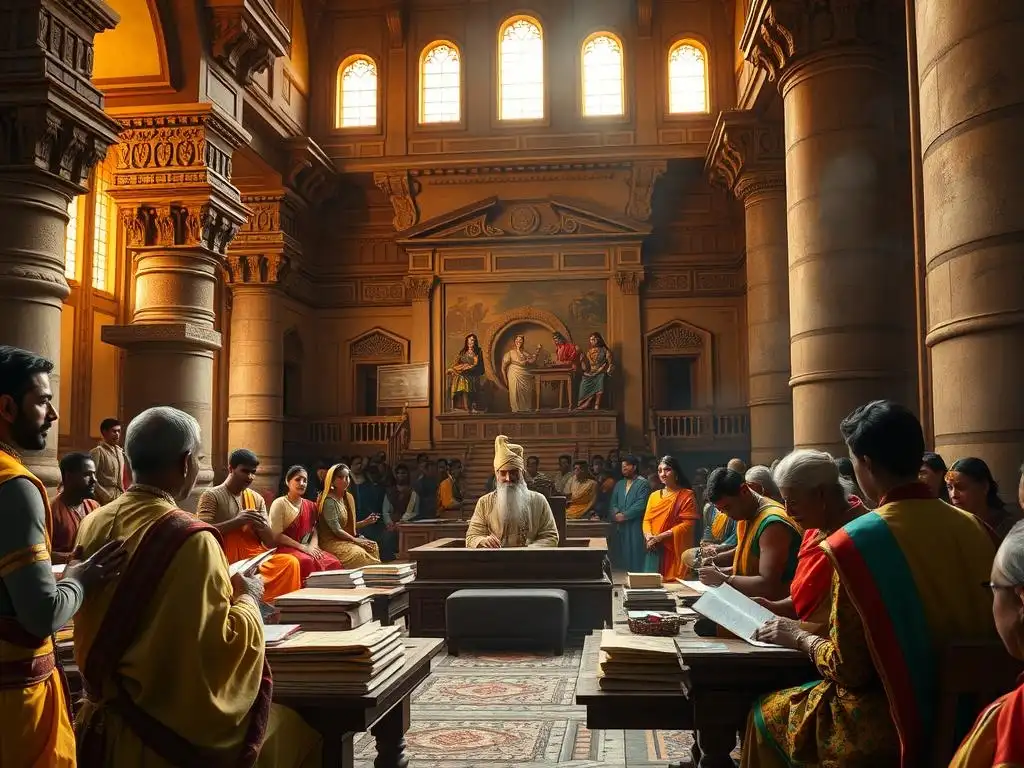
Welcome to Ancient India History, where we embark on a fascinating journey through the rich tapestry of ancient civilizations that shaped the Indian subcontinent. In our featured article, “The Evolution of Judicial Practices in Ancient India: A Journey Through Time,” we delve into the intricate and often overlooked world of ancient Indian judicial practices. Discover how these systems not only upheld law and order but also reflected the cultural values and societal norms of their time. Are you ready to uncover the compelling stories behind the legal frameworks that governed the lives of millions? Let’s explore together!

Introduction to Ancient Indian Judicial Practices
The evolution of judicial practices in ancient India presents a fascinating tapestry woven from the threads of various civilizations, cultures, and philosophies. From the sophisticated urban centers of the Indus Valley to the administrative innovations of the Gupta Empire, the legal systems of ancient India reflect a rich heritage of governance, ethics, and justice. Understanding these practices is crucial for grasping how ancient Indian societies addressed issues of law, order, and morality, as well as how these systems influenced contemporary legal frameworks.
This exploration delves into the intricate historical context of judicial practices, focusing on key periods and their contributions to the development of law and justice. It sheds light on aspects such as the roles of courts, legal codes, and the societal implications of judicial decisions, offering insights into the foundational principles that continue to resonate in modern legal systems.
Overview of Legal Systems in Ancient India
Ancient Indian judicial practices were not monolithic; they evolved significantly through various periods, each contributing unique elements to the legal landscape. The legal systems were often intertwined with religious, social, and philosophical doctrines, leading to a multifaceted approach to law.
- Dharma: The concept of Dharma, or moral law, played a central role in shaping judicial principles.
- Manusmriti: Texts such as the Manusmriti outlined rules and guidelines governing social conduct, emphasizing caste duties and responsibilities.
- Local Customs: Judicial practices also varied by region, reflecting local customs and traditions, which were often respected in legal proceedings.
These frameworks facilitated dispute resolution through established courts, which served as the primary venues for legal adjudication, ensuring that justice was accessible to various strata of society.
Importance of Judicial Practices in Ancient Civilizations
Judicial practices in ancient India were significant not only for maintaining order but also for reinforcing societal norms and values. They contributed to:
- Social Cohesion: By providing a structured means for resolving disputes, these practices fostered community stability and harmony.
- Protection of Rights: Legal systems served to protect individual rights, albeit within the context of prevailing social hierarchies.
- Cultural Transmission: Judicial decisions and legal texts helped transmit cultural values and ethical principles across generations, further embedding these ideals into the societal fabric.
The importance of these practices cannot be understated, as they laid the groundwork for the evolution of legal thought and governance in India and beyond.
The Historical Context of Judicial Practices
Understanding the evolution of judicial practices in ancient India requires an examination of the key historical contexts that shaped them. Each period introduced distinct legal frameworks, reflecting the changing dynamics of society, governance, and culture.
Early Legal Frameworks in the Indus Valley Civilization
The Indus Valley Civilization (c. 3300–1300 BCE) represents one of the earliest instances of organized urban society in ancient India. Archaeological evidence suggests the existence of sophisticated administrative practices, although the specific legal systems remain largely speculative due to the undeciphered script.
- Urban Planning: The meticulous planning of cities like Harappa and Mohenjo-Daro indicates a level of governance that likely included regulatory measures.
- Weights and Measures: Standardized weights and measures suggest a system of trade and commerce, which necessitated some form of legal oversight.
- Public Works: The construction of public baths and drainage systems points to collective responsibilities that would have required enforcement mechanisms.
The Vedic Period and Its Influence on Law and Justice
The Vedic period (c. 1500–500 BCE) marked a significant transition in Indian jurisprudence, characterized by the introduction of texts that laid the foundation for legal thought.
- Vedic Texts: The Rigveda and later texts introduced concepts of justice intertwined with religious duties, emphasizing the moral dimensions of law.
- Role of Rishis: The sages (Rishis) played a crucial role in interpreting laws, often blending spiritual and legal authority.
- Caste System: The stratification of society into varnas (castes) influenced judicial practices, with different rules applying to different social groups.
This period set the stage for subsequent developments in legal thought, highlighting the intersection of spirituality and jurisprudence.
The Mauryan Empire: Centralization and Legal Reforms
The Mauryan Empire (c. 322–185 BCE) epitomized a turning point in the evolution of judicial practices, particularly under the reign of Emperor Ashoka.
- Centralized Administration: Ashoka's efforts to centralize governance led to the establishment of a more uniform legal system across his vast empire.
- Dhamma: The promotion of Dhamma, a moral code reminiscent of Dharma, emphasized ethical governance and compassion in judicial proceedings.
- Legal Edicts: Ashoka's edicts, inscribed on pillars, served as public proclamations of law and justice, ensuring that citizens were aware of their rights and responsibilities.
These reforms not only transformed the legal landscape but also integrated ethical considerations into the fabric of governance, leaving a lasting legacy on the judicial practices that followed.
Key Features of Ancient Indian Judicial Practices
Ancient Indian judicial practices were characterized by a blend of customary law, religious principles, and the authority vested in rulers. The legal system was deeply intertwined with the social structure and cultural norms of the time. Some key features include:
- Integration of Law and Religion: The judicial practices were heavily influenced by religious texts, with laws often derived from sacred scriptures. This made the legal system a reflection of moral and ethical standards upheld by society.
- Decentralized Justice: Justice was administered at various levels, ranging from local village assemblies to the royal courts. This decentralization allowed for more immediate and context-sensitive resolutions of disputes.
- Public Participation: Many judicial proceedings involved the community, with local elders or assemblies playing a crucial role in adjudication. This participatory approach ensured that the decisions reflected the collective values and norms of the community.
- Fluidity of Law: The laws were not rigidly codified, allowing for flexibility and adaptation to changing circumstances. This meant that while there were established codes, local customs could also play a significant role in legal decisions.
Role of Kings and Rulers in Administration of Justice
In ancient India, kings and rulers held significant power in the administration of justice. They were seen not only as sovereigns but also as the ultimate interpreters of law and enforcers of justice. Their role included:
- Final Arbiter: The king was often viewed as the highest authority in legal matters, with the power to adjudicate and overturn local decisions. This centralization of authority meant that the king's judgment was final and binding.
- Protection of Dharma: Rulers were expected to uphold dharma, or moral order, ensuring that justice was served in accordance with ethical standards. This religious duty reinforced their legitimacy and authority.
- Establishment of Law Codes: Many kings issued edicts and established law codes that guided judicial practices in their realms. These codes aimed to standardize legal principles and ensure fairness in the administration of justice.
- Appointment of Officials: Kings appointed judges and officials to assist in legal matters, delegating powers to ensure that justice was accessible to the populace. This system allowed for a structured approach to legal proceedings.
Types of Courts in Ancient India: Village Assemblies to Royal Courts
The judicial landscape of ancient India was diverse, featuring various types of courts that catered to different levels of society. Key types included:
- Village Assemblies (Panchayats): These were local bodies composed of community elders who resolved disputes and administered justice at the grassroots level. Their decisions were based on customary law and local practices, making them highly relevant to the community.
- District Courts: As disputes escalated, they could be referred to higher courts within districts, where appointed judges would handle more complex cases, often involving multiple parties.
- Royal Courts: At the pinnacle of the judicial hierarchy were the royal courts, presided over by the king or appointed judges. These courts dealt with significant cases, including those involving nobles and matters of state.
- Specialized Courts: Some courts specialized in particular types of cases, such as commercial disputes or family matters, reflecting the growing complexity of societal interactions.
Legal Codes and Texts: Manusmriti and Other Influential Works
Legal codes in ancient India played a crucial role in shaping judicial practices. Among the most significant texts were:
- Manusmriti: This ancient text, attributed to the sage Manu, provided guidelines on various aspects of law, including social order, duties of individuals, and judicial procedures. It served as a foundational document for many legal principles in ancient India.
- Yajnavalkya Smriti: Another important legal text, the Yajnavalkya Smriti, offered a more systematic approach to law and justice, addressing contemporary issues and providing insights into the legal framework of the time.
- Arthashastra: Authored by Kautilya, this treatise focused on statecraft and economics but also included significant legal aspects, discussing governance, law enforcement, and the role of the ruler in maintaining justice.
- Local Customary Laws: In addition to these codified texts, local customs and practices played a vital role in judicial proceedings, allowing for a more flexible application of law based on community needs.
Evolution of Judicial Procedures
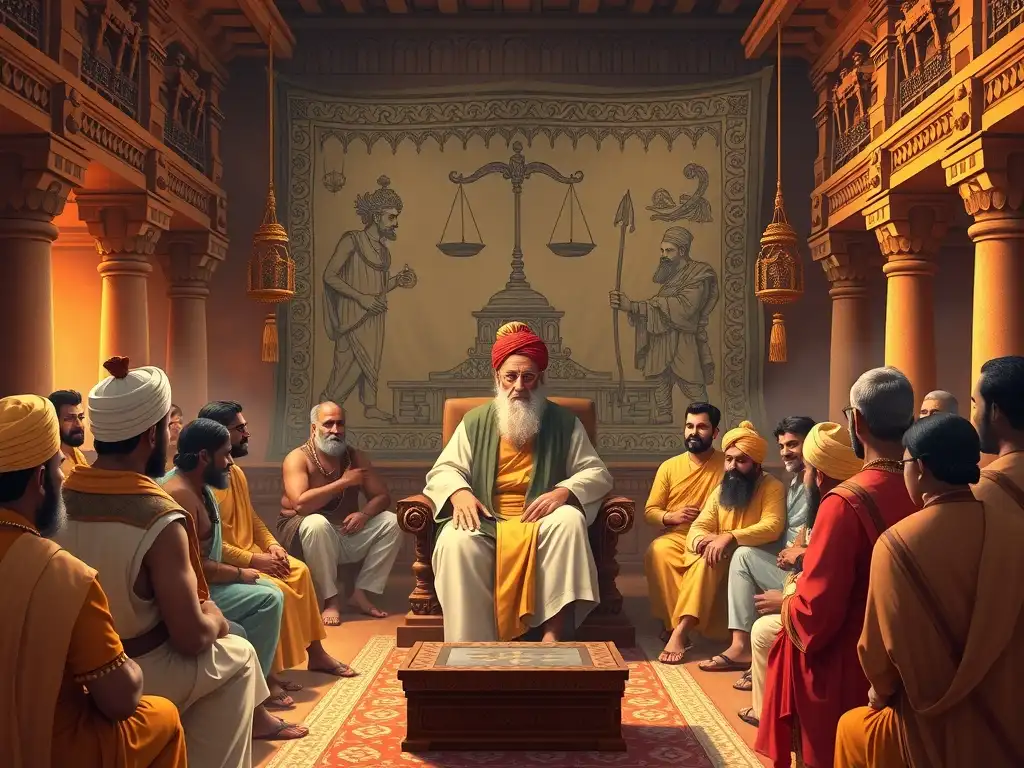
The evolution of judicial procedures in ancient India marked a transition from informal dispute resolution to more structured legal processes. This evolution was influenced by various factors, including socio-political changes and the development of legal thought. Key aspects include:
- Formalization of Trials: Over time, judicial procedures became more formalized, with established protocols for conducting trials, presenting evidence, and questioning witnesses.
- Documentation of Proceedings: The introduction of record-keeping and documentation allowed for greater transparency and accountability in judicial processes, leading to more reliable outcomes.
- Influence of Philosophical Thought: As philosophical ideas evolved, they began to influence legal thought, emphasizing reason, justice, and ethical considerations in judicial proceedings.
Dispute Resolution Mechanisms in Ancient India
Dispute resolution in ancient India relied on various mechanisms, reflecting the cultural and social fabric of the time. Key mechanisms included:
- Mediation and Conciliation: Many disputes were resolved through mediation, where a neutral third party facilitated discussions between conflicting parties, seeking a mutually agreeable solution.
- Arbitration: In cases where mediation failed, parties could opt for arbitration, where an appointed arbitrator would make a binding decision based on the merits of the case.
- Public Hearings: Village assemblies often conducted public hearings, allowing community members to witness the proceedings and contribute to the resolution process, reinforcing community bonds.
- Appeals: The presence of higher courts allowed for an appeal process, where parties dissatisfied with lower court decisions could seek redress from a superior authority.
The Role of Witnesses and Evidence in Trials
Witnesses and evidence played a crucial role in ancient Indian judicial practices, reinforcing the integrity of trials. Key points include:
- Importance of Testimony: The testimony of witnesses was deemed vital for establishing facts in a case. Witnesses were expected to be credible and reliable, as their accounts could significantly influence the outcome.
- Types of Evidence: Different forms of evidence were accepted, including oral testimony, physical evidence, and circumstantial evidence, reflecting the need for a comprehensive evaluation of cases.
- Cross-Examination: The practice of cross-examination was employed to challenge the credibility of witnesses and the validity of their statements, ensuring a thorough examination of the evidence presented.
- Burden of Proof: The burden of proof often lay with the accuser, requiring them to substantiate their claims with credible evidence and testimony.
Punishments and Penalties: An Overview of Ancient Practices
Punishments and penalties in ancient Indian judicial practices varied widely based on the nature of the crime and the social status of the offender. Key aspects include:
- Classification of Crimes: Crimes were classified into various categories, with more severe penalties assigned to serious offenses such as theft, murder, and betrayal.
- Types of Punishments: Penalties ranged from fines and restitution to corporal punishment and exile. In some cases, capital punishment was applied for the gravest offenses, reflecting the societal need for deterrence.
- Restorative Justice: Many ancient practices emphasized restorative justice, focusing on the rehabilitation of offenders and making amends to victims rather than purely punitive measures.
- Judicial Discretion: Judges often had the discretion to determine penalties based on the circumstances of each case, allowing for a more personalized approach to justice.
The evolution of judicial practices in ancient India showcases a rich tapestry of legal thought, community involvement, and the interplay of various social and political factors that shaped the administration of justice over time.
The Influence of Religion on Judicial Practices
In ancient India, the intertwining of religion and law played a pivotal role in shaping judicial practices. The legal systems were deeply influenced by the prevailing religious beliefs, which established moral and ethical frameworks that governed societal conduct. The concept of Dharma, or righteous duty, was central to these practices, dictating not only personal behavior but also the functioning of courts and the administration of justice. As different religious philosophies emerged, they contributed their own perspectives on justice, further enriching the legal landscape of ancient India.
Dharma and Its Significance in Ancient Indian Law
Dharma, derived from the Sanskrit root "dhr," meaning "to uphold" or "to sustain," served as the backbone of ancient Indian legal thought. It encompassed a wide array of ethical, moral, and social obligations that individuals were expected to fulfill. In legal contexts, Dharma was not merely a set of rules but a holistic principle that aimed to maintain social order and harmony.
The Manusmriti, one of the earliest codified texts on law, illustrates how Dharma influenced judicial decisions, with judges expected to interpret laws in accordance with moral righteousness. This emphasis on Dharma ensured that the legal system was not just punitive but also restorative, aiming to rectify wrongs and promote social welfare.
The Impact of Buddhism and Jainism on Legal Systems
The emergence of Buddhism and Jainism during the 6th century BCE introduced new ethical considerations into the judicial practices of ancient India. Both religions emphasized non-violence, compassion, and the moral implications of one's actions, which resonated in the legal frameworks of their followers. For instance, Buddhist texts highlighted the importance of equitable treatment and the need for judges to act with wisdom and compassion.
Jainism, with its strict adherence to non-violence (Ahimsa), influenced legal practices to prioritize reconciliation and restitution over punitive measures. As these religions gained prominence, their philosophies began to permeate legal thought, leading to a more humane approach within the judicial systems.
Religious Texts and Their Role in Shaping Judicial Norms
Ancient Indian religious texts served as foundational sources for judicial norms, guiding both the creation and interpretation of laws. Texts such as the Vedas, Upanishads, and Puranas contained extensive discussions about morality, ethics, and justice. They provided frameworks for adjudication, emphasizing the importance of conducting fair trials and upholding truth (Satya).
The Arthashastra, authored by Kautilya, combined political theory with legal practices, addressing the pragmatics of law enforcement and governance. These texts underscored the necessity of aligning legal practices with religious and cultural values, thereby reinforcing the role of religion as a crucial influencer in the evolution of judicial practices.
Comparison of Judicial Practices Across Different Dynasties
The evolution of judicial practices in ancient India varied significantly across different dynasties, reflecting the socio-political landscapes and cultural contexts of each era. From the Mauryan to the Gupta empires, the legal systems adapted and transformed, integrating local customs and religious influences. This diversity in judicial practices highlights the complexity of ancient Indian law, shaped by a multitude of factors including religion, economy, and governance.
Gupta Empire: Advances in Legal Thought and Practice
The Gupta Empire, often referred to as the "Golden Age" of India, witnessed remarkable advancements in legal thought and practice. Under the Gupta rule, there was a notable emphasis on codifying laws and creating comprehensive legal texts, which facilitated a more standardized approach to justice. The Dharmashastras became prominent during this period, outlining various legal principles and procedures.
The Gupta judiciary was characterized by the establishment of specialized courts that dealt with civil and criminal matters, reflecting a more organized legal structure. Additionally, the Gupta period saw the integration of local customs into the legal framework, allowing for greater flexibility and responsiveness to community needs.
Post-Gupta Developments: Regional Variations in Judicial Practices
Following the decline of the Gupta Empire, India entered a period of regional fragmentation, leading to significant variations in judicial practices across different areas. Local rulers and dynasties adopted distinct legal customs influenced by regional cultures, religious beliefs, and administrative needs. For example, in South India, the Chola and Pandya kingdoms emphasized local traditions and community-based conflict resolution methods.
Meanwhile, in Northern India, the influence of Islamic legal practices began to emerge, blending with traditional Hindu laws. This period of regionalism showcased the adaptability of ancient Indian judicial practices, as they evolved to meet the diverse needs of various communities.
Comparison with Other Ancient Civilizations: Mesopotamia and China
When comparing ancient Indian judicial practices with those of Mesopotamia and China, several key differences and similarities emerge. In Mesopotamia, for instance, the Code of Hammurabi set a precedent for codified laws, emphasizing retribution and strict penalties. Conversely, ancient Indian law, influenced by Dharma, often prioritized restorative justice and moral considerations.
Similarly, while ancient Chinese legal systems, particularly during the Qin Dynasty, focused on harsh penalties and centralized control, ancient Indian practices tended to allow for more local autonomy and flexibility in legal interpretations. These comparisons reveal the unique character of ancient Indian judicial practices, shaped by its philosophical underpinnings and cultural values, distinguishing it from other ancient civilizations.
Case Studies of Notable Judicial Decisions

The rich tapestry of ancient Indian judicial practices is woven with numerous landmark decisions that not only shaped legal precedents but also reflected the socio-political ethos of their times. These cases illustrate the application of law in a society that balanced tradition with evolving societal norms.
Landmark Cases in Ancient Indian Courts
One of the most celebrated cases in ancient India is the "Chandragupta Maurya vs. Dhananjoy" case, which exemplified the complexities of royal law and personal rights. Chandragupta, the emperor and founder of the Maurya Empire, was faced with a dispute regarding land ownership that involved a common citizen, Dhananjoy.
The court, presided over by a panel of wise sages, ruled in favor of the common man, emphasizing the principle that justice should be accessible to all, irrespective of societal status. This ruling not only reinforced the concept of fairness but also set a precedent that the ruler's power was not absolute.
Another notable case arose during the Gupta period, where a merchant was accused of fraud. The court utilized evidence from witnesses and documentation, showcasing early forms of evidence-based trials. The decision highlighted the importance of integrity in commerce and established a legal framework that governed trade practices, which remains relevant in modern times.
Analysis of Judicial Practices in Specific Regions (e.g., South India, North India)
Judicial practices varied significantly across ancient Indian regions, influenced by local customs, traditions, and socio-economic conditions.
- North India: The legal systems in North India during the Vedic period were primarily based on Dharma Shastras, which emphasized moral codes and duties. Courts operated under the guidance of Brahmins, who interpreted the scriptures to settle disputes. The famous Manusmriti served as a pivotal text, outlining laws that governed various aspects of life, from family matters to criminal offenses.
- South India: In contrast, South India exhibited a more structured approach with the establishment of local assemblies known as "Sabhas" and "Mahasabhas". These were community-based courts where local elders would adjudicate disputes. The Tamil legal texts, such as the "Tholkappiyam," detail specific procedures and emphasize community involvement, showcasing a participatory model of justice.
Both regions reveal how ancient Indian judicial practices were deeply intertwined with cultural values, reflecting regional identities while contributing to a collective legal heritage.
The Legacy of Ancient Indian Judicial Practices
The judicial practices of ancient India have left an indelible mark on the evolution of legal systems, not only within India but also in neighboring regions influenced by Indian culture and philosophy. The principles established during these times continue to resonate in contemporary legal frameworks.
Influence on Modern Indian Legal Systems
Modern Indian legal systems owe much to their ancient predecessors. The incorporation of concepts such as equity, fairness, and the right to a fair trial can be traced back to ancient judicial practices. The British colonial period witnessed a significant transformation, yet many foundational elements of Indian law were derived from ancient texts.
For instance, the emphasis on written evidence and witness testimonies in trials can be linked back to practices observed in ancient courts. Furthermore, the principles laid down in texts like Manusmriti and Arthashastra continue to be referenced in current legal discussions, particularly in areas concerning family law and property rights.
Preservation of Ancient Legal Traditions in Contemporary Society
In contemporary society, the preservation of ancient legal traditions is evident in various cultural practices and community-based dispute resolution mechanisms. Many rural areas still rely on local panchayats, which function similarly to ancient assemblies, resolving conflicts through dialogue and consensus rather than formal legal proceedings.
Moreover, the revival of interest in ancient texts and their teachings has led to the establishment of courses and workshops that explore traditional legal philosophies, emphasizing their relevance in today’s world. This commitment to preserving ancient judicial practices not only honors historical legacies but also enriches contemporary legal discourse, offering a holistic view of justice that blends tradition and modernity.
The evolution of judicial practices in ancient India reflects a rich heritage that continues to influence legal systems and societal norms today, highlighting the timeless relevance of justice and equity in human civilization.
Conclusion: Reflections on the Evolution of Judicial Practices
The evolution of judicial practices in ancient India reveals a complex tapestry of legal thought and societal values that have shaped the region's legal framework over millennia. From the early systems established during the Indus Valley Civilization to the more structured and codified laws seen in the Dharma Shastras, each phase reflects the changing dynamics of society, morality, and governance.
The journey through time highlights the significant influence of cultural, regional, and philosophical factors on judicial practices. Ancient Indian legal systems were characterized by a blend of customary laws and formal codes, emphasizing the importance of both tradition and written statutes. As societies evolved, so too did the mechanisms of justice—transitioning from informal village assemblies to more formalized courts that incorporated diverse methodologies in conflict resolution.
Understanding this evolution not only enriches our appreciation of ancient Indian civilization but also provides valuable insights into the foundations of legal principles that continue to resonate in modern legal systems. The interplay between ethics, spirituality, and law in ancient India offers a unique perspective on how justice was perceived and administered, which can inform contemporary discussions about law and morality.
Summary of Key Developments in Ancient Indian Judicial Practices
- Indus Valley Civilization (c. 3300–1300 BCE):
- Evidence of early legal frameworks possibly through seals and weights suggests a form of regulation and societal order.
- Urban planning indicates a need for dispute resolution mechanisms, likely managed by local leaders.
- Vedic Period (c. 1500–500 BCE):
- The emergence of Dharma, a set of moral and ethical guidelines, laid the groundwork for legal thought.
- The role of the king as a protector of Dharma and the incorporation of Brahminical authority in legal matters.
- Mauryan Empire (c. 322–185 BCE):
- The Arthashastra of Kautilya provided a comprehensive treatise on law, governance, and administration, marking a significant shift toward formalized legal practices.
- The establishment of royal courts and an administrative framework to handle legal disputes.
- Post-Mauryan Developments (c. 200 BCE – 300 CE):
- The compilation of Dharma Shastras, such as Manusmriti, which codified laws covering various aspects of life, including caste duties and family law.
- The influence of regional customs began to shape legal practices, allowing for localized interpretations of justice.
- Gupta Empire (c. 320–550 CE):
- A flourishing of legal literature and the establishment of more sophisticated judicial systems, incorporating both traditional and formal legal practices.
- Enhanced emphasis on the role of evidence, witness testimony, and formal procedures in legal adjudication.
The Importance of Understanding Historical Context in Modern Law
Understanding the historical context of ancient Indian judicial practices is crucial for several reasons. Firstly, it provides a foundation for interpreting contemporary legal systems, as many principles have their roots in ancient practices. The emphasis on justice, equity, and moral responsibility observed in ancient texts is still relevant in today's legal discourse.
Secondly, a historical perspective allows legal scholars and practitioners to appreciate the evolution of concepts such as rights, responsibilities, and the rule of law. Ancient Indian practices often highlighted communal harmony and social order, concepts that can inform modern approaches to conflict resolution and restorative justice.
Finally, studying ancient judicial practices fosters a deeper cultural understanding, bridging gaps between historical and contemporary societal values. As legal systems continue to adapt to modern challenges, insights drawn from the past can inspire innovative solutions that respect both tradition and the need for progressive change. Recognizing this interplay between history and modernity is essential for a holistic approach to law that acknowledges the diverse influences shaping legal thought today.
- Introduction to Ancient Indian Judicial Practices
- The Historical Context of Judicial Practices
- Key Features of Ancient Indian Judicial Practices
- Evolution of Judicial Procedures
- The Influence of Religion on Judicial Practices
- Comparison of Judicial Practices Across Different Dynasties
- Case Studies of Notable Judicial Decisions
- The Legacy of Ancient Indian Judicial Practices
- Conclusion: Reflections on the Evolution of Judicial Practices
- What were the main features of ancient Indian judicial practices?
- How did the Indus Valley Civilization influence judicial systems?
- What role did religion play in judicial practices during ancient India?
- How did the Gupta Empire shape the evolution of judicial practices?
- Are there any modern implications of ancient Indian judicial practices?
Frequently Asked Questions
What were the main features of ancient Indian judicial practices?
The ancient Indian judicial practices were characterized by local governance, customary laws, and the involvement of community elders in resolving disputes, emphasizing a balance between justice and social harmony.
How did the Indus Valley Civilization influence judicial systems?
The Indus Valley Civilization laid the groundwork for early legal codes through urban planning and trade regulations, showcasing a need for administrative order and conflict resolution in a sophisticated society.
What role did religion play in judicial practices during ancient India?
Religion significantly influenced judicial practices, as many laws were derived from religious texts like the Manusmriti, which intertwined moral principles with legal frameworks, guiding societal norms and judgments.
How did the Gupta Empire shape the evolution of judicial practices?
The Gupta Empire enhanced judicial practices by establishing a more structured legal system with codified laws, promoting the idea of royal justice and the role of state in legal matters, thus reflecting a centralized authority.
Are there any modern implications of ancient Indian judicial practices?
Yes, modern Indian legal systems still reflect influences from ancient judicial practices, especially in terms of community-based dispute resolution and the integration of customary laws, highlighting the lasting impact of historical approaches to justice.
Final Reflection: The Enduring Legacy of Ancient Indian Judicial Practices
The evolution of judicial practices in ancient India is not merely a historical account; it is a testament to the foundational principles of justice and governance that resonate with us today. As we navigate through contemporary legal systems, the wisdom embedded in ancient Indian judicial practices continues to inform our understanding of law, fairness, and societal order. The intricate balance of authority and community involvement in these practices serves as a striking reminder of the importance of justice in nurturing a harmonious society.
The influence of ancient Indian judicial practices extends far beyond their historical context; they have shaped the cultural and social landscape of India and beyond. From the principles of Dharma to the emphasis on mediation and restorative justice, these practices highlight a profound respect for human dignity and communal well-being. Justice is the foundation of a society; without it, we cannot hope to thrive.
This quote encapsulates the essence of the ancient judicial system, reminding us that the pursuit of justice is a timeless endeavor that transcends eras and cultures.
As we reflect on the lessons gleaned from ancient Indian judicial practices, I invite you to consider how these principles can be applied in your own life. How can you embody the spirit of justice, fairness, and community in your daily interactions? Let us carry forward the wisdom of the past, fostering a culture of understanding and compassion in our modern world. By doing so, we not only honor the legacy of our ancestors but also contribute to a more just and equitable future for all.
Unveil the Rich Tapestry of Ancient Indian Justice!
Thank you for taking the time to explore the fascinating evolution of judicial practices in ancient India. Your journey through this rich history reveals not only the complexities of law but also its profound influence on society. Now, it’s time to dive even deeper!
Here’s how you can take action today:
- Join a Discussion: Share your insights or questions about ancient judicial systems in the comments below. Engage with fellow history enthusiasts to expand your understanding!
- Explore Further: Delve into topics related to ancient governance and societal laws on our website. Every click is a step deeper into history.
- Spread the Knowledge: Share this article with friends and on social media to spark conversations about the significance of justice in ancient civilizations.
What aspects of ancient Indian judicial practices resonate with you the most, and how do you think they influence our legal systems today?