
Southern India's Festivals: Celebrating History and Culture Through Tradition

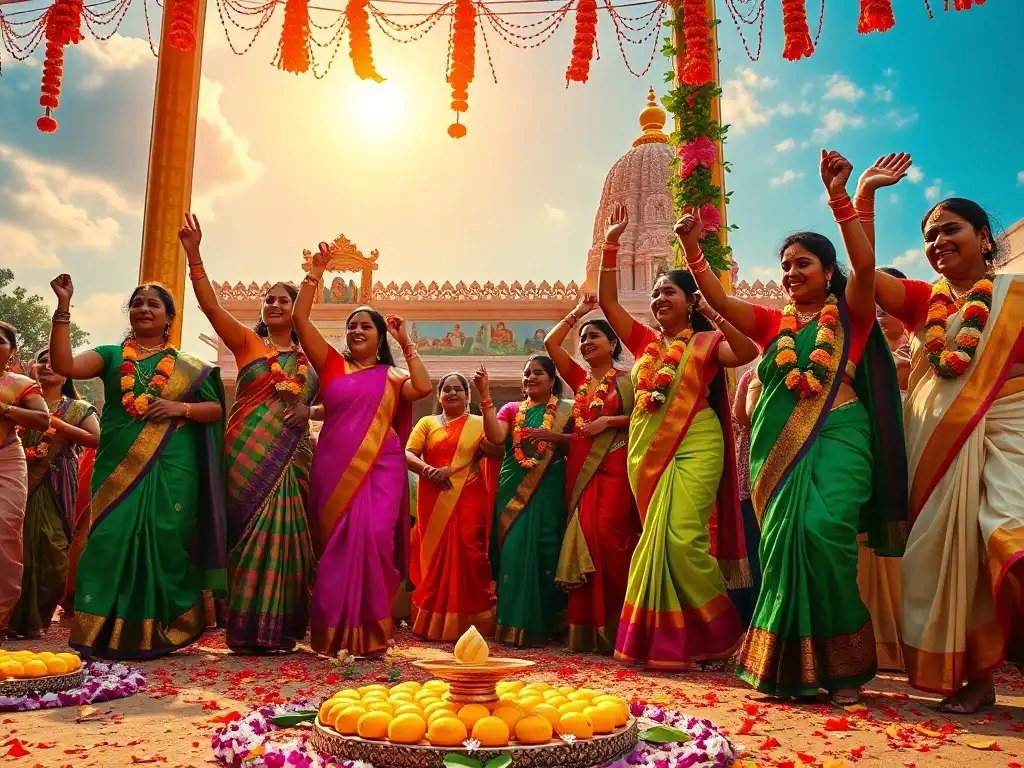
Welcome to Ancient India History, where we embark on a fascinating journey through the vibrant tapestry of India’s past. In this exploration, we delve into the Southern Indian festival traditions, uncovering how these celebrations not only honor age-old customs but also reflect the rich cultural heritage that has flourished since the time of the Indus Valley to the Gupta Empire. Prepare to be captivated by the colorful festivals that shape the identity of Southern India and discover the stories behind them.
Join us as we unravel the layers of history, culture, and tradition that make these festivals a vital part of our shared legacy. Dive deeper to learn how each celebration connects us to the ancient roots of this remarkable region!
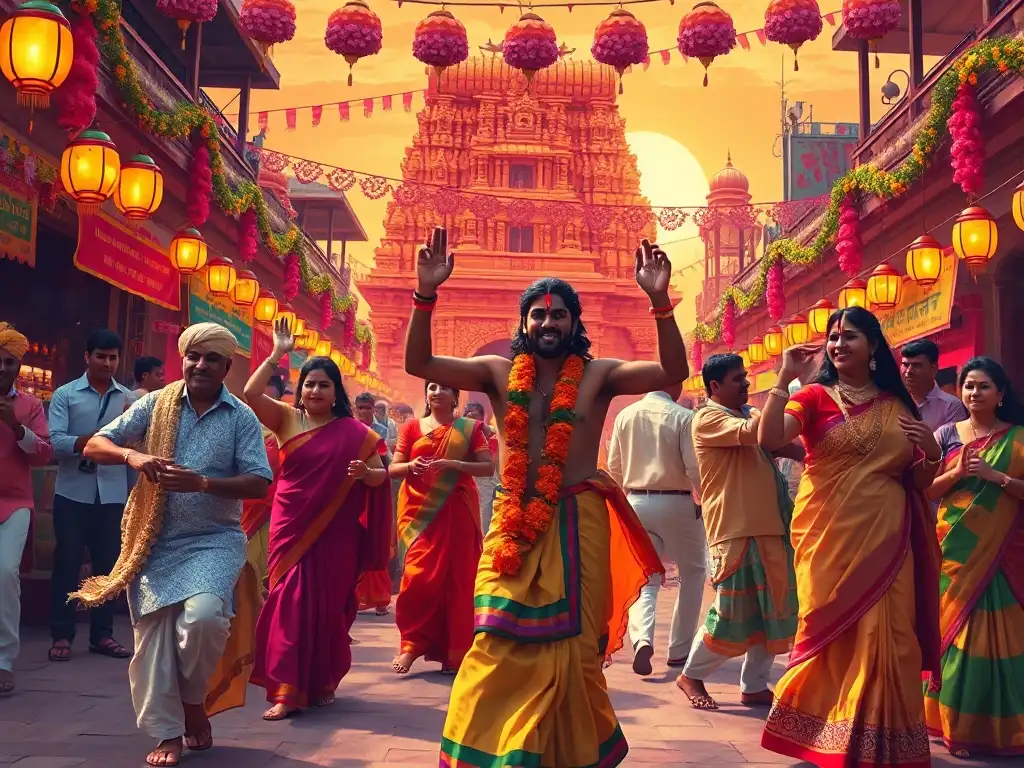
Introduction to Southern Indian Festival Traditions
Southern India boasts a vibrant tapestry of history and culture, deeply reflected in its festival traditions. These celebrations, rich in symbolism and heritage, serve as a window into the ancient practices, beliefs, and social structures of various communities in the region. From the agricultural cycles that dictate the rhythm of life to the religious observances that honor deities and ancestors, Southern Indian festivals are an embodiment of the region's diverse heritage. This article delves into the significant festivals of Southern India, exploring their historical origins and cultural significance in shaping the identity of the people.
Overview of Southern India’s Cultural Landscape
Southern India is a melting pot of languages, religions, and customs, comprising states such as Tamil Nadu, Kerala, Andhra Pradesh, Telangana, and Karnataka. Each state contributes unique traditions that reflect the historical influences of ancient kingdoms, colonial encounters, and the prevailing social dynamics. The cultural landscape is characterized by:
- Diverse Languages: Major languages include Tamil, Telugu, Kannada, and Malayalam, each with its own literary traditions.
- Rich Artistic Heritage: Classical dance forms like Bharatanatyam and Kathakali, along with intricate art forms such as Tanjore painting, showcase the artistic prowess of the region.
- Architectural Marvels: Temples adorned with elaborate sculptures are testaments to the architectural genius of ancient South Indian dynasties.
Importance of Festivals in Southern Indian History
Festivals in Southern India are not merely occasions for celebration; they play a critical role in preserving and transmitting cultural values and historical narratives. They serve various functions, including:
- Community Bonding: Festivals foster a sense of unity and identity among communities, transcending social and economic barriers.
- Agricultural Significance: Many festivals are linked to the agricultural calendar, marking sowing and harvesting periods, thus ensuring the sustainability of farming practices.
- Religious Observance: Festivals provide opportunities for devotees to engage with their faith, reinforcing spiritual beliefs and practices passed down through generations.
Major Southern Indian Festivals and Their Origins
Festivals in Southern India reflect a confluence of ancient traditions and contemporary practices. Here, we explore some of the most prominent festivals celebrated across the region, each with its own unique origins and cultural significance.
Pongal: The Harvest Festival of Tamil Nadu
Pongal is celebrated as a harvest festival in Tamil Nadu, typically in mid-January. This four-day festival marks the end of the winter solstice and the beginning of the sun's northward journey. The festivities include:
- Cooking Pongal: A dish made of newly harvested rice, cooked with milk and jaggery, symbolizing prosperity.
- Kaanum Pongal: Families gather to celebrate with games and communal meals, reinforcing social bonds and sharing blessings.
Onam: Celebrating Abundance in Kerala
Onam, the harvest festival of Kerala, usually takes place in August or September, celebrating the homecoming of the mythical King Mahabali. Key features of Onam include:
- Floral Arrangements: Homes are adorned with intricate flower carpets (pookalam) to welcome the king.
- Traditional Feasts: The Onam Sadhya, a grand feast served on banana leaves, features a variety of vegetarian dishes, symbolizing abundance and unity.
Ugadi: The New Year Festival of Andhra Pradesh
Ugadi, celebrated in March or April, marks the New Year for several South Indian states, including Andhra Pradesh and Telangana. The festival signifies new beginnings and renewal. Highlights of Ugadi include:
- Preparatory Rituals: Cleaning homes and decorating with mango leaves signifies a fresh start.
- Special Dishes: The preparation of Ugadi Pachadi, a dish made of raw mango, neem flowers, jaggery, and tamarind, symbolizes the mix of sweet and sour experiences in life.
Vishu: The Festival of Lights in Kerala
Vishu, celebrated in April, is known as the festival of lights in Kerala, symbolizing the start of the new year in the Malayalam calendar. It is characterized by:
- Vishukkani: The first sight of the auspicious arrangement of items like rice, fruits, and flowers upon waking is believed to bring prosperity.
- Fireworks and Celebrations: The day is marked with fireworks and family gatherings, emphasizing joy and togetherness.
These festivals not only celebrate the rich heritage of Southern India but also highlight the deep-rooted traditions that continue to thrive in contemporary society. Through these vibrant celebrations, the historical and cultural narratives of the region are preserved and passed on to future generations.
The Role of Festivals in Preserving Southern Indian Culture
Festivals in Southern India play a pivotal role in preserving the region's rich cultural heritage. They serve as a vibrant tapestry of history, spirituality, and community bonding. Festivals are not merely occasions for celebration; they are a means of conveying age-old traditions, religious beliefs, and social values that have been passed down through generations.
Through various rituals and activities, festivals enable communities to reconnect with their roots. They foster a sense of identity and belonging among participants, as families and friends come together to honor their customs. Additionally, festivals often involve storytelling through art forms, which helps to keep historical narratives alive. This dynamic interplay of cultural practices during festivals encapsulates the essence of Southern Indian identity, ensuring that traditions are not lost but rather celebrated and evolved.
Traditional Rituals and Practices During Festivals
Southern Indian festivals are characterized by a myriad of traditional rituals and practices that reflect the region's spiritual diversity. For instance, during Pongal, a harvest festival celebrated predominantly in Tamil Nadu, families prepare a special dish made from newly harvested rice, symbolizing gratitude towards nature. The preparation involves a series of rituals, including the creation of kolams (decorative designs) at the entrance of homes and the worship of deities to seek blessings for prosperity.
Another notable festival, Onam, celebrated in Kerala, includes intricate rituals such as the making of flower carpets (pookalam) and the performance of traditional arts like Kathakali. Each festival is imbued with significance, where specific rituals denote auspiciousness, reverence, and community spirit, ensuring that the essence of Southern Indian culture remains vibrant.
Food and Culinary Traditions Associated with Festivals
Food plays a central role in the celebration of festivals in Southern India, often showcasing regional ingredients and culinary techniques. Each festival is associated with specific dishes that hold cultural significance. For instance, during Diwali, various sweets and snacks such as murukku and laddu are prepared, symbolizing the joy of victory and prosperity.
Pongal features the preparation of the eponymous dish made from rice and lentils, often flavored with jaggery and coconut. This dish is not just a culinary delight but also a representation of the harvest's bounty. In addition, the communal aspect of cooking during festivals fosters a sense of togetherness and reinforces familial bonds, making food an integral part of the Southern Indian festival experience.
Music and Dance Forms Celebrated in Festivals
Music and dance are vibrant elements of Southern Indian festivals, serving as expressive mediums that bring communities together. Traditional art forms such as Bharatanatyam, Kathakali, and folk dances like Kummi and Kolattam are often performed during these celebrations. These performances not only entertain but also narrate stories from mythology and history, enriching the cultural tapestry of the region.
The rhythmic beats of instruments like the nadaswaram and thavil fill the air during these festivities, creating an atmosphere of joy and celebration. Festivals such as Ugadi and Vishu are particularly noted for their elaborate dance and music performances, highlighting the region's artistic heritage and the role of performing arts in cultural preservation.
Regional Variations of Festival Celebrations in Southern India
Southern India is a mosaic of cultures, and this diversity is vividly reflected in the regional variations of festival celebrations. Each state boasts its own unique customs, rituals, and festive spirit that contribute to the broader Southern Indian festival traditions.
From the grand processions of Mysore Dasara in Karnataka to the serene boat races of Onam in Kerala, every celebration is distinct yet interconnected through shared cultural narratives. This regional variety not only showcases the diversity of Southern Indian festivals but also illustrates the adaptability of traditions over time.
Differences in Festival Celebrations Across States
The differences in festival celebrations across Southern Indian states are profound, often influenced by local customs, languages, and historical backgrounds. For example, while Tamil Nadu celebrates Pongal as a major harvest festival, Andhra Pradesh and Telangana have their own version, Sankranti, which incorporates unique rituals and dishes.
In Kerala, Onam is marked by an elaborate feast known as the Onam Sadya, featuring a variety of vegetarian dishes served on a banana leaf. In contrast, the Gudi Padwa festival in Maharashtra is celebrated with the hoisting of the Gudi (a decorated pole) and includes specific rituals that differ from those found in other states. These variations highlight the rich tapestry of Southern Indian cultures, reinforcing the significance of local identities while contributing to a collective heritage.
Influence of Local Customs on Festival Traditions
Local customs play a crucial role in shaping the festival traditions of Southern India. Each festival often incorporates elements that resonate with the local populace, making celebrations more relatable and meaningful. For instance, in coastal regions, festivals may include elements of maritime culture, such as rituals to appease the sea gods, while inland festivals might emphasize agrarian practices and harvest celebrations.
Moreover, the intermingling of various communities has also led to the fusion of customs, resulting in unique celebrations that reflect a blend of cultural influences. The adaptability of festival traditions to incorporate local beliefs and practices ensures that they remain relevant and engaging for contemporary audiences, thereby enriching the cultural landscape of Southern India.
The Historical Significance of Southern Indian Festivals
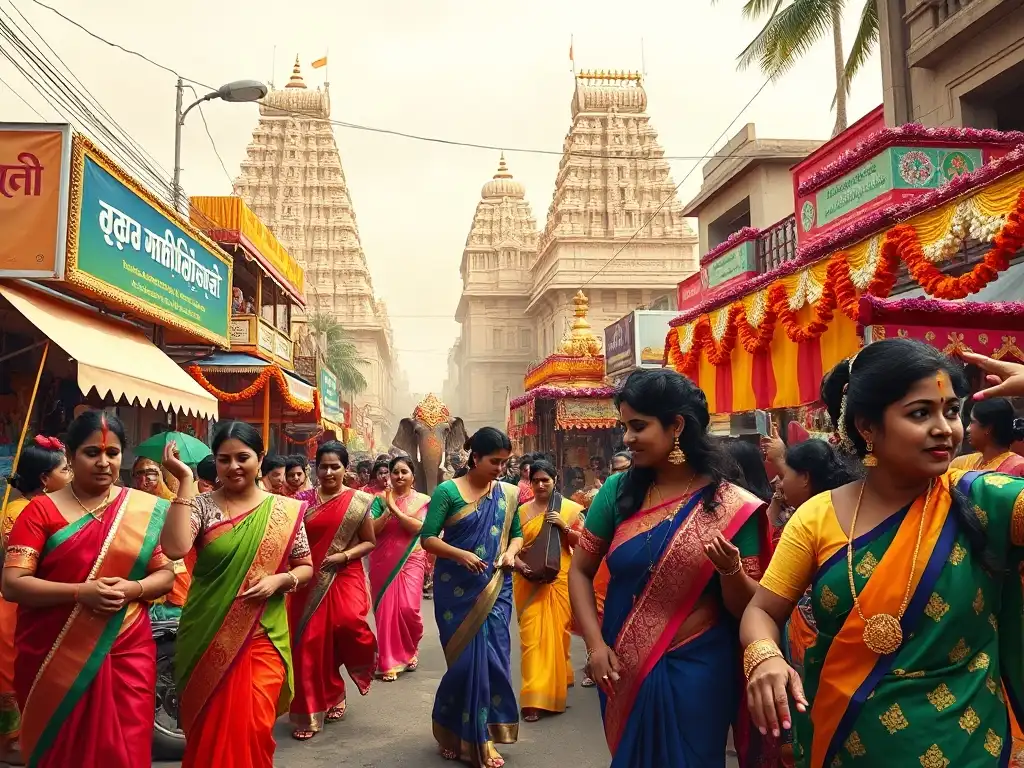
Southern Indian festivals are not merely occasions for celebration; they are rich tapestries woven from the threads of history, culture, and spirituality. These festivals serve as a lens through which we can view the evolution of societal norms, beliefs, and practices in the region. They reflect the historical narratives of various dynasties, the integration of diverse cultures, and the preservation of ancient rituals that have been passed down through generations. By understanding the historical significance of these festivals, we gain insight into the values and traditions that have shaped Southern India.
Festivals as Reflections of Ancient Beliefs and Practices
Many Southern Indian festivals are deeply rooted in the ancient beliefs and practices of the region. For instance, Pongal, celebrated primarily in Tamil Nadu, is a harvest festival with origins linked to agrarian practices and the reverence of nature. The rituals associated with Pongal, such as the preparation of the sweet dish from freshly harvested rice, symbolize gratitude towards the sun god and the earth for a bountiful harvest. Similarly, the Navaratri festival, dedicated to the worship of the goddess Durga, showcases the enduring significance of feminine power in South Indian culture.
These celebrations often involve traditional music, dance, and rituals that echo ancient practices, thus acting as a living testament to the cultural and spiritual heritage of the region. The continuation of these festivals conveys the importance of maintaining a connection to one's roots and the collective memory of the community.
Connection Between Festivals and Historical Events
Southern Indian festivals are frequently linked to significant historical events that have shaped the region's identity. For example, Vijaya Dashami, which marks the victory of goddess Durga over the buffalo demon Mahishasura, is celebrated with great enthusiasm in various parts of Southern India. This festival not only symbolizes the triumph of good over evil but also commemorates the historical legacy of the Vijayanagara Empire, which was known for its patronage of arts, culture, and religion.
Additionally, festivals such as Thaipusam, observed predominantly by the Tamil community, celebrate the victory of Lord Murugan over evil forces. The origins of this festival can be traced back to historical legends that narrate the struggles of deities and their connection to the socio-political landscape of ancient South India. These festivals are a vivid reminder of how history and mythology intertwine, reflecting the values and aspirations of the people.
Contemporary Celebrations of Southern Indian Festivals
In recent years, Southern Indian festivals have undergone transformations while still retaining their core traditional values. Modern celebrations reflect a blend of ancient customs and contemporary influences, allowing festivals to remain relevant in today's fast-paced world.
Modern Adaptations of Traditional Festivals
The adaptation of traditional festivals to modern contexts is evident in various ways. For instance, during Diwali, the festival of lights, many urban centers in Southern India have begun incorporating eco-friendly practices, such as the use of clay lamps instead of electric lights and the promotion of sustainable materials for decorations. Additionally, the integration of technology has led to virtual celebrations, allowing families and friends to connect from afar.
Moreover, local governments and organizations are increasingly promoting cultural festivals that highlight regional arts and crafts, providing a platform for artisans while fostering community spirit. This modern adaptation not only preserves the essence of ancient traditions but also ensures their continuation in a manner that resonates with contemporary society.
Impact of Urbanization on Festival Celebrations
The rapid urbanization of Southern India has significantly influenced how festivals are celebrated. In metropolitan areas, the scale and style of celebrations have evolved, often leading to grand public displays that attract tourists and residents alike. Festivals like Onam and Pongal are now celebrated with elaborate parades, community feasts, and cultural performances that showcase the richness of Southern Indian heritage.
However, urbanization has also posed challenges to traditional practices. The fast-paced lifestyle of city dwellers sometimes limits participation in rituals and family gatherings that were once integral to festival celebrations. While the essence of the festivals remains, there is a growing need to balance modern lifestyles with the preservation of cultural traditions. Innovative approaches, such as community-driven initiatives and local celebrations, are emerging to ensure that the roots of these festivals are not lost amidst urban growth.
Conclusion: The Enduring Legacy of Southern Indian Festival Traditions
Southern Indian festival traditions are a vibrant tapestry woven from centuries of history, culture, and spirituality. From the ancient rituals of the Indus Valley to the colorful celebrations observed today, these festivals reflect the region's rich heritage and the influence of various dynasties, religions, and communities. Each festival serves not only as a means of celebration but also as a vessel for passing down traditions, values, and stories to future generations.
The enduring legacy of these traditions is evident in the way they bring communities together, fostering a sense of belonging and shared identity. Festivals such as Pongal, Onam, and Ugadi are not just events; they are moments of collective joy that reinforce familial and social bonds. As Southern India continues to evolve in the face of modernization, these traditions remain a crucial link to the past, reminding people of their roots and cultural significance.
In essence, Southern Indian festival traditions encapsulate a unique historical narrative that celebrates the diversity and unity of the region, ensuring that the essence of these traditions will continue to thrive in the hearts and minds of future generations.
The Future of Festival Celebrations in Southern India
The future of festival celebrations in Southern India appears promising, reflecting both continuity and change. As contemporary society grapples with rapid urbanization and globalization, many traditional festivals are adapting to new contexts while preserving their core values. This evolution is evident in how festivals are celebrated, with technology facilitating wider participation and engagement. For instance, social media platforms allow for the sharing of festival experiences, connecting individuals to their heritage even if they are geographically distant.
Moreover, there is a growing emphasis on sustainability within festival celebrations, with many communities striving to maintain ecological balance while honoring their traditions. Eco-friendly practices are being introduced in festivals, such as using biodegradable materials for decorations and promoting local artisans. This shift not only preserves the environment but also revitalizes local economies.
However, challenges remain. The encroachment of commercialism can sometimes overshadow the authentic cultural essence of festivals. Balancing tradition with modern influences will be vital in ensuring the future of these celebrations remains true to their roots while appealing to the younger generations. Engaging with schools, cultural organizations, and community leaders will be essential in fostering an appreciation for these traditions in the face of inevitable change.
Celebrating Diversity Through Southern Indian Festivals
Southern Indian festivals are a remarkable reflection of the region's rich diversity, showcasing a multitude of languages, religions, and cultural practices. Each festival is a celebration of this diversity, providing a platform for various communities to express their unique identities while fostering inclusivity and mutual respect.
For example, festivals like Diwali and Christmas are celebrated not only by Hindus and Christians respectively but are also embraced by people from different backgrounds, showcasing a spirit of camaraderie and unity. Similarly, the harvest festivals such as Pongal in Tamil Nadu and Onam in Kerala highlight the agricultural heritage of the region, bringing together people from various walks of life to celebrate the bounty of the land.
Moreover, Southern Indian festivals often feature traditional music, dance, and cuisine that represent the diverse cultural fabric of the area. Events like the Mysore Dasara and the Natyanjali Festival of Dance exemplify how performing arts play a crucial role in these celebrations, allowing participants to engage with their cultural heritage actively.
In essence, the celebration of diversity through Southern Indian festivals not only enriches the social fabric of the region but also serves as a reminder of the shared human experience, reinforcing the idea that despite differences, communities can come together in joyous celebration. This spirit of inclusiveness is vital in today’s world, making Southern Indian festivals a beacon of cultural harmony.
- Introduction to Southern Indian Festival Traditions
- Major Southern Indian Festivals and Their Origins
- The Role of Festivals in Preserving Southern Indian Culture
- Regional Variations of Festival Celebrations in Southern India
- The Historical Significance of Southern Indian Festivals
- Contemporary Celebrations of Southern Indian Festivals
- Conclusion: The Enduring Legacy of Southern Indian Festival Traditions
- What are some major Southern Indian festival traditions?
- How do these festivals reflect historical significance?
- What role do rituals and customs play in these festivals?
- How do Southern Indian festivals contribute to cultural preservation?
- Are there any unique regional variations in these festivals?
Frequently Asked Questions
What are some major Southern Indian festival traditions?
Southern India is known for its vibrant festivals such as Pongal, Onam, and Ugadi, which celebrate agricultural cycles, harvests, and regional cultures.
How do these festivals reflect historical significance?
Many festivals in Southern India have historical roots tied to ancient legends, local deities, and the cultural heritage of the region, showcasing the diversity of its civilizations.
What role do rituals and customs play in these festivals?
Rituals and customs are integral to Southern Indian festivals, involving elaborate pujas, traditional dances, and feasts that enhance community bonding and cultural identity.
How do Southern Indian festivals contribute to cultural preservation?
These festivals serve as a means of passing down traditions, ensuring that ancient customs, languages, and art forms are preserved and celebrated by future generations.
Are there any unique regional variations in these festivals?
Yes, each state in Southern India has its own unique variations of festivals, often incorporating local flavors, practices, and celebrations that reflect the distinct cultural identities within the region.
Final Reflection: Celebrating Southern Indian Festival Traditions in a Modern World
Southern Indian festival traditions are not merely relics of the past; they are vibrant expressions of identity that resonate deeply within contemporary society. As we navigate an increasingly globalized world, these festivals serve as vital touchstones, reminding us of our roots and the rich tapestry of culture that shapes our communities. The colorful celebrations, intricate rituals, and communal gatherings highlight the enduring power of tradition in fostering unity and belonging.
Cultural practices, such as those found in Southern Indian festivals, continue to influence our social landscape by bridging generational gaps and nurturing a sense of pride. These traditions not only preserve history but also adapt to modern sensibilities, ensuring their relevance for future generations. As Mahatma Gandhi once said, “A nation's culture resides in the hearts and in the soul of its people.” This sentiment underscores the importance of embracing and celebrating our heritage, as it is through these festivals that we connect with our history and each other.
As you reflect on the significance of Southern Indian festival traditions, consider how you can incorporate these rich customs into your own life. Take a moment to engage with your local community, participate in celebrations, or even start your own traditions that honor your heritage. By doing so, you contribute to the vibrant tapestry of culture that enriches our world, ensuring that these beautiful traditions continue to thrive for generations to come.
Celebrate and Engage with Southern India’s Rich Heritage!
Thank you for diving into the vibrant world of Southern India's festivals! You've uncovered the beauty of history and culture that these celebrations embody. Now, it's time to translate that newfound appreciation into action!
Here’s how you can continue your journey:
- Join a Local Festival: Find a Southern Indian festival in your area and immerse yourself in the rich traditions, delightful foods, and joyful atmosphere of the celebrations.
- Share Your Insights: Talk about your favorite festival from your reading in your social circles or online communities. Engaging others can help keep these cherished traditions alive.
- Create a Festival Diary: Document the festivals you wish to experience in the future or start a blog to share your insights and experiences related to Indian celebrations.
Which aspect of Southern India's festivals resonates with you the most, and how do you plan to incorporate that into your own life?