
Unraveling the Secrets of the Vijayanagara Empire: Southern India's Cultural Renaissance

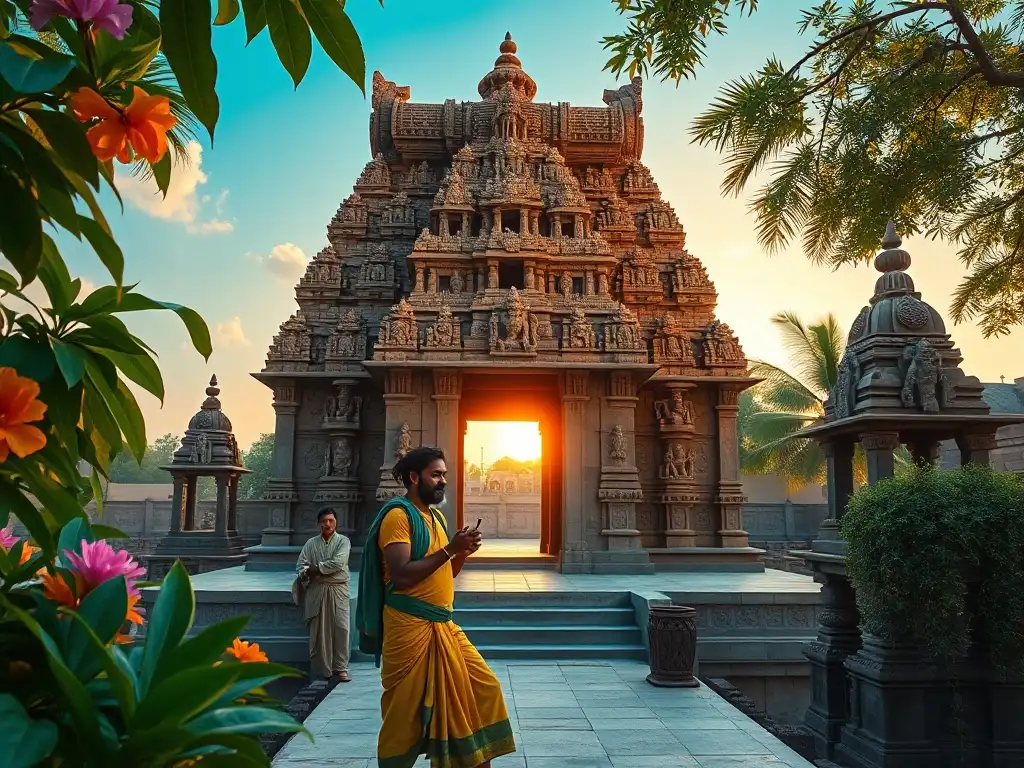
Welcome to Ancient India History, where we embark on a fascinating journey through the rich tapestry of ancient Indian civilizations. Today, we invite you to delve into the remarkable cultural contributions of the Vijayanagara Empire, a pivotal force in shaping Southern India's vibrant heritage. As we unravel the secrets of this extraordinary empire, you'll discover how art, architecture, and innovative ideas flourished during this cultural renaissance.
Prepare to be captivated by the stories that await you, as each detail reveals the profound legacy that continues to influence our world today. Join us as we explore the intricate layers of history that define the Vijayanagara Empire!
The Vijayanagara Empire, which thrived in southern India from the 14th to the 17th century, represents a pivotal chapter in the region's history, characterized by extraordinary cultural contributions and advancements. Renowned for its remarkable achievements in art, architecture, literature, and economic prosperity, the empire emerged as a beacon of cultural renaissance during a period marked by political fragmentation and foreign invasions.
This article embarks on a journey to unravel the secrets of the Vijayanagara Empire, examining its profound impact on southern India's cultural landscape and its enduring legacy that resonates even today. By delving into the empire's key contributions, we will not only appreciate its historical significance but also understand how it shaped the cultural identity of the region.
Historical Context of the Vijayanagara Empire
The Vijayanagara Empire was established in 1336 by Harihara I and his brother Bukka Raya I, who were initially part of the Hoysala Empire. The empire rose to prominence during a time of significant turmoil in southern India, with several regional kingdoms vying for power. The strategic location of its capital, Vijayanagara (present-day Hampi), situated amidst the Deccan plateau, allowed for effective control over trade routes and facilitated communication across the subcontinent.
The empire flourished under a series of powerful rulers, including Krishnadevaraya, who is often credited with consolidating the empire's strength and expanding its territory. The administration implemented progressive measures that promoted agriculture, trade, and urbanization, contributing to a thriving economy that supported a vibrant cultural milieu.
Cultural Contributions of the Vijayanagara Empire
The cultural contributions of the Vijayanagara Empire are vast and varied, encompassing multiple domains, including:
- Art and Architecture: The empire is celebrated for its distinctive architectural style, which blended elements from various traditions, resulting in magnificent temples, palaces, and fortifications. Notable examples include the Virupaksha Temple and the Vittala Temple, renowned for their intricate carvings and stunning stone chariots.
- Literature: The Vijayanagara period saw a flourishing of literature, particularly in Kannada, Telugu, and Sanskrit. Prominent literary figures such as Allasani Peddana and Nannaya contributed to the richness of regional literature, creating works that celebrated the empire's history and values.
- Music and Dance: The period also marked significant developments in music and dance, laying the foundation for classical forms that continue to thrive today. The patronage of various rulers led to the growth of artistic expressions, fostering a vibrant culture of performance and creativity.
- Religious Tolerance: The empire was notable for its religious inclusivity, accommodating diverse faiths including Hinduism, Islam, and Jainism. This pluralistic approach not only fostered a harmonious society but also enriched the cultural landscape through the synthesis of different traditions.
The legacy of the Vijayanagara Empire extends beyond its immediate historical context, influencing subsequent generations and leaving an indelible mark on the cultural fabric of southern India.
Conclusion
In exploring the Vijayanagara Empire's rich tapestry of cultural contributions, we uncover a civilization that not only withstood the test of time but also enriched the historical narrative of India. The empire's achievements in art, literature, music, and religious tolerance exemplify a profound cultural renaissance that continues to inspire admiration and scholarly inquiry. As we delve deeper into the secrets of this remarkable empire, we will gain a clearer understanding of its significance and the enduring impact it has had on the cultural heritage of southern India.
- Historical Context of the Vijayanagara Empire
- Cultural Contributions of the Vijayanagara Empire
- Conclusion
- What were the key cultural contributions of the Vijayanagara Empire?
- How did the Vijayanagara Empire influence architecture?
- What role did religion play in the cultural developments of the Vijayanagara Empire?
- How did the Vijayanagara Empire contribute to literature?
- What was the impact of trade on the cultural contributions of the Vijayanagara Empire?
Introduction to the Vijayanagara Empire
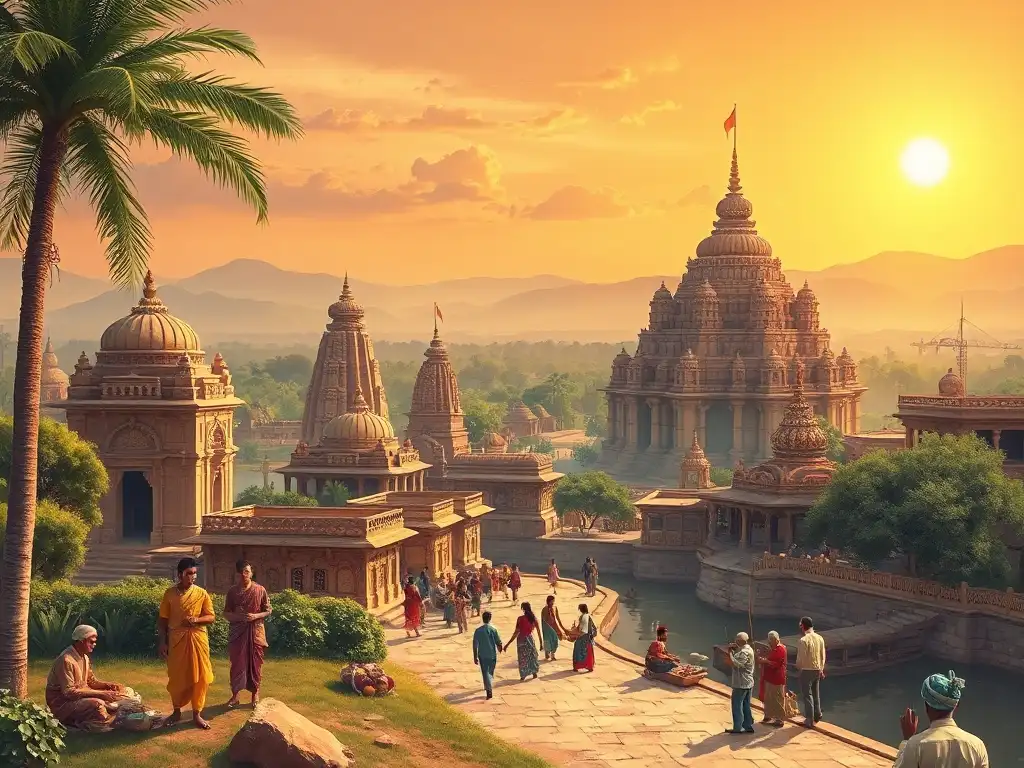
The Vijayanagara Empire, flourishing from the 14th to the 17th centuries in Southern India, served as a beacon of culture, art, and architectural innovation. It emerged in response to the socio-political dynamics of the Indian subcontinent during that period, characterized by the decline of the Delhi Sultanate and the rise of regional powers. This empire not only played a pivotal role in shaping the cultural landscape of Southern India but also facilitated the exchange of ideas and influences across the Indian Ocean, leading to a rich tapestry of cultural contributions that continue to resonate today.
Overview of the Vijayanagara Empire's Historical Context
The origins of the Vijayanagara Empire can be traced back to Hampi, which became its capital. Founded by the brothers Harihara and Bukka Raya of the Saluva dynasty, the empire expanded rapidly under the Tuluva and Aravidu dynasties. At its zenith in the 16th century, it controlled a vast territory encompassing present-day Karnataka, Andhra Pradesh, Tamil Nadu, and parts of Maharashtra.
- Political Landscape: The empire rose amidst the fragmentation of India into small kingdoms and was marked by intense rivalry with neighboring states, such as the Bahmani Sultanate. The Vijayanagara rulers adeptly utilized military prowess to maintain their dominance while fostering a spirit of tolerance and inclusivity.
- Economic Prosperity: The empire's strategic location on trade routes facilitated economic prosperity through trade in spices, textiles, and precious stones. The wealth generated from trade allowed for substantial investments in art, architecture, and urban development.
- Cultural Synthesis: The Vijayanagara Empire was notable for its cultural syncretism, blending Hindu traditions with Islamic influences, which was evident in its art, architecture, and literature. This synthesis created a unique cultural milieu that defined Southern India during this period.
Significance of the Vijayanagara Empire in Southern India
The Vijayanagara Empire holds immense significance in the context of Southern India's history, particularly in terms of its cultural contributions.
- Architectural Marvels: The empire is renowned for its architectural achievements, notably the Virupaksha Temple and the Vijaya Vittala Temple, which showcase intricate carvings and grand structures. These temples not only served as places of worship but also as cultural hubs where art and festivities flourished.
- Promotion of Arts and Literature: The patronage of arts and literature was a hallmark of the Vijayanagara rulers. They encouraged the creation of works in various languages, including Kannada, Telugu, and Sanskrit. Notable poets like Krsnadevaraya himself contributed to this rich literary tradition, which celebrated themes of devotion, nature, and heroism.
- Cultural Festivals: The empire's rulers organized grand festivals that brought together people from diverse backgrounds, fostering a sense of community and shared identity. Events such as the Hampi Utsav attracted artists, musicians, and dancers, further enriching the cultural landscape.
- Trade and Cultural Exchange: The empire's extensive trade networks facilitated cultural exchanges with foreign traders and travelers, leading to the introduction of new ideas, technologies, and artistic styles. The influence of Persian and Arab culture is evident in various art forms, enriching the local traditions.
The Vijayanagara Empire's cultural contributions have left an indelible mark on the history of Southern India. Its legacy continues to be celebrated today, showcasing the richness of a civilization that thrived on diversity, creativity, and resilience.
Cultural Contributions of the Vijayanagara Empire
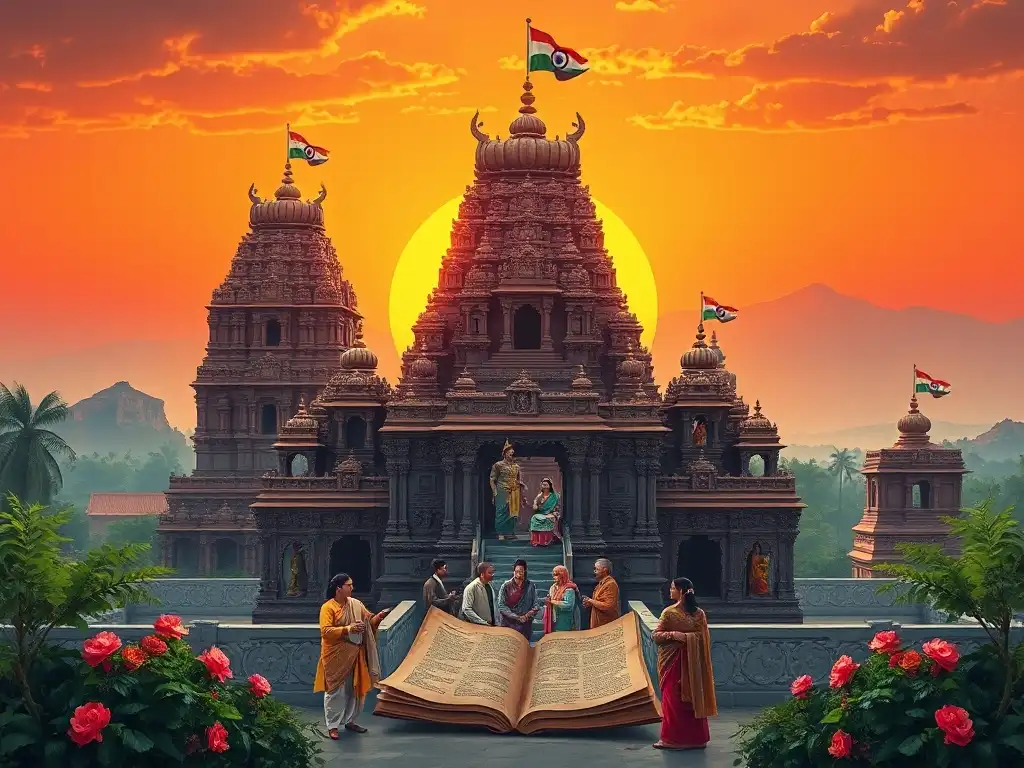
The Vijayanagara Empire, which flourished from the 14th to the 17th century in Southern India, is renowned for its profound cultural contributions that significantly shaped the region's history. This empire not only fostered a unique blend of art, architecture, and religion but also played a pivotal role in the revival and preservation of Hindu traditions during a time of significant external influence. The cultural legacy of the Vijayanagara Empire continues to resonate through its architectural masterpieces, artistic expressions, and societal advancements.
Architectural Innovations in the Vijayanagara Empire
The architectural innovations of the Vijayanagara Empire are a testament to its grandeur and sophistication. This era is marked by a distinctive style that integrated various influences, including Dravidian, Indo-Islamic, and even local traditions. The architectural feats achieved during this time reflect both functionality and aesthetic appeal, showcasing the empire's prosperity and cultural dynamism.
Signature Features of Vijayanagara Architecture
Vijayanagara architecture is characterized by several signature features:
- Grand Temples: Temples constructed during this period often had towering gopurams (gateway towers) and intricate carvings depicting deities and mythological scenes.
- Water Management Systems: The empire excelled in engineering, evident in the sophisticated water management systems that included tanks, aqueducts, and step wells, which were vital for agriculture.
- Fortifications: The empire's capital, Hampi, is renowned for its fortified structures, which include thick walls and elaborate gates, reflecting the strategic importance of the city.
- Intricate Carvings: The use of stone as a medium allowed for elaborate sculptures and carvings, often depicting religious themes and intricate motifs.
Notable Structures and Their Cultural Significance
Several structures stand out as epitomes of Vijayanagara architectural brilliance:
- Virupaksha Temple: Located in Hampi, this temple is a testament to the empire's devotion to Lord Shiva and showcases stunning Dravidian architectural elements.
- Vijaya Vittala Temple: Famous for its stone chariot and musical pillars, this temple complex exemplifies the artistic ingenuity of the period.
- Lotus Mahal: A unique structure that blends Islamic and Hindu architectural styles, the Lotus Mahal highlights the empire's cosmopolitan nature and its cultural syncretism.
These structures not only served religious purposes but also acted as cultural hubs, fostering a sense of community and identity among the people of the empire.
Influence on Art and Sculpture
The Vijayanagara Empire's influence on art and sculpture was profound, reflecting a renaissance of cultural expression. Artists during this period were encouraged to explore and innovate, leading to the development of unique styles that merged tradition with creativity.
Development of Unique Artistic Styles
Artistic endeavors under the Vijayanagara Empire were marked by:
- Narrative Art: Artists began to tell stories through their works, often depicting scenes from epics like the Ramayana and Mahabharata, making art an educational tool.
- Colorful Frescoes: The use of vibrant colors in frescoes adorned temple walls, depicting divine figures and mythological narratives, which were both decorative and devotional.
- Mix of Styles: The integration of local and regional styles with Hindu iconography led to a distinctive artistic language that characterized Vijayanagara art.
Prominent Sculptures and Their Cultural Impact
Sculpture during the Vijayanagara Empire was not merely decorative; it was a powerful medium for conveying cultural values and religious beliefs:
- Dancing Shiva: Sculptures depicting Lord Shiva in various poses symbolize the cosmic dance of creation and destruction, reflecting the philosophical depth of Hinduism.
- Goddess Durga: The representations of goddess Durga slaying the buffalo demon symbolize the triumph of good over evil, resonating deeply with the empire's values.
- Cultural Festivals: Sculptures often commemorated important festivals and rituals, reinforcing community bonds and cultural identity.
The cultural contributions of the Vijayanagara Empire, particularly in architecture and art, not only enriched the region's heritage but also laid the foundation for future artistic endeavors in Southern India. The legacy of this empire continues to be celebrated, marking a significant chapter in the history of ancient Indian civilizations.
Literary Contributions of the Vijayanagara Empire
The Vijayanagara Empire, which thrived from the 14th to the 17th centuries, marked a significant cultural renaissance in Southern India. Among its many contributions, literature flourished, reflecting the empire's rich tapestry of languages, traditions, and philosophical thought. This period saw the emergence of a vibrant literary scene that not only preserved existing literary forms but also innovated new genres and styles. The empire's patronage of arts and literature provided a conducive environment for writers, poets, and scholars, resulting in a wealth of literary output that continues to be celebrated today.
Flourishing of Literature and Poetry
The literary scene during the Vijayanagara Empire was characterized by a multitude of languages, with Kannada, Telugu, Tamil, and Sanskrit being the most prominent. This multilingualism enriched the cultural fabric of the empire, as writers and poets engaged with diverse audiences.
One of the most notable aspects of this era was the development of poetry, which often combined elements of devotion, romance, and philosophy. The Bhakti movement, which emphasized personal devotion to God, greatly influenced literature, leading to the creation of devotional poetry that resonated with the masses. Poets like Akka Mahadevi and Basavanna composed verses that not only expressed deep spiritual sentiments but also critiqued social norms of their time.
In addition to religious poetry, secular literature also flourished. Historical narratives, dramas, and epics gained prominence, reflecting the societal values and complexities of the Vijayanagara Empire. The use of vernacular languages in literature encouraged greater accessibility and engagement among the common people, creating a rich literary tradition that was both inclusive and diverse.
Key Literary Figures and Their Works
The Vijayanagara Empire was home to several eminent literary figures whose works have left a lasting impact on Indian literature. Here are a few key personalities and their contributions:
- Pampa (c. 10th century): Often regarded as the "Adi Kavi" or first poet of Kannada literature, Pampa's epic "Vikramarjuna Vijaya" is celebrated for its intricate storytelling and philosophical depth. His works laid the foundation for future Kannada literature.
- Allama Prabhu (c. 12th century): A prominent saint and poet of the Veerashaiva tradition, Allama Prabhu's poems encapsulate the mystical aspects of devotion. His verses, filled with metaphors and deep spiritual insights, continue to inspire devotees and scholars alike.
- Nannayya Bhatta (c. 11th century): Known as the "first poet of Telugu," Nannayya is renowned for his adaptation of the Mahabharata into Telugu. His work not only enriched the Telugu literary canon but also established the language as a medium of classical literature.
- Timmarasa (16th century): A poet and playwright, Timmarasa's works often explored themes of love and valor. His contributions to drama, particularly in the Kannada language, showcased the artistic richness of the period.
- Rudra Bhatta (16th century): A significant literary figure in the court of the Vijayanagara rulers, Rudra Bhatta is best known for his work "Siddharama Charita," which narrates the life of the saint Siddharama. His storytelling blended historical narrative with spiritual teachings.
These figures, along with many others, contributed to the vibrant literary heritage of the Vijayanagara Empire, creating a legacy that not only reflects the cultural ethos of the time but also continues to inspire contemporary literature. The flourishing of literature during this period underscores the empire's role as a beacon of cultural and intellectual growth in Southern India.
Religion and Philosophy During the Vijayanagara Period
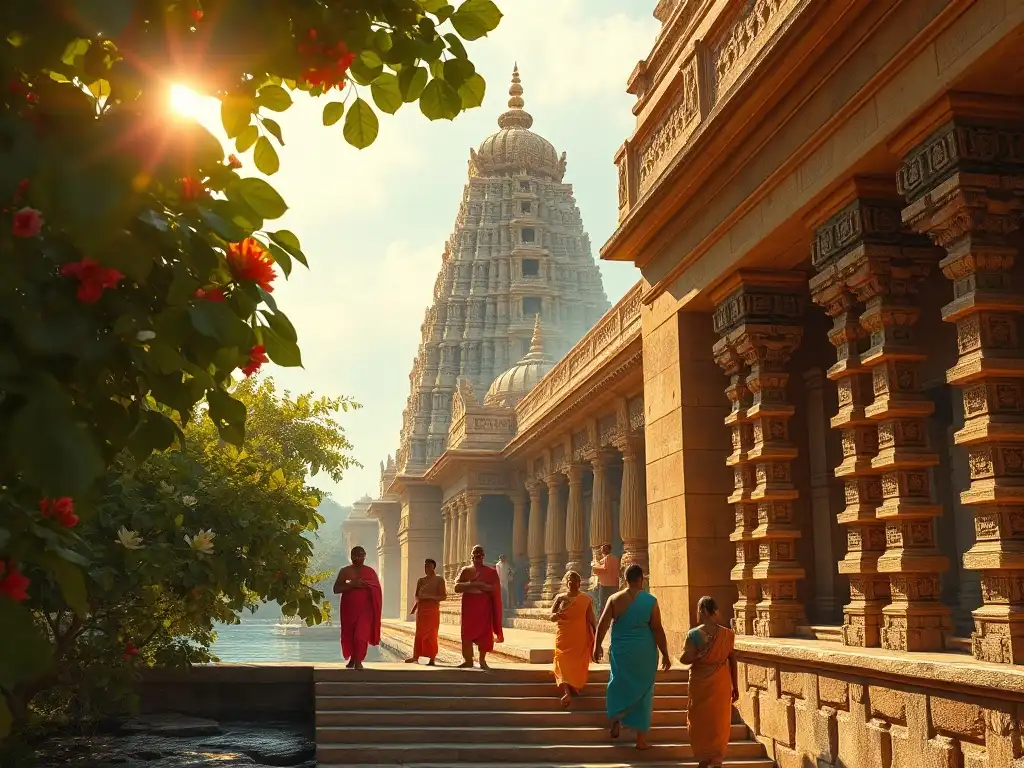
Religious Diversity and Tolerance in the Vijayanagara Empire
The Vijayanagara Empire, flourishing from the 14th to the 17th centuries, is renowned for its remarkable religious diversity and tolerance. This period saw a confluence of various faiths, including Hinduism, Islam, and Jainism, coexisting harmoniously. The rulers of the empire practiced a policy of religious pluralism, which not only fostered peace among different communities but also enriched the cultural tapestry of Southern India.
- Hinduism was the predominant religion, deeply influencing the state's political and cultural life.
- Islamic influences emerged through trade and interactions, particularly with the Deccan Sultanates.
- Jainism, while less prominent, maintained a significant presence, especially in certain regions.
This environment of tolerance encouraged the exchange of ideas, leading to advancements in art, literature, and philosophy that would define the Vijayanagara period.
Influence of Hinduism and Other Religions
The Vijayanagara Empire was predominantly shaped by Hindu beliefs, particularly the worship of deities like Vishnu and Shiva. The influence of these deities was prominently reflected in the empire's art, literature, and daily life.
The empire’s rulers, such as Krishnadevaraya, were staunch patrons of Hinduism, commissioning numerous temples and religious texts, which helped to rejuvenate and popularize Hindu practices.
In addition to Hinduism, the empire also witnessed the influence of other religions:
- Islam contributed to the empire’s architecture, music, and cuisine, resulting in a unique fusion that can still be seen today.
- Jainism provided philosophical perspectives that enriched the region's intellectual discourse, particularly in ethics and metaphysics.
The interplay between these religions not only enhanced the spiritual landscape of the empire but also laid the groundwork for a rich cultural heritage.
Contributions to Temples and Religious Architecture
The Vijayanagara Empire is celebrated for its extraordinary contributions to temple architecture, characterized by grandeur and intricate craftsmanship. The most notable architectural achievements include:
- Virupaksha Temple in Hampi: This temple complex, dedicated to Lord Shiva, showcases stunning Dravidian architecture and intricate sculptures.
- Vittala Temple: Renowned for its iconic stone chariot and musical pillars, it exemplifies the artistic zenith of the empire.
| Temple Name | Location | Notable Features |
|---|---|---|
| Virupaksha Temple | Hampi | Grand gopuram, detailed carvings |
| Vittala Temple | Hampi | Stone chariot, musical pillars |
| Hazara Rama Temple | Hampi | Ramayana frescoes, ornate stonework |
These temples served not only as places of worship but also as cultural centers, hosting festivals, rituals, and community gatherings that reinforced social cohesion.
Philosophical Schools and Their Impact
The Vijayanagara period was marked by the flourishing of various philosophical schools, which had a lasting impact on the intellectual landscape of Southern India. Among the most significant was the Dvaita school of Vedanta, founded by Madhvacharya.
- Dvaita Vedanta emphasized dualism, contrasting the individual soul with the supreme God, which garnered a substantial following and influenced devotional practices.
- Advaita Vedanta, though not as prominent, also found supporters, contributing to the philosophical discourse of the time.
The intellectual exchanges between these schools fostered a vibrant environment of debate and discussion, influencing not only religious thought but also artistic expressions in literature and poetry. Philosophical works from this era often reflected the cultural synthesis characteristic of the Vijayanagara Empire, making it a pivotal chapter in the history of Indian philosophy.
Economic Contributions and Trade
Overview of the Vijayanagara Empire's Economy
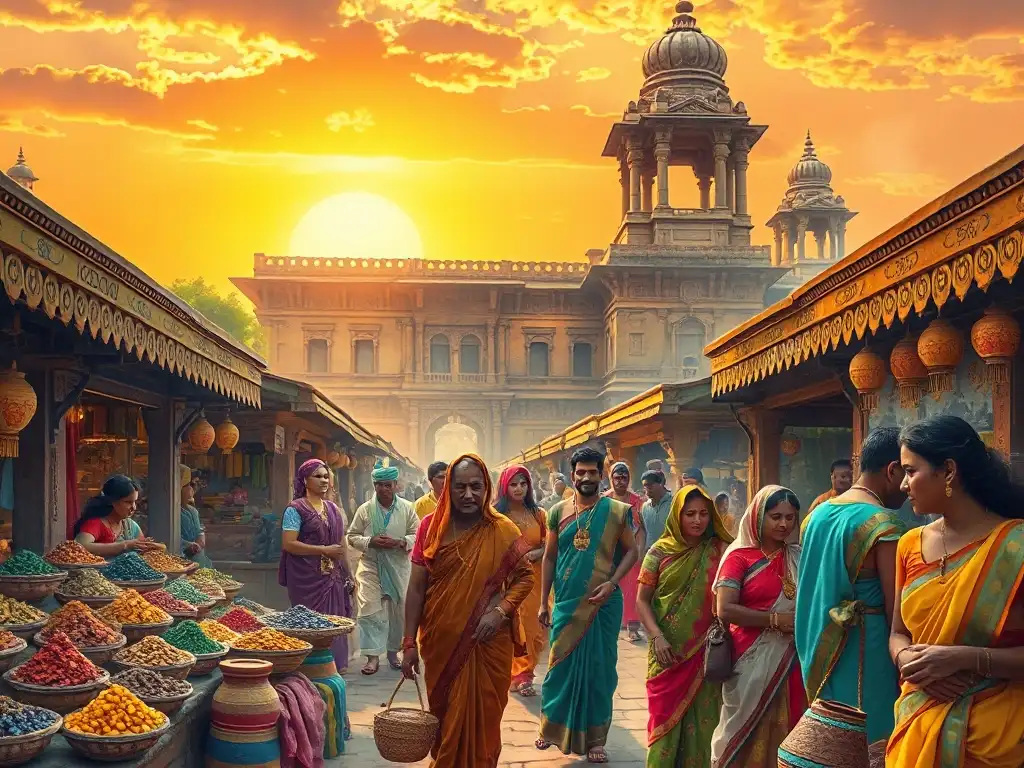
The Vijayanagara Empire, flourishing from the 14th to the 17th centuries, was marked by a robust economy that played a pivotal role in its cultural and political stability. The economic framework of this empire was deeply intertwined with agriculture, trade, and craftsmanship, contributing significantly to its cultural contributions and prosperity.
Agriculture was the backbone of the Vijayanagara economy, with fertile lands along the Krishna and Tungabhadra rivers facilitating the cultivation of a variety of crops, including rice, millet, and sugarcane. The introduction of advanced irrigation techniques, such as tank systems and canals, allowed for more effective water management, enhancing agricultural productivity. The agricultural surplus not only sustained the local population but also provided resources for trade.
Additionally, the empire's capital, Hampi, emerged as a bustling hub, attracting traders and artisans from across the region. This dynamic interaction between agriculture and trade fostered a vibrant economy, enabling the empire to support a rich cultural life, characterized by advancements in art, architecture, and literature.
Trade Routes and Cultural Exchange
The Vijayanagara Empire was strategically located along several key trade routes that facilitated extensive commercial interactions with neighboring regions and distant lands. These routes connected Southern India to the Arabian Sea, the Indian Ocean, and the Silk Road, enabling the exchange of goods, ideas, and cultures.
Import and Export of Goods
The empire was renowned for its exports of spices, textiles, and precious stones. Southern India, particularly through the ports along the west coast, became a significant player in the global spice trade, exporting black pepper, cardamom, and other valuable spices to markets in the Middle East and Europe.
Conversely, the empire imported luxury goods such as silk from China, horses from Arabia, and precious metals from Europe. This two-way exchange not only enriched the empire's economy but also facilitated cultural diffusion, as goods often carried with them the traditions and practices of their regions of origin.
Influence on Southern India's Economic Landscape
The economic prosperity of the Vijayanagara Empire had profound impacts on the broader economic landscape of Southern India. The establishment of a flourishing trade network led to the growth of urban centers, which became melting pots of diverse cultures and communities.
The wealth generated through trade also contributed to the patronage of artistic and architectural endeavors, exemplified in the stunning temples and monuments that dot the region today. The cultural renaissance of this period was fueled by economic stability, allowing for the flourishing of music, dance, and literature, which still resonate in contemporary Southern Indian culture.
The Vijayanagara Empire's economic contributions and trade practices not only solidified its power and influence but also laid the groundwork for a rich cultural heritage that continues to be celebrated in Southern India today.
The Decline of the Vijayanagara Empire and Its Lasting Legacy
Factors Leading to the Decline of the Vijayanagara Empire
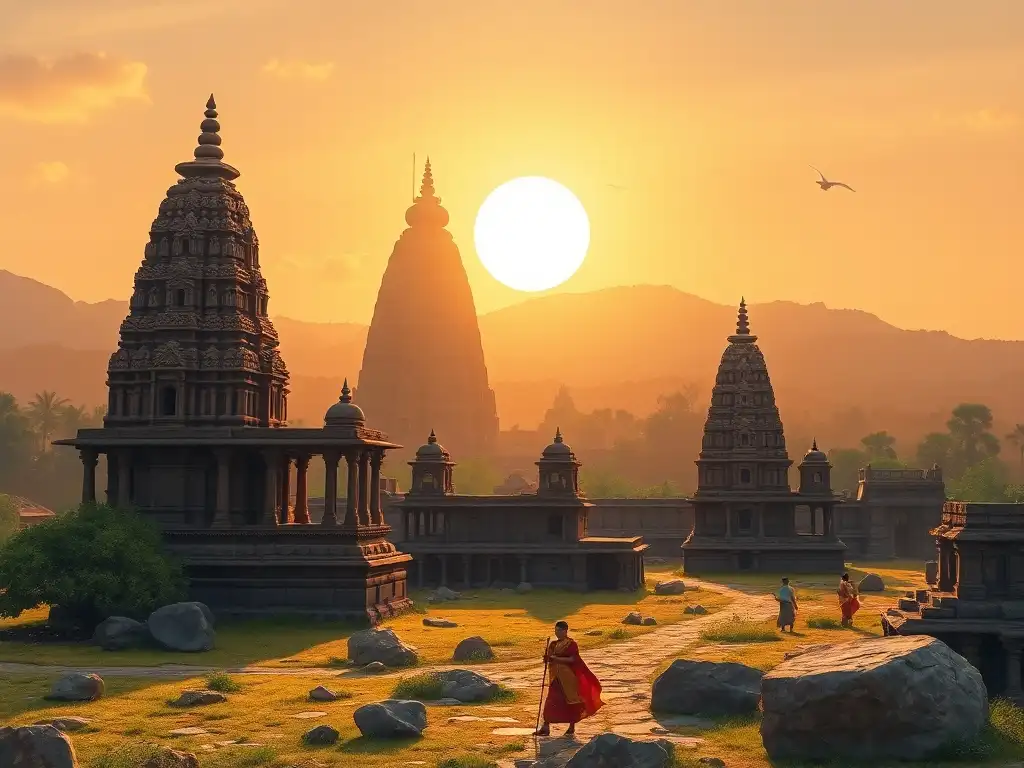
The decline of the Vijayanagara Empire, which reached its zenith in the 16th century, can be attributed to a confluence of internal strife, external pressures, and economic challenges.
- Internal Conflicts: The empire faced significant fragmentation due to power struggles among noble families. The rivalry between the Aravidu and Tuluva dynasties led to weakened governance and a lack of central authority. This infighting not only drained resources but also diminished military effectiveness.
- External Invasions: The pivotal moment in the empire’s decline was the Battle of Talikota in 1565, where the combined forces of the Deccan Sultanates decisively defeated the Vijayanagara army. This defeat marked the beginning of a series of invasions that ravaged the empire’s territories, leading to the loss of critical resources and territories.
- Economic Decline: The empire's economy was heavily reliant on agriculture and trade. Continuous warfare strained these economic foundations. The aftermath of the Battle of Talikota resulted in widespread destruction of agricultural lands and trade routes, causing a significant decline in revenue.
- Religious Conflicts: The Vijayanagara Empire was known for its religious tolerance, particularly under rulers like Krishnadevaraya. However, as the empire weakened, there was a rise in sectarian divisions, particularly between Hindu and Muslim communities, which further exacerbated internal tensions and instability.
Lasting Cultural Contributions and Their Impact on Modern India
Despite its decline, the Vijayanagara Empire left an indelible mark on Indian culture, architecture, and society that continues to resonate today.
Influence on Contemporary Southern Indian Culture
The Vijayanagara Empire is often credited with shaping the cultural landscape of Southern India.
- Art and Architecture: The empire's unique architectural style, characterized by grand temples and intricate carvings, laid the foundation for many contemporary structures. Temples such as the Virupaksha Temple in Hampi showcase a blend of Dravidian and Indo-Islamic architectural elements that continue to inspire modern architects.
- Language and Literature: The period saw a flourishing of Kannada and Telugu literature, with poets like Allama Prabhu and Pampa gaining prominence. The literary works from this era still influence regional language and literature, emphasizing themes of devotion and valor.
- Dance and Music: The cultural renaissance during the Vijayanagara Empire significantly contributed to the development of classical dance forms, particularly Bharatanatyam, which has its roots in temple rituals of this period. The empire's patronage of music and dance continues to shape contemporary cultural performances.
Preservation of Vijayanagara Heritage
The legacy of the Vijayanagara Empire is preserved through various means that highlight its historical significance:
- Archaeological Sites: UNESCO World Heritage Sites like Hampi serve as a testament to the empire's architectural prowess and cultural vibrancy. These sites attract scholars and tourists alike, fostering a greater appreciation for ancient Indian history.
- Cultural Festivals: Various festivals and cultural events in Southern India celebrate the heritage of the Vijayanagara Empire, such as the Hampi Utsav, which showcases traditional dance, music, and art, keeping the spirit of the empire alive.
- Educational Institutions: Modern universities and institutions often incorporate studies on the Vijayanagara Empire into their curricula, emphasizing its contributions to Indian history and culture. This educational focus ensures that new generations are aware of and appreciate the empire's rich legacy.
The decline of the Vijayanagara Empire, while significant, led to a lasting cultural legacy that continues to influence various aspects of contemporary Southern Indian life. Its contributions to art, literature, and architecture remain a source of pride and identity for the people of the region.
Conclusion: The Enduring Legacy of the Vijayanagara Empire
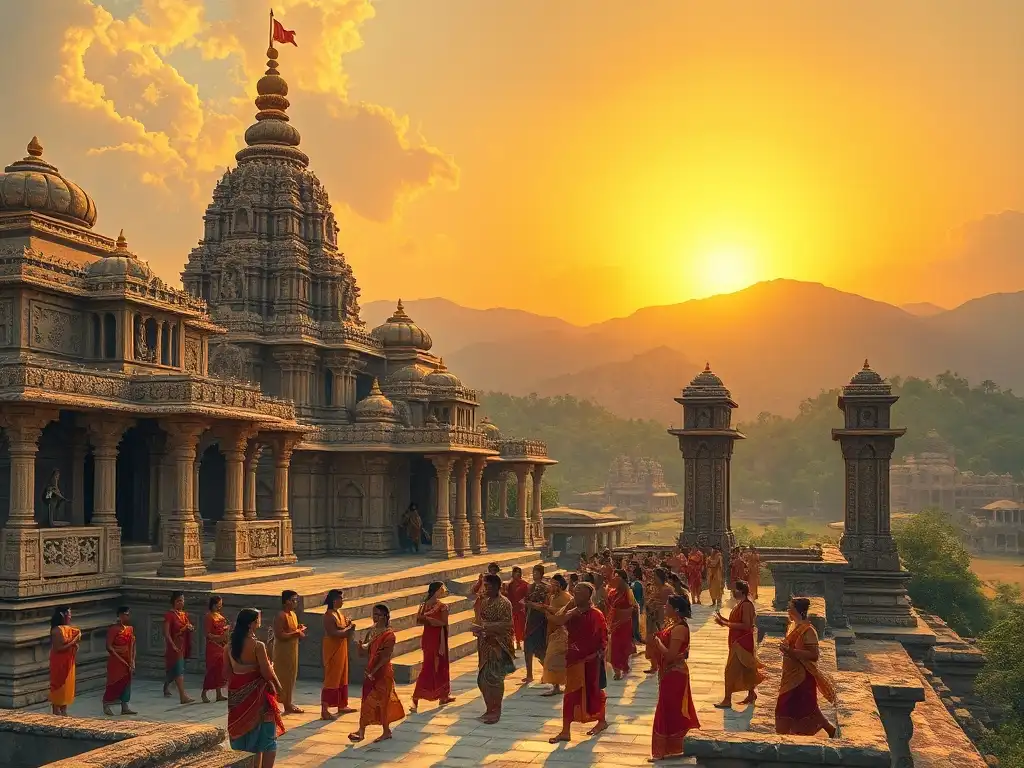
The Vijayanagara Empire, flourishing from the 14th to the 17th centuries, stands as a testament to the remarkable cultural renaissance that transformed Southern India. Its legacy is not merely historical; it continues to influence contemporary Indian culture, architecture, and social norms. The empire's vibrant amalgamation of diverse traditions reflects the rich tapestry of Indian civilization, making it essential to explore its cultural contributions in depth.
Reflection on the Cultural Renaissance in Southern India
The cultural renaissance during the Vijayanagara period was characterized by significant advancements in various fields, including art, architecture, literature, and religion. The empire's rulers, particularly the Deva Raya and Krishnadevaraya dynasties, were instrumental in promoting a climate of creativity and innovation.
- Art and Architecture: The empire is renowned for its architectural marvels, such as the Virupaksha Temple in Hampi and the intricate carvings at the Vittala Temple. These structures exemplify the fusion of Hindu, Islamic, and local architectural styles, showcasing a unique aesthetic that continues to inspire modern architects.
- Literature: The period saw a flourishing of literature in local languages, particularly Kannada and Telugu. Notable literary figures such as Allama Prabhu and Nannaya Bhattaraka emerged, contributing to the richness of regional literature. The promotion of literary arts during this time laid the foundation for the development of subsequent literary movements in Southern India.
- Religious Syncretism: The Vijayanagara Empire was marked by a spirit of religious tolerance, which fostered a harmonious coexistence among various faiths. This is evident in the patronage of both Hindu temples and Islamic architecture, illustrating a cultural synthesis that enriched the spiritual landscape of the region.
Through these contributions, the Vijayanagara Empire not only shaped the cultural identity of Southern India but also played a pivotal role in the broader narrative of Indian history. The empire's embrace of diverse influences and its encouragement of artistic expression left an indelible mark that resonates to this day.
The Importance of Understanding the Vijayanagara Empire's Contributions
Understanding the Vijayanagara Empire's cultural contributions is crucial for multiple reasons:
- Cultural Identity: The empire's diverse artistic and literary outputs have significantly shaped the cultural identity of Southern India. By studying these contributions, we can gain insights into the region's historical narrative and its evolution over time.
- Architectural Heritage: The architectural innovations of the Vijayanagara Empire serve as vital references for the study of Indian architecture. Their unique styles and techniques can inform contemporary architectural practices and heritage conservation efforts.
- Religious Harmony: The empire's model of religious tolerance offers valuable lessons in coexistence and pluralism. In today's context, where cultural and religious tensions persist, examining how the Vijayanagara Empire fostered a spirit of inclusivity can provide guidance for promoting social harmony.
- Cultural Renaissance as a Catalyst for Growth: The cultural renaissance initiated by the Vijayanagara Empire illustrates how vibrant artistic and intellectual movements can serve as catalysts for economic and social growth. Understanding this dynamic can inspire future initiatives aimed at revitalizing cultural heritage and fostering innovation.
The Vijayanagara Empire's cultural contributions are not just relics of the past; they are essential elements of Southern India's rich heritage. By delving deeper into these contributions, we honor the legacy of an empire that has profoundly influenced the cultural landscape of India.
References
The Vijayanagara Empire, flourishing from the 14th to the 17th century, left an indelible mark on the cultural landscape of Southern India. This section compiles essential references that provide insights into the empire's cultural contributions, historical context, and lasting legacy.
Suggested Further Reading on the Vijayanagara Empire's Cultural Contributions
-
"Vijayanagara: The Never-Ending Empire" by Robert Sewell
A classic work that details the history and cultural achievements of the Vijayanagara Empire, focusing on its architectural marvels and artistic expressions.
-
"The Vijayanagara Empire: A History" by R. C. Majumdar
This book offers a comprehensive overview of the political, economic, and cultural aspects of the empire, highlighting key figures and events.
-
"Hampi: The Lost City of the Vijayanagara Empire" by John M. Fritz and George Michell
An exploration of Hampi, the empire's capital, emphasizing its unique architecture and urban planning.
-
"Cultural Interactions in the Vijayanagara Empire" by V. S. Ramachandran
This work examines the syncretic culture of the empire, including the influence of various religious and artistic traditions.
-
"Art and Architecture of the Vijayanagara Empire" edited by Michael D. Coates
A collection of essays that delve into the artistic innovations and architectural developments during the empire's reign.
Academic Journals and Articles on Southern Indian History
-
"Indian Historical Review"
This journal publishes articles that cover various aspects of Indian history, including studies focused on the Vijayanagara Empire's contributions to culture and society.
-
"The Journal of Asian Studies"
Featuring peer-reviewed research articles, it often includes topics related to Southern India's history, with analyses of cultural phenomena during the Vijayanagara period.
-
"South Asian Studies"
A scholarly journal that provides insights into the cultural and historical developments in South Asia, including the influence of the Vijayanagara Empire on regional identities.
-
"Bulletin of the Deccan College Research Institute"
This bulletin often features research focused on the Deccan region, covering archaeological and historical studies related to the Vijayanagara Empire.
-
"Journal of the Economic and Social History of the Orient"
This journal includes articles that examine the socio-economic conditions of the Vijayanagara Empire, shedding light on its cultural contributions and influence.
These references provide a comprehensive resource for anyone interested in deepening their understanding of the Vijayanagara Empire's cultural contributions and its significance in the context of Southern Indian history.
Frequently Asked Questions
What were the key cultural contributions of the Vijayanagara Empire?
The Vijayanagara Empire significantly contributed to art, architecture, and literature, fostering a unique blend of Hindu and Islamic styles that defined Southern India's cultural landscape.
How did the Vijayanagara Empire influence architecture?
The empire is renowned for its magnificent temples and palaces, showcasing intricate carvings and large-scale constructions, exemplifying the Dravidian architectural style.
What role did religion play in the cultural developments of the Vijayanagara Empire?
Religion was central, with the empire promoting Hinduism while also embracing tolerance towards other faiths, leading to a rich tapestry of religious art and festivals.
How did the Vijayanagara Empire contribute to literature?
The empire saw a flourishing of literature, with notable works in Kannada, Telugu, and Sanskrit, reflecting themes of devotion, heroism, and philosophy.
What was the impact of trade on the cultural contributions of the Vijayanagara Empire?
The empire's strategic location made it a trade hub, facilitating cultural exchange with foreign merchants, which enriched its artistic expressions and cultural practices.
Final Reflection: Embracing the Legacy of the Vijayanagara Empire
The cultural contributions of the Vijayanagara Empire resonate profoundly in today's world, reminding us of the enduring power of creativity and innovation. As we navigate an increasingly complex global landscape, the lessons drawn from this remarkable period in Southern India's history serve as a beacon of inspiration. The empire's ability to foster art, architecture, and literature amidst diversity underscores the importance of cultural synthesis in our contemporary society.
The impact of the Vijayanagara Empire extends far beyond its historical timeline, continuing to shape the cultural and social fabric of India today. The empire's legacy is evident in the vibrant traditions, architectural marvels, and artistic expressions that thrive in the region. As we reflect on this rich heritage, we are reminded of the words of historian Richard Eaton: The Vijayanagara Empire was not merely a political entity; it was a cultural phenomenon that transformed the landscape of South India.
This transformation invites us to appreciate the interconnectedness of culture and identity, urging us to honor and preserve our own cultural narratives.
As we conclude this exploration of the Vijayanagara Empire's cultural contributions, I invite you to reflect on your own role in fostering creativity and cultural appreciation in your life. Consider how you can contribute to the ongoing dialogue of cultural exchange and innovation in your community. Whether through supporting local artists, engaging with diverse cultural practices, or simply sharing stories that celebrate our shared humanity, your actions can help keep the spirit of the Vijayanagara Empire alive and thriving in the modern world.
Unleash Your Curiosity About the Vijayanagara Empire!
Thank you for taking the time to dive into the fascinating world of the Vijayanagara Empire! We hope you gained valuable insights into Southern India's remarkable cultural renaissance. Now, it’s time to turn that knowledge into action and explore even deeper!
Here are some engaging steps you can take:
- Visit a local museum or a virtual gallery showcasing artifacts and art from the Vijayanagara period to connect with the culture firsthand.
- Join a discussion group or an online forum dedicated to historical empires, where you can share your insights and learn from others who are passionate about Ancient India.
- Create your own content! Whether it’s a blog post, a social media update, or even a video, share what you’ve learned about the Vijayanagara Empire and inspire others to explore this rich history.
Now, let us know—what aspect of the Vijayanagara Empire intrigues you the most, and how will you share your newfound knowledge with others?