
The Gupta Empire's Contributions to Textile Arts and Weaving

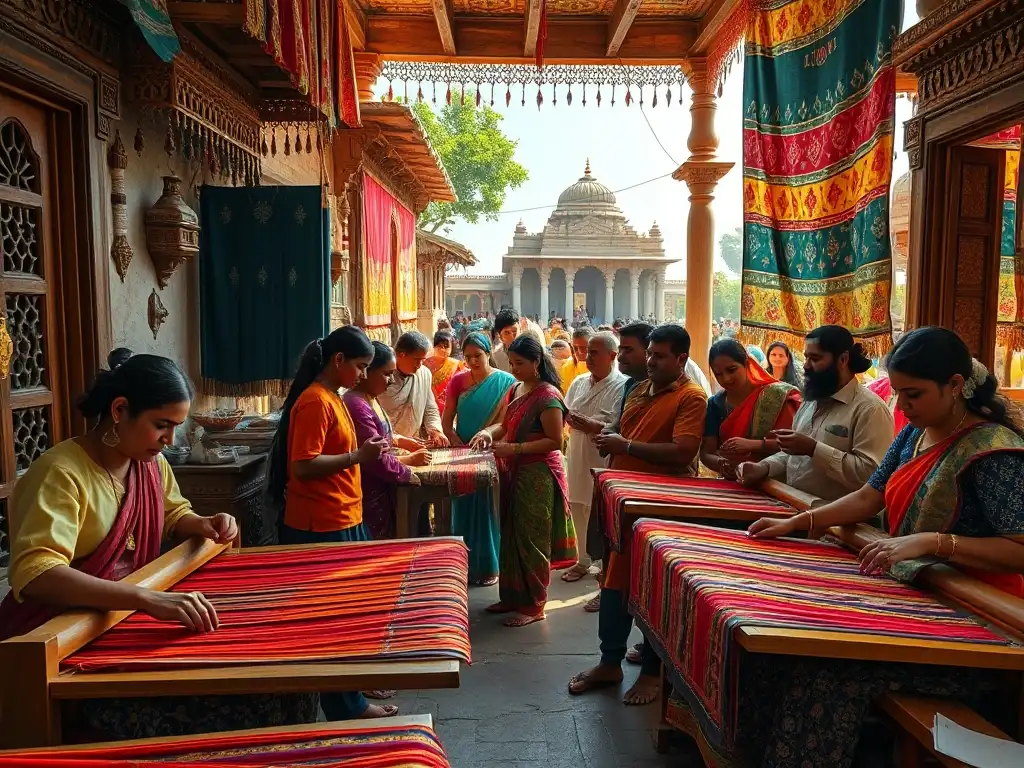
Welcome to Ancient India History, where we embark on a fascinating journey through time to uncover the rich tapestry of ancient Indian civilizations. Today, we delve into the intriguing world of the Gupta Empire's textile arts history, a period renowned for its remarkable contributions to weaving and craftsmanship. As you explore this article, prepare to be captivated by the artistry and innovation that flourished during this golden age.
Discover how the exquisite textiles of the Gupta Empire not only shaped the cultural landscape of their time but continue to influence the world of fashion and art today. Join us as we unravel the threads of history and inspire your curiosity!
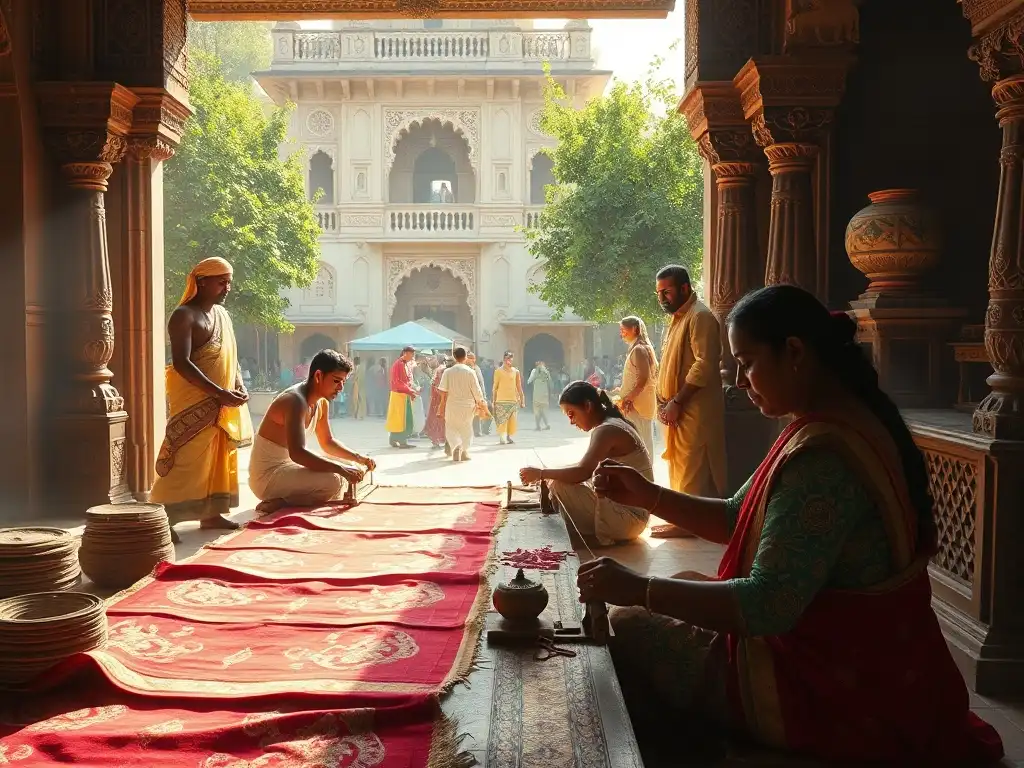
Introduction to Gupta Empire Textile Arts History
The Gupta Empire, often hailed as the "Golden Age" of ancient India, flourished between approximately 320 and 550 CE. This period is characterized by remarkable advancements in various fields, including science, mathematics, and the arts. Among these contributions, the textile arts hold a prominent place, reflecting the empire's rich cultural heritage and sophisticated craftsmanship.
The Gupta Empire textile arts history reveals not only the aesthetic values of the time but also the intricate social and economic structures that supported textile production and trade. This article aims to delve into the significant contributions of the Gupta Empire to textile arts and weaving, exploring the historical context, techniques, and the cultural significance of textiles in ancient Indian society.
Overview of the Gupta Empire and its Golden Age
The Gupta Empire emerged as a powerful political entity in northern India, unifying various kingdoms and fostering a sense of cultural identity. Under the reign of notable emperors such as Chandragupta I and Samudragupta, the empire witnessed a flourishing of arts and sciences. This period was marked by:
- Cultural Renaissance: The flourishing of literature, philosophy, and fine arts.
- Political Stability: A centralized government that promoted economic growth and social harmony.
- Technological Advancements: Innovations in various fields, including metallurgy and textiles.
The empire's patronage of the arts provided a conducive environment for textile artisans to thrive, leading to the development of unique weaving techniques and vibrant fabrics that would leave a lasting legacy.
Significance of Textile Arts in Ancient Indian Culture
Textile arts were not merely a means of creating clothing; they played a vital role in the social and cultural fabric of ancient Indian life. The significance of textile arts during the Gupta period can be understood through the following aspects:
- Symbol of Status: Textiles often reflected social status and wealth. Fine fabrics made from silk and cotton were highly sought after and used in ceremonial occasions.
- Cultural Identity: Various regions developed distinct styles and techniques, contributing to the diversity of Indian culture. Textiles served as a medium for expressing regional identities.
- Economic Impact: The textile industry was a significant contributor to the economy, facilitating trade both within India and with foreign markets. The production of textiles created job opportunities and supported urbanization.
Historical Context of Textile Weaving in the Gupta Empire
The Evolution of Textile Arts Before the Gupta Era
Before the Gupta Empire, textile arts had already begun to develop in ancient India, particularly during the Indus Valley Civilization and later under the Mauryan Empire. Key developments included:
- Early Techniques: The use of spinning and weaving techniques that laid the foundation for future innovations.
- Dyeing Practices: The knowledge of natural dyes and colorants, enhancing the aesthetic appeal of textiles.
- Regional Variations: Different regions began to cultivate their unique styles and methods, leading to a rich tapestry of textile arts.
As the Gupta Empire rose to prominence, these early practices served as a springboard for further advancements in textile production.
The Influence of Trade Routes on Gupta Textile Arts
Trade routes played a crucial role in shaping the textile arts of the Gupta Empire. The empire was strategically located along important trade paths, facilitating the exchange of goods, ideas, and technologies. Important factors include:
- Cultural Exchange: Interaction with other civilizations, such as the Romans and Persians, introduced new materials and techniques that enriched Gupta textile arts.
- Market Expansion: The flourishing trade networks allowed for the distribution of Gupta textiles to distant markets, enhancing their reputation and demand.
- Innovation through Interaction: The exchange of knowledge with traders and artisans from other regions led to the refinement of weaving techniques and the introduction of new patterns and motifs.
The Gupta Empire's contributions to textile arts and weaving represent a significant aspect of its cultural legacy, intertwining craftsmanship with the rich history of ancient India. This exploration will further illuminate the intricacies of textile production and its lasting impact on Indian civilization.
Key Features of Gupta Empire Textile Arts
The textile arts during the Gupta Empire, often referred to as a golden age of culture and innovation, were characterized by remarkable craftsmanship and a sophisticated understanding of materials and techniques. The period, spanning approximately from 320 to 550 CE, saw the flourishing of textile production that not only catered to domestic needs but also became a significant part of trade with other civilizations. Key features of Gupta textile arts included:
- Diversity of Fabrics: A wide range of fabrics, including cotton and silk, were produced. The Gupta artisans excelled in creating textiles that were not only functional but also aesthetically pleasing.
- Intricate Patterns: The textiles were adorned with detailed patterns and motifs, often inspired by nature, mythology, and daily life, reflecting the artistic sensibilities of the time.
- Color Usage: The use of vibrant dyes, derived from natural sources, allowed for a colorful palette in textile creation. This not only enhanced the visual appeal but also showcased the artisans’ expertise in dyeing techniques.
Materials Used in Textile Production
The Gupta Empire utilized an array of materials for textile production, which played a pivotal role in defining the quality and character of their fabrics. The primary materials included:
- Cotton: Known as the backbone of Indian textiles, cotton was extensively cultivated and woven. The Gupta period saw advancements in cotton cultivation techniques, leading to high-quality cotton fabrics.
- Silk: Although initially imported, silk weaving gained popularity during the Gupta Empire. The establishment of sericulture in India marked a significant shift in textile production.
- Wool and Linen: While less prevalent than cotton and silk, wool and linen were also employed, particularly in colder regions and for specific uses.
Techniques and Innovations in Weaving
The Gupta Empire was notable for its innovations in weaving techniques, which laid the groundwork for future developments in textile arts. Some prominent techniques included:
- Tapestry Weaving: This technique allowed for the creation of elaborate wall hangings and decorative pieces, showcasing intricate designs and vibrant colors.
- Jacquard Weaving: The early forms of this technique can be traced back to the Gupta period, where complicated patterns were woven into the fabric, allowing for both artistic expression and functional use.
- Block Printing: This method of applying color to fabric using carved wooden blocks gained popularity, enabling the mass production of patterned textiles.
Patterns and Designs Unique to Gupta Textiles
The textiles produced during the Gupta Empire featured distinctive patterns and designs that set them apart from those of other civilizations. These included:
- Natural Motifs: Patterns inspired by flora and fauna, such as lotus flowers and peacocks, were common, symbolizing beauty and divinity.
- Geometric Designs: The use of geometric shapes and symmetrical arrangements was prevalent, reflecting the mathematical understanding of the artisans.
- Mythological Themes: Many textiles depicted scenes from Hindu mythology and epics like the Mahabharata and Ramayana, serving both decorative and narrative purposes.
Contributions of the Gupta Empire to Weaving Techniques
The Gupta Empire made substantial contributions to weaving techniques that not only advanced the craft within India but also influenced textile production in neighboring regions.
The Art of Cotton Weaving
Cotton weaving reached new heights during the Gupta period, characterized by:
- Refined Techniques: The introduction of new loom designs and weaving methods improved the texture and durability of cotton fabrics.
- Trade Expansion: Gupta textiles became a staple in trade, with cotton fabrics exported to various regions, enhancing India's reputation as a leading textile producer.
- Cultural Significance: Cotton garments became integral to daily life and traditional attire, symbolizing comfort and accessibility.
The Introduction of Silk Weaving in India
Silk weaving saw significant advancements during the Gupta Empire, marked by:
- Establishment of Sericulture: The cultivation of silkworms began in India, leading to the production of high-quality silk that was previously imported.
- Luxury Textiles: Gupta silk textiles were often used for ceremonial purposes, reflecting status and wealth. The intricate designs and vibrant colors made them highly sought after.
- Cultural Exchange: The introduction of silk weaving facilitated cultural exchanges along trade routes, influencing textile arts in regions such as Central Asia and China.
Influence of Gupta Weaving on Neighboring Regions
The textile innovations of the Gupta Empire had a lasting impact on surrounding regions, characterized by:
- Spread of Techniques: Techniques such as tapestry weaving and block printing traveled to neighboring cultures, enriching their own textile traditions.
- Trade Networks: The establishment of trade routes facilitated the exchange of textiles, leading to a broader appreciation of Gupta craftsmanship.
- Cultural Assimilation: As Gupta textiles influenced local styles, they contributed to the development of hybrid textile forms in regions like Southeast Asia, showcasing the interconnectedness of ancient civilizations.
Economic Impact of Textile Arts During the Gupta Period
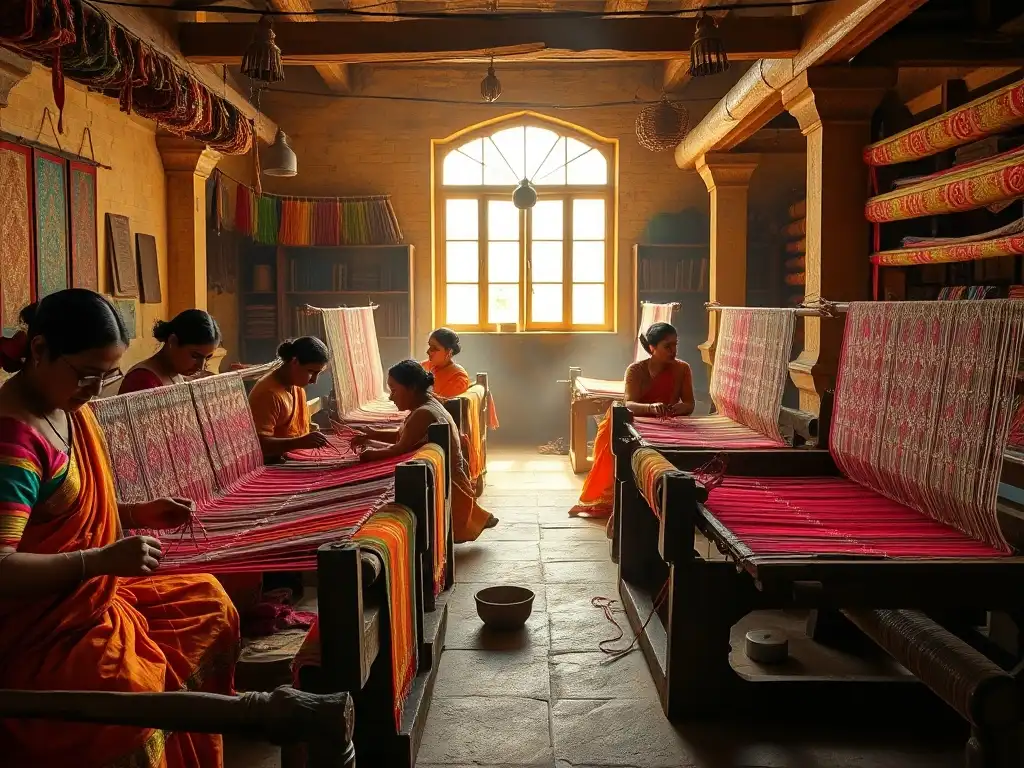
The Gupta Empire, often referred to as the Golden Age of India, witnessed significant advancements in various fields, including textile arts and weaving. This era, spanning approximately from the 4th to the 6th centuries CE, was marked not only by flourishing arts but also by a robust economy largely influenced by the textile industry. The production of textiles became a pivotal component of the Gupta economy, contributing to both local markets and international trade.
The Role of Textiles in Trade and Economy
Textiles were among the primary commodities traded during the Gupta Empire, with silk, cotton, and wool being the most sought-after materials. The empire's strategic location along trade routes facilitated the exchange of these textiles with distant lands, including regions in Central Asia, the Mediterranean, and Southeast Asia. This trade not only enhanced the wealth of the Gupta Empire but also established it as a prominent player in the global textile market of the time.
The introduction of advanced weaving techniques and the use of vibrant natural dyes resulted in high-quality products that were in great demand. Notable centers of textile production, such as Varanasi and Madurai, became renowned for their unique fabrics and contributed significantly to the economy. The trade of textiles generated substantial revenue, which, in turn, supported the empire's infrastructure, arts, and overall stability.
Employment and Social Structures in Textile Production
The textile industry during the Gupta period was not merely an economic engine but also a significant source of employment. Skilled artisans and weavers formed a crucial part of society, often organized into guilds that regulated production and trade practices. These guilds provided training, ensured quality control, and facilitated the distribution of textiles across various regions.
Socially, the textile industry contributed to the stratification of society. While skilled weavers and dyers were respected for their craft, the industry also employed a large number of laborers, including women and lower-caste individuals, who often worked in less desirable conditions. This employment structure contributed to the overall social fabric of the Gupta Empire, reflecting both the skills and the challenges faced by different social groups within the textile arts.
Cultural Significance of Textile Arts in Gupta Society
Textile arts during the Gupta Empire transcended mere functionality; they were deeply embedded in the cultural and social milieu of the time. The intricate designs, patterns, and colors used in textiles reflected the artistic sensibilities that characterized Gupta culture. Textiles were not only a means of adornment but also served as a canvas for storytelling and the expression of identity.
Textiles in Religious and Ceremonial Contexts
The role of textiles in religious and ceremonial contexts was profound in Gupta society. Textiles were often used in the creation of sacred garments for deities and priests, with specific colors and patterns symbolizing various religious beliefs and practices. For instance, silk garments adorned with intricate motifs were used during rituals, showcasing the craftsmanship and devotion of the artisans.
Moreover, textiles played a pivotal role in festivals and ceremonies, where vibrant fabrics adorned temples and public spaces. The cultural significance of textiles was evident in the way they were intertwined with rituals, symbolizing purity, prosperity, and divine favor. This integration of textiles into religious life highlights the importance of fabric not only as a material object but also as a spiritual and cultural artifact.
The Role of Textiles in Daily Life and Clothing
In daily life, textiles were indispensable. The Gupta people utilized a variety of fabrics for clothing, ranging from simple cotton garments for everyday wear to elaborate silks for the elite. Clothing styles varied by region and social status, reflecting the diversity of the Gupta Empire. The use of textiles was not limited to clothing but extended to household items such as bed linens, curtains, and decorative tapestries, showcasing the integral role of textiles in domestic life.
Textile arts also fostered a sense of identity and community among the Gupta people. Different regions developed their unique weaving styles and patterns, contributing to a rich tapestry of cultural expression. The appreciation for textiles was evident in the detailed craftsmanship and the symbolism embedded in the designs, which often depicted scenes from mythology or nature.
The Gupta Empire's contributions to textile arts and weaving were multifaceted, encompassing economic, cultural, and social dimensions. The legacy of these textile arts continues to influence and inspire the rich tradition of Indian textiles today.
Preservation and Legacy of Gupta Empire Textile Arts
The textile arts of the Gupta Empire represent a significant chapter in the history of ancient Indian craftsmanship. Renowned for their intricate designs and superior quality, the textiles produced during this period not only catered to local needs but also found their way into international markets, influencing textile practices far beyond the Indian subcontinent. The legacy of these textile arts is preserved through various means, including archaeological findings, historical texts, and continued practices in weaving and dyeing that evolved from Gupta techniques.
The unique weaving methods and patterns developed during the Gupta period laid the groundwork for later textile production. The use of vibrant dyes and decorative motifs contributed to a distinct aesthetic that is still appreciated today. As a result, the Gupta Empire's textile arts have had a lasting influence on the cultural identity of India, serving as a source of inspiration for contemporary artisans and designers who seek to revive and reinterpret these ancient techniques.
Archaeological Discoveries Related to Gupta Textiles
Archaeological excavations across northern India have unearthed a wealth of evidence showcasing the textile arts of the Gupta Empire. Sites such as Pataliputra and Ujjain have revealed remnants of looms, spindle whorls, and fragments of fabrics that indicate advanced weaving techniques. Notably, the discovery of dyed textiles and the presence of dyeing pits suggest a sophisticated understanding of color and material manipulation that was prevalent during the Gupta period.
Moreover, ancient texts like the "Arthashastra" and "Rajatarangini" provide insights into the trade networks that facilitated the exchange of textiles across regions, highlighting the economic significance of the industry. The craftsmanship of Gupta textiles is also illustrated in ancient sculptures and paintings, where textiles are depicted adorning figures, showcasing the artistry and attention to detail that characterized this era.
Influence of Gupta Textile Arts on Later Indian Art and Culture
The innovations in textile arts during the Gupta Empire had a profound influence on subsequent Indian cultures. As the Gupta style of weaving spread, it blended with regional techniques and traditions, giving rise to diverse textile forms across India. The motifs and patterns pioneered during this time, such as intricate floral designs and geometric shapes, became characteristic of Indian textiles, continuing to be used in various forms up to the present day.
Additionally, Gupta textiles played a crucial role in the cultural and religious life of India, as textiles were often used in ceremonies and rituals. The elaborate garments worn by deities in temple sculptures and paintings reflect the high-quality textiles produced during this period, underscoring their importance in both spiritual and aesthetic contexts. This influence extended beyond textiles, as aspects of Gupta art and culture were integrated into the broader tapestry of Indian civilization, enriching its artistic heritage.
Conclusion: The Lasting Impact of Gupta Empire Textile Arts History
The Gupta Empire's contributions to textile arts have left an enduring imprint on India's cultural landscape. Through their innovations in weaving, dyeing, and design, the Gupta artisans set a standard of excellence that not only defined an era but also laid the groundwork for future developments in textile production.
Summary of Contributions and Innovations
The Gupta Empire is celebrated for its remarkable advancements in textile arts, characterized by:
- Innovative Weaving Techniques: The introduction of complex weaving patterns and methods.
- Vibrant Dyeing Practices: The use of natural dyes that produced rich colors, influencing later dyeing techniques.
- Artistic Motifs: The development of unique decorative styles that became integral to Indian textiles.
These contributions not only enhanced the aesthetic appeal of textiles but also contributed to the economic prosperity of the region through trade.
Reflection on the Importance of Textile Arts in Ancient Indian Civilization
Textile arts hold a significant place in ancient Indian civilization, serving as a reflection of cultural identity, social status, and economic viability. The craftsmanship of textiles is intertwined with the history and traditions of India, making it an essential aspect of the heritage that continues to be celebrated today.
The Gupta Empire's legacy in textile arts not only showcases the highest levels of artistry and skill but also emphasizes the role of textiles in connecting communities and fostering cultural exchange throughout history. The ongoing appreciation for these ancient techniques underscores their relevance and importance in contemporary society, ensuring that the story of Gupta textile arts is one that will endure for generations to come.
- Introduction to Gupta Empire Textile Arts History
- Historical Context of Textile Weaving in the Gupta Empire
- Key Features of Gupta Empire Textile Arts
- Contributions of the Gupta Empire to Weaving Techniques
- Economic Impact of Textile Arts During the Gupta Period
- Cultural Significance of Textile Arts in Gupta Society
- Preservation and Legacy of Gupta Empire Textile Arts
- Conclusion: The Lasting Impact of Gupta Empire Textile Arts History
- What were the key contributions of the Gupta Empire to textile arts?
- How did the Gupta Empire influence textile trade?
- What types of fabrics were commonly produced during the Gupta Empire?
- How did the art of weaving evolve during the Gupta period?
- What is the significance of textile arts in Gupta society?
Frequently Asked Questions
What were the key contributions of the Gupta Empire to textile arts?
The Gupta Empire significantly advanced textile arts through innovative weaving techniques, vibrant dyes, and intricate designs, setting a foundation for future craftsmanship.
How did the Gupta Empire influence textile trade?
The textile trade flourished under the Gupta Empire, as they established trade routes that connected India with regions across Asia, enhancing the exchange of fabrics and techniques.
What types of fabrics were commonly produced during the Gupta Empire?
During the Gupta Empire, a variety of fabrics such as silk, cotton, and wool were produced, often embellished with embroidery and intricate patterns that reflected the culture of the time.
How did the art of weaving evolve during the Gupta period?
The art of weaving evolved through the introduction of advanced loom technologies and the incorporation of complex designs, leading to a distinctive style that characterized Gupta textiles.
What is the significance of textile arts in Gupta society?
Textile arts held immense significance in the Gupta society, serving not only practical purposes but also as a means of cultural expression and economic prosperity, reflecting the civilization's richness.
Final Reflection: The Enduring Legacy of Gupta Empire Textile Arts
The Gupta Empire's contributions to textile arts and weaving are not just historical footnotes; they are vibrant threads woven into the fabric of our cultural heritage. Today, as we navigate a world increasingly defined by rapid technological advancements and globalization, the artistry and techniques developed during the Gupta period remind us of the timeless value of craftsmanship and creativity. The intricate designs and methods that emerged during this era continue to inspire contemporary artisans and designers, highlighting the profound impact of history on modern artistic expression.
The legacy of Gupta textile arts transcends mere aesthetics; it serves as a testament to the cultural exchange and innovation that shaped societies. The techniques and motifs that flourished during this time have influenced countless generations, fostering a rich tapestry of artistic traditions across the globe. Art is the most beautiful of all lies.
This quote resonates deeply as we consider how the beauty of Gupta textiles has not only preserved history but also enriched our understanding of identity and belonging. The intricate patterns and vibrant colors tell stories that connect us to our past, reminding us of the shared human experience that transcends borders.
As we reflect on the Gupta Empire's textile arts, I invite you to explore how these historical contributions can inspire your own creative endeavors. Consider the stories behind the fabrics you encounter and the cultural significance they hold.
Whether you are an artist, a historian, or simply an admirer of beauty, let the legacy of the Gupta Empire encourage you to appreciate the artistry in your surroundings and to contribute to the ongoing narrative of creativity and craftsmanship in your own life. Embrace the lessons of the past as you weave your own unique story into the rich tapestry of human expression.
Uncover the Threads of History and Get Inspired!
Thank you for diving into the fascinating world of the Gupta Empire's contributions to textile arts and weaving! You've explored how their exquisite craftsmanship shaped cultural exchanges and influenced future generations. Now, let’s take that curiosity a step further and embark on your own path of discovery!
Here are some actionable steps you can take today:
- Explore a local craft store and gather supplies to try your hand at weaving— you'll be surprised at how therapeutic and creative it can be!
- Visit a nearby museum or cultural exhibit that showcases traditional textiles to appreciate the beauty and skill involved firsthand.
- Share your newfound knowledge! Discuss this article with friends or on social media, and inspire others to appreciate the rich heritage of textile arts.
What unique pattern can you create today that honors the legacy of the Gupta Empire?