
The Interconnection of Daily Life and Nature in the Indus Valley Civilization

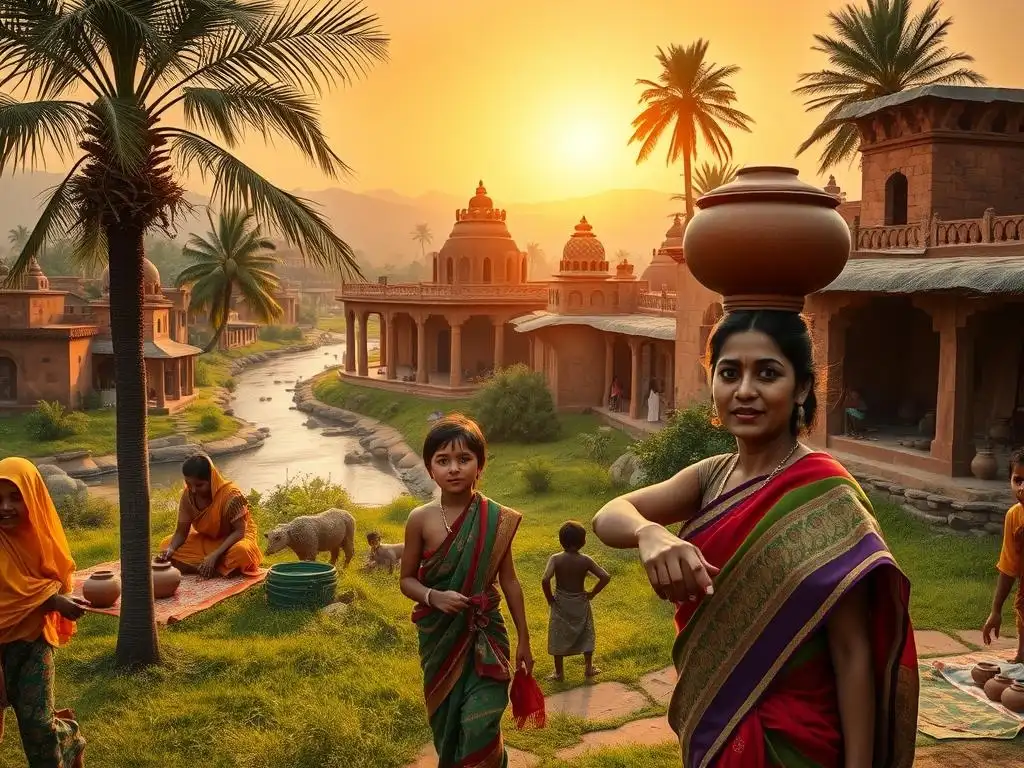
Welcome to Ancient India History, where we embark on a fascinating journey through the rich tapestry of ancient Indian civilizations. Today, we delve into the intricate world of the Indus Valley civilization, exploring the interconnection of daily life and nature that shaped one of the earliest urban cultures in human history. What did a typical day look like for the people of this remarkable civilization? How did their environment influence their daily activities and societal structures? Join us as we uncover these captivating insights and more, inviting you to dive deeper into the wonders of ancient India.
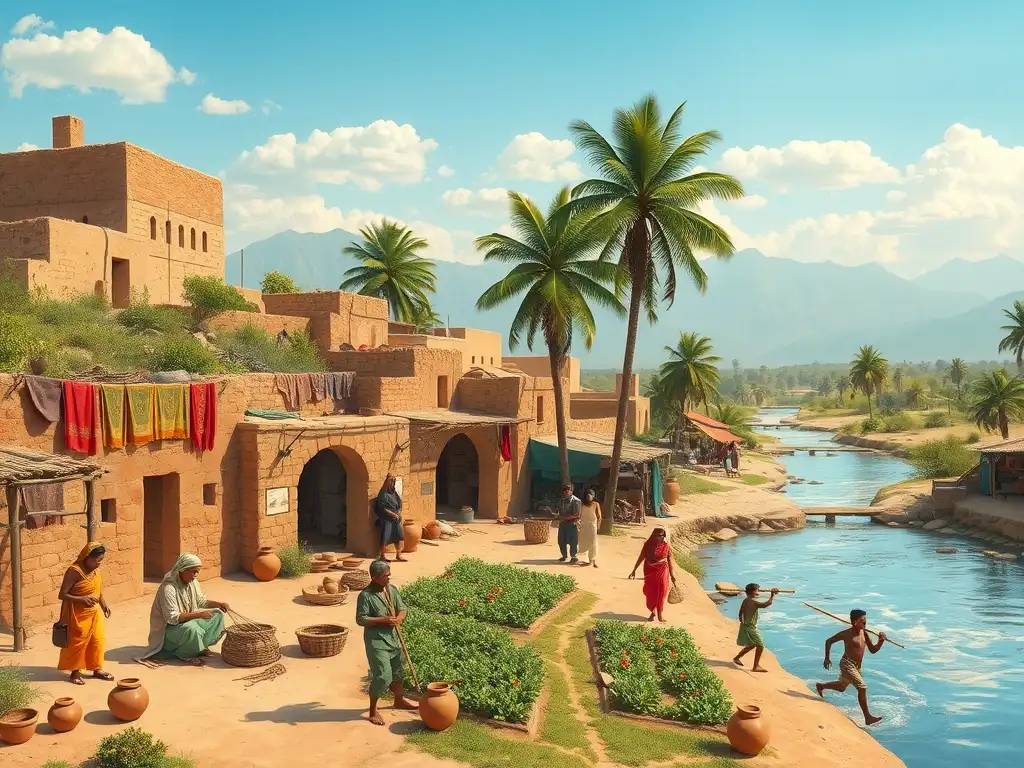
Understanding the intricate relationships between daily life and the natural environment is crucial for appreciating the complexities of the Indus Valley Civilization (IVC). Flourishing around 2500 BCE, this ancient civilization, known for its advanced urban planning and social organization, thrived in the fertile plains of the Indus River.
The interplay between the inhabitants and their environment shaped their daily activities, economic practices, and cultural expressions. This article delves into how nature influenced daily life in the Indus Valley Civilization, exploring geographical features, climate, and agriculture, while highlighting the significance of these elements in the broader context of ancient Indian civilizations.
Introduction to the Indus Valley Civilization
Overview of the Indus Valley Civilization
The Indus Valley Civilization, one of the world's earliest urban cultures, encompassed a vast region that is now modern-day Pakistan and northwest India. Renowned for its well-planned cities like Harappa and Mohenjo-Daro, the IVC showcased remarkable advancements in architecture, drainage systems, and trade networks. The civilization thrived from approximately 3300 BCE to 1300 BCE and left behind a legacy that continues to captivate historians and archaeologists alike.
The IVC is characterized by:
- Urban Planning: Grid-patterned streets, sophisticated drainage systems, and public baths.
- Trade and Economy: Extensive trade networks with neighboring cultures, exchanging goods such as beads, textiles, and food products.
- Art and Craftsmanship: Intricate pottery, seals, and jewelry that reflect advanced artistic skills.
Importance of Daily Life in Ancient Societies
Daily life in ancient societies provides insights into their culture, values, and social structures. It encompasses activities such as food production, family dynamics, trade practices, and religious rituals. Understanding these aspects allows us to construct a more comprehensive picture of how people lived and interacted with their environment.
Key elements of daily life include:
- Economic Activities: Agriculture, trade, and craft production.
- Social Structures: Family roles, community involvement, and social hierarchies.
- Cultural Practices: Festivals, rituals, and artistic expressions that reflect societal values.
The Role of Nature in Indus Valley Civilization Daily Life
Geographic Features Influencing Daily Life
The geographical landscape of the Indus Valley significantly impacted the lifestyle of its inhabitants. The civilization was situated along the Indus River, which provided essential resources for agriculture, trade, and daily sustenance. The river's annual flooding deposited fertile silt, enhancing crop production and sustaining a thriving agrarian economy.
Geographic features include:
- Rivers: The Indus and its tributaries served as vital waterways for transportation and irrigation.
- Mountains: The surrounding Himalayas provided natural barriers and influenced climate patterns.
- Plains: The fertile alluvial plains supported diverse agricultural practices.
Climate and Agriculture in the Indus Valley
The climate of the Indus Valley was characterized by a monsoonal pattern, with distinct wet and dry seasons. This climatic condition played a pivotal role in shaping agricultural practices. The inhabitants developed sophisticated irrigation systems to manage water resources efficiently, ensuring a stable food supply.
Agricultural practices involved:
- Crop Cultivation: Primary crops included wheat, barley, peas, and cotton, which were cultivated using advanced farming techniques.
- Irrigation: Evidence suggests the use of canals and reservoirs to harness river water for agriculture, enabling year-round cultivation.
- Livestock: Animal husbandry complemented farming, with cattle, sheep, and goats providing labor, milk, and wool.
Through this exploration of the interplay between nature and daily life, we gain a deeper appreciation of the resilience and ingenuity of the Indus Valley Civilization, whose contributions laid the groundwork for subsequent Indian cultures.
Urban Planning and Nature Interaction
The urban planning of the Indus Valley Civilization is a testament to the intricate relationship between daily life and the natural environment. Cities like Mohenjo-Daro and Harappa were meticulously designed, reflecting a profound understanding of geography and ecology. The layout of these cities showcased a grid pattern, which facilitated effective movement and land utilization. Streets were strategically oriented to maximize airflow and minimize heat, demonstrating an early form of urban climate control.
Moreover, the cities were constructed with an acute awareness of the surrounding landscape. The use of local materials, such as baked bricks from the riverbanks, not only showcased architectural innovation but also ensured that the structures blended harmoniously with the environment. The planners took into account flood management, positioning buildings and roads in a way that mitigated the impact of seasonal monsoons. The integration of nature in urban planning was essential for sustainability, allowing these cities to thrive for centuries.
Architectural Innovations Reflecting Nature
The architectural innovations of the Indus Valley Civilization were deeply influenced by the need to harmonize with nature. The prevalent use of mud bricks and fired bricks in construction reflected the availability of natural resources. Homes were often designed with flat roofs, providing additional living space and allowing residents to enjoy the cooler night temperatures. These roofs also served practical purposes, such as collecting rainwater, which was crucial for domestic use.
Furthermore, the use of large drainage systems indicated an advanced understanding of hydrology. The streets featured covered drains that channeled rainwater away from residential areas, showcasing early engineering solutions that prioritized public health. The architectural design not only met the needs of daily life but also respected the natural watercourses, demonstrating a sophisticated awareness of environmental sustainability.
Water Management Systems in Indus Valley Cities
Water management was a cornerstone of daily life in the Indus Valley Civilization, reflecting the civilization’s ability to adapt to and harness natural resources. The construction of extensive drainage systems was a remarkable feat of engineering. Each house was equipped with its own drainage system, linking to a centralized sewer system that promoted sanitation and hygiene. This level of infrastructure is considered one of the earliest examples of urban sanitation.
Additionally, the use of wells and reservoirs for water storage ensured that communities had access to clean water, essential for both daily activities and agricultural practices. The strategic placement of these water sources allowed for efficient distribution, highlighting the importance of water management in urban planning. Such systems not only supported daily life but also contributed to the agricultural productivity of the region, reinforcing the interconnectedness of urban living and nature.
Daily Life Practices in the Indus Valley Civilization
The daily life practices of the Indus Valley Civilization were intricately linked to environmental factors and the surrounding nature. Agriculture formed the backbone of their economy, with fertile plains fed by the Indus River allowing for the cultivation of wheat, barley, and pulses. The abundance of natural resources influenced the dietary habits and social practices of the inhabitants.
Life in the Indus Valley was characterized by a blend of communal activities and individual responsibilities. The emphasis on trade, both local and long-distance, fostered a vibrant economy, while crafts such as bead-making, pottery, and textile production flourished. The ability to harness natural resources effectively enabled the civilization to support a diverse range of daily activities.
Housing and Community Structures
Housing in the Indus Valley Civilization was typically uniform, with most homes built from sun-dried or baked bricks. The layout of houses often included multiple rooms, with facilities for cooking, storage, and bathing, reflecting a well-planned approach to domestic life. The use of courtyards in housing design provided communal spaces for families, fostering social interaction and community bonding.
Neighborhoods were often organized along streets, where shops and workshops contributed to a bustling community life. The proximity of homes to marketplaces facilitated trade and social exchange, highlighting the importance of accessibility in daily practices. The architectural design and community structures not only catered to individual needs but also promoted a sense of unity among residents.
Social Structure and Daily Routines
The social structure of the Indus Valley Civilization was complex and likely hierarchical, although the exact details remain speculative due to limited written records. Daily routines varied among different classes, with artisans, merchants, and farmers playing vital roles in the economy. The division of labor was evident in the specialization of crafts, with skilled workers producing goods for trade and personal use.
Religious practices also influenced daily life, with rituals likely tied to agricultural cycles and seasonal changes. The community’s connection to nature was reflected in their reverence for fertility and agricultural deities. Festivals and communal gatherings were important aspects of social interaction, reinforcing cultural ties and shared values.
Daily life in the Indus Valley Civilization was deeply interwoven with both nature and social structure, emphasizing the significance of environmental awareness in shaping the community's practices, routines, and overall lifestyle.
Economic Activities and Nature
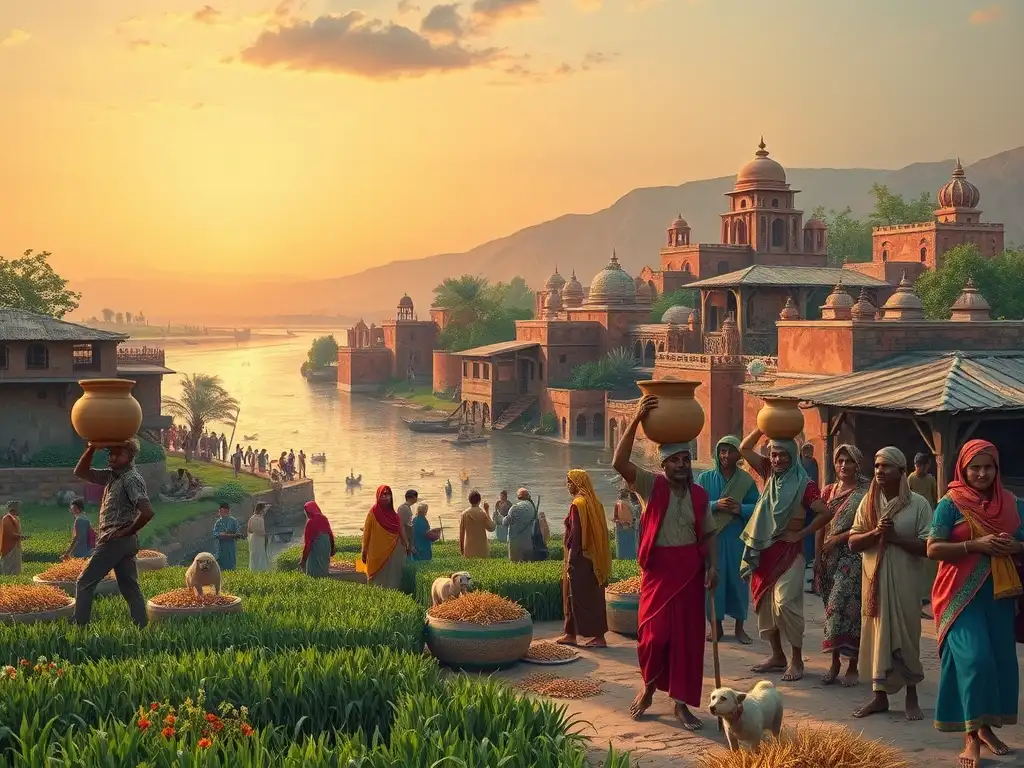
The relationship between economic activities and nature in the Indus Valley Civilization was intricate and fundamental to the survival and prosperity of its society. The civilization, flourishing around 3300 to 1300 BCE, was highly dependent on its natural environment, which provided the resources necessary for agriculture, trade, and other economic pursuits. With its strategic location along the Indus River and its tributaries, the civilization harnessed the fertile plains to cultivate crops and sustain its population.
Agriculture as the Backbone of Indus Valley Economy
Agriculture played a pivotal role in the economy of the Indus Valley Civilization, forming the backbone of daily life. The fertile alluvial soil of the Indus River basin allowed for the cultivation of a variety of crops, including:
- Wheat
- Barley
- Rice
- Pulses
- Cotton
The use of advanced agricultural techniques, such as irrigation systems and crop rotation, enabled them to maximize yields and ensure food security. Archaeological evidence suggests that the Indus Valley farmers developed sophisticated methods for water management, including reservoirs and canals, which significantly influenced their agricultural productivity.
Furthermore, the domestication of animals such as cattle, sheep, and goats provided additional resources for labor, transportation, and food. This agricultural surplus not only supported the local population but also facilitated trade with neighboring regions, highlighting the essential connection between daily life and the natural environment.
Trade and Natural Resources
Trade was another critical aspect of the Indus Valley economy, intricately linked to the availability of natural resources. The civilization engaged in extensive trade networks, both within and beyond its borders, exchanging goods such as:
- Metals (copper, bronze, and gold)
- Semi-precious stones (carnelian, lapis lazuli)
- Textiles (cotton and woolen fabrics)
- Agricultural products
The natural resources available in the region, including minerals and fertile land, played a vital role in shaping these trade relationships. The Indus Valley traders were skilled in navigation and established routes along rivers and overland paths, facilitating commerce with distant civilizations like Mesopotamia, Persia, and beyond.
The evidence of standardized weights and measures, as well as seals inscribed with symbols, suggests that trade was regulated and organized, reflecting the civilization's advanced understanding of economic principles and their reliance on nature's bounty.
Spiritual and Cultural Connections to Nature
The Indus Valley Civilization was not just economically intertwined with nature; it also held deep spiritual and cultural connections to the environment. This relationship manifested in various aspects of daily life, from religious practices to artistic expressions.
Religious Practices and Nature Worship
Nature worship was a significant facet of the spiritual life of the Indus Valley people. They revered natural elements, including rivers, mountains, and trees, often attributing divine qualities to them. The Indus River, in particular, was seen as a life-giving force, crucial for agriculture and sustenance.
Archaeological findings, such as figurines and seals depicting deities associated with fertility and nature, indicate that the people engaged in rituals and offerings to appease these natural forces. Additionally, the discovery of fire altars and evidence of ritualistic practices suggests that the Indus Valley inhabitants performed ceremonies that honored the earth and its resources, reflecting a profound respect for the interconnectedness of life.
Art and Symbolism Reflecting Natural Elements
Art in the Indus Valley Civilization often mirrored the natural environment, showcasing the inhabitants' appreciation of nature. Various artifacts, pottery, and seals feature motifs inspired by flora and fauna, highlighting the significance of the natural world in their daily lives. Common themes include:
- Lotus flowers
- Animals (elephants, bulls, and birds)
- Geometric patterns that mimic natural forms
These artistic expressions not only served decorative purposes but also conveyed cultural beliefs and values. The use of nature-inspired symbolism in their art reflects the deep connection between the Indus Valley people and their environment, emphasizing how nature influenced their worldview, spirituality, and daily existence.
The interconnection of daily life and nature in the Indus Valley Civilization was multifaceted, encompassing economic activities, spiritual beliefs, and cultural expressions. This symbiotic relationship underscores the importance of the natural world in shaping the civilization's identity and legacy.
Conclusion: The Legacy of Indus Valley Civilization Daily Life
The Indus Valley Civilization, known for its advanced urban planning, sophisticated drainage systems, and intricate trade networks, has left a profound legacy that continues to influence modern society. Daily life in this ancient civilization was intricately connected to nature, with its agricultural practices, water management systems, and settlement patterns reflecting a deep understanding and respect for the environment. The harmony between humans and natural elements is a hallmark of this civilization, demonstrating how the inhabitants adapted to their surroundings to thrive.
The legacy of the Indus Valley Civilization is not only seen in its architectural marvels and urban design but also in the cultural practices that emerged from their daily lives. Their emphasis on sustainability, community living, and innovative use of resources set a precedent for future societies. As we explore the remnants of their civilization, we find echoes of their daily routines, beliefs, and methods that have shaped the cultural and historical landscape of India.
Lasting Impact on Subsequent Indian Civilizations
The daily life of the Indus Valley Civilization has had a lasting impact on subsequent Indian civilizations. Elements of their agricultural practices, such as crop rotation and irrigation techniques, were adopted and adapted by later cultures, contributing to the agricultural richness of the region. The trade networks established during the Indus period laid the foundation for commerce in ancient India, influencing economic relationships and cultural exchanges for generations.
Moreover, the social structures and urban planning principles developed by the Indus people can be seen in various forms throughout Indian history. The emphasis on craftsmanship, trade, and standardized weights and measures likely influenced later societies, including the Maurya and Gupta empires. The art and craft traditions that flourished during the Indus period also paved the way for the rich artistic expressions found in later Indian culture.
Reflection on the Relationship Between Society and Nature
The relationship between society and nature in the Indus Valley Civilization offers valuable insights into sustainability and environmental stewardship. The inhabitants of the Indus Valley understood the importance of water management for agriculture and urban living, implementing sophisticated drainage and irrigation systems that showcased their engineering prowess. This harmonious relationship with the environment allowed them to sustain their society for centuries.
The principles of balance and respect for nature that characterized daily life in the Indus Valley resonate with contemporary discussions on environmental sustainability. As modern societies grapple with ecological challenges, revisiting the practices of the Indus Valley can provide lessons on how to live in harmony with our surroundings. Their legacy serves as a reminder of the interconnectedness of life and the environment, highlighting the need for sustainable practices that honor this relationship.
Suggested Further Reading on Indus Valley Civilization Daily Life
For those interested in delving deeper into the daily life of the Indus Valley Civilization, the following resources provide valuable insights and information:
[Resources on Indus Valley Civilization Studies and Archaeological Findings]
- Books: Look for titles such as "The Indus Civilization: A Contemporary Perspective" by Gregory L. Possehl and "Indus Valley Civilization: An Encyclopedia" by R. K. Sharma for comprehensive overviews.
- Journals: Academic journals such as "Journal of Archaeological Science" and "Antiquity" often publish studies focused on the Indus Valley and its societal dynamics.
- Online Databases: Platforms like JSTOR and Google Scholar can be excellent for accessing research papers and articles on archaeological findings related to the Indus Valley Civilization.
- Documentaries: Visual learners may find documentaries exploring the archaeological sites of the Indus Valley, including Harappa and Mohenjo-Daro, to be enriching resources that bring the history to life.
By exploring these resources, readers can gain a deeper understanding of the intricate daily lives and societal structures of one of the world's earliest civilizations.
- Introduction to the Indus Valley Civilization
- The Role of Nature in Indus Valley Civilization Daily Life
- Urban Planning and Nature Interaction
- Daily Life Practices in the Indus Valley Civilization
- Economic Activities and Nature
- Spiritual and Cultural Connections to Nature
- Conclusion: The Legacy of Indus Valley Civilization Daily Life
- Suggested Further Reading on Indus Valley Civilization Daily Life
- What was daily life like in the Indus Valley civilization?
- How did nature influence the Indus Valley civilization?
- What were the key features of urban planning in the Indus Valley?
- Did the Indus Valley civilization have a written language?
- What contributions did the Indus Valley civilization make to future societies?
Frequently Asked Questions
What was daily life like in the Indus Valley civilization?
Daily life in the Indus Valley civilization was characterized by advanced urban planning, trade, and a strong emphasis on agriculture. People lived in well-structured homes and engaged in various crafts and commerce.
How did nature influence the Indus Valley civilization?
Nature played a crucial role in shaping the Indus Valley civilization through its fertile land and access to river systems. The Indus River provided water for agriculture, which was essential for sustaining the population.
What were the key features of urban planning in the Indus Valley?
The Indus Valley civilization showcased remarkable urban planning with grid patterns, drainage systems, and standardized bricks. Cities like Mohenjo-Daro and Harappa exemplified these advanced designs.
Did the Indus Valley civilization have a written language?
Yes, the Indus Valley civilization developed a form of script, known as the Indus script, which remains largely undeciphered. This suggests a level of administrative complexity and communication.
What contributions did the Indus Valley civilization make to future societies?
The Indus Valley civilization contributed significantly to future societies through advancements in urbanization, trade practices, and craftsmanship. Their innovations laid foundational aspects for later Indian civilizations.
Final Reflection: Embracing the Harmony of Daily Life and Nature in the Indus Valley Civilization
The intricate relationship between daily life and nature in the Indus Valley Civilization remains profoundly relevant today. As we navigate the complexities of modern living, the lessons from this ancient society remind us of the importance of sustainability and the interconnectedness of our environment. The way the Indus Valley people harmonized their daily activities with the natural world serves as a striking reminder that our survival and well-being are deeply rooted in the health of our ecosystems.
Cultural and social landscapes are continuously shaped by our relationship with nature, and the Indus Valley Civilization exemplifies this connection. The sophisticated urban planning, agricultural practices, and water management systems of this civilization not only reflect their ingenuity but also their respect for the environment. As we face pressing challenges like climate change and urbanization, we can draw inspiration from their legacy. Nature does not hurry, yet everything is accomplished.
– Lao Tzu. This quote encapsulates the essence of how a balanced relationship with nature can lead to sustainable progress.
As we reflect on the lessons of the Indus Valley Civilization, I invite you to consider how you can incorporate these principles into your own life. Take a moment to observe your daily routines and the natural world around you. How can you foster a deeper connection with nature in your own community?
Whether it’s through sustainable practices, supporting local ecosystems, or simply appreciating the beauty of the environment, each small action contributes to a larger movement towards harmony. Let us strive to create a future where daily life and nature coexist in balance, just as they did in the remarkable Indus Valley Civilization.
Reconnect with Nature: Embrace the Wisdom of the Indus Valley!
Thank you for diving into the fascinating exploration of how daily life intertwined with nature in the Indus Valley Civilization. The insights you've gained reveal not just a historical narrative but a timeless lesson in sustainability and harmony with our environment. Now, it's time to take inspiration from the past and apply it in your own life!
Here are a few actionable steps you can embrace today:
- Explore your local environment: Take a nature walk and observe the plants and wildlife around you—consider how they adapt and thrive.
- Share this knowledge: Discuss what you’ve learned about the Indus Valley's relationship with nature with friends or family. Encourage them to appreciate nature’s value in their lives too!
- Reflect on sustainable practices: Start a small garden or adopt eco-friendly habits in your daily routine, drawing inspiration from the ancient ingenuity that shaped everyday life in the Indus Valley.
What changes are you excited to make in your own life to foster a deeper connection with nature, just as the people of the Indus Valley did?