
The Legacy of Eastern Indian Kingdoms in Contemporary Society

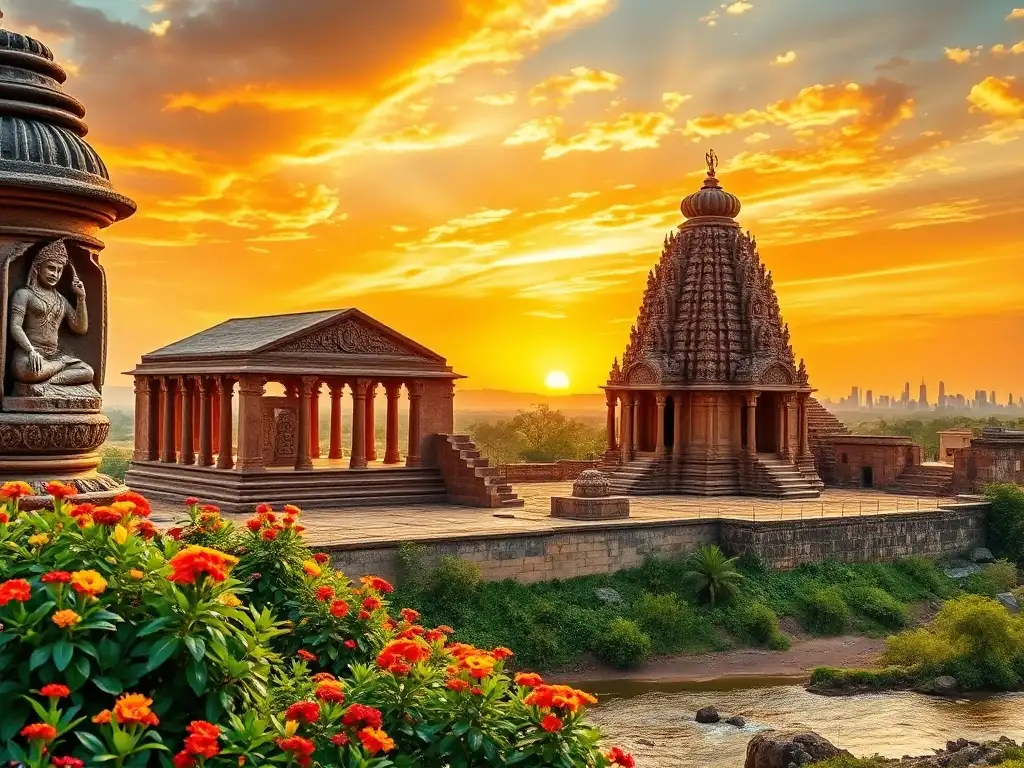
Welcome to Ancient India History, where we delve into the rich tapestry of ancient civilizations that have shaped the cultural landscape of India. In our featured article, "The Legacy of Eastern Indian Kingdoms in Contemporary Society," we explore the profound impact of Eastern Indian Kingdoms on today's world, revealing how their innovations and philosophies continue to resonate in modern society. As you journey through the pages of history, prepare to uncover fascinating insights that connect the past with the present, igniting your curiosity about the enduring legacy of these remarkable kingdoms. Let's embark on this enlightening exploration together!
Introduction
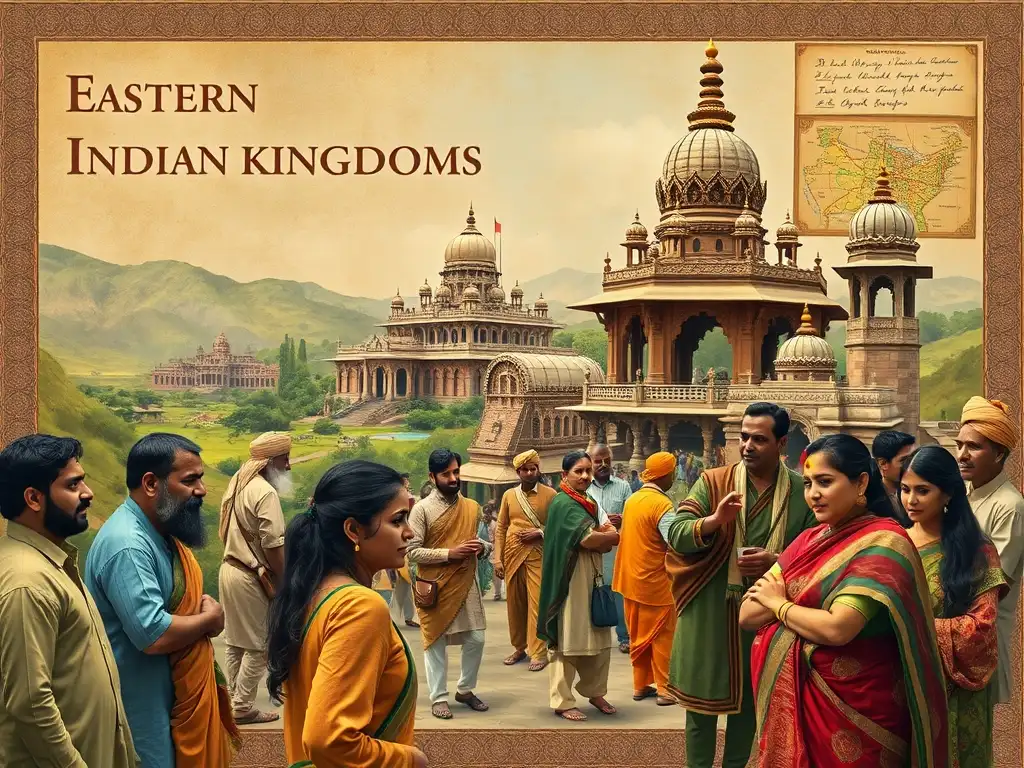
The impact of Eastern Indian Kingdoms resonates profoundly in contemporary society, weaving an intricate tapestry of cultural, social, and political influences that have shaped the region and beyond. From the early days of the Maurya and Gupta Empires to the flourishing of the Pala and Sen kingdoms, these ancient civilizations have left an indelible mark on the historical landscape.
Understanding their legacy not only enriches our comprehension of Indian history but also highlights the enduring significance of their contributions in modern times. As we explore the various dimensions of these kingdoms, we will unveil how their innovations, governance, and cultural practices continue to influence contemporary Indian society.
Overview of Eastern Indian Kingdoms
Eastern India, historically known for its richness in culture and diversity, has been home to several powerful kingdoms that rose and fell over centuries. The region encompasses present-day states such as Odisha, West Bengal, and parts of Bihar and Jharkhand. Among the most notable kingdoms were:
- Maurya Empire (c. 322–185 BCE)
- Gupta Empire (c. 240–550 CE)
- Pala Dynasty (c. 750–1174 CE)
- Sen Dynasty (c. 600–1200 CE)
These kingdoms contributed significantly to the political unification of the region and set the stage for various advancements in administration, trade, and culture. Their legacies can be seen today in the region's languages, art forms, and architectural styles.
Importance of Studying Their Impact
Studying the impact of Eastern Indian Kingdoms is crucial for several reasons:
- Cultural Identity: Understanding their contributions helps in recognizing and preserving the cultural identity of Eastern India.
- Historical Lessons: Their governance models provide insights into effective administration and societal organization.
- Art and Literature: The artistic and literary advancements during these periods continue to inspire modern creators.
- Religious Influence: Many religious practices and philosophies that emerged during these times still play a vital role in contemporary spirituality.
Historical Context of Eastern Indian Kingdoms
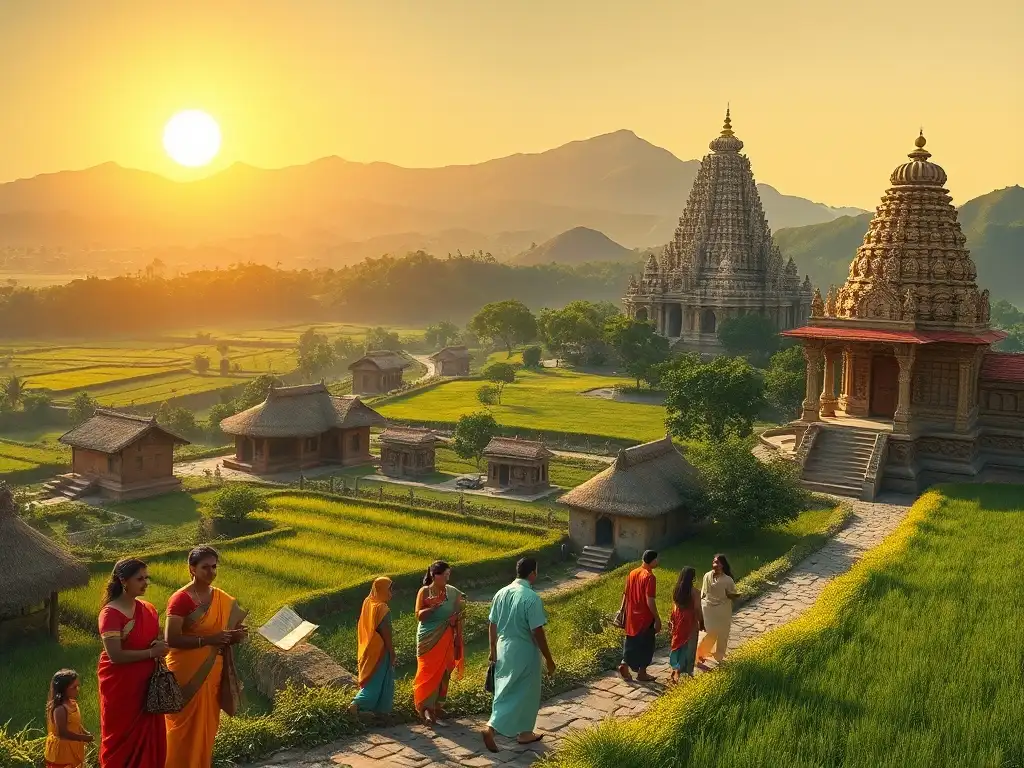
To fully appreciate the legacy of Eastern Indian Kingdoms, it is essential to delve into their historical context, examining the major kingdoms and their unique contributions.
Major Kingdoms in Eastern India
The Maurya Empire, founded by Chandragupta Maurya, is renowned for its political unification and the spread of Buddhism under Emperor Ashoka. Following this, the Gupta Empire is often referred to as the Golden Age of India due to its remarkable achievements in science, mathematics, and the arts. The Pala Dynasty furthered Buddhist scholarship, while the Sen Dynasty contributed to the cultural and architectural landscape of the region.
Cultural Contributions of Eastern Indian Kingdoms
The cultural contributions of these kingdoms are vast and varied, encompassing:
- Architecture: The construction of stupas, temples, and universities, such as Nalanda, reflects advanced engineering and artistic skills.
- Literature: Texts like the Mahabharata and works of poets and playwrights flourished, enriching Indian literature.
- Philosophy and Religion: The promotion of Buddhism and Jainism, alongside Hindu traditions, laid the groundwork for diverse spiritual practices.
By investigating these elements, we can better understand how the legacies of Eastern Indian Kingdoms continue to inform and inspire modern society.
The Impact of Eastern Indian Kingdoms on Modern Society
The Eastern Indian Kingdoms, including notable dynasties like the Mauryas, Guptas, and Pala, have left an indelible mark on contemporary society across various dimensions. Their governance, social frameworks, and economic innovations have shaped the cultural and structural landscape of modern Eastern India. By understanding the impact of these kingdoms, we can appreciate how their legacies continue to influence today's political, social, and economic spheres.
Political Influence
The political systems established by the Eastern Indian Kingdoms have laid foundational principles for modern governance. The Mauryan Empire, for instance, introduced concepts of centralized administration and governance that are echoed in contemporary political frameworks. The emphasis on law and order, as seen in the Arthashastra by Kautilya, underscores the importance of political strategy and statecraft that resonates in today's political discourse.
Moreover, the practice of local self-governance, which gained prominence during the Gupta period, is mirrored in modern-day Panchayati Raj systems. The democratic principles of representation and accountability that emerged from these ancient systems continue to inspire political reforms and grassroots movements in Eastern India.
Social Structures and Community Life
Eastern Indian Kingdoms significantly influenced social structures, fostering a sense of community that persists today. The caste system, which was codified during these times, continues to shape societal interactions and hierarchies, though it is increasingly challenged by modern egalitarian movements. Additionally, the emphasis on education, particularly during the Gupta era, established a foundation for learning that is evident in contemporary educational institutions.
Social reforms initiated by leaders within these kingdoms, such as the promotion of women's rights and community welfare, have also had lasting effects. Modern-day advocacy for social justice and equality can trace its roots back to the initiatives taken by these ancient societies to enhance community life and individual rights.
Economic Contributions
The economic contributions of Eastern Indian Kingdoms were pivotal in establishing trade networks and agricultural advancements that are evident today. The Mauryan Empire, for example, developed extensive trade routes that connected various parts of India and facilitated international trade with regions like Southeast Asia and the Mediterranean. This legacy of commerce is mirrored in contemporary Eastern India, where vibrant markets and trade continue to thrive.
Agricultural innovations, including advanced irrigation techniques and crop rotation methods, introduced by these kingdoms, have influenced modern agricultural practices. The agrarian policies that prioritized sustainable farming and resource management are increasingly relevant in today’s discussions on food security and sustainable development.
Cultural Legacy of Eastern Indian Kingdoms
The cultural contributions of Eastern Indian Kingdoms have enriched the tapestry of modern Indian civilization. Their influence is evident in various aspects of art, language, literature, and traditions that continue to be celebrated and practiced in contemporary society.
Art and Architecture
The art and architecture of the Eastern Indian Kingdoms are celebrated for their grandeur and sophistication. The stupas and temples built during the Mauryan and Gupta periods, such as the famous Nalanda University and the intricately carved temples of Khajuraho, continue to inspire modern architects and artists. These structures not only serve as historical landmarks but also symbolize the spiritual and cultural ethos of the region.
Today, the revival and preservation of these architectural styles reflect a deep respect for heritage, influencing contemporary design and urban planning. Festivals celebrating these artistic achievements often draw both local and international visitors, reinforcing the cultural significance of ancient craftsmanship in modern times.
Language and Literature
The Eastern Indian Kingdoms were pivotal in the development of languages and literature that have shaped modern Indian identity. Sanskrit, which flourished during the Gupta period, served as a foundation for many languages in India today. The literary works produced during this era, including epics and dramas, continue to be studied and revered, fostering a rich literary tradition that encourages contemporary writers.
Moreover, the promotion of regional languages and dialects during these kingdoms has contributed to the linguistic diversity celebrated in modern Eastern India. This emphasis on language as a means of cultural expression is integral to the identity of communities today.
Festivals and Traditions
The festivals and traditions that originated from the Eastern Indian Kingdoms are vibrant aspects of contemporary culture. Festivals such as Durga Puja and Poush Mela reflect the deep-rooted traditions that have been passed down through generations. These celebrations not only honor historical events and deities but also foster community spirit and social cohesion.
Additionally, traditional practices and rituals associated with these festivals serve as a reminder of the values and beliefs of ancient societies, continuing to influence social life and cultural practices in modern Eastern India. The blend of historical significance and contemporary relevance demonstrates the enduring legacy of these ancient kingdoms.
The Role of Eastern Indian Kingdoms in Shaping Identity
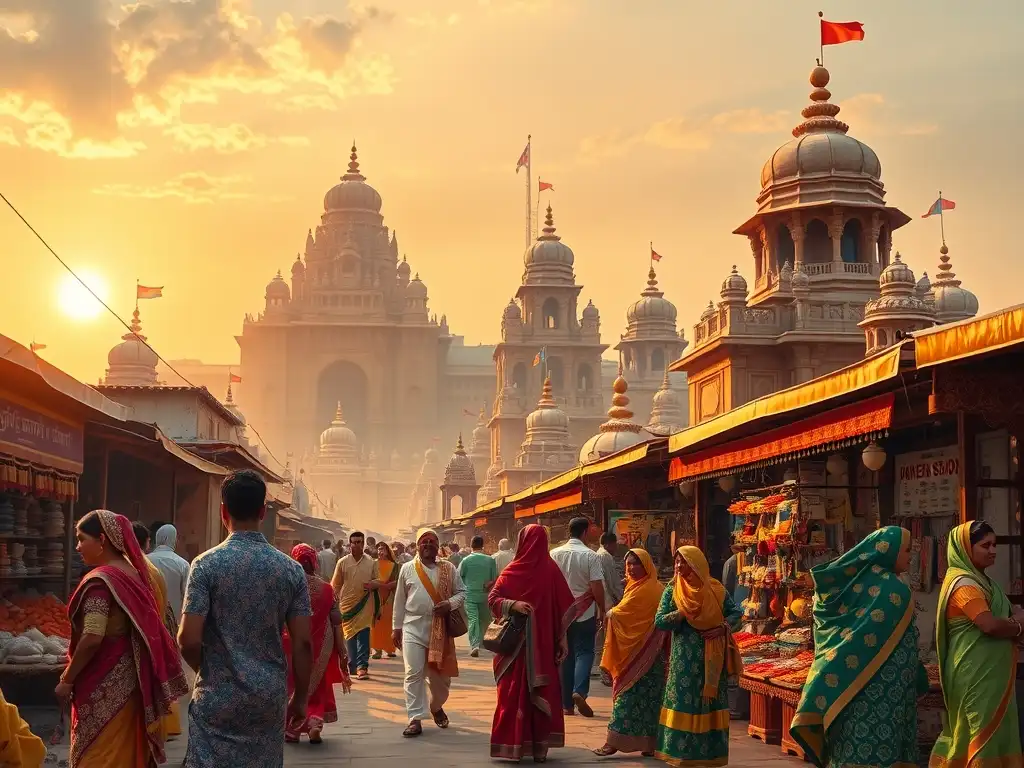
The Eastern Indian Kingdoms, including the Maurya, Gupta, and Pala dynasties, have played a pivotal role in shaping both regional and national identities in contemporary society. Their contributions to art, culture, governance, and philosophy have left an indelible mark on the historical narrative of India. This legacy continues to influence various aspects of life today, from cultural practices to political ideologies. Understanding the impact of Eastern Indian Kingdoms not only reveals the depth of India's historical roots but also fosters a sense of pride and belonging among its citizens.
Regional Identity Formation
The Eastern Indian Kingdoms have significantly contributed to the formation of regional identities, particularly in states like West Bengal, Odisha, and Bihar. The unique blend of languages, traditions, and customs that emerged during these dynasties has laid the groundwork for the rich cultural tapestry seen today.
- Language and Literature: The promotion of Sanskrit and regional languages during the Gupta period fostered literary development, giving rise to notable works that are celebrated even now. This literary heritage continues to influence modern literature in Eastern India.
- Festivals and Traditions: Festivals such as Durga Puja in West Bengal have roots in the rituals and practices established during ancient times, reflecting the cultural continuity from the Eastern Indian Kingdoms to the present day.
- Art and Architecture: The architectural styles developed during these kingdoms, including temple designs and sculpture, have become symbols of regional pride. Notable examples include the intricate carvings of the Konark Sun Temple and the grandeur of ancient Buddhist stupas in Bihar.
National Identity and Historical Narratives
The impact of Eastern Indian Kingdoms extends beyond regional identity, significantly shaping the national narrative of India. They have contributed to a collective identity that emphasizes the richness of India's history.
- Cultural Syncretism: The interactions between various cultures during the reign of these kingdoms fostered a spirit of inclusivity, which is a cornerstone of India's national identity. The legacy of syncretism can be seen in various aspects of modern Indian society, from cuisine to religious practices.
- Historical Recognition: The contributions of Eastern Indian Kingdoms to philosophy, science, and governance are increasingly recognized in educational curricula and public discourse. This acknowledgment is vital for fostering a sense of belonging to a shared historical continuum.
- Symbolism in Politics: Political movements often draw on the legacy of these kingdoms to inspire unity and pride among citizens. Leaders frequently reference figures like Ashoka the Great to promote ideals of peace and tolerance in contemporary governance.
Challenges in Preserving the Legacy
Despite the rich heritage left by the Eastern Indian Kingdoms, several challenges hinder the preservation and promotion of this legacy. Awareness and proactive measures are essential to ensure that future generations can appreciate their historical roots.
Threats to Historical Sites and Artifacts
Many historical sites and artifacts from the Eastern Indian Kingdoms are under threat due to urbanization, climate change, and neglect.
- Urban Development: Rapid urbanization in regions with significant historical sites often leads to the deterioration of these important landmarks. Construction projects may encroach upon or destroy archaeological sites, making it crucial to balance development with heritage preservation.
- Environmental Factors: Climate change poses a significant threat to ancient structures, particularly those made of vulnerable materials. Rising humidity and pollution can accelerate decay, necessitating immediate conservation efforts to protect these irreplaceable assets.
- Loosely Regulated Antiquities Trade: The illegal trade of artifacts further jeopardizes the legacy of Eastern Indian Kingdoms. Efforts to combat this trade need to be amplified through stringent laws and international cooperation.
Need for Awareness and Education
Raising awareness about the significance of the Eastern Indian Kingdoms is essential for their preservation and appreciation.
- Educational Initiatives: Incorporating the history and contributions of Eastern Indian Kingdoms into school curricula can foster a deeper understanding of their impact. Educational programs that include field trips to historical sites can enhance student engagement and appreciation for their heritage.
- Community Involvement: Engaging local communities in preservation efforts helps foster a sense of ownership over their cultural heritage. Community-led initiatives can mobilize resources and volunteers to maintain and protect historical sites.
- Public Campaigns: Public awareness campaigns utilizing social media and local events can highlight the importance of preserving historical sites. Such initiatives can promote cultural pride and encourage community members to participate in safeguarding their heritage.
While the legacy of Eastern Indian Kingdoms profoundly influences contemporary society, it faces significant challenges that require collective action and awareness to overcome.
Conclusion
The Eastern Indian Kingdoms, with their rich history and cultural heritage, have left an indelible mark on contemporary society. Their contributions span various domains, including governance, art, architecture, and trade. By understanding the historical significance of these kingdoms, we can appreciate the foundations upon which modern Eastern Indian culture has been built. As we reflect on their legacy, it becomes clear that these ancient civilizations continue to influence present-day practices, beliefs, and identities, fostering a sense of continuity through the centuries.
Summary of the Impact of Eastern Indian Kingdoms
The impact of Eastern Indian Kingdoms is multifaceted and can be observed in several key areas:
- Cultural Heritage: The artistic expressions and architectural innovations from the kingdoms, particularly during the rule of the Gupta Empire, laid the groundwork for classical Indian art forms, including sculpture, painting, and literature. Temples and monuments from this era still stand, serving as a testament to their architectural prowess.
- Political Structure: The administrative systems developed by these kingdoms, such as the decentralized governance seen in the Maurya and Gupta empires, have influenced modern political thought and organization in the region, emphasizing the importance of local governance.
- Trade and Economy: Eastern Indian Kingdoms were vital trade hubs, facilitating commerce between various regions and fostering economic ties that continue to thrive today. The ancient trade routes have evolved but still form the backbone of Eastern India’s economic activities.
- Religious Influence: The proliferation of religions such as Buddhism and Jainism from Eastern India has had lasting implications on spiritual and philosophical discourse, shaping the religious landscape of not only India but also other parts of Asia.
Future Prospects for Understanding Their Legacy in Society
As we move forward, there is a growing interest in exploring the legacies of Eastern Indian Kingdoms and their relevance in contemporary society. Future research and education can focus on several promising avenues:
- Interdisciplinary Studies: By integrating history with fields such as archaeology, anthropology, and cultural studies, scholars can uncover deeper insights into the daily lives and societal structures of these kingdoms. This interdisciplinary approach will enrich our understanding of their influence on modern culture.
- Cultural Revival: Efforts to revive and promote traditional art forms and practices rooted in Eastern Indian history can help preserve cultural identity. Initiatives that celebrate local festivals, crafts, and cuisines can strengthen community ties and enhance cultural continuity.
- Public Awareness and Education: Increasing public awareness about the historical significance of these kingdoms can foster a sense of pride and identity among the people of Eastern India. Educational programs that highlight this rich heritage can engage younger generations and encourage them to explore their roots.
- Sustainable Tourism: Developing sustainable tourism around historical sites and cultural heritage can provide economic benefits while raising awareness about the importance of preserving these legacies for future generations.
As we delve into the past, the legacy of Eastern Indian Kingdoms offers valuable lessons and insights that resonate with contemporary society. Understanding their impact not only enriches our historical knowledge but also fosters a deeper appreciation for the cultural richness that continues to thrive in Eastern India today.
- Introduction
- Overview of Eastern Indian Kingdoms
- Importance of Studying Their Impact
- Historical Context of Eastern Indian Kingdoms
- The Impact of Eastern Indian Kingdoms on Modern Society
- Cultural Legacy of Eastern Indian Kingdoms
- The Role of Eastern Indian Kingdoms in Shaping Identity
- Challenges in Preserving the Legacy
- Conclusion
Frequently Asked Questions
What were the major Eastern Indian Kingdoms?
The major Eastern Indian Kingdoms included the Maurya, Gupta, and Pala Dynasties, each contributing significantly to the cultural and political landscape of ancient India.
How did the Eastern Indian Kingdoms influence modern society?
The impact of Eastern Indian Kingdoms can still be seen in modern governance, art, and literature, reflecting their rich heritage and innovative philosophies.
What are some cultural contributions of these kingdoms?
These kingdoms are known for their advancements in art, architecture, and education, laying the foundation for many cultural practices still prevalent today.
How did trade affect the Eastern Indian Kingdoms?
Trade significantly enhanced the economic stability and cultural exchange within the Eastern Indian Kingdoms, allowing for the introduction of new ideas and technologies.
What role did religion play in the Eastern Indian Kingdoms?
Religion, particularly Buddhism and Hinduism, played a central role in shaping the societal norms and values of the Eastern Indian Kingdoms, influencing their philosophical and artistic expressions.
Final Reflection: The Enduring Impact of Eastern Indian Kingdoms
The legacy of Eastern Indian kingdoms continues to shape contemporary society in profound ways, reminding us that history is not merely a collection of past events but a living influence that molds our present and future. As we navigate the complexities of modern life, it becomes increasingly clear that the cultural, political, and social frameworks established by these ancient kingdoms resonate deeply within our current systems. Their contributions to art, governance, and social structures serve as a testament to the enduring nature of their impact.
The influence of Eastern Indian kingdoms is woven into the very fabric of our cultural identity, shaping our values, traditions, and even our aspirations. From the architectural marvels that inspire modern design to the philosophical teachings that guide our ethical frameworks, the echoes of these kingdoms can be felt in every corner of society.
As Mahatma Gandhi once said, “A nation’s greatness is measured by how it treats its weakest members.” This sentiment reflects the principles of governance and social justice that were championed by these ancient rulers, principles that remain relevant as we strive for a more equitable society today.
As we reflect on the lessons imparted by the Eastern Indian kingdoms, I invite you to consider how their legacy can inform your own life and actions. What aspects of their governance, culture, or social responsibility can you incorporate into your daily practices? By embracing the values of compassion, innovation, and resilience that these kingdoms exemplified, we can contribute to a future that honors their legacy while forging our own path. Let us carry forward the torch of their wisdom, ensuring that their impact continues to illuminate the way for generations to come.
Embrace Your Cultural Heritage Today!
Thank you for immersing yourself in the rich legacy of Eastern Indian kingdoms and how they shape our contemporary society. Your journey into this fascinating history not only expands your knowledge but also enriches your connection to your cultural roots. Now, let’s take that inspiration further with some meaningful actions!
- Dive Deeper: Visit local museums or cultural exhibitions that showcase artifacts from Eastern Indian kingdoms and discover their significance firsthand.
- Share the Knowledge: Engage in discussions about your newfound insights with friends and family or share this article on social media to ignite conversations about our shared history.
- Get Involved: Participate in a community group or online forum dedicated to Indian history, where you can connect with like-minded individuals and broaden your understanding.
What aspect of Eastern Indian heritage do you find most inspiring, and how can it influence your daily life?