
Folk Tales and Legends: Preserving the Oral Histories of Eastern India

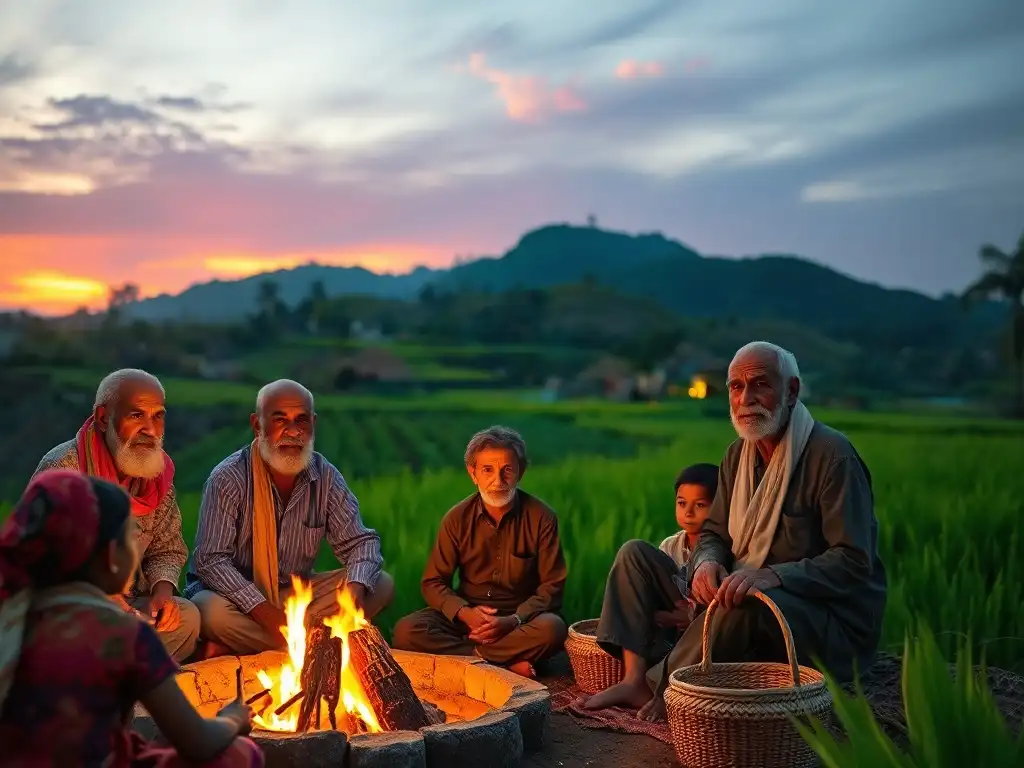
Welcome to Ancient India History, where we embark on a captivating journey through the rich and diverse tapestry of ancient Indian civilizations. In this exploration, we invite you to dive deep into the enchanting oral histories of Eastern India, a treasure trove of folk tales and legends that have been preserved through generations. Discover the vibrant stories that not only reflect the cultural heritage of the region but also shape its identity.
Prepare to be intrigued as you unravel the narratives that connect the past to the present, and join us in celebrating the legacy of Eastern India’s oral traditions. Your adventure into the heart of history begins now!
Introduction to Oral Histories of Eastern India
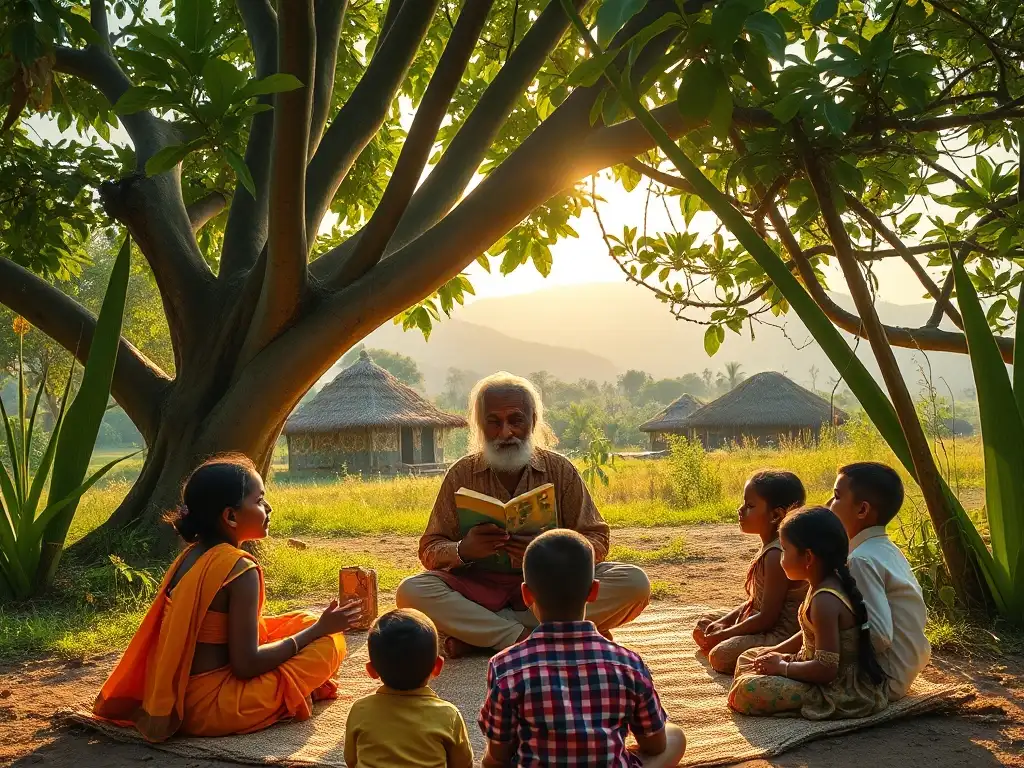
The oral histories of Eastern India are a vibrant tapestry of stories, myths, and legends that have been passed down through generations. These narratives not only reflect the rich cultural heritage of the region but also serve as a vital medium for preserving the history and traditions of various communities. From the enchanting tales of the Bengal tigers to the poignant stories of the Bodo tribes, oral traditions play an essential role in shaping the identity of Eastern India. This article delves into the significance of these oral histories, exploring their impact on culture, society, and historical understanding.
Significance of Oral Traditions in Eastern Indian Culture
Oral traditions in Eastern India are more than mere entertainment; they embody the collective memory of communities. These narratives often encompass:
- Cultural Identity: Oral histories help to reinforce the identity of various ethnic and linguistic groups, providing a sense of belonging and continuity.
- Moral Lessons: Many folk tales carry moral lessons and ethical values, teaching younger generations about right and wrong through engaging narratives.
- Historical Record: These stories often serve as informal historical records, preserving events and customs that may not be documented in written form.
- Community Bonding: Storytelling sessions foster a sense of community, bringing people together to share experiences and strengthen social ties.
The significance of oral traditions cannot be overstated, as they encapsulate the essence of Eastern Indian culture and continue to influence contemporary society.
Historical Context of Oral Histories in Eastern India
The roots of oral histories in Eastern India can be traced back to ancient times, evolving through various historical phases. Key elements contributing to their development include:
- Indus Valley Civilization: Early forms of storytelling may have emerged during this era, with symbols and motifs that hint at the narratives of daily life and spirituality.
- Influence of Religion: Hinduism, Buddhism, and folk beliefs have enriched oral narratives, with religious texts often being recounted in local dialects.
- Colonial Era: The British colonial period introduced new storytelling forms, blending traditional narratives with influences from Western literature.
- Modern Revival: In recent years, there has been a resurgence in interest in folk traditions, with efforts to document and preserve these oral histories through various mediums, including digital platforms.
Understanding the historical context of oral histories in Eastern India allows us to appreciate their evolution and relevance in today’s society, ensuring that these invaluable narratives continue to thrive for future generations.
- Introduction to Oral Histories of Eastern India
- Significance of Oral Traditions in Eastern Indian Culture
- Historical Context of Oral Histories in Eastern India
- What are oral histories in the context of Eastern India?
- How do folk tales contribute to the understanding of ancient Indian civilizations?
- What are some common themes found in Eastern Indian folk tales?
- How can folk tales be preserved for future generations?
- Why are oral histories important for cultural identity in Eastern India?
Key Elements of Eastern Indian Folk Tales
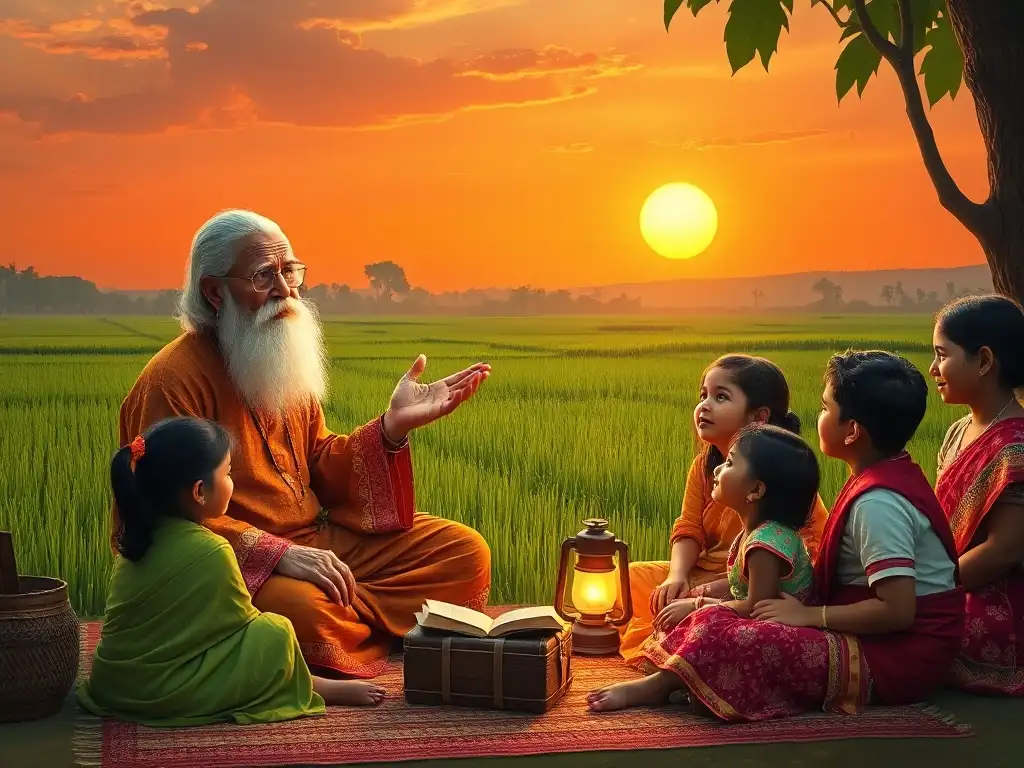
Eastern Indian folk tales are a vibrant tapestry of narratives that reflect the culture, beliefs, and traditions of the region. These tales not only entertain but also serve as a means of preserving the oral histories of Eastern India. The richness of these stories is derived from their varied themes, characters, and the natural settings in which they unfold. Understanding the key elements of these folk tales provides insight into the values and societal norms of Eastern Indian communities.
Themes Commonly Found in Eastern Indian Folk Tales
The themes in Eastern Indian folk tales are diverse and often reflect the complexities of human experience. Some of the most prominent themes include:
- Moral Lessons: Many folk tales convey moral teachings, emphasizing virtues such as honesty, kindness, and humility. These stories often conclude with a clear lesson, making them not just entertaining but also educational.
- Cultural Identity: Folk tales serve as a medium to express the unique cultural identity of Eastern Indian communities. They often incorporate local customs, traditions, and festivals, reinforcing a sense of belonging.
- Supernatural Elements: The presence of supernatural beings, such as gods, spirits, and mythical creatures, is a common theme. These elements often play a significant role in shaping the narrative and influencing the characters' journeys.
- Conflict and Resolution: Many tales revolve around conflicts—be it between good and evil, humans and nature, or social classes. The resolution of these conflicts often reflects the societal values and norms of the time.
- Folklore and History: Some folk tales intertwine historical events with folklore, blurring the lines between reality and myth. This aspect helps preserve historical narratives within the context of cultural storytelling.
Characters and Archetypes in Eastern Indian Legends
Characters in Eastern Indian folk tales often embody specific traits and roles, reflecting societal archetypes. The following are some of the common characters and their archetypes:
- The Hero: Typically a brave and noble individual who embarks on a quest or faces challenges. This character embodies ideal qualities such as courage and determination.
- The Trickster: This character uses wit and cunning to navigate challenges, often subverting authority and exposing flaws in society. The trickster’s antics provide humor and critical commentary on social norms.
- The Wise Elder: Representing knowledge and experience, the wise elder often guides the hero or other characters through their journeys. This archetype emphasizes the importance of wisdom in overcoming adversity.
- The Villain: Antagonists in these tales often embody greed, jealousy, or malice. Their defeat usually reinforces moral lessons and the triumph of good over evil.
- Mythical Creatures: Creatures like dragons, fairies, and other supernatural beings often play pivotal roles in these tales, embodying various human fears and desires.
The Role of Nature and Environment in Oral Narratives
Nature and the environment are integral to Eastern Indian folk tales, serving as both a backdrop and an active participant in the narratives. The following aspects highlight the significance of nature in these stories:
- Cultural Symbolism: Elements of nature, such as rivers, mountains, and forests, are often imbued with cultural symbolism. For example, rivers might represent the flow of life or continuity, while mountains can symbolize challenges or obstacles to overcome.
- Setting the Scene: The natural landscape often sets the tone for the story, influencing the characters' emotions and actions. A serene village may represent peace, while a stormy night might foreshadow conflict.
- Human-Nature Relationship: Many folk tales explore the relationship between humans and nature, often illustrating themes of harmony and respect for the environment. These narratives emphasize the interconnectedness of all living beings.
- Seasonal Changes: The changing seasons play a crucial role in shaping the narratives, influencing agricultural practices, festivals, and community life. Tales often reflect the cycles of nature, reinforcing the importance of adaptation and resilience.
The oral histories of Eastern India, encapsulated in these folk tales and legends, provide a rich resource for understanding the region's cultural heritage. By examining the themes, characters, and the role of nature within these narratives, one gains a deeper appreciation for the complexities and richness of Eastern Indian folklore.
Major Regions and Their Unique Oral Histories
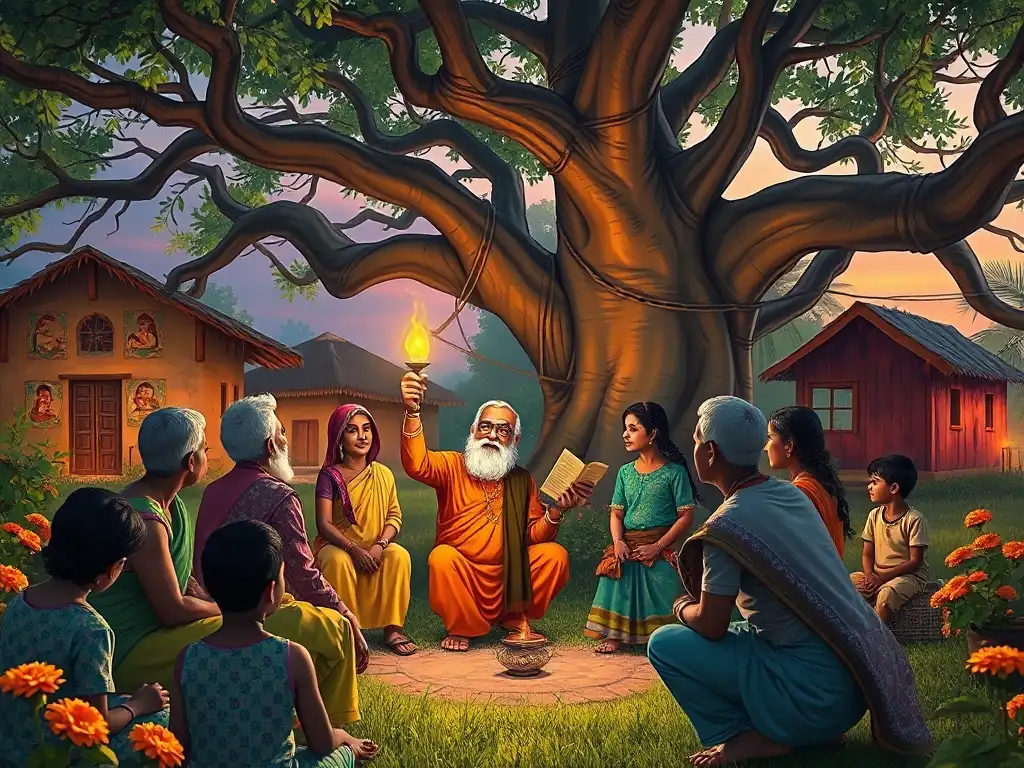
Eastern India is a treasure trove of oral histories that reflect the rich tapestry of its diverse cultures, traditions, and communities. Each region boasts unique tales and legends, passed down through generations, preserving the essence of local life and values. Below, we explore the oral histories of three major regions in Eastern India: West Bengal, Odisha, and Assam.
West Bengal: The Land of Myths and Legends
West Bengal is renowned for its vibrant folklore, characterized by a blend of mythological tales, historical narratives, and cultural anecdotes. The stories often feature deities and legendary figures, reflecting the state's deep-rooted spiritual beliefs.
- Key Themes:
- Mythical Figures: Characters like Bengali goddess Durga feature prominently in folk tales, symbolizing the victory of good over evil.
- Historical Narratives: Legends surrounding historical figures such as Raja Raja Chola and Shivaji Maharaj are integral to the region's oral history.
- Cultural Practices: The tales often intertwine with local customs, festivities, and rituals, highlighting the community's values and social norms.
The Chhou dance, a traditional folk dance of West Bengal, often incorporates storytelling elements that narrate these legends, making the oral histories a dynamic part of cultural performances.
Odisha: Rich Tapestry of Folklore
Odisha, with its distinct cultural identity, presents a rich tapestry of folklore that is both diverse and profound. The oral histories here reflect the state's ancient traditions, social structures, and the environmental landscape.
- Diverse Narratives:
- Myths of Lord Jagannath: Tales surrounding Lord Jagannath and the annual Rath Yatra are pivotal, portraying the connection between divinity and the local populace.
- Folk Heroes and Legends: Stories of local heroes, such as Dharma Raja, who fought against oppression, embody the values of bravery and justice.
- Nature and Environment: Many tales are inspired by the natural beauty of Odisha, including the Konark Sun Temple and the Chilika Lake, showcasing the region's biodiversity.
Odisha's oral traditions are often shared through Palla performances, where singers narrate stories in rhythmic forms, making the legends accessible to all age groups.
Assam: Oral Traditions and Cultural Narratives
Assam is a region steeped in oral traditions that echo the lifestyle and ethos of its people. The stories are deeply intertwined with the land, its flora and fauna, and the daily experiences of the communities.
- Cultural Significance:
- Tea Plantations and Folklore: The tea estates of Assam inspire numerous tales that narrate the life of tea workers and the mystique surrounding the tea culture.
- Bihu Festival Narratives: Folk tales associated with the Bihu festival celebrate the agricultural cycle, love, and community bonding, reflecting the agrarian heritage of the region.
- Ethnic Diversity: Assam's oral histories represent various ethnic groups, including the Bodos, Mishing, and Ahoms, each contributing unique stories that reflect their cultural identity.
The traditional dance forms, such as Sattriya, often encapsulate these narratives, providing a visual representation of Assam's oral histories while engaging the audience in cultural storytelling.
The oral histories of Eastern India serve not only as a means of entertainment but also as a crucial vehicle for cultural preservation, embodying the beliefs, values, and social structures of the regions they originate from. Through these rich narratives, the legacy of Eastern India's vibrant history continues to thrive, ensuring that future generations remain connected to their roots.
Preservation of Oral Histories in Eastern India
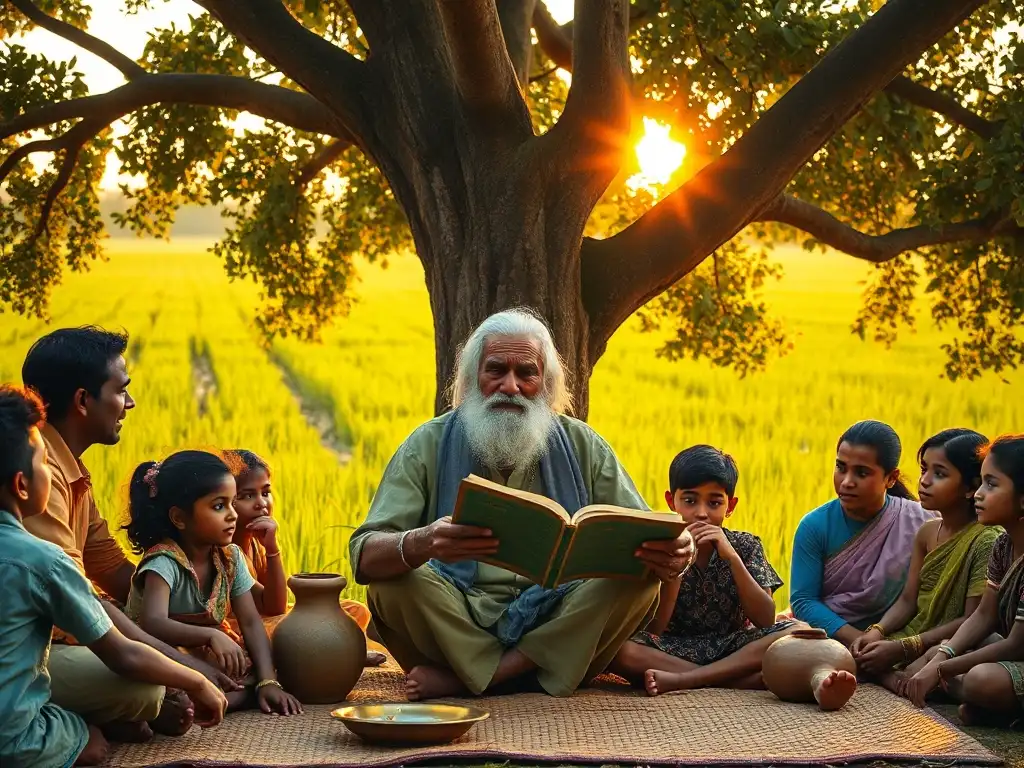
The preservation of oral histories in Eastern India is crucial for maintaining the rich tapestry of cultural narratives that have been passed down through generations. These oral traditions encompass folk tales, legends, and local histories that provide insight into the customs, values, and beliefs of various communities. The significance of these oral histories is not just in their entertainment value, but also in their role as repositories of knowledge, history, and identity.
The diverse linguistic and cultural landscape of Eastern India, which includes states like West Bengal, Odisha, Bihar, and Assam, contributes to the vast array of oral traditions. Each community has its own unique stories, often reflecting their environment, societal norms, and historical events. Preserving these oral histories is vital to ensure that future generations can connect with their heritage and understand the evolution of their cultural identity.
Challenges in Preserving Oral Traditions
Despite their importance, the preservation of oral histories in Eastern India faces several challenges:
- Declining Oral Traditions: With the advent of modern technology and the influence of urbanization, traditional storytelling practices are diminishing. Younger generations are increasingly drawn to digital media, leading to a decline in the transmission of oral stories.
- Loss of Language: Many oral histories are tied to specific languages and dialects. As these languages face extinction, the stories associated with them are at risk of being lost forever. For example, dialects like Santali and Mundari, spoken by tribal communities, are becoming less prevalent.
- Cultural Homogenization: Globalization has led to a homogenization of cultures, which often sidelines local narratives in favor of mainstream stories. This trend threatens the uniqueness of Eastern Indian oral histories, as they are overshadowed by more dominant cultural narratives.
- Lack of Documentation: Historically, oral histories have not been adequately documented. This absence of written records makes it difficult to preserve and study these narratives, leading to a potential loss of invaluable cultural heritage.
Role of Community and Elders in Storytelling
In Eastern India, the role of community and elders is fundamental to the storytelling tradition. Elders serve as custodians of knowledge, passing down stories that encapsulate moral lessons, historical events, and cultural values.
- Storytelling Gatherings: Community gatherings often serve as platforms for storytelling. Events during festivals or communal celebrations provide opportunities for elders to share tales, fostering a sense of belonging and continuity among community members.
- Intergenerational Bonding: The act of storytelling strengthens bonds between generations. Children learn about their heritage, customs, and ethical values through stories narrated by their grandparents or local elders. This intergenerational exchange is vital for cultural preservation.
- Cultural Preservation: Elders play a crucial role in ensuring that traditional narratives are not only remembered but also adapted to remain relevant. They often weave contemporary themes into ancient tales, making them accessible to younger audiences while preserving their core essence.
Modern Efforts to Document and Preserve Oral Histories
In response to the challenges faced, various modern efforts have emerged to document and preserve the oral histories of Eastern India:
- Digital Archiving: Initiatives aimed at digitizing oral narratives are gaining momentum. Organizations and universities are recording stories and translating them into written formats, creating accessible archives for future generations.
- Community Workshops: Workshops focusing on storytelling skills and oral history documentation are being conducted in various communities. These programs empower locals to take ownership of their narratives and actively participate in preservation efforts.
- Collaborative Projects: Partnerships between cultural organizations, anthropologists, and local communities are fostering projects that document oral histories. Such collaborations ensure that the voices of the communities are heard and respected in the preservation process.
- Educational Integration: Incorporating oral histories into educational curricula can help raise awareness about their significance. Schools in Eastern India are beginning to include local folklore and legends as part of their teaching, helping students appreciate their cultural heritage.
The oral histories of Eastern India are a vital aspect of the region's cultural identity. While challenges exist in their preservation, proactive measures by communities and organizations are being implemented to ensure these rich narratives continue to thrive for future generations.
Impact of Oral Histories on Eastern Indian Identity
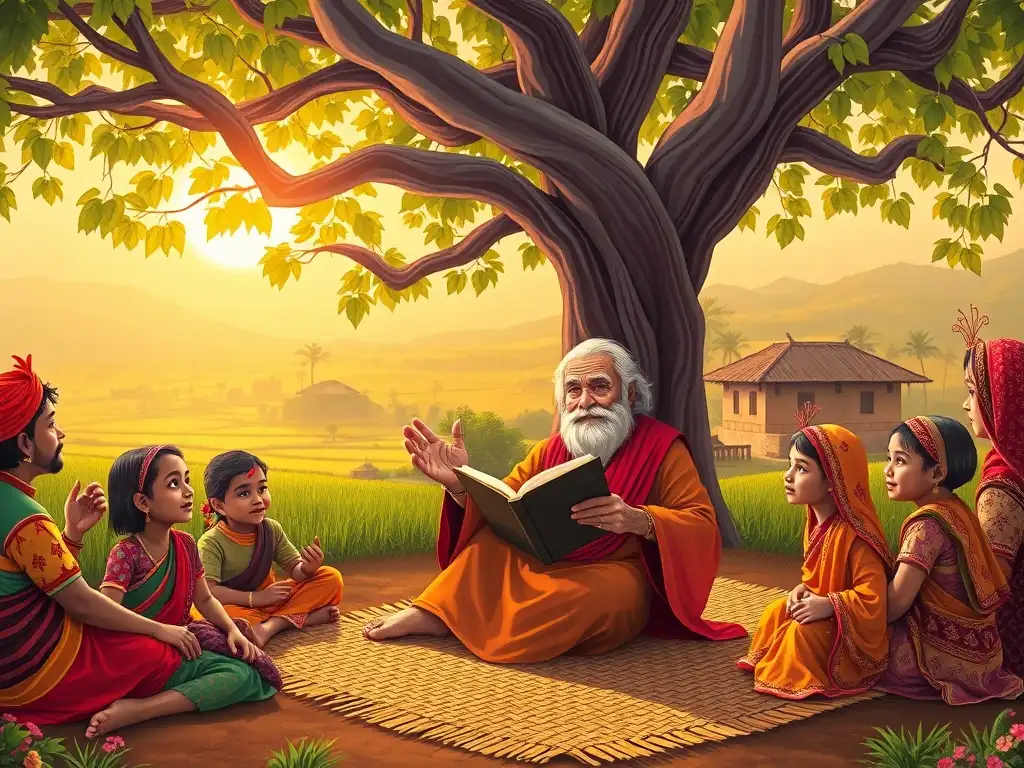
The oral histories of Eastern India play a pivotal role in shaping the region's identity, influencing its cultural practices, education, and regional pride. These narratives, passed down through generations, are not merely stories; they encapsulate the values, beliefs, and traditions of diverse communities. The significance of oral histories transcends mere entertainment, serving as a vital link between the past and the present, and fostering a sense of belonging among the people of Eastern India.
Influence on Cultural Practices and Festivals
Oral histories are intricately woven into the fabric of cultural practices and festivals celebrated across Eastern India. They serve as repositories of tradition, guiding rituals, and celebrations that reflect the region's rich heritage. For instance, many festivals, such as Durga Puja in West Bengal, are deeply rooted in mythological narratives that are orally transmitted. These tales often narrate the victory of good over evil, reinforcing local values and community cohesion.
- Examples of Festivals Influenced by Oral Histories:
- Chhath Puja: Celebrated primarily in Bihar, this festival is tied to the legends of the sun god Surya and his wife Usha, emphasizing the importance of nature in the lives of the people.
- Poush Mela: This fair in Santiniketan celebrates the harvest season, featuring folk tales that highlight agricultural practices and the life of rural communities.
Through these stories, communities reinforce their collective identity, creating a shared narrative that resonates with cultural pride and continuity. The oral traditions associated with these events not only enhance the festivities but also educate participants about their cultural lineage.
Oral Histories and Their Role in Education
The role of oral histories in education within Eastern India cannot be overstated. Traditional storytelling is a method of imparting knowledge, values, and historical perspectives to younger generations, often in informal settings. Elders share tales that reflect moral lessons, social norms, and historical events, making learning engaging and relatable.
- Key Areas of Educational Influence:
- Moral Education: Folk tales often contain moral dilemmas that encourage critical thinking and ethical reasoning among children.
- Historical Awareness: Stories recounting historical events, such as the freedom struggle or local legends, provide context and foster a sense of identity and belonging.
Incorporating oral histories into educational practices not only enriches the curriculum but also strengthens community ties. Schools in Eastern India increasingly recognize the value of these narratives, promoting programs where elders narrate stories to students, bridging generational gaps.
The Contribution of Folk Tales to Regional Pride
Folk tales are a cornerstone of regional pride in Eastern India, celebrating the unique identity of various communities. These narratives often highlight local heroes, landscapes, and cultural practices, instilling a sense of pride in one’s heritage.
- Examples of Folklore Contributions:
- Bihari Folk Tales: These often celebrate the cleverness and resilience of common people, fostering an appreciation for local wisdom and ingenuity.
- Bengali Legends: Tales of figures like Bonbibi, the guardian of the Sundarbans, emphasize the harmonious relationship between humans and nature, reflecting the ecological identity of the region.
The preservation and promotion of these folk tales contribute significantly to the cultural landscape of Eastern India. They serve not only as a means of entertainment but as a vital link to the region's past, ensuring that the stories and identities of its people endure. By celebrating these narratives, communities reinforce their distinctiveness and promote a collective pride that is essential for cultural continuity.
The oral histories of Eastern India are integral to the region's identity, influencing cultural practices, educational frameworks, and regional pride. Their preservation is essential for maintaining the rich tapestry of Eastern Indian heritage, ensuring that future generations remain connected to their roots.
Conclusion: The Future of Oral Histories in Eastern India
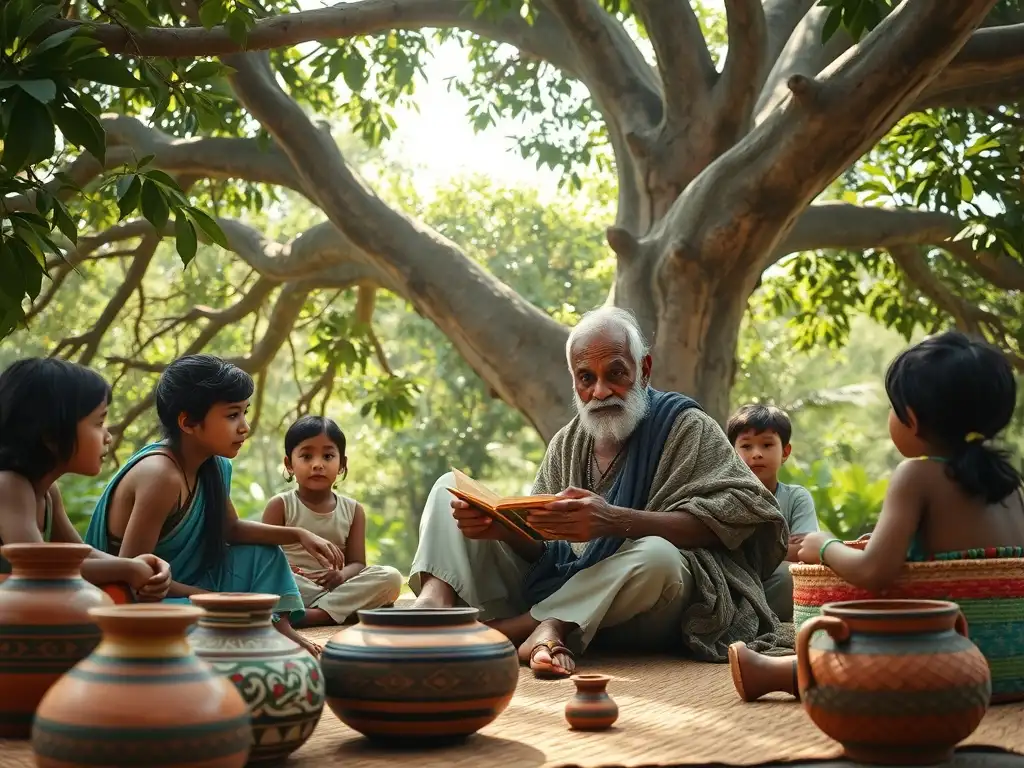
The oral histories of Eastern India serve as a vital link to the region's past, encapsulating the values, beliefs, and experiences of its diverse communities. As we reflect on the future of these traditions, it becomes increasingly clear that preserving and promoting these narratives is essential for maintaining cultural identity and continuity.
The Importance of Continuing Oral Traditions
Oral traditions are not merely stories; they encompass a wealth of knowledge that includes historical events, moral lessons, and cultural practices. In Eastern India, these tales have been passed down through generations, often evolving with each retelling. The significance of continuing these oral traditions lies in their ability to:
- Preserve Cultural Heritage: Oral histories encapsulate the unique customs and beliefs of various communities. By continuing these traditions, we safeguard the rich tapestry of Eastern Indian culture.
- Promote Social Cohesion: Shared stories foster a sense of belonging and community among individuals, reinforcing social bonds that are essential for cultural continuity.
- Educate and Inform: Folklore often serves as a means of imparting wisdom and moral lessons, making it a valuable educational tool for younger generations.
Encouraging New Generations to Engage with Folk Lore
To ensure the survival of oral histories in Eastern India, it is crucial to engage younger generations. Here are some strategies that can be implemented:
- Storytelling Workshops: Organizing workshops where elders share stories can create a platform for intergenerational exchange, fostering appreciation for folk traditions.
- Integration into Education: Incorporating local folklore into school curricula can make learning more relatable and engaging for students, instilling pride in their heritage.
- Digital Archiving: Utilizing technology to document and share oral histories can attract younger audiences who may be more inclined to engage with digital content. Platforms like podcasts and social media can be effective tools for this purpose.
- Community Festivals: Celebrating folk lore through local festivals can draw attention to these narratives and encourage participation from diverse age groups.
References and Further Reading on Oral Histories of Eastern India
To deepen your understanding of the oral histories of Eastern India, consider exploring the following resources:
- Books:
- "The Oral Tradition in India" by David Shulman
- "Folk Tales of Bengal" by Lal Behari Dey
- Academic Journals:
- "Journal of Folklore Research"
- "Indian Folklife"
- Web Resources:
- Online archives and databases focused on Eastern Indian folklore
- Websites dedicated to preserving cultural heritage like the Indian National Trust for Art and Cultural Heritage (INTACH)
By engaging with these resources, you can gain a broader perspective on the rich oral histories that define Eastern India and contribute to their preservation for future generations.
Frequently Asked Questions
What are oral histories in the context of Eastern India?
Oral histories refer to traditions of storytelling that preserve the cultural heritage and legends of Eastern India, often passed down through generations.
How do folk tales contribute to the understanding of ancient Indian civilizations?
Folk tales serve as a vital link to understanding the values, beliefs, and social norms of ancient Indian civilizations, reflecting their historical context and cultural practices.
What are some common themes found in Eastern Indian folk tales?
Many folk tales from Eastern India depict themes of morality, heroism, nature, and the struggle between good and evil, which are essential in conveying cultural lessons.
How can folk tales be preserved for future generations?
Preservation can be achieved through documentation, storytelling festivals, and community engagement, ensuring that these oral histories remain accessible and relevant.
Why are oral histories important for cultural identity in Eastern India?
Oral histories play a crucial role in maintaining cultural identity by reinforcing community bonds, facilitating the transmission of traditions, and celebrating the diverse heritage of Eastern India.
Final Reflection: The Enduring Power of Oral Histories in Eastern India
The oral histories of Eastern India are not just relics of the past; they are vibrant narratives that continue to shape our cultural identity today. As we navigate an increasingly digital world, the significance of these folk tales and legends becomes even more pronounced, reminding us of the rich tapestry of human experience that connects generations. The stories passed down through time serve as a bridge, linking our ancestors' wisdom with our present realities, and urging us to honor our roots while embracing the future.
The influence of these oral histories extends far beyond mere entertainment; they are vital components of our social fabric. They foster a sense of community, instill values, and provide a framework for understanding our place in the world. As we share these tales, we not only preserve our heritage but also inspire future generations to explore their own narratives. Stories are the communal currency of humanity.
— Tahir Shah. This quote encapsulates the essence of our shared experiences, emphasizing the importance of storytelling in fostering connection and understanding.
As you reflect on the rich oral histories of Eastern India, I invite you to consider how these narratives resonate in your own life. What stories have shaped your identity? Take a moment to engage with the tales of your own culture, share them with others, and recognize the power they hold in preserving our collective memory. In doing so, you contribute to the ongoing legacy of storytelling, ensuring that these invaluable histories continue to thrive for generations to come.
Unveil the Richness of Eastern Indian Folklore!
Thank you for joining us on this journey through the vibrant folk tales and legends of Eastern India! We hope you’ve gained a deeper appreciation for the oral histories that shape our cultural heritage. Now, it’s time to take action and keep these stories alive.
Here are some practical steps you can take:
- Dive into a local folk tale: Choose one of the stories discussed in this article and explore it further – read it, share it with friends, or even recreate it in your own unique style!
- Join a storytelling circle: Seek out local groups or online communities dedicated to preserving oral traditions. Share your experiences or narrate your favorite folk tale to help keep the tradition flourishing.
- Document a legend: Record a family member recounting a folk tale from your heritage. This not only helps preserve the story but also strengthens connections within your family.
What folk tale has influenced your life, and how would you like to share it with others? Let's keep the conversation going!