
The Role of Women in Ancient Indian Warfare: Beyond the Battlefield

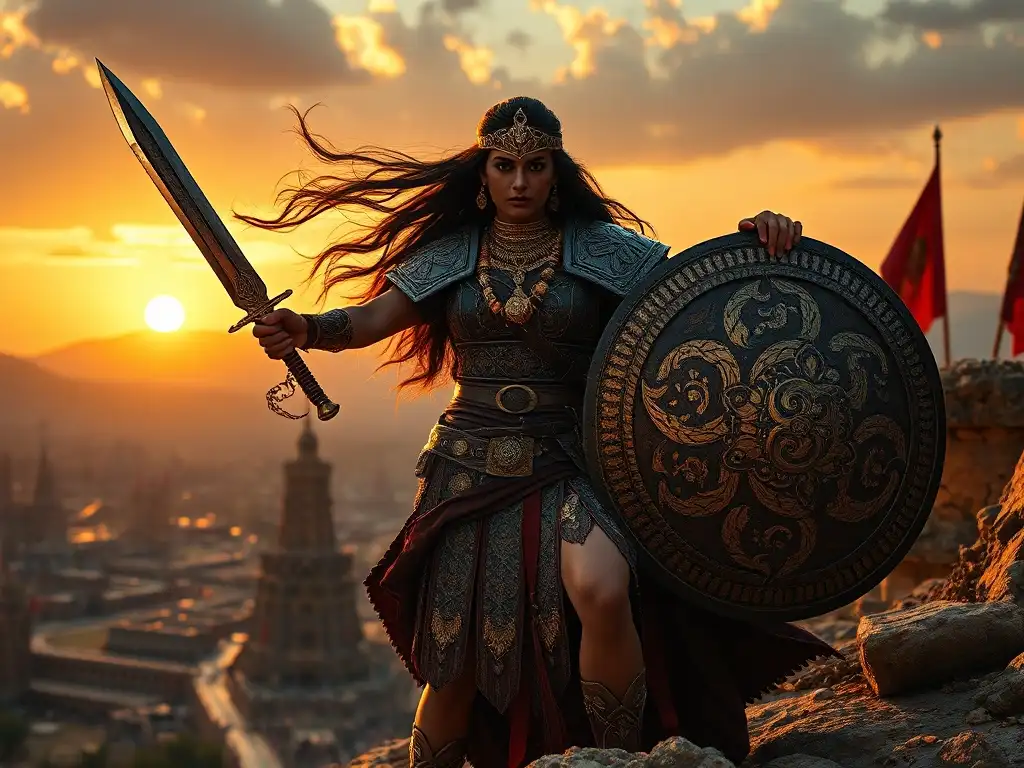
Welcome to Ancient India History, where we embark on an enlightening journey through the rich tapestry of ancient Indian civilizations. In our latest article, “The Role of Women in Ancient Indian Warfare: Beyond the Battlefield,” we delve into the often-overlooked contributions of women who played pivotal roles in warfare, strategy, and leadership.
Discover how these formidable figures shattered stereotypes and shaped the course of history, revealing a side of ancient India that is both empowering and inspiring. Join us as we explore the profound impact these remarkable women had, and uncover stories that will spark your curiosity and deepen your understanding of this fascinating era.
Introduction to Women in Ancient Indian Warfare
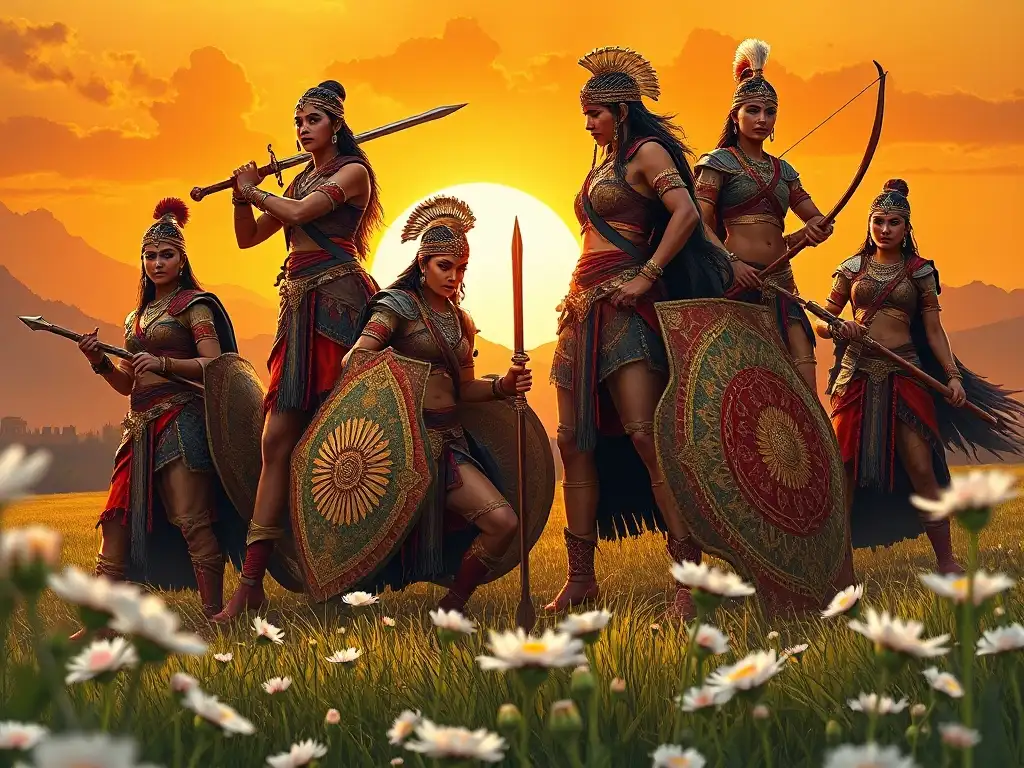
The narrative of warfare in ancient India often highlights the valor and strategies of male warriors, overshadowing the significant contributions made by women in these tumultuous times. From the formidable queens who led armies to the women who played crucial roles in the logistics and morale of their forces, women were far from mere spectators in the conflicts of their eras.
This article aims to explore the multifaceted roles that women occupied in warfare throughout ancient Indian history, shedding light on their impact and legacy. By examining their participation beyond the battlefield, we reveal a more comprehensive understanding of warfare in ancient India, thus enriching the broader discourse on gender roles in historical contexts.
Overview of Women’s Involvement in Warfare
Women in ancient India were not only involved in traditional roles but actively participated in various aspects of warfare. Historical accounts reveal that they could be found in roles such as:
- Warriors and Archers: Some women took up arms, displaying exceptional skill and bravery in battle.
- Strategists and Advisors: Many women served as advisors to kings, influencing military decisions.
- Logistics and Support: Women managed supply lines and cared for the wounded, ensuring that armies were well-equipped.
Through these roles, women contributed significantly to the success and sustainability of military campaigns, often challenging the gender norms of their time.
Importance of Understanding Women's Roles in Ancient Conflicts
Recognizing the roles of women in ancient Indian warfare is crucial for several reasons:
- Historical Accuracy: It corrects the male-dominated narrative of history, providing a more inclusive view of societal contributions.
- Cultural Insight: Understanding women's involvement offers insights into the social structures and gender dynamics of ancient civilizations.
- Inspiration for Modern Society: Highlighting these contributions can empower contemporary discussions on gender equality and women's roles in various spheres of life.
By delving into the complexities of women's roles in ancient warfare, we can appreciate the diverse contributions that shaped the historical landscape of India.
Historical Context of Warfare in Ancient India
To comprehend the role of women in warfare, it is essential to contextualize the various historical periods and the evolution of warfare practices in ancient India. Each era brought with it distinct forms of conflict and societal structures, influencing how women participated in these events.
Evolution of Warfare Practices in Ancient Indian Civilizations
Ancient Indian warfare evolved significantly from the time of the Indus Valley Civilization through the Vedic period and into the era of the Maurya and Gupta Empires. Key developments included:
- Military Technology: The introduction of new weapons and chariots transformed battlefield tactics.
- Strategic Alliances: The formation of alliances often involved women, as marriages between royal families could secure peace or military support.
- Caste and Class Dynamics: Warfare practices were influenced by the socio-economic status, with women from different classes participating in varying capacities.
Through these developments, the role of women adapted, allowing them to influence and engage in warfare in diverse ways, reflecting their strength and resilience.
Key Historical Periods: From the Indus Valley to the Gupta Empire
Throughout ancient Indian history, several key periods stand out in terms of warfare and women's participation:
- Indus Valley Civilization (c. 2500–1500 BCE): Evidence suggests women were involved in community defense.
- Vedic Period (c. 1500–500 BCE): Texts indicate women warriors, such as those mentioned in the Mahabharata, who fought alongside men.
- Maurya Empire (c. 322–185 BCE): Queens like Chandragupta's wife played vital roles in governance and military strategy.
- Gupta Empire (c. 320–550 CE): Women continued to influence military affairs, often supporting their husbands in political and military endeavors.
Each of these periods highlights not only the evolution of warfare practices but also the enduring presence and influence of women in shaping the course of ancient Indian history.
Women as Warriors in Ancient Indian History
Throughout ancient Indian history, women played a significant role in warfare, often stepping beyond traditional gender roles to defend their communities and kingdoms. The concept of women as warriors is not merely a modern interpretation; it is deeply rooted in the historical narratives of various Indian civilizations. From the fierce queens of the Rajput clans to the women of the tribal communities, their involvement in battles highlights a unique aspect of gender dynamics in warfare.
Women were not only passive observers of conflict but rather active participants who displayed courage and valor. Their involvement ranged from leading troops into battle to engaging in combat themselves. Ancient texts and epics, such as the Mahabharata and Ramayana, often depict women taking on arms, showcasing their strength and resilience. This portrayal challenges the conventional perception of women in ancient societies and emphasizes their essential contributions to warfare and defense.
Notable Female Warriors and Their Contributions
Several remarkable women have left an indelible mark on the history of warfare in ancient India. Among them, Rani Lakshmibai of Jhansi stands out as a symbol of bravery during the First War of Indian Independence in 1857. She not only led her troops valiantly but also inspired many others to join the fight against British rule. Her legacy continues to be celebrated as an embodiment of resistance and strength.
Another notable figure is the warrior queen Durgavati, who ruled the Gondwana region in the 16th century. She fiercely defended her kingdom against the Mughal invasion, showcasing her military prowess and strategic acumen. Her tale serves as a reminder of the critical roles women played in protecting their realms and contributing to military strategies.
Case Studies of Women in Battles and Military Strategies
The annals of ancient Indian warfare are enriched with accounts of women who played crucial roles in battles. One such instance is the story of Chand Bibi, the regent of Bijapur, who fought valiantly against the Mughal forces in the late 16th century. Her strategic defense of the fort of Ahmednagar not only delayed the Mughal conquest but also showcased her skills as a military leader and tactician.
Similarly, during the reign of the Maratha Empire, women like Tarabai took on significant military roles. Tarabai led her troops against the Mughals and effectively managed the administration of her territory during her husband's absence. These case studies illustrate that women were not just participants but also shrewd strategists who influenced the outcomes of historical conflicts.
Women’s Roles Beyond the Battlefield
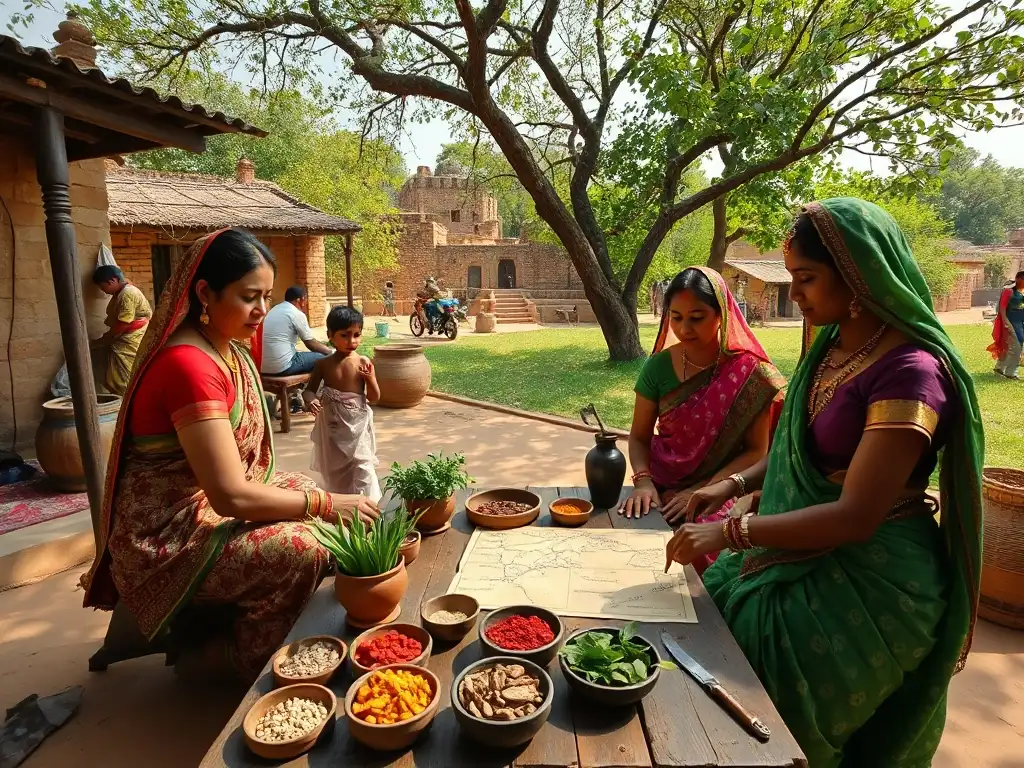
While many women engaged directly in combat, their contributions to warfare extended far beyond the battlefield. They played essential roles in leadership, strategy, and support systems, which were crucial for the success of military campaigns.
Leadership Positions Held by Women in Ancient Military Contexts
Women in ancient India often held leadership positions that allowed them to influence military decisions and policies. Historical accounts reveal that queens and noblewomen were frequently consulted in matters of state, including military strategies. For instance, Rani Durgavati not only led her army but also made key decisions regarding alliances and resource management, demonstrating the significant authority women could wield in military contexts.
Women as Strategists and Advisors in Warfare
In addition to direct leadership roles, many women served as advisors and strategists. They provided crucial insights based on their knowledge of the terrain, enemy tactics, and resource allocation. The wives and mothers of warriors often had access to information and were able to influence their husbands and sons' decisions regarding warfare. This advisory role was vital in planning military campaigns and understanding the broader socio-political landscape.
Contributions to Logistics and Support Roles in Warfare
The logistics of warfare are often overlooked, yet they are critical for success in any military endeavor. Women played a pivotal role in supporting military campaigns through logistics, including supplying food, medical care, and morale-boosting efforts. They often managed the homes and resources while men were away fighting, ensuring that soldiers had the necessary supplies to sustain their efforts. Historical records indicate that women organized efforts to care for the wounded and provided essential support services, proving their indispensable role in ancient military operations.
The role of women in ancient Indian warfare goes well beyond the battlefield. Their contributions as warriors, strategists, leaders, and logistical supporters illustrate a complex and rich tapestry of involvement that challenges traditional narratives about gender roles in historical contexts.
Cultural Representations of Women in Warfare
The cultural representations of women in warfare in ancient India are rich and varied, reflecting the complex roles women played both on and off the battlefield. Women were not merely passive observers; they often embodied strength, valor, and resilience in the face of conflict. These representations can be gleaned from ancient texts, literature, and art, showcasing the multifaceted nature of women's contributions to warfare and society.
Depictions of Female Warriors in Ancient Texts and Art
Ancient Indian texts, such as the Mahabharata and the Ramayana, vividly depict female warriors who played crucial roles in battles. Characters like Durga, who is often shown riding a lion and slaying demons, symbolize the fierce spirit of women in combat. Additionally, the warrior queen, Rani Durgavati, is celebrated in various historical accounts for her bravery in defending her kingdom against invaders.
Art from ancient India also reflects these heroic portrayals. Sculptures and frescoes often feature women wielding weapons, adorned in battle gear, and participating in military campaigns. These artistic representations not only highlight their physical prowess but also serve to inspire future generations by showcasing women's strength and capability.
The Symbolism of Women in Warfare in Ancient Indian Culture
Women in ancient Indian culture were frequently associated with divine qualities, and their involvement in warfare was often imbued with symbolism. The concept of Shakti, representing feminine power and energy, is central to understanding women's roles in warfare. Women's participation in battles was viewed as a manifestation of this divine strength, elevating their status in society.
Furthermore, women were often seen as protectors of the home and family, and their involvement in warfare was linked to safeguarding these values. This dual role—both as nurturers and warriors—underscores the complexity of their societal roles and the respect they commanded within their communities. The symbolism of women in warfare thus extends beyond the battlefield, influencing cultural norms and expectations surrounding femininity and strength.
The Impact of Women on Ancient Indian Society
The involvement of women in warfare had profound implications for ancient Indian society, reshaping social structures and influencing the dynamics of power and authority. Their contributions were not confined to the battlefield but echoed throughout various aspects of social life.
How Women’s Involvement in Warfare Influenced Social Structures
Women's participation in warfare challenged traditional gender roles, leading to a gradual shift in societal perceptions. As women took on active roles as warriors and leaders, they began to gain recognition and respect, which in turn empowered them within their households and communities. This newfound agency allowed women to influence decisions related to warfare, governance, and even economic matters.
Moreover, the valor exhibited by female warriors often inspired a sense of unity and resilience among the populace, fostering a collective identity that transcended gender barriers. As a result, women's involvement in warfare contributed to a more egalitarian social structure, where abilities and contributions were valued irrespective of gender.
The Legacy of Female Participation in Warfare on Future Generations
The legacy of women in ancient Indian warfare continues to resonate through generations. Their stories, valor, and contributions have been integral in shaping the historical narrative of India. The recognition of female warriors in ancient texts and folklore has inspired countless women throughout history, encouraging them to embrace strength and resilience.
In modern times, the tales of these warrior women serve as powerful reminders of the capabilities and potential of women in all spheres of life. Their legacy not only enriches the understanding of women's roles in ancient societies but also advocates for gender equality and empowerment in contemporary contexts. By exploring their contributions, we can appreciate the profound impact women had on shaping not just ancient Indian warfare, but society as a whole.
Conclusion
The exploration of women's roles in ancient Indian warfare reveals a rich tapestry of contributions that extend far beyond the traditional battlefield. Women were not merely passive observers or supporters; they actively participated in various capacities, showcasing their resilience, strategic acumen, and leadership. From queens leading armies to women providing crucial support roles, their involvement was integral to the military successes of their time.
Summary of Women’s Multifaceted Roles in Ancient Indian Warfare
Throughout history, women in ancient India occupied diverse roles that were essential to the fabric of warfare. Their contributions can be summarized as follows:
- Warriors and Leaders: Many women, such as Rani Lakshmibai, took up arms and displayed exceptional leadership in battles, inspiring their troops and strategizing against formidable foes.
- Strategists and Advisors: Women often served as advisors to kings and military leaders, utilizing their intelligence and insight to influence decisions that shaped the outcomes of conflicts.
- Support Roles: Women were also active in logistics, ensuring that supplies, resources, and medical care were available during campaigns, which were vital for sustaining armies.
- Cultural Symbolism: Beyond practical roles, women symbolized valor and strength in ancient texts and folklore, reinforcing the idea that women were integral to the martial spirit of their communities.
These roles illustrate that women were not sidelined but were pivotal in the dynamics of ancient Indian warfare, contributing to both the physical and psychological aspects of military engagements.
Final Thoughts on the Importance of Recognizing Women’s Contributions in History
Recognizing the contributions of women in ancient Indian warfare is crucial for a holistic understanding of history. By acknowledging their multifaceted roles, we not only honor their legacy but also challenge the prevailing narratives that often marginalize women’s contributions in historical contexts.
The stories of these women serve as a source of inspiration, showcasing the strength and agency that women have exhibited throughout history. Moreover, their involvement in warfare underscores the importance of gender inclusivity in historical narratives, reminding us that history is a collective story shaped by diverse voices.
In contemporary discussions about gender roles, the legacies of these women can inform modern perspectives on leadership and empowerment, illustrating that the spirit of resilience and courage transcends time and culture. Thus, recognizing women in ancient Indian warfare is not just about acknowledging the past; it is a call to celebrate the ongoing contributions of women in all spheres of society today.
- Introduction to Women in Ancient Indian Warfare
- Historical Context of Warfare in Ancient India
- Women as Warriors in Ancient Indian History
- Case Studies of Women in Battles and Military Strategies
- Women’s Roles Beyond the Battlefield
- Cultural Representations of Women in Warfare
- The Impact of Women on Ancient Indian Society
- Conclusion
- What roles did women play in ancient Indian warfare?
- Were there any notable female warriors in ancient India?
- How did societal norms affect women's participation in warfare?
- Did women have any military training in ancient India?
- What impact did women's involvement in warfare have on ancient Indian society?
Frequently Asked Questions
What roles did women play in ancient Indian warfare?
Women in ancient India were not only involved in supporting roles but also took part in combat, strategizing, and even leading troops during certain historical periods.
Were there any notable female warriors in ancient India?
Yes, there were several notable female warriors such as Rani Lakshmibai and Chand Bibi, who are celebrated for their courage and leadership in battles against invaders.
How did societal norms affect women's participation in warfare?
While societal norms often restricted women's roles, some women broke through these barriers, demonstrating that they could be formidable warriors in times of conflict, thereby challenging traditional gender roles.
Did women have any military training in ancient India?
Yes, many women received military training and education in warfare, particularly from noble families, allowing them to defend their kingdoms and engage in battle when necessary.
What impact did women's involvement in warfare have on ancient Indian society?
The active participation of women in warfare contributed to a more dynamic understanding of gender roles and helped in shaping the cultural narratives around women as warriors, thus influencing future generations.
Final Reflection: Empowering Narratives of Women in Ancient Indian Warfare
The exploration of Women in Ancient Indian Warfare reveals a profound and often overlooked aspect of history that resonates powerfully in today's discourse on gender roles and empowerment. As we uncover the multifaceted contributions of women in warfare, we recognize that their influence extended far beyond the battlefield, shaping not only military strategies but also societal norms. This understanding challenges the traditional narratives that often marginalize women's roles, urging us to acknowledge that their strength and resilience were pivotal in the fabric of ancient societies.
The legacy of women warriors, strategists, and leaders continues to influence our cultural and social landscape, inspiring modern movements for gender equality and representation. Their stories remind us that courage knows no gender, and that the fight for justice and recognition is a shared endeavor. As we reflect on the past, we can draw parallels to contemporary struggles, where women's voices are increasingly being amplified. The most common way people give up their power is by thinking they don’t have any.
– Alice Walker. This quote encapsulates the essence of our journey: recognizing and reclaiming the power that has always existed within women, even in the shadows of history.
As we conclude this exploration, I invite you to reflect on the lessons learned from the roles women played in ancient Indian warfare. Consider how these narratives can inspire you to challenge stereotypes and advocate for equality in your own life. Let their stories of bravery and resilience motivate you to support and uplift the voices of women around you. Together, we can honor the past and forge a future where every individual's contributions are recognized and celebrated, ensuring that the legacy of women in warfare continues to inspire generations to come.
Honor Their Legacy – Explore, Engage, Empower!
Thank you for taking the time to delve into the fascinating role of women in ancient Indian warfare. By uncovering their contributions beyond the battlefield, you've gained a richer perspective on history. Now, it's time to take action and honor their legacy in meaningful ways.
- Join a local history group or an online community to discuss and promote awareness of women's roles in warfare across cultures.
- Share your insights through a blog post or a social media update to inspire others about the importance of recognizing these remarkable women.
- Consider visiting a museum or historical site that showcases the contributions of women in warfare, and invite friends or family to spark a discussion!
What do you believe are some modern parallels to the warrior spirit exhibited by these extraordinary women in ancient India?