
Goddess Worship: The Significance of Female Deities in Ancient Indian Culture

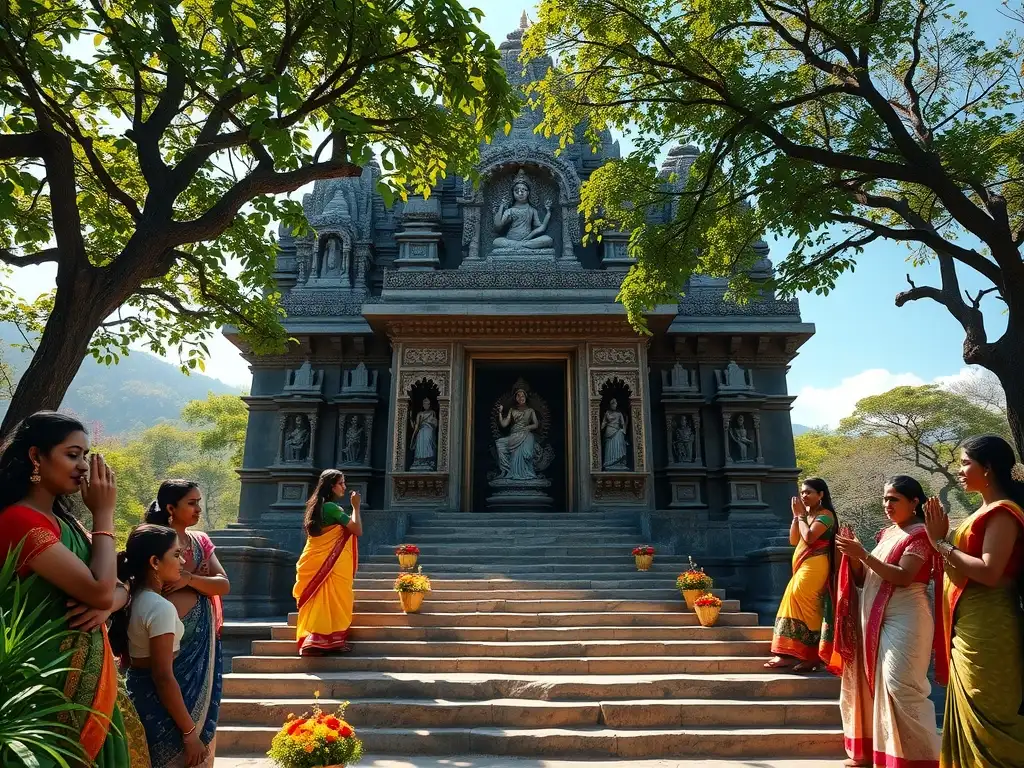
Welcome to Ancient India History, where we embark on a fascinating journey through the rich tapestry of ancient Indian civilizations. In this exploration, we shine a spotlight on the enduring significance of female deities in ancient India, revealing how these powerful figures shaped culture, spirituality, and societal roles. Have you ever wondered how goddess worship influenced the lives of women and men alike in ancient times?
Join us as we delve into the profound impact of these divine figures, uncovering the stories and contributions that have echoed through generations. Your adventure into the heart of ancient Indian culture begins here!
- Introduction to Goddess Worship in Ancient India
- Historical Context of Female Deities in Ancient India
- Prominent Female Deities in Ancient Indian Religion
- The Role of Female Deities in Society and Culture
- Philosophical Significance of Goddess Worship
- The Impact of Goddess Worship on Modern Indian Culture
- Conclusion: The Enduring Legacy of Female Deities in Ancient India
-
Frequently Asked Questions
- What role did female deities play in ancient Indian culture?
- How were goddesses worshipped in ancient India?
- Can you name some prominent female deities from ancient India?
- What is the significance of female deities in the context of ancient Indian society?
- How did the perception of goddesses evolve from the Indus Valley to the Gupta Empire?
- Final Reflection: Embracing the Divine Feminine in Ancient Indian Culture
- Embrace the Divine: Connect with the Power of Female Deities!
Introduction to Goddess Worship in Ancient India
Goddess worship holds a prominent place in the religious and cultural tapestry of ancient India, reflecting the deep reverence for feminine divinity that permeated various civilizations throughout history. From the enigmatic figures of the Indus Valley civilization to the revered goddesses of the Gupta Empire, female deities in ancient India were not merely symbolic; they embodied the essence of life, fertility, wisdom, and power.
This article will explore the significance of these divine figures, their roles in religious practices, and how they shaped the societal norms and values of their time. By understanding the multifaceted aspects of goddess worship, we can gain insight into the broader narrative of women's roles and contributions within ancient Indian culture.
Overview of Female Deities in Ancient Indian Culture
The pantheon of female deities in ancient India is vast and diverse, encompassing a range of goddesses who were worshipped in various contexts and regions. Notable among them are:
- Saraswati: The goddess of knowledge, music, and arts, often depicted with a veena (musical instrument) and a book.
- Lakshmi: The goddess of wealth and prosperity, frequently portrayed with gold coins flowing from her hands.
- Durga: A fierce warrior goddess, symbolizing the victory of good over evil, depicted riding a lion or tiger.
- Parvati: The embodiment of love and devotion, representing the nurturing aspect of femininity.
These deities were pivotal in rituals and festivals, fostering a sense of community and cultural identity among worshippers. Their stories, often found in ancient texts like the Vedas, Puranas, and Mahabharata, illustrate the values and ideals of the society that revered them.
The veneration of female deities also highlights the syncretic nature of ancient Indian spirituality, where diverse beliefs and practices coexisted. This dynamic interaction not only enriched the religious landscape but also empowered women as spiritual leaders, practitioners, and patrons of the arts.
Importance of Female Deities in Religious Practices
The significance of female deities in ancient Indian religious practices cannot be overstated. They served as vital links between the divine and the earthly realms, embodying the qualities that were essential for societal balance and harmony. Here are some key aspects of their importance:
- Symbol of Fertility and Prosperity: Many female deities were associated with agriculture and fertility, reflecting the agrarian roots of ancient Indian society. Worshipping these goddesses was believed to ensure bountiful harvests and familial prosperity.
- Protectors of the Faithful: Goddesses like Durga were invoked for protection against malevolent forces and to bring peace and stability to communities. Their fierce attributes allowed devotees to confront fears and challenges.
- Moral and Ethical Guidance: Female deities often personified virtues such as compassion, wisdom, and strength. Their narratives served as moral lessons, guiding followers in their personal and communal lives.
- Rituals and Festivals: The worship of female deities was integral to various rituals and festivals, which were not only religious observances but also social gatherings that strengthened community bonds.
The worship of female deities in ancient India reflects a complex interplay of spirituality, culture, and social values. Understanding these aspects sheds light on the profound influence that goddess worship had on the lives of individuals and the collective identity of ancient Indian societies.
Historical Context of Female Deities in Ancient India
Evolution of Goddess Worship from the Indus Valley Civilization
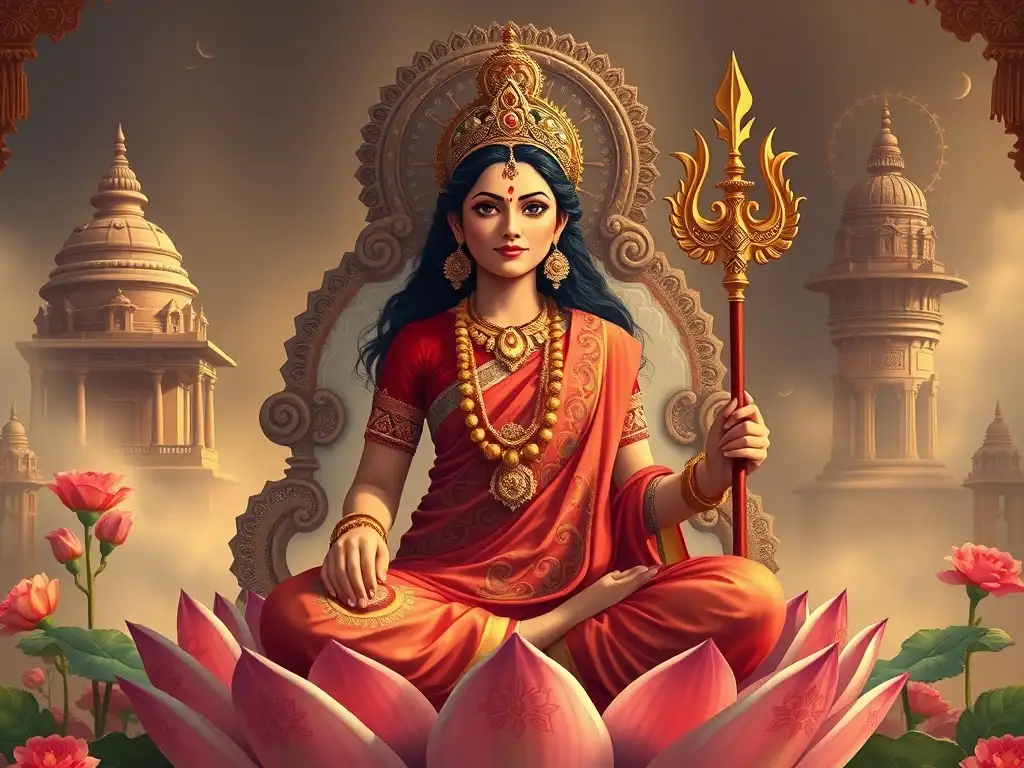
The roots of goddess worship in ancient India can be traced back to the Indus Valley Civilization (IVC), which flourished from approximately 3300 BCE to 1300 BCE. Archaeological findings reveal a rich tapestry of female figurines, often interpreted as representations of goddesses. The Mother Goddess figurines, characterized by exaggerated features such as full breasts and hips, signify fertility and motherhood, pivotal themes in the societal fabric of the time.
- Key Findings:
- Terracotta Figurines: Numerous terracotta sculptures depicting female figures suggest reverence for feminine power and fertility.
- Seals and Iconography: Seals bearing images of women in ceremonial poses indicate their crucial role in ritualistic practices.
The worship of these female deities likely played a crucial part in agricultural societies, where fertility was essential for sustenance. As the Indus Valley Civilization declined, the reverence for female deities transitioned into the subsequent Vedic period, adapting and evolving in the cultural milieu of the time.
Female Deities in Vedic Texts and Early Hinduism
The transition from the Indus Valley civilization to the Vedic period marked a significant evolution in the concept of female deities. Vedic texts, composed around 1500 BCE, present a more structured pantheon of gods and goddesses. Female deities such as Saraswati, Durga, and Lakshmi emerge prominently, embodying various aspects of life and spirituality.
- Saraswati: The goddess of knowledge, music, and arts, depicted as a serene figure playing the veena. Her worship reflects the importance of education and the arts in Vedic society.
- Durga: Represented as a warrior goddess, embodying strength and protection. Her narratives often revolve around the triumph of good over evil, resonating deeply in the cultural psyche.
- Lakshmi: The goddess of wealth and prosperity, symbolizing abundance and fortune. Her association with Vishnu underscores the role of female deities in maintaining cosmic order.
The Rigveda, one of the oldest sacred texts, contains hymns dedicated to these goddesses, showcasing their integral role in spiritual and daily life. The Vedic period laid the groundwork for later developments in Hinduism, where female deities continued to gain prominence, reflecting the changing dynamics of gender roles and societal values.
Influence of Local Cultures on Goddess Worship
As ancient Indian civilization progressed, the worship of female deities absorbed influences from various local cultures, contributing to a rich and diverse spiritual landscape. The interaction between different ethnic groups, trade routes, and migration patterns facilitated the amalgamation of local beliefs with established traditions.
- Regional Variations: In different parts of India, local goddesses, such as Kali in Bengal and Meenakshi in Tamil Nadu, emerged, each embodying unique attributes and cultural significance. This regional diversity highlighted the adaptability of goddess worship to local contexts.
- Folk Traditions: Many female deities were integrated into folk traditions, where they were venerated in village rituals and festivals. These practices often emphasized agricultural cycles, fertility, and protection, connecting the deities directly to the daily lives of the people.
The fusion of local customs and established religious practices led to a dynamic and evolving worship of female deities, reflecting the pluralistic nature of ancient Indian society. This adaptability ensured the survival and relevance of goddess worship throughout the ages, reaffirming the significance of female deities in ancient India.
Prominent Female Deities in Ancient Indian Religion
Durga: The Warrior Goddess and Her Symbolism
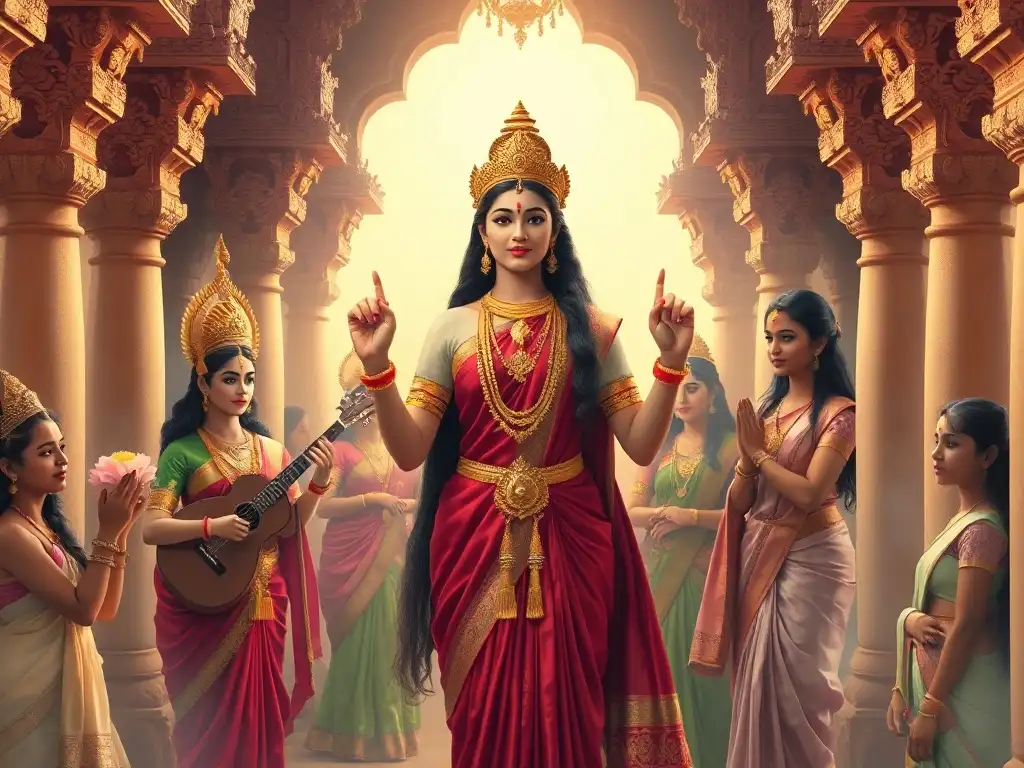
Durga, one of the most revered female deities in ancient India, embodies the fierce and protective aspects of motherhood. Often depicted riding a lion or tiger, she symbolizes strength, courage, and the triumph of good over evil. The origins of Durga can be traced back to the Vedic texts, but her prominence surged during the later periods, particularly in the Puranas, where her narratives are rich with allegorical meaning.
Symbolism and Iconography
- Weapons: Durga is typically portrayed with multiple arms, each holding a different weapon, representing her ability to combat various evils. The conch shell, bow and arrow, sword, and trident are among the most common symbols associated with her.
- Lion/Tiger: Her mount, the lion or tiger, signifies her mastery over power and her role as the divine protector. The choice of this animal also represents the balance of ferocity and grace.
- Festivals: The festival of Durga Puja, celebrated predominantly in West Bengal, commemorates her victory over the buffalo demon Mahishasura, illustrating the eternal battle between dharma (righteousness) and adharma (wickedness).
Lakshmi: The Goddess of Wealth and Prosperity
Lakshmi, another significant female deity in ancient India, is primarily known as the goddess of wealth, fortune, and prosperity. She is often worshipped by both individuals and communities seeking material and spiritual abundance.
Cultural Importance and Worship Practices
- Symbol of Abundance: Lakshmi is depicted sitting or standing on a lotus, symbolizing purity and beauty. She is often shown with gold coins flowing from her hands, which signifies the wealth and prosperity she bestows upon her devotees.
- Diwali Celebrations: The festival of lights, Diwali, is dedicated to Lakshmi, where homes are cleaned, decorated, and illuminated to invite her blessings. This practice highlights the cultural significance of wealth in both material and spiritual forms.
- Varieties of Lakshmi: There are several forms of Lakshmi, including Adi Lakshmi (original wealth), Dhana Lakshmi (material wealth), and Vijaya Lakshmi (victory). Each aspect emphasizes different dimensions of prosperity in the lives of her devotees.
Saraswati: The Goddess of Knowledge and Arts
Saraswati, revered as the goddess of knowledge, music, art, wisdom, and learning, holds a unique and vital place in ancient Indian culture. Her worship is particularly significant among scholars, artists, and students.
Attributes and Festivals
- Iconography: Saraswati is typically depicted wearing a white sari, symbolizing purity, and holding a veena (a musical instrument), a book, and a rosary. These elements emphasize her association with music, education, and spirituality.
- Vasant Panchami: Celebrated in her honor, Vasant Panchami marks the onset of spring and is a day dedicated to learning and the arts. It is customary to worship her by placing books and musical instruments at her feet, seeking her blessings for wisdom and creativity.
- Role in Literature: Saraswati's influence extends beyond religious texts into literature and philosophy, where she is often invoked as a source of inspiration for poets and thinkers, showcasing the deep-rooted respect for female deities in shaping intellectual pursuits in ancient India.
The reverence for these female deities in ancient India reflects the profound role they played in the religious and cultural landscape, serving as embodiments of various virtues and guiding principles that shaped the lives of individuals and communities alike.
Other Notable Goddesses and Their Roles
In addition to the major female deities like Durga, Lakshmi, and Saraswati, ancient Indian culture celebrated a diverse pantheon of goddesses, each embodying unique attributes and fulfilling specific societal roles. These goddesses played pivotal roles in the spiritual and cultural life of ancient India, influencing everything from agricultural practices to moral values.
1. Parvati and Her Aspects
Parvati, the consort of Lord Shiva, is revered as a goddess of love, fertility, and devotion. She embodies the nurturing aspects of femininity, representing the ideal wife and mother. Parvati is also associated with various forms, such as Durga and Kali, highlighting her versatility. As Durga, she is a warrior goddess who combats evil forces, while Kali represents time and transformation. This multifaceted nature of Parvati signifies the complex role of women in society, where they can embody both nurturing and fierce qualities.
2. Sita: The Ideal Woman
Sita, the heroine of the Ramayana, is often seen as the epitome of virtue, loyalty, and self-sacrifice. Her story illustrates the challenges faced by women in ancient Indian society, particularly in the context of marriage and duty. Despite her trials, including abduction and exile, Sita remains steadfast, symbolizing resilience and moral strength. Her character has been pivotal in shaping cultural notions of womanhood and has inspired countless interpretations in literature and art.
3. Radha: The Divine Lover
Radha, revered in Vaishnavism, represents the ideal of love and devotion. Her relationship with Lord Krishna transcends traditional boundaries, emphasizing the spiritual connection between the divine and the devotee. Radha's worship reflects the importance of love and longing in human experience and the role of women in expressing deep emotional and spiritual truths. She is often celebrated in various art forms, particularly in poetry and dance, embodying the theme of divine love.
4. Kali: The Fierce Protector
Kali, often depicted with a fierce appearance, symbolizes destruction and transformation. As a goddess of time and change, she embodies the raw, untamed energy of nature. Kali's worship was significant in ancient Indian rituals, particularly in Shakta traditions, where she was invoked for protection and empowerment. Her fearsome demeanor challenges conventional ideas of femininity, illustrating that power and strength are integral aspects of the female divine.
5. Ganga: The Sacred River Goddess
Ganga, personified as a goddess, holds immense significance in ancient India. The Ganges River is not only a crucial water source but also a symbol of purification and salvation. Worship of Ganga reflects the reverence for nature and the belief in the divine presence within it. Devotees seek her blessings for health, prosperity, and spiritual liberation, showcasing the integral role of female deities in daily life and environmental consciousness.
6. Ushas: The Dawn Goddess
Ushas, the goddess of dawn, symbolizes renewal and the promise of a new day. She is often depicted as a beautiful maiden who drives away darkness, representing hope and the cyclical nature of life. Ushas' worship is linked to agricultural practices, as dawn signals the time for farmers to begin their daily work. By honoring Ushas, ancient societies acknowledged the vital connection between the goddess and the rhythms of nature.
These goddesses, among others, illustrate the rich tapestry of female deities in ancient India, each contributing to the cultural narrative and embodying the values and aspirations of their worshippers. Through their various roles, they provide insights into the perception of womanhood and the divine feminine within the historical context of Indian civilization.
The Role of Female Deities in Society and Culture
Female Deities as Symbols of Power and Feminine Energy
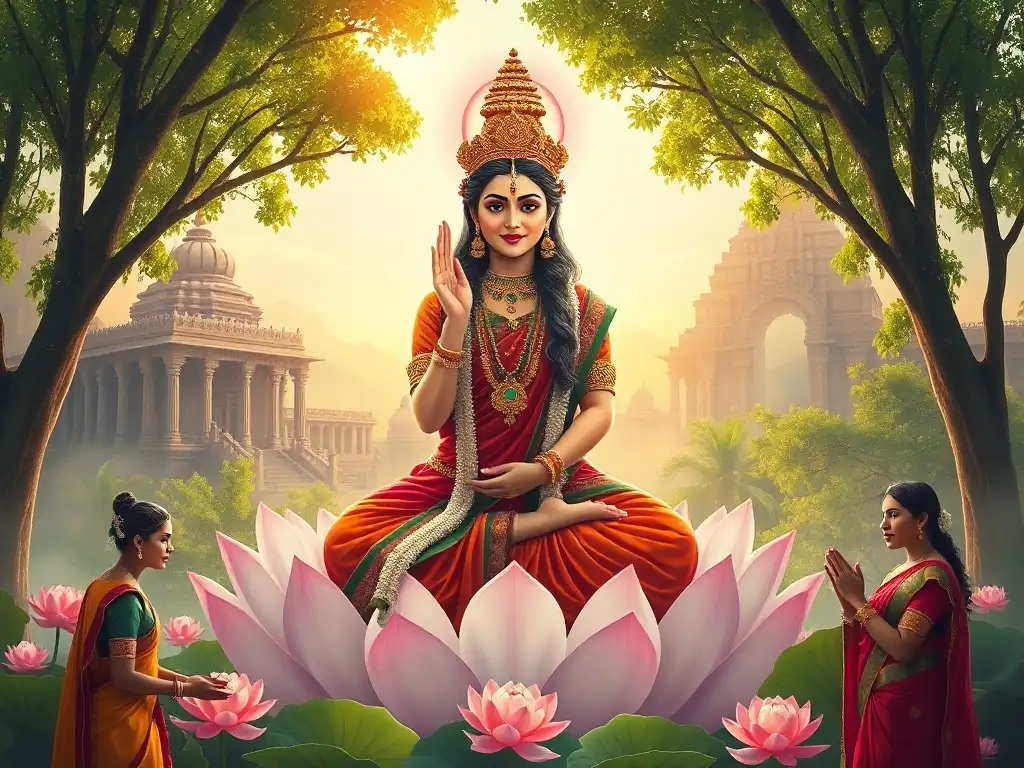
In ancient India, female deities played a crucial role as embodiments of power and feminine energy, representing various aspects of life, including fertility, wisdom, and strength. The worship of these deities transcended mere ritualistic practices; it was a reflection of societal values and the reverence for the feminine principle in the cosmic order.
For instance, Shakti, often regarded as the supreme goddess, signifies the dynamic force of creation and destruction. She embodies the concept of Shakti (energy) which is pivotal in Hindu philosophy, illustrating that the divine feminine is not only nurturing but also powerful and transformative. This duality is evident in goddesses such as Durga, who epitomizes the fierce protector and warrior, and Lakshmi, who symbolizes wealth and prosperity.
Moreover, the presence of female deities in ancient texts and rituals highlights their importance in governance and societal structures. Many ancient Indian kings would invoke the blessings of goddesses before embarking on conquests or important ventures, reinforcing the idea that divine feminine energy was essential for success and harmony in their realms.
Representation of Women in Ancient Texts and Art
The representation of women in ancient Indian texts and art reveals the multifaceted roles of female deities and their influence on societal perceptions of femininity. In texts such as the Rigveda and Mahabharata, female deities are portrayed with respect and reverence, often participating in divine narratives that emphasize their strength and wisdom.
Key Texts and Their Depictions:
- Rigveda: Offers insights into early forms of goddess worship, with hymns dedicated to deities like Aditi and Ushas, representing cosmic order and dawn, respectively.
- Mahabharata: Features powerful female figures like Draupadi, whose dignity and strength in the face of adversity symbolize resilience and moral integrity.
In art, ancient sculptures and paintings often depict these deities with elaborate adornments, showcasing their divine status. For example, the intricate carvings found in temples such as those in Khajuraho and Ajanta vividly illustrate the grandeur and complexity of female deities, often accompanied by symbolic motifs reflecting their attributes—like lotuses for purity or snakes for power.
Festivals and Rituals Celebrating Female Deities
Festivals and rituals dedicated to female deities form an integral part of ancient Indian culture, fostering community bonds and reinforcing the significance of feminine divinity. These celebrations not only honor the goddesses but also serve as a platform for expressing collective gratitude and devotion.
Prominent Festivals:
- Navaratri: A nine-night festival dedicated to Durga, celebrating her victory over the buffalo demon Mahishasura. This festival underscores the themes of victory of good over evil, and involves vibrant dances, music, and rituals.
- Teej: Celebrated primarily in northern India, this festival honors Parvati and her union with Shiva. Women participate in fasting, singing, and dancing, highlighting the cultural importance of female deities in personal and communal life.
Rituals often include pujas (prayer rituals) where offerings are made to the deities, emphasizing the belief that the blessings of female deities can bring prosperity, health, and harmony to households. This practice not only reinforces the role of women as pivotal figures in spiritual life but also celebrates their contributions to the cultural fabric of ancient Indian society.
The worship of female deities in ancient India showcases the deep-rooted reverence for the feminine divine, highlighting their role as symbols of power, representation of women, and central figures in cultural celebrations. Through these lenses, we can appreciate the complexity and significance of female deities in shaping ancient Indian civilization.
Philosophical Significance of Goddess Worship
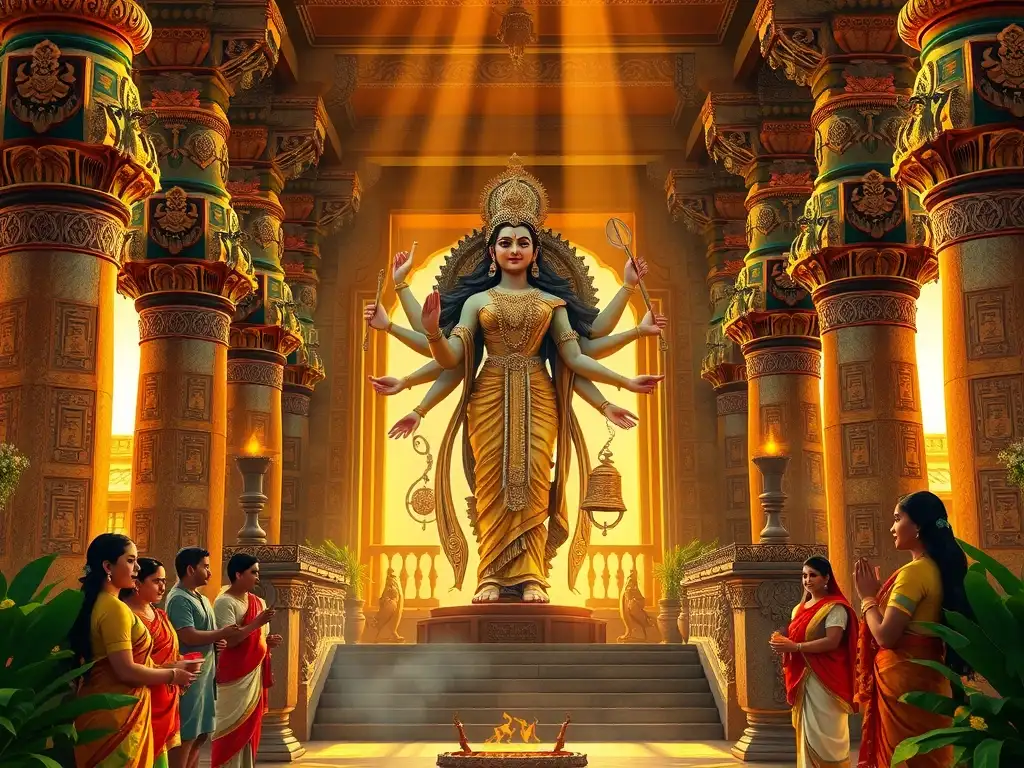
The worship of female deities in ancient India transcends mere religious practice; it embodies profound philosophical concepts that shaped the very fabric of Indian thought. Female deities, representing various aspects of life, fertility, and wisdom, provided a framework through which ancient societies understood the universe and their place within it.
Feminine Divinity in Indian Philosophy
In ancient Indian philosophy, feminine divinity is celebrated through various forms and manifestations. Goddesses such as Saraswati, the goddess of knowledge, and Lakshmi, the goddess of wealth, symbolize the essential qualities that sustain both the individual and the collective.
- Symbolism of Femininity:
- Nurturing Aspect: The representations of goddesses often encompass nurturing qualities, reflecting the importance of women in sustaining life and culture.
- Knowledge and Wisdom: Goddesses like Saraswati exemplify the pursuit of knowledge, highlighting the role of feminine wisdom in philosophical discourse.
- Cultural Reflections:
- The reverence for goddesses illustrates a cultural acknowledgment of women's contributions to society, encouraging a philosophical understanding of gender as integral rather than subordinate.
- Mythological Narratives:
- Many ancient texts, such as the Mahabharata and Puranas, depict female deities as powerful figures, reinforcing their philosophical significance in the cosmic order.
The Concept of Shakti and Its Importance
The notion of Shakti—the divine feminine energy—plays a crucial role in understanding goddess worship in ancient India. This concept is not merely a theological construct but a philosophical framework that emphasizes the dynamic force of creation, preservation, and destruction.
- Dynamic Energy:
- Shakti is often associated with the transformative forces of nature, embodying strength and resilience. This dynamic aspect is evident in goddesses like Durga, who symbolizes the victory of good over evil.
- Interconnectedness:
- The philosophy of Shakti suggests that feminine energy is interwoven with the male principle (Shiva), highlighting a balance that is essential for harmony in the universe. This duality reflects the philosophical understanding of complementary forces in existence.
- Empowerment:
- Recognizing Shakti as a source of power affirms the significance of women in spiritual and societal domains, promoting a narrative of empowerment that resonates in various philosophies across ancient Indian texts.
Intersection of Gender and Spirituality in Ancient Indian Thought
The intersection of gender and spirituality in ancient Indian thought presents a complex landscape where female deities occupy a central role. This intersection is evident in various philosophical and spiritual practices that celebrate the feminine divine.
- Ritual Practices:
- Goddess worship often included rituals that honored the feminine principles, fostering community and spiritual engagement.
- Philosophical Texts:
- Texts like the Devi Bhagavata Purana expound on the significance of the goddess as an embodiment of the ultimate reality, illustrating how spirituality is intertwined with gender.
- Societal Roles:
- Female deities’ attributes often mirrored the roles women played in society, establishing a philosophical basis that valued feminine contributions to spiritual and communal life.
- Transformation and Liberation:
- The worship of female deities is also linked to concepts of transformation and liberation, where the goddess becomes a symbol of spiritual awakening and self-realization, encouraging followers to transcend conventional gender roles.
The philosophical significance of goddess worship in ancient India reveals a rich tapestry of thought that highlights the importance of female deities in shaping cultural, spiritual, and philosophical narratives. The reverence towards feminine divinity not only reflects the roles of women in society but also celebrates their profound contributions to the spiritual and philosophical landscape of ancient Indian civilization.
The Impact of Goddess Worship on Modern Indian Culture
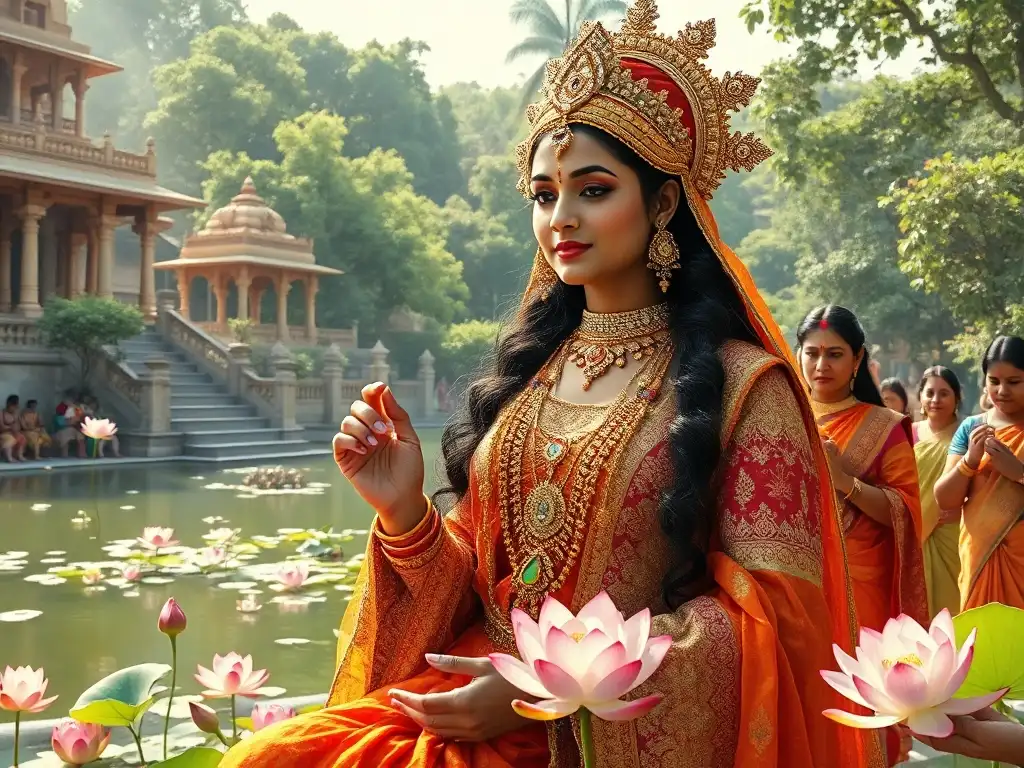
Goddess worship has played a critical role in shaping the cultural landscape of modern India. The reverence for female deities, rooted deeply in ancient traditions, continues to influence various aspects of contemporary society, from religious practices to gender roles. The resurgence of interest in goddess worship has not only revitalized spiritual practices but has also redefined the social dynamics surrounding femininity and empowerment in India.
Revival of Goddess Worship in Contemporary Society
In recent decades, there has been a notable revival of goddess worship across India. This resurgence can be attributed to several factors, including:
- Cultural Renaissance: A renewed interest in traditional practices has emerged, leading to the celebration of festivals like Durga Puja and Navaratri, which honor female deities. These festivals draw millions of participants, highlighting the communal and celebratory nature of goddess worship.
- Feminist Movements: Various feminist movements in India have embraced goddess worship as a symbol of female strength and resilience. By reinterpreting the narratives surrounding goddesses like Durga and Kali, these movements empower women to reclaim their identities and challenge patriarchal norms.
- Artistic Expression: Contemporary artists and writers often draw inspiration from goddess themes, using them to explore gender, identity, and spirituality. This artistic revival contributes to a broader cultural conversation about the role of women in society.
The revival is not just a cultural phenomenon but is also seen as a spiritual awakening, where individuals seek deeper connections with the divine feminine.
Influence of Female Deities in Modern Indian Feminism
The impact of female deities on modern Indian feminism is profound. Women’s rights activists often invoke the symbolism of goddesses to challenge gender stereotypes and advocate for equality. Key aspects include:
- Symbol of Empowerment: Deities like Durga and Saraswati are seen as embodiments of strength, knowledge, and independence. Feminists leverage these symbols to promote the idea that women can be both nurturing and powerful.
- Reinterpretation of Myths: Contemporary feminist scholars are reexamining ancient texts and myths involving female deities, presenting alternative narratives that highlight women's agency and leadership. This recontextualization fosters a more inclusive understanding of femininity.
- Community Building: Goddess worship serves as a platform for women to come together, share experiences, and support one another. These gatherings often lead to collective action and greater visibility for women's issues.
The integration of goddess symbolism into feminist discourse not only enriches the conversation around gender equality but also fosters a sense of cultural pride among women.
Goddess Worship and Its Role in Cultural Identity
Goddess worship is integral to the cultural identity of many communities in India, influencing various aspects of daily life and societal norms. Its role can be examined through:
- Cultural Narratives: The stories of goddesses are deeply woven into the fabric of Indian folklore and traditions. These narratives serve as tools for cultural transmission, educating younger generations about values, ethics, and the significance of femininity in society.
- Ritual Practices: The rituals and ceremonies associated with goddess worship reinforce communal bonds and enhance cultural identity. Participating in these practices fosters a sense of belonging and continuity within communities, linking the present to ancestral traditions.
- National Identity: Goddess worship also plays a role in shaping national identity, especially in the context of Hindu nationalism. Deities are often invoked to symbolize the strength and resilience of the nation, further intertwining cultural identity with religious devotion.
The worship of female deities in ancient India has left a lasting legacy that continues to influence modern culture. By exploring the revival of goddess worship, its impact on feminism, and its significance in cultural identity, we can better understand the ongoing relevance of these ancient practices in contemporary society.
Conclusion: The Enduring Legacy of Female Deities in Ancient India
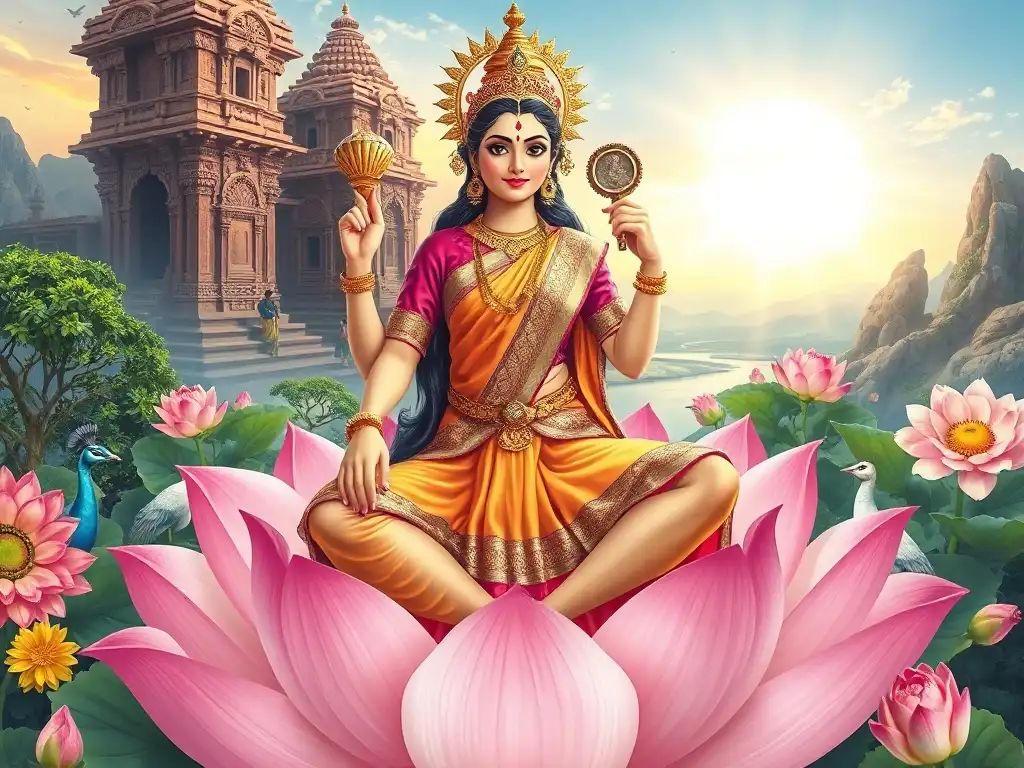
Summary of the Significance of Female Deities in Ancient Indian Culture
The worship of female deities in ancient India was not merely a religious practice; it was a profound reflection of societal values, cultural norms, and philosophical beliefs. Female deities such as Durga, Kali, Saraswati, and Lakshmi played crucial roles in various aspects of life, symbolizing fertility, wisdom, prosperity, and strength. Each goddess represented specific attributes that were integral to the community's understanding of balance in the cosmos.
- Cultural Integration: Female deities were often integrated into local traditions and folk practices, showcasing a rich tapestry of regional beliefs. For instance, the worship of Mother Earth (Bhumi Devi) highlighted the agrarian roots of Indian society, emphasizing the connection between women and nature.
- Social Empowerment: The veneration of goddesses provided a framework for understanding women's roles in society. Goddesses were depicted as powerful figures, warriors, and protectors, which helped elevate the status of women in various cultural narratives. This dynamic is evident in texts like the Devi Mahatmya, which extols the virtues and might of the goddess Durga.
- Philosophical Dimensions: Philosophically, the presence of female deities in ancient Indian thought reflects a dualistic understanding of divinity—where male and female principles coexist and complement each other. The concept of Shakti (divine feminine energy) was central to many philosophical discourses, illustrating the importance of female energy in creation and sustenance.
Reflection on the Continued Relevance of Goddess Worship in Today's World
The legacy of goddess worship in ancient India continues to resonate in contemporary society, transcending time and cultural shifts. Today, the reverence for female deities remains a vital part of religious practices, festivals, and cultural expressions.
- Cultural Festivals: Celebrations like Durga Puja and Navratri attract millions, reflecting the enduring significance of female deities. These festivals not only honor divine feminine power but also foster community bonding and cultural continuity.
- Feminist Movements: The resurgence of interest in female deities aligns with modern feminist ideologies, where the empowerment and representation of women are emphasized. By revisiting ancient texts and practices, contemporary feminists draw parallels to advocate for gender equality.
- Spiritual Reconnection: Many individuals find solace and strength in the worship of goddesses, viewing them as symbols of resilience and empowerment. This spiritual connection serves as a source of inspiration for those navigating the complexities of modern life.
In essence, the worship of female deities in ancient India encapsulates a rich legacy that continues to shape cultural identities and spiritual practices today. As society evolves, the reverence for these powerful figures remains a testament to the profound impact of female deities in the historical and contemporary landscape.
Frequently Asked Questions
What role did female deities play in ancient Indian culture?
Female deities were central to spiritual practice and rituals, representing various aspects of life such as fertility, prosperity, and wisdom.
How were goddesses worshipped in ancient India?
Worship of goddesses involved rituals, festivals, and offerings, reflecting their importance in both domestic and public spheres of life.
Can you name some prominent female deities from ancient India?
Key female deities include Durga, Lakshmi, and Saraswati, each symbolizing different qualities and powers within the Hindu pantheon.
What is the significance of female deities in the context of ancient Indian society?
Female deities often embodied the feminine divine, influencing social norms, gender roles, and cultural values, promoting a balance between masculine and feminine principles.
How did the perception of goddesses evolve from the Indus Valley to the Gupta Empire?
The perception of goddesses evolved from fertility symbols in the Indus Valley to complex personified deities in the Gupta Empire, reflecting changes in spiritual beliefs and societal structures.
Final Reflection: Embracing the Divine Feminine in Ancient Indian Culture
The reverence for female deities in ancient India is not merely a relic of the past; it resonates profoundly in today's society, reminding us of the enduring power of the feminine divine. As we navigate a world that often grapples with gender inequality and the marginalization of women's voices, the worship of female deities serves as a powerful counter-narrative, illuminating the strength, wisdom, and nurturing qualities that women embody. This ancient practice invites us to reclaim and celebrate the feminine aspects of divinity that have shaped spiritual and cultural landscapes for millennia.
The significance of female deities in ancient Indian culture continues to influence contemporary discussions around gender and spirituality. The stories and attributes of goddesses like Durga, Saraswati, and Lakshmi not only reflect the values of their time but also inspire modern movements advocating for women's empowerment and equality. As we reflect on these powerful figures, we are reminded of the words of scholar Devdutt Pattanaik: In mythology, the goddess is not just a figure of worship; she is a symbol of the potential within every woman.
This ongoing dialogue around female deities encourages us to explore our own relationships with femininity, power, and spirituality.
As we conclude this exploration of goddess worship, I invite you to reflect on the lessons that these ancient narratives hold for us today. Consider how the qualities embodied by these female deities can inspire you in your own life, whether in personal growth, community engagement, or the pursuit of equality. Let us honor the legacy of female deities in ancient India by integrating their wisdom into our modern lives, fostering a world where the divine feminine is celebrated and uplifted.
Embrace the Divine: Connect with the Power of Female Deities!
Thank you for exploring the captivating realm of goddess worship in ancient India! Your interest not only enhances your understanding of these powerful female deities but also underscores their profound significance in shaping cultural narratives. Now, it’s time to elevate your inspiration!
Here are some actionable steps you can take:
- Explore further: Visit local temples or participate in events celebrating goddesses in your community to experience their stories and rituals firsthand.
- Share your insights: Engage in conversations with friends and family about what you’ve learned, encouraging them to appreciate the richness of female deities in Indian culture.
- Engage your community: Join online forums or social media groups dedicated to ancient Indian history, and share your perspective on how the reverence for female deities continues to influence modern spirituality.
What aspect of goddess worship resonates most with you, and how might you incorporate that into your daily life?