
The Role of Taxation in the Regulation of Property Ownership in Ancient India


Welcome to Ancient India History, where we embark on a captivating journey through the rich tapestry of India's past! In this exploration, we delve into the intricate role of taxation in the regulation of property ownership during ancient times, revealing how these systems shaped the very fabric of society from the Indus Valley to the Gupta Empire. What were the laws that governed wealth and land?
And how did they influence the lives of millions? Join us as we uncover the profound implications of taxation and property rights that continue to echo through the ages. Your adventure into the depths of ancient legal systems and law codes begins here!

Introduction to Taxation and Property Ownership in Ancient India
The intricate relationship between taxation and property ownership in ancient India reveals much about the region's legal systems, economic structures, and social hierarchies. Taxation, a crucial mechanism for revenue generation, played a significant role in regulating property ownership and ensuring the functioning of governance. In ancient Indian civilizations, such as those of the Indus Valley and the Gupta Empire, taxation policies were deeply intertwined with property rights, influencing not only individual wealth but also the broader economic landscape. Understanding how taxation affected property ownership provides valuable insights into the social dynamics and legal frameworks that shaped ancient Indian society.
Overview of Ancient Indian Legal Systems
Ancient India's legal systems were multifaceted, encompassing various codes and practices that regulated societal interactions. Key legal texts, such as the Manusmriti and the Arthashastra, provide a framework for understanding the laws governing property and inheritance. These texts highlight the importance of dharma (moral laws) in guiding legal principles, including those related to taxation and property rights.
- Key Features of Ancient Indian Legal Systems:
- Dharma Shastras: Provided guidelines for ethical conduct and legal norms.
- Local Customs: Often influenced legal practices, adapting to regional contexts.
- Royal Authority: Kings played a pivotal role in enforcing laws and collecting taxes, ensuring a stable governance framework.
Taxation served as a vital tool for maintaining the economic health of ancient Indian states. It facilitated public works, supported military endeavors, and funded administrative functions. The revenues collected through various forms of taxation not only influenced the wealth distribution within society but also established the state's legitimacy.
- Economic Impacts of Taxation:
- Revenue Generation: Essential for state functions and infrastructure development.
- Redistribution of Wealth: Aimed at reducing disparities and supporting the less fortunate.
- Promotion of Trade: Tax policies often encouraged commerce, impacting property ownership dynamics.
Historical Context of Property Ownership in Ancient India
The evolution of property ownership in ancient India is marked by various models that reflected the agricultural nature of society and the political landscape. Land was a primary source of wealth, and its ownership was governed by complex laws that evolved over time.
Land Ownership Models in Ancient Indian Civilizations
Property ownership in ancient India was characterized by several models:
- Individual Ownership: Land was often owned by individuals or families, passed down through generations.
- Community Ownership: In some regions, land was collectively owned by communities, emphasizing shared responsibility.
- State Ownership: The king or state held significant land, which could be leased or granted to individuals in exchange for taxes or services.
The Evolution of Property Rights in Ancient India
Over centuries, property rights in ancient India underwent significant changes in response to socio-political dynamics and economic needs. The introduction of new taxation systems and legal codes adapted to emerging challenges, reflecting the evolving understanding of ownership.
- Key Developments:
- Formalization of Land Rights: Legal texts began to outline clearer ownership rights.
- Influence of Religion: Religious texts often shaped property laws, intertwining spiritual beliefs with legal frameworks.
- Changes in Governance: Shifts in power dynamics influenced property rights, adjusting taxation and ownership structures accordingly.
The role of taxation in regulating property ownership in ancient India is a rich tapestry woven from economic necessity, social structures, and legal evolution. Understanding this interplay offers crucial insights into the foundations of India's historical and cultural legacy.
The Mechanism of Taxation in Ancient India
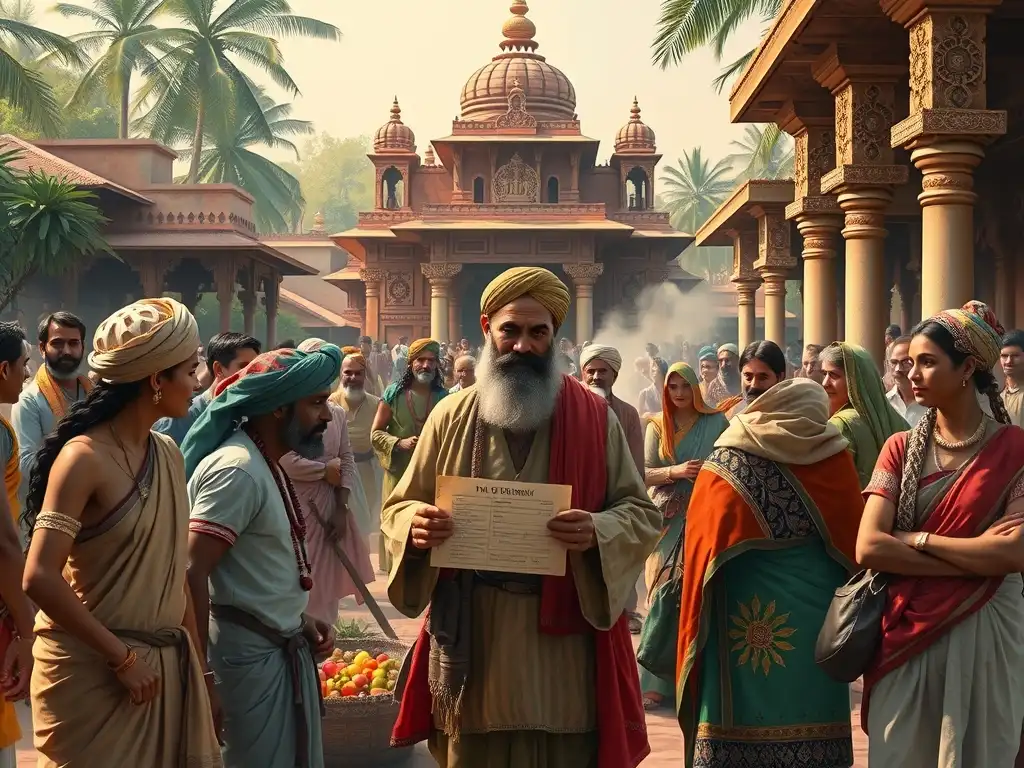
Taxation in ancient India was a vital mechanism that helped regulate property ownership and the economic framework of society. The system was largely influenced by prevailing socio-political conditions, the agrarian nature of the economy, and the philosophical underpinnings of Dharma, which emphasized duty and moral responsibility. Taxation was not merely a means of revenue collection; it was intrinsically linked to governance and societal order.
Governments employed a range of methods to assess and collect taxes. The taxation system varied between different regions and periods but generally included direct and indirect taxes. Direct taxes were levied on property and land ownership, while indirect taxes included levies on trade and commerce. Tax collectors, often appointed by local rulers, played a crucial role in this system, ensuring compliance and managing disputes related to tax assessments.
Furthermore, the introduction of detailed record-keeping practices, such as land surveys and revenue registers, highlighted the sophisticated bureaucratic systems in place. This not only facilitated efficient tax collection but also contributed to the overall understanding of land ownership, usage, and rights within the community.
Types of Taxes Imposed on Property Ownership
The types of taxes imposed on property ownership in ancient India were diverse and often tailored to local customs and the economic landscape. Key forms of taxation included:
- Land Revenue (Bhaga): This was the primary tax levied on agricultural lands, often calculated as a percentage of the produce. Different regions had varying rates based on soil fertility and crop yield.
- Cattle Tax (Gokhar): Livestock ownership was significant, and landowners were often taxed based on the number of cattle they owned.
- House Tax (Prabhu): Property owners were required to pay taxes on their residential properties, which contributed to local infrastructure and services.
- Trade and Market Taxes: Merchants were taxed on goods sold in markets, which indirectly related to property ownership as it impacted land used for commercial purposes.
These taxes were essential for funding public works, military expenses, and the administration of justice, thereby reinforcing the state's role in regulating property ownership and societal welfare.
Administration of Taxation in Ancient Indian States
The administration of taxation in ancient Indian states was a complex process that involved local rulers, officials, and the community. Each state had its own laws and regulations governing taxation, often codified in texts such as the Arthashastra, which provided guidelines on revenue management and statecraft.
Tax officials, known as Amatyas or Samahartas, were responsible for collecting taxes and maintaining records. They operated under the authority of the king or local chieftains and were supported by a network of clerks and scribes.
The efficiency of tax administration varied significantly across regions and periods, influenced by factors such as the stability of governance, agricultural productivity, and socio-economic conditions. Regular audits and assessments ensured that taxes were fairly levied and collected, while grievances from landowners and tenants were addressed through local courts or assemblies.
Taxation's Impact on Property Ownership Rights
Taxation significantly influenced property ownership rights in ancient India, shaping the relationship between landowners, tenants, and the state. The imposition of taxes created a framework within which property rights were defined, contested, and enforced.
How Taxation Influenced Land Tenure Systems
Taxation played a crucial role in defining land tenure systems, as the obligation to pay taxes often determined the rights of landowners and tenants. For instance, those who paid taxes were granted certain privileges, such as security of tenure and recognition of ownership.
The system of Zamindari, where landlords collected taxes on behalf of the state, exemplified this relationship. Landowners were incentivized to maintain productive lands to secure their tax obligations, which in turn strengthened their ownership claims. Conversely, failure to pay taxes could lead to loss of land rights, demonstrating how taxation directly impacted land tenure.
Moreover, the shifting of tax burdens over time also influenced land distribution, leading to disparities in property ownership among different classes of society. This dynamic created a complex interplay between taxation, land use, and ownership rights.
The Relationship Between Taxation and Property Transfer
The relationship between taxation and property transfer in ancient India was significant, as taxes often dictated the ease or difficulty of transferring ownership rights. Property transactions typically required settlement of outstanding taxes, ensuring that the new owner would assume responsibility for any tax liabilities associated with the property.
In many cases, the transfer of property involved formal documentation, which included tax receipts as proof of payment. This not only protected the rights of the seller but also reassured the buyer regarding the legitimacy of the transaction.
Furthermore, the state often exercised a right of first refusal on properties, particularly in cases of unpaid taxes, which emphasized the control that taxation exerted over property transfer processes.
Taxation and the Rights of Landowners vs. Tenants
The interplay between taxation and the rights of landowners and tenants significantly shaped property ownership dynamics in ancient India. Landowners, while benefitting from tax revenues and the ability to control land use, were also subjected to the state’s demands for tax payments. This obligation could lead to tensions between landowners and the state, especially in times of economic hardship.
On the other hand, tenants often found themselves in precarious situations, as their rights were closely tied to the landowner's ability to pay taxes. In many instances, tenants were expected to bear the burden of taxes indirectly through higher rents or sharecropping agreements. This relationship created a power imbalance, where landowners could exploit their position, particularly during periods of poor harvests or economic downturns.
However, some legal frameworks provided tenants with certain protections, ensuring their rights were safeguarded to a degree, thus fostering a complex relationship between taxation, land ownership, and tenant rights throughout ancient India.
Case Studies of Taxation Practices in Different Ancient Indian Kingdoms
Taxation in ancient India varied widely across different kingdoms, each developing unique methods and systems to regulate property ownership and generate revenue. Understanding these practices provides insight into how taxation influenced social structures and economic stability. Below are detailed explorations of taxation in two prominent ancient Indian empires, the Mauryan and Gupta Empires, as well as regional variations that existed throughout the subcontinent.
Taxation in the Mauryan Empire
The Mauryan Empire (circa 322-185 BCE), known for its centralized administration and expansive territory, implemented a sophisticated taxation system. Led by Emperor Ashoka, the Mauryan administration classified taxes into several categories, including:
- Land Revenue: This was the primary form of taxation, where farmers paid a portion of their agricultural yield to the state. The typical rate was about 25% of the produce.
- Trade Taxes: Goods transported across trade routes were taxed, facilitating commerce and enhancing state revenue. These taxes varied based on the nature of the goods and the distance traveled.
- Crown Land and Forest Produce: The state claimed ownership of crown lands and collected taxes on forest resources, which were vital for construction and fuel.
This taxation system not only supported the empire's military and administrative functions but also laid a foundation for property ownership laws. By regulating land ownership through taxation, the Mauryan Empire ensured that property remained primarily in the hands of the state or loyal subjects, reducing the likelihood of rebellion and maintaining social order.
Taxation in the Gupta Empire
The Gupta Empire (circa 320-550 CE) is often regarded as a golden age of Indian history, marked by significant advancements in arts, science, and culture. The taxation system during this period was less centralized than that of the Mauryan Empire, reflecting a more feudal structure. Key aspects included:
- Land Tax: Similar to the Mauryan system, land taxes remained predominant. However, the Gupta rulers often relied on local chieftains to collect taxes, which led to variations in tax rates across regions.
- Taxes on Commerce: The Gupta period saw a flourishing of trade, especially along the Silk Road. Taxes on merchants and trade goods were imposed, encouraging economic growth while increasing state revenue.
- Service and Craft Taxes: Artisans and craftsmen were also taxed based on their trades, which contributed to the wealth of the local economy.
The Gupta Empire's taxation policies reflected a more decentralized approach, allowing local rulers to exert influence over property ownership and distribution. This led to the emergence of a more diverse property ownership structure, with local elites gaining significant control over land and resources.
Regional Variations in Taxation and Property Ownership
Regional variations in taxation practices across ancient India were influenced by local customs, resources, and governance structures. For instance:
- Southern Kingdoms: In regions like Tamil Nadu, agriculture was central, and taxes were often collected in kind. Local rulers had autonomy in setting rates based on crop yields.
- Western Regions: In Gujarat, trade was prominent, and taxes on merchants were higher, reflecting the economic focus on commerce rather than agriculture.
- Eastern Regions: In Bengal, the abundance of fertile land meant that land taxes were lower, allowing for increased agricultural production and property ownership among farmers.
These regional differences illustrate how local conditions shaped taxation practices, affecting property ownership and economic prosperity in various parts of ancient India.
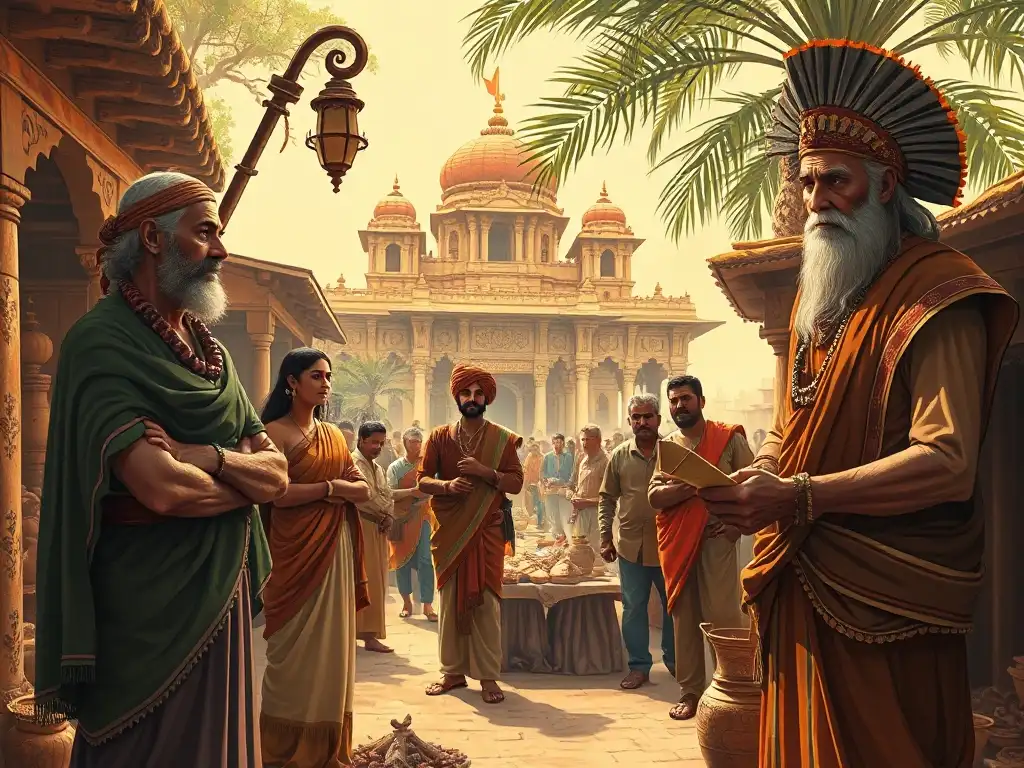
Taxation played a significant role in establishing and reinforcing social hierarchies in ancient India. The distribution of wealth and access to property were directly influenced by tax policies, which often favored certain classes over others.
Taxation and Class Structure in Ancient India
The class structure in ancient India was largely defined by the caste system, which was intertwined with taxation practices. Higher castes, such as Brahmins and Kshatriyas, often enjoyed exemptions or reduced tax rates, leading to:
- Concentration of Wealth: The privileged classes accumulated wealth and property, while lower castes faced higher tax burdens, limiting their economic mobility.
- Land Ownership: Tax incentives for landowners encouraged the concentration of land among the elite, often sidelining the agrarian workforce.
- Social Stability: By maintaining a rigid class structure through taxation, rulers could ensure loyalty and stability within their realms, as the privileged classes had a vested interest in preserving the status quo.
The Effect of Taxation on Wealth Distribution and Property Access
Taxation significantly impacted wealth distribution and property access in ancient Indian societies. The following factors illustrate this effect:
- Wealth Inequality: As taxes were often progressive in nature, wealthier landowners could afford to pay higher taxes, while poorer farmers struggled to meet their obligations, leading to increased wealth inequality.
- Access to Resources: Those who could not pay taxes risked losing their land or properties, resulting in a cycle of poverty and disenfranchisement among the lower classes.
- Economic Mobility: Taxation policies also influenced the ability of individuals to rise economically. Those with favorable tax conditions could invest in land and business, while others remained trapped in low-income situations.
The relationship between taxation and property ownership in ancient India was complex, shaped by various factors including royal policies, regional practices, and the overarching social hierarchy. The implications of these taxation systems played a crucial role in determining the distribution of wealth and resources across the subcontinent.
Conclusion: The Legacy of Taxation in Property Ownership in Ancient India
The intricate relationship between taxation and property ownership in ancient India played a pivotal role in shaping the socio-economic landscape of the time. Taxation was not merely a means of revenue generation for the state but also a tool for regulating land ownership, promoting agricultural productivity, and ensuring social equity. The various tax systems implemented across different dynasties, including land tax, income tax, and trade tariffs, provided insights into the governance structures and the economic priorities of ancient Indian rulers.
This legacy of taxation can be seen as a foundational aspect of property ownership laws that persist in modern India. The principles established in ancient times continue to influence contemporary legal frameworks, reflecting the enduring impact of historical practices on present-day property laws and taxation systems.
Summary of Key Insights on Taxation and Property Ownership
- Regulatory Function: Taxation served as a regulatory mechanism, ensuring that land was utilized efficiently and equitably. The imposition of taxes often resulted in land redistribution, which was essential for preventing monopolies and ensuring fair access to resources.
- Economic Incentives: Different tax rates and systems incentivized agricultural production and trade. For instance, lower taxes on certain crops encouraged farmers to increase yields, thereby contributing to the economy.
- Social Equity: Taxation practices in ancient India aimed to maintain social order and equity. Taxes collected were sometimes used to fund public works and support marginalized communities, reflecting a commitment to social welfare.
- Legal Codification: The codification of tax laws in ancient texts, such as the Arthashastra by Kautilya, illustrates the sophisticated understanding of governance and economics that existed during ancient times. These texts provided guidelines that influenced property ownership and taxation principles.
The Influence of Ancient Taxation Practices on Modern Property Laws in India
The taxation systems of ancient India have left an indelible mark on contemporary property laws. Modern tax codes, such as the Income Tax Act and the Goods and Services Tax (GST), while significantly evolved, still echo the principles of fairness and regulation that were emphasized in ancient texts.
- Land Revenue Systems: The historical land revenue systems established during the Mauryan and Gupta empires have evolved into the current revenue systems used for land ownership and transactions. The concept of land rights and the duties of landowners have roots in ancient practices.
- Legal Frameworks: Many modern laws governing property transactions are influenced by ancient legal codes that recognized and protected property rights. The emphasis on documentation and registration in property ownership can be traced back to historical practices.
- Taxation Philosophy: The philosophical underpinnings of taxation, which aimed at promoting social welfare and economic stability, continue to inform modern legislative debates on property tax reforms in India.
References and Further Reading on Taxation and Property Ownership in Ancient India
To gain a deeper understanding of taxation and property ownership in ancient India, the following resources provide valuable insights:
Recommended Texts on Ancient Indian Legal Systems
- Kautilya's Arthashastra: A seminal text that outlines various aspects of governance, including taxation and property laws.
- Dharmashastra: Ancient texts that provide insights into the legal and ethical frameworks governing property rights and duties in society.
Academic Articles on Taxation and Property Ownership
- "Taxation in Ancient India: A Historical Perspective": This article explores the different taxation systems and their implications on land ownership throughout various ancient Indian civilizations.
- "The Role of Land Revenue in the Development of Indian Agrarian Society": An academic examination of how taxation influenced agricultural practices and property ownership in ancient India.
These resources will enhance your understanding of how taxation has historically shaped property rights and ownership in India, providing a comprehensive view of its evolution over the centuries.
- Introduction to Taxation and Property Ownership in Ancient India
- Overview of Ancient Indian Legal Systems
- Importance of Taxation in Economic and Social Structures
- Historical Context of Property Ownership in Ancient India
- The Mechanism of Taxation in Ancient India
- Taxation's Impact on Property Ownership Rights
- Case Studies of Taxation Practices in Different Ancient Indian Kingdoms
- The Role of Taxes in Social Hierarchies and Property Ownership
- Conclusion: The Legacy of Taxation in Property Ownership in Ancient India
- References and Further Reading on Taxation and Property Ownership in Ancient India
- What was the significance of taxation in ancient Indian civilizations?
- How did property ownership function in ancient India?
- Were there different types of taxes in ancient India?
- How did taxation impact social structure in ancient India?
- What lessons can modern societies learn from ancient India's taxation and property ownership practices?
Frequently Asked Questions
What was the significance of taxation in ancient Indian civilizations?
Taxation played a crucial role in the economic stability and governance of ancient Indian societies, helping to fund public services and maintain order.
How did property ownership function in ancient India?
Property ownership in ancient India was often linked to social status and was regulated by various laws and customs, ensuring that land was effectively managed and inherited.
Were there different types of taxes in ancient India?
Yes, ancient India had a variety of taxes, including land revenue, trade taxes, and duties, which were imposed to support the state and its functions.
Taxation influenced the social hierarchy, as those in higher castes often had more access to land and wealth, while lower castes faced greater burdens under the taxation system.
What lessons can modern societies learn from ancient India's taxation and property ownership practices?
Modern societies can learn about the importance of equity and regulation in taxation systems, ensuring that property ownership is fair and contributes positively to the economy.
Final Reflection: The Enduring Legacy of Taxation and Property Ownership in India
The intricate relationship between taxation and property ownership in ancient India remains profoundly relevant today. As we navigate the complexities of modern economic systems, understanding how these historical frameworks shaped societal structures can provide invaluable insights. The lessons learned from ancient practices of taxation not only inform current policies but also challenge us to consider the ethical implications of property ownership in our contemporary world.
Cultural and social landscapes are continuously influenced by the historical precedents set by taxation and property ownership. The principles established in ancient India resonate in today's discussions about wealth distribution, land rights, and economic equity. As we reflect on these themes, we are reminded of the words of Mahatma Gandhi: The earth provides enough to satisfy every man's needs, but not every man's greed.
This quote encapsulates the ongoing struggle between ownership and responsibility, urging us to consider the broader impact of our economic choices.
As we conclude, I invite you to reflect on your own relationship with property and taxation. How can the lessons from ancient India inspire you to advocate for a more equitable distribution of resources in your community? By engaging with these historical insights, we can foster a deeper understanding of our responsibilities as stewards of both property and society, paving the way for a more just and sustainable future.
Unlock the Secrets of Ancient Taxation!
Thank you for diving into the fascinating world of taxation and property ownership in ancient India! You’ve gained valuable insights into how taxation shaped societal structures and influenced economic dynamics. Now, it’s time to take that knowledge further and put it into action!
Here are some exciting ways you can deepen your understanding and engage with this captivating topic:
- Explore Further: Research historical taxation methods across various civilizations and compare them to ancient India to uncover intriguing patterns.
- Join the Conversation: Share your thoughts and insights in the comments below or on social media. Discuss how these principles might still resonate in today’s taxation systems!
- Engage with the Community: Participate in local history groups or online forums dedicated to ancient civilizations to meet like-minded enthusiasts and expand your knowledge.
What surprising connections can you draw between ancient taxation practices and modern property laws? Your insights might just spark the next enlightening discussion!