
Ancient Indian Law and Order: The Role of Law Enforcement in Historical Context


Welcome to Ancient India History, where we embark on a fascinating journey through the rich tapestry of ancient Indian civilizations. Have you ever wondered how law and order were maintained across the vast territories of the Indus Valley and beyond? In our featured article, “Ancient Indian Law and Order: The Role of Law Enforcement in Historical Context,” we delve into the intriguing history of ancient Indian law enforcement, uncovering the systems and structures that upheld justice in a time long past.
Prepare to be captivated as we explore the contributions that shaped legal systems and law codes, inviting you to discover more about the legacy of ancient India’s commitment to order and governance. Your adventure into the past begins here!
- Ancient Indian Law Enforcement History: An Overview
- The Historical Context of Law and Order in Ancient India
- Roles and Responsibilities of Law Enforcement in Ancient India
- Legal Codes and Their Impact on Law Enforcement
- Methods of Law Enforcement in Ancient India
- Challenges Faced by Law Enforcement in Ancient India
- Case Studies of Law Enforcement in Major Indian Civilizations
- Conclusion: The Legacy of Ancient Indian Law Enforcement
-
Frequently Asked Questions
- What was the significance of law enforcement in ancient Indian civilizations?
- How did ancient Indian law enforcement differ from modern systems?
- What were the main functions of law enforcement in ancient India?
- Who were the key figures in ancient Indian law enforcement?
- How did the Gupta Empire influence law enforcement practices?
- Final Reflection: The Enduring Legacy of Ancient Indian Law Enforcement
- Unveil the Legacy of Ancient Law Enforcement!
Ancient Indian Law Enforcement History: An Overview
Exploring the intricacies of ancient Indian law enforcement history offers us a fascinating glimpse into the social, political, and judicial frameworks that governed early Indian civilizations. From the sophisticated urban centers of the Indus Valley to the expansive realms of the Gupta Empire, law enforcement played a crucial role in maintaining order, ensuring justice, and protecting the rights of individuals.
This article delves into the various aspects of law enforcement in ancient India, examining the structures, roles, and practices that contributed to the legal systems of the time. As we uncover the historical context of these practices, we will also reflect on their significance and the lasting impact they have had on modern legal frameworks.
Introduction to Ancient Indian Law Enforcement History
The history of law enforcement in ancient India is deeply intertwined with the region's rich tapestry of culture and governance. Early legal codes, such as the Manusmriti, laid the foundation for societal norms and regulations, while various forms of law enforcement were established to uphold these laws.
- Key Features of Ancient Indian Law Enforcement:
- Community Involvement: Law enforcement was not solely the responsibility of a designated authority; local communities played an active role in maintaining order.
- Judicial Authority: Kings and local rulers often acted as the highest judicial authorities, adjudicating disputes and enforcing laws.
- Professional Officers: Over time, specialized officers emerged, including the Rajuka (land revenue officer) and Pratihara (gatekeeper), who had specific roles in law enforcement.
These elements reveal a complex system that balanced authority, community engagement, and the rule of law.
Importance of Law Enforcement in Ancient Indian Societies
Law enforcement in ancient Indian societies served multiple vital functions that were essential for the stability and prosperity of communities.
- Maintaining Social Order: Effective law enforcement helped to prevent chaos and maintain public order, ensuring that societal norms were respected and upheld.
- Dispute Resolution: Law enforcement agents often played a role in mediating conflicts and resolving disputes, which was crucial in a society where communal harmony was valued.
- Protection of Rights: The enforcement of laws contributed to the protection of individual rights and property, fostering a sense of security within communities.
In essence, the role of law enforcement in ancient India was not merely punitive but was primarily focused on upholding justice, maintaining social cohesion, and promoting the welfare of society as a whole. Understanding this historical context allows us to appreciate how these early practices have influenced contemporary legal systems and the ongoing evolution of law enforcement.
The Historical Context of Law and Order in Ancient India

Overview of Legal Systems in Ancient India
The concept of law and order in ancient India was intricately linked to its vast and diverse cultures, philosophies, and governance structures. Ancient Indian law was not codified in a single document but was instead based on a combination of religious texts, local customs, and royal edicts. Among the most influential texts were the Dharma Shastras, which outlined moral and ethical guidelines for individuals and communities.
- Sources of Law:
- Dharma Shastras: Texts like the Manusmriti provided comprehensive rules governing personal conduct, family laws, and social duties.
- Smritis and Shrutis: These texts, encompassing the Vedas and later scriptures, served as foundational legal principles.
- Royal Edicts: Kings often issued decrees that could modify or complement existing laws.
- Legal Procedures:
- The judicial system was typically hierarchical, with village heads, local chieftains, and royal courts addressing disputes.
- Dispute Resolution: Rather than relying solely on formal courts, community-based solutions were common. Elders or village councils (panchayats) often mediated conflicts.
- Criminal Law:
- Laws regarding theft, violence, and moral transgressions were taken seriously, with penalties ranging from fines to corporal punishment.
- Restorative Justice: Emphasis was placed on restoring social harmony rather than purely punitive measures.
Key Dynasties and Their Contributions to Law Enforcement
Throughout India's history, various dynasties shaped the evolution of law enforcement, establishing systems that reflected their governance philosophies and cultural values.
- Maurya Empire (c. 322–185 BCE):
- Chandragupta Maurya established a centralized administration with a focus on maintaining law and order.
- Kautilya's Arthashastra outlined statecraft, including methods for governance and law enforcement, emphasizing the role of spies and confidential informants.
- Gupta Empire (c. 240–550 CE):
- Known as the "Golden Age," the Gupta period saw significant advancements in legal thought.
- The Dharma Shastras were further developed, providing clearer guidelines on laws related to property, marriage, and inheritance.
- Chola Dynasty (c. 300 BCE–1279 CE):
- The Cholas implemented a sophisticated administrative structure that included local governance and law enforcement mechanisms.
- Village Assemblies played a vital role in maintaining order, with local leaders empowered to resolve disputes.
- Mughal Empire (c. 1526–1857 CE):
- The Mughals introduced a more formalized legal system, integrating Islamic law (Sharia) alongside existing Hindu laws.
- Akbar the Great is noted for his efforts to create a fair judicial system, promoting justice and reducing corruption through reforms.
- Regional Variations:
- Different regions developed unique legal practices influenced by local customs and traditions, leading to a rich tapestry of law enforcement mechanisms across the subcontinent.
The evolution of ancient Indian law enforcement history reflects the dynamic interplay between tradition, governance, and the quest for justice, showcasing a complex system that was as diverse as the civilizations that created it.
Roles and Responsibilities of Law Enforcement in Ancient India

The Structure of Law Enforcement Agencies
In ancient India, the structure of law enforcement agencies was intricate and varied across different regions and periods. The system evolved significantly from the time of the Indus Valley Civilization through the Mauryan and Gupta empires. Each civilization developed mechanisms to maintain order and enforce laws, reflecting their unique social and political contexts.
In the Indus Valley Civilization (c. 3300–1300 BCE), evidence suggests the presence of a structured governance system, possibly including local administrators who oversaw law enforcement. Archaeological findings indicate the existence of fortified cities with evidence of public baths and granaries, suggesting a level of societal organization that likely required some form of law enforcement.
Transitioning to the Mauryan Empire (c. 322–185 BCE), Emperor Ashoka established a more formalized law enforcement structure, which included officers known as Dharma Mahamatras. These officials were responsible for ensuring the implementation of Dharma (moral law) throughout the empire. They had the authority to investigate crimes, maintain records, and even oversee the welfare of citizens. The Mauryan period also saw local officials known as Pradeshi or Grajaka, who enforced laws at the local level.
During the Gupta Empire (c. 320–550 CE), the law enforcement structure continued to evolve. The king was seen as the ultimate lawgiver, but local governance was carried out by Amatyas, who were akin to modern-day ministers. These officials managed law enforcement alongside local village heads known as Gramika, who ensured adherence to local laws and customs. The Gupta era also saw the establishment of a police force, referred to as Chakravartin, which played a crucial role in maintaining public order.
| Civilization | Key Law Enforcement Officials | Responsibilities |
|---|---|---|
| Indus Valley | Local Administrators | Overseeing local governance and order |
| Mauryan Empire | Dharma Mahamatras | Implementing Dharma, investigating crimes |
| Gupta Empire | Amatyas, Gramika, Chakravartin | Local governance, law enforcement, maintaining order |
Duties of Law Enforcers in Ancient Indian Civilizations
The duties of law enforcers in ancient Indian civilizations encompassed a wide range of responsibilities aimed at maintaining social order and justice. These duties were not only limited to enforcing laws but also included roles in administration, conflict resolution, and community welfare.
- Maintaining Order: Law enforcers were tasked with ensuring public order. They were responsible for patrolling urban areas and villages to prevent crime and address disputes among citizens. Their presence was essential in deterring criminal activities.
- Investigation and Crime Resolution: In cases of disputes or crimes, law enforcement officials conducted investigations. They gathered evidence, questioned witnesses, and worked to resolve conflicts. This investigative role was crucial for upholding justice and ensuring that laws were followed.
- Administration of Justice: Law enforcers also played a role in the judicial system. They assisted in the execution of court orders and were often present during trials to maintain decorum. In many cases, they acted as intermediaries between the judiciary and the public.
- Community Engagement: Law enforcers were often seen as community leaders. They engaged with local populations to educate them about laws and legal rights, fostering a sense of civic responsibility. This engagement was vital in building trust between the community and law enforcement bodies.
- Safeguarding Moral Values: The enforcement of moral and ethical standards was a significant duty of law enforcers, especially during the Mauryan period, where Dharma played a central role in governance. Officers were expected to promote and embody these moral values, guiding citizens towards righteous living.
Ancient Indian law enforcement history reveals a sophisticated network of officials and practices designed to maintain order and uphold justice. The evolution of these roles from the Indus Valley to the Gupta Empire highlights the importance placed on law and governance in shaping ancient Indian society. Through their diverse duties, law enforcers contributed significantly to the stability and moral fabric of their civilizations.
Legal Codes and Their Impact on Law Enforcement

The legal codes of ancient India played a crucial role in shaping the structure and function of law enforcement throughout various periods of its history. These codes not only provided the framework for the administration of justice but also influenced how law enforcement was perceived and executed in society. The interplay between legal codes and law enforcement practices reveals much about the societal values and norms of ancient Indian civilizations.
Legal codes such as the Manusmriti, along with other texts, established guidelines that dictated the responsibilities of law enforcement officials and the processes for maintaining order. These texts were instrumental in defining crimes, punishments, and the roles of various authorities, ultimately contributing to a more organized and systematic approach to law enforcement.
The Manusmriti and Its Influence on Law Enforcement Practices
The Manusmriti, also known as the Laws of Manu, is one of the oldest and most significant legal texts in ancient India, dating back to around 200 BCE to 200 CE. Its profound influence on ancient Indian law enforcement cannot be overstated. The Manusmriti outlines not only legal principles but also social and moral codes that underpinned the fabric of Indian society.
- Definition of Crimes and Punishments:
- The Manusmriti categorizes various offenses and prescribes specific punishments based on the severity of the crime. This codification ensured that law enforcement had a clear set of guidelines to follow when dealing with offenders.
- For example, theft was considered a serious offense, with punishments ranging from fines to harsher penalties, depending on the circumstances of the crime.
- Roles of Law Enforcement Officials:
- The text delineates the duties of various officials responsible for law enforcement, including the king (or ruler) and local officers. The king was expected to uphold dharma (righteousness) and ensure justice within his realm.
- Local officers, known as Kshatras, were responsible for maintaining order in their specific jurisdictions, reflecting a decentralized approach to law enforcement.
- Social Hierarchies and Law Enforcement:
- The Manusmriti also reflects the caste system, prescribing different responsibilities and powers to different social classes. This stratification influenced the enforcement of laws, as it often determined who was subject to penalties and who had the authority to enforce them.
Other Important Legal Texts and Their Contributions
In addition to the Manusmriti, several other legal texts contributed significantly to the development of law enforcement practices in ancient India. Each text brought unique perspectives and regulations that shaped the legal landscape.
- Yajnavalkya Smriti:
- This text, dating from around the 2nd century CE, is notable for its more progressive approach to law enforcement. It emphasized the importance of evidence and due process, providing a more structured legal framework for trials and the role of judges.
- The Yajnavalkya Smriti introduced the concept of Lokapal, who were responsible for protecting the interests of the common people, highlighting a shift towards more community-oriented law enforcement.
- Narada Smriti:
- The Narada Smriti, another influential legal text, focused on administrative law and governance. It provided guidelines on the conduct of officials and the mechanisms for resolving disputes, which were crucial for effective law enforcement.
- This text emphasized the importance of integrity and ethical behavior among law enforcement officers, ensuring that justice was not only done but also seen to be done.
- Arthashastra:
- Written by Kautilya (Chanakya) in the 4th century BCE, the Arthashastra is a treatise on statecraft and economics, which also addresses law enforcement. It provides a pragmatic view of governance, advocating for a strong and efficient police force.
- Kautilya emphasized the use of spies and intelligence in maintaining law and order, reflecting an early understanding of the importance of information in effective law enforcement.
The combined insights from these texts illustrate the evolution of ancient Indian law enforcement history, highlighting the complex relationship between societal norms, legal codes, and the mechanisms for maintaining order. The legal frameworks established by these texts not only laid the foundation for governance and justice in ancient India but continue to influence contemporary discussions on law and order.
Methods of Law Enforcement in Ancient India

The enforcement of law in ancient India was a multifaceted system deeply rooted in the societal structure and cultural norms of the time. Various methods were employed to maintain order, uphold justice, and ensure compliance with laws. The ancient Indian legal system was characterized by a blend of formal and informal practices, reflecting the values and customs of the communities.
Techniques Used by Ancient Law Enforcers
Ancient Indian law enforcement relied on a combination of techniques that varied across regions and periods. Here are some key methods utilized:
- Judicial Officials: The king or local rulers appointed judicial officials known as Dharmasthas or Pradhanas, responsible for administering justice. They held considerable power and acted as mediators in disputes.
- Divine Authority: Many legal decisions were influenced by religious beliefs. The concept of Dharma (moral order) played a significant role, where law enforcers were seen as agents of divine justice. This connection to spirituality often ensured compliance among the populace.
- Physical Enforcement: Law enforcement officers, sometimes referred to as Chauras or Dandapalas, were responsible for executing the king's orders. They had the authority to arrest offenders and impose penalties, using physical force when necessary.
- Community Courts: In addition to formal judicial systems, village assemblies known as Sabhas or Panchayats served as local courts. Community members would collectively resolve disputes, reflecting a grassroots approach to law enforcement.
- Documentation and Record Keeping: Ancient texts, such as the Arthashastra by Kautilya, emphasized the importance of documentation in law enforcement. Officials were encouraged to maintain records of legal disputes, decisions, and punishments to ensure accountability and transparency.
The Role of Informants and Community Involvement
Community involvement was crucial in the realm of ancient Indian law enforcement. The system thrived on the active participation of local residents, which fostered a sense of collective responsibility for maintaining order.
- Informants: Informants played a vital role in reporting crimes and suspicious activities. Citizens were expected to inform the authorities about wrongdoing, which facilitated swift action and enhanced the effectiveness of law enforcement.
- Public Trials: In many instances, trials were public events, allowing community members to witness the proceedings. This transparency served as both a deterrent to potential offenders and a means of instilling confidence in the judicial process.
- Social Pressure: The strong sense of community often meant that social pressure was a significant deterrent against crime. Offenders faced not only legal consequences but also the stigma of violating communal norms, which encouraged adherence to laws.
- Restorative Justice: Rather than solely focusing on punishment, ancient Indian law enforcement often emphasized restorative justice. Offenders were encouraged to make amends to the victims and the community, fostering reconciliation over retribution.
The methods of law enforcement in ancient India were deeply intertwined with the cultural fabric of society. Techniques employed by law enforcers, along with the significant role of community involvement, created a complex system aimed at maintaining order and justice. This historical perspective sheds light on the evolution of legal practices and the foundations of modern law enforcement in India.
Challenges Faced by Law Enforcement in Ancient India
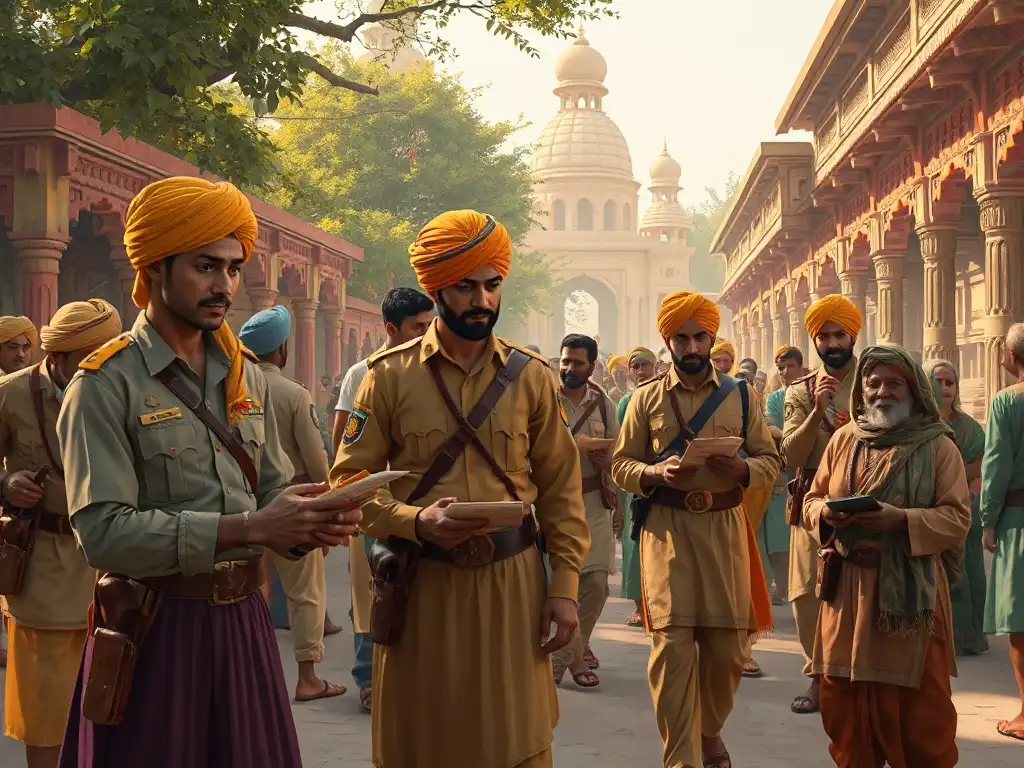
Law enforcement in ancient India was deeply intertwined with the social and political fabric of the time. Multiple factors influenced the efficacy and integrity of law enforcement agencies, which were often rooted in the prevailing social hierarchies and political structures.
- Caste System's Influence: The rigid caste system dictated the roles and responsibilities of individuals within society. Law enforcement officers, often belonging to specific castes, faced challenges when dealing with cases that involved members of higher castes. This created a disparity in the application of justice, where lower caste individuals might not receive fair treatment. The Dharmashastras, ancient legal texts, reflected these complexities, often prescribing different penalties based on the offender's caste.
- Political Interference: Kings and local rulers wielded significant power over law enforcement. Political loyalty often took precedence over justice, leading to biased enforcement of laws. For instance, during the Mauryan Empire, the emperor's edicts were enforced by local officials whose positions were often secured through favoritism rather than merit. This created a system where law enforcement could be used as a tool for political repression, undermining public trust in legal institutions.
- Regional Variations: Ancient India was not a monolithic entity; it comprised various kingdoms and regions, each with distinct laws and enforcement practices. For example, the legal systems of the Gupta Empire differed significantly from those of the earlier Mauryan dynasty. This patchwork of laws led to confusion and inconsistency in law enforcement across regions, complicating the administration of justice.
The Impact of Corruption on Judicial Practices
Corruption posed a significant challenge to the integrity of law enforcement in ancient India. Various forms of corruption undermined judicial practices, leading to a lack of accountability and diminished public faith in the legal system.
- Bribery and Extortion: Law enforcement officials sometimes resorted to bribery and extortion to supplement their income. This practice was not only widespread but also normalized in some regions. For example, records indicate that local police (known as pratihara) in certain states demanded bribes from citizens to ensure their safety and enforce laws. This culture of corruption eroded the principles of justice and fairness in legal proceedings.
- Judicial Corruption: Judges and officials tasked with administering justice were not immune to corrupt practices. Historical texts reference instances where judges accepted bribes to deliver favorable verdicts. This led to a legal culture where the wealthy could manipulate outcomes, thereby marginalizing the rights of the less fortunate. The Arthashastra, a treatise on statecraft by Kautilya, discusses the necessity of vigilant oversight of judicial officials to mitigate such corruption, highlighting its prevalence even in philosophical discourse.
- Impact on Society: The implications of corruption were profound, as it perpetuated a cycle of injustice and social unrest. Citizens, disillusioned by the corrupt practices of law enforcement, were often reluctant to seek legal recourse, fearing that their grievances would not be addressed fairly. This fostered an environment of lawlessness, where the rule of law was undermined, resulting in increased crime and social discord.
The challenges faced by law enforcement in ancient India, particularly the social and political dynamics and the pervasive impact of corruption, played a critical role in shaping judicial practices. Understanding these factors is essential for comprehensively grasping the complexities of ancient Indian law enforcement history.
Case Studies of Law Enforcement in Major Indian Civilizations

Law Enforcement in the Indus Valley Civilization
The Indus Valley Civilization, one of the earliest urban cultures, flourished between 3300 and 1300 BCE in what is now Pakistan and northwest India. Evidence of law enforcement during this period is primarily derived from archaeological findings, including seals, weights, and urban planning, which suggest a sophisticated understanding of governance and societal order.
Key Features of Law Enforcement:
- Urban Planning and Infrastructure: Cities like Harappa and Mohenjo-Daro featured advanced urban planning, including drainage systems and standardized brick sizes. This level of organization implies that there were regulations governing construction and sanitation, necessitating some form of enforcement.
- Trade Regulations: The presence of trade seals suggests that merchants adhered to certain rules and standards. The need for regulation in trade points towards law enforcement mechanisms that ensured compliance and integrity in commercial practices.
- Social Hierarchy: The stratification within society indicates that there were likely authorities tasked with maintaining order and resolving disputes among different social classes. While specific roles are not well-documented, it can be inferred that some individuals held positions of authority to oversee community regulations.
The Mauryan Empire's Approach to Law Enforcement
The Mauryan Empire (c. 322-185 BCE) was marked by a centralized form of governance under leaders like Chandragupta Maurya and his grandson Ashoka the Great. This period saw significant advancements in law enforcement practices, largely influenced by political philosophy and the need for social order.
Key Aspects of Mauryan Law Enforcement:
- Centralized Administration: The Mauryan state had a well-defined bureaucratic structure that included various officials responsible for law enforcement. The Dhamma Mahamatras, for instance, were appointed to promote ethical conduct and ensure adherence to law.
- Legal Codes: The Arthashastra, attributed to Kautilya (Chanakya), outlines essential principles of governance, including law enforcement. It emphasized the importance of spies and informants in maintaining order and dealing with crime effectively.
- Judicial System: The Mauryan Empire established a system of courts that dealt with civil and criminal matters. Local magistrates, known as Pradeshtas, played vital roles in administering justice, enforcing laws, and ensuring public order.
- Public Awareness: Ashoka's edicts, inscribed on pillars and rocks, served as public proclamations of law and morality, promoting a sense of justice and ethical behavior among the populace.
Gupta Empire's Innovations in Law Enforcement
The Gupta Empire (c. 320-550 CE) is often regarded as a golden age of India, marked by advancements in arts, science, and governance. Innovations in law enforcement during this period reflect a blend of traditional practices and new methodologies.
Innovative Features of Gupta Law Enforcement:
- Codified Laws: The Gupta period saw the compilation of legal texts, such as the Manusmriti, which provided comprehensive laws governing various aspects of life, including civil rights, duties, and punishments. These codes were critical in standardizing legal practices across the empire.
- Local Governance: The establishment of local governance structures allowed for more effective law enforcement. Village assemblies, known as sabhas, had the authority to resolve disputes, enforce community rules, and maintain order, signifying a decentralized approach to law enforcement.
- Role of Police: The Gupta period introduced formalized police forces tasked with maintaining law and order. These police were responsible for investigating crimes, apprehending offenders, and ensuring compliance with laws.
- Judicial Processes: Courts operated under the oversight of local rulers, who were responsible for upholding justice. The incorporation of public opinion in legal matters reflects a progressive approach to governance and law enforcement.
The evolution of law enforcement across ancient Indian civilizations showcases a gradual but significant development of legal systems, from the rudimentary practices of the Indus Valley Civilization to the sophisticated bureaucratic frameworks of the Mauryan and Gupta Empires. These historical insights into ancient Indian law enforcement history illustrate the foundational role of governance in maintaining societal order and justice.
Conclusion: The Legacy of Ancient Indian Law Enforcement
The legacy of ancient Indian law enforcement is profound and multifaceted, reflecting the complexities of societal governance and the evolution of legal frameworks. Ancient Indian civilizations, particularly during the Vedic period and throughout the Maurya and Gupta Empires, established sophisticated systems of law and order. These systems were not only designed to maintain peace but also to uphold moral principles and social justice.
The role of law enforcement in ancient India encompassed a range of duties, from the enforcement of laws to the administration of justice. This multifarious approach laid the groundwork for future legal systems, showcasing a blend of state responsibility and community involvement. The police, known as "prashasaka" and "dandapashaka", were tasked with enforcing laws and maintaining order, reflecting a structured yet community-oriented approach to governance.
Influence on Modern Indian Legal Systems
The principles of ancient Indian law enforcement have significantly influenced modern Indian legal systems. Contemporary laws and judicial practices still echo the ancient emphasis on justice and moral rectitude. For instance:
- Codification of Laws: Just as ancient texts like the Manusmriti established a codified set of laws, the Indian Constitution enshrines a framework that governs civil rights, criminal justice, and administrative law.
- Community Policing: The ancient practice of involving local communities in law enforcement can be seen in modern initiatives that encourage community policing, fostering cooperation between police forces and the public.
- Restorative Justice: Ancient practices often emphasized restorative justice, seeking to mend relationships rather than merely punish offenders. This philosophy is gaining traction today, as modern legal frameworks explore alternative dispute resolution mechanisms.
These continuities highlight the enduring nature of ancient practices and their adaptability to contemporary societal needs.
Continuing Relevance of Ancient Practices in Contemporary Society
In today's rapidly changing societal landscape, the foundational principles of ancient Indian law enforcement remain relevant. As India grapples with issues of crime, governance, and justice, the lessons from ancient history provide valuable insights into effective law enforcement strategies.
- Cultural Heritage: The acknowledgment of cultural heritage in law enforcement practices fosters a sense of identity and belonging among communities, encouraging adherence to laws.
- Ethical Governance: The moral underpinnings of ancient laws advocate for ethical governance, emphasizing that justice must be served not only through punitive measures but also through fairness and equity.
- Conflict Resolution: Ancient methods of conflict resolution, often community-based and restorative in nature, offer frameworks that modern societies can adopt to address disputes more harmoniously.
The ancient Indian law enforcement history serves not just as a chronicle of past practices but as a living legacy that continues to inform and inspire contemporary legal systems and societal norms in India. By recognizing and integrating these historical insights, modern India can foster a more just and equitable society, rooted in its rich heritage.
Frequently Asked Questions
What was the significance of law enforcement in ancient Indian civilizations?
Law enforcement played a crucial role in maintaining social order and justice within ancient Indian societies, ensuring that laws were upheld and disputes were resolved effectively.
How did ancient Indian law enforcement differ from modern systems?
Ancient Indian law enforcement was often based on customary laws and local practices, significantly differing from today's structured legal frameworks and formal policing systems that rely on codified laws.
What were the main functions of law enforcement in ancient India?
The main functions included protecting citizens, enforcing laws, and resolving disputes. Law enforcement officials often acted as mediators in conflicts, promoting community harmony.
Who were the key figures in ancient Indian law enforcement?
Key figures included rajukas and pradhanas, who acted as local law enforcement officers, overseeing criminal justice and ensuring adherence to the Dharma or moral laws of the society.
How did the Gupta Empire influence law enforcement practices?
The Gupta Empire advanced law enforcement by introducing more structured legal codes and a bureaucratic system, which helped in the standardization of laws and improved the efficiency of law enforcement across the empire.
Final Reflection: The Enduring Legacy of Ancient Indian Law Enforcement
The exploration of ancient Indian law enforcement history reveals not only the complexities of governance in a bygone era but also its profound relevance in today's society. As we navigate modern legal systems and their challenges, understanding the foundations laid by ancient practices can illuminate paths toward justice and order that are both effective and culturally resonant. The principles of law enforcement established in ancient India continue to echo in contemporary discussions about justice, community safety, and the balance of power.
The impact of ancient Indian law enforcement on our cultural and social landscape is both significant and transformative. From the Dharmashastras to the roles of local chieftains and their officers, these historical frameworks have shaped the way we perceive authority and justice today.
The wisdom embedded in these ancient texts reminds us that "Law is the foundation of a civilized society," and it is our responsibility to uphold these principles in our current legal practices. The ongoing dialogue about law enforcement's role in society often reflects the lessons learned from our ancestors, urging us to consider how we can adapt these teachings to foster a more equitable system.
As we reflect on the lessons from ancient Indian law enforcement, I invite you to consider how these historical insights can inspire your own understanding of justice and community. What can we learn from the past to improve our present and future? Let this reflection serve as a call to action: engage with the principles of fairness, accountability, and community service that have stood the test of time. By doing so, we can contribute to a more just society, honoring the legacy of those who came before us while paving the way for a brighter future.
Unveil the Legacy of Ancient Law Enforcement!
Thank you for diving into the fascinating world of ancient Indian law and order with us! You've gained valuable insights into how historical law enforcement shaped society. Now, let’s transform this knowledge into action!
- Explore further: Read more about specific laws and case studies that illustrate the effectiveness of ancient legal systems in India.
- Engage with others: Share this article with friends or on social media to spark discussions about the impact of law and order in ancient cultures.
- Visit your local library or online archives to uncover rare texts on ancient Indian legal practices—there’s a wealth of knowledge waiting for you!
What aspect of ancient law and order intrigues you the most, and how do you think it influences modern legal systems?