
The Connection Between Ayurveda and Traditional Indian Arts and Crafts

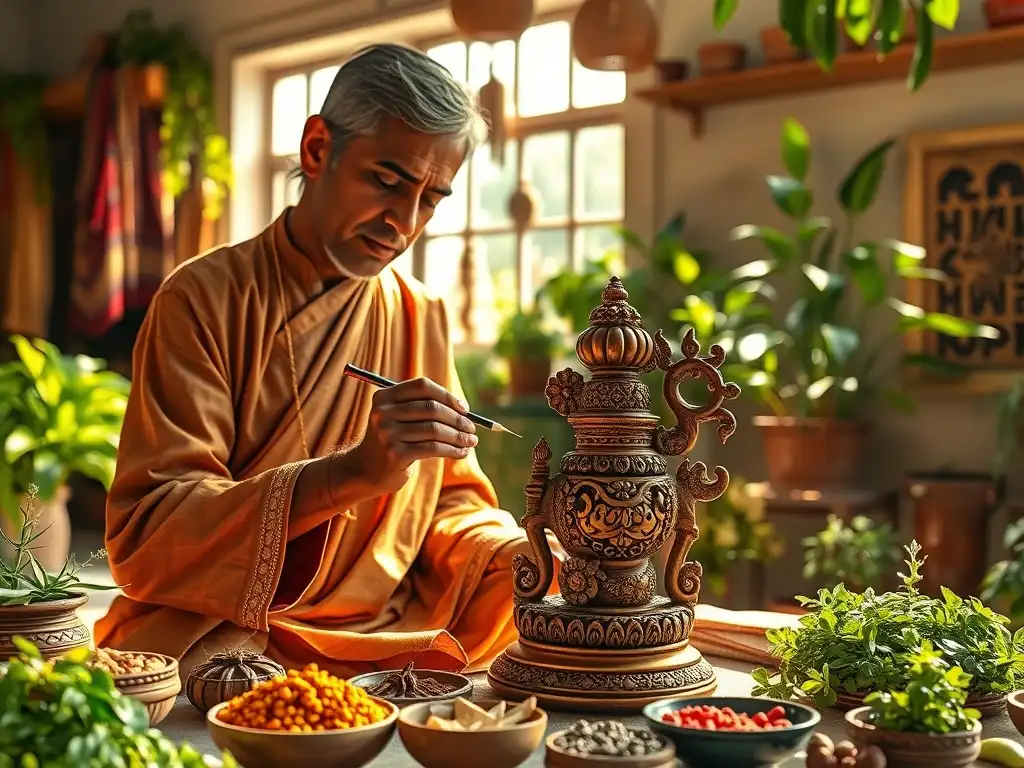
Welcome to Ancient India History, where we delve into the rich tapestry of one of the world's oldest civilizations. Here, we explore the profound connections that shaped the cultures, sciences, and arts of ancient India. In our featured article, we unravel the intriguing relationship between Ayurveda and Indian arts, revealing how these age-old practices intertwine to create a holistic representation of wellness and creativity.
Prepare to embark on a journey that will not only inform but also inspire your understanding of this remarkable heritage. Dive in and discover how the wisdom of Ayurveda continues to influence traditional crafts and artistic expressions!
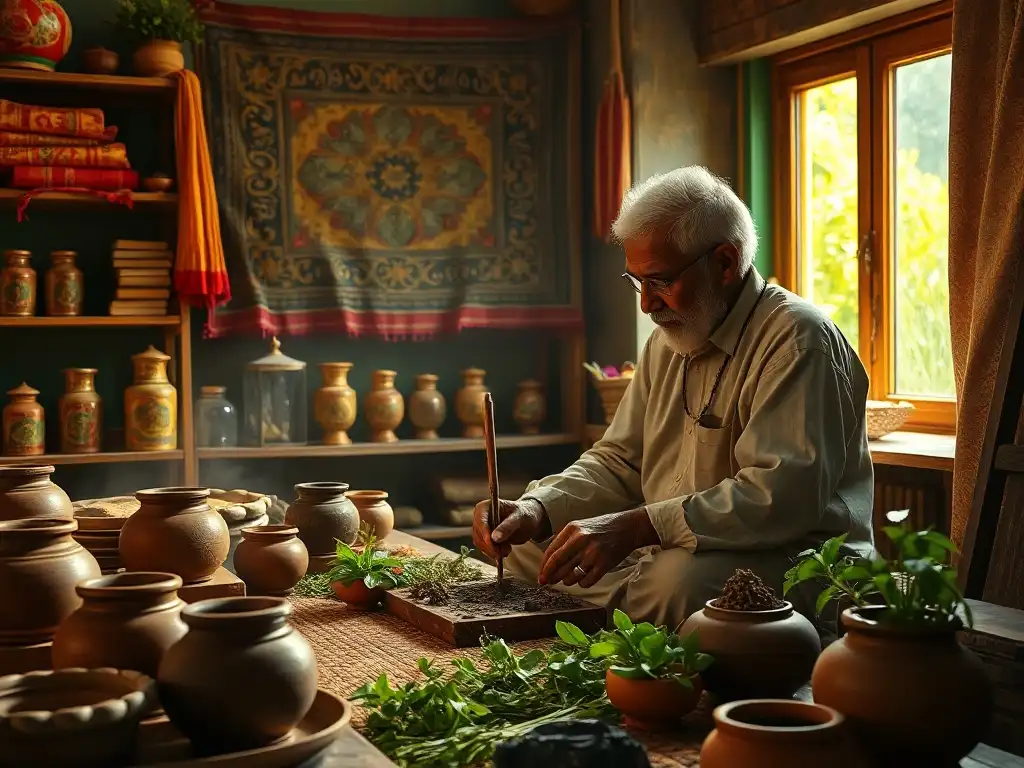
Introduction to Ayurveda and Its Importance in Indian Culture
Ayurveda, an ancient system of medicine that originated in India over 3,000 years ago, is deeply intertwined with the cultural fabric of the subcontinent. Its holistic approach to health and well-being emphasizes the balance of mind, body, and spirit, making it a foundational aspect of Indian culture. The philosophy of Ayurveda extends beyond mere medical practices; it encompasses various aspects of life, including diet, lifestyle, and even the arts.
The connection between Ayurveda and traditional Indian arts and crafts is a rich tapestry that reflects the values, beliefs, and practices of ancient Indian civilizations. This article delves into this intricate relationship, exploring how these two domains influence and enrich one another.
Brief Overview of Ayurveda
Ayurveda translates to "the science of life" (from the Sanskrit words "Ayus" meaning life and "Veda" meaning knowledge). It offers a comprehensive understanding of health, focusing on the individual’s unique constitution (Prakriti) and the balance of the three doshas—Vata, Pitta, and Kapha. This system promotes preventive healthcare, emphasizing natural remedies, herbal treatments, and lifestyle adjustments tailored to the individual's needs.
Historical Roots of Ayurveda
The roots of Ayurveda can be traced back to ancient texts known as the Vedas, particularly the Atharva Veda, which contains references to medicinal plants and healing practices. Over centuries, Ayurvedic knowledge evolved through various scholars and practitioners, integrating insights from philosophy, spirituality, and the natural sciences. This development led to the compilation of key texts like the Charaka Samhita and Sushruta Samhita, which laid the groundwork for Ayurvedic practice and education.
Significance of Ayurveda in Daily Life
In the context of Indian society, Ayurveda plays a pivotal role in daily life. It offers guidelines for diet, seasonal routines, and lifestyle choices that promote health and longevity. Many Indian households incorporate Ayurvedic principles into their cooking, using spices and herbs not only for flavor but also for their medicinal properties. Additionally, Ayurveda's emphasis on mindfulness and holistic well-being resonates with traditional practices in meditation and yoga, further illustrating its importance in fostering a balanced lifestyle.
Understanding Traditional Indian Arts and Crafts
Overview of Traditional Indian Arts
Traditional Indian arts encompass a wide range of practices, including painting, sculpture, textile weaving, pottery, and more. Each art form is imbued with cultural significance and often reflects the spiritual beliefs and practices of the community. From the intricate designs of Madhubani paintings to the elaborate carvings of temple architecture, these arts serve not only as expressions of creativity but also as mediums for storytelling and preserving history.
Historical Context of Indian Crafts
The history of Indian crafts dates back thousands of years, with evidence of sophisticated craftsmanship found in archaeological sites like the Indus Valley Civilization. As trade flourished along ancient routes, Indian artisans exchanged their skills and products with other cultures, enriching their craft traditions. Local materials, techniques, and motifs influenced each region's artistic expressions, resulting in a diverse yet interconnected tapestry of crafts that continue to thrive today.
The Role of Art in Indian Society
Art in India is more than aesthetic; it plays a vital role in rituals, celebrations, and social cohesion. Traditional crafts are often integral to festivals and ceremonies, symbolizing cultural identity and continuity. Moreover, the process of creating art fosters community engagement, as artisans pass down techniques and stories through generations. This interconnectedness between art and society underscores the importance of preserving these traditions, which are deeply rooted in the Indian ethos.
By examining the synergy between Ayurveda and traditional arts and crafts, we can appreciate how these elements not only reflect the wisdom of ancient Indian civilizations but also continue to shape contemporary practices and lifestyles.
The Interrelationship Between Ayurveda and Indian Arts
The connection between Ayurveda and traditional Indian arts and crafts is deeply rooted in the holistic philosophy that underpins both disciplines. Ayurveda, often regarded as the science of life, emphasizes balance, harmony, and the interdependence of the body, mind, and spirit. Similarly, Indian arts and crafts are not merely aesthetic expressions; they encapsulate cultural values, spiritual beliefs, and the understanding of nature. This interrelationship manifests in various forms, where artistic practices are often influenced by Ayurvedic principles, reflecting a shared ethos that prioritizes well-being and harmony.
As artisans engage with their materials and techniques, they embody Ayurvedic concepts such as the five elements (earth, water, fire, air, and ether), which are fundamental to both health and creativity. The artistic process is seen not just as a means of creation but as a therapeutic practice that promotes mental and physical health. This synergy creates a vibrant tapestry where Ayurveda informs the methods, materials, and meanings within the realm of Indian arts.
How Ayurveda Influences Artistic Expression
Ayurveda influences artistic expression through its emphasis on balance and proportion. Artists often draw inspiration from Ayurvedic concepts, creating works that symbolize harmony and the natural order. For instance, the use of color in paintings can be linked to the doshas (Vata, Pitta, and Kapha), with each color representing different qualities and energies associated with these elements.
Moreover, artists may incorporate Ayurvedic themes in their work, such as the depiction of medicinal plants or scenes that promote wellness and tranquility. Artisans are also known to infuse their creations with intentions aligned with Ayurvedic healing practices, fostering a deeper connection between the viewer and the artwork. This integration not only enhances the aesthetic quality of the art but also serves a functional purpose, promoting health and well-being.
The Use of Natural Materials in Arts and Crafts
Natural materials play a vital role in both Ayurveda and traditional Indian arts and crafts. Ayurveda advocates for the use of natural substances for health and healing, and this philosophy extends to the materials chosen by artisans. For example, many crafts, such as pottery, textiles, and jewelry, utilize materials sourced from the environment—clay, plant fibers, and metals—reflecting an understanding of their properties and benefits.
In crafting these materials, artisans often employ techniques that align with Ayurvedic practices. For instance, the dyes used in textiles may be derived from medicinal plants, enhancing the health benefits of the clothing. Similarly, natural pigments in painting not only provide vibrant colors but also connect the artwork to the earth, embodying the Ayurvedic principle of using nature as a resource for holistic wellness.
Symbolism of Ayurveda in Traditional Art Forms
Symbolism is a powerful aspect of traditional Indian art forms, and Ayurveda provides a rich source of motifs and imagery. Many artworks feature symbols representing the doshas, chakras, and the five elements, each carrying specific meanings and implications for health and balance.
For example, the lotus flower, prevalent in Indian art, symbolizes purity and spiritual awakening, which aligns with Ayurvedic concepts of inner peace and well-being. Similarly, motifs of medicinal plants are often depicted, serving both an aesthetic purpose and a reminder of the importance of nature in healing practices. This symbolism not only enhances the visual appeal of the art but also communicates deeper messages about health, harmony, and the interconnectedness of life.
Specific Examples of Ayurveda's Influence on Indian Crafts
Ayurvedic Principles in Textile Design
Ayurvedic principles significantly influence textile design in India, where the choice of fabrics, colors, and patterns often reflects the balance of the doshas. Designers take into account the qualities of different materials, such as breathability and comfort, ensuring that clothing promotes both physical and mental well-being.
For instance, light and airy fabrics like cotton are favored for their cooling properties, aligning with the needs of individuals with a Pitta constitution. Additionally, the color palette used in textiles may be tailored to enhance the wearer’s mood and energy levels, drawing from Ayurvedic color therapy. This holistic approach ensures that textiles not only serve a functional purpose but also contribute to the overall health of the wearer.
The Role of Ayurveda in Pottery and Ceramics
In pottery and ceramics, Ayurveda plays a crucial role in shaping the forms and uses of the items created. Traditional pottery often incorporates Ayurvedic principles related to food and health, such as using earthenware for cooking and serving meals. This practice is believed to enhance the nutritional value of food and maintain its natural flavors, in line with Ayurvedic dietary guidelines.
Moreover, the shapes and designs of pottery can be influenced by the elements, with specific forms promoting certain qualities, such as stability or fluidity. The use of natural glazes made from medicinal herbs also adds an Ayurvedic dimension, making the pottery not just functional but also beneficial for health.
Ayurveda and Its Reflection in Painting Techniques
Painting techniques in traditional Indian art often reflect Ayurvedic concepts, particularly in the use of color and form. Artists may employ specific color combinations that resonate with Ayurvedic teachings on balance and harmony. For example, the use of warm colors can evoke feelings of energy and passion, while cooler tones might instill calmness and peace.
Furthermore, the themes depicted in paintings often draw from Ayurvedic narratives, such as the depiction of health, nature, and spirituality. This connection fosters a sense of unity between the viewer and the artwork, allowing for a deeper appreciation of the art as a means of promoting wellness and mindfulness.
The connection between Ayurveda and traditional Indian arts and crafts is profound and multifaceted, offering a rich field of exploration for understanding how these disciplines inform and enhance each other.
The Cultural Significance of Ayurveda and Arts Connection
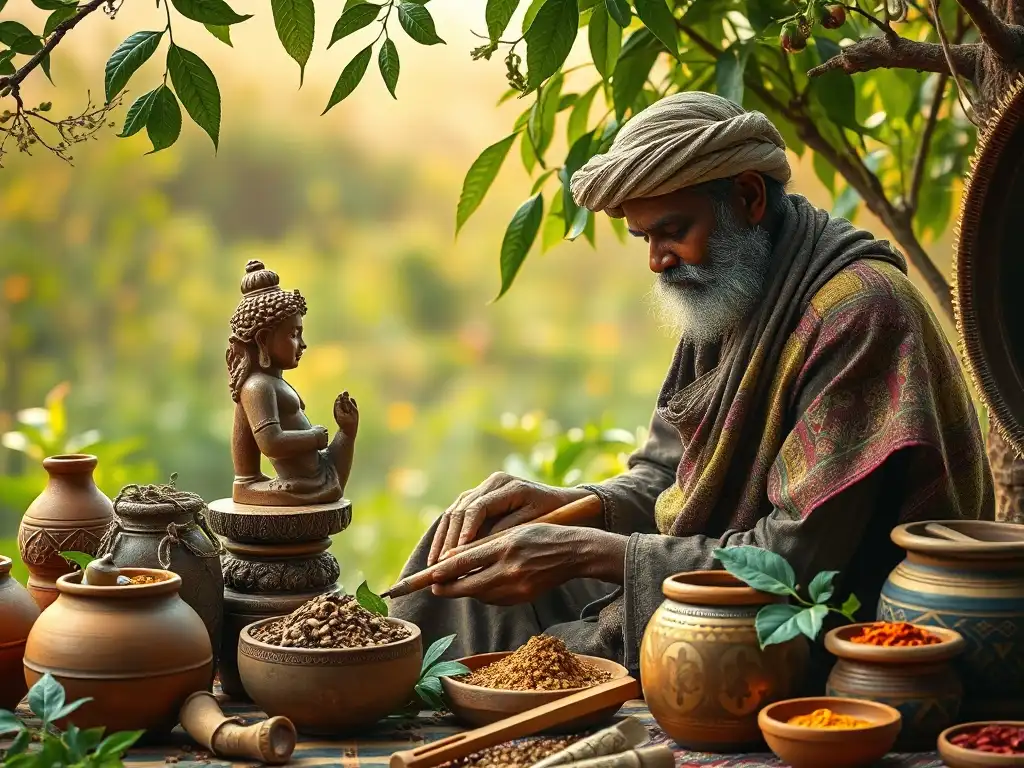
The connection between Ayurveda and traditional Indian arts and crafts is deeply embedded in the cultural tapestry of India. Both domains reflect a holistic understanding of life and the universe, emphasizing harmony and balance. Ayurveda, with its origins in ancient texts like the Vedas, advocates for a lifestyle that nurtures the body, mind, and spirit. Similarly, traditional arts and crafts serve as a medium for expressing cultural values, spiritual beliefs, and aesthetic sensibilities.
This connection is manifested in various forms, from the intricate designs found in Ayurvedic herbal packaging to the symbolic motifs in paintings and sculptures that convey Ayurvedic principles. For instance, many artisans draw inspiration from the concepts of Doshas (Vata, Pitta, Kapha) to create artworks that resonate with these elemental qualities. Thus, the relationship between Ayurveda and arts is not only a reflection of aesthetic beauty but also a representation of profound philosophical ideas that guide individuals towards a balanced life.
How Art Reflects Ayurvedic Philosophy
Art in India is often a visual representation of Ayurvedic principles, reflecting its philosophy through symbolism and form. Many traditional artworks incorporate elements that signify balance and harmony, central tenets of Ayurvedic thought. For instance, the use of natural colors derived from herbs, minerals, and plants in painting and textiles aligns with the Ayurvedic emphasis on natural ingredients and holistic living.
Moreover, various forms of Indian classical dance and music illustrate Ayurvedic concepts through movement and rhythm. The gestures in dance, known as Mudras, embody specific Vedic philosophies and promote wellness by aligning physical expression with spiritual intentions. This convergence of art and Ayurveda creates a rich dialogue that fosters cultural continuity and provides a deeper understanding of health and well-being.
The Role of Rituals and Ceremonies in Both Practices
Rituals and ceremonies play a pivotal role in both Ayurveda and traditional Indian arts, serving as a bridge between the physical and spiritual realms. Ayurvedic practices often incorporate rituals that enhance healing, such as the use of specific herbs in daily routines or during seasonal changes. These rituals are steeped in cultural significance and are often accompanied by artistic expressions, such as music, dance, and visual art.
In celebrations like festivals and weddings, Ayurveda is integrated into the rituals through the preparation of traditional foods and offerings that are aligned with Ayurvedic principles. The artistic decorations, such as Rangoli designs, not only beautify the surroundings but also symbolize the spiritual and Ayurvedic philosophies that underpin these cultural practices. This synergy between rituals and the arts fosters a sense of community and reinforces the shared values of health, balance, and beauty.
Preservation of Heritage Through Ayurveda and Arts
The preservation of India's rich heritage is significantly intertwined with the practices of Ayurveda and traditional arts. By embedding Ayurvedic principles into artistic expression, artisans and practitioners ensure that ancient knowledge is passed down through generations. Traditional crafts, such as pottery, weaving, and painting, often carry motifs and themes that reflect Ayurvedic concepts, thus preserving these practices in tangible forms.
Furthermore, the teaching of these crafts often includes lessons on Ayurvedic philosophy, promoting an understanding of health and wellness alongside artistic skills. This holistic approach not only safeguards cultural heritage but also empowers new generations to appreciate and engage with their ancestral wisdom. The revival of interest in Ayurveda has led to increased recognition of these crafts, enhancing their relevance in contemporary society.
Contemporary Relevance of Ayurveda and Indian Arts Connection
The connection between Ayurveda and Indian arts is not merely a historical phenomenon; it remains profoundly relevant in contemporary society. As modern individuals seek holistic approaches to health and well-being, the integration of Ayurvedic principles into artistic practices resonates with a growing audience.
Modern Interpretations of Ayurvedic Concepts in Art
Contemporary artists are increasingly exploring Ayurvedic themes in their work, using modern mediums and techniques to reinterpret ancient concepts. This fusion of tradition and innovation has led to the emergence of new art forms that reflect the principles of balance, harmony, and nature found in Ayurveda.
For instance, installations that incorporate sustainable materials and natural forms evoke Ayurvedic ideals of living in harmony with the environment. Similarly, visual artists are drawing upon Ayurvedic symbols and philosophies to create works that encourage mindfulness and wellness, appealing to today's health-conscious consumers.
The Revival of Traditional Crafts in Ayurvedic Practices
The revival of traditional crafts is closely linked with the resurgence of interest in Ayurveda. As more people become aware of the benefits of natural and holistic living, traditional artisans are finding new markets for their crafts that align with Ayurvedic practices. Items such as hand-painted herbal jars, eco-friendly packaging, and artisan-made wellness products are gaining popularity.
This revitalization not only supports local economies but also fosters a sense of pride in cultural heritage. By promoting traditional crafts that are grounded in Ayurvedic philosophy, communities are contributing to the sustainability of both their cultural practices and the environment.
Collaborations Between Ayurvedic Practitioners and Artists
The collaboration between Ayurvedic practitioners and artists is a burgeoning field that enhances the appreciation of both disciplines. These partnerships often lead to innovative projects that merge health and art, such as wellness workshops that incorporate creative expression. For instance, yoga and art therapy sessions integrate Ayurvedic teachings with artistic practices, promoting relaxation and self-exploration.
These collaborations also serve to educate the public about the importance of Ayurveda in daily life, using art as a medium to convey complex ideas in an accessible manner. By working together, Ayurvedic practitioners and artists not only enrich each other’s fields but also contribute to a broader cultural movement that values holistic health and creative expression.
Conclusion: The Enduring Legacy of Ayurveda and Indian Arts
The intricate relationship between Ayurveda and traditional Indian arts and crafts has played a significant role in shaping the cultural landscape of ancient India. This connection is not merely historical; it continues to influence contemporary practices and artistic expressions. The principles of Ayurveda, focusing on balance, harmony, and holistic well-being, find resonance in various art forms, enriching them with deeper meanings and therapeutic purposes. As we explore this legacy, it becomes evident that Ayurveda is not just a system of medicine but a vital thread in the fabric of Indian cultural identity.
Summary of Key Connections
- Therapeutic Arts: Many traditional Indian crafts, such as weaving, pottery, and painting, are infused with Ayurvedic principles that emphasize health and well-being. For instance, the colors used in art can be aligned with specific doshas, promoting emotional and physical balance.
- Natural Materials: The use of natural materials in both Ayurveda and traditional arts highlights a shared ethos of sustainability and connection to nature. Ayurvedic practices often incorporate herbs and minerals, which are also prevalent in crafts, such as dyeing fabrics with plant-based colors.
- Mindfulness and Rituals: Both Ayurveda and Indian arts incorporate mindfulness practices. Artistic creation is often seen as a meditative process, akin to Ayurvedic practices that promote mental clarity and inner peace. This synergy enhances the spiritual experience of both the artist and the observer.
- Cultural Narratives: Ayurveda and traditional arts serve as vessels for storytelling and preserving cultural narratives. They communicate the values, beliefs, and practices of ancient Indian civilizations, ensuring that this rich heritage is passed down through generations.
Future Prospects for Ayurveda and Arts Integration
As society increasingly values holistic approaches to health and wellness, the integration of Ayurveda with traditional Indian arts presents exciting prospects. This synergy can lead to innovative practices that enhance artistic expressions while promoting well-being.
- Workshops and Therapies: Future initiatives could include workshops that combine Ayurvedic principles with art therapy, allowing participants to explore their creativity while fostering mental and emotional health.
- Research and Development: There is a growing need for research that examines the therapeutic benefits of integrating Ayurveda with various art forms. This could result in new methodologies that enhance both the arts and wellness industries.
- Cultural Festivals: Initiatives to celebrate the connection between Ayurveda and arts could be developed through cultural festivals, showcasing performances, workshops, and exhibitions that highlight this unique relationship and educate the public.
Final Thoughts on Cultural Preservation and Innovation
The enduring legacy of Ayurveda and its connection to traditional Indian arts serves as a testament to the ingenuity and depth of ancient Indian civilization. As we look to the future, it is essential to preserve these cultural practices while embracing innovation. By fostering a dialogue between the old and the new, we can ensure that Ayurveda continues to thrive alongside the vibrant traditions of Indian arts and crafts. This combined approach not only honors our past but also enriches our present and future, offering valuable insights into holistic living and cultural continuity.
- Introduction to Ayurveda and Its Importance in Indian Culture
- Understanding Traditional Indian Arts and Crafts
- The Interrelationship Between Ayurveda and Indian Arts
- Specific Examples of Ayurveda's Influence on Indian Crafts
- The Cultural Significance of Ayurveda and Arts Connection
- Contemporary Relevance of Ayurveda and Indian Arts Connection
- Conclusion: The Enduring Legacy of Ayurveda and Indian Arts
Frequently Asked Questions
What is Ayurveda and its significance in Indian culture?
Ayurveda is a holistic healing system rooted in ancient Indian traditions, focusing on balancing the mind, body, and spirit to promote wellness and longevity.
How do Ayurveda and Indian arts intersect?
The connection between Ayurveda and Indian arts lies in the shared philosophy of harmony and balance, as both emphasize the importance of natural materials and holistic practices in promoting health and creativity.
What role do traditional crafts play in Ayurveda?
Traditional Indian crafts often utilize natural elements like herbs and minerals, reflecting Ayurvedic principles in their creation and use, thereby enhancing both aesthetic value and therapeutic benefits.
Can you provide examples of Indian arts influenced by Ayurveda?
Painting, sculpture, and textiles often incorporate Ayurvedic themes, such as the use of herbal colors in art, which aligns with the principles of nature and health emphasized in Ayurveda.
How does modern Indian art reflect Ayurvedic principles?
Contemporary artists frequently draw upon Ayurvedic concepts to explore themes of balance, nature, and well-being, creating works that resonate with both cultural heritage and modern sensibilities.
Final Reflection: The Intricate Weave of Ayurveda and Indian Arts
The connection between Ayurveda and traditional Indian arts and crafts is not just a historical narrative; it is a living testament to the holistic approach that defines Indian culture today. In a world increasingly focused on specialization and fragmentation, this relationship reminds us of the importance of integration—how healing practices and artistic expressions can coalesce to enrich our lives and communities. The synergy between these two realms serves as a powerful reminder of the interconnectedness of body, mind, and spirit.
The influence of Ayurveda on Indian arts and crafts continues to resonate in contemporary society, shaping not only artistic expressions but also our understanding of wellness and creativity. This connection fosters a deeper appreciation for the craftsmanship involved in traditional arts, as well as the mindful practices that promote well-being.
As Mahatma Gandhi once said, “The best way to find yourself is to lose yourself in the service of others.” This sentiment encapsulates the essence of how these disciplines serve not just the individual but the community at large, creating a rich tapestry of cultural heritage that nurtures both the artist and the audience.
As you reflect on the profound relationship between Ayurveda and Indian arts, consider how you can incorporate these timeless principles into your own life. Embrace the idea that wellness and creativity are not separate pursuits but rather intertwined paths that can lead to a more fulfilling existence. Whether it's through practicing mindfulness in your daily routine or appreciating the artistry in your surroundings, let this connection inspire you to cultivate a holistic approach to life that honors both your well-being and the rich cultural heritage that surrounds you.
Unveil the Rich Harmonies of Ayurveda and Art!
Thank you for exploring the fascinating connection between Ayurveda and traditional Indian arts and crafts! You've gained insights into how these timeless practices enhance not just physical well-being but also cultural expression. Now, let's turn that knowledge into action.
Here’s how you can dive deeper and immerse yourself in the beauty of this synergy:
- Engage in a local workshop focused on Ayurveda-inspired crafts to experience this connection firsthand. Look for classes in your area or online that bring both practices to life!
- Share your newfound knowledge with friends and family by hosting a discussion or creating a small art project that reflects Ayurvedic principles. Help spread the word about the beauty of combining health and creativity!
- Explore unique forms of traditional art that embrace Ayurvedic themes, such as Mandala painting or the use of herbal textile dyes. This will enhance your appreciation for the rich depth of Indian culture.
As you embark on this journey, consider this question: How can you incorporate Ayurvedic principles into your daily life while celebrating the vibrant tapestry of Indian arts? Let’s start a conversation in the comments!