
The Role of Land Grants in Ancient Indian Society

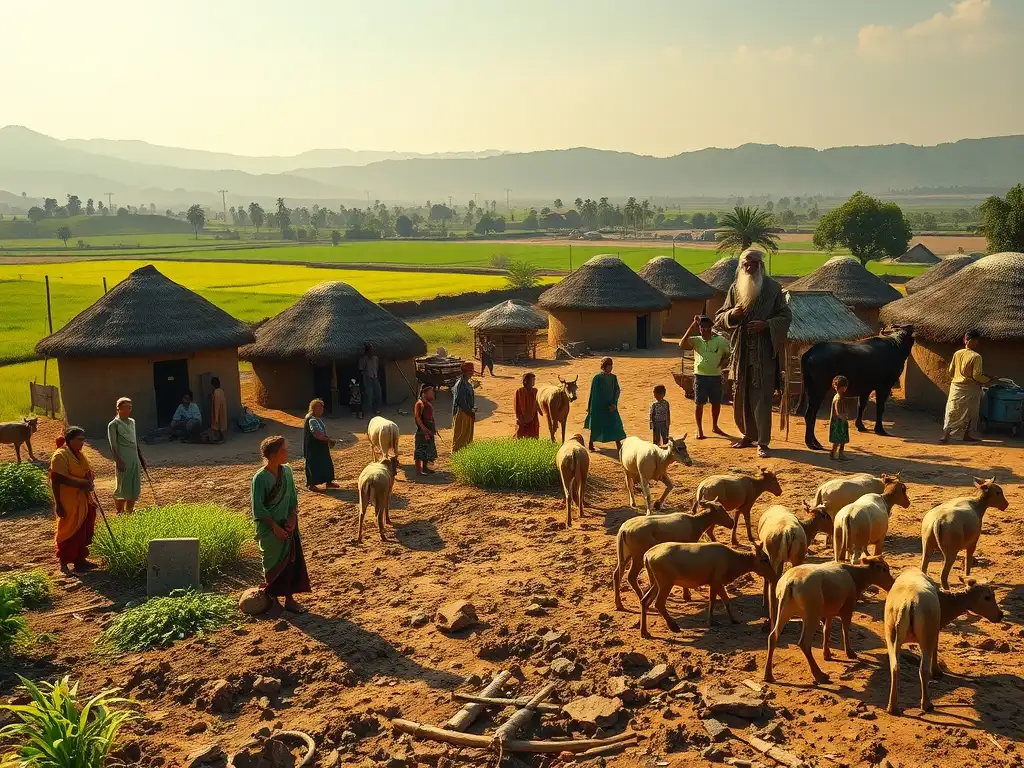
Welcome to Ancient India History, where we invite you to embark on a captivating journey through the rich tapestry of ancient Indian civilizations. In our featured article, “The Role of Land Grants in Ancient Indian Society,” we delve into the intricate legal systems and law codes that shaped the lives of millions. Have you ever wondered how land grants influenced social structures and governance in the age of the Indus Valley and beyond?
Join us as we unravel the significance of these grants and discover the profound legacy they left behind. Your exploration of the past starts here—let's uncover the mysteries together!

Introduction to Land Grants in Ancient India
Land grants in ancient India played a pivotal role in shaping the socio-economic and political landscape of the time. These grants, often bestowed by kings and rulers, were not merely transactions of land but carried profound implications for governance, social hierarchy, and agricultural productivity.
Understanding the nuances of land grants is essential for grasping the broader context of property rights, inheritance laws, and the intricate relationship between land and power in ancient Indian societies. This exploration delves into the significance of land grants, their historical evolution, and the major dynasties that influenced these practices, thereby uncovering their lasting impact on Indian civilization.
Definition of Land Grants in Ancient Indian Context
In the context of ancient India, land grants (often referred to as agrarian grants) were formal allocations of land by royal authorities to individuals, communities, or institutions. These grants were typically documented in inscriptions or written records, specifying the extent of land, its location, and the rights conferred upon the recipient. The primary objectives of land grants varied, including:
- Rewarding loyalty: Land was often granted to military leaders and nobles in recognition of their service.
- Encouraging agricultural expansion: By granting land to peasants and farmers, rulers aimed to enhance agricultural productivity.
- Religious and cultural patronage: Temples and religious institutions were frequently recipients of land grants, fostering cultural development and spiritual practices.
Importance of Land in Ancient Indian Society
Land held immense significance in ancient Indian society, both economically and socially. It was the primary source of livelihood, influencing the wealth and status of individuals and families. Key aspects of land's importance included:
- Economic foundation: Agriculture was the backbone of the economy, and land grants facilitated increased agricultural output.
- Social stratification: Ownership of land often determined an individual's social standing, with landowners enjoying higher status in the caste system.
- Political leverage: Control over land grants allowed rulers to consolidate power, establish loyalty among vassals, and maintain stability within their realms.
Historical Background of Land Grants
Evolution of Land Grant Systems Over Time
The practice of land grants in ancient India evolved significantly over the centuries, influenced by changing political dynamics, economic conditions, and cultural ideologies. Initially, land grants were relatively informal, often based on oral traditions. However, as administrative systems became more sophisticated, formal documentation and specific legal frameworks emerged. The evolution can be categorized into several key phases:
- Early Vedic Period: Land ownership was more communal, with resources shared among tribes.
- Mauryan Empire: The establishment of a centralized authority led to systematic land grants, enhancing agricultural productivity.
- Post-Mauryan Period: Regional kingdoms began to adopt land grant practices, tailored to local contexts.
- Gupta Empire: The peak of land grant practices, where grants were often linked to religious institutions, leading to a significant cultural flourish.
Major Dynasties Involved in Land Grant Practices
Several dynasties played a crucial role in the development and implementation of land grants throughout ancient India. Notable among these were:
- Mauryan Dynasty (circa 322–185 BCE): Known for extensive land grants, especially to support agriculture and Buddhism.
- Gupta Empire (circa 240–550 CE): Famous for promoting land grants to Brahmins and temples, fostering a rich cultural and religious environment.
- Chola Dynasty (circa 300 BCE–1279 CE): Their administration emphasized land grants, particularly for irrigation and temple construction.
By exploring these facets, we can gain a deeper appreciation for how land grants shaped the foundations of ancient Indian society and influenced its legal systems and property laws.
Types of Land Grants in Ancient India
Land grants played a pivotal role in shaping the socio-economic landscape of ancient India. These grants can be primarily categorized into three distinct types: religious land grants, royal land grants, and community land grants. Each type served unique purposes and had differing implications for the beneficiaries and society at large.
- Religious Land Grants: These grants were typically bestowed upon temples, monasteries, and religious institutions. Their primary purpose was to support religious activities, maintain places of worship, and ensure the sustenance of the clergy. Such grants often came with various privileges and were exempt from certain taxes, emphasizing the sacredness of the land and its intended use for communal and spiritual well-being.
- Royal Land Grants: Often issued by kings and rulers, these grants were aimed at consolidating power and loyalty among subjects. They provided land to military officials, nobles, and supporters in exchange for service and allegiance. Royal land grants were significant in establishing feudal systems and incentivizing military service, thereby strengthening the ruler’s hold over the region.
- Community Land Grants: These grants were aimed at promoting agricultural development and enhancing community welfare. They were often allocated to villages or local communities for collective cultivation. By granting land to communities, rulers encouraged agricultural productivity and supported village governance, fostering social cohesion and economic stability.
Religious Land Grants and Their Purpose
Religious land grants emerged as a fundamental aspect of ancient Indian society, reflecting the deep intertwining of religion and governance. Temples and monasteries received vast tracts of land as part of these grants, which served several critical purposes:
- Support for Religious Activities: The primary purpose of religious land grants was to provide financial support to temples and religious institutions. This included funding rituals, festivals, and other religious ceremonies, ensuring that spiritual practices were upheld.
- Tax Exemptions: Lands granted to religious institutions often enjoyed tax exemptions or reduced taxation, which allowed these institutions to accumulate wealth and resources. This exemption underscored the belief in the sanctity of religious establishments and their role in society.
- Social Services: Many temples and monasteries engaged in social welfare activities, such as feeding the poor, providing education, and offering medical care. The wealth derived from land grants facilitated these services, helping to establish the temple as a central figure in community life.
- Cultural Preservation: Religious land grants also played a role in preserving and promoting cultural practices, literature, and arts, as temples often became centers of learning and cultural exchange.
Royal Land Grants: Motivations and Beneficiaries
Royal land grants were a critical tool used by kings to establish and maintain their authority over vast territories. The motivations behind these grants were multifaceted:
- Consolidation of Power: By granting land to loyal subjects, rulers could ensure their support in military and administrative endeavors. This practice helped create a network of loyalty that was essential for maintaining stability in the kingdom.
- Economic Incentives: Land grants provided economic benefits to recipients, often allowing them to cultivate the land and generate income. This economic motivation attracted many to serve the king, knowing that land ownership could significantly enhance their status and wealth.
- Strategic Alliances: Royal land grants were often used to forge alliances with powerful families or influential figures. By granting land to these individuals, kings could secure their loyalty and deter potential rebellions.
- Beneficiaries: The primary beneficiaries of royal land grants included military commanders, local chieftains, and influential aristocrats. These individuals played crucial roles in the administration and defense of the kingdom.
Community Land Grants: Role in Village Development
Community land grants significantly contributed to the development and sustainability of villages in ancient India. Their influence can be observed through various aspects:
- Agricultural Productivity: By granting land to communities, rulers aimed to promote agriculture, which was the backbone of the economy. These grants often included provisions for irrigation and infrastructure, enhancing agricultural output.
- Encouragement of Cooperative Practices: Community grants encouraged cooperative farming practices, fostering unity among villagers. This collaboration was vital for managing resources, sharing labor, and improving harvests.
- Empowerment of Local Governance: Communities that received land grants often established local governance systems, whereby decisions were made collectively. This empowerment allowed for greater autonomy and self-management, leading to more resilient village structures.
- Cultural and Social Cohesion: Land grants to communities reinforced social ties and cultural practices. As villages grew, they became centers of culture, education, and social interaction, contributing to the overall development of society.
Legal Framework Surrounding Land Grants
The legal framework governing land grants in ancient India was complex, reflecting the varying customs, regional practices, and the influence of different dynasties. This framework ensured that land grants were regulated and documented, providing legitimacy to the transactions.
Laws Governing Land Grants in Ancient India
The laws surrounding land grants were often embedded within the broader context of ancient Indian legal texts and customary practices. Key features of these laws included:
- Shastras and Dharmashastras: Ancient texts such as the Manusmriti and Yajnavalkya Smriti outlined various rules regarding land grants, including eligibility, procedures, and the responsibilities of the grantees.
- Regional Variations: Different regions had unique laws governing land grants, influenced by local customs and practices. For instance, the rules in the north might differ significantly from those in the south.
- Conditions and Obligations: Many grants came with specific conditions, such as maintaining the land, paying taxes, or fulfilling certain duties to the grantor. These obligations ensured that land was utilized effectively and for the intended purpose.
- Enforcement Mechanisms: The enforcement of land grant laws was often overseen by local rulers or administrative officials, who ensured compliance and addressed disputes arising from land ownership.
Documentation and Record Keeping of Land Grants
Documentation played a crucial role in the legitimacy and management of land grants in ancient India. The process involved several important aspects:
- Written Deeds: Land grants were often formalized through written documents, which outlined the details of the grant, including the names of the grantor and grantee, the boundaries of the land, and any conditions attached to the grant.
- Seal and Witnesses: To enhance the authenticity of land grants, seals were often affixed, and witnesses were called upon to attest to the transaction. This practice provided legal protection for the grantee against future disputes.
- Administrative Archives: Many kingdoms maintained archives where copies of land grants were stored. This facilitated better record-keeping and allowed for the resolution of disputes through reference to official documents.
- Importance of Records: Proper documentation ensured transparency and accountability in land transactions, fostering trust among the parties involved and contributing to the overall stability of land ownership in ancient India.
Societal Impact of Land Grants

Land grants in ancient India played a pivotal role in shaping societal structures, influencing economic growth, and fostering cultural developments. These grants were typically given by rulers to individuals, religious institutions, or communities, and they often came with specific privileges and responsibilities. The societal impact of land grants can be observed in various dimensions, such as economic development, social stratification, and religious patronage.
Land grants contributed to the establishment of agrarian societies by incentivizing agricultural production. They allowed for the cultivation of previously uncultivated lands, leading to increased food production and stability within communities. Furthermore, these grants served as a means for rulers to consolidate power by securing loyalty from landholders who benefitted from the land's yields. Over time, this practice also contributed to the formation of complex social hierarchies, as those who received land grants often became part of the elite class, wielding significant influence over local governance and societal norms.
Economic Influence of Land Grants on Agriculture
The economic influence of land grants on agriculture in ancient India cannot be overstated. By providing land to farmers, land grants facilitated increased agricultural productivity, which was crucial for sustaining the growing population. These grants often included not just the land itself but also resources such as water rights, seeds, and livestock, which further incentivized agricultural development.
Additionally, land grants often came with tax exemptions or reductions, allowing farmers to retain a larger portion of their produce. This economic support encouraged the adoption of improved agricultural techniques and crop diversification, ultimately leading to greater food security. The surplus generated from these agricultural activities also played a significant role in trade, contributing to the rise of urban centers and the overall economy of ancient India.
Social Hierarchies Established Through Land Grants
The distribution of land grants in ancient India significantly influenced social hierarchies. Those who received land grants typically belonged to the higher echelons of society, such as aristocrats, military leaders, and religious figures. This practice reinforced existing social stratifications, creating a class of landowners who held considerable power and influence over the local populace.
Moreover, land grants often came with specific obligations, such as military service or tax collection duties. This created a reciprocal relationship between landowners and the state, where loyalty was rewarded with land, thereby solidifying the social hierarchy. As a result, the social fabric of ancient Indian society became intricately tied to land ownership, with wealth and power concentrated among a few elite families, while the majority of the population remained as tenants or laborers.
The Role of Land Grants in Supporting Temples and Religious Institutions
Land grants were instrumental in the support of temples and religious institutions in ancient India. Rulers often bestowed land to temples as a means of demonstrating their piety and securing divine favor. These grants provided temples with the necessary resources to maintain their operations, support priests, and fund various religious activities.
The economic stability afforded by land grants allowed temples to become centers of social and cultural life within communities. They played a significant role in education, art, and music, which were often sponsored by these religious institutions. Furthermore, land grants contributed to the social status of temples, elevating them to prominent positions within the societal hierarchy and fostering a culture of patronage that linked religion with the ruling elite.
Comparison of Land Grant Practices Across Different Regions
The practices surrounding land grants varied significantly across different regions of ancient India, influenced by local customs, economic conditions, and political structures. Understanding these variations provides insight into how land grants shaped regional identities and governance.
Land Grants in Northern India vs. Southern India
In Northern India, land grants were often associated with the feudal system, where local chieftains received land from the ruling monarch in exchange for military service and loyalty. This system resulted in a network of landholding elites who exerted considerable control over their territories. The land granted typically included agricultural land, which was cultivated by peasants who paid rent or taxes to the landholders.
Conversely, Southern India exhibited a more temple-centric approach to land grants. Kings and local rulers frequently donated land to temples, which not only served religious purposes but also acted as economic hubs. The temples in Southern India managed these lands, employed agricultural workers, and established extensive irrigation systems, which were crucial for agricultural productivity in the region. This difference highlights a significant divergence in how land grants were utilized for economic and social purposes across India.
Variations in Land Grant Practices Among Different Dynasties
Different dynasties in ancient India exhibited unique practices regarding land grants, reflecting their political ideologies and economic strategies. For instance, the Maurya Empire is known for its centralized approach, where land grants were strictly regulated by the state, ensuring that agricultural production remained efficient and under governmental oversight.
In contrast, during the Gupta Empire, land grants became more decentralized, with local rulers and landlords gaining increased autonomy. This shift often resulted in a diverse array of land grant practices, influenced by regional customs and the specific needs of local economies. The Chola dynasty, for example, is noted for its extensive land grant system that promoted agricultural development and temple construction, showcasing how land grants could be tailored to support both economic growth and religious patronage.
Overall, these variations in land grant practices across different regions and dynasties underscore the adaptability of ancient Indian societies in utilizing land as a means of sustaining their economies and reinforcing social structures.
Land grants in ancient India, while instrumental in shaping society and governance, were not without their share of challenges and controversies. One significant issue was the disputes that arose over ownership rights and the legitimacy of land grants. These disputes often involved different factions, including local rulers, religious institutions, and individual landholders, leading to conflicts that could disrupt social cohesion.
Another challenge was the potential for misuse and corruption within the grant system. As land grants were sometimes given as rewards for loyalty or service, there were instances where favoritism influenced decisions, undermining the intended meritocratic principles. This created a perception of inequity among the populace, leading to resentment and social strife.
Moreover, the intricate nature of inheritance laws added another layer of complexity to land grants. The intersection of land grants with familial and societal obligations sometimes led to conflicts, particularly in cases where land was granted to individuals without clear succession planning. These challenges highlight the multifaceted implications of land grants in ancient Indian society, revealing that while they facilitated agricultural expansion and economic development, they also gave rise to significant social and legal tensions.
Disputes Over Land Ownership and Inheritance
Disputes over land ownership and inheritance were prevalent in ancient India, particularly in the context of land grants. Ownership claims could often be contested, especially when multiple parties asserted rights over the same piece of land due to overlapping grants from different rulers or institutions. These conflicts were exacerbated by the lack of standardized record-keeping practices, which made it difficult to establish clear ownership and succession lines.
Inheritance itself posed challenges, as the principles governing it varied widely across regions and communities. In many cases, land granted to an individual could complicate familial inheritance, leading to disputes among heirs. For instance, when a landholder died, the absence of established legal frameworks for transferring land could result in fragmentation of landholdings, disputes among family members, or even claims from outside parties. Such disputes not only affected the individuals involved but also had broader implications for social stability and agricultural productivity.
The Decline of Land Grant Systems in Later Periods
The decline of land grant systems in later periods of ancient India can be attributed to several factors. One major reason was the changing political landscape, which saw the rise of centralized empires that gradually absorbed local powers and eliminated the need for land grants as a means of governance. As these empires established more direct control over land administration, the traditional system of land grants began to diminish.
Additionally, economic changes played a significant role in this decline. The growth of trade and urban centers shifted the focus from agrarian economies reliant on land grants to more diverse economic models. As cities flourished, the socio-economic structure evolved, leading to a reduced emphasis on land grants as a source of wealth and power.
Furthermore, the increasing complexities of land ownership and the legal disputes surrounding them contributed to the decline of the system. As the controversies grew, rulers and administrators sought to limit the practice of land grants to avoid entangling themselves in disputes that could undermine their authority.
Conclusion: The Legacy of Land Grants in Ancient Indian Society
The legacy of land grants in ancient Indian society is multifaceted, reflecting both their role in promoting agricultural development and the complexities they introduced into social and legal frameworks. These grants facilitated the cultivation of land, supported agrarian economies, and allowed rulers to maintain control over vast territories. However, they also generated disputes and shaped property relations in ways that have lasted through the ages.
Lasting Effects on Modern Property and Inheritance Laws
The influence of land grants extends into modern property and inheritance laws in India. Many contemporary legal frameworks can trace their origins to the practices surrounding land grants, particularly in terms of land rights and ownership. The principles of equity and fairness that emerged from the historical context of land grants continue to inform current legal standards regarding property disputes and inheritance issues.
Moreover, the historical complexities of land ownership have contributed to ongoing debates about land reform and redistribution in modern India. The legacy of land grants, with its implications for social justice and economic equity, remains a topic of discussion in legal and political spheres.
Reflection on the Cultural Significance of Land Grants in Ancient India
Land grants were not solely legal instruments; they held significant cultural and social importance in ancient India. They were often associated with religious patronage, where temples and monasteries received land to promote spiritual practices and community welfare. This intertwining of land grants with cultural and religious life highlights their role in shaping societal values and norms.
Additionally, land grants reflected the social hierarchies of the time, influencing relationships among different classes and communities. They served as symbols of power and status, often cementing alliances between rulers and influential families. Thus, the cultural significance of land grants in ancient India extends beyond their economic implications, encompassing a broader narrative about identity, power, and community cohesion that resonates through history.
- Introduction to Land Grants in Ancient India
- Historical Background of Land Grants
- Types of Land Grants in Ancient India
- Legal Framework Surrounding Land Grants
- Societal Impact of Land Grants
- Comparison of Land Grant Practices Across Different Regions
- Challenges and Controversies Related to Land Grants
- Conclusion: The Legacy of Land Grants in Ancient Indian Society
Frequently Asked Questions
What were land grants in ancient India?
Land grants in ancient India were allocations of land made by rulers or landowners to individuals or institutions, often for agricultural or religious purposes.
Land grants contributed to social stratification by creating a hierarchy where landowners held power, while peasants worked the land, leading to distinct class divisions.
What role did religion play in land grants?
Religious institutions received many land grants, as they were considered important centers for culture and learning, reinforcing the connection between religion and societal structure.
Were land grants permanent?
Most land grants were not permanent; they could be revoked or transferred, often depending on the favor of the ruler or changing political circumstances.
How did land grants influence agriculture in ancient India?
Land grants significantly boosted agricultural production by increasing land availability, enabling the development of new farming techniques and supporting local economies.
Final Reflection: The Enduring Legacy of Land Grants in Ancient India
The significance of land grants in ancient India resonates deeply in today's socio-economic discussions, highlighting the intricate relationship between land ownership and social hierarchy. As we navigate contemporary issues of land rights and distribution, understanding the historical context of land grants provides crucial insights into how these practices shaped societal structures and influenced power dynamics in ancient Indian civilization. The legacy of these grants is not merely a relic of the past; it continues to inform our present-day conversations about equity and justice in land ownership.
The impact of land grants extends beyond mere economic transactions; they played a pivotal role in shaping cultural and social identities. The distribution of land often determined social status and community cohesion, influencing everything from agricultural practices to religious affiliations. As we reflect on this, we can appreciate the words of historian Romila Thapar: Land is not just a resource; it is a symbol of power, identity, and belonging.
This observation underscores the ongoing relevance of land grants in understanding the complexities of social structures, both historically and in contemporary society.
As we conclude, I invite you to reflect on the lessons learned from the role of land grants in ancient India and consider how these insights can be applied to modern challenges. What does land mean to you in your community? How can we ensure equitable access to land and resources for all? By engaging with these questions, we can honor the past while actively shaping a more just and inclusive future. Let us carry forward the understanding that land is not merely a commodity but a vital element of our shared human experience.
Embrace the Legacy: Dive Deeper into Ancient Indian Society!
Thank you for taking the time to explore the fascinating role of land grants in ancient Indian society. You've unlocked insights into how these grants shaped economic and social landscapes. Now, it’s time to put that knowledge into action!
Here’s how you can continue your journey of discovery:
- Explore Further: Delve into ancient texts or local histories to understand how land grants influenced regional cultures and economies.
- Share Your Knowledge: Engage in discussions with friends or share your insights on social media. Start a conversation about the significance of land in shaping societies.
- Engage with the Community: Join forums or groups focused on ancient Indian history. Connect with like-minded enthusiasts to share insights and resources.
What aspect of land grants in ancient India intrigues you the most, and how do you think they impacted societal structure? We invite you to share your thoughts below!