
Ancient Indian Legal Scholars: Their Contributions and Legacy


Welcome to Ancient India History, where we embark on a fascinating journey through the rich tapestry of ancient Indian civilizations. In this exploration, we delve into the remarkable contributions of Ancient Indian legal scholars, whose insights and innovations shaped legal systems that resonate even today. Discover how these intellectual pioneers laid the groundwork for justice and governance in a time when civilization was blossoming.
Join us as we uncover their legacy and the profound impact they had on the evolution of law codes in India. Are you ready to unlock the secrets of their wisdom? Read on to learn more!
- Ancient Indian Legal Scholars Contributions: A Historical Overview
- Major Ancient Indian Legal Scholars
- Key Contributions of Ancient Indian Legal Scholars
- The Legacy of Ancient Indian Legal Scholars
- Conclusion: The Lasting Influence of Ancient Indian Legal Scholars
- Further Reading on Ancient Indian Legal Contributions
-
Frequently Asked Questions
- What were the main contributions of ancient Indian legal scholars?
- How did ancient Indian legal scholars impact modern law?
- What is the significance of the Manusmriti in ancient Indian law?
- Who were some notable ancient Indian legal scholars?
- How did the Gupta Empire contribute to legal scholarship?
- Final Reflection: The Enduring Legacy of Ancient Indian Legal Scholars
- Unveil the Wisdom of Ancient Indian Legal Scholars!
Ancient Indian Legal Scholars Contributions: A Historical Overview
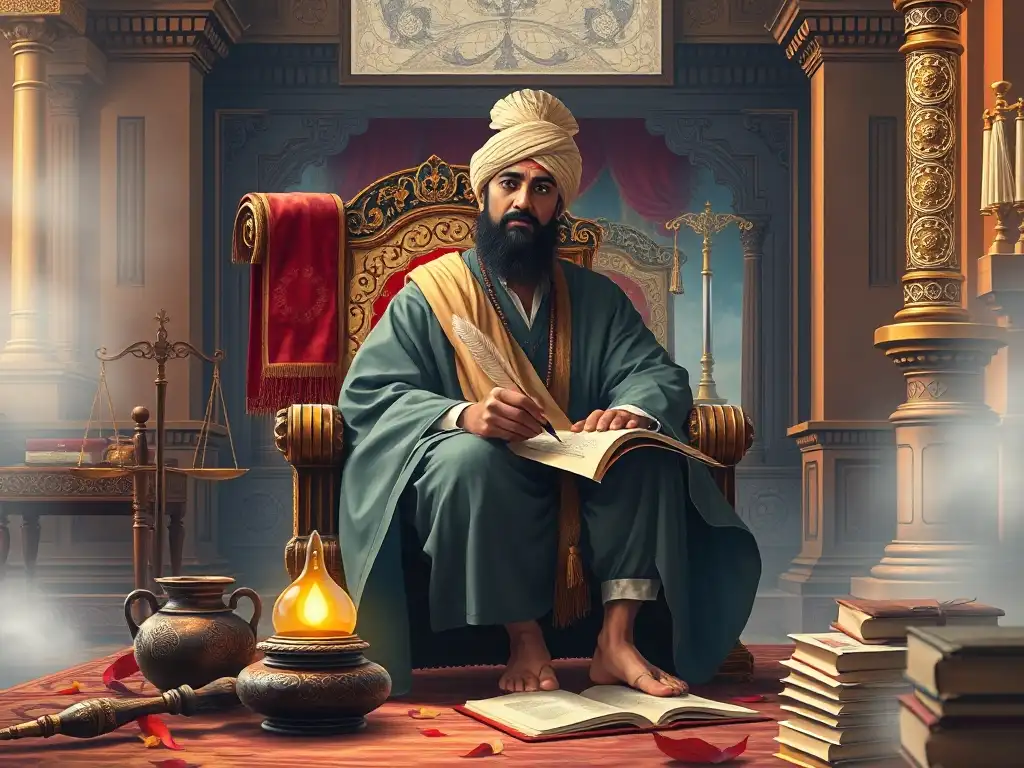
The contributions of ancient Indian legal scholars form a crucial part of the rich tapestry of India's historical and cultural legacy. These scholars played a pivotal role in shaping the legal systems, philosophies, and practices that governed ancient Indian society.
From the sophisticated legal codes of the Indus Valley Civilization to the intricate commentaries during the Gupta Empire, the evolution of legal thought in ancient India offers invaluable insights into the governance and societal norms of the time. This article delves into the remarkable contributions of ancient Indian legal scholars, exploring their works, methodologies, and the enduring impact of their ideas on contemporary legal systems.
Introduction to Ancient Indian Legal Scholars
Ancient India was home to a multitude of renowned legal scholars whose works laid the foundation for the legal traditions that would influence generations to come. Among the most notable figures are Manu, Yajnavalkya, and Kautilya, each of whom contributed significantly through their writings and interpretations of law.
- Manu is best known for the "Manusmriti," which serves as one of the earliest texts outlining the principles of Dharmashastra—law based on moral and ethical guidelines.
- Yajnavalkya, another prominent figure, is celebrated for his compilation of legal principles and procedures in the "Yajnavalkya Smriti," which addressed various aspects of law including family, property, and criminal matters.
- Kautilya, known for his work "Arthashastra," not only offered insights into governance and economics but also detailed the legal and administrative practices of the Mauryan Empire.
These scholars, among others, played a crucial role in codifying laws, interpreting them, and ensuring their application within the societal context of their time. Their legacies continue to resonate in modern legal frameworks, highlighting the enduring relevance of ancient Indian legal thought.
Importance of Legal Scholarship in Ancient India
The importance of legal scholarship in ancient India cannot be overstated. Legal scholars provided a structured approach to the administration of justice, establishing guidelines that governed personal conduct and societal interactions. The legal systems they developed were characterized by their flexibility and adaptability, reflecting the diverse cultural and social fabric of ancient India.
Key aspects of their contributions include:
- Codification of Laws: Ancient Indian legal scholars were instrumental in the formulation of comprehensive legal codes that addressed various aspects of life, including marriage, inheritance, and criminal justice.
- Philosophical Foundations: Many scholars integrated philosophical principles with legal codes, creating a legal framework that was not only practical but also ethical. For instance, the concept of Dharma emphasized righteousness and duty, influencing legal practices.
- Judicial Procedures: These scholars provided insights into judicial procedures, including the roles of judges, the process of trial, and the methods of dispute resolution, which were vital for maintaining social order.
- Influence on Modern Law: The contributions of ancient Indian legal scholars have left a lasting legacy, influencing not only contemporary Indian law but also offering frameworks that can be seen in legal systems around the world.
The legal scholarship of ancient India reflects a rich tradition of thought that prioritized justice, ethics, and the wellbeing of society. Their contributions are an essential part of understanding the evolution of legal systems, paving the way for future developments in law and governance.
Major Ancient Indian Legal Scholars

Manu, often regarded as the first lawgiver in ancient India, is best known for his seminal work, the Manusmriti (also known as the Manu Smriti). This text, composed around 200 BCE to 200 CE, serves as a comprehensive guide to law, ethics, and social order in ancient Indian society. Manu's contributions significantly shaped the legal landscape of the time and established frameworks that influenced subsequent generations.
Contributions of Manu to Legal Systems
- Legal Framework: Manu's Manusmriti outlines a detailed legal framework that covers various aspects of life, including criminal law, civil law, family law, and property rights. The text categorizes laws into different sources, emphasizing that the king, the scriptures, and customs should guide judicial practices.
- Varna System: A central tenet in Manu's work is the establishment of the varna system, which classifies society into four primary groups: Brahmins (priests and scholars), Kshatriyas (warriors and rulers), Vaishyas (traders and agriculturists), and Shudras (laborers and service providers). This classification influenced the distribution of legal rights and responsibilities among different societal groups.
- Dharma Concept: Manu introduced the concept of Dharma, which refers to the moral and ethical duties expected of individuals based on their class and stage of life. This framework not only guided personal conduct but also served as a basis for legal judgments.
- Judicial Procedures: The Manusmriti detailed judicial procedures, including the roles of judges, the importance of evidence, and the conduct of trials. Manu emphasized the need for impartiality and fairness in legal proceedings, laying the groundwork for justice in ancient India.
Legacy of Manusmriti in Modern Law
The influence of the Manusmriti extends beyond its time, as its principles continue to resonate in modern legal systems, particularly in India. Key aspects of its legacy include:
- Judicial Precedents: The Manusmriti has been cited as a reference in various legal cases and discussions of law in contemporary India. Its principles continue to inform debates on personal law, inheritance, and family rights.
- Cultural Context: The text encapsulates the cultural and social norms of ancient Indian society, providing insights into the historical evolution of legal thought and practice.
- Reform Movements: The Manusmriti has been both revered and criticized, often serving as a focal point for reform movements aimed at addressing inequalities perpetuated by its teachings, particularly regarding gender and caste.
Yajnavalkya, another prominent ancient Indian legal scholar, is credited with the Yajnavalkya Smriti, a text that complements the Manusmriti and offers a unique perspective on legal and ethical issues. His contributions are notable for their clarity and practicality, making them highly influential in the evolution of ancient Indian law.
Key Contributions of Yajnavalkya
- Legal Codification: The Yajnavalkya Smriti is a significant legal code that addresses various aspects of law, including civil, criminal, and family matters. It presents laws in a clear and systematic manner, making legal principles more accessible to the public.
- Innovations in Law: Yajnavalkya introduced several innovative legal concepts, such as the idea of sama (equality) in legal proceedings, which emphasized fairness and impartiality in judgment. His work also included provisions for legal representation and the rights of women in inheritance.
- Focus on Ethics: Yajnavalkya emphasized ethical conduct in legal matters, aligning legal principles with moral values. His approach encouraged judges to consider the broader implications of their decisions, thereby promoting a just society.
- Influence on Later Texts: The Yajnavalkya Smriti served as a source for later legal scholars and texts, ensuring that his ideas continued to shape the discourse on law and justice in ancient India.
Influence on Judicial Practices
Yajnavalkya's impact on judicial practices can be observed in several key areas:
- Judicial Authority: His writings reinforced the role of the king as the ultimate authority in legal matters, while also advocating for the need for wise and just governance.
- Legal Education: The Yajnavalkya Smriti became a crucial text for legal education in ancient India, training future judges and legal practitioners in the principles of law and ethics.
- Adaptability: The adaptability of Yajnavalkya's legal principles allowed them to be integrated into various regional laws and customs, showcasing the dynamic nature of ancient Indian legal systems.
Both Manu and Yajnavalkya made significant contributions to the development of ancient Indian legal thought, and their legacies continue to influence contemporary legal practices and discussions in India today.
Kautilya: The Strategist and Legal Mind
Kautilya, also known as Chanakya, was a pivotal figure in ancient Indian history, recognized not only for his strategic acumen but also for his profound contributions to legal and political philosophy. Living during the 4th century BCE, he served as the chief advisor to Chandragupta Maurya, the founder of the Maurya Empire. Kautilya's insights into governance, statecraft, and law have resonated through the ages, establishing him as a foundational legal scholar in ancient India.
Kautilya's work transcended mere political strategy; it was deeply intertwined with the legal principles of his time. His understanding of human nature, ethics, and the mechanics of power provided a framework that not only informed the governance of cities and kingdoms but also laid the groundwork for the development of legal systems in ancient India. His astute observations about the relationship between law and governance reflect a sophisticated understanding of how legal systems can be employed to maintain order and justice in society.
The Arthashastra: A Comprehensive Legal Treatise
The Arthashastra is Kautilya's most significant contribution, serving as a comprehensive manual on statecraft, economic policy, and military strategy. This ancient text is not only a political treatise but also an essential legal document, outlining the principles of governance and law that were relevant in ancient India.
The Arthashastra covers a wide array of topics, including the administration of justice, the rights and duties of individuals, and the roles of various legal officials. Its discussions on legal procedures, the importance of evidence, and the resolution of disputes showcase Kautilya's understanding of legal principles that would later influence legal thought in India.
Moreover, the Arthashastra introduces concepts such as dharma (duty/righteousness) and artha (prosperity), emphasizing the necessity of balancing ethical considerations with pragmatic governance. This holistic approach has made the Arthashastra a timeless reference for scholars and practitioners of law and governance.
Kautilya's Impact on Governance and Law
Kautilya's influence on governance and law is profound and enduring. His ideas have shaped the way rulers and legal scholars approach the administration of justice and the establishment of legal norms. The principles articulated in the Arthashastra have been cited and adapted in various contexts throughout Indian history, demonstrating their relevance across different epochs.
One of Kautilya's key contributions is the concept of legal pragmatism, where the law is viewed as a tool for maintaining order and stability rather than merely a set of rigid rules. This perspective allowed for flexibility in legal interpretations, enabling rulers to adapt laws to the evolving needs of society. Kautilya's emphasis on the importance of a strong legal framework in governance has influenced subsequent generations of legal scholars and practitioners, establishing a legacy that continues to be studied today.
Nārada: The Philosopher of Law
Nārada, often regarded as a sage and a philosopher, made significant contributions to ancient Indian legal thought through his treatise, the Nārada Smriti. This text not only addresses legal issues but also explores the moral and ethical foundations of law, reflecting a philosophical approach to legal scholarship that has resonated through the ages.
Nārada's insights into the nature of justice, the role of the lawgiver, and the duties of individuals within society emphasize the interconnectedness of law and morality. His work is characterized by a holistic perspective that considers the socio-cultural context in which laws operate, making it a vital resource for understanding ancient Indian legal systems.
Nārada Smriti and Its Legal Relevance
The Nārada Smriti stands as a critical legal text that outlines various aspects of law, including civil, criminal, and family law. It serves as a guide to the duties of kings, the responsibilities of citizens, and the procedures for legal adjudication.
In this treatise, Nārada discusses the concept of dharma and its application in legal contexts, highlighting the importance of ethical conduct in both individuals and rulers. The Nārada Smriti provides a framework for understanding the legal obligations that arise from social relationships, focusing on the principles of fairness and equity in the administration of justice.
Additionally, Nārada's work addresses the procedural aspects of law, discussing the roles of judges and the importance of evidence in legal proceedings. This emphasis on due process reflects an early understanding of legal rights that would influence later legal developments in India.
Nārada's Influence on Legal Thought
Nārada's contributions to legal thought have had a lasting impact on ancient and modern Indian jurisprudence. His philosophical exploration of law as a moral enterprise has inspired generations of legal scholars and practitioners, emphasizing the necessity of aligning legal principles with ethical considerations.
The legal concepts introduced by Nārada have been integrated into various legal codes and practices throughout Indian history, illustrating the enduring relevance of his ideas. His emphasis on social justice and the welfare of the community continues to resonate in contemporary discussions on law and governance, making Nārada a significant figure in the lineage of ancient Indian legal scholars.
Both Kautilya and Nārada exemplify the rich tradition of legal scholarship in ancient India, each contributing unique perspectives that have shaped the development of legal systems and thought throughout the centuries. Their legacies continue to inform discussions on law, ethics, and governance in India today.
Key Contributions of Ancient Indian Legal Scholars

Ancient Indian legal scholars made significant contributions to the development of legal systems and practices that have influenced not only Indian society but also other cultures across the world. Their works laid the foundation for various aspects of law, justice, and governance, showcasing a sophisticated understanding of legal principles and societal needs. This section delves into their key contributions, focusing on the development of legal codes, innovations in judicial practices, and their lasting influence on modern legal systems.
Development of Legal Codes and Texts
One of the most notable contributions of ancient Indian legal scholars was the creation of comprehensive legal codes and texts that systematized laws and regulations.
- Manusmriti: Perhaps the most famous of these texts, the Manusmriti, attributed to the sage Manu, serves as a foundational legal document that outlines various aspects of dharma (duty/righteousness), including family law, property rights, and criminal justice. It reflects the social hierarchy of the time and establishes guidelines for behavior across different strata of society.
- Yajnavalkya Smriti: Another critical text, the Yajnavalkya Smriti, offers insights into legal procedures and rights, further refining the principles set out in the Manusmriti. It focuses on civil law and includes details on inheritance, contracts, and property disputes.
- Commentaries and Sub-commentaries: Scholars such as Mitakshara and Dayabhaga contributed commentaries on these texts, expanding their interpretation and application over time. Their analyses helped clarify legal terms and principles, making them more accessible and applicable to everyday life.
These texts were not just theoretical; they were actively used in courts to adjudicate disputes, guiding judges and practitioners in legal matters.
Innovations in Judicial Practices
Ancient Indian legal scholars also introduced several innovative practices that enhanced the judicial system's efficiency and fairness.
- Panchayati System: The establishment of the Panchayat system, a local self-governance body, is a prime example of innovation in judicial practices. This system allowed for community-level dispute resolution, fostering a sense of justice and participation among local populations. It ensured that justice was delivered swiftly and in accordance with local customs.
- Role of Judges: Legal scholars emphasized the importance of impartial and knowledgeable judges. They advocated for judges to be well-versed in law and ethics, ensuring fair trials. The qualifications of judges were clearly outlined in legal texts, which included requirements for integrity, understanding of dharma, and knowledge of legal codes.
- Evidence and Testimony: The concept of admissible evidence and the role of witnesses were crucial innovations. Legal texts prescribed rigorous standards for evidence, categorizing it based on reliability and relevance, which contributed to fair trial practices.
These innovations not only improved the judicial process but also reinforced the rule of law, demonstrating an early understanding of justice and accountability.
Influence on Modern Legal Systems
The contributions of ancient Indian legal scholars extend far beyond their time, influencing modern legal systems in various ways.
- Legal Principles: Many principles found in ancient texts resonate in contemporary legal frameworks. Concepts such as due process, the right to a fair trial, and the categorization of laws into civil and criminal continue to be integral to modern jurisprudence.
- Cultural Integration: The rich history of Indian legal scholarship has been absorbed into various legal systems, particularly in countries with historical ties to India. For example, the influence of Hindu law can be seen in the legal systems of some Southeast Asian nations.
- Revival of Interest: In recent years, there has been a resurgence of interest in ancient Indian legal texts, with scholars exploring their relevance to contemporary legal issues. This renewed focus highlights the timeless nature of many legal concepts articulated centuries ago.
The contributions of ancient Indian legal scholars are pivotal not only in understanding the historical context of law in India but also in appreciating the foundational principles that continue to shape legal systems today. Their legacy is a testament to the enduring importance of law and justice in society.
The Legacy of Ancient Indian Legal Scholars

Enduring Impact on Indian Judiciary
The contributions of ancient Indian legal scholars have had a profound and lasting influence on the Indian judiciary, shaping its structure and principles even in contemporary times. The foundational texts and commentaries produced during the ancient period established a framework for legal thought that emphasized justice, ethics, and societal obligations.
- Manusmriti: Often regarded as a cornerstone of Indian legal tradition, the Manusmriti (Manu Smriti) compiled by sage Manu provides insights into the social and legal codes of ancient India. It addresses various aspects of law, including civil, criminal, and family matters, and emphasizes the concept of Dharma—the moral duty to uphold justice and order in society.
- Yajnavalkya Smriti: Another significant text, the Yajnavalkya Smriti, refined the legal principles laid out in earlier texts and introduced systematic classifications of laws. This text is notable for its detailed provisions regarding property rights, inheritance, and legal procedures, which still resonate in modern legal frameworks.
- Judicial Procedures: Ancient Indian legal scholars also contributed to the development of judicial procedures. They emphasized the importance of evidence, cross-examination, and the role of the judge, laying down principles that continue to underpin the functioning of the judiciary today.
The enduring impact of these legal scholars is evident in the structure of modern Indian law, which retains elements inspired by these ancient texts. The principles derived from their works continue to guide legal practitioners and judges, thus forming a bridge between ancient practices and contemporary judicial systems.
Contributions to Global Legal Thought
Ancient Indian legal scholars did not only influence local legal systems; their contributions have had a significant impact on global legal thought as well. Through trade, cultural exchanges, and the spread of ideas, the legal philosophies of ancient India reached diverse regions, enriching the global discourse on law and justice.
- Comparative Legal Studies: Scholars such as Kautilya (Chanakya) in his work Arthashastra presented comprehensive analyses of governance, statecraft, and law that have been studied worldwide. His pragmatic approach to law and administration has drawn interest from legal scholars and political theorists globally.
- Moral and Ethical Frameworks: The emphasis placed on ethics and morality in the works of ancient Indian legal scholars has influenced various legal systems. Concepts like restorative justice and the ethical duties of judges can be traced back to these ancient texts and are increasingly relevant in modern legal contexts.
- International Law: The principles articulated in ancient Indian legal texts have also contributed to the evolution of international law concepts. The notion of mutual respect among states and the idea of non-violence (Ahimsa) advocated by ancient scholars echo through modern international relations and legal frameworks.
The contributions of ancient Indian legal scholars extend beyond the Indian subcontinent, influencing judicial practices and legal thought worldwide. Their emphasis on ethics, justice, and governance continues to resonate in the contemporary legal landscape, highlighting the timeless relevance of their insights.
Conclusion: The Lasting Influence of Ancient Indian Legal Scholars

The contributions of ancient Indian legal scholars have left an indelible mark on the legal landscape, not only within the subcontinent but also across the globe. Their works created a foundation for legal thought that influenced subsequent generations, and many of their principles can still be traced in modern legal systems today. This rich tapestry of legal scholarship underscores the sophistication of ancient Indian thought and its relevance to contemporary judicial practices.
The ancient texts, such as the Manusmriti and Arthashastra, provide insights not only into the laws of the time but also into the societal values and norms that shaped those laws. These texts showcased a diverse understanding of justice, governance, and morality, reflecting the complexities of human interactions and the need for a structured societal framework.
The legacy of ancient Indian legal scholars is evident in various aspects of modern law, including concepts of natural justice, rights, and duties. Furthermore, their emphasis on ethics and morality continues to resonate in today's discussions about law and justice.
Reflection on the Importance of Legal Scholarship in Ancient India
Ancient Indian legal scholarship played a critical role in defining the socio-political fabric of its time. The works of scholars were not merely academic; they served practical purposes in governance, conflict resolution, and societal order.
- Diversity of Thought: Ancient Indian legal scholars represented a wide range of perspectives, which enriched legal discourse. For instance, scholars like Manu and Kautilya provided contrasting views on governance and law, demonstrating the dynamic nature of legal thought.
- Integration of Dharma: The concept of Dharma (moral law) was central to ancient Indian legal thought. Legal scholars intricately linked law with ethics, emphasizing that laws should reflect moral values and promote societal welfare. This integration is a precursor to many modern legal systems that strive to balance law and ethics.
- Practical Applications: Legal texts served as guides for rulers and citizens alike, outlining procedures for justice, land rights, and trade regulations. This practical orientation ensured that legal scholarship was accessible and applicable to everyday life, fostering a sense of order and stability.
- Legacy of Legal Codes: The legal codes developed by ancient scholars laid the groundwork for subsequent legal frameworks in India and beyond. Their influence can be seen in various aspects of contemporary law, including property rights, family law, and criminal justice.
The contributions of ancient Indian legal scholars are not just historical artifacts; they are vital components of legal history that continue to inform and inspire current legal practices. The depth of their insights and the breadth of their impact reflect a rich tradition of legal thought that remains relevant to this day.
Further Reading on Ancient Indian Legal Contributions

Recommended Texts and Resources on Ancient Indian Law
Exploring the contributions of ancient Indian legal scholars offers a profound insight into the complexities and advancements of legal thought in ancient civilizations. Here are some recommended texts and resources that delve deeper into this rich history:
-
Books on Ancient Indian Law
-
"The History of Indian Law" by R. C. Gupta
This comprehensive volume covers the evolution of legal systems in India, presenting a detailed account of the contributions of ancient legal scholars and their impact on modern law.
-
"Ancient Indian Law: A Study in Legal History" by R. C. Agarwala
This book provides an in-depth analysis of ancient legal texts, including Manusmriti and Arthashastra, highlighting their relevance and interpretations throughout history.
-
"Indian Legal Thought: A History of Legal Ideas" by J. N. D. Anderson
Focused on the philosophical aspects of law, this text discusses the works of prominent legal scholars, their ideologies, and their lasting effects on legal theory.
-
-
Scholarly Articles and Journals
-
"The Role of Dharma in Ancient Indian Law"
This article examines the concept of Dharma as a cornerstone of ancient Indian legal philosophy, illustrating its influence on legal practices and moral obligations.
-
"Judicial Practices in Ancient India: A Historical Perspective"
A detailed exploration of the judicial systems employed in ancient India, discussing the contributions of legal scholars in shaping these practices.
-
-
Online Resources
-
Digital Library of India
This resource offers access to various ancient texts, manuscripts, and legal documents that are crucial for understanding the contributions of legal scholars in ancient India.
-
Indian Legal History: A Portal for Research
A dedicated platform where scholars can find a wealth of information regarding ancient legal theories, case studies, and the evolution of courts.
-
-
Documentaries and Lectures
-
"Ancient Indian Law and Justice" (YouTube Lecture Series)
Featuring experts in the field, this series provides visual and auditory insights into the judicial practices of ancient India and the contributions of key legal figures.
-
Key Themes to Explore
-
The Concept of Dharma
Understanding how Dharma influenced legal practices and the ethical dimensions of justice in ancient India.
-
Comparative Legal Studies
Exploring similarities and differences between ancient Indian legal systems and contemporary legal frameworks.
-
Influence on Modern Legal Systems
Investigating how ancient Indian legal philosophies continue to resonate in today’s legal practices.
Conclusion
The study of ancient Indian legal scholars and their contributions is essential for grasping the foundational aspects of legal systems in India. Through these recommended texts and resources, readers can deepen their understanding of how these scholars shaped legal thought and practice, leaving a legacy that continues to influence contemporary law.
Frequently Asked Questions
What were the main contributions of ancient Indian legal scholars?
Ancient Indian legal scholars made significant contributions to legal philosophy, codification of laws, and judicial procedures, influencing both local governance and later legal systems.
How did ancient Indian legal scholars impact modern law?
The principles laid out by ancient Indian legal scholars, such as dharma and justice, continue to resonate in modern legal frameworks, providing foundational ideas about ethics and governance.
What is the significance of the Manusmriti in ancient Indian law?
The Manusmriti, authored by the sage Manu, is one of the oldest legal texts that codified social norms and laws, shaping the legal landscape of ancient India and its society.
Who were some notable ancient Indian legal scholars?
Prominent figures include Kautilya, author of the Arthashastra, and Yajnavalkya, known for the Yajnavalkya Smriti, both of whom greatly influenced legal thought and governance strategies.
How did the Gupta Empire contribute to legal scholarship?
During the Gupta Empire, there was a flourishing of legal thought, with many scholars producing texts that integrated philosophy, law, and administration, leaving a lasting legacy on Indian jurisprudence.
Final Reflection: The Enduring Legacy of Ancient Indian Legal Scholars
The contributions of ancient Indian legal scholars remain profoundly relevant today, as they laid the foundation for justice, governance, and ethical conduct in society. Their insights into law and morality continue to resonate in contemporary legal systems, reminding us that the pursuit of justice is not merely a modern endeavor but a timeless quest that transcends cultures and eras. The wisdom of these scholars serves as a beacon, guiding us through the complexities of modern legal challenges and ethical dilemmas.
The influence of ancient Indian legal thought is palpable in today's cultural and social landscape, shaping our understanding of justice and equity. Their teachings have inspired countless generations, fostering a rich dialogue between tradition and modernity. As Mahatma Gandhi once said, "> An unjust law is itself a species of violence.
Arrest for its breach is more so." This sentiment echoes the principles established by ancient scholars, emphasizing that the essence of law must always align with the greater good of society. Their legacy is not just historical; it is a living dialogue that continues to inform our values and actions.
As we reflect on the contributions of ancient Indian legal scholars, let us embrace their teachings and apply them to our lives. Consider how you can advocate for justice and ethical conduct in your community. Whether through understanding the law, engaging in social justice initiatives, or simply embodying the principles of fairness and integrity in your daily interactions, each of us has the power to carry forward the legacy of these great thinkers. Take a moment to reflect on how their wisdom can inspire you to make a positive impact in the world around you.
Unveil the Wisdom of Ancient Indian Legal Scholars!
Thank you for immersing yourself in the fascinating world of ancient Indian legal scholars! By exploring their significant contributions, you’ve unlocked deep insights into the foundations of law and justice that continue to resonate today. Now, it's time to put this knowledge into action!
- Dive Deeper: Explore additional texts and interpretations of ancient legal philosophies to broaden your understanding. Be sure to check out our recommended readings for more resources!
- Share Your Insights: Engage with fellow history enthusiasts—join our online community to discuss the legacies of these scholars and share your thoughts on their ongoing impact.
- Reflect and Apply: Consider how these timeless principles can be integrated into modern contexts. Reflect on your local legal systems and share your insights with others.
What aspects of ancient Indian legal philosophy do you believe could enhance today's legal practices? Join the conversation below!