
The Interactions of the Maurya Empire with Other Civilizations: Notable Figures

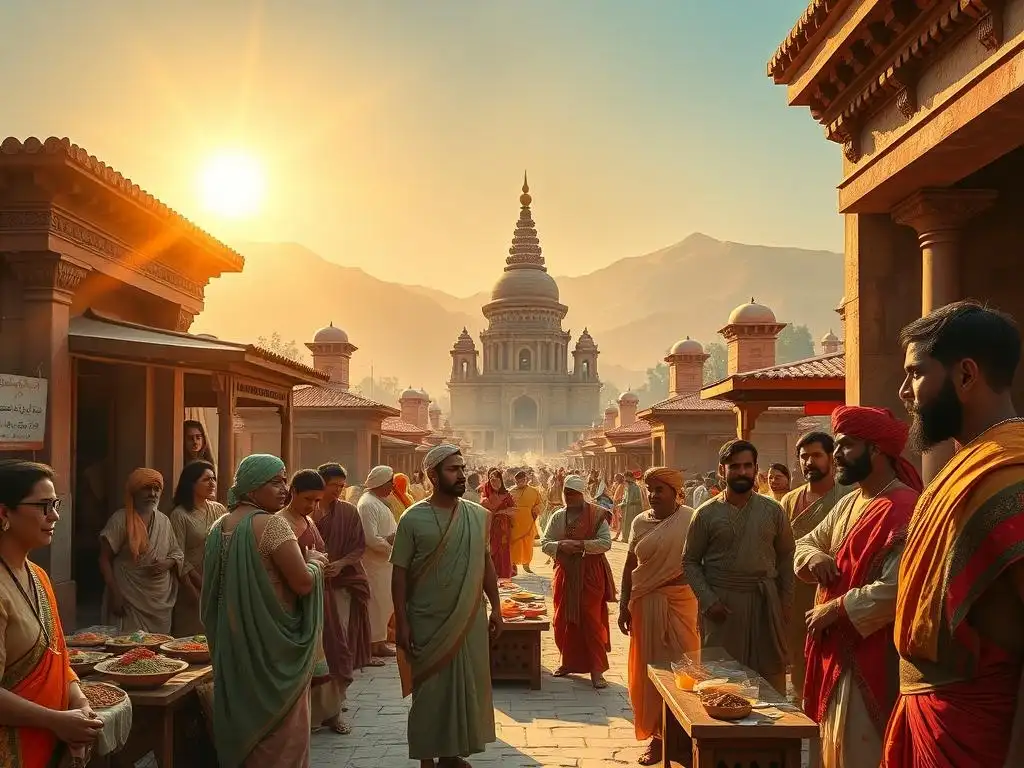
Welcome to Ancient India History, where we embark on an enthralling journey through the tapestry of time, exploring the rich and diverse history and culture of ancient Indian civilizations. Today, we delve into the Maurya Empire and its fascinating interactions with other civilizations, revealing the significant contributions and notable figures that shaped this remarkable era. What secrets lie within the connections forged across borders? Join us as we uncover the intrigue behind these interactions and discover how they influenced not only India but the world beyond. Your exploration begins now!
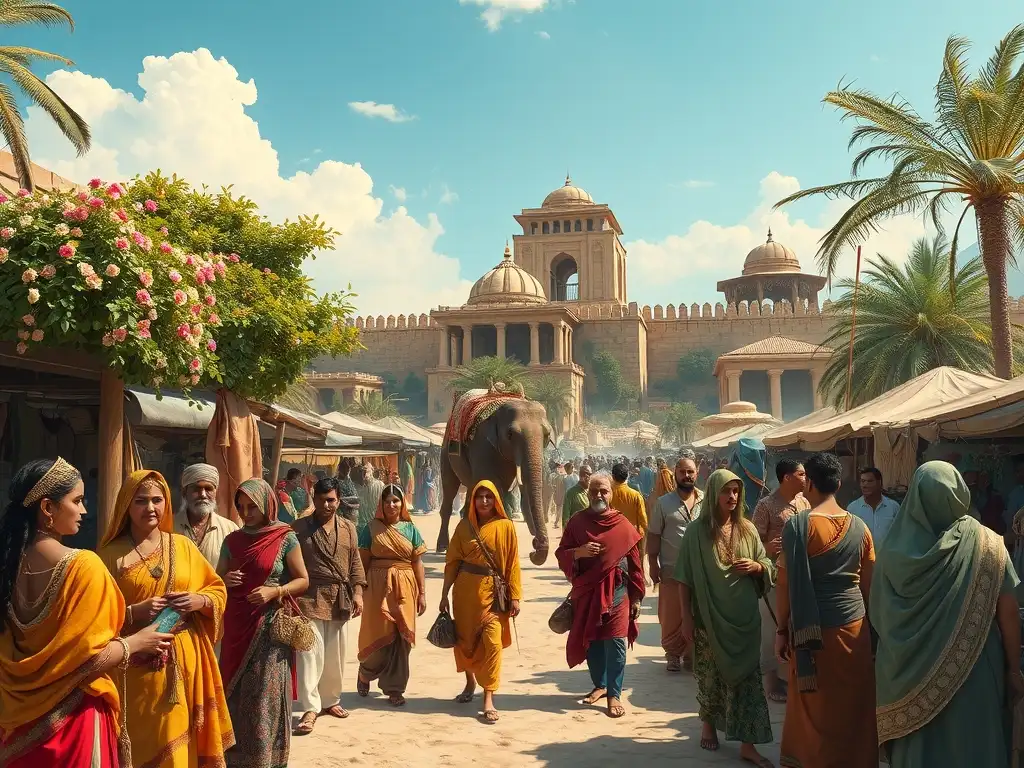
Introduction to the Maurya Empire
The Maurya Empire, established in 322 BCE, represents one of the most significant and influential periods in ancient Indian history. Stretching across vast territories from the northwestern regions of modern-day India to parts of Afghanistan, the empire was known not only for its political prowess but also for its remarkable interactions with various civilizations.
Understanding the Maurya Empire interactions with civilizations is crucial for comprehending the complex tapestry of cultural, political, and economic exchanges that shaped ancient India. This article delves into the notable figures of the Maurya Empire, who played pivotal roles in these interactions, fostering diplomatic relationships, cultural exchanges, and strategic alliances.
Overview of the Maurya Empire's Historical Context
The Maurya Empire emerged in a time when India was fragmented into numerous kingdoms and republics. Chandragupta Maurya, with the guidance of his mentor Kautilya (also known as Chanakya), successfully unified these territories, establishing a centralized administration. The empire reached its zenith under Ashoka the Great, who not only expanded its boundaries but also embraced the principles of Dharma after his conversion to Buddhism. This historical context is vital to understanding how the Maurya Empire engaged with neighboring civilizations, such as the Persian Empire, the Greek kingdoms, and various South Asian tribes.
Importance of Interactions with Other Civilizations
The interactions of the Maurya Empire with other civilizations were not merely diplomatic but also involved cultural exchanges and economic trade. These interactions facilitated the spread of ideas, religions, and technologies across regions. For instance, Ashoka's promotion of Buddhism led to its propagation beyond Indian borders, influencing countries as far as Sri Lanka and Central Asia.
Moreover, trade routes established during this period connected the Maurya Empire with the Hellenistic world, allowing for the exchange of goods, art, and philosophy. The study of these interactions reveals the Maurya Empire's role as a bridge between diverse cultures, enriching the social and political landscape of ancient civilizations.
Key Figures in the Maurya Empire
The Maurya Empire was shaped significantly by its key figures, each contributing uniquely to its interactions with other civilizations. Their diverse backgrounds, philosophies, and strategies played crucial roles in defining the empire's legacy.
Chandragupta Maurya: The Founder and Diplomat
Chandragupta Maurya, the empire's founder, is often celebrated for his military acumen and diplomatic skills. His ability to forge alliances and navigate complex political landscapes was instrumental in unifying various Indian states. He established a centralized administration and fostered relationships with neighboring regions, including the Persian Empire. His interactions with figures like Alexander the Great exemplify his strategic mindset. Rather than engaging in direct conflict, Chandragupta opted for diplomacy to secure his empire's borders and maintain stability.
Ashoka the Great: Promoter of Peace and Cultural Exchange
Ashoka the Great, perhaps the most renowned ruler of the Maurya Empire, transformed the empire's approach to governance and foreign relations following the Kalinga War. His embrace of Buddhism and the principles of Ahimsa (non-violence) marked a significant shift in policy. Ashoka's edicts, inscribed on pillars and rocks across his empire, conveyed messages of peace and moral governance. He actively promoted cultural exchanges, sending missionaries to spread Buddhism beyond Indian borders, which facilitated interactions with civilizations in Southeast Asia and beyond.
Kautilya (Chanakya): The Strategist and Political Theorist
Kautilya, also known as Chanakya, served as the chief advisor and strategist to Chandragupta Maurya. His seminal work, the Arthashastra, outlines principles of statecraft, economics, and military strategy. Kautilya's insights into diplomacy and espionage were critical in establishing the Maurya Empire's foreign relations. His teachings emphasized the importance of intelligence and strategic alliances, allowing the empire to navigate its interactions with various civilizations effectively. Kautilya's pragmatic approach to governance and diplomacy continues to influence political thought in India and beyond.
Maurya Empire Interactions with Neighboring Civilizations
The Maurya Empire, which flourished from 322 to 185 BCE, was notable for its extensive interactions with neighboring civilizations. These interactions were pivotal in shaping the political, economic, and cultural landscapes of the region. The empire not only engaged in military conquests but also fostered alliances, trade partnerships, and diplomatic relationships. This multifaceted approach allowed the Maurya Empire to exert significant influence across a wide range of territories, establishing it as a key player in ancient geopolitics.
Relations with the Persian Empire
The Maurya Empire's relations with the Persian Empire were characterized by both conflict and cooperation. The Persian Empire, which had previously dominated vast regions of the Indian subcontinent, set the stage for the Maurya's rise to power. Chandragupta Maurya, the founder of the Maurya Empire, initially faced challenges from the remnants of the Persian influence in northwestern India. However, through strategic military campaigns, he successfully defeated the Persian satraps, thereby consolidating his control over the region.
The interactions between these two empires also included trade and cultural exchanges. Persian administrative practices influenced the Mauryan governance structure, leading to the incorporation of sophisticated bureaucratic systems. Additionally, the spread of Zoroastrianism and other Persian cultural elements can be observed in certain regions of the Maurya Empire, highlighting the complex interplay between these two powerful civilizations.
Interactions with Greek Civilization
The interaction between the Maurya Empire and Greek civilization, particularly during the time of Alexander the Great, was a significant chapter in ancient history. Alexander's campaigns in the northwestern regions of India around 326 BCE brought him into contact with the Maurya forces led by Chandragupta. Although the two leaders did not engage in extensive direct conflict, the aftermath of Alexander's invasion led to the establishment of diplomatic ties.
After Alexander's death, his generals were tasked with maintaining control over the regions he conquered. The Maurya Empire exploited this power vacuum to expand its influence. Notably, the famed ambassador Megasthenes was sent to the Maurya court, where he documented the empire's wealth, culture, and governance practices in his work "Indica." This not only served to enhance the Maurya Empire's reputation in the Greek world but also facilitated cultural exchanges that enriched both civilizations.
Engagements with the Kingdom of Magadha
The Kingdom of Magadha played a crucial role in the formation and expansion of the Maurya Empire. Before the rise of Maurya, Magadha was a powerful kingdom in eastern India, laying the groundwork for what would become a vast empire. Chandragupta Maurya's rise began in Magadha, where he defeated the Nanda dynasty, marking the transition of power.
The Maurya Empire's engagement with Magadha was pivotal in unifying various smaller states under a centralized administration. This not only enhanced the political stability of the region but also facilitated the spread of Buddhism, particularly under the reign of Ashoka. Magadha's rich cultural heritage and strategic location allowed the Maurya Empire to thrive economically and culturally, leading to significant contributions in art, architecture, and philosophy.
The Role of Trade in Maurya Empire Interactions
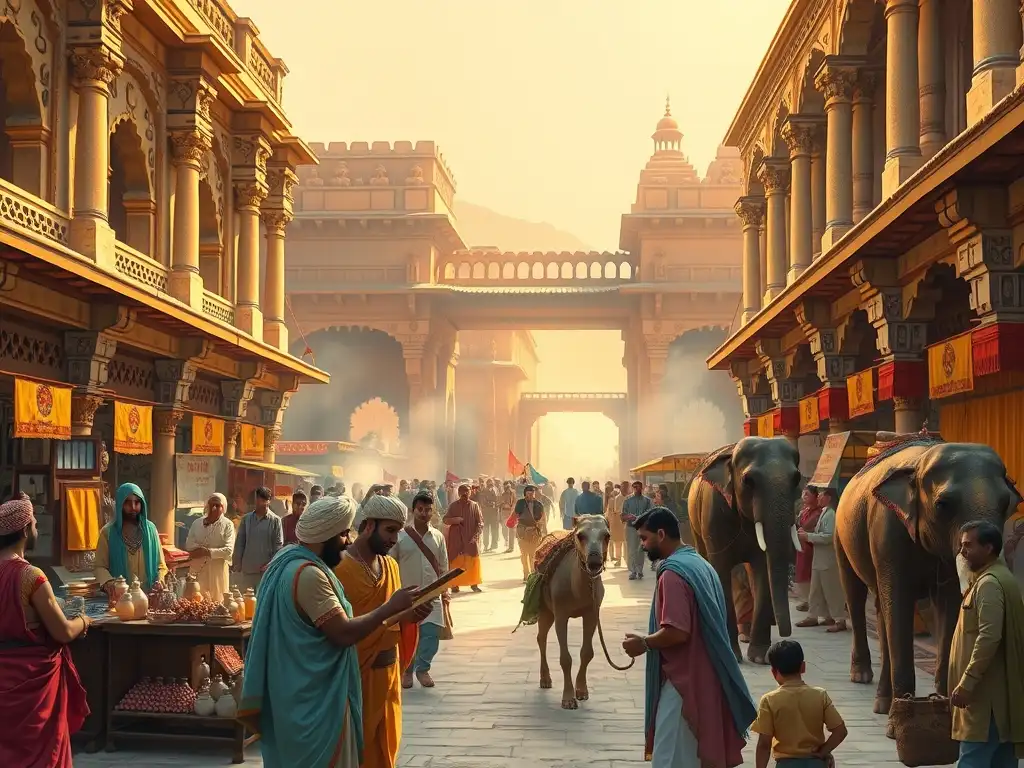
Trade was a fundamental aspect of the Maurya Empire's interactions with other civilizations, serving as a catalyst for economic growth and cultural exchange. The Maurya rulers recognized the importance of trade routes and actively promoted commerce, which in turn enhanced their diplomatic relations with neighboring states.
Trade Routes and Economic Links with Other Civilizations
The Maurya Empire was strategically positioned along key trade routes that connected India with Central Asia, the Middle East, and beyond. These routes facilitated the exchange of goods such as spices, textiles, and precious stones, positioning the Maurya Empire as a central hub in ancient trade networks.
The Silk Road, for instance, played a significant role in the economic interactions of the Maurya Empire. It allowed merchants to transport goods across vast distances, fostering not only commerce but also the exchange of ideas and cultural practices. The Maurya rulers implemented policies that ensured the safety of trade caravans and established markets, further stimulating economic activity.
Influence of the Maurya Empire on Regional Trade Practices
The Maurya Empire's influence extended beyond its borders, impacting trade practices in neighboring regions. The empire's emphasis on infrastructure development, including the construction of roads and ports, improved connectivity and facilitated trade with foreign civilizations.
Additionally, the Maurya rulers established standardized weights and measures, which enhanced trade efficiency and contributed to the economic stability of the region. The introduction of coinage during this period also revolutionized commerce, making transactions more straightforward and promoting a thriving marketplace.
Through these interactions and innovations, the Maurya Empire not only enriched its own economy but also left a lasting legacy on trade practices in ancient India and beyond, showcasing the empire's pivotal role in shaping the economic landscape of the time.
Cultural and Religious Exchanges
The Maurya Empire, particularly under the reign of Emperor Ashoka, is renowned for its extensive cultural and religious exchanges with various civilizations. These interactions were pivotal in shaping not only the Indian subcontinent but also regions far beyond its borders. The Mauryan approach to governance emphasized tolerance and inclusiveness, which facilitated dialogue and the sharing of beliefs among different communities. This environment of openness led to a flourishing exchange of ideas, philosophies, and cultural practices, particularly in the realms of religion and art.
One of the most significant aspects of these exchanges was the promotion of Buddhism. Ashoka’s conversion to Buddhism after the Kalinga War marked a turning point, as he actively endorsed the religion, sending missionaries across Asia. This initiative resulted in the establishment of Buddhist communities in places like Sri Lanka, Central Asia, and even as far as Greece and Egypt. The Maurya Empire's role in these cultural exchanges laid the groundwork for Buddhism to evolve into a major world religion, influencing cultures, art, and social structures across continents.
Spread of Buddhism and Its Global Impact
The spread of Buddhism during the Maurya Empire was unparalleled, primarily due to Emperor Ashoka’s vigorous promotion of the faith. After the brutal Kalinga War, Ashoka sought solace in Buddhism, which emphasized non-violence and compassion. This philosophical shift led him to dispatch missionaries, including notable figures like Mahinda and Sanghamitra, to various regions.
- Sri Lanka: Ashoka’s son, Mahinda, introduced Buddhism to Sri Lanka, where it flourished and became a cornerstone of Sri Lankan culture and identity.
- Southeast Asia: The Maurya Empire's trade networks facilitated the spread of Buddhist teachings to Southeast Asian countries, where it melded with local traditions and influenced the rise of powerful kingdoms.
- Central Asia: The Silk Road served as a conduit for Buddhist ideas, allowing interactions with civilizations such as the Kushans, who promoted the faith across their empire.
The global impact of Buddhism can be seen in the establishment of monasteries, the translation of texts, and the influence on art and philosophy in various cultures. The Mauryan commitment to spreading Buddhism not only transformed Indian society but also created a legacy that transcended borders, impacting millions.
Adoption of Art and Architecture
The Maurya Empire was not only a center for religious exchange but also a hub for artistic and architectural innovation. The interactions with neighboring civilizations contributed to a rich tapestry of artistic expression that resonated throughout the empire and beyond.
- Stupas and Monuments: The construction of stupas, such as the Sanchi Stupa, exemplifies the Mauryan architectural style, showcasing intricate carvings and symbolism derived from Buddhist teachings. These structures served not just as religious sites but also as cultural landmarks, reflecting the empire's values and beliefs.
- Influence of Persian and Hellenistic Styles: The Maurya Empire, at its zenith, interacted with Persian and Hellenistic cultures, especially following Alexander the Great's invasion. This interaction led to the incorporation of diverse artistic elements into Mauryan art, blending local styles with those from Greece and Persia, resulting in unique sculptures and reliefs that depicted a variety of themes.
The legacy of Mauryan art and architecture can be seen in subsequent Indian dynasties, which drew inspiration from these early masterpieces. This artistic exchange enriched the cultural fabric of the region, leaving an indelible mark on Indian history.
Conclusion: Legacy of Maurya Empire Interactions with Civilizations
The interactions of the Maurya Empire with various civilizations were instrumental in shaping a diverse cultural and religious landscape. The empire's openness to exchange ideas, beliefs, and artistic expressions laid the foundation for significant developments that resonated long after its decline.
Lasting Effects on Indian Culture and Beyond
The effects of the Maurya Empire's interactions are evident in the enduring influence of Buddhism, which continues to thrive globally. Furthermore, the artistic and architectural advancements of the era have left a lasting legacy in Indian culture, inspiring future generations of artists and architects. The synthesis of ideas and practices from different civilizations fostered a unique cultural identity that contributed to India's rich historical narrative.
Reflection on the Importance of Historical Interactions in Shaping Civilizations
The Maurya Empire serves as a remarkable example of how historical interactions can shape civilizations. The cultural and religious exchanges that took place during this period highlight the importance of openness and dialogue in fostering understanding and innovation among diverse groups. By examining these interactions, we gain insight into the dynamics of cultural exchange and the profound impacts they have on societal development, revealing that the legacies of our past continue to influence our present and future.
- Introduction to the Maurya Empire
- Key Figures in the Maurya Empire
- Maurya Empire Interactions with Neighboring Civilizations
- The Role of Trade in Maurya Empire Interactions
- Cultural and Religious Exchanges
- Conclusion: Legacy of Maurya Empire Interactions with Civilizations
- What was the significance of the Maurya Empire in ancient history?
- Who were some notable figures in the Maurya Empire?
- How did the Maurya Empire interact with neighboring civilizations?
- What were the cultural contributions of the Maurya Empire?
- How did the Maurya Empire's interactions influence its legacy?
Frequently Asked Questions
What was the significance of the Maurya Empire in ancient history?
The Maurya Empire played a crucial role in unifying India, establishing a centralized government, and promoting trade and cultural exchanges with various civilizations.
Who were some notable figures in the Maurya Empire?
Key figures include Chandragupta Maurya, the founder, and Ashoka the Great, known for his conversion to Buddhism and efforts to spread non-violence and tolerance.
How did the Maurya Empire interact with neighboring civilizations?
The Maurya Empire engaged in diplomatic relations, trade, and cultural exchanges with various civilizations, including the Greeks, Persians, and Central Asian states.
What were the cultural contributions of the Maurya Empire?
The Maurya Empire contributed significantly to art, architecture, and literature, with notable achievements like the Ashoka Pillars and the spread of Buddhism across Asia.
How did the Maurya Empire's interactions influence its legacy?
The interactions of the Maurya Empire with other civilizations helped to shape its cultural and political landscape, fostering a legacy of tolerance, intellectual exchange, and economic prosperity that influenced future generations.
Final Reflection: The Enduring Legacy of the Maurya Empire's Interactions
The interactions of the Maurya Empire with other civilizations are not merely historical footnotes; they are a testament to the power of cultural exchange and diplomacy that resonate profoundly in today's globalized world. As we navigate an era characterized by rapid technological advancement and interconnectedness, the lessons from the Maurya Empire remind us that collaboration and understanding across cultures are essential for progress. The legacy of figures like Ashoka, who championed peace and communication, serves as a striking reminder of the impact that thoughtful engagement can have on shaping societies.
The influence of the Maurya Empire extends beyond its time, echoing through the corridors of history into our contemporary cultural and social landscapes. The principles of tolerance and dialogue that emerged from its interactions continue to inspire movements for peace and unity across the globe. As we reflect on this, we are reminded of the words of Mahatma Gandhi: An eye for an eye only ends up making the whole world blind.
This sentiment encapsulates the importance of seeking understanding rather than conflict, a lesson that remains ever relevant as we face global challenges today.
As we conclude our exploration of the Maurya Empire's interactions, I invite you to reflect on how these historical lessons can be applied in your own life. Consider the ways in which you can foster dialogue and understanding in your community, embracing the diversity that enriches our world. Let the legacy of the Maurya Empire inspire you to engage with others, to build bridges rather than walls, and to contribute to a future where collaboration reigns supreme. Together, we can honor the past and shape a more harmonious world.
Unveil the Rich Tapestry of History!
Thank you for investing your time in exploring the fascinating interactions of the Maurya Empire with various civilizations. You've gained insights into the notable figures who shaped this era, revealing the extraordinary connections that influenced culture and progress.
Now, it's your turn to take action! Here are some steps you can take to deepen your understanding and share the legacy of the Maurya Empire:
- Dive Deeper: Read more about the influential leaders and thinkers of the Maurya Empire and discover their contributions to history. Consider visiting local libraries or reputable online resources for detailed biographies.
- Join the Conversation: Share your thoughts and insights on social media using relevant hashtags. Engage with others who are passionate about this period in history.
- Explore the Connections: Visit museums or virtual exhibits dedicated to the Maurya Empire to experience this rich history firsthand and see artifacts from this remarkable civilization.
What figure of the Maurya Empire resonates most with you, and how do you think their interactions shaped the world we live in today?