
The Role of Folk Arts in Preserving Southern Indian History and Culture

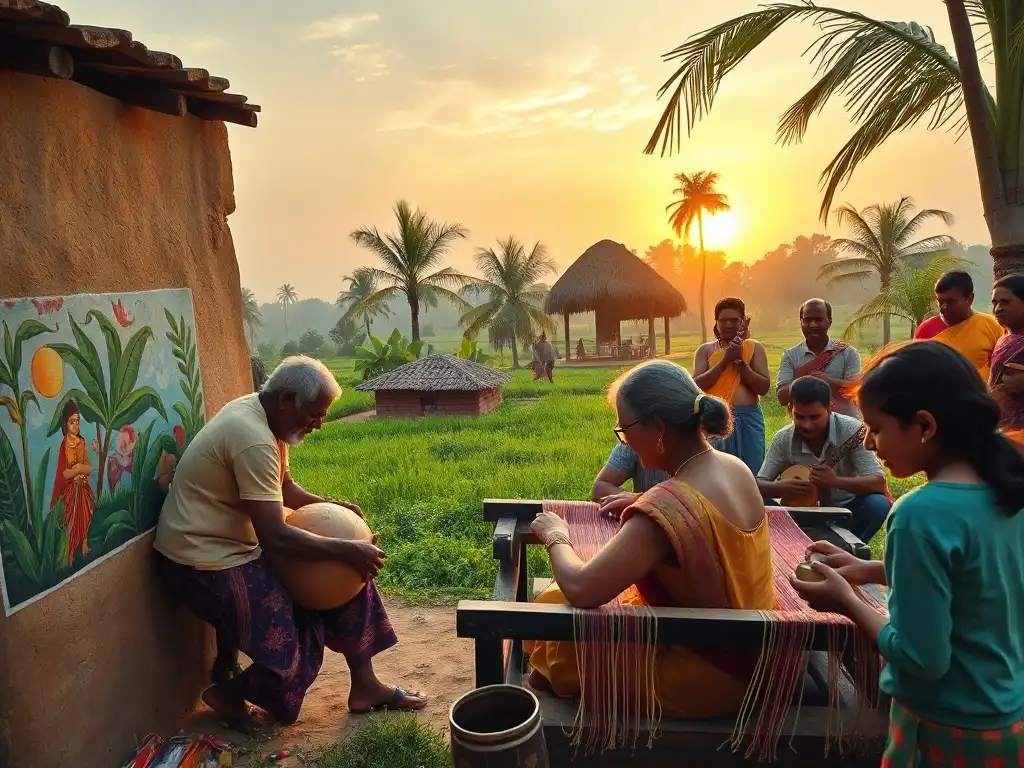
Welcome to Ancient India History, where we invite you to embark on a journey through the vibrant tapestry of ancient Indian civilizations. Here, we delve deep into the rich and diverse heritage that has shaped the cultural landscape from the Indus Valley to the Gupta Empire. In our featured article, "The Role of Folk Arts in Preserving Southern Indian History and Culture," discover how folk arts serve as a vital thread in the fabric of Southern India's historical narrative.
Join us as we unravel the stories, traditions, and artistry that have not only enriched the past but continue to resonate in the present. Your exploration into the heart of ancient Indian culture begins now!
Introduction to Folk Arts in Southern India
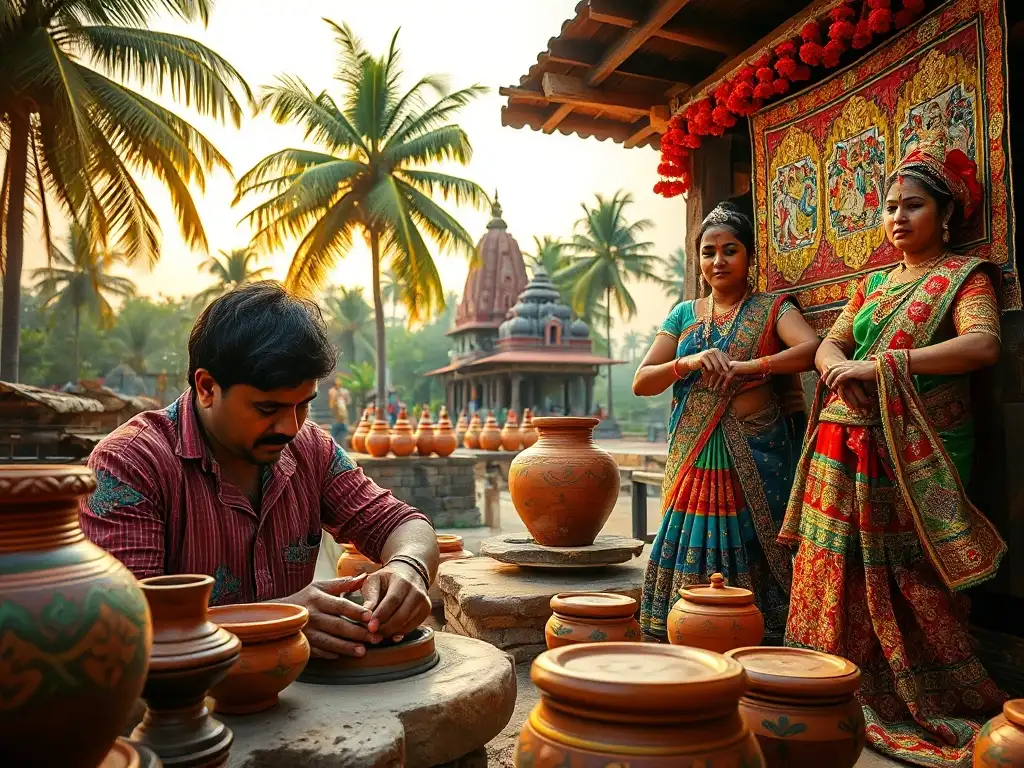
Folk arts in Southern India are not merely expressions of creativity; they are vibrant reflections of the region's rich and diverse history, culture, and identity. These art forms, which encompass various mediums such as music, dance, painting, and crafts, serve as invaluable vessels for storytelling and cultural transmission. They encapsulate the traditions, beliefs, and social practices of communities, preserving them for future generations.
In a region renowned for its historical significance—from the ancient Dravidian cultures to the flourishing empires that followed—folk arts play a crucial role in maintaining the link between the past and the present. By exploring the various aspects of folk arts, we can uncover the deep-seated connections they foster within Southern Indian society.
Definition of Folk Arts
Folk arts refer to the traditional art forms created by the local communities, often reflecting their cultural identity, beliefs, and social norms. These art forms can include:
- Visual Arts: Such as paintings, pottery, and textiles that often showcase local themes and motifs.
- Performing Arts: Including music and dance that are typically performed during festivals, rituals, and community gatherings.
- Craftsmanship: Handcrafted items that represent the skills and traditions passed down through generations.
These arts are characterized by their use of local materials, techniques, and themes that resonate with the daily lives and experiences of the people.
Importance of Folk Arts in Cultural Heritage
The significance of folk arts in Southern India extends beyond aesthetics; they are integral to preserving cultural heritage. Here are a few key reasons why folk arts are important:
- Cultural Identity: Folk arts help communities maintain a sense of identity and belonging by reflecting their unique traditions and values.
- Historical Narratives: Many folk arts serve as historical documents, telling stories of past events, myths, and legends that form the collective memory of the community.
- Social Cohesion: Folk arts often bring people together during celebrations and rituals, fostering unity and shared experiences among community members.
Historical Context of Southern Indian Folk Arts
To fully appreciate the role of folk arts in preserving Southern Indian history and culture, it is essential to understand their historical context. The evolution of these art forms has been shaped by various influences, reflecting the dynamic nature of Southern India's heritage.
Evolution of Folk Arts Through the Ages
Folk arts in Southern India have evolved significantly over the centuries, influenced by a variety of historical and cultural factors. Key phases in their evolution include:
- Indus Valley Civilization: The roots of folk arts can be traced back to this ancient civilization, known for its intricate pottery and terracotta figurines.
- Chola and Pandya Dynasties: During these periods, folk arts flourished with the patronage of kings, leading to the development of classical dance forms and temple art.
- Colonial Era: The British colonization introduced new materials and themes, often blending with indigenous practices to create hybrid art forms.
Influences on Folk Arts from Ancient Civilizations
Various ancient civilizations have left an indelible mark on the folk arts of Southern India. Notable influences include:
- Dravidian Culture: Known for its distinct architectural styles and vibrant festivals, which continue to shape local art forms.
- Buddhist and Jain Traditions: Their philosophical ideas and artistic expressions have contributed to the thematic richness of folk arts.
- Influence of Trade: Historically, trade routes connected Southern India with other cultures, leading to the exchange of artistic techniques and styles.
Through these influences, folk arts have not only preserved the historical narratives of Southern India but also adapted to reflect contemporary realities, ensuring their relevance in modern society.
Types of Folk Arts in Southern India
Southern India is a vibrant tapestry of various folk arts that embody the region's rich cultural heritage. These folk arts can be broadly categorized into two main types: performing arts and visual arts. Each category reflects the diverse traditions, languages, and lifestyles of the communities within Southern India.
Traditional Music and Dance Forms
Traditional music and dance forms play a pivotal role in the folk arts of Southern India. Each state boasts its unique rhythm and style, contributing to a collective cultural identity.
- Classical and Folk Fusions: Many traditional dance forms, such as Bharatanatyam from Tamil Nadu and Kuchipudi from Andhra Pradesh, blend classical techniques with folk influences, showcasing local narratives and spiritual themes.
- Folk Songs and Instruments: Folk songs often accompany community celebrations and rituals, utilizing indigenous instruments like the nadaswaram and thavil. These songs convey stories of everyday life, harvest celebrations, and religious observances, making them an integral part of cultural transmission.
- Regional Variations: Each region features distinct dance forms, such as the Kolattam (stick dance) in Andhra Pradesh or Kummi (clapping dance) in Tamil Nadu, which celebrate local folklore and community bonds.
Visual Arts and Craftsmanship
Visual arts in Southern India encompass a wide range of crafts, paintings, and architectural styles that reflect local aesthetics and spiritual beliefs.
- Traditional Crafts: Handloom weaving, pottery, and metalwork are forms of craftsmanship that have been passed down through generations. Each craft reflects the unique identity of its community, such as the famous Mysore silk sarees or Thanjavur paintings.
- Murals and Sculptures: Temples in Southern India are adorned with intricate murals and sculptures that depict mythological tales and social values. The craftsmanship involved in creating these artworks not only serves a devotional purpose but also preserves historical narratives.
- Cultural Significance: The visual arts are often tied to specific festivals and rituals, such as the kolam (rice flour designs) created by women at the entrances of homes, symbolizing prosperity and welcoming deities.
The Role of Folk Arts in Cultural Identity
Folk arts are not merely traditional practices; they are vital expressions of cultural identity, serving as a bridge between past and present. They play an essential role in shaping community identity and preserving the historical narrative of Southern India.
Folk Arts as a Reflection of Local Traditions
Folk arts encapsulate the essence of local traditions, values, and beliefs. They act as a mirror reflecting the customs of various communities:
- Storytelling: Folk arts often narrate stories that encompass historical events, local legends, and cultural practices, fostering a sense of belonging and continuity among community members.
- Ritual Practices: Many folk art forms are intertwined with rituals, enhancing their significance in communal life. For example, the Pongal festival in Tamil Nadu features various folk performances that celebrate the agricultural cycle.
- Transmission of Knowledge: Through workshops and communal gatherings, folk arts facilitate the transfer of knowledge from elders to younger generations, ensuring that traditional practices remain alive.
Case Studies of Communities Using Folk Arts for Identity Preservation
Numerous communities across Southern India harness folk arts as a tool for identity preservation. Here are two notable examples:
- The Kaniyar Community: This community in Kerala is renowned for its Mohiniyattam, a classical dance form that has evolved from their folk traditions. The Kaniyars use this dance to narrate their historical narratives and uphold their cultural identity in the face of modernization.
- The Lambadi Tribes: Known for their vibrant embroidery and dance forms, the Lambadi tribes in Karnataka engage in folk arts to reinforce their cultural identity. Their practices not only celebrate their heritage during festivals but also serve as a means of social cohesion and community pride.
These case studies illustrate how folk arts are instrumental in sustaining cultural identity, helping communities navigate the complexities of modern society while honoring their historical roots.
Preservation of Southern Indian Folk Arts
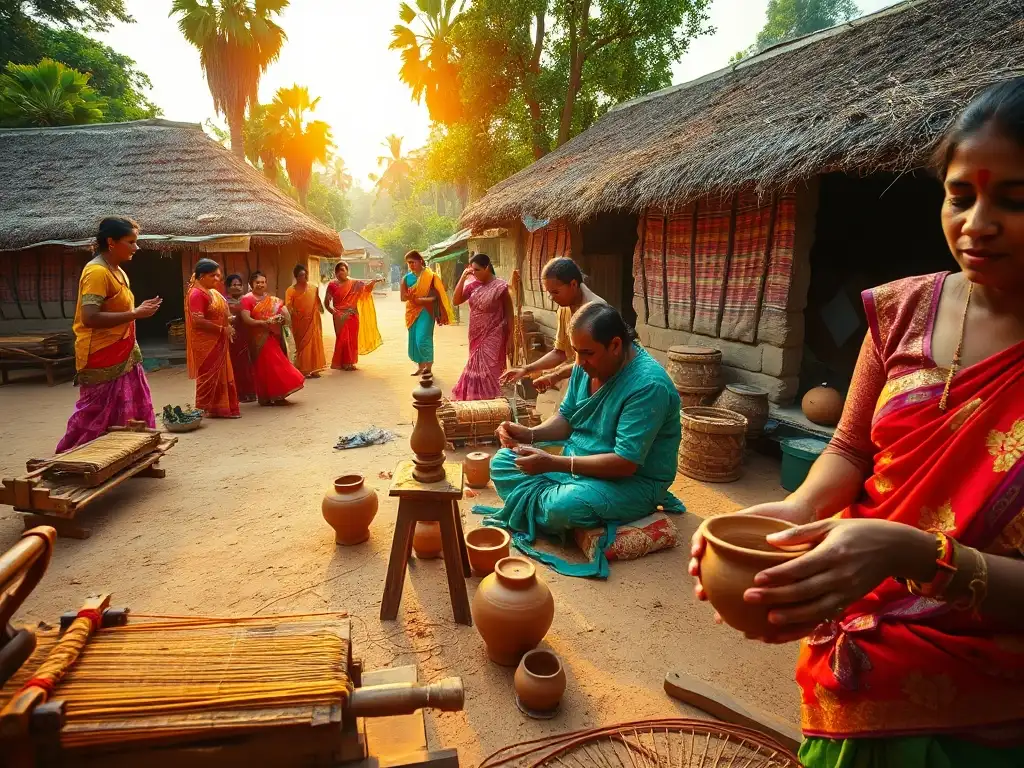
The preservation of folk arts in Southern India is a vital endeavor that ensures the continuity of cultural heritage and historical narratives. These art forms, which include traditional music, dance, painting, and craft, are not merely aesthetic expressions; they encapsulate the values, beliefs, and practices of the communities from which they originate. Various strategies have been employed to safeguard these arts, ranging from documentation and archiving to active promotion in cultural festivals and educational programs.
Folk arts serve as a living history, reflecting the social structures and historical contexts of Southern Indian societies. For instance, the intricate patterns of Kolam and the vibrant colors of Warli paintings are not just visually striking; they embody the stories, rituals, and daily lives of the people. Therefore, preserving these art forms is essential for maintaining cultural identity and fostering a sense of belonging among communities.
Government Initiatives and Support
Government initiatives play a crucial role in the preservation of folk arts in Southern India. Various state and central government schemes have been established to promote traditional arts and crafts, providing financial assistance, training programs, and platforms for artisans to showcase their work. The Ministry of Culture, for instance, has launched initiatives such as the "Master Craftsperson Scheme," which aims to support artisans through skill development and providing them with opportunities for exhibitions.
Additionally, heritage festivals organized by state governments highlight folk traditions, bringing together artists and audiences. These events not only celebrate cultural diversity but also create awareness about the significance of folk arts, ensuring that they receive the recognition they deserve. By investing in these initiatives, the government aims to bridge the gap between traditional practices and contemporary relevance.
Role of NGOs and Community Organizations
Non-governmental organizations (NGOs) and community organizations are instrumental in the preservation of folk arts in Southern India. These entities often work at the grassroots level, engaging local artisans and fostering a sense of ownership over their cultural heritage. Through workshops, training sessions, and exhibitions, NGOs help to revitalize interest in traditional arts, encouraging younger generations to learn and practice these skills.
For example, organizations like "The Crafts Council of India" have been pivotal in promoting handicrafts by connecting artisans with markets and facilitating skill development programs. By raising awareness and providing resources, NGOs play a significant role in ensuring that folk arts are not only preserved but also adapted to modern contexts, making them relevant for today's society.
Importance of Education and Awareness
Education and awareness are fundamental to the preservation of folk arts in Southern India. By integrating folk arts into school curricula and community programs, younger generations can develop an appreciation for their cultural heritage. This educational approach helps to instill pride in traditional practices and encourages active participation in their continuation.
Moreover, awareness campaigns about the historical significance and artistic value of folk arts can attract broader audiences. By showcasing folk arts through workshops, performances, and media, communities can foster a deeper understanding of their cultural roots. Engaging local communities in these educational initiatives ensures that the knowledge surrounding these art forms is passed down, keeping the traditions alive for future generations.
Challenges Facing Folk Arts in Southern India
Despite various efforts to preserve folk arts in Southern India, several challenges persist that threaten their continuity. These challenges stem from a rapidly changing socio-economic landscape, shifting cultural dynamics, and the influences of globalization. Addressing these challenges is crucial for the survival of folk arts as integral components of the region's identity.
Modernization and Its Impact
Modernization poses a significant challenge to the preservation of folk arts in Southern India. As urbanization increases and lifestyles evolve, traditional practices often struggle to maintain their relevance. Younger generations may gravitate towards contemporary forms of entertainment and art, leading to a decline in interest in folk traditions. This shift not only threatens the transmission of skills but also diminishes the cultural significance of these art forms.
Furthermore, the proliferation of digital media has transformed the way art is consumed and appreciated. While technology can provide new platforms for showcasing folk arts, it also risks overshadowing traditional methods and diminishing their cultural context. Balancing the adoption of modern techniques with the preservation of authenticity is a critical challenge.
Loss of Traditional Skills and Knowledge
The loss of traditional skills and knowledge is another pressing issue facing folk arts in Southern India. As older artisans pass away without adequately passing on their skills to younger practitioners, unique art forms and techniques risk becoming extinct. This generational gap can be exacerbated by the lack of structured training programs that emphasize traditional methods, leading to a diminished pool of skilled artisans.
Additionally, the migration of youth to urban areas in search of better opportunities often results in a disconnect from their cultural heritage. Without the necessary support and encouragement to engage with traditional arts, many young individuals may prioritize careers in more lucrative fields, further contributing to the decline of folk arts.
Balancing Commercialization with Authenticity
The commercialization of folk arts presents a double-edged sword. While it can provide artisans with much-needed income and exposure, it also raises concerns regarding the authenticity and integrity of traditional practices. In a bid to meet market demands, some artisans may alter their creations to appeal to contemporary tastes, risking the dilution of cultural significance.
Finding a balance between commercialization and maintaining authenticity is essential for the sustainable preservation of folk arts. This requires collaboration among artisans, government bodies, and NGOs to establish fair trade practices that respect traditional methods while ensuring economic viability. By fostering an environment where folk arts can thrive without compromising their essence, Southern India can continue to celebrate its rich cultural heritage.
Conclusion
The folk arts of Southern India play an indispensable role in preserving and promoting the region's rich history and culture. These art forms, which encompass various expressions such as music, dance, crafts, and storytelling, serve as a vital link between past and present. They not only reflect the socio-cultural dynamics of ancient civilizations but also foster a sense of identity and continuity among communities. The vibrant traditions found in Southern India, from the intricate designs of kolam to the rhythmic movements of classical dances, encapsulate the essence of the region's heritage.
Summary of the Importance of Folk Arts in Southern Indian History and Culture
Folk arts are a mirror of the collective consciousness of Southern Indian societies. They embody the values, beliefs, and narratives that have been passed down through generations. These art forms are instrumental in:
- Cultural Transmission: Folk arts facilitate the sharing of historical stories and local lore, ensuring that the unique narratives of various communities are not lost to time.
- Social Cohesion: Participation in folk art activities fosters a sense of community and belonging, bringing people together for celebrations, rituals, and festivals.
- Economic Sustainability: Many folk art forms contribute to the local economy by generating income through tourism, crafts, and performance arts, thereby supporting artisans and cultural practitioners.
- Cultural Identity: They reinforce the distinct identities of various ethnic and cultural groups within Southern India, helping preserve their languages, traditions, and practices.
Through these roles, folk arts are not merely artistic expressions but are pivotal in maintaining the historical and cultural fabric of Southern India.
Call to Action for Preservation Efforts
To ensure that the rich tapestry of Southern Indian folk arts continues to thrive, it is essential to engage in active preservation efforts. This can be achieved through:
- Support for Artisans: Encouraging the purchase of handmade crafts and participation in folk performances can provide financial support to artisans, ensuring their livelihoods.
- Educational Initiatives: Implementing educational programs in schools and communities that focus on the significance of folk arts can inspire younger generations to appreciate and practice these traditions.
- Documentation and Research: Scholars and enthusiasts should undertake efforts to document various folk art forms and their histories, creating a comprehensive resource for future generations.
- Community Engagement: Organizing workshops, festivals, and exhibitions can promote awareness and appreciation of folk arts, fostering community involvement in their preservation.
By taking these steps, we can collectively safeguard the vibrant legacy of folk arts in Southern India for generations to come.
Additional Resources
Recommended Books and Articles on Southern Indian Folk Arts
-
"Folk Arts of Southern India" by Dr. R. K. Sharma
This comprehensive book explores various folk art forms across Southern India, detailing their historical roots and cultural significance.
-
"Traditions of the South: A Study of Folk Arts" by Anjali Desai
An insightful examination of the folk traditions in Southern India, this book discusses how these art forms have evolved over time.
-
"The Colors of Culture: Folk Art in India" by Aditi Bhattacharya
This book highlights the intersection of folk art and culture, providing an in-depth look at Southern Indian traditions.
Links to Documentaries and Cultural Programs
-
"Folk Traditions of South India"
A documentary that showcases various folk art forms, their practitioners, and the cultural contexts in which they thrive.
-
"The Art of Storytelling in Southern India"
This cultural program delves into the storytelling traditions of different communities, featuring interviews with storytellers and performances of traditional tales.
-
"The Rhythm of Southern India"
A documentary that captures the vibrant dance forms of the region, exploring their historical significance and contemporary practice.
By accessing these resources, readers can deepen their understanding of folk arts in Southern India and their crucial role in preserving the region's history and culture.
- Introduction to Folk Arts in Southern India
- Historical Context of Southern Indian Folk Arts
- Types of Folk Arts in Southern India
- The Role of Folk Arts in Cultural Identity
- Preservation of Southern Indian Folk Arts
- Challenges Facing Folk Arts in Southern India
- Conclusion
- Additional Resources
- What are the main types of folk arts in Southern India?
- How do folk arts contribute to cultural preservation in Southern India?
- What is the significance of local themes in Southern Indian folk arts?
- How have modern influences affected traditional folk arts in Southern India?
- Where can one experience authentic folk arts in Southern India?
Frequently Asked Questions
What are the main types of folk arts in Southern India?
Southern India is renowned for its diverse folk arts, including dance, music, handicrafts, and storytelling. Each form reflects the region’s unique cultural heritage and traditions.
How do folk arts contribute to cultural preservation in Southern India?
Folk arts play a vital role in preserving cultural identity by passing down stories, rituals, and traditional practices through generations, ensuring that the rich history of Southern India remains alive.
What is the significance of local themes in Southern Indian folk arts?
Local themes in Southern Indian folk arts often depict myths, legends, and daily life, illustrating the community’s values and beliefs, while also fostering a sense of belonging and continuity among its people.
How have modern influences affected traditional folk arts in Southern India?
Modern influences have introduced new techniques and themes, leading to a fusion of traditional and contemporary styles. Despite these changes, efforts are made to maintain the authenticity of folk arts.
Where can one experience authentic folk arts in Southern India?
Authentic folk arts can be experienced in local festivals, cultural events, and through visits to artisan villages. These venues often showcase live performances and traditional craftsmanship, providing a glimpse into the region's vibrant heritage.
Final Reflection: The Enduring Legacy of Folk Arts in Southern India
The preservation of history and culture through folk arts in Southern India is not just a nostalgic endeavor; it is a vital thread that weaves the fabric of our identity today. As we navigate a rapidly changing world, the significance of these art forms becomes increasingly apparent, reminding us of our roots and the stories that shaped our communities. Folk arts serve as a living testament to our heritage, urging us to honor and celebrate the diverse narratives that define Southern Indian culture.
The influence of folk arts extends far beyond mere aesthetics; it shapes our social landscape and fosters a sense of belonging. From vibrant dance performances to intricate handicrafts, these art forms encapsulate the values, beliefs, and traditions passed down through generations. As we engage with these practices, we not only preserve our history but also cultivate a deeper understanding of our cultural identity. Art is the most beautiful of all lies.
This quote resonates profoundly as it highlights the power of folk arts to convey truths about our society, even amidst the complexities of modern life.
As you reflect on the role of folk arts in your own life, consider how you can contribute to their preservation and promotion. Embrace the stories, the rhythms, and the colors that folk arts bring to our world.
Whether through participation in local festivals, supporting artisans, or simply sharing the beauty of these traditions with others, your actions can help ensure that the rich tapestry of Southern Indian culture continues to thrive for generations to come. Let us celebrate and protect this invaluable heritage together, for in doing so, we honor not only our past but also the future of our communities.
Unveil the Richness of Southern Indian Folk Arts!
Thank you for exploring the vibrant tapestry of Southern Indian history and culture through its folk arts! Your interest is the first step in preserving these traditions that have shaped identities for generations. Now, let’s take your newfound knowledge and engage more deeply with this remarkable heritage.
Here are some inspiring actions you can take:
- Visit local galleries or cultural events to experience these traditions firsthand.
- Participate in a workshop to learn traditional crafts or performances, connecting you with artisans dedicated to keeping these skills alive.
- Share your favorite folk art piece on social media to raise awareness and appreciation for Southern Indian culture.
What will you discover next about the folk arts that shape the enchanting stories of Southern India?