
The Art of Writing in Pali: Techniques and Styles of Ancient Manuscripts

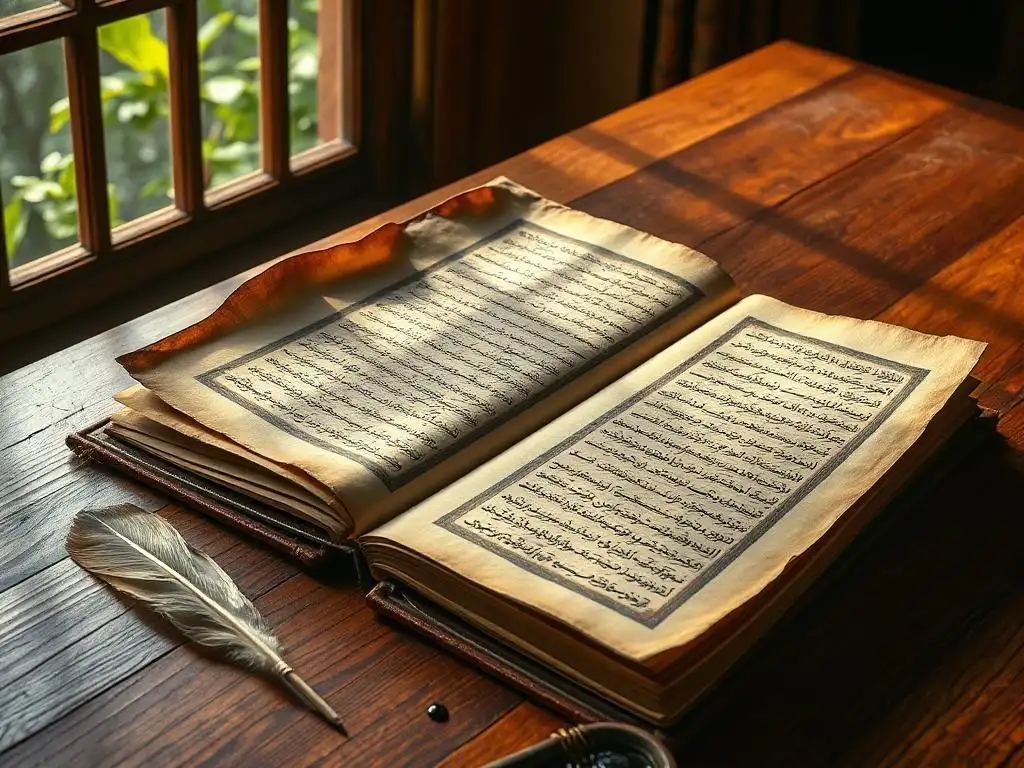
Welcome to Ancient India History, where we invite you to embark on a fascinating journey through the rich tapestry of ancient Indian civilizations. From the enigmatic Indus Valley to the illustrious Gupta Empire, our exploration unveils the profound contributions that have shaped our world. In this article, we delve into the ancient Pali manuscript techniques, revealing the artistry and precision behind these remarkable texts.
Prepare to uncover the secrets of a bygone era and ignite your curiosity as you discover how these ancient scripts continue to influence our understanding of history and language. Dive in and let the adventure begin!
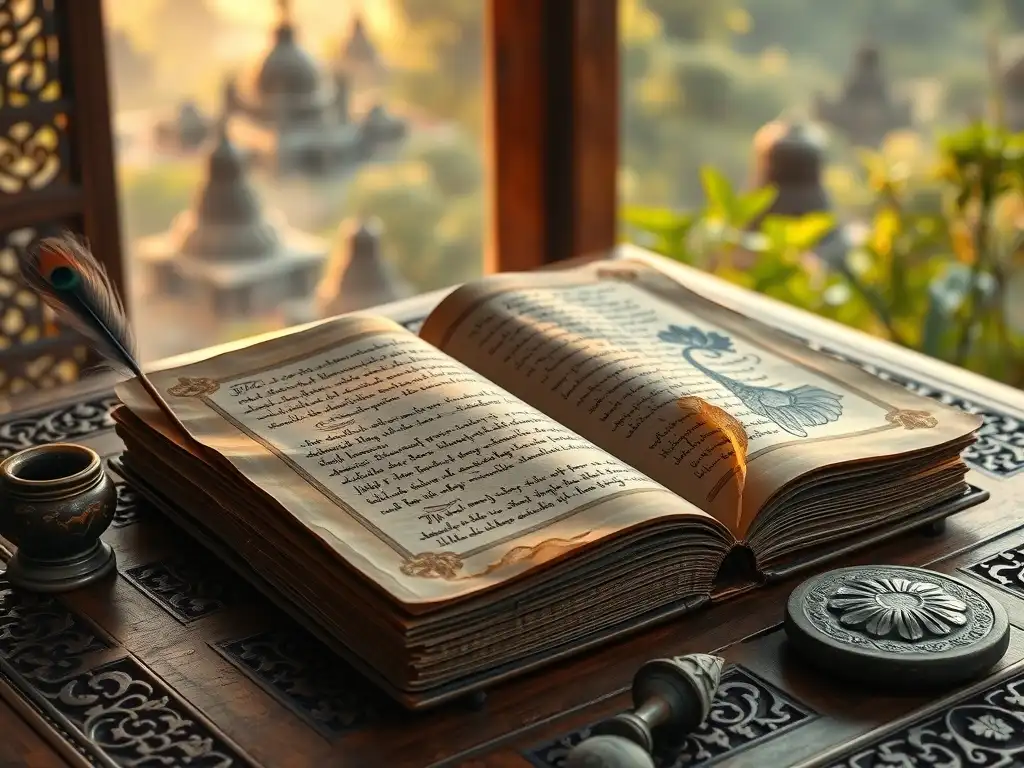
Introduction to Ancient Pali Manuscripts
The study of ancient Pali manuscripts offers a fascinating glimpse into the literary and cultural heritage of ancient Indian civilizations. Pali, a language that emerged around the 5th century BCE, is renowned for its role in preserving the teachings of Buddhism and other significant philosophical texts. Manuscripts written in Pali are not merely historical artifacts; they encapsulate the intellectual and spiritual pursuits of a society that valued knowledge and education.
These manuscripts have significantly influenced the development of various languages and scripts throughout Asia, serving as a bridge between ancient wisdom and modern understanding. The techniques employed in writing these manuscripts reveal the intricate processes involved in their creation, providing insights into the artistry and dedication of ancient scribes. By exploring the various styles and methods used in ancient Pali manuscripts, we can appreciate the craftsmanship that went into producing these remarkable works, which continue to be vital for academic research and cultural heritage.
Historical Context of Pali Manuscript Creation
The emergence of Pali as a literary language coincided with the rise of Buddhism, particularly during the reign of Emperor Ashoka in the 3rd century BCE. Ashoka's efforts to propagate Buddhist teachings led to the creation of numerous texts in Pali, which were initially transmitted orally before being committed to writing. The earliest Pali manuscripts date from the 1st century BCE, primarily found in the form of palm-leaf manuscripts and later, paper.
Key Factors Influencing Manuscript Production
- Religious Significance: The preservation of the Tipitaka, the Buddhist canon, necessitated the meticulous crafting of Pali texts. Monasteries became centers for learning, where monks dedicated themselves to writing and copying manuscripts.
- Cultural Exchange: As trade routes expanded, ideas and knowledge flowed between India and Southeast Asia. This exchange facilitated the spread of Pali texts beyond India, influencing local languages and scripts.
- Technological Advancements: The introduction of writing materials, such as bark and later paper, revolutionized manuscript production. The development of writing instruments, including styluses and brushes, also played a crucial role in the evolution of Pali script styles.
Understanding these historical contexts is essential for comprehending the techniques and styles that characterize ancient Pali manuscripts. The craftsmanship involved in their creation reflects a rich tapestry of cultural and intellectual endeavors that have shaped the legacy of ancient India.
Techniques of Ancient Pali Manuscripts
The art of writing in Pali during ancient times involved a variety of techniques that were both intricate and highly refined. Ancient Pali manuscripts were primarily inscribed using specific scripts like Brahmi and later, the Sinhala and Khmer scripts. The choice of script often depended on the region and the intended audience. The following techniques were fundamental in the production of ancient Pali manuscripts:
- Ink Preparation: The ink used was typically made from natural sources such as plant extracts, minerals, and animal products. The preparation of ink required skill to ensure it was durable and would not fade over time.
- Writing Instruments: Scribes often used sharpened reeds or bamboo as writing instruments. These tools allowed for precise and elegant strokes, essential for calligraphic writing.
- Surface Preparation: Manuscript surfaces were prepared meticulously. Palm leaves and birch bark were commonly used, requiring careful cleaning and treatment to make them suitable for writing. The leaves were often polished to achieve a smoother writing surface.
- Alignment and Layout: Ancient scribes paid great attention to the alignment of text, ensuring uniformity and aesthetic appeal. This involved careful planning of margins, line spacing, and the overall layout of the manuscript.
Calligraphy Styles in Pali Manuscripts
Calligraphy in Pali manuscripts is characterized by various styles that reflect the cultural and historical contexts of their creation. The most prominent styles include:
- Brahmi Script: The earliest Pali manuscripts were often written in Brahmi script, known for its distinct angular shapes and clear legibility. This script laid the foundation for subsequent calligraphic developments.
- Siddham Script: By the 7th century, the Siddham script became popular, particularly in regions influenced by Mahayana Buddhism. It is noted for its flowing lines and intricate designs, often used in religious texts.
- Sinhala Script: This style emerged in Sri Lanka and was heavily influenced by both Brahmi and Siddham scripts. Sinhala calligraphy often features rounded letters and unique ligatures, highlighting the cultural identity of the region.
- Khmer Script: In Southeast Asia, particularly in Cambodia, Pali texts were inscribed using Khmer script, which is known for its ornate and decorative features, making manuscripts visually striking.
Materials Used in Ancient Pali Writing
The choice of materials greatly influenced the longevity and appearance of ancient Pali manuscripts. Key materials included:
- Palm Leaves: The most common substrate for Pali manuscripts, palm leaves were chosen for their availability and durability. They were cut and dried, then treated with heat to prevent decay.
- Birch Bark: In some regions, birch bark was used for its flexibility and resistance to moisture. It allowed for easy handling and was often favored in colder climates.
- Paper: Although less common, handmade paper made from plant fibers began to emerge as a writing medium in later periods. It offered a smoother surface for ink application.
- Inks and Pigments: Natural pigments derived from minerals and plants were crucial for writing. These inks were not only functional but also added aesthetic value to the manuscripts.
Preservation Techniques of Pali Manuscripts
Preserving ancient Pali manuscripts was essential due to the delicate nature of the materials used. Techniques employed in preservation included:
- Storage Conditions: Manuscripts were stored in cool, dry environments to prevent decay, mold, and insect damage. Special containers made of wood or cloth were often used for added protection.
- Regular Maintenance: Scribes and caretakers performed regular checks on the manuscripts, cleaning them gently and applying protective oils or waxes to maintain their integrity.
- Digitization and Replication: In modern times, efforts to digitize ancient manuscripts have been pivotal in preserving their content. Replication techniques allow for wider access while keeping the originals safe from handling.
Styles of Ancient Pali Manuscripts
The styles of ancient Pali manuscripts are as varied as the cultures and traditions that produced them. Each style represents a unique approach to storytelling and literary expression.
Narrative Styles in Pali Literature
Pali literature exhibits a rich tapestry of narrative styles that often blend religious teachings with cultural storytelling. Significant narrative styles include:
- Jataka Tales: These stories recount the previous lives of the Buddha, offering moral lessons through engaging narratives. They are characterized by their simple yet profound storytelling techniques.
- Sutta Literature: The discourses of the Buddha, known as suttas, are written in a direct and clear style, aiming to convey teachings effectively. The use of dialogue and repetition aids in understanding and memorization.
- Chronicles: Historical narratives, like the Dipavamsa and Mahavamsa, chronicle the history of Buddhism and its spread across regions. These texts often intertwine historical facts with spiritual significance, showcasing a narrative style that layers history with morality.
Poetic Forms in Ancient Pali Writing
Poetry in ancient Pali writing reflects both the aesthetic and spiritual aspirations of its time. The primary poetic forms include:
- Gatha: A verse form that combines rhythm with meaning, gathas were often used in religious texts and teachings. Their structured meter made them easy to memorize.
- Psalms and Hymns: These were composed for devotional purposes, expressing reverence and devotion through lyrical expressions. They often employed metaphorical language to convey deeper spiritual truths.
- Versified Narratives: Combining poetry and storytelling, these narratives often employed elaborate imagery and allegory, allowing for a more expressive exploration of themes.
The diversity of styles in ancient Pali manuscripts showcases the rich cultural heritage and the literary achievements of ancient Indian civilization, contributing to the understanding of its history and philosophy.
Comparison of Ancient Pali Manuscript Techniques

The study of ancient Pali manuscript techniques reveals a rich tapestry of writing practices that were shaped by various cultural, religious, and regional influences. Understanding these techniques requires a comparison with other ancient Indian manuscripts as well as an exploration of regional variations within Pali itself. This comparative perspective allows scholars and enthusiasts alike to appreciate the uniqueness of Pali manuscripts while situating them within the broader context of ancient Indian literature and culture.
Pali Manuscripts vs. Other Ancient Indian Manuscripts
Pali manuscripts, primarily used for preserving Buddhist texts, showcase distinct features when compared to other ancient Indian manuscripts, such as those written in Sanskrit or Tamil. One key difference lies in the script used; while Pali texts were often inscribed in Brahmi or later in the Devanagari script, Sanskrit manuscripts frequently employed a more diverse range of scripts, including Grantha, Nagari, and others.
- Content Focus: Pali manuscripts predominantly feature religious and philosophical writings, including the Tripitaka, which encompasses the Buddha's teachings, whereas Sanskrit manuscripts cover a broader spectrum, including poetry, drama, and scientific treatises.
- Material and Technique: Pali manuscripts were often written on palm leaves or birch bark, utilizing a stylus for inscriptions, which differs from the ink and paper methods used in many Sanskrit texts that emerged later. This difference in medium influenced the durability and preservation of the manuscripts.
- Artistic Elements: The aesthetic presentation of Pali manuscripts is often simpler than that of elaborate Sanskrit texts, which might include intricate illustrations and decorative calligraphy. This reflects the more austere approach of early Buddhist texts, focusing on content rather than embellishment.
Regional Variations in Pali Manuscript Styles
Pali manuscripts exhibit significant regional variations in style and technique, influenced by local traditions, cultural practices, and the historical context of Buddhism's spread across Asia.
- Southeast Asia: In countries like Sri Lanka and Thailand, Pali manuscripts are often characterized by the use of the Sinhala and Thai scripts, respectively. These manuscripts may also incorporate local artistic styles, such as ornate covers and illustrations depicting Buddhist iconography.
- India: Within India, variations can be seen between the styles found in different regions, such as the north, where Devanagari scripts might dominate, and the south, where Grantha or Tamil scripts could be employed. The choice of script often reflects the local language and cultural influences.
- Influence of Monastic Traditions: Various monastic schools, such as the Theravada and Mahayana traditions, have influenced the formatting and presentation of Pali texts. For instance, Theravada manuscripts often prioritize a more straightforward presentation of the text, while Mahayana manuscripts may include commentaries and additional layers of interpretation.
The Legacy of Ancient Pali Manuscripts
The legacy of ancient Pali manuscripts extends beyond their immediate religious significance. They represent a crucial link in the transmission of Buddhist thought and practice across centuries and geographical boundaries.
- Cultural Preservation: Pali manuscripts played a vital role in preserving not just the teachings of Buddhism but also the cultural and philosophical landscapes of ancient India and beyond. They serve as invaluable resources for historians and scholars, providing insights into the socio-political and religious dynamics of the time.
- Influence on Languages: The influence of Pali manuscripts is evident in the development of various Prakrit languages and their scripts. As Pali served as a lingua franca in Buddhist contexts, it facilitated communication and cultural exchange among diverse communities.
- Modern Relevance: Today, the study of ancient Pali manuscripts continues to be relevant, with ongoing efforts to digitize and preserve these texts. They are increasingly recognized not only for their historical value but also for their contributions to contemporary discussions on language, literature, and cultural identity.
The art of writing in Pali, as reflected in ancient manuscripts, offers a profound insight into the techniques and styles that shaped the transmission of knowledge in ancient India. Through comparative analysis and acknowledgment of regional influences, we can appreciate the lasting legacy of these texts and their significance in the broader narrative of human history.
Conclusion
The exploration of ancient Pali manuscript techniques reveals a rich tapestry of cultural, religious, and intellectual heritage that has significantly influenced not only the region of South Asia but also the broader landscape of literary traditions. Pali, as a language, served as a vital conduit for the transmission of Buddhist teachings and texts, encapsulating the philosophical depth and ethical principles of the time.
The various techniques employed in the creation of these manuscripts—ranging from the meticulous craftsmanship of palm leaf writing to the elegant calligraphic styles—reflect the dedication and skill of ancient scribes. Each manuscript, whether adorned with intricate illustrations or preserved in simple yet profound textual forms, offers a glimpse into the values and beliefs of the societies that produced them.
Understanding these techniques not only enhances our appreciation for the artistry involved but also underscores the importance of preserving these historical artifacts. As we continue to study and analyze ancient Pali manuscripts, we gain not only insights into the linguistic evolution of the region but also the broader socio-cultural dynamics at play during those formative years.
The art of writing in Pali stands as a testament to the ingenuity and creativity of ancient civilizations. It invites us to delve deeper into the past, fostering a greater respect for the narratives that have shaped our understanding of history and language. By embracing and studying these ancient techniques, we ensure that their legacy endures for future generations, illuminating the path of linguistic and cultural development throughout history.
- Introduction to Ancient Pali Manuscripts
- Historical Context of Pali Manuscript Creation
- Techniques of Ancient Pali Manuscripts
- Styles of Ancient Pali Manuscripts
- Comparison of Ancient Pali Manuscript Techniques
- The Legacy of Ancient Pali Manuscripts
- Conclusion
Frequently Asked Questions
What are ancient Pali manuscript techniques?
Ancient Pali manuscript techniques refer to the methods used in creating and preserving texts written in Pali, a language significant in Buddhist literature. These techniques include calligraphy, ink preparation, and the use of various writing materials.
How did Pali manuscripts influence ancient Indian literature?
Pali manuscripts played a crucial role in the dissemination of Buddhist teachings and philosophies, impacting literature, culture, and education across ancient Indian civilizations. They preserved important texts that shaped spiritual and philosophical discourses.
What materials were commonly used for writing Pali manuscripts?
Writers of Pali manuscripts typically used materials like palm leaves, bark, or paper, along with natural inks made from plant extracts or minerals. These materials were chosen for their durability and availability.
Can you describe the styles of ancient Pali manuscripts?
Styles of ancient Pali manuscripts varied, with each region showcasing unique calligraphic styles and decorative elements. Common styles included rounded scripts and angular forms, reflecting the cultural influences of different periods.
What is the significance of preserving Pali manuscripts today?
Preserving Pali manuscripts is vital for understanding the historical, cultural, and religious contexts of ancient India. They offer insights into Buddhist practices and contribute to the study of linguistics and ancient civilizations.
Final Reflection: Embracing the Legacy of Ancient Pali Manuscript Techniques
The art of writing in Pali is not merely a historical curiosity; it is a vibrant testament to the enduring power of language and culture. In today's fast-paced world, where digital communication often overshadows traditional forms of expression, the meticulous techniques and styles of ancient Pali manuscripts remind us of the beauty and significance of preserving our heritage. These manuscripts serve as a bridge connecting us to the wisdom of the past, urging us to appreciate the depth of human expression and the stories that have shaped our civilizations.
The influence of ancient Pali manuscript techniques extends far beyond their historical context; they continue to inspire contemporary writers, scholars, and artists. The intricate calligraphy and thoughtful layout of these texts reflect a profound respect for knowledge and the written word, fostering a culture of mindfulness in creation. As noted by a renowned scholar, The beauty of ancient texts lies not only in their content but in the care and artistry that went into their creation.
This observation resonates deeply today, as we navigate a world increasingly dominated by fleeting digital content, reminding us of the importance of intentionality in our own writing practices.
As we conclude this exploration of ancient Pali manuscript techniques, I invite you to reflect on how you can incorporate the lessons of patience, artistry, and reverence for language into your own writing journey. Consider the stories you wish to tell and the legacy you wish to leave behind. Let the meticulous craftsmanship of these ancient texts inspire you to approach your writing with the same dedication and care, ensuring that your voice contributes to the rich tapestry of human expression for generations to come.
Unveil Your Creativity Through the Art of Pali Writing!
Thank you for diving into the fascinating techniques and styles of ancient Pali manuscripts with us! We hope you feel inspired by the rich history and creative expressions that Pali writing offers. Now, let’s take the next step in embracing this art form.
Here’s how you can get started today:
- Explore Pali Texts: Visit online libraries or museums to discover original Pali manuscripts and absorb their unique styles.
- Join a Writing Workshop: Seek out local or virtual workshops focused on ancient scripts to enhance your skills and connect with fellow enthusiasts.
- Challenge Yourself: Try writing a short poem or narrative in Pali, using the styles discussed in this article, and share it with your peers for feedback!
What aspect of creative expression in Pali are you most excited to explore, and how do you plan to share your journey with others?