
How Prakrit Languages Reflect the Social Fabric of Ancient Indian Society

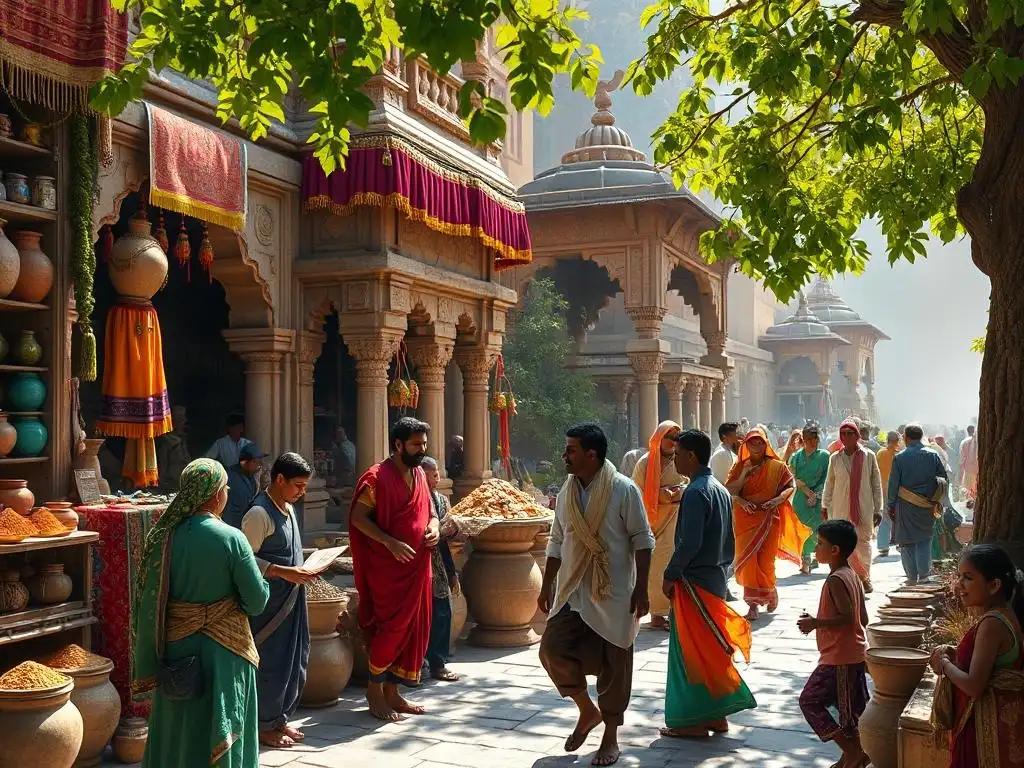
Welcome to Ancient India History, where we delve deep into the rich tapestry of civilizations that shaped the subcontinent. In this exploration, we invite you to uncover the fascinating world of Prakrit languages in ancient India. Our main article, "How Prakrit Languages Reflect the Social Fabric of Ancient Indian Society," offers a compelling glimpse into how these languages not only served as a means of communication but were also a mirror reflecting the intricate social dynamics of their time.
As you journey through the layers of history, prepare to be captivated by the stories that these languages tell and the cultural connections they reveal. Stay with us to unlock the secrets of a vibrant past!
- Introduction to Prakrit Languages in Ancient India
- The Role of Prakrit Languages in Ancient Indian Society
- Historical Development of Prakrit Languages in Ancient India
- Prakrit Languages and Cultural Expression
- The Linguistic Features of Prakrit Languages
- Prakrit Languages as a Reflection of Social Dynamics
- Conclusion: The Significance of Prakrit Languages in Understanding Ancient Indian Society
- Frequently Asked Questions
- Final Reflection: The Enduring Legacy of Prakrit Languages in Ancient Indian Society
- Unveil the Richness of Ancient Indian Languages!
Introduction to Prakrit Languages in Ancient India
Prakrit languages occupy a significant position in the linguistic landscape of ancient India, serving as a mirror to its rich social fabric and cultural diversity. These languages, which emerged from Sanskrit and evolved over centuries, reflect not only the linguistic evolution but also the socio-political and cultural dynamics of ancient Indian society.
From the flourishing trade routes to the rise of regional kingdoms, Prakrit languages encapsulate the voices of ordinary people, making them an invaluable resource for historians and linguists alike. This article delves into the essence of Prakrit languages, exploring their definitions, historical importance, and the light they shed on ancient Indian civilization.
Definition and Overview of Prakrit Languages
Prakrit languages refer to a group of Middle Indo-Aryan languages that developed in ancient India, primarily between 600 BCE and 600 CE. They are distinct from Sanskrit, which is often perceived as the classical language of the elite. The term "Prakrit" itself denotes "natural" or "ordinary," suggesting that these languages were rooted in the everyday speech of the common populace.
Some of the most notable Prakrit languages include:
- Pali: The liturgical language of Theravada Buddhism.
- Ardhamagadhi: Used in Jain scriptures and texts.
- Shauraseni: Spoken in the region of modern-day Madhya Pradesh and Rajasthan.
The evolution of Prakrit languages can be attributed to various factors, including regional dialects, social interactions, and the influence of local cultures. This linguistic diversity is a testament to the vibrant tapestry of ancient Indian society, which thrived on trade, philosophy, and cultural exchange.
Importance of Prakrit Languages in Historical Context
Understanding the Prakrit languages is crucial for several reasons:
- Cultural Insight: Prakrit texts provide a glimpse into the daily lives, beliefs, and practices of ancient Indians, illuminating the social hierarchy and cultural norms of the time.
- Literary Contributions: Many significant literary works, including plays such as Mrichchhakatika by Shudraka and poetry like Gatha Saptashati, were composed in Prakrit, showcasing the artistic expression of the era.
- Religious Significance: The use of Prakrit languages in Buddhist and Jain texts highlights their role in the spread of religious teachings and philosophies, making them essential for understanding the spiritual landscape of ancient India.
- Linguistic Evolution: The study of Prakrit languages aids linguists in tracing the evolution of Indo-Aryan languages, revealing how language reflects societal changes over time.
The significance of Prakrit languages extends beyond mere linguistic study; they are emblematic of the complex interplay between language, culture, and society in ancient India, providing a deeper understanding of its historical narrative.
The Role of Prakrit Languages in Ancient Indian Society
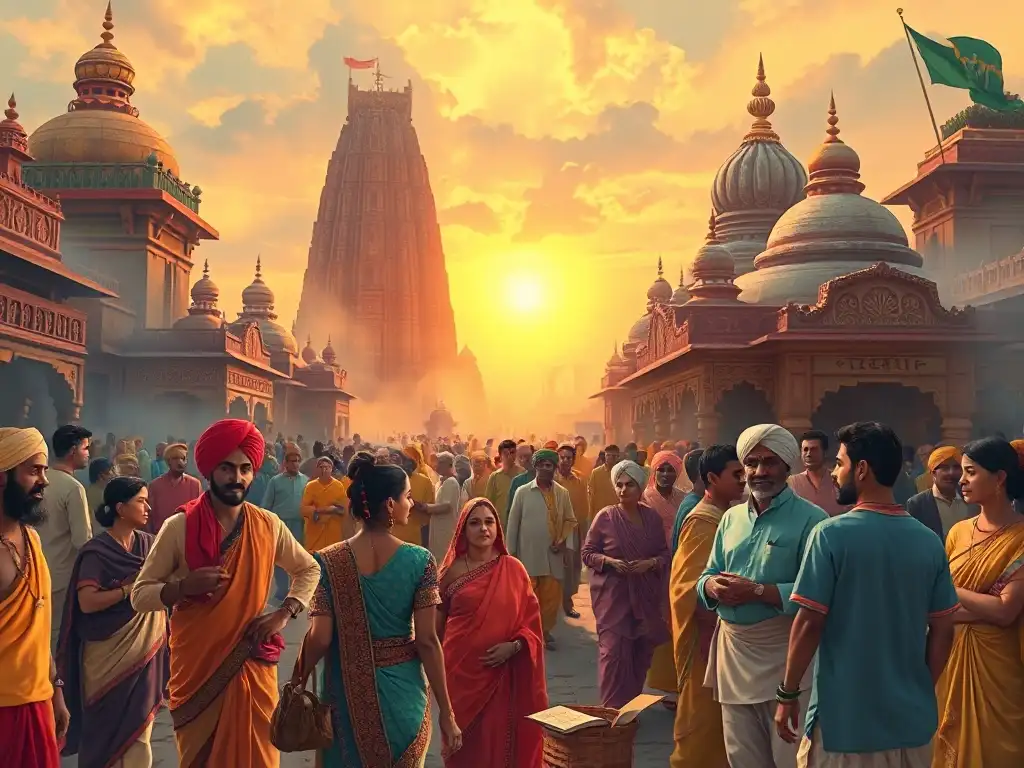
Prakrit languages serve as a vivid reflection of the social stratification present in ancient Indian society. Unlike the more formalized Sanskrit, Prakrit was often the vernacular language, spoken by the masses across different regions. This distinction highlights a critical aspect of social hierarchy, as the elite classes, including priests and scholars, predominantly utilized Sanskrit, while the common populace communicated in Prakrit.
The use of Prakrit in various literary forms, including poetry and dramas, underscores the cultural and social dynamics of the time. For example, the famous playwright Kalidasa often employed Prakrit to portray characters from lower social strata, thus emphasizing their everyday experiences and emotions. This linguistic choice not only provided authenticity to the characters but also indicated a nuanced understanding of social roles within ancient Indian society.
- Key Points:
- Prakrit as a vernacular language of the common people.
- Contrast with Sanskrit, used by the elite.
- Literary examples showcasing social roles.
This clear distinction between the languages not only highlights the social stratification but also suggests that Prakrit served as a bridge between the elite and the masses, allowing for a greater expression of the cultural and social fabric of ancient India.
Prakrit languages were instrumental in shaping the identities of different social classes in ancient India. The language's adaptability and regional variations allowed it to be embraced by various communities, from merchants to artisans. This wide acceptance facilitated communication and commerce, thus playing a pivotal role in the economic activities of the time.
Moreover, the emergence of different Prakrit dialects aligned with specific social groups. For instance, the Jain community utilized a form of Prakrit known as Ardhamagadhi, which became a significant medium for their religious texts. This choice of language not only reinforced their identity but also made religious teachings accessible to a broader audience, thus democratizing knowledge.
- Examples of Prakrit Dialects:
- Ardhamagadhi: Used by Jains for religious texts.
- Shauraseni: A dialect associated with the western regions and popular in drama and poetry.
The influence of Prakrit languages thus transcended mere communication; it became a vehicle for cultural identity, social cohesion, and community expression among diverse social classes.
Prakrit Languages and Their Connection to Daily Life
Prakrit languages were deeply intertwined with the daily lives of ancient Indians. Unlike the formal and rigid structure of Sanskrit, Prakrit allowed for a more spontaneous and relatable form of expression. This linguistic flexibility made it the language of choice for folk tales, songs, and oral traditions, which were vital in preserving the cultural narratives of the time.
Daily life in ancient India, characterized by rituals, festivals, and community gatherings, often found expression through Prakrit. For instance, during festivities, songs and performances in Prakrit would resonate with the crowds, reinforcing communal bonds. The language's prevalence in folk traditions illustrates its role as a medium for storytelling and the transmission of cultural values.
- Cultural Aspects:
- Prakrit in folk tales and oral traditions.
- Use in songs and community celebrations.
- Preservation of cultural narratives.
Prakrit languages were not merely tools for communication; they encapsulated the essence of daily life, reflecting the customs, beliefs, and interactions of ancient Indian society. This connection to everyday experiences highlights the significance of Prakrit in understanding the broader social and cultural landscape of ancient India.
Historical Development of Prakrit Languages in Ancient India
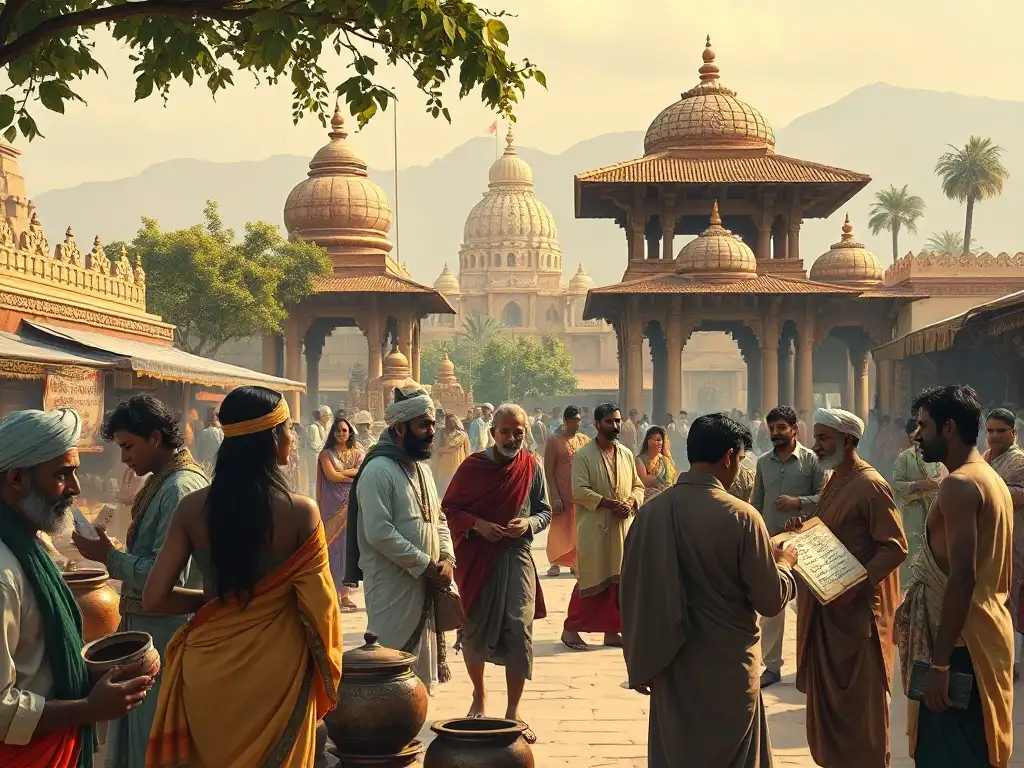
The Prakrit languages represent a significant linguistic evolution within the socio-cultural landscape of ancient India. Emerging primarily from the earlier Sanskrit language, Prakrits developed as vernaculars that were more accessible to the common populace. This evolution illustrates the dynamic nature of language and its reflection of societal changes throughout history.
Evolution of Prakrit Languages from Sanskrit
The relationship between Sanskrit and Prakrit languages can be traced back to around the 6th century BCE, during which time Sanskrit was predominantly the language of the elite, scholars, and religious texts. As the socio-political landscape evolved, there arose a need for languages that could bridge communication among the broader population.
Prakrit languages are believed to have evolved through a process of natural phonetic and morphological changes. Key factors influencing this evolution include:
- Sociolinguistic Dynamics: As regional dialects began to flourish, local populations created vernaculars that differed from the classical Sanskrit. This shift was particularly important in urban centers and trade hubs where diverse communities interacted.
- Cultural Exchanges: The spread of Buddhism and Jainism played a pivotal role in the dissemination of Prakrit languages. Texts and teachings were composed in these languages to ensure they were intelligible to lay followers, fostering a wider acceptance and use of Prakrit.
- Literary and Artistic Influences: The rise of drama and poetry in the 3rd century BCE, notably with playwrights like Bhasa, showcased Prakrit as a medium for storytelling, further embedding it into the cultural fabric of society.
Major Prakrit Dialects and Their Geographic Distribution
Prakrit languages are not monolithic; they encompass several dialects that differ in phonetics, vocabulary, and grammar. Here are some of the major dialects, along with their geographic distributions:
- Pali:
- Region: Primarily associated with the Buddha’s teachings, Pali became the liturgical language of Theravada Buddhism.
- Characteristics: Retains many features of early Middle Indo-Aryan languages and is strongly influenced by Sanskrit.
- Ardhamagadhi:
- Region: Predominantly used in Jain scriptures, especially in the region of present-day Gujarat and Rajasthan.
- Characteristics: Known for its simplified grammar and vocabulary tailored to the needs of Jain texts.
- Shauraseni:
- Region: Centered around the area of modern-day Madhya Pradesh, it was used in various literary works, including plays.
- Characteristics: Displays rich poetic qualities and has influenced several later languages.
- Maharashtri:
- Region: Originated in the Maharashtra region and became a significant literary language in the 1st millennium CE.
- Characteristics: Known for its extensive use in poetry and drama, it eventually contributed to the development of modern Marathi.
- Magadhi:
- Region: Linked to the ancient kingdom of Magadha, this dialect has connections to both early Buddhist texts and local vernaculars.
- Characteristics: This dialect reflects the linguistic diversity of the Ganges region.
Key Historical Texts Written in Prakrit Languages
The significance of Prakrit languages in ancient Indian literature is highlighted by various key texts that have survived to this day. These works not only showcase the linguistic richness of Prakrit but also provide insights into the social, religious, and cultural milieu of the time. Here are some notable texts:
- The Jataka Tales: A collection of stories about the previous lives of Buddha, composed in Pali, these texts illustrate moral lessons and cultural values prevalent in ancient India.
- The Avadanas: These are stories, often moralistic in nature, that were popular in the Buddhist tradition, showcasing the use of both Pali and other Prakrit dialects.
- The Daśakumaracharita (The Ten Princes): Written by Dandin in the 7th century CE, this Sanskrit text includes segments in Maharashtri, reflecting the cross-linguistic interactions of the time.
- Jain Agamas: The canonical texts of Jainism, primarily composed in Ardhamagadhi, emphasize the tenets of Jain philosophy and provide insight into the religious practices of the period.
- Bhasa's Plays: The works of the playwright Bhasa, including "Swapnavasavadatta," utilize various Prakrit dialects, highlighting their importance in classical Indian theatre.
Through these texts, we can appreciate how Prakrit languages were not only a means of communication but also a vehicle for the cultural and philosophical expressions of ancient Indian society. Their evolution and application across different regions and contexts underscore their integral role in shaping the historical narrative of ancient India.
Prakrit Languages and Cultural Expression
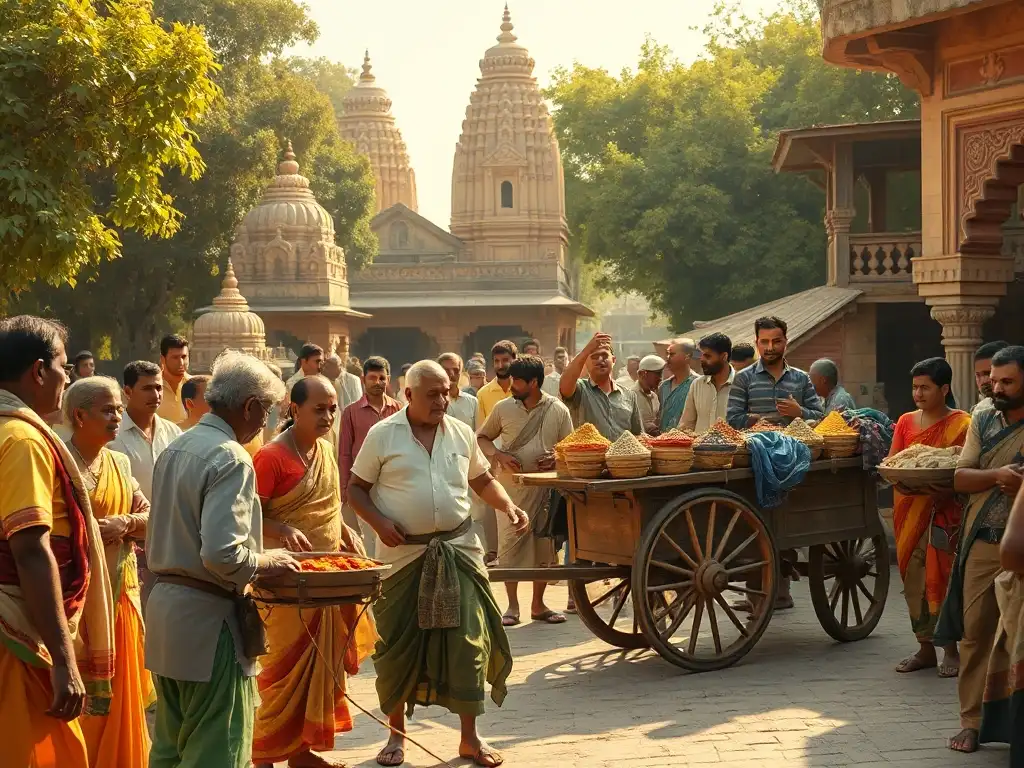
The Prakrit languages, which emerged during the early centuries of the Common Era, serve as a vital reflection of the social dynamics and cultural expression of ancient Indian society. These languages were not merely tools for communication; they played a significant role in the representation of diverse communities, their thoughts, and their artistic endeavors. The evolution of Prakrit languages, including Pali and several regional dialects, illustrates the interplay between language and the social fabric of ancient India.
The use of Prakrit languages can be seen as a democratizing force in literature and culture. Unlike Sanskrit, which was predominantly the language of the elite and learned classes, Prakrit was accessible to a broader audience, allowing for the expression of the experiences and narratives of the common people. This accessibility contributed to the rich tapestry of cultural and linguistic diversity that characterized ancient Indian society.
Literary Contributions of Prakrit Languages
The literary corpus of Prakrit languages is vast and varied, encompassing poetry, drama, and prose that reflects the life and times of ancient India. One of the most notable contributions is the Gāhā Sattasaī, a collection of verses that provides insights into the thoughts, emotions, and everyday experiences of people from different strata of society. These verses are characterized by their simplicity and directness, making them relatable to the common populace.
| Literary Work | Language | Description |
|---|---|---|
| Gāhā Sattasaī | Prakrit | A collection of 700 verses highlighting the socio-cultural milieu. |
| Mricchhakatika (The Clay Cart) | Prakrit | A famous play by Shudraka showcasing love and societal norms. |
| Panchatantra | Sanskrit/Prakrit | A collection of fables that embodies moral lessons, often translated into Prakrit. |
The themes explored in Prakrit literature often include love, morality, and social issues, providing valuable insights into the values and concerns of ancient Indian society. Additionally, playwrights like Shudraka and poets such as Ashvaghosha utilized Prakrit to convey complex human emotions and societal critiques, further enriching the literary landscape.
The Influence of Prakrit on Art and Architecture
Prakrit languages significantly influenced the art and architecture of ancient India, particularly during the Mauryan and Gupta periods. The inscriptions found in various archaeological sites reveal that Prakrit was often used in the context of public art, such as edicts and memorials, to communicate messages to a wider audience.
The Ashoka Edicts, for example, are among the earliest examples where Prakrit languages were employed to convey moral and ethical teachings to the populace. These inscriptions were crucial in promoting the principles of Dharma across his empire, showcasing the role of language in governance and public morality.
Moreover, the architectural marvels of ancient India, such as the rock-cut caves at Ajanta and Ellora, feature inscriptions in Prakrit. These inscriptions often celebrate Buddhist teachings and local narratives, displaying an intricate relationship between language, culture, and architecture. The use of Prakrit in these contexts illustrates how language served not only as a means of communication but also as a vehicle for cultural expression and identity.
Prakrit Languages in Religious and Philosophical Texts
Prakrit languages played a pivotal role in the dissemination of religious and philosophical ideas throughout ancient India. Texts such as the Tipitaka in Pali, which is a canonical scripture in Theravada Buddhism, showcase how Prakrit languages were instrumental in articulating profound thoughts on ethics, spirituality, and philosophy. The accessibility of these texts in Prakrit allowed them to reach a broader audience, facilitating the spread of Buddhist teachings across diverse regions.
Similarly, the Jain tradition also utilized Prakrit languages for its scriptures, which include the Tattvartha Sutra. This text serves as a philosophical treatise on Jain beliefs, principles, and ethics, further emphasizing the significance of Prakrit in religious literature.
Religious discourses in Prakrit often reflect the social and cultural contexts of their time, providing insights into the values and practices of ancient Indian society. The presence of Prakrit in these texts not only highlights its linguistic diversity but also illustrates its role as a crucial medium for philosophical inquiry and spiritual expression.
The study of Prakrit languages in ancient India reveals a rich tapestry of literary, artistic, and religious contributions that reflect the complexities of social life and cultural identity. Their significance extends beyond mere communication, positioning them as essential elements in understanding the broader historical narrative of ancient Indian civilization.
The Linguistic Features of Prakrit Languages
Phonological and Grammatical Characteristics
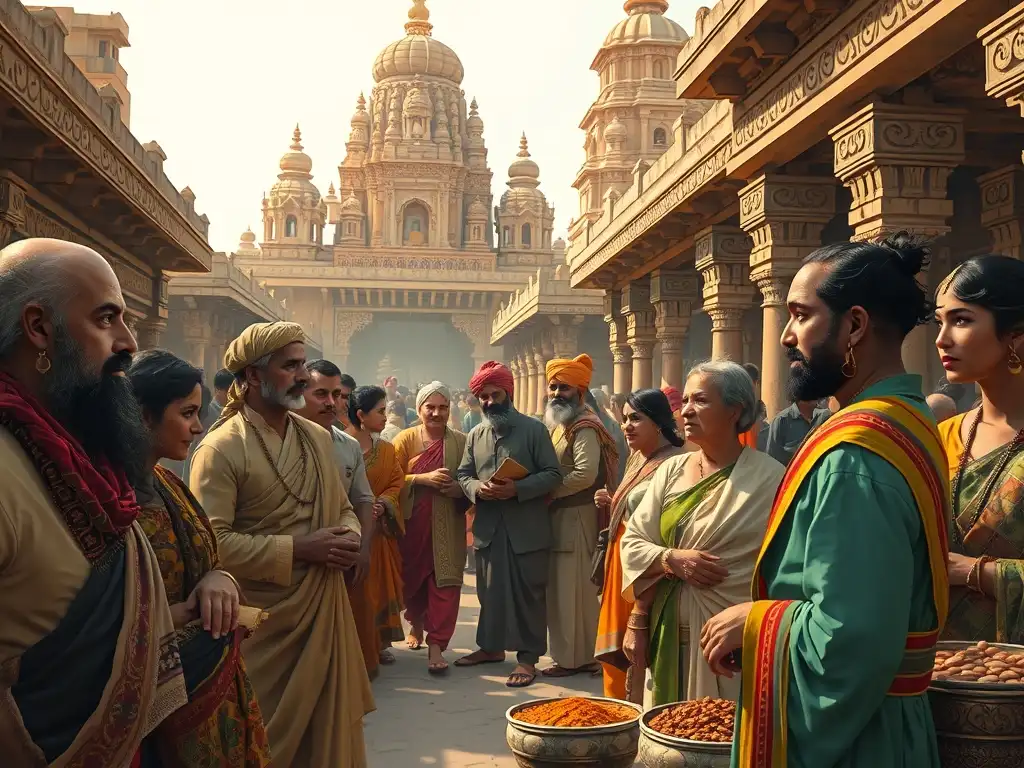
Prakrit languages, a group of Middle Indo-Aryan languages, exhibit a range of phonological and grammatical features that distinguish them from their predecessor languages, particularly Sanskrit. One of the most notable phonological characteristics is the simplification of consonant clusters and the reduction of vowels. For example, in Prakrit, the complex Sanskrit consonant clusters are often reduced to simpler forms, leading to a more streamlined pronunciation.
In terms of grammar, Prakrit languages demonstrate a more flexible syntax compared to Sanskrit. While Sanskrit follows a relatively rigid structure, Prakrit allows for a freer word order, reflecting the spoken nature of the language. Additionally, inflectional endings in Prakrit are often less complex, which facilitates easier communication among speakers.
A key feature of Prakrit languages is their use of particles and auxiliary verbs, which play a significant role in forming questions and negations. These elements contribute to the conversational quality of Prakrit, making it more accessible to the common people of ancient India. The evolution of grammatical aspects, such as verb conjugation and noun declension, also highlights the transition from the classical sophistication of Sanskrit to the more pragmatic approach of Prakrit.
Differences Between Prakrit and Sanskrit
The distinctions between Prakrit and Sanskrit are fundamental to understanding the sociolinguistic landscape of ancient India. While Sanskrit is often regarded as the language of the elite, used primarily in religious and scholarly texts, Prakrit served as the vernacular, spoken by the masses. This division is not merely linguistic; it reflects the societal hierarchies of the time.
- Linguistic Complexity:
- Sanskrit: Highly inflected, with a complex system of grammatical rules and extensive vocabulary.
- Prakrit: Less inflectional complexity, making it more adaptable for everyday communication.
- Usage Context:
- Sanskrit: Primarily used in religious, philosophical, and literary contexts.
- Prakrit: Employed in local dialects, drama, and everyday discourse, making literature more relatable to the general populace.
- Literary Expression:
- Sanskrit: Often features elaborate poetic forms and rhetoric.
- Prakrit: Emphasizes directness and emotional expression, often with a focus on human experiences and social realities.
This divergence illustrates how Prakrit languages were not only language forms but also vehicles of cultural expression, reflecting the lived experiences of ancient Indian society.
The Legacy of Prakrit Languages in Modern Linguistics
The impact of Prakrit languages on modern linguistics is profound, as they have significantly influenced the development of many contemporary Indian languages. The phonetic and grammatical characteristics of Prakrit are evident in languages such as Hindi, Bengali, and Marathi, showcasing a continuity of linguistic evolution from ancient to modern times.
Furthermore, the study of Prakrit languages provides insights into the social dynamics of ancient India. By examining texts written in Prakrit, linguists and historians can glean information about the cultural, religious, and philosophical currents of the time. For instance, the use of Prakrit in Jain and Buddhist literature highlights the democratization of knowledge, as these texts were accessible to a wider audience compared to Sanskrit texts.
In a broader context, Prakrit languages contribute to the understanding of language change and sociolinguistic phenomena. They serve as a case study for how languages evolve in response to social needs and cultural exchanges. The legacy of Prakrit languages in ancient India is not merely historical; it continues to resonate in the linguistic and cultural fabric of modern India, underscoring the importance of these languages in the ongoing narrative of Indian history.
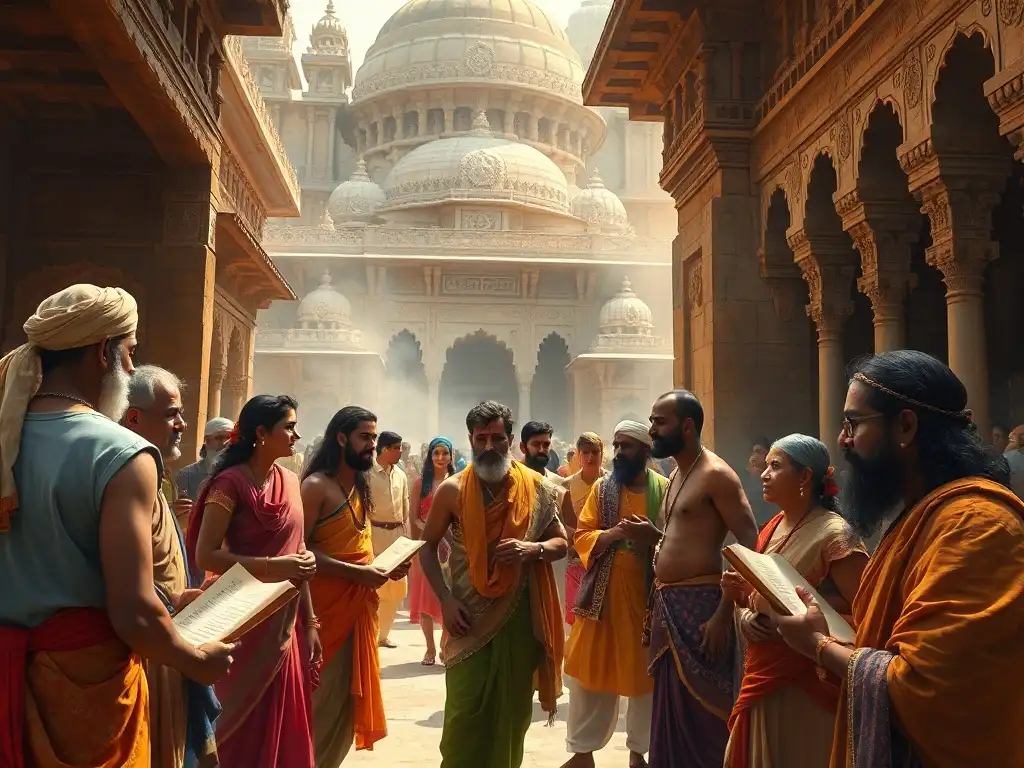
The Prakrit languages in ancient India serve as a fascinating lens through which the social dynamics of the time can be understood. Distinct from Sanskrit, which was often associated with the elite and religious texts, Prakrit languages were more accessible to the common people. This accessibility reflects the social stratification and cultural diversity of ancient Indian society. The languages, which evolved from the vernacular speech of the time, showcase the interactions among different social classes, regional variations, and the influences of trade and migration.
Case Studies of Prakrit Usage in Historical Contexts
The historical context of Prakrit usage reveals much about the societal structures and cultural exchanges in ancient India.
-
The Edicts of Ashoka
The edicts of Emperor Ashoka, inscribed in various Prakrit dialects, are prime examples of how these languages were utilized to communicate with a broader audience. Ashoka's use of Prakrit, particularly the Magadhi dialect, was intentional; it allowed his messages about Dharma (moral law) to resonate with the populace. The inscriptions, found across the Indian subcontinent, illustrate not just the spread of Buddhism but also how governmental communication adapted to the linguistic landscape of the time.
-
Literary Works
Ancient texts such as the Gatha Saptashati illustrate the use of Prakrit in poetry and drama, reflecting the everyday life, emotions, and societal norms of the period. This anthology, compiled in the 3rd century BCE, features poems that explore themes of love, separation, and social relationships, providing insight into the values and social concerns of ancient Indian communities.
-
Jain Literature
Jain texts, written in various forms of Prakrit, further highlight the language's role in religious and social discourse. The Acharanga Sutra and other Jain scriptures exemplify how Prakrit was employed to convey complex philosophical ideas in a manner accessible to the laity, thus promoting the spread of Jainism among diverse social groups.
-
The Role of Prakrit in the Gupta Empire
During the Gupta period, the flourishing of arts and culture saw Prakrit being used alongside Sanskrit in plays and literature. The works of playwrights like Bhasa utilized Prakrit to depict characters from different societal backgrounds, emphasizing the language's role in reflecting social hierarchies and relationships.
The evolution of Prakrit languages mirrors significant social changes in ancient India. As societies transitioned from the rigid caste systems of the Vedic age to more fluid structures during the Mauryan and Gupta periods, the language reflected these shifts.
-
Democratization of Language
The use of Prakrit languages allowed for a democratization of literary expression. As more people engaged with literature and philosophical texts, Prakrit became a medium for expressing local dialects and cultural nuances, thus enabling a broader spectrum of voices to be heard.
-
Regional Variations and Identity
The emergence of regional Prakrit dialects during different historical periods indicates a growing sense of local identity. For instance, the development of Apabhramsha in the later stages of Prakrit showcases how localized speech forms began to solidify into distinct identities, influencing literature and social interactions.
-
Impact of Trade and Cultural Exchange
The expansion of trade routes and cultural exchanges with regions beyond India, such as Central Asia, brought new influences into the Prakrit languages. This interaction led to the incorporation of loanwords and new linguistic constructs, reflecting the dynamic nature of society during periods of economic growth and cultural fusion.
-
Religious and Philosophical Shifts
The popularity of Buddhism and Jainism, both of which utilized Prakrit for their teachings, indicates a shift in religious thought that embraced wider participation. As these religions gained followers among various social strata, the languages adapted to convey their messages effectively, illustrating the interconnectedness of language, religion, and social change.
The Prakrit languages not only provide a window into the linguistic landscape of ancient India but also reflect the broader social dynamics, cultural exchanges, and transformations that defined the era. By examining the historical contexts and case studies, we gain valuable insights into how language functions as a mirror of society throughout history.
Conclusion: The Significance of Prakrit Languages in Understanding Ancient Indian Society
Summary of Key Insights on Prakrit Languages
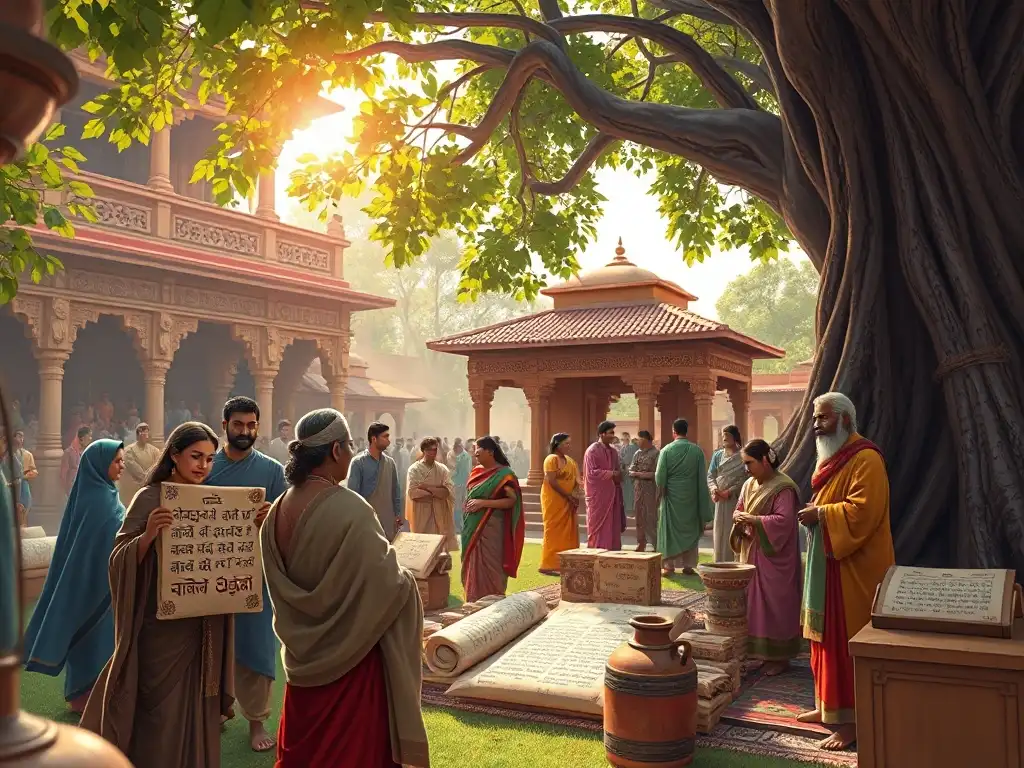
Prakrit languages serve as a vital link to understanding the social fabric of ancient Indian society. Emerging from the linguistic evolution of Sanskrit, Prakrit languages were widely spoken across various regions and social classes, highlighting a multi-layered communication system. Here are some key insights:
- Diversity in Dialects: Prakrit languages are not monolithic; they encompass a variety of dialects such as Ardhamagadhi, Maharashtri, and Shauraseni. Each dialect reflects the unique cultural and social nuances of the regions they originated from.
- Literary Contributions: The literature produced in Prakrit languages, including poetry, plays, and religious texts, provides invaluable insights into the thoughts, beliefs, and lifestyles of ancient Indian people. For example, the Gatha Saptashati is a significant anthology that not only showcases the literary richness but also the societal values of the time.
- Cultural Integration: The use of Prakrit languages facilitated the integration of different communities, including traders, farmers, and artisans, fostering a sense of unity amidst diversity. It was a medium that allowed various social classes to interact, thus reflecting a dynamic social landscape.
- Religious Influence: The spread of Buddhism and Jainism greatly contributed to the proliferation of Prakrit languages. Texts like the Tripitaka in Pali, a Prakrit language, emphasize the connection between language and spirituality, showcasing how language was a tool for disseminating philosophical ideas.
Future Research Directions on Prakrit Languages in Ancient India
The study of Prakrit languages in ancient India remains a fertile ground for future research. Scholars can explore several promising directions:
- Linguistic Evolution: Investigating the evolutionary path of Prakrit languages from their Sanskrit roots and how they influenced modern Indian languages can yield insights into the linguistic heritage of the region.
- Socio-political Context: Analyzing the socio-political contexts in which various Prakrit languages flourished can help uncover the dynamics between different social groups and the impact of language on societal structures.
- Comparative Studies: Engaging in comparative studies between Prakrit languages and contemporary languages can provide a broader understanding of language development and cultural exchanges across regions.
- Archaeological Evidence: The incorporation of archaeological findings, such as inscriptions and artifacts, can further illuminate the historical significance of Prakrit languages, offering tangible evidence of their usage and importance in ancient societies.
The Prakrit languages in ancient India not only serve as crucial historical artifacts but also reflect the complex social tapestry of the time. By delving deeper into their significance, we uncover the rich narrative of ancient Indian civilization and its enduring legacy.
Frequently Asked Questions
What are Prakrit languages?
Prakrit languages are a group of ancient languages that evolved from Sanskrit and were used in various regions of ancient India. They served as the medium for literature, drama, and philosophy during different periods.
How did Prakrit languages influence ancient Indian society?
Prakrit languages played a vital role in reflecting the social fabric of ancient Indian society by making literature accessible to the common people, thus fostering a sense of cultural identity and community.
What is the significance of Prakrit in the context of the Indus Valley Civilization?
While there is limited direct evidence of Prakrit in the Indus Valley Civilization, the evolution of these languages is believed to be rooted in the region's linguistic diversity, which later influenced subsequent Indian cultures.
How did the Gupta Empire contribute to the development of Prakrit languages?
During the Gupta Empire, Prakrit languages flourished as they were used in literature and administration, showcasing a cultural renaissance that emphasized local dialects and their importance in the arts and communication.
Are there any notable literary works in Prakrit?
Yes, several literary works such as "Gatha Saptashati" and the plays of Bhasa were composed in Prakrit, highlighting its significance in the cultural and artistic expressions of ancient India.
Final Reflection: The Enduring Legacy of Prakrit Languages in Ancient Indian Society
The exploration of Prakrit languages reveals not only their linguistic significance but also their profound connection to the social fabric of ancient Indian society. As we delve into the intricacies of these languages, we uncover a rich tapestry of cultural exchange, social stratification, and the evolution of identity that resonates with our contemporary understanding of communication and community. The relevance of Prakrit languages today lies in their ability to remind us of the diverse voices that have shaped our history and the importance of preserving these narratives in an increasingly homogenized world.
Clearly, the impact of Prakrit languages extends beyond mere linguistics; they serve as a mirror reflecting the complexities of social dynamics in ancient India. The languages were not just tools for communication but also vehicles for expressing social status, regional identity, and cultural values. As we consider their ongoing influence, we recognize that the echoes of these languages can still be felt in modern dialects and cultural practices. Language is the road map of a culture. It tells you where its people come from and where they are going.
– Rita Mae Brown. This quote encapsulates the essence of how Prakrit languages continue to inform our understanding of cultural heritage and identity.
As we conclude this exploration, I invite you to reflect on the lessons embedded within the study of Prakrit languages. Consider how the narratives of the past can inform our present and future interactions within our communities. Embrace the diversity of voices around you and recognize the value of every language as a thread in the fabric of society. Let us commit to honoring and preserving the rich linguistic heritage that shapes who we are, fostering a deeper appreciation for the stories that connect us all.
Unveil the Richness of Ancient Indian Languages!
Thank you for diving into the fascinating world of Prakrit languages and their connection to ancient Indian society! You've explored how these languages reflect the intricate social fabric of their time. Now, let's transform that knowledge into action!
Consider taking the following steps to deepen your understanding and appreciation of this rich cultural heritage:
- Join a local or online study group focused on ancient Indian languages to engage with like-minded individuals and share insights.
- Explore authentic Prakrit literature or translations to experience the beauty of the language firsthand and understand its societal context.
- Visit a museum or historical site that showcases artifacts related to Prakrit and the broader ancient Indian culture, allowing you to see history come alive.
Now, we’d love to hear from you! What aspect of Prakrit languages do you find most intriguing, and how do you think it influences our understanding of modern society? Share your thoughts with us!