
Art and the Everyday: The Role of Domestic Objects in Indus Culture

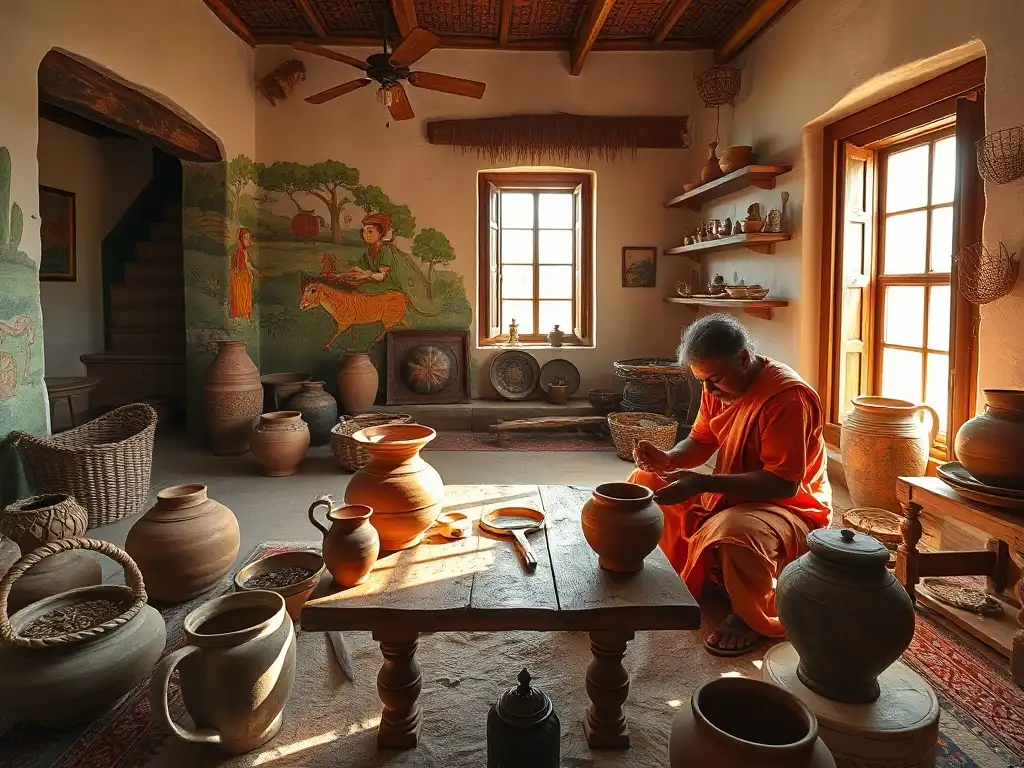
Welcome to Ancient India History, where we embark on a fascinating journey through the vibrant tapestry of ancient Indian civilizations. In this exploration, we delve into the intriguing world of Domestic Objects in Indus Culture, revealing how everyday items not only served practical purposes but also reflected the artistic spirit and cultural values of the Indus Valley people. Join us as we uncover the stories behind these artifacts and discover their significance in understanding the lives and customs of one of history’s most remarkable societies. Are you ready to unravel the mysteries of the past? Let's dive in!
- Introduction to Domestic Objects in Indus Culture
- Types of Domestic Objects in Indus Culture
- Symbolism of Domestic Objects in Indus Culture
- The Artistic Representation of Domestic Objects
- Case Studies of Domestic Objects in Archaeological Findings
- Conclusion: The Legacy of Domestic Objects in Indus Culture
-
Frequently Asked Questions
- What are domestic objects in Indus culture?
- How did domestic objects influence the daily lives of Indus Valley inhabitants?
- What materials were commonly used for creating domestic objects in Indus culture?
- Are there any notable examples of domestic objects from this period?
- How do domestic objects contribute to our understanding of Indus culture?
- Final Reflection: Embracing the Beauty of Domestic Objects in Indus Culture
- Uncover the Beauty in Everyday Life!
Introduction to Domestic Objects in Indus Culture
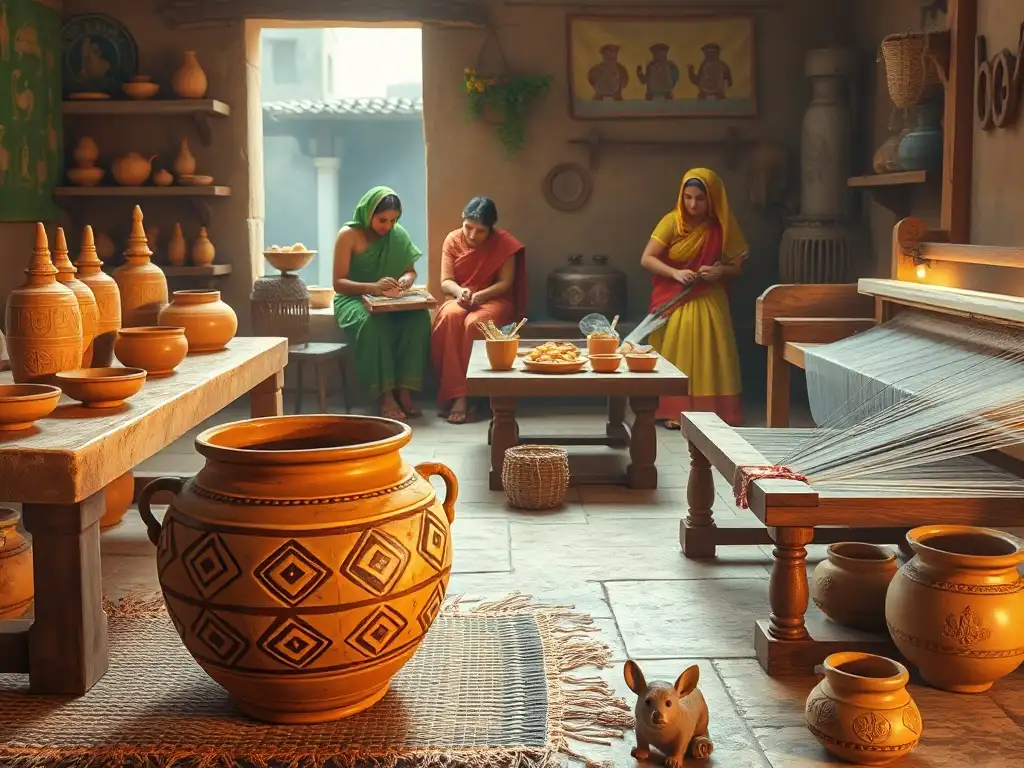
The Indus Valley Civilization, one of the earliest urban cultures in the world, thrived between approximately 3300 BCE and 1300 BCE in what is now Pakistan and northwest India. This ancient civilization is renowned for its sophisticated urban planning, advanced drainage systems, and remarkable craftsmanship.
Among its many contributions, the domestic objects from this period offer invaluable insights into the daily lives, cultural practices, and social structures of the Indus people. By examining these objects, we can uncover the intricate relationships between art, utility, and daily life in Indus culture, revealing how these items were not merely functional but also held significant cultural meaning.
This article will delve into the role of domestic objects in the Indus Valley, exploring their artistic significance, craftsmanship, and the ways in which they reflect the values and lifestyle of one of history's most remarkable civilizations. Through this exploration, we aim to highlight the profound connection between art and everyday life in the Indus culture, as well as the broader implications of these findings for our understanding of ancient Indian societies.
Overview of Indus Valley Civilization
The Indus Valley Civilization (IVC) emerged around 3300 BCE, encompassing a vast area that included major urban centers such as Harappa and Mohenjo-Daro. This civilization is characterized by its well-planned cities, advanced agricultural practices, and extensive trade networks. Some key features of the IVC include:
- Urban Planning: Cities were laid out in a grid pattern, with sophisticated drainage systems, public baths, and granaries.
- Craftsmanship: The people of the IVC were skilled artisans, producing intricate pottery, jewelry, and seals, often decorated with animal motifs and geometric designs.
- Trade: The civilization engaged in extensive trade with neighboring cultures, including Mesopotamia, which facilitated the exchange of goods and ideas.
The IVC's ability to harmonize urban life with agricultural productivity significantly contributed to its longevity and cultural richness. However, despite its advancements, the civilization mysteriously declined around 1300 BCE, leading to many unanswered questions about its fate.
Importance of Domestic Objects in Daily Life
Domestic objects in the Indus Valley Civilization were integral to the daily lives of its inhabitants, serving both practical and aesthetic functions. These objects ranged from cooking utensils and storage containers to toys and ritual items, reflecting a blend of utility and artistry. Their importance can be highlighted through several key aspects:
- Functional Utility: Everyday items such as pots, dishes, and tools were essential for daily tasks, including cooking, storage, and food preparation. The craftsmanship of these objects suggests a high level of skill and an understanding of materials.
- Cultural Significance: Many domestic objects were imbued with cultural and possibly religious meaning. For example, certain pottery styles may have been associated with specific rituals or social practices, indicating their role in community life.
- Artistic Expression: The aesthetics of domestic objects reveal much about the artistic sensibilities of the Indus people. The intricate designs and motifs on these items demonstrate a sophisticated appreciation for beauty and craftsmanship within the context of everyday life.
- Social Indicators: The variety and complexity of domestic objects can also provide insights into social stratification within the civilization. The presence of luxury items may indicate wealth and status, while simpler objects reflect the daily lives of the broader population.
Domestic objects in Indus culture not only fulfilled practical needs but also played a significant role in shaping social identity, cultural practices, and artistic expression. Understanding these artifacts allows us to appreciate the rich tapestry of life in the Indus Valley Civilization and the ways in which art intertwined with the everyday experiences of its people.
Types of Domestic Objects in Indus Culture
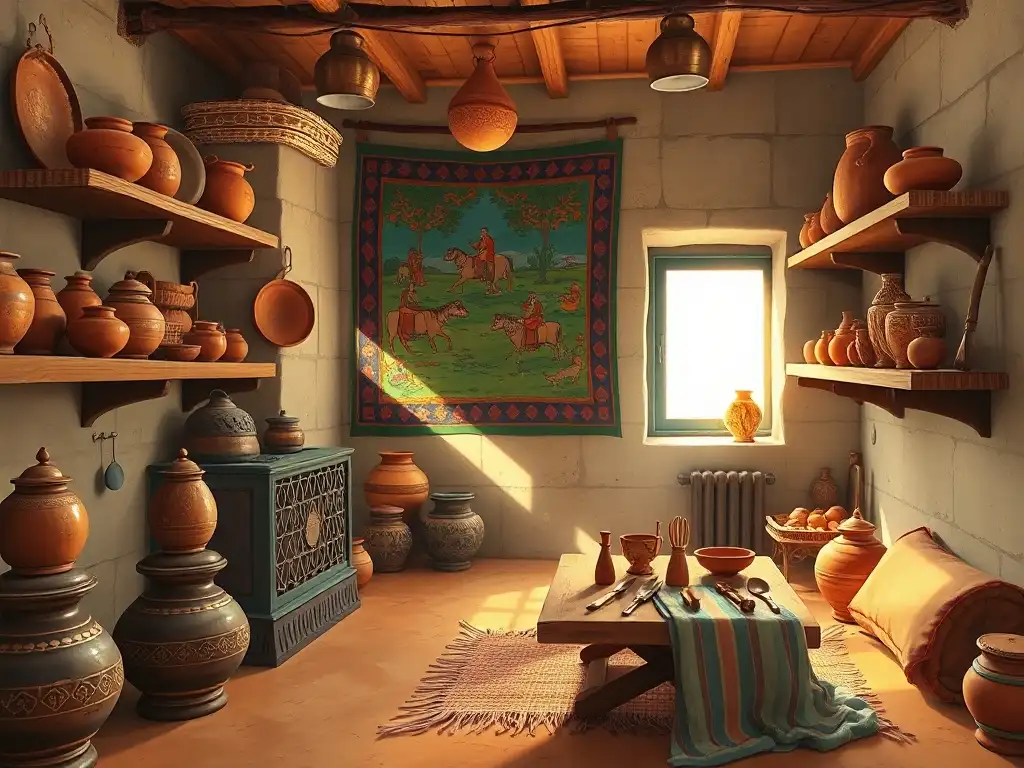
The Indus Valley Civilization, known for its advanced urban planning and sophisticated societal structures, also produced a remarkable array of domestic objects that played a crucial role in everyday life. These items reflect not only the functional needs of the inhabitants but also their artistic sensibilities. The primary types of domestic objects found in this civilization include pottery and ceramics, as well as various tools and utensils, each contributing to the understanding of daily life in this ancient society.
Pottery and Ceramics
Pottery from the Indus Valley Civilization showcases both practical and artistic aspects of daily life. The craftsmanship involved in creating these items reveals a high level of skill and aesthetic appreciation among the artisans of the time.
Functional Use of Pottery in Everyday Life
Indus pottery served various functional purposes that were essential for domestic activities. These items included:
- Storage Vessels: Large jars were utilized for storing grains, water, and other food items, facilitating the preservation and organization of resources.
- Cooking Pots: Smaller pots were designed for cooking, often featuring thick walls to withstand heat. Their design indicates a practical approach to culinary needs.
- Serving Dishes: Shallow bowls and platters were crafted for serving food, reflecting communal eating practices within households.
The presence of these functional items indicates a well-structured domestic environment where organization and practicality were paramount.
Artistic Features of Indus Pottery
Beyond mere functionality, the pottery of the Indus Valley is characterized by distinctive artistic features that highlight the civilization's cultural values. Key artistic elements include:
- Decorative Techniques: Many pottery pieces were adorned with intricate designs, including geometric patterns, animal motifs, and stylized floral elements, showcasing the aesthetic sensibilities of the people.
- Color and Glaze: The use of natural pigments to create vibrant colors, along with glazing techniques, enhanced the visual appeal of pottery. This practice not only served decorative purposes but also contributed to the durability of the items.
- Symbolic Representations: Certain motifs may have held symbolic significance, indicating the spiritual or cultural beliefs prevalent in Indus society.
The artistic features of Indus pottery reflect a civilization that valued beauty alongside functionality, enhancing the cultural legacy of the Indus Valley.
Tools and Utensils
In addition to pottery, the Indus Valley Civilization produced a variety of tools and utensils that were integral to daily life. These objects reveal insights into the domestic activities and technological advancements of the time.
Common Tools Used in Indus Households
The household tools of the Indus Valley were designed for various tasks, demonstrating the ingenuity of their makers. Common tools included:
- Sickle Blades: Used primarily for harvesting crops, these tools indicate agricultural practices and the importance of farming in sustaining the population.
- Mortars and Pestles: Essential for grinding grains and spices, these tools reflect culinary practices and the significance of food in daily life.
- Weaving Tools: Loom weights and spindles suggest that textile production was a vital domestic activity, showcasing the role of clothing in societal norms.
The presence of such tools indicates a society that was not only agricultural but also skilled in various crafts, contributing to both sustenance and trade.
Significance of Utensils in Domestic Activities
Utensils in the Indus Valley served crucial functions that organized and facilitated daily life. Their significance can be observed in several aspects:
- Everyday Cooking and Eating: Utensils such as ladles, spoons, and serving dishes were vital for meal preparation and consumption, fostering communal dining practices.
- Craft and Trade: The creation of specialized utensils for craft activities indicates a division of labor and the growth of trade networks, as certain utensils were likely produced for local markets.
- Cultural Practices: The types of utensils used in rituals or communal gatherings reflect the social and cultural practices of the Indus people, highlighting their values and traditions.
The tools and utensils of the Indus Valley Civilization reveal a complex society with rich cultural practices and a strong emphasis on functionality, underscoring the sophisticated nature of everyday life in ancient India.
Textiles and Clothing
Textiles and clothing played a crucial role in the daily life of the Indus Valley Civilization, reflecting both the aesthetic sensibilities and the practical needs of the society. Archaeological findings indicate that the people of the Indus Valley engaged in advanced textile production, utilizing local resources to create a variety of fabrics. The primary materials used included cotton, wool, and linen, with cotton being particularly significant as one of the earliest examples of cotton cultivation in the world. This not only highlights the ingenuity of the civilization but also its contributions to textile history.
The artifacts found in sites such as Mohenjo-Daro and Harappa include remnants of woven fabrics, spindle whorls, and dyeing equipment. These discoveries suggest a well-developed textile industry that catered to both functional clothing needs and decorative purposes. The clothing style, as inferred from figurines and seals, ranged from simple draped garments to more elaborate outfits adorned with intricate patterns and embellishments, showcasing the diversity in fashion among different societal classes.
Weaving Techniques in the Indus Valley
The weaving techniques practiced in the Indus Valley were sophisticated and varied, utilizing both handlooms and advanced knotting methods. Evidence from archaeological sites indicates that the Indus Valley people employed a range of weaving tools, including spindle whorls for spinning yarn and looms for weaving textiles. The use of cotton was particularly notable; some of the oldest cotton textiles ever discovered have been traced back to this civilization.
The types of weaves found in the remains include plain weaves, twills, and complex patterned textiles, demonstrating a high level of skill and artistry among the weavers. Additionally, the dyes used in the textiles were often derived from natural sources, such as plants and minerals, which allowed for a rich palette of colors in the finished fabrics. Such techniques not only highlight the technological advancements of the time but also the cultural significance placed on textile production.
Role of Textiles in Domestic Settings
In domestic settings, textiles served multiple purposes that extended beyond mere clothing. They were integral to various aspects of daily life, including household decoration, ceremonial uses, and even trade. Textiles were often used to create curtains, bed coverings, and rugs, which added both comfort and aesthetic appeal to living spaces. The abundance of textiles in domestic contexts underscores their importance in social and cultural practices within the Indus Valley.
Moreover, textiles also played a role in rituals and religious practices. Certain fabrics may have been used in ceremonies or as offerings, reflecting the spiritual beliefs of the people. The quality and type of textiles could also signify social status, as finer materials and elaborate designs were likely reserved for the elite. This multifaceted role of textiles in domestic settings illustrates their significance in the Indus culture, embodying both functionality and artistry.
Symbolism of Domestic Objects in Indus Culture
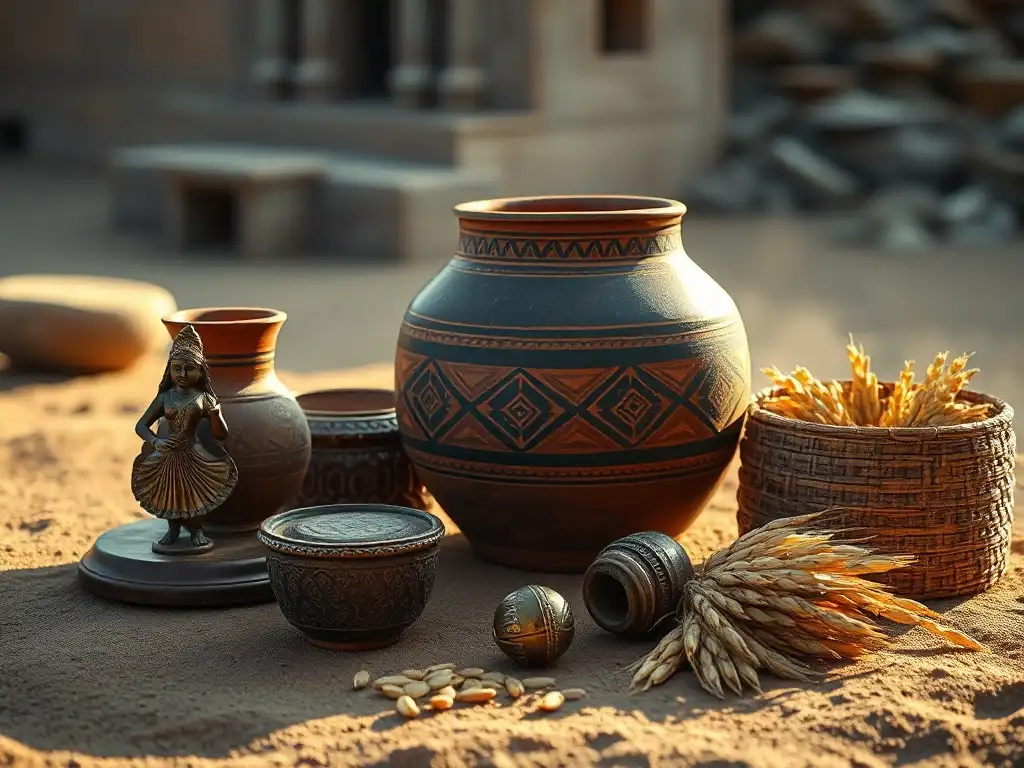
The domestic objects of the Indus Valley Civilization (IVC) reveal a wealth of symbolism that reflects the cultural values, beliefs, and everyday life of its people. These objects, ranging from pottery to tools and figurines, were not merely functional; they also held deeper meanings that connected individuals to their community and environment.
Cultural Significance of Everyday Items
Everyday items in the Indus culture were imbued with cultural significance, serving as more than mere utilities. For instance, pottery often featured intricate designs and motifs that communicated social status and artistic expression. The shapes and decorative elements varied across regions, indicating the diverse cultural practices within the civilization.
- Pottery:
- Types: Different forms of pottery, such as storage jars, cooking vessels, and ceremonial urns, illustrate the practical needs of daily life.
- Decoration: The decorations often included geometric patterns, animal motifs, and sometimes scenes of daily life, which may have conveyed stories or cultural beliefs.
- Tools and Implements:
- Materials: Tools made from stone, bone, and metal illustrate the technological advancements of the time while also showcasing the craftsmanship of artisans.
- Functionality: Items like weights and measures found in the ruins suggest a sophisticated understanding of trade and commerce, signifying the importance of economic activities in daily life.
- Figurines and Sculptures:
- Representation: Terracotta figurines, often depicting women or deities, suggest a belief system that revered fertility and femininity.
- Symbolism: These figurines may have served as household deities, indicating the significance of domestic spaces in spiritual practices.
The use of everyday items as symbols not only reflects the functional aspects of life in the Indus Valley but also reveals the intricate social structures and cultural narratives that shaped their civilization.
Ritual Uses of Domestic Objects
In addition to their practical applications, many domestic objects in the Indus Valley served vital roles in rituals and spiritual practices. These items were integral to the daily and ceremonial lives of the inhabitants, linking the mundane to the sacred.
- Ceremonial Pottery:
- Ritualistic Uses: Certain pottery was designed specifically for rituals, often used in offerings or to hold substances deemed sacred. The shapes and sizes of these vessels were likely selected based on their ceremonial purpose.
- Symbolic Decoration: Decorations on these items often included motifs that were significant in religious contexts, suggesting a connection between the physical and spiritual realms.
- Domestic Altars:
- Household Worship: Evidence suggests that many homes contained small altars or spaces for worship, where domestic objects like figurines and vessels would be placed to honor deities or ancestors.
- Community Practices: This practice highlights the communal aspect of spirituality, where domestic spaces became sites of collective memory and ritual.
- Tools in Ritual Contexts:
- Sickles and Grinding Stones: Tools used for agriculture and food preparation also played a role in agricultural rituals, marking the significance of crop cycles in the spiritual life of the community.
- Symbol of Prosperity: These objects not only served practical functions but were also seen as symbols of abundance and fertility, reinforcing the connection between daily life and agricultural cycles.
The ritual uses of domestic objects in Indus culture indicate a complex understanding of life, death, and the divine, showing how the mundane was interwoven with the spiritual realm. This duality enriches our understanding of the Indus Valley Civilization, emphasizing that domestic objects were crucial in shaping cultural identity and communal practices.
The Artistic Representation of Domestic Objects
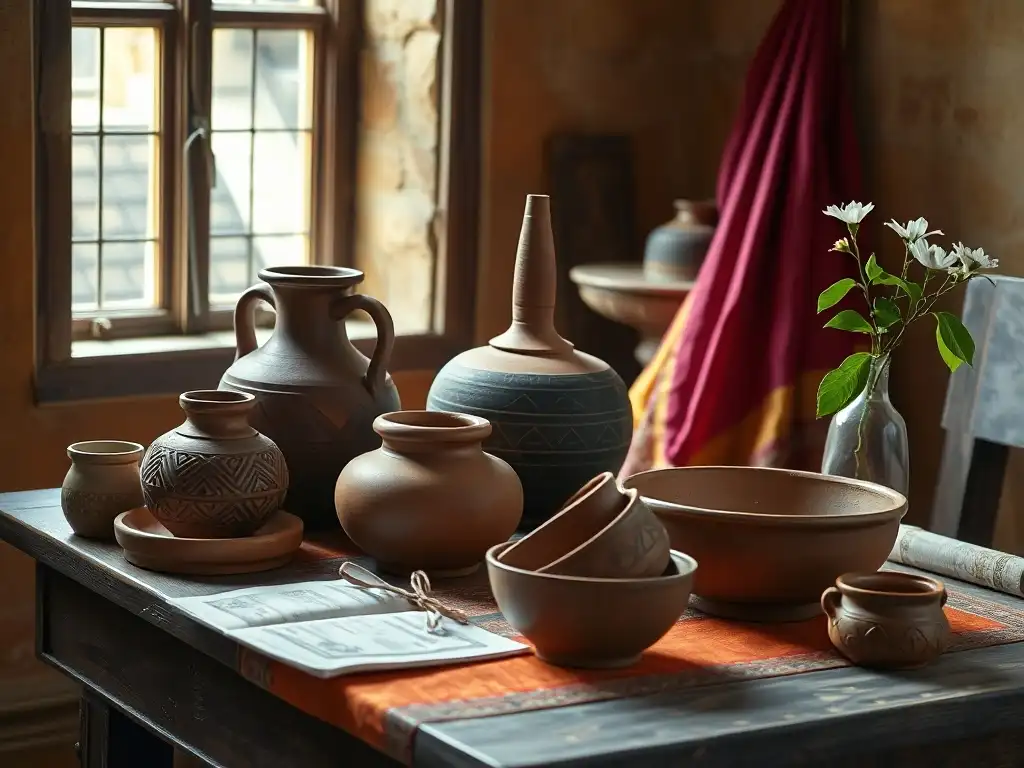
The artistic representation of domestic objects in Indus Culture offers a fascinating glimpse into the everyday lives of the people who inhabited this ancient civilization. These objects not only served practical purposes but also reflected the aesthetics, beliefs, and social structures of the time. From pottery to tools, the artistry involved in crafting domestic items was both functional and symbolic, revealing the sophistication of the artisans and the cultural significance of their work.
Inscriptions and Motifs on Domestic Items
In the realm of domestic objects, inscriptions and motifs are among the most intriguing aspects of Indus artifacts. Many pottery pieces, seals, and tools feature intricate designs and inscriptions that provide insight into the cultural and social dynamics of the Indus Valley Civilization.
- Motifs: Common motifs include geometric patterns, animal depictions, and human figures. These motifs often held significance beyond mere decoration. For instance, animal representations may have been used to signify status or serve as totems for families or clans.
- Inscriptions: The Indus script, though still undeciphered, appears on various domestic objects, suggesting a form of communication and record-keeping. Some scholars posit that these inscriptions could relate to ownership, trade transactions, or even religious texts, indicating a complex society with diverse functions for these everyday items.
- Symbolism: The motifs and inscriptions often carry symbolic meanings, providing a window into the spiritual beliefs of the Indus people. For example, certain animals, like the unicorn, which is frequently depicted on seals, may have held religious or cultural significance.
This combination of artistic representation and practical utility showcases how domestic objects were integral to both daily life and cultural expression in Indus society.
Influence of Domestic Objects on Indus Art
Domestic objects significantly influenced the broader artistic landscape of the Indus Valley Civilization. The styles, materials, and techniques used in crafting these items played a crucial role in shaping the region's artistic identity.
- Materials Used: Artisans utilized a variety of materials such as terracotta, metal, and stone to create domestic objects. The choice of materials often dictated the aesthetic qualities of the items, with terracotta allowing for more intricate designs due to its malleability.
- Functional Aesthetics: The merging of form and function is a hallmark of Indus art. For example, pottery was not only used for storage and cooking but was also beautifully crafted, adorned with painted designs that enhanced their visual appeal. This reflects a cultural appreciation for beauty in everyday life.
- Cultural Exchange: The sophistication of domestic objects also suggests interactions with neighboring cultures. Trade networks likely facilitated the exchange of artistic ideas and techniques, enriching the Indus artistic tradition and influencing the design and decoration of domestic items.
- Artistic Techniques: Techniques such as incising, painting, and molding were prevalent in the creation of these objects, showcasing the skill and creativity of Indus artisans. The influence of these techniques extended beyond mere domestic items, permeating other artistic expressions, including sculpture and architecture.
The role of domestic objects in Indus Culture is multifaceted, intertwining artistic expression with everyday utility. The inscriptions and motifs found on these items not only provide valuable insights into the cultural practices of the time but also underscore the profound impact such objects had on the artistic heritage of the Indus Valley Civilization.
Case Studies of Domestic Objects in Archaeological Findings
Example 1: Terracotta Figurines
Description and Context
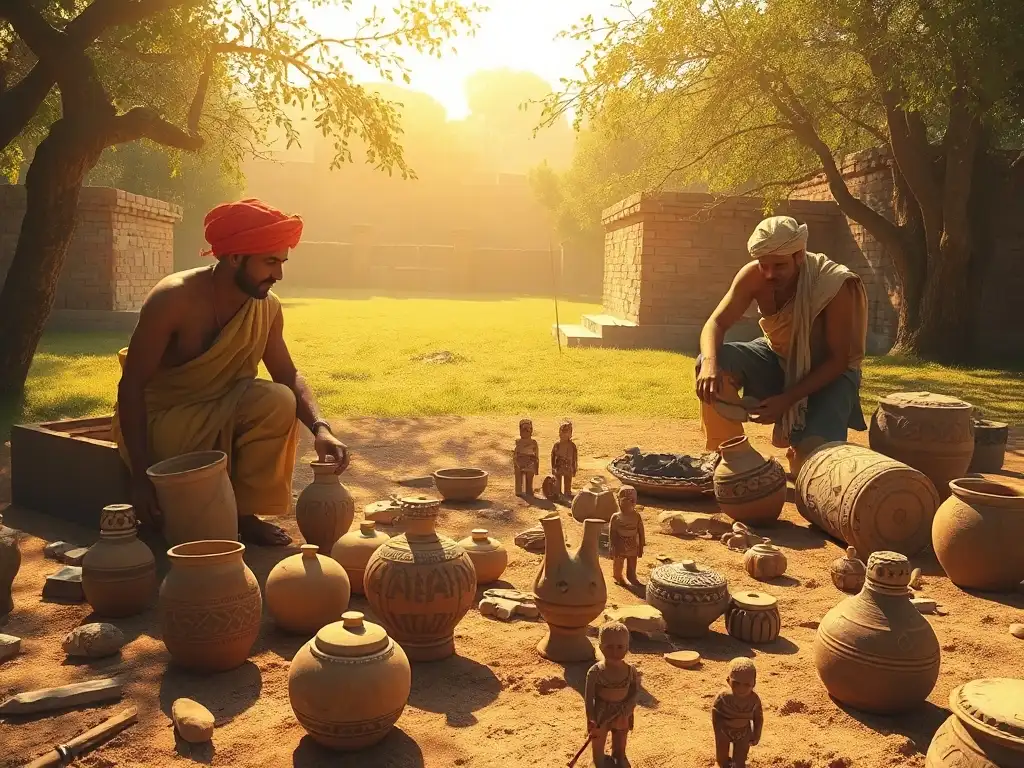
Terracotta figurines are one of the most notable domestic objects in Indus Culture, showcasing the artistic craftsmanship of the civilization. These small clay sculptures, often depicting animals, humans, and deities, have been discovered in various archaeological sites, such as Mohenjo-Daro and Harappa. Ranging from a few centimeters to over a foot in height, these figurines were likely made for domestic use, possibly serving as toys, religious artifacts, or status symbols.
The figurines often exhibit intricate details, such as clothing patterns, hairstyles, and facial expressions, indicating that the artisans had a keen eye for realism and aesthetics. The presence of these objects in domestic settings suggests a rich cultural life where art was integrated into everyday activities.
Insights into Domestic Life
The terracotta figurines provide crucial insights into the domestic life of the Indus Valley inhabitants. Their variety suggests a complex social structure where different roles and identities were recognized. For instance, figurines representing women engaged in various activities, such as dancing or holding infants, illustrate the significance of gender roles in their society.
Moreover, the presence of animal figurines, including cattle and elephants, highlights the importance of animals in the daily lives of the Indus people, possibly reflecting their agricultural practices and socio-economic status. These objects also hint at the potential religious beliefs of the civilization, as some figurines may have been used in rituals or as offerings, indicating a blend of daily life and spirituality.
Example 2: Seals and Stamp Impressions
Description and Context
Seals and stamp impressions are another category of domestic objects in Indus Culture that reveal much about their societal framework. Made from steatite and other materials, these seals typically feature intricate carvings of animals, symbols, and script, which are believed to be an early form of writing. The seals were used for various purposes, including trade, property ownership, and possibly even religious ceremonies.
Archaeological findings show that these seals were often found in domestic contexts, suggesting they played a significant role in everyday life. The use of seals for marking goods indicates a sophisticated understanding of commerce and trade, essential for the functioning of their urban centers.
Cultural Implications
The cultural implications of seals and stamp impressions are profound. They not only served practical purposes but also reflected the social and political organization of the Indus Valley Civilization. The motifs carved on the seals, which frequently include animals like unicorns and mythical creatures, could symbolize power, fertility, or protection, hinting at the beliefs and values of the society.
Moreover, the presence of script on some seals points to a complex communication system, suggesting that literacy was not limited to a select few but may have been more widespread than previously assumed. This indicates that domestic objects like seals were integral to both the economic and cultural fabric of Indus society, providing a glimpse into their identities, values, and interactions with one another.
Conclusion: The Legacy of Domestic Objects in Indus Culture
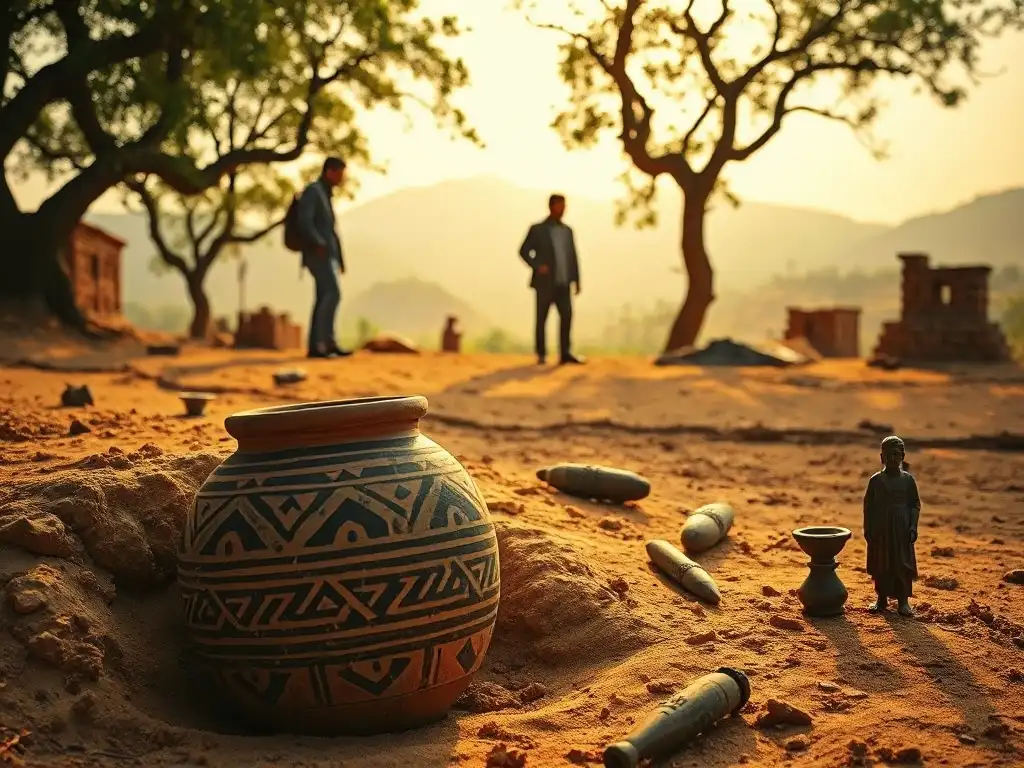
The legacy of domestic objects in Indus culture extends beyond mere utility; they offer a profound insight into the social, economic, and aesthetic dimensions of one of the world's earliest urban civilizations. These objects, ranging from pottery and tools to decorative items, reflect the everyday lives of the people and their intricate relationship with their environment.
In the context of archaeological findings, the prevalence and diversity of these domestic objects highlight the sophistication of Indus society. The craftsmanship displayed in artifacts suggests a high level of skill and artistry, indicating that aesthetics were an integral part of daily life. Furthermore, the use of standardized weights and measures in trade-related domestic objects illustrates the advanced economic systems that underpinned this civilization.
Overall, the domestic objects found in Indus Valley sites serve as a window into the past, allowing us to appreciate the complexities of life in this ancient civilization and its lasting influence on subsequent Indian cultures.
Reflection on Daily Life in the Indus Valley
Daily life in the Indus Valley was characterized by a blend of practicality and artistry, as evidenced by the myriad domestic objects unearthed from archaeological sites. These objects were not just tools; they were integral to the social fabric and cultural identity of the inhabitants.
- Housing and Community: The layout of Indus cities, with their well-planned streets and residential areas, reflects a communal approach to living. Domestic objects such as clay figurines and terracotta toys suggest that play and leisure were valued, indicating a society that appreciated both work and recreation.
- Culinary Practices: The presence of various pottery styles, including cooking pots and storage jars, indicates sophisticated culinary practices. The design and functionality of these objects reveal a culture that prioritized both nutrition and aesthetics in food preparation and storage.
- Artistic Expression: Decorative items, including jewelry and engraved seals, point to a rich artistic tradition. These items not only served practical purposes but also acted as expressions of personal or communal identity, enhancing the understanding of social hierarchies and cultural affiliations.
This reflection on daily life in the Indus Valley underscores the importance of domestic objects in understanding the complexities of human experiences and societal values during this remarkable period.
The Impact of Domestic Objects on Understanding Indus Civilization
The study of domestic objects in Indus culture significantly impacts our understanding of this ancient civilization, providing critical insights into its social structure, economic systems, and cultural practices.
- Socio-Economic Indicators:
- Trade and Economy: Standardized weights and measures found alongside domestic objects suggest a thriving trade network. The artifacts indicate that the Indus Valley civilization engaged in both local and long-distance trade, facilitating the exchange of goods and cultural ideas.
- Craft Specialization: The variety of domestic objects points to various craft specializations within the society, demonstrating that certain individuals or groups likely played significant roles in production.
- Cultural Practices:
- Religious and Spiritual Life: Some domestic objects, such as ritualistic vessels and figurines, provide evidence of religious practices and beliefs. These artifacts indicate that domestic spaces were also sites of spiritual significance, reflecting the intertwining of daily life and spiritual traditions.
- Art and Aesthetics: The artistic qualities of domestic objects suggest that beauty and personal expression were important to the residents. The decorative aspects of pottery and figurines reveal cultural values that prioritized aesthetics alongside functionality.
- Technological Advancements:
- Material Innovation: The materials and techniques used in crafting domestic objects showcase the technological advancements of the civilization. The use of baked clay, for instance, illustrates knowledge of materials and their properties, contributing to both durability and art.
The domestic objects of the Indus Valley civilization serve as essential tools for understanding the multifaceted nature of this ancient society. Analyzing these artifacts allows scholars and enthusiasts alike to reconstruct the daily lives, social norms, and cultural values of one of history's most intriguing civilizations.
Frequently Asked Questions
What are domestic objects in Indus culture?
Domestic objects in Indus culture refer to everyday items used in households, such as pottery, tools, and textiles, which reflect the lifestyle and practices of the people during this era.
How did domestic objects influence the daily lives of Indus Valley inhabitants?
These objects played a crucial role in facilitating daily tasks and activities, showcasing the technological advancements and craftsmanship of the Indus Valley civilization.
What materials were commonly used for creating domestic objects in Indus culture?
Indus artisans primarily used materials like clay, wood, and metal to craft domestic objects, highlighting their resourcefulness and adaptability to their environment.
Are there any notable examples of domestic objects from this period?
Yes, significant examples include decorative pottery, cooking vessels, and figurines, which not only served practical purposes but also reveal insights into the artistic expression of the time.
How do domestic objects contribute to our understanding of Indus culture?
Studying these objects provides valuable information about the social structure, trade practices, and cultural beliefs of the Indus Valley civilization, enriching our overall comprehension of its history.
Final Reflection: Embracing the Beauty of Domestic Objects in Indus Culture
The exploration of domestic objects in Indus culture reveals a profound connection between art and the everyday, emphasizing that the mundane can be extraordinary. In a world increasingly driven by technology and rapid change, the significance of these artifacts serves as a reminder of our shared humanity and the beauty found in our daily lives. The intricate designs and practical uses of these objects not only reflect the artistry of their creators but also invite us to appreciate the stories and traditions embedded within them.
Cultural artifacts are not merely remnants of the past; they are living narratives that continue to shape our understanding of identity and community. The domestic objects of the Indus Valley civilization offer a glimpse into the lives of those who came before us, illustrating how art can transcend time and space. As we engage with these artifacts, we are reminded of the words of the renowned art historian, John Berger: The relation between what we see and what we know is never settled.
This ongoing dialogue between the past and present encourages us to reflect on our own lives and the significance of the objects we surround ourselves with.
As we conclude this exploration of domestic objects in Indus culture, I invite you to reflect on the role that everyday items play in your own life. Consider how the objects you use daily can tell stories, evoke memories, and foster connections. Let this reflection inspire you to seek beauty in the ordinary and to recognize the artistry that exists all around you. Embrace the idea that every object holds the potential for meaning and significance, and allow this understanding to enrich your appreciation of the world.
Uncover the Beauty in Everyday Life!
Thank you for spending time with us as we explored the fascinating intersection of art and daily life within the Indus culture. Your curiosity about how domestic objects shaped artistic expression opens up an enriching dialogue about history and our own experiences.
Now, let’s take your newfound knowledge a step further:
- Explore local museums to seek out exhibits focusing on ancient art and domestic life—this will expand your perspective on how culture influences our everyday objects.
- Start a creative project at home where you transform ordinary items into art pieces that reflect your personal history and cultural background.
- Share your insights! Engage with friends or on social media about the everyday objects you believe hold artistic value—don’t forget to tag us!
What's one domestic object from your life that you believe tells a unique story?