
Ayurveda and the MindBody Connection: Ancient Wisdom for Modern Living


Welcome to Ancient India History, where we embark on a fascinating journey through the rich tapestry of India's past. Here, we delve into the remarkable contributions of ancient Indian civilizations, revealing the profound wisdom that continues to shape our modern world. Today, we invite you to explore the intriguing world of Ancient Ayurveda mind-body healing, a timeless practice that bridges the gap between ancient knowledge and contemporary living.
Discover how this holistic approach to wellness not only nurtures the body but also harmonizes the mind, offering insights that are as relevant today as they were centuries ago. Are you ready to uncover the secrets of this ancient healing tradition? Read on and let the journey begin!
- Introduction to Ayurveda and the Mind-Body Connection
- Historical Perspective of Ayurveda
- Fundamentals of Ancient Ayurveda Mind-Body Healing
- Practices of Mind-Body Healing in Ayurveda
- Modern Applications of Ancient Ayurveda Mind-Body Healing
- Challenges and Misconceptions about Ayurveda
- Conclusion: Embracing Ancient Ayurveda for Holistic Well-Being
- Frequently Asked Questions
- Final Reflection: Embracing Ancient Ayurveda for Modern Mind-Body Healing
- Embrace Your Mind-Body Harmony Today!
Introduction to Ayurveda and the Mind-Body Connection
Ayurveda, the ancient system of medicine that originated in India over 3,000 years ago, is not merely a collection of herbal remedies and treatments; it is a holistic approach to health that emphasizes the intricate relationship between the mind and body. Central to Ayurveda is the belief that our mental and physical health are interconnected, and understanding this connection is vital for achieving overall well-being.
As we delve into the concept of Ancient Ayurveda mind-body healing, we uncover profound insights that can guide modern living, offering pathways to balance, harmony, and health in an increasingly fast-paced world. This exploration reveals how ancient wisdom can be seamlessly integrated into contemporary lifestyles, promoting a more holistic approach to health and wellness.
Understanding the Concept of Mind-Body Healing in Ancient Ayurveda
In ancient Ayurveda, the mind and body are viewed as a unified entity, where physical health and mental well-being are interdependent. The foundational texts of Ayurveda articulate this connection through the concept of Sattva, Rajas, and Tamas, which represent different qualities of the mind.
- Sattva: Purity, harmony, and clarity, leading to emotional stability and mental peace.
- Rajas: Activity, passion, and restlessness, which can lead to anxiety and stress if not balanced.
- Tamas: Darkness, inertia, and ignorance, which can cloud judgment and lead to lethargy.
Ancient Ayurvedic practitioners recognized that imbalances among these qualities could manifest as both physical ailments and mental disturbances. Various practices, including meditation, yoga, and specific dietary guidelines, were designed to restore equilibrium and promote healing.
The Ayurvedic approach to mind-body healing emphasizes several key principles:
- Personalization: Each individual's mind-body constitution (Prakriti) determines the most effective healing methods.
- Preventive Care: Maintaining balance to prevent disease rather than merely treating symptoms.
- Lifestyle Integration: Incorporating daily routines (Dinacharya) and seasonal adjustments (Ritucharya) for overall wellness.
Importance of Mind-Body Connection in Modern Living
In our contemporary society, where stress and mental health issues are increasingly prevalent, the relevance of the mind-body connection as outlined in ancient Ayurveda is more critical than ever.
Benefits of Embracing Mind-Body Healing
- Stress Reduction: Techniques such as mindfulness meditation and breathing exercises can significantly alleviate stress, leading to improved mental clarity and emotional resilience.
- Enhanced Physical Health: By addressing mental health through Ayurvedic practices, individuals can experience improved physical health outcomes, as many ailments have psychosomatic roots.
- Holistic Wellness: The integration of mind-body practices promotes a more comprehensive approach to health, addressing the underlying causes of disease rather than symptoms alone.
Adopting an Ayurvedic perspective in modern living encourages individuals to cultivate awareness of their mental and emotional states, fostering a proactive approach to health that acknowledges the powerful interplay between mind and body. This ancient wisdom offers timeless strategies for navigating the complexities of modern life, promoting a balanced and harmonious existence.
Historical Perspective of Ayurveda
Origins of Ayurveda in Ancient Indian Civilization
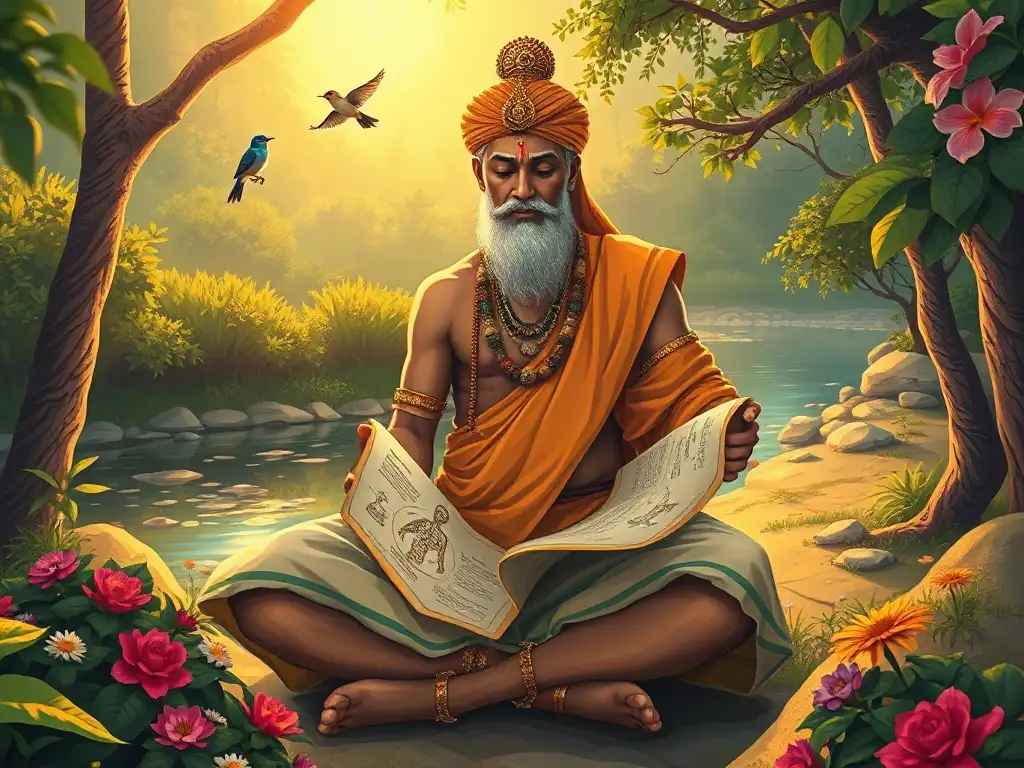
Ayurveda, often referred to as the "Science of Life," has its roots deeply embedded in the ancient Indian civilization, dating back over 5,000 years. It emerged during the Vedic period, a time characterized by the composition of sacred texts known as the Vedas, which laid the foundation for various aspects of Indian culture, including medicine. The term "Ayurveda" itself is derived from two Sanskrit words: "Ayur," meaning life, and "Veda," meaning knowledge or science. Thus, Ayurveda can be interpreted as the "knowledge of life."
The earliest references to Ayurvedic practices can be traced to the Rigveda, one of the oldest known scriptures. Within these texts, there are mentions of herbal medicines, surgical procedures, and the importance of a balanced lifestyle. Ayurveda is not merely a system of medicine; it encompasses a holistic approach to health, emphasizing the intricate connection between the body, mind, and spirit.
The concept of Tridosha, which consists of the three bodily humors—Vata, Pitta, and Kapha—was developed during this period. These doshas are believed to govern physiological functions and influence an individual's health and temperament. This foundational understanding of mind-body interactions would become a pivotal aspect of Ayurvedic healing practices.
Key Texts and Scriptures on Mind-Body Healing
Several key texts and scriptures have shaped the understanding and practice of Ayurveda, particularly concerning mind-body healing:
- Charaka Samhita: Compiled by the sage Charaka, this ancient text is one of the foundational pillars of Ayurveda. It discusses various aspects of health, disease, and treatments, focusing on the importance of balancing the mind and body. Charaka emphasizes the role of mental health in overall well-being, asserting that a sound mind is essential for a healthy body.
- Sushruta Samhita: Attributed to the sage Sushruta, this text is known for its detailed surgical techniques and comprehensive approach to medicine. It highlights the significance of a balanced psyche and its impact on physical health, detailing how emotional states can manifest as physical ailments.
- Ashtanga Hridayam: This text synthesizes the teachings of both Charaka and Sushruta, offering a comprehensive guide to Ayurvedic medicine. It explores the interplay between the mind and body, emphasizing that emotional well-being is crucial for physical health and vice versa.
These texts collectively underscore the Ayurvedic principle that the mind and body are interconnected, and that maintaining this connection is vital for achieving holistic health.
Influence of Ayurveda on Health Practices in Ancient India
Ayurveda's influence on health practices in ancient India was profound, shaping not only medical treatments but also lifestyle choices and societal norms. The holistic approach of Ayurveda encouraged individuals to pursue a balanced life, integrating physical, mental, and spiritual practices. Here are some key areas of influence:
- Diet and Nutrition: Ayurveda introduced the concept of Sattva (purity), Rajas (activity), and Tamas (inertia) in foods, which guided individuals in selecting appropriate diets based on their doshic constitution. This dietary wisdom is still relevant today, as it promotes mindful eating and the consumption of wholesome foods.
- Mindfulness and Meditation: Practices such as yoga and meditation, which are integral to Ayurveda, were utilized for enhancing mental clarity and emotional stability. Ancient texts advocate for daily meditation and mindfulness exercises to maintain mental health and achieve harmony within oneself.
- Detoxification and Rejuvenation: Ayurveda emphasized periodic detoxification through Panchakarma, a series of therapeutic procedures aimed at cleansing the body and balancing the doshas. This practice acknowledges the importance of mental clarity in physical healing, promoting overall well-being.
- Herbal Remedies: The use of herbs and natural remedies for treating various ailments was a cornerstone of Ayurvedic practice. Many of these remedies were designed not only to address physical symptoms but also to promote mental well-being.
Through these practices, Ayurveda laid the groundwork for a healthcare system that recognizes the importance of the mind-body connection, influencing generations in ancient India and beyond. Its teachings continue to resonate in contemporary wellness practices, reinforcing the timeless relevance of ancient Ayurveda mind-body healing.
Fundamentals of Ancient Ayurveda Mind-Body Healing

The Three Doshas: Vata, Pitta, and Kapha
In ancient Ayurveda, the concept of the three doshas—Vata, Pitta, and Kapha—serves as a fundamental framework for understanding the unique constitution of individuals and their responses to the environment. Each dosha represents a combination of the five elements: earth, water, fire, air, and ether. This triad not only influences physical health but also plays a significant role in mental and emotional well-being.
- Vata: Composed of air and ether, Vata governs movement and communication. Individuals with a dominant Vata dosha may exhibit traits such as creativity, enthusiasm, and quick thinking, but when imbalanced, they may experience anxiety, restlessness, or insomnia.
- Pitta: Dominated by fire and water, Pitta is associated with transformation and metabolism. Those with a strong Pitta influence tend to be ambitious, focused, and passionate, yet imbalances can lead to irritability, anger, and digestive issues.
- Kapha: Formed from earth and water, Kapha embodies stability and structure. People with a predominance of Kapha are often calm, nurturing, and loyal. However, an excess of Kapha can result in lethargy, attachment, and depression.
Recognizing one's dosha is vital in ancient Ayurveda mind-body healing, as it paves the way for tailored therapies that restore balance, promoting both physical and mental health.
Role of Prana and Consciousness in Healing
In the Ayurvedic paradigm, Prana—the vital life force—plays a crucial role in maintaining health and wellness. It is believed that Prana flows through the body via nadis (energy channels) and is essential for sustaining the mind-body connection.
- Pranayama: This ancient practice of breath control enhances the flow of Prana, promoting mental clarity and emotional stability. Techniques such as Nadi Shodhana (alternate nostril breathing) can harmonize the doshas and induce relaxation.
- Meditation: Engaging in meditation cultivates awareness of both the mind and body, allowing individuals to connect deeply with their inner selves. This conscious connection fosters healing by alleviating stress and anxiety, thus enhancing overall well-being.
Moreover, consciousness in Ayurveda is not merely a byproduct of the physical body but a vital component of the healing process. The integration of mind and body through conscious awareness ensures that healing is holistic, addressing the root causes of ailments rather than just the symptoms.
Ayurvedic Principles of Balance and Harmony
At the heart of ancient Ayurveda mind-body healing lies the pursuit of balance and harmony. This principle is rooted in the belief that health is a state of equilibrium among the doshas, the elements, and the individual’s environment.
- Diet: Ayurveda emphasizes the importance of a balanced diet that aligns with one’s dosha. For instance, a Vata individual may benefit from warm, oily foods, while a Pitta type should focus on cooling, hydrating options. Kapha types may thrive on light, stimulating fare to counteract heaviness.
- Lifestyle Practices: Daily routines, or Dinacharya, are tailored to support the natural rhythms of the body. Practices such as early rising, self-massage ( Abhyanga), and regular exercise contribute to maintaining harmony.
- Seasonal Adjustments: Ayurveda encourages adapting one’s lifestyle and diet to the changing seasons. For example, during the hot summer months, cooling practices and foods are recommended to balance Pitta.
The ancient wisdom of Ayurveda offers profound insights into the mind-body connection through its holistic approach to healing. By understanding the doshas, harnessing the power of Prana, and adhering to principles of balance and harmony, individuals can cultivate a state of well-being that resonates with both ancient traditions and modern living.
Practices of Mind-Body Healing in Ayurveda

Ayurveda, the ancient Indian system of medicine, emphasizes the interconnectedness of the mind and body. Recognizing that emotional and physical health are deeply intertwined, Ayurvedic practices aim to foster balance and harmony within individuals. The practices of mind-body healing in Ayurveda include meditation, yoga, and dietary considerations, each contributing uniquely to mental wellness and holistic health.
Meditation and Mindfulness Techniques
Meditation is a cornerstone of Ayurvedic mind-body healing, promoting mental clarity, emotional stability, and spiritual growth. Various techniques are employed, each serving different purposes:
- Mindfulness Meditation: This practice encourages individuals to focus on the present moment, cultivating awareness of thoughts, emotions, and bodily sensations. By acknowledging these experiences without judgment, practitioners can reduce stress and anxiety.
- Mantra Meditation: Utilizing specific sounds or phrases, this technique helps to center the mind and enhance concentration. The repetition of mantras can lead to profound states of tranquility and connection to the self.
- Guided Visualization: In this technique, practitioners visualize peaceful scenes or scenarios to promote relaxation and reduce mental clutter. This method is particularly effective for those seeking to alleviate stress and foster a positive mindset.
The benefits of meditation are well-documented, including improvements in mood, reductions in depressive symptoms, and enhanced cognitive function. Research indicates that regular meditation can positively affect the body's response to stress, ultimately supporting the principles of ancient Ayurveda mind-body healing.
Yoga: Bridging Mind and Body in Ayurveda
Yoga is an integral part of Ayurvedic practice, viewed as a holistic discipline that unites physical postures (asanas), breath control (pranayama), and meditation. The following aspects of yoga highlight its role in mind-body healing:
- Asanas: Physical postures help to improve flexibility, strength, and balance while also fostering a deeper connection between body and mind. Certain asanas are designed to stimulate specific energy centers (chakras), promoting emotional release and mental clarity.
- Pranayama: Breath control techniques enhance vital energy (prana) flow within the body. By regulating breath, practitioners can calm the mind, reduce anxiety, and improve overall emotional stability.
- Meditative Practices: Many yoga sessions incorporate meditation, reinforcing the connection between mental focus and physical movement. This synergy promotes a profound sense of inner peace and well-being.
Studies demonstrate that consistent yoga practice can lead to significant reductions in stress, anxiety, and depression, aligning perfectly with the goals of ancient Ayurveda mind-body healing.
Ayurvedic Diet and Its Influence on Mental Health
The Ayurvedic diet emphasizes the importance of nutrition in maintaining mental health and emotional balance. Key components include:
- Sattvic Foods: These are pure, wholesome foods that promote clarity and harmony, such as fresh fruits, vegetables, whole grains, and nuts. Sattvic diets are believed to enhance mental clarity and promote positive emotions.
- Balancing Doshas: Ayurveda identifies three primary doshas (Vata, Pitta, Kapha), each representing different physical and mental characteristics. An Ayurvedic diet tailors food choices to balance these doshas, which can lead to improved mental health and emotional well-being.
- Mindful Eating: Emphasizing the importance of being present during meals, Ayurveda advocates for mindful eating practices. This approach encourages individuals to savor their food, thereby enhancing digestion and promoting a positive relationship with nourishment.
Research suggests that a balanced diet, aligned with Ayurvedic principles, can positively influence mood and cognitive function. By understanding the relationship between food and mental health, individuals can harness the wisdom of ancient Ayurveda mind-body healing to foster emotional resilience and well-being.
The practices of mind-body healing in Ayurveda—encompassing meditation, yoga, and dietary strategies—offer profound insights into achieving holistic health. By integrating these ancient principles into modern living, individuals can cultivate a balanced and fulfilling life.
Modern Applications of Ancient Ayurveda Mind-Body Healing

Integrating Ayurvedic Practices into Contemporary Health
The integration of ancient Ayurveda mind-body healing into modern health practices presents a unique opportunity to enhance holistic well-being. Ayurveda, a system developed over 3,000 years ago, emphasizes the balance of body, mind, and spirit. Its principles resonate with contemporary health trends that prioritize overall wellness rather than merely addressing symptoms.
- Mindfulness and Meditation: Central to Ayurvedic practice is the concept of mindfulness, which is mirrored in modern mindfulness-based stress reduction (MBSR) techniques. Regular meditation encourages mental clarity, emotional stability, and stress reduction, aligning with findings from current psychological research.
- Dietary Adjustments: Ayurveda advocates for individualized diets based on one's dosha (body constitution), which can be adapted to modern nutritional science. For example, incorporating seasonal and local foods not only promotes health but also supports sustainability.
- Herbal Remedies: The use of herbs such as Ashwagandha and Brahmi in Ayurveda is gaining traction in modern herbal medicine. These adaptogens help reduce stress and improve cognitive function, echoing contemporary interests in natural supplements.
- Yoga and Physical Activity: The practice of yoga, deeply rooted in Ayurvedic philosophy, has been widely embraced in the West. Its physical postures, breathing techniques, and philosophical underpinnings contribute significantly to mental and physical health, making it a valuable tool in modern wellness regimes.
Case Studies: Success Stories of Mind-Body Healing
Several documented case studies illustrate the effectiveness of ancient Ayurveda mind-body healing practices in modern contexts. These success stories highlight the transformative potential of integrating Ayurveda into healthcare.
- Chronic Pain Management: A study involving patients with chronic pain conditions demonstrated significant improvements through a holistic Ayurvedic approach, which included dietary changes, yoga, and meditation. Participants reported reduced pain levels and improved quality of life.
- Mental Health: In another case, an individual suffering from anxiety and depression found relief through a combination of Ayurvedic herbal treatments and mindfulness practices. The patient experienced reduced anxiety symptoms and a more balanced emotional state after several weeks of treatment.
- Weight Management: A group of individuals participating in an Ayurvedic weight management program showed noteworthy results. By aligning their eating habits with their dosha and incorporating regular yoga sessions, they not only lost weight but also reported enhanced energy levels and mental clarity.
Scientific Validation of Ayurvedic Principles in Modern Medicine
Scientific inquiry into ancient Ayurveda mind-body healing has gained momentum, corroborating many traditional practices with modern medical research. Several studies have provided evidence supporting the efficacy of Ayurvedic principles:
- Stress Reduction: Research has shown that Ayurvedic practices, such as yoga and meditation, significantly reduce cortisol levels, a hormone associated with stress. This aligns with findings in stress physiology, emphasizing the mind-body connection.
- Gut Health: The Ayurvedic focus on digestion and gut health has found validation in modern gastroenterology. Probiotics, fermented foods, and dietary fibers promoted in Ayurveda are now acknowledged for their role in maintaining gut microbiome balance and overall health.
- Holistic Approaches: The integration of Ayurvedic methodologies into conventional treatment protocols has shown promising results in chronic diseases. For instance, combining Ayurvedic dietary recommendations with conventional treatments for diabetes has led to improved glycemic control in several clinical trials.
As modern medicine increasingly acknowledges the relevance of holistic, integrative approaches, the ancient wisdom of Ayurveda provides valuable insights into achieving balance and well-being through mind-body healing. By exploring and applying these principles, both individuals and healthcare practitioners can enhance health outcomes in today's fast-paced world.
Challenges and Misconceptions about Ayurveda

The practice of Ayurveda, particularly its approach to mind-body healing, has faced various challenges and misconceptions over the years. These misunderstandings often stem from a lack of familiarity with its principles and practices, as well as the contrast it presents to modern medical paradigms. Below, we delve into some of the most pressing misconceptions and challenges faced by Ayurveda today.
Common Myths Surrounding Ancient Ayurveda Mind-Body Healing
-
Lack of Scientific Evidence
One of the most prevalent myths is that Ayurveda lacks scientific backing. While it is true that some Ayurvedic practices may not have undergone rigorous clinical trials, many components of Ayurveda, particularly those related to mind-body healing, have been supported by research. For instance, studies have shown the efficacy of Ayurvedic practices like yoga and meditation in reducing stress and improving mental health.
-
Ayurveda is Just Herbal Medicine
Many people believe that Ayurveda is solely based on herbal remedies. While herbs play a significant role, Ayurveda encompasses a holistic approach, including dietary recommendations, lifestyle changes, and spiritual practices. The mind-body connection is a core aspect of Ayurveda, emphasizing the importance of mental health in physical well-being.
-
Ayurvedic Treatments are Infallible
Another misconception is that Ayurvedic treatments can cure all ailments. While Ayurveda offers valuable insights and therapies for various conditions, it is not a one-size-fits-all solution. Individual responses can vary greatly, and it is crucial to approach treatment with realistic expectations and an understanding of one's unique constitution (Prakriti).
-
Outdated and Irrelevant
Some skeptics view Ayurveda as an outdated system of medicine. However, ancient Ayurveda has proven to be remarkably adaptable, integrating modern findings with traditional practices. This synergy can provide a more comprehensive approach to health, particularly in the context of mental well-being.
-
Cultural Appropriation
As Ayurveda gains popularity in the West, concerns about cultural appropriation have emerged. It is essential to approach Ayurvedic practices with respect for their cultural origins and to acknowledge the wisdom of ancient Indian civilization that contributed to these healing methods.
Addressing Skepticism in Modern Health Communities
To bridge the gap between ancient Ayurveda and modern healthcare, it is vital to address skepticism through education and dialogue. Here are some strategies:
-
Promoting Research and Evidence-Based Practices
Increasing the number of clinical studies on Ayurvedic practices can help substantiate their benefits. For instance, randomized controlled trials demonstrating the effectiveness of Ayurvedic treatments for stress reduction or anxiety can foster trust in the community.
-
Integrating Ayurveda with Conventional Medicine
Collaborations between Ayurvedic practitioners and conventional healthcare providers can lead to a more holistic approach. Integrative clinics that offer both Ayurvedic and modern medical treatments allow patients to benefit from both worlds, facilitating a better understanding of Ayurvedic principles.
-
Educational Initiatives
Workshops, seminars, and online courses can help demystify Ayurveda and educate both practitioners and the public about its benefits. By sharing success stories and case studies, practitioners can illustrate the practical applications of Ayurveda in managing mental health.
-
Focus on Personalization
Emphasizing the personalized nature of Ayurvedic treatments can help counter the myth of a universal remedy. By tailoring treatments to individual constitutions and needs, Ayurveda can be positioned as a complementary approach to health rather than a replacement for conventional medicine.
-
Encouraging Open Dialogue
Promoting discussions between skeptics and advocates of Ayurveda can create a space for sharing experiences and knowledge. This dialogue can help dispel myths and foster a greater appreciation for the complexity of mind-body healing.
While there are challenges and misconceptions surrounding ancient Ayurveda mind-body healing, addressing these issues through education, research, and dialogue can pave the way for its acceptance and integration into modern health practices. By appreciating the depth and richness of Ayurveda, individuals can unlock a treasure trove of wisdom that continues to resonate in today's world.
Conclusion: Embracing Ancient Ayurveda for Holistic Well-Being

Embracing the principles of Ancient Ayurveda mind-body healing offers a pathway to enhance overall well-being by recognizing the interplay between mental and physical health. This holistic approach not only serves as a reminder of the wisdom accumulated over centuries but also provides practical tools for navigating the complexities of modern life. By integrating Ayurvedic practices, individuals can cultivate a balanced lifestyle that promotes mental clarity, emotional stability, and physical vitality.
The Relevance of Mind-Body Healing in Today’s Fast-Paced Life
In an era characterized by relentless hustle and constant connectivity, the relevance of mind-body healing cannot be overstated. Studies indicate that chronic stress, prevalent in contemporary society, can lead to a myriad of health issues, including anxiety, depression, and various chronic diseases. Ayurveda, with its holistic framework, emphasizes the importance of maintaining harmony among the body, mind, and spirit.
Key concepts in Ayurveda relevant to modern life include:
- Dosha Balancing: Understanding one’s unique dosha (body constitution) helps in tailoring lifestyle choices that promote balance and wellness.
- Mindful Eating: Incorporating the principles of Sattva (purity) ensures that the food consumed nourishes both body and mind, fostering mental clarity and emotional stability.
- Breath and Meditation: Techniques such as Pranayama (breath control) and meditation are integral in managing stress and enhancing mental focus.
By applying these ancient practices, individuals can effectively combat the negative impacts of a fast-paced life, enabling them to foster resilience and emotional well-being.
Final Thoughts on Integrating Ayurveda into Daily Practices
Integrating Ayurveda into daily practices does not require an overhaul of one’s lifestyle; rather, it can begin with small, intentional changes. Here are some practical steps to start the journey toward holistic wellness:
- Morning Routine: Establish a morning ritual that includes practices like tongue scraping and warm water with lemon to stimulate digestion.
- Mindful Movement: Engage in yoga or gentle exercises that not only strengthen the body but also enhance mental focus and emotional balance.
- Herbal Remedies: Incorporate Ayurvedic herbs such as Ashwagandha and Turmeric into your diet to support mental health and reduce inflammation.
| Practice | Benefits |
|---|---|
| Morning Rituals | Enhances digestion and sets a positive tone |
| Yoga | Improves flexibility and mental clarity |
| Herbal Remedies | Supports immune function and emotional health |
Incorporating these practices into daily routines can lead to profound benefits for both body and mind. As we reconnect with the ancient wisdom of Ayurveda, we can cultivate a lifestyle that not only honors our heritage but also empowers us to thrive in the present. Thus, embracing Ancient Ayurveda mind-body healing is not just a path to improved health; it is a journey toward holistic living that resonates with the essence of our true selves.
Frequently Asked Questions
What is Ancient Ayurveda?
Ancient Ayurveda is a traditional system of medicine that originated in India over 5,000 years ago, focusing on the balance of mind, body, and spirit for overall health.
How does Ayurveda relate to the mind-body connection?
Ayurveda emphasizes the interconnectedness of mental and physical health, advocating that emotional well-being can significantly influence physical health and vice versa.
What are the main principles of Ayurveda?
The main principles of Ayurveda include the concepts of the doshas (vata, pitta, kapha), prakriti (individual constitution), and the importance of lifestyle and diet in maintaining balance.
Can Ayurvedic practices help with modern health issues?
Yes, Ayurvedic practices such as herbal remedies, meditation, and yoga can provide effective natural solutions for various modern health challenges, promoting holistic well-being.
What is the relevance of Ayurveda in today's wellness culture?
Ayurveda is increasingly recognized for its emphasis on preventative health, offering valuable insights and methods that align well with contemporary wellness trends and holistic approaches to health.
Final Reflection: Embracing Ancient Ayurveda for Modern Mind-Body Healing
The teachings of Ayurveda remind us that the connection between mind and body is not just a concept but a vital aspect of our well-being. In today's fast-paced world, where stress and disconnection are rampant, the principles of ancient Ayurveda offer a path to holistic healing and balance. By understanding and nurturing this mind-body connection, we can cultivate a healthier, more harmonious life. The wisdom of Ayurveda is not merely historical; it is profoundly relevant in our contemporary quest for wellness and self-awareness.
The influence of Ayurveda on our cultural and social landscape is undeniable, as it continues to inspire individuals to seek a deeper understanding of themselves. The resurgence of interest in holistic practices reflects a collective yearning for balance and harmony in a chaotic world. As we navigate the complexities of modern living, the insights from Ayurveda serve as a guiding light. When we heal the mind, we heal the body; when we heal the body, we heal the mind.
This interconnectedness emphasizes that our journey toward wellness is not just physical but deeply rooted in our mental and emotional states.
As you reflect on the teachings of Ayurveda, I invite you to explore how these ancient practices can enrich your own life. Consider integrating mindfulness, meditation, and Ayurvedic principles into your daily routine. By doing so, you can foster a profound connection between your mind and body, leading to a more balanced and fulfilling existence. Let the wisdom of Ayurveda inspire you to embark on a journey of self-discovery and healing, allowing the ancient practices to illuminate your path toward modern well-being.
Embrace Your Mind-Body Harmony Today!
Thank you for taking the time to explore the fascinating connection between Ayurveda and the mind-body synergy. By engaging with this ancient wisdom, you’ve unlocked valuable insights that can enhance your modern life. Now it's time to put that knowledge into action!
Here are a few practical steps you can take to cultivate your mind-body connection today:
- Start a Daily Meditation Practice: Dedicate just 10 minutes each day to meditation. Focus on your breath and release stress to awaken your inner peace.
- Integrate Ayurvedic Practices: Consider adding a nourishing Ayurvedic meal to your diet this week. Experiment with spices that promote balance and wellness.
- Join a Community: Connect with individuals who share your interest in Ayurveda. Attend local workshops or participate in online forums to exchange experiences and deepen your understanding.
What unique practices will you implement this week to enhance your mind-body connection?