
Ancient Ayurvedic Practices to Boost Immunity and Vitality

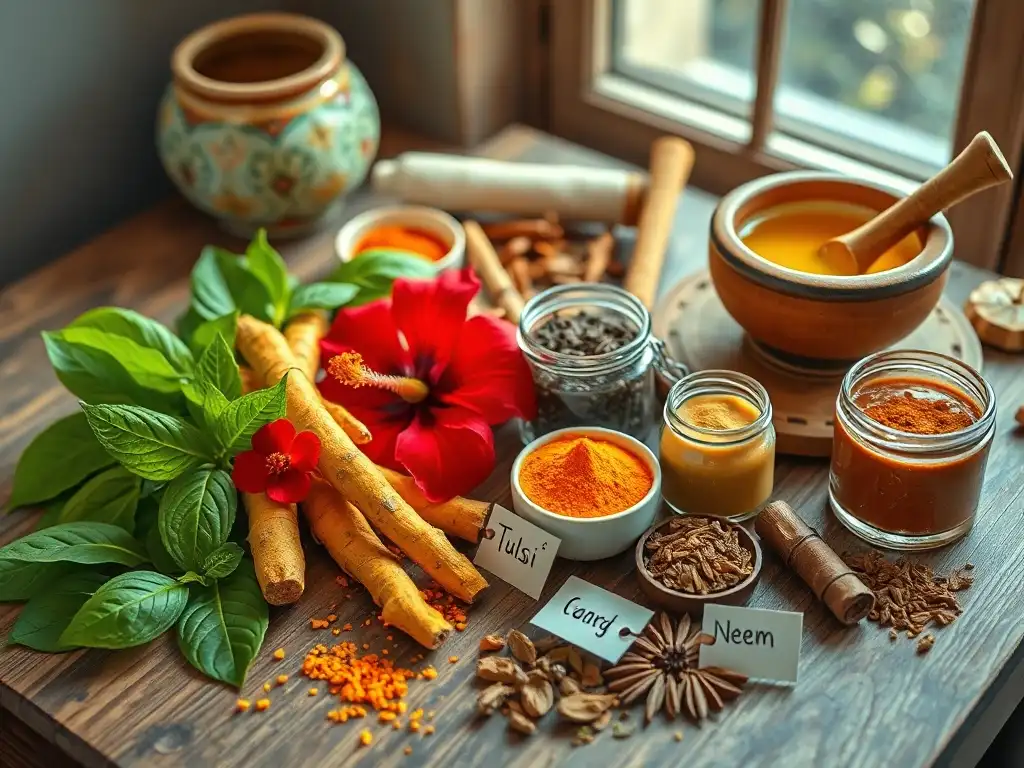
Welcome to Ancient India History, where we embark on an enlightening journey through the vibrant tapestry of ancient Indian civilizations. Delve into the profound wisdom of Ancient Ayurvedic immunity boosting practices, a treasure trove of knowledge that has shaped health and wellness for centuries. Discover how these age-old techniques can enhance your vitality and resilience, and find out what timeless secrets lie within the pages of history.
Are you ready to unlock the mysteries of Ayurveda and its powerful role in maintaining health? Join us as we explore the fascinating intersection of science and medicine in the realm of ancient practices!
- Introduction to Ancient Ayurvedic Practices for Immunity and Vitality
- Understanding Ancient Ayurvedic Immunity Boosting Practices
- Core Components of Ancient Ayurvedic Immunity Boosting Practices
- Popular Ancient Ayurvedic Remedies for Strengthening Immunity
- Integrating Ancient Ayurvedic Immunity Boosting Practices into Modern Life
- Case Studies: Successful Applications of Ayurvedic Practices
- Conclusion: The Enduring Legacy of Ancient Ayurvedic Immunity Boosting Practices
- Frequently Asked Questions
- Final Reflection: Embracing Ancient Wisdom for Modern Wellness
- Awaken Your Wellness: Take Charge of Your Vitality!
Introduction to Ancient Ayurvedic Practices for Immunity and Vitality
The rich tapestry of ancient Indian civilization offers a profound understanding of health and wellness, especially through the lens of Ayurveda. This ancient system of medicine, which has flourished for thousands of years, emphasizes a holistic approach to health, intertwining the physical, mental, and spiritual aspects of well-being. Central to Ayurveda is the concept of immunity and vitality, which are viewed as essential for maintaining balance and harmony within the body. In this article, we will explore ancient Ayurvedic practices specifically designed to boost immunity and enhance vitality, revealing how these time-honored methods remain relevant in today's health-conscious world.
Overview of Ayurveda and Its Significance in Ancient India
Ayurveda, derived from the Sanskrit words "Ayur" (life) and "Veda" (knowledge), translates to "the knowledge of life." This ancient science encompasses a comprehensive understanding of human physiology, nutrition, herbal medicine, and lifestyle practices. The origins of Ayurveda can be traced back to the Vedic texts, which date as far back as 1500 BCE. It was developed by sages and scholars who observed the natural world and its interplay with human health.
The significance of Ayurveda in ancient India lies in its holistic approach. Unlike conventional medicine, which often treats symptoms in isolation, Ayurveda seeks to address the root causes of ailments. It integrates the concepts of the five elements (earth, water, fire, air, and space) and the three doshas (Vata, Pitta, and Kapha), which represent the unique combination of physical and psychological characteristics in individuals. By understanding one's dosha, Ayurvedic practitioners can tailor personalized strategies to enhance overall health and well-being.
Importance of Immunity and Vitality in Ancient Ayurvedic Philosophy
In Ayurvedic philosophy, immunity, or "Ojas," is not merely the absence of disease but a state of optimal health and vitality. Ojas is considered the essence of health, reflecting the body's resilience and ability to adapt to environmental stressors. A strong immune system is vital for preventing illness and ensuring longevity.
Vitality, on the other hand, encompasses physical strength, mental clarity, and emotional stability. Ancient Ayurvedic texts emphasize that maintaining vitality is essential for achieving a balanced life. Practices such as meditation, yoga, proper nutrition, and herbal remedies are integral to cultivating both immunity and vitality.
The ancient sages recognized that the mind and body are interconnected; therefore, psychological well-being is equally important for sustaining physical health. Techniques such as pranayama (breath control) and dhyana (meditation) are recommended to alleviate stress and enhance mental resilience, further supporting the immune system.
By exploring these ancient Ayurvedic immunity-boosting practices, we can gain insights into how they contribute to a holistic lifestyle that promotes health and longevity, reflecting the wisdom of ancient Indian civilization in our modern lives.
Understanding Ancient Ayurvedic Immunity Boosting Practices

Definition of Immunity in Ayurveda
In Ayurveda, immunity is referred to as "Ojas," which signifies a vital essence that promotes health, vitality, and overall well-being. Ojas is considered the end product of digestion and is believed to be directly linked to the body’s strength and resistance against diseases. The concept of Ojas encompasses both physical and mental immunity, reflecting a holistic approach to health.
Ayurveda categorizes immunity into three types:
- Sahaja Ojas - Innate immunity that one is born with.
- Agni Ojas - The strength derived from proper digestion and metabolic processes.
- Kshayaja Ojas - Acquired immunity that can be built through lifestyle and dietary choices.
According to ancient Ayurvedic texts, maintaining a balance of these types of Ojas is crucial for enhancing the body's natural defenses. Practices such as proper diet, herbal remedies, and lifestyle adjustments are all aimed at nurturing and boosting Ojas, thus fortifying immunity.
Ayurveda is grounded in several key principles that contribute to health and wellness, particularly in enhancing immunity. These principles guide individuals toward a lifestyle that supports a strong immune system:
- Balance of Doshas: Ayurveda identifies three doshas— Vata, Pitta, and Kapha—which correspond to different physical and emotional characteristics. A balanced dosha profile is essential for optimal health and vitality. An imbalance can lead to a weakened immune system.
- Digestion (Agni): The concept of Agni (digestive fire) is central to Ayurveda. A strong Agni is crucial for proper digestion, absorption of nutrients, and elimination of toxins (Ama). Enhancing Agni through specific dietary choices can significantly boost immunity.
- Diet (Ahara): Ayurvedic dietary practices emphasize fresh, whole foods that are seasonal and locally sourced. Foods rich in vitamins, minerals, and antioxidants, such as turmeric, ginger, and leafy greens, are recommended to enhance Ojas and support immunity.
- Lifestyle (Vihara): Lifestyle choices, including sleep, exercise, and stress management, play a vital role in maintaining health. Regular physical activity, adequate sleep, and mindfulness practices such as yoga and meditation can enhance overall well-being and immunity.
- Herbal Remedies: Ayurveda utilizes a variety of herbs known for their immunomodulatory properties. Examples include Tulsi (Holy Basil), Ashwagandha, and Amla. These herbs are often incorporated into daily routines to strengthen the immune system and promote vitality.
By understanding these ancient Ayurvedic principles, individuals can adopt practices that not only boost immunity but also contribute to long-term health and vitality. The emphasis on holistic well-being, rather than just the absence of disease, is what sets Ayurvedic practices apart in the quest for enhanced immunity.
Core Components of Ancient Ayurvedic Immunity Boosting Practices

Dietary Practices for Enhancing Immunity
Ayurveda emphasizes the importance of diet as a fundamental pillar for boosting immunity and promoting overall health. The ancient texts highlight specific food groups and preparation methods that play a crucial role in enhancing the body's defenses.
Use of Herbs and Spices for Immune Support
Incorporating herbs and spices into daily meals is a cornerstone of Ayurvedic dietary practices. Here are some key herbs known for their immune-enhancing properties:
- Turmeric (Curcuma longa): Renowned for its anti-inflammatory and antioxidant effects, turmeric contains curcumin, which is believed to bolster the immune system.
- Ginger (Zingiber officinale): This potent root helps to enhance digestion and circulation while also possessing antimicrobial properties that can fight infections.
- Tulsi (Holy Basil): Considered a sacred herb, tulsi is valued for its adaptogenic properties, helping the body cope with stress and enhancing immune function.
- Black Pepper (Piper nigrum): Often used alongside turmeric, black pepper enhances the bioavailability of curcumin and possesses anti-inflammatory benefits.
These herbs can be easily integrated into daily meals, teas, or herbal concoctions, creating a flavorful approach to immunity support.
Ayurvedic Superfoods for Vitality
In addition to herbs and spices, certain foods are classified as Ayurvedic superfoods due to their nutrient density and health benefits:
- Ghee (Clarified Butter): Rich in healthy fats and vitamins, ghee supports digestion and absorption of nutrients, which is crucial for a robust immune system.
- Mung Beans: Light yet nourishing, mung beans are easy to digest and provide protein, fiber, and essential vitamins. They are often used in detoxifying diets.
- Amla (Indian Gooseberry): High in vitamin C, amla is a powerful antioxidant that strengthens the body's defenses against diseases while promoting skin health.
- Quinoa: This ancient grain is a complete protein source and contains essential amino acids, making it an excellent addition to an immunity-boosting diet.
Incorporating these superfoods into your diet can significantly enhance vitality and overall health.
Lifestyle Practices to Promote Immunity
Lifestyle practices in Ayurveda extend beyond diet and encompass daily routines that contribute to a balanced and healthy life, ultimately boosting immunity.
Daily Routines (Dinacharya) for Optimal Health
Dinacharya refers to the daily regimen that optimizes health and well-being. Here are some key components:
- Waking Up Early: Rising with the sun helps synchronize the body's internal clock, promoting overall balance.
- Hydration: Starting the day with warm water or herbal teas aids in digestion and detoxification.
- Yoga and Meditation: Engaging in regular yoga and meditation practices reduces stress, enhances mental clarity, and supports emotional well-being, all of which are vital for a strong immune system.
- Balanced Meals: Eating meals at consistent times and focusing on whole, seasonal foods promotes digestion and nutrient absorption.
Implementing these daily practices fosters a harmonious lifestyle that enhances immunity.
Seasonal Routines (Ritucharya) and Their Impact on Immunity
Ritucharya involves adjusting lifestyle and dietary choices according to the seasons to maintain health and harmony with nature. Each season presents unique challenges and opportunities for immunity enhancement:
- Spring (Vasanta): Focus on cleansing foods like leafy greens and light grains to detoxify the body after winter.
- Summer (Grishma): Stay hydrated and consume cooling foods such as cucumbers and melons to combat heat and maintain balance.
- Autumn (Sharad): Emphasize nourishing foods rich in vitamins and minerals to prepare the body for the colder months ahead.
- Winter (Hemanta): Incorporate warming spices and hearty meals to strengthen the immune system against seasonal illnesses.
Understanding and adapting to the rhythms of nature through ritucharya can significantly boost immunity and vitality throughout the year.
Mental and Emotional Well-being in Ayurveda
In Ayurveda, mental and emotional well-being is considered as crucial as physical health. The ancient Indian system of medicine believes that a balanced mind leads to a balanced body, thereby enhancing overall immunity and vitality. The concept of Sattva, or mental clarity, plays a pivotal role in Ayurvedic philosophy. It emphasizes the importance of a serene mind, which can be achieved through various practices that promote emotional stability and mental resilience.
The Ayurvedic perspective categorizes emotions into three gunas (qualities): Sattva (purity), Rajas (activity), and Tamas (inertia). A predominance of Sattva is essential for optimal health, as it fosters feelings of joy, peace, and contentment. To cultivate Sattva, Ayurveda recommends lifestyle adjustments, including a balanced diet rich in fresh, wholesome foods, regular physical activity, and engaging in practices that enhance mental focus.
Incorporating rituals such as pranayama (breath control) and daily affirmations can also significantly improve one's emotional state. Furthermore, Ayurveda places great importance on social connections and community, advocating for harmonious relationships as a foundation for mental wellness. By nurturing emotional health through these practices, individuals can enhance their immunity and vitality substantially.
The Role of Meditation and Yoga in Boosting Vitality
Meditation and yoga are central to ancient Ayurvedic immunity boosting practices, recognized for their profound effects on mental clarity and physical health. Regular practice of meditation not only calms the mind but also enhances the body’s ability to combat stress, which is a vital contributor to weakened immunity. Through meditation, individuals can experience a state of mindfulness that allows them to connect deeply with their inner selves, facilitating a balanced emotional state.
Yoga, on the other hand, combines physical postures (asanas), breath control (pranayama), and meditation to create a holistic approach to well-being. The asanas improve blood circulation, enhance flexibility, and strengthen the immune system by promoting the efficient functioning of various organs. Specific yoga poses, such as Bhujangasana (Cobra Pose) and Paschimottanasana (Seated Forward Bend), are particularly beneficial in boosting vitality by stimulating the digestive system and improving respiratory function.
Furthermore, both meditation and yoga encourage the release of endorphins, which are natural mood lifters. This release not only helps combat anxiety and depression but also plays a crucial role in increasing resilience against diseases. By incorporating these practices into daily life, individuals can cultivate a sense of peace and vitality, significantly enhancing their immune response.
Stress Management Techniques from Ancient Practices
Ancient Ayurvedic texts outline several effective stress management techniques that are essential for maintaining immunity and overall health. Stress, often referred to as a silent killer, is known to compromise the immune system, leading to various health issues. Ayurveda emphasizes that understanding one's body constitution (Prakriti) is vital for selecting the appropriate stress management techniques.
One prominent technique is Abhyanga, or self-massage with warm oils, which not only promotes relaxation but also improves circulation and lymphatic drainage. Regularly practicing Abhyanga helps in grounding the mind and body, alleviating stress, and enhancing vitality.
Another ancient practice is Shirodhara, a therapeutic procedure where a steady stream of oil is poured on the forehead. This technique calms the nervous system, reduces anxiety, and improves mental clarity. Additionally, Ayurveda suggests incorporating herbal adaptogens like Ashwagandha and Brahmi, known for their ability to help the body adapt to stress and restore balance.
Mindful breathing exercises, or Nadi Shodhana (alternate nostril breathing), are also recommended to regulate the nervous system and promote mental tranquility. By integrating these ancient stress management techniques into daily routines, individuals can significantly enhance their resilience and boost their overall immunity and vitality.
Popular Ancient Ayurvedic Remedies for Strengthening Immunity

Herbal Formulations and Their Benefits
Ayurveda, the ancient Indian system of medicine, emphasizes the use of natural herbs and formulations to enhance the body's vitality and bolster its immune response. Various herbs have been documented in Ayurvedic texts for their remarkable health benefits. Below are some of the most popular herbal formulations known for their immunity-boosting properties.
Turmeric (Curcuma longa) and Its Immunomodulatory Effects
Turmeric, often referred to as the "golden spice," is renowned for its active compound, curcumin. This phytochemical possesses potent anti-inflammatory and antioxidant properties, which are crucial for maintaining immune health. Research indicates that curcumin can modulate the immune system by:
- Enhancing the Function of Immune Cells: Curcumin boosts the activity of T-cells and natural killer (NK) cells, essential components of the immune response.
- Reducing Inflammation: By inhibiting pro-inflammatory cytokines, turmeric helps to prevent chronic inflammation that can weaken immunity.
- Supporting Gut Health: A healthy gut microbiome is vital for immunity, and turmeric acts as a prebiotic, promoting the growth of beneficial gut bacteria.
Incorporating turmeric into daily diets can be as simple as adding it to curries, smoothies, or even warm milk, known as "golden milk."
Amla (Emblica officinalis) as a Potent Antioxidant
Amla, or Indian gooseberry, is revered in Ayurveda for its high vitamin C content and its powerful antioxidant properties. Known for its ability to improve overall health, amla plays a significant role in bolstering immunity through:
- Rich Antioxidant Profile: Amla contains polyphenols, flavonoids, and tannins, which combat oxidative stress and protect cells from damage.
- Enhancing Liver Function: A healthy liver is integral to detoxification and immune function. Amla supports liver health, thus indirectly boosting immunity.
- Promoting Healthy Inflammatory Response: The anti-inflammatory properties of amla help in maintaining balanced immune responses, preventing overreactions that can lead to autoimmune disorders.
Amla can be consumed in various forms, including fresh fruit, juice, powder, or as churna (a powdered herbal mix).
Traditional Practices to Enhance Immune Response
In addition to herbal formulations, Ayurveda also emphasizes traditional practices that contribute to strengthening one's immunity. These practices, rooted in ancient wisdom, promote holistic health and well-being.
Oil Pulling (Gandusha) for Detoxification
Oil pulling, known as Gandusha in Ayurveda, is an ancient oral detoxification method. By swishing oil in the mouth for 10-20 minutes, this practice is believed to:
- Eliminate Toxins: Oil pulling helps remove harmful bacteria and toxins from the oral cavity, reducing the burden on the immune system.
- Enhance Oral Health: A healthy mouth contributes to overall health. Regular practice can decrease the risk of gum disease and cavities, which can otherwise contribute to systemic inflammation.
- Boost Overall Immunity: By promoting a cleaner oral environment, oil pulling can indirectly enhance the body's immune response.
Common oils used for this practice include sesame oil and coconut oil, both known for their antimicrobial properties.
Nasya (Nasal Therapy) for Respiratory Health
Nasya, a traditional Ayurvedic practice, involves administering herbal oils or powders through the nasal passages. This therapy is particularly beneficial for:
- Clearing Nasal Passages: Nasya helps in decongesting the sinuses, ensuring better airflow and reducing the likelihood of respiratory infections.
- Supporting Brain Health: It is believed that nasal therapy enhances cognitive function and clarity by nourishing the brain tissues.
- Strengthening the Respiratory System: Regular practice of Nasya can help in preventing colds, allergies, and other respiratory ailments, thereby fortifying overall immunity.
Common substances used in Nasya include sesame oil infused with herbs and essential oils, tailored to the individual's constitution.
Incorporating these ancient Ayurvedic immunity-boosting practices into daily life can significantly contribute to overall health and wellness, promoting a robust immune system ready to fend off ailments.
Integrating Ancient Ayurvedic Immunity Boosting Practices into Modern Life
Adapting Ancient Wisdom to Contemporary Health Needs
The ancient practices of Ayurveda offer a treasure trove of knowledge aimed at enhancing immunity and vitality. To integrate these Ancient Ayurvedic immunity boosting practices into modern life, one must first understand the core principles of Ayurveda. This holistic system emphasizes balance among the body's three doshas: Vata, Pitta, and Kapha. Each individual has a unique constitution, and personalizing Ayurvedic practices according to one's dosha can significantly improve health outcomes.
- Dietary Adjustments:
- Incorporate seasonal and local foods that support digestive health, known as Agni. This includes:
- Fresh fruits and vegetables
- Whole grains, such as quinoa and brown rice
- Spices like turmeric, ginger, and black pepper that enhance immunity
- Consider adopting a primarily plant-based diet, as it aligns with Ayurvedic principles and offers a variety of nutrients essential for immune function.
- Incorporate seasonal and local foods that support digestive health, known as Agni. This includes:
- Herbal Remedies:
- Integrate powerful Ayurvedic herbs:
- Tulsi (Holy Basil): Known for its adaptogenic properties, it helps the body cope with stress while enhancing immune response.
- Ashwagandha: This adaptogen is beneficial for reducing inflammation and boosting energy levels.
- Amla (Indian Gooseberry): A rich source of Vitamin C, it enhances immunity and promotes overall health.
- Integrate powerful Ayurvedic herbs:
- Mindfulness and Meditation:
- Ancient Ayurvedic texts emphasize the importance of mental health in maintaining a robust immune system. Practices such as meditation, yoga, and pranayama (breath control) are not just beneficial for mental clarity but also play a crucial role in reducing stress and enhancing overall vitality.
Creating a Balanced Ayurvedic Lifestyle for Enhanced Immunity
To truly harness the benefits of Ancient Ayurvedic immunity boosting practices, one must strive for a balanced lifestyle that encompasses various elements of daily living. Here are essential components to consider:
- Daily Routine (Dinacharya):
- Establish a consistent daily routine that includes:
- Waking up early to align with nature’s rhythms.
- Engaging in morning rituals, such as tongue scraping and oil pulling.
- Practicing yoga and meditation to center the mind and body.
- Establish a consistent daily routine that includes:
- Seasonal Changes (Ritucharya):
- Acknowledge the changing seasons and adjust your lifestyle accordingly:
- During the winter months, focus on warming foods and practices, while summer should emphasize cooling techniques.
- This adaptability helps maintain balance and boosts immunity through seasonal variations.
- Acknowledge the changing seasons and adjust your lifestyle accordingly:
- Proper Sleep:
- Ayurveda regards adequate sleep as critical for a healthy immune system. Aim for 7-8 hours of restful sleep each night, promoting recovery and rejuvenation.
- Hydration:
- Drink warm water infused with lemon or ginger throughout the day to aid digestion and flush out toxins. Herbal teas like chamomile or peppermint can also be beneficial.
- Community and Relationships:
- Maintain social connections and supportive relationships, as Ayurveda acknowledges that emotional well-being is interconnected with physical health.
By integrating these Ancient Ayurvedic immunity boosting practices into daily life, individuals can cultivate a robust immune system and enhance their overall vitality, making ancient wisdom relevant in contemporary health practices.
Case Studies: Successful Applications of Ayurvedic Practices
Historical Examples of Immunity Enhancement in Ancient Societies
Throughout history, ancient Indian civilizations have employed Ayurvedic practices to enhance immunity and overall vitality. The foundational texts of Ayurveda, such as the Charaka Samhita and the Sushruta Samhita, provide detailed accounts of various methods that were utilized to bolster health and prevent diseases.
Key Historical Practices
- Dietary Regimens:
- Ancient texts emphasized the importance of a balanced diet tailored to individual constitutions (Prakriti). Specific foods were believed to enhance immunity, such as:
- Turmeric: Known for its anti-inflammatory properties.
- Ginger: Valued for its ability to stimulate digestion and improve circulation.
- Honey: Used as a natural sweetener and healing agent.
- Ancient texts emphasized the importance of a balanced diet tailored to individual constitutions (Prakriti). Specific foods were believed to enhance immunity, such as:
- Herbal Formulations:
- Various herbs were combined to create potent formulations aimed at boosting immunity. For example:
- Chyawanprash: A traditional herbal jam containing amla (Indian gooseberry), which is rich in vitamin C and antioxidants.
- Ashwagandha: Known for its adaptogenic properties, helping the body resist stress and enhance overall vitality.
- Various herbs were combined to create potent formulations aimed at boosting immunity. For example:
- Lifestyle Practices:
- Regular practices such as yoga and meditation were integral to ancient Ayurvedic protocols. These activities were believed to:
- Reduce stress, which is linked to weakened immunity.
- Improve physical fitness and mental clarity, contributing to a balanced lifestyle.
- Regular practices such as yoga and meditation were integral to ancient Ayurvedic protocols. These activities were believed to:
- Seasonal Adjustments:
- Ayurvedic practices also included seasonal routines (Ritucharya) that dictated dietary and lifestyle changes according to the climatic conditions. This adaptability aimed to strengthen the body's resilience against seasonal illnesses.
Through these practices, ancient societies not only enhanced individual health but also fostered community resilience against epidemics and diseases.
Modern Testimonials on the Effectiveness of Ayurvedic Practices
In contemporary times, many individuals and health practitioners are turning to ancient Ayurvedic immunity boosting practices, resulting in a resurgence of interest in these traditional methods. Testimonials from modern users underscore the effectiveness of these time-tested practices in promoting health and vitality.
Real-Life Experiences
-
Case Study: Immune Support During Flu Season:
- A recent study involving participants who incorporated Ayurvedic herbs such as Tulsi (Holy Basil) and Turmeric into their daily regimen reported a significant reduction in flu-like symptoms during peak seasons. Participants noted:
- Improved respiratory function.
- Enhanced recovery time from common colds.
- A recent study involving participants who incorporated Ayurvedic herbs such as Tulsi (Holy Basil) and Turmeric into their daily regimen reported a significant reduction in flu-like symptoms during peak seasons. Participants noted:
-
Testimonial: Managing Stress and Immunity:
-
Many individuals have shared their positive experiences with incorporating daily meditation and yoga into their routines. A participant stated:
Since I started my morning routine with yoga and meditation, I’ve noticed not only a boost in my mood but also a significant decrease in the frequency of illnesses.
-
-
Community Health Initiatives:
- Various wellness centers and community health programs have successfully implemented Ayurvedic practices to enhance collective immunity. Programs focusing on diet, herbal remedies, and lifestyle modifications have:
- Reported lower incidence of chronic illnesses among participants.
- Improved overall community health metrics.
- Various wellness centers and community health programs have successfully implemented Ayurvedic practices to enhance collective immunity. Programs focusing on diet, herbal remedies, and lifestyle modifications have:
Conclusion
The integration of ancient Ayurvedic immunity boosting practices in modern health regimes demonstrates the timeless relevance of these methods. As more individuals share their transformative experiences, the ancient wisdom of Ayurveda continues to inspire a holistic approach to health and well-being.
Conclusion: The Enduring Legacy of Ancient Ayurvedic Immunity Boosting Practices

The rich tapestry of ancient Ayurvedic practices offers a wealth of knowledge and techniques aimed at enhancing immunity and vitality. By blending natural remedies, lifestyle adjustments, and dietary recommendations, Ayurveda presents a holistic approach that has stood the test of time. The methods outlined throughout this article, from herbal formulations to specific daily routines, highlight the intricate understanding ancient Indian civilizations had regarding the body and its connection to overall health.
Summary of Key Points on Immunity and Vitality
- Holistic Approach: Ayurveda emphasizes a harmonious balance between the mind, body, and spirit, which is crucial for maintaining robust immunity.
- Herbal Remedies: Key herbs such as Tulsi (Holy Basil) and Ashwagandha are revered for their immunity-boosting properties, with studies showing their effectiveness in enhancing bodily defenses against various ailments.
- Dietary Practices: The Ayurvedic diet promotes seasonal eating and the incorporation of immunity-enhancing foods like Turmeric and Ginger, which possess anti-inflammatory and antioxidant properties.
- Lifestyle Routines: Practices like Dinacharya (daily routine) and Ritucharya (seasonal regimen) are designed to align the body’s rhythms with natural cycles, thereby optimizing health and vitality.
- Mind-Body Connection: Stress-reduction techniques such as Yoga and Meditation are integral to Ayurveda, underscoring the importance of mental well-being in the maintenance of physical health.
Overall, the ancient Ayurvedic practices provide a comprehensive framework for boosting immunity and enhancing vitality, rooted in centuries of observation and experience.
Encouragement to Explore Ayurveda for Health and Wellness
As we continue to navigate the complexities of modern health challenges, revisiting ancient wisdom can offer profound insights. Exploring Ayurveda can empower individuals to take charge of their health through informed choices and time-tested practices. Whether you are seeking to boost your immunity, improve your overall vitality, or simply integrate a more holistic perspective into your wellness journey, the teachings of Ayurveda provide valuable resources.
💡 Consider the following steps to start your Ayurvedic journey:
- Consult an Ayurvedic Practitioner: Gain personalized insights and recommendations based on your unique dosha (body constitution).
- Incorporate Ayurvedic Herbs: Start with commonly used herbs that you can easily add to your diet.
- Adopt Daily Rituals: Implement simple daily routines that align with Ayurvedic principles to enhance your overall well-being.
- Educate Yourself: Read books and resources on Ayurveda to deepen your understanding and appreciation of its practices.
In essence, embracing Ancient Ayurvedic immunity boosting practices can lead to a more vibrant and healthier life, echoing the wisdom of our ancestors while addressing contemporary health needs. 🌿
Frequently Asked Questions
What are Ancient Ayurvedic practices for boosting immunity?
Ancient Ayurvedic practices include herbal remedies, dietary adjustments, and lifestyle changes aimed at enhancing the body's natural defenses and overall vitality.
How does Ayurveda define immunity?
In Ayurveda, immunity is referred to as Ojas, which represents the essence of health and vitality, providing the body with the ability to resist disease and maintain balance.
What are some key herbs used in Ayurveda for immunity?
Key herbs include Tulsi (Holy Basil), Ashwagandha, and Turmeric, which are known for their anti-inflammatory and antioxidant properties, contributing significantly to enhanced immunity.
How can diet affect immunity according to Ayurveda?
Ayurveda emphasizes a balanced diet rich in whole foods and spices that support digestion and detoxification, crucial for maintaining a strong immune system.
Are there specific lifestyle practices recommended in Ayurveda to boost immunity?
Yes, Ayurveda recommends practices such as yoga, meditation, and maintaining a regular sleep schedule to promote overall well-being and enhance immune function.
Final Reflection: Embracing Ancient Wisdom for Modern Wellness
In a world increasingly focused on quick fixes and immediate results, the significance of ancient Ayurvedic immunity-boosting practices resonates more than ever. These time-honored traditions remind us that true health is not merely the absence of illness but a holistic state of balance and vitality. As we navigate the complexities of modern life, integrating these practices can empower us to cultivate resilience and well-being in our daily routines.
The influence of Ayurveda extends beyond individual health; it shapes our cultural and social landscapes by promoting a deeper understanding of wellness that encompasses mind, body, and spirit. By reconnecting with these ancient teachings, we not only honor our heritage but also foster a community that values holistic health. The greatest wealth is health.
- Virgil. This quote encapsulates the essence of Ayurveda, urging us to prioritize our well-being as a foundation for a fulfilling life.
As you reflect on the insights shared in this article, I invite you to consider how you can incorporate these ancient practices into your own life. Whether it's through mindful eating, herbal remedies, or daily rituals, each small step can lead to profound changes in your health and vitality. Embrace the wisdom of Ayurveda, and let it guide you on a journey toward a more vibrant and resilient self. Your path to wellness begins with the choices you make today.
Awaken Your Wellness: Take Charge of Your Vitality!
Thank you for diving into the ancient wisdom of Ayurveda with us! By exploring these time-tested practices, you’ve taken a valuable step towards enhancing your immunity and overall well-being. Now, it's time to turn this knowledge into action.
Here’s how you can start your journey to better health today:
- Embrace a Daily Routine: Begin integrating a simple Ayurvedic practice into your morning routine, such as drinking warm lemon water or doing yoga stretches. This small change can lead to significant improvements in your vitality.
- Explore Ayurvedic Herbs: Research two well-known herbs renowned for their immunity-boosting properties, such as Ashwagandha or Tulsi, and try incorporating them into your diet.
- Share Your Journey: Connect with friends or family by sharing this article or discussing your new practices. You can spark a dialogue about health and wellness within your community.
What’s the first Ayurvedic practice you’re excited to incorporate into your daily life? Let's inspire each other in the comments below!