
Women in Ancient Indian Society: Balancing Religion with Daily Life

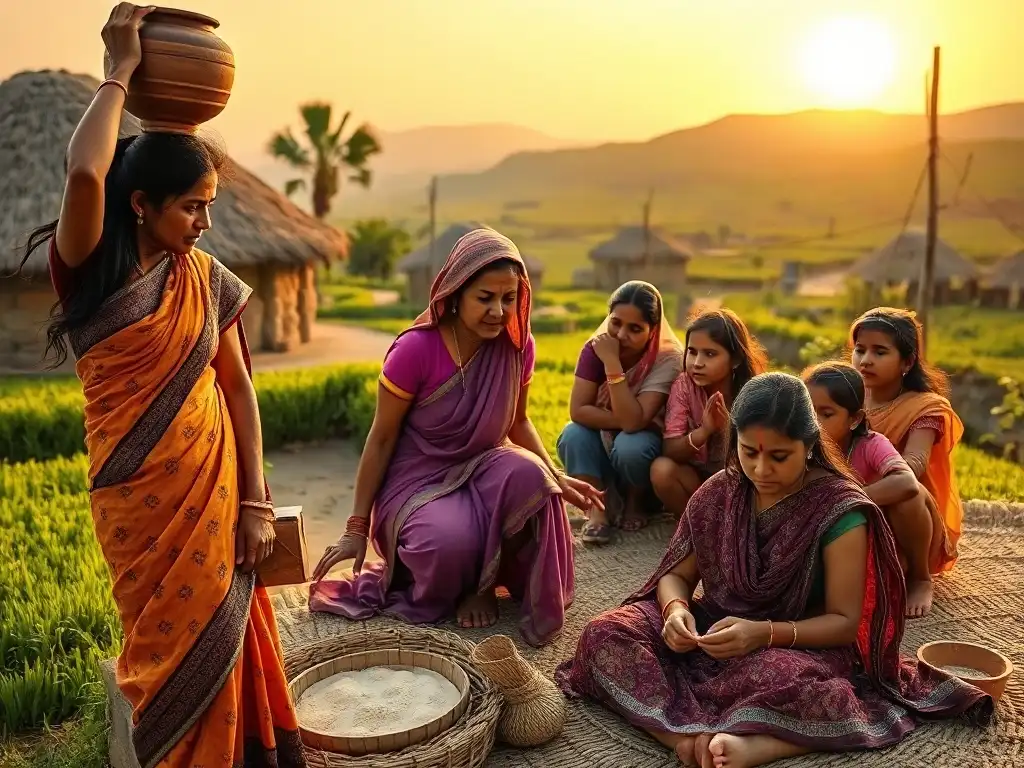
Welcome to Ancient India History, where we embark on a fascinating journey through the rich tapestry of ancient Indian civilizations. In this exploration, we delve into the pivotal role of women in ancient India, unraveling how they skillfully balanced the demands of religion with the nuances of daily life. Prepare to be captivated as we uncover the diverse contributions of women that shaped society from the Indus Valley to the Gupta Empire.
Join us as we explore their stories, and discover how these remarkable figures influenced culture, tradition, and the very fabric of ancient Indian life. Your adventure into the past begins now!
- Introduction to Women in Ancient India
- Historical Context of Women in Ancient India
- Religious Influence on Women in Ancient India
- Daily Life of Women in Ancient India
- Balancing Religion and Daily Life: The Challenges Faced
- Notable Women in Ancient Indian History
- The Legacy of Women in Ancient India
- Conclusion: The Dual Role of Women in Ancient India
-
Frequently Asked Questions
- What was the role of women in ancient Indian society?
- How did religion influence the lives of women in ancient India?
- Were women in ancient India involved in any professions?
- Did women in ancient India have access to education?
- How did the status of women change from the Indus Valley to the Gupta Empire?
- Final Reflection: The Enduring Legacy of Women in Ancient India
- Embrace the Wisdom of Ancient Women!
Introduction to Women in Ancient India
The role of women in ancient India is a multifaceted subject that intricately weaves together threads of religion, culture, and daily life. From the early days of the Indus Valley Civilization to the flourishing societies of the Gupta Empire, women contributed significantly to various aspects of life, albeit often under the constraints of prevailing patriarchal norms.
This article aims to explore the complex dynamics that defined women's experiences and contributions in ancient Indian society, focusing on how they balanced their religious duties with their daily responsibilities. By examining historical texts, societal structures, and the lived experiences of women, we can gain a deeper understanding of their pivotal role and the legacies they left behind.
Overview of Women's Roles in Ancient Indian Society
In ancient India, women's roles were diverse and evolved over time, influenced by social, economic, and religious factors. Women were engaged in various activities, from household management to participation in religious rituals. Their status varied significantly across different regions and periods, with some enjoying relative autonomy and others facing restrictions.
- Household Management: Women were primarily responsible for maintaining the household, which included cooking, weaving, and childcare. Their skills in these areas were highly valued and considered essential for the family's well-being.
- Religious Participation: Women played a crucial role in the religious life of their communities. They often participated in rituals, festivals, and ceremonies, contributing to the spiritual fabric of society.
- Education and Knowledge: Although formal education was predominantly male-oriented, some women, especially from higher social classes, had access to education. Historical records mention women scholars like Gargi and Maitreyi, who engaged in philosophical debates and contributed to Vedic literature.
- Economic Contributions: In agrarian societies, women worked alongside men in the fields and were involved in trade and commerce. Their contributions were vital for sustaining the household economy.
Despite these roles, women often faced societal constraints that limited their freedoms. The ideal of womanhood was often defined by qualities such as devotion, obedience, and chastity, which influenced their status and opportunities in society.
The Importance of Religion in Daily Life
Religion permeated every aspect of life in ancient India, and women were central to the religious practices that shaped their communities. The intertwining of religion and daily life created a framework within which women navigated their roles and responsibilities.
- Rituals and Worship: Women were typically responsible for conducting daily household rituals, such as pujas (worship) and offerings to deities. These practices not only reinforced their spiritual duties but also established their roles as keepers of tradition.
- Festivals and Celebrations: Religious festivals were vibrant occasions where women actively participated, showcasing their cultural knowledge and social skills. Events like Durga Puja and Karva Chauth highlighted women's roles in maintaining cultural continuity.
- Spiritual Leadership: Some women attained positions of spiritual authority, serving as priestesses or spiritual guides. These roles allowed them to influence religious practices and contribute to the community's spiritual life.
- Philosophical Contributions: Women like Gargi and Maitreyi challenged societal norms by engaging in philosophical discussions, thereby contributing to the intellectual landscape of ancient India.
The interplay between religion and daily life significantly influenced women's roles in ancient India, allowing them to exert agency while also adhering to societal expectations. Understanding this balance is crucial for appreciating the complexities of women's experiences in ancient Indian civilization.
Historical Context of Women in Ancient India
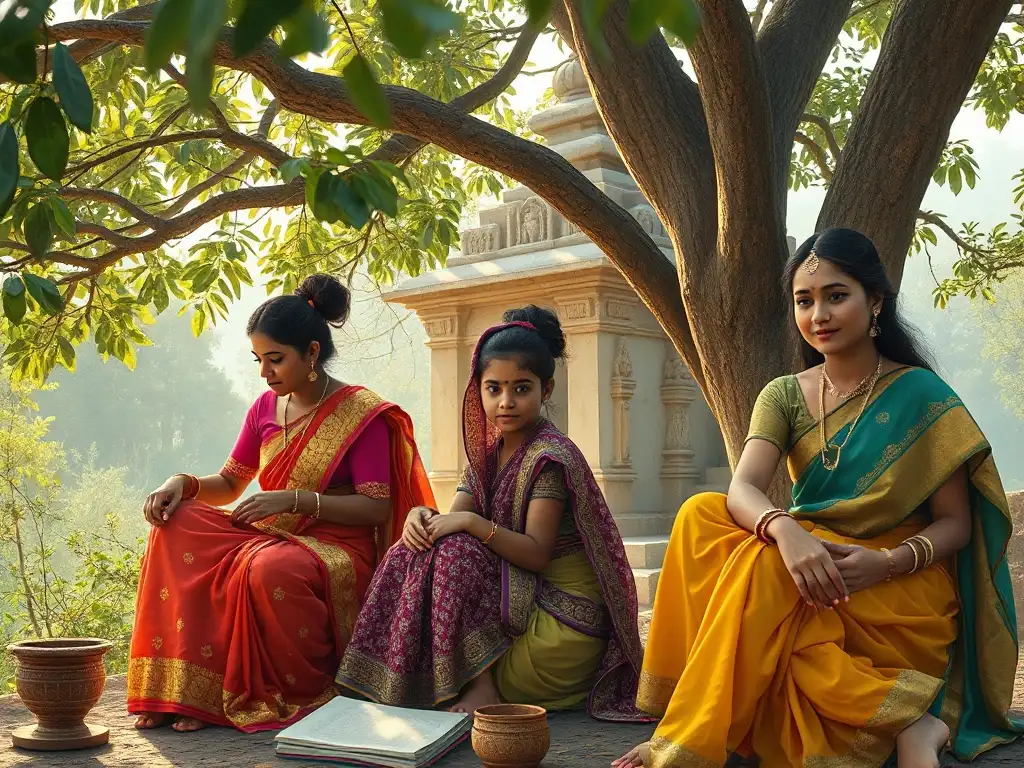
Societal Structure and Gender Roles in Ancient India
The societal structure of ancient India was deeply intertwined with its religious and philosophical frameworks, which in turn shaped the roles and statuses of women. The Vedic texts, dating back to around 1500 BCE, provide insight into the early perceptions of gender roles. Women were initially accorded a respected position, often described as "saraswati", symbolizing wisdom and learning. However, as time progressed, societal norms began to shift, leading to a more patriarchal structure.
- Patriarchal Influences:
- With the rise of the Brahmanical tradition, women's roles became increasingly restricted. The emphasis shifted towards domesticity, with women largely being viewed as caretakers and homemakers.
- The practice of Sati, where widows would self-immolate on their husbands' pyres, further exemplified the societal pressures on women to conform to specific roles.
- Education and Knowledge:
- Despite the patriarchal constraints, women in ancient India had access to education, particularly during the Vedic period. They were taught the Vedas and other texts, contributing to the preservation of knowledge.
- Notable figures such as Gargi and Maitreyi are mentioned in the Upanishads, showcasing women's intellectual capabilities and their participation in philosophical discussions.
- Marriage and Family Life:
- Marriage was a significant institution, and women were often married at a young age. The concept of "Kanyadaan" (giving away the daughter) highlights the societal importance placed on women's roles as wives and mothers.
- Women's properties and rights were also dictated by their marital status, with single women enjoying certain privileges but facing societal stigma.
Major Civilizations Influencing Women's Lives (Indus Valley, Vedic Period, Maurya, Gupta)
Ancient Indian history is marked by several civilizations, each leaving a distinct impact on the lives of women. These major periods— Indus Valley Civilization, Vedic Period, Maurya Empire, and Gupta Empire—offer varied insights into the evolving roles of women.
- Indus Valley Civilization (c. 3300–1300 BCE):
- Archaeological evidence suggests that women in the Indus Valley enjoyed considerable freedom and autonomy. They participated in economic activities such as trade and craft-making.
- Artifacts, including figurines and seals, depict women in various roles, indicating their significance in both domestic and societal contexts.
- Vedic Period (c. 1500–500 BCE):
- During the Vedic period, women were revered as custodians of spiritual knowledge. They could perform rituals and were seen as integral to family and community life.
- The texts from this era emphasize the importance of women's roles in preserving and transmitting cultural and religious practices.
- Maurya Empire (c. 322–185 BCE):
- The Maurya Empire saw a consolidation of patriarchal values. Women were often relegated to the private sphere, with their roles primarily centered around family and home.
- However, notable figures such as Chanakya's mother and Princesses of the Mauryan dynasty hint at women's involvement in politics and governance, albeit indirectly.
- Gupta Empire (c. 240–550 CE):
- The Gupta period is often regarded as a golden age for Indian culture, but it also reinforced restrictive norms for women. Education opportunities became limited, focusing largely on domestic skills.
- Despite this, women such as Vijaya, a historical figure mentioned in texts, illustrate that some women still held power and influence, challenging the prevailing norms of their time.
The historical context of women in ancient India reveals a complex interplay between respect and restriction, with each civilization contributing uniquely to their roles and societal standing. Understanding these dynamics is crucial for appreciating the depth of women's contributions to ancient Indian society.
Religious Influence on Women in Ancient India
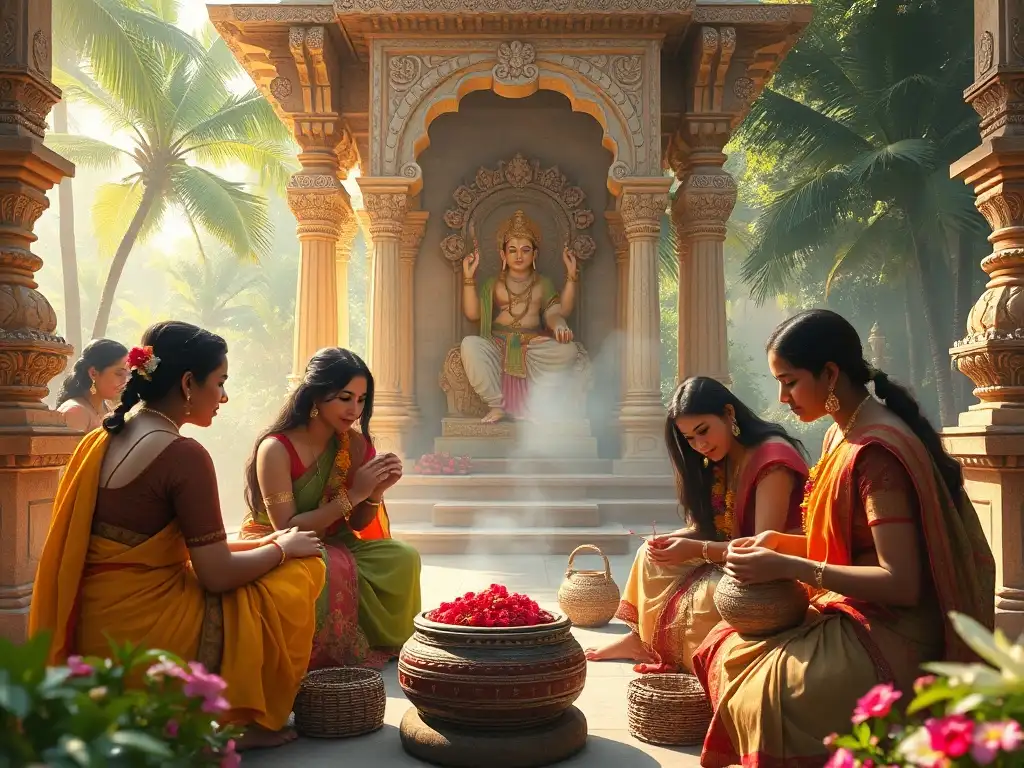
Key Religious Texts and Their Impact on Women's Status
In ancient India, religious texts played a pivotal role in shaping societal norms and the status of women. Key scriptures, such as the Vedas, Upanishads, and Dharmashastras, provided guidelines that influenced women's roles in both family and society.
- The Vedas, among the oldest sacred texts, depict women as possessing spiritual power and the ability to participate in rituals. Notable figures like Gargi and Maitreyi are highlighted for their intellectual contributions, suggesting that women were not merely passive observers in religious life.
- The Manusmriti, a significant Dharmashastra, presents a more restrictive view, prescribing roles that emphasized obedience and subservience. It asserts that a woman should be under the protection of her father, husband, and sons throughout her life, thereby limiting her autonomy.
- The Puranas also contribute to the discourse on women's roles, often portraying goddesses like Durga and Sita as embodiments of virtue and strength. These depictions have led to a complex understanding of femininity, wherein women are revered spiritually while simultaneously constrained socially.
Overall, the interplay of these texts has led to a dual narrative surrounding women in ancient India—one that recognizes their spiritual significance while simultaneously enforcing societal limitations.
The Role of Women in Hinduism and Other Religions (Buddhism, Jainism)
Women in ancient India navigated a multifaceted landscape shaped by various religious traditions, particularly Hinduism, Buddhism, and Jainism. Each religion offered unique perspectives on women's roles, often reflecting broader societal values and norms.
Hinduism
In Hinduism, women's roles were largely defined through the lens of familial duty and religious obligation. Key aspects include:
- Sacred Duties: Women were expected to uphold familial traditions, perform household rituals, and ensure the continuation of the family line through marriage and motherhood.
- Spiritual Practices: Despite societal constraints, women engaged in spiritual practices and were revered as mothers of deities, illustrating their importance in religious ceremonies and rituals.
- Social Status: Marriage played a crucial role in determining a woman's status; a well-married woman was often viewed as successful, while widowhood or childlessness could lead to social stigmatization.
Buddhism
Buddhism presented a more progressive view of women, with foundational texts advocating for equality in spiritual pursuits. Notable points include:
- Nuns and Monastic Life: Women could attain enlightenment as nuns, with the Bhikkhuni Sangha providing a framework for female monastic life. This allowed women a degree of independence and spiritual agency not commonly found in other religions at the time.
- Teachings of the Buddha: The Buddha acknowledged women's potential for enlightenment, challenging prevailing views of inferiority. His teachings encouraged both men and women to pursue spiritual growth.
Jainism
Jainism also recognized the spiritual capabilities of women, emphasizing non-violence and asceticism. Key highlights include:
- Ascetic Practices: Women could achieve high levels of spiritual advancement, with some becoming revered ascetics. The Tirthankaras, spiritual teachers in Jainism, included female figures, reinforcing the belief in women's spiritual potential.
- Role in Community: Jains traditionally valued the contributions of women in maintaining community and family life, often involving them in rituals and communal activities.
The role of women in ancient Indian religions was complex and varied significantly across different faiths. While Hinduism often emphasized domesticity and obedience, Buddhism and Jainism provided avenues for spiritual engagement and autonomy, allowing women to carve out significant roles within their communities.
Daily Life of Women in Ancient India
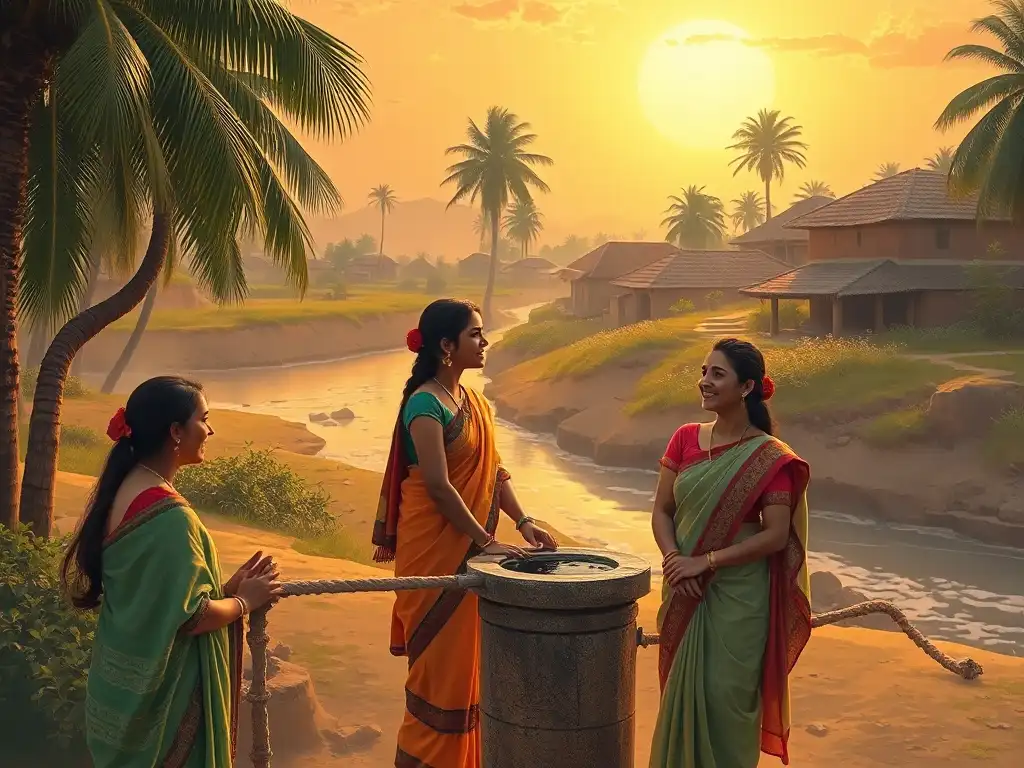
Household Responsibilities and Domestic Life
In ancient India, women played a crucial role in maintaining the household, which was considered the cornerstone of family life. Their responsibilities were multifaceted, encompassing various aspects of domestic management. Women were primarily responsible for:
- Cooking and Food Preparation: Women were the primary cooks, responsible for preparing meals that adhered to the family's dietary restrictions and religious practices.
- Childcare: The upbringing of children was predominantly a woman's responsibility. This included not only feeding and nurturing but also educating them in moral and cultural values.
- Textile and Craft Production: Women engaged in weaving, spinning, and other crafts, producing clothing and household items. This was a vital economic activity, contributing to the family's sustenance and the local economy.
- Religious Duties: Daily rituals and religious observances often fell to women, who played a significant role in maintaining the spiritual sanctity of the home through practices such as puja (worship) and other ceremonies.
Despite these responsibilities, the extent of women's autonomy varied significantly based on their social class and regional customs. While some women had a degree of control over household finances and decision-making, others were bound by strict patriarchal norms.
Economic Contributions: Women's Work and Craftsmanship
Women in ancient India were not only caregivers but also vital economic contributors. Their craftsmanship and involvement in various trades were essential for both local economies and trade networks. Notable contributions included:
- Agricultural Work: In agrarian societies, women participated in fieldwork, helping in sowing, harvesting, and processing crops. This labor was critical, especially during peak agricultural seasons.
- Artisan Skills: Many women were skilled artisans, producing pottery, jewelry, and textiles. For instance, in regions like Gujarat and Tamil Nadu, women were known for their exquisite embroidery and weaving techniques.
- Market Activities: Women often engaged in local markets, selling homemade goods and crafts. This participation provided them with a degree of economic independence and social interaction.
- Role in Trade: Some women managed family businesses or were involved in trade, especially in urban centers. This allowed them to exert influence and participate in economic decision-making within their families.
The recognition of women's contributions is evident in various historical texts and inscriptions, highlighting their roles beyond the confines of domestic life.
Education and Knowledge: Access to Learning for Women
Education for women in ancient India was a complex issue, heavily influenced by societal norms and regional diversity. While educational opportunities were limited compared to their male counterparts, there were notable exceptions:
- Vedic Education: In some instances, women from higher castes, particularly Brahmins, had access to Vedic education. Figures like Gargi and Maitreyi are celebrated in ancient texts for their intellectual contributions.
- Philosophical and Literary Contributions: Women contributed to philosophy and literature, with texts such as the Mahabharata and Ramayana recognizing female characters who were scholars or wise figures.
- Oral Traditions: Many women were keepers of oral traditions, passing down knowledge through generations. This included folklore, songs, and rituals that preserved cultural heritage.
- Religious Education: Some women were educated in religious texts and practices, often becoming spiritual leaders or mentors within their communities.
Despite the constraints on formal education, women found ways to acquire knowledge through familial ties and community networks, contributing to the rich tapestry of Indian philosophy and spirituality.
The roles of women in ancient India were integral to the fabric of society, reflecting a blend of domestic responsibilities, economic participation, and spiritual guidance. Their contributions, often overlooked, played a vital role in shaping the ancient Indian civilization and continue to influence perceptions of women's roles in contemporary society.
Balancing Religion and Daily Life: The Challenges Faced
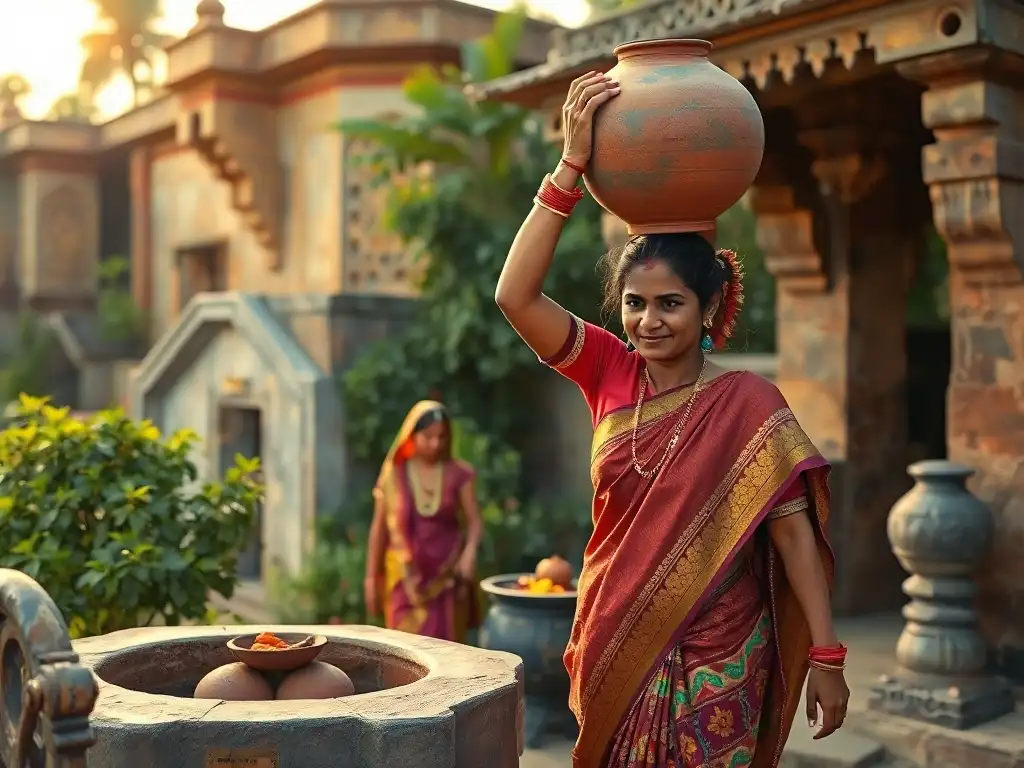
In ancient Indian society, women navigated a complex landscape where religion and daily life were intricately intertwined. Their roles were often defined by cultural beliefs, social norms, and religious practices, each presenting unique challenges. This section explores how women balanced these aspects and the various obstacles they encountered.
Social norms in ancient India played a crucial role in shaping women's activities and opportunities. Women were often expected to adhere to strict codes of conduct, which dictated their behavior in both public and private spheres. These norms were deeply rooted in the religious and cultural fabric of society, leading to several restrictions:
- Domestic Responsibilities: Women were primarily seen as caretakers of the household. Their daily activities revolved around managing the home, raising children, and supporting their husbands. This emphasis on domesticity often limited their engagement in external pursuits.
- Education and Knowledge: Access to education for women was highly restricted. Although some women from higher castes received education, the majority were discouraged from seeking knowledge outside of domestic skills. The Brahmanical texts often reinforced the notion that a woman's place was within the home, further perpetuating ignorance.
- Religious Participation: While women participated in religious rituals, their roles were often subordinate. They were typically excluded from certain sacred rites, with the belief that their impurity during menstruation restricted them from performing specific religious duties. This exclusion from active participation in spiritual practices diminished their agency within religious contexts.
Despite these challenges, some women managed to assert their influence within the confines of social norms. They often found ways to express their spirituality through domestic rituals, thereby maintaining a connection with the divine while fulfilling societal expectations.
The Influence of Patriarchy on Women's Roles
The patriarchal structure of ancient Indian society significantly influenced women's roles and their position in both religious and social spheres. Patriarchy dictated the hierarchy within families and communities, often to the detriment of women's autonomy. Key aspects include:
- Patrilineal Descent: Property and lineage were typically traced through male members of the family. Women were often seen as transient members of their natal families, with their primary loyalty directed towards their husbands' families. This system limited women's rights to inherit property and participate in economic activities.
- Marriage and Family Dynamics: The institution of marriage was central to a woman's identity. Marriages were often arranged, and a woman's worth was frequently measured by her ability to fulfill familial duties, such as producing male heirs. This emphasis on reproduction placed immense pressure on women and restricted their personal aspirations.
- Religious Justifications for Subordination: Religious texts and teachings often reinforced patriarchal norms. For example, the Manusmriti, an ancient legal text, outlined the subordinate position of women, suggesting that a woman's primary purpose was to serve her husband and family. Such ideologies contributed to the normalization of women's subjugation within society.
Despite the overwhelming influence of patriarchy, some women managed to challenge these norms. Figures such as Maitreyi and Gargi, who are mentioned in ancient texts, exemplified intellectual strength and spiritual insight, advocating for women's rights and knowledge. Their existence highlights the potential for women to transcend societal limitations, even in a predominantly patriarchal context.
Women in ancient India faced significant challenges in balancing religious obligations with daily life. Social norms and patriarchal structures imposed restrictions that limited their roles, yet some women found ways to navigate these constraints, showcasing their resilience and contributions to society.
Notable Women in Ancient Indian History
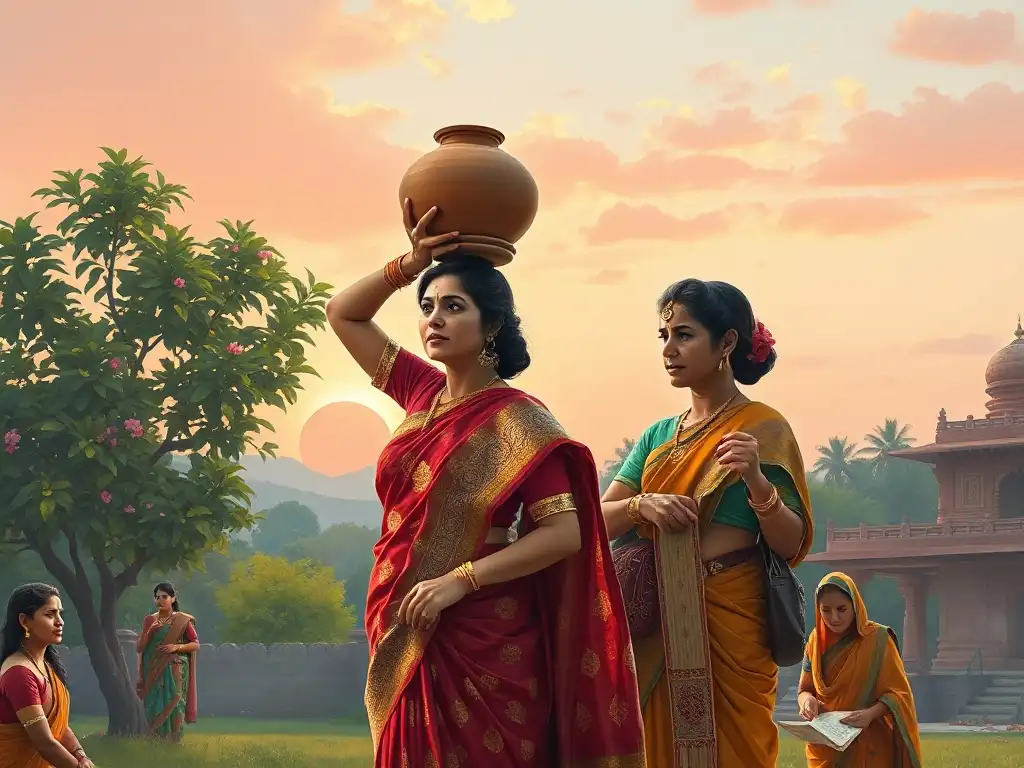
Influential Figures: Queens, Scholars, and Saints
Throughout ancient Indian history, women played a pivotal role in shaping society, culture, and spirituality. Among these influential figures are queens, scholars, and saints who have left an indelible mark on the fabric of Indian civilization.
- Queens and Rulers:
- Rani Durgavati: A notable warrior queen of Gondwana, she is celebrated for her bravery and leadership during the Mughal invasion in the 16th century. Her resistance against the Mughals inspired many women in subsequent generations.
- Rani Padmini: Known for her beauty and valor, Rani Padmini of Chittor is a legendary figure whose tale symbolizes honor and sacrifice. Her story is a poignant reminder of the strength of women in the face of adversity.
- Scholars and Philosophers:
- Gargi Vachaknavi: A revered philosopher from the Vedic period, Gargi is known for her profound knowledge and intellectual prowess. She participated in philosophical debates, questioning the nature of the universe, and is often cited in the Brahadaranyaka Upanishad.
- Maitreyi: Another luminary from the Vedic era, Maitreyi was a philosopher who engaged in discussions about the essence of the self and ultimate reality, showcasing the intellectual contributions of women in ancient Indian thought.
- Saints and Spiritual Leaders:
- Mirabai: A devotee of Lord Krishna, Mirabai’s life and poetry exemplify the Bhakti movement. Her compositions reflect deep devotion and have inspired countless followers, transcending gender boundaries in spirituality.
- Akkamahadevi: A 12th-century saint and poet, she is known for her passionate poems dedicated to Lord Shiva. Her work challenged societal norms and emphasized the importance of inner spirituality over external rituals.
These women, through their leadership, scholarship, and spiritual contributions, significantly shaped the religious and cultural landscape of ancient India.
Contributions of Women to Religion and Philosophy
Women in ancient India made substantial contributions to the realms of religion and philosophy, often serving as catalysts for spiritual and intellectual discourse. Their roles were diverse, ranging from spiritual leaders to philosophical thinkers, influencing the foundational beliefs of society.
- Role in Religious Texts:
- Women frequently appear in sacred texts, often as influential figures whose actions and teachings shaped religious thought. For instance, the Rigveda mentions women like Vishwavara, who were revered as sages and seers, contributing to the spiritual canon.
- The Mahabharata features strong female characters such as Draupadi, whose life story raises questions about morality, duty, and righteousness, encouraging deep philosophical reflections among scholars.
- Philosophical Contributions:
- The contributions of women like Gargi and Maitreyi highlight that philosophical inquiry was not limited to men in ancient India. Their discussions addressed fundamental questions about existence, ethics, and the nature of the divine, laying the groundwork for future philosophical debates.
- Shankuntala, another significant figure, is depicted in literature as a wise and insightful character, symbolizing the blending of philosophy with everyday life experiences.
- Spiritual Practices:
- Women played an essential role in the Bhakti movement, which emphasized personal devotion to God over ritualistic practices. The works of saints like Mirabai and Akkamahadevi not only enriched spiritual literature but also fostered a sense of community and devotion among women.
- The nurturing of spiritual traditions, including meditation and yoga, was often passed down through generations of women, ensuring the continuity of these practices within families and communities.
The contributions of women in ancient India to religion and philosophy were profound and transformative. They not only shaped spiritual practices but also contributed to the rich tapestry of philosophical thought that continues to influence contemporary discussions on spirituality and ethics.
The Legacy of Women in Ancient India
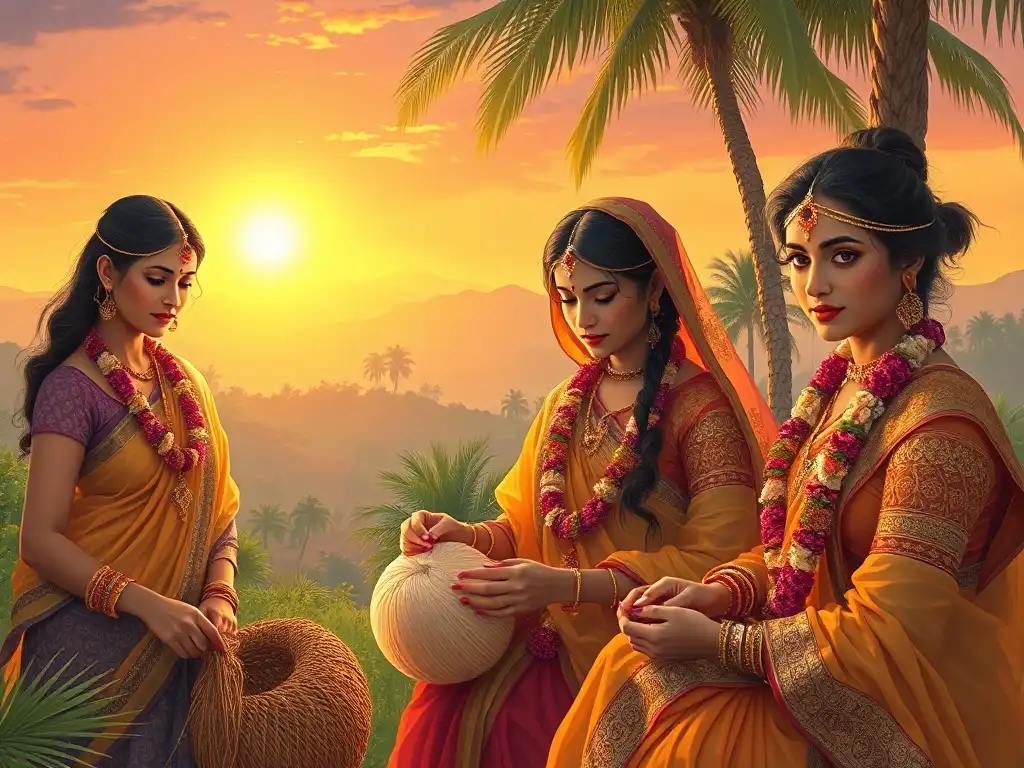
Lasting Impact on Modern Indian Society
The influence of women in ancient India has left a profound mark on contemporary Indian society. Their roles, contributions, and the societal structures they participated in have shaped modern perspectives on gender and culture.
- Cultural Foundations: Women in ancient India were integral to the formation of cultural practices. They were not only custodians of traditions but also active participants in rituals and festivals. For instance, the reverence for goddesses in Hinduism, such as Durga and Lakshmi, can be traced back to the elevated status women held in ancient texts. This veneration continues to inspire women's empowerment movements today.
- Education and Knowledge: Ancient Indian women were often well-educated, with notable scholars like Gargi and Maitreyi challenging patriarchal norms. Their intellectual contributions continue to resonate, encouraging modern educational initiatives aimed at promoting women's education.
- Economic Contributions: Women were engaged in various economic activities, including agriculture, textiles, and trade. The skills and crafts developed by ancient women have evolved into modern industries, highlighting their lasting impact on India's economy.
- Legal Rights and Status: The ancient texts, such as Manusmriti, provided women with certain rights, including property ownership and participation in religious rites. Although interpretations varied, these early legal frameworks have influenced modern discussions on women's rights in India.
Lessons from Ancient Indian Women for Contemporary Issues
The experiences and actions of women in ancient India provide valuable insights for addressing contemporary challenges related to gender equality and women's empowerment.
- Resilience and Agency: Ancient Indian women often navigated complex societal roles while advocating for their rights. Their resilience serves as a powerful reminder for modern women to assert their agency in the face of adversity.
- Collaboration and Community: The communal activities of women in ancient societies, such as collective worship and participation in festivals, emphasize the importance of community support in overcoming challenges. Modern movements can draw from this lesson to build solidarity among women.
- Balancing Tradition and Progress: Ancient Indian women managed to uphold traditions while contributing to societal progress. This balance can inform contemporary discussions on maintaining cultural heritage while pursuing modernity.
- Role Models and Representation: The prominent figures of ancient women, such as the poetesses and philosophers, provide role models for today’s women. Their stories can inspire the next generation to break barriers in various fields, including science, politics, and the arts.
The legacy of women in ancient India is not just a historical narrative but a dynamic force that continues to shape modern society. By learning from their experiences, contemporary society can work towards a more equitable future for all women.
Conclusion: The Dual Role of Women in Ancient India
Throughout ancient Indian history, women played a vital and multifaceted role that balanced religious duties with their daily responsibilities. Their contributions were essential not only within the household but also in the broader societal and religious contexts. This duality allowed women to navigate complex social structures while simultaneously influencing religious practices and philosophical thought.
Reflection on the Balance Between Religion and Daily Life
Women in ancient India were often seen as the custodians of family traditions and religious rituals. They were primarily responsible for maintaining the sanctity of the household, which included performing daily prayers, observing religious festivals, and upholding family values. Their roles were not confined to the domestic sphere; for instance, women such as Gargi and Maitreyi are noted in ancient texts for their scholarly contributions to philosophy and spirituality.
- Religious Responsibilities:
- Conducting daily prayers (puja)
- Observing fasts and festivals
- Teaching children about religious traditions
- Daily Life Contributions:
- Managing household tasks and finances
- Engaging in agricultural activities
- Participating in community events and gatherings
This balance between religious obligations and daily responsibilities illustrates the significant influence women had in nurturing both their families and the broader community. Their engagement in religious practices often complemented their roles as caregivers and managers, leading to a harmonious integration of spiritual and mundane life.
The Continued Relevance of Women's Contributions in History
The historical contributions of women in ancient India remain relevant today, as they laid the groundwork for the evolving roles of women in contemporary society. By examining these contributions, we gain insights into the resilience and strength of women throughout history.
- Cultural Legacy:
- Women’s roles in ancient rituals and practices continue to shape modern religious observances.
- The philosophical discourses initiated by women in ancient texts inform current debates on gender and spirituality.
- Inspiration for Future Generations:
- The stories of women like Sita and Draupadi serve as powerful symbols of strength and virtue, inspiring modern feminist movements.
- Their resilience in navigating societal challenges provides valuable lessons for women today.
The dual role of women in ancient India as both religious custodians and active participants in daily life exemplifies their significance in shaping Indian culture. Their historical contributions not only highlight their importance in ancient society but also provide a foundation for understanding ongoing discussions about women's roles in contemporary India. Recognizing and celebrating these contributions is essential for appreciating the rich tapestry of India's history and the enduring impact of its women.
Frequently Asked Questions
What was the role of women in ancient Indian society?
Women in ancient India held diverse roles, often balancing household responsibilities with participation in religious activities. Their status varied significantly across different regions and time periods.
How did religion influence the lives of women in ancient India?
Religion played a crucial role in shaping women's lives, dictating their social status and responsibilities. Rituals and customs often centered around female deities, reflecting their importance in spiritual practices.
Were women in ancient India involved in any professions?
Yes, women in ancient India engaged in various professions, including textile production, agriculture, and even trade. Some women were also known to participate in the arts, showcasing their creativity and skills.
Did women in ancient India have access to education?
Access to education for women in ancient India was limited but not entirely absent. Some women, especially from higher social classes, received formal education, while others learned essential skills within their households.
How did the status of women change from the Indus Valley to the Gupta Empire?
The status of women evolved over time; during the Indus Valley, they enjoyed considerable freedom, while the Gupta Empire saw a decline in their rights and autonomy, reflecting broader social changes and cultural shifts.
Final Reflection: The Enduring Legacy of Women in Ancient India
The exploration of women's roles in ancient Indian society reveals a profound interplay between religion and daily life that resonates with contemporary issues of gender equality and cultural identity. As we navigate the complexities of modern society, understanding the historical context of women's contributions and challenges in ancient India becomes increasingly relevant. The stories of resilience, strength, and adaptability of these women remind us that their legacies continue to shape our perceptions and practices today.
The influence of women in ancient India is not merely a historical footnote; it is a vital thread woven into the fabric of our cultural and social landscape. Their experiences reflect the ongoing struggle for recognition and respect in a world that often overlooks the contributions of women. As we reflect on this, we are reminded of the words of the renowned feminist scholar, Simone de Beauvoir: One is not born, but rather becomes, a woman.
This quote encapsulates the idea that gender roles are shaped by societal norms, and recognizing the historical context of these roles can empower us to challenge and redefine them in our own lives.
As we conclude this exploration, I invite you to reflect on the lessons learned from the lives of women in ancient India. Consider how their stories of balancing religious obligations with daily responsibilities can inspire you to advocate for gender equality and challenge stereotypes in your own community. Let us honor their legacy by fostering a more inclusive society where the voices of all women are heard and valued, ensuring that the lessons of the past guide us toward a more equitable future.
Embrace the Wisdom of Ancient Women!
Thank you for exploring the rich tapestry of women’s roles in Ancient Indian society with us! By delving into their lives, you've gained valuable insights into how they balanced spirituality and daily responsibilities. Now, it's time to take that knowledge and put it into action!
Here are some steps you can take to engage further with this fascinating topic:
- Dive Deeper: Read about influential women in Ancient India or watch documentaries that highlight their contributions and legacies.
- Join the Conversation: Share this article with friends to inspire discussions about the impact of women throughout history.
- Explore Further: Visit local museums or heritage sites that showcase women's roles in history, and share your experiences with our community!
What aspect of ancient women's lives inspires you the most, and how can you apply those lessons in your life today?