
Women in Ancient Indian Science: Contributions Beyond Religious Contexts

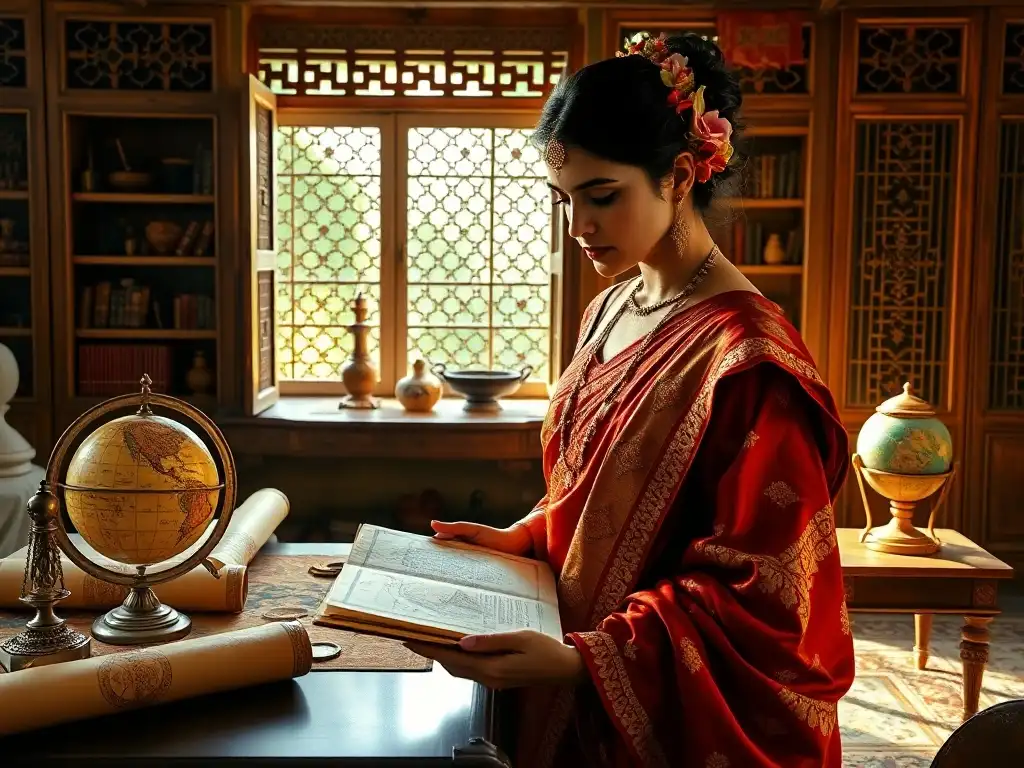
Welcome to Ancient India History, where we embark on a fascinating journey through the rich tapestry of ancient Indian civilizations. Dive into our latest article, "Women in Ancient Indian Science: Contributions Beyond Religious Contexts," and discover the remarkable achievements of women who played pivotal roles in shaping scientific thought, transcending societal norms of their time.
What groundbreaking discoveries did these trailblazers make, and how did their contributions resonate throughout history? Prepare to be captivated as we unveil the untold stories of these extraordinary figures, inviting you to explore further into the depths of a culture that flourished with innovation and intellect.
- Introduction to Women in Ancient Indian Science
- Historical Context of Women in Ancient Indian Science
- Pioneering Women Scientists in Ancient India
- Scientific Contributions of Women in Various Fields
- Impact of Women’s Contributions on Ancient Indian Society
- Challenges Faced by Women in Ancient Indian Science
- Conclusion: The Legacy of Women in Ancient Indian Science
- Call to Action: Further Exploration of Women in Ancient Indian Contributions
-
Frequently Asked Questions
- What were the contributions of women in ancient Indian science?
- Were women recognized for their scientific achievements in ancient India?
- How did societal norms affect women's participation in science during ancient times?
- Can you name some prominent women scientists from ancient India?
- How does the study of women in ancient Indian science impact modern perspectives?
- Final Reflection: Celebrating the Legacy of Women in Ancient Indian Science
- Unleash the Legacy of Women in Ancient Indian Science!
Introduction to Women in Ancient Indian Science
Exploring the contributions of women in ancient Indian science reveals a vibrant tapestry of knowledge and expertise that extends far beyond the confines of religious contexts. While the historical narrative often highlights male scholars and sages, it is crucial to acknowledge the pivotal roles played by women in various scientific fields, including mathematics, medicine, and astronomy.
This article aims to shine a light on these remarkable contributions, illustrating how women not only participated in but also shaped the scientific discourse of their time. By delving into historical texts, archaeological findings, and the legacies left by these women, we can gain a more nuanced understanding of their impact and significance in ancient Indian civilization.
Overview of Women's Roles in Ancient Indian Civilization
Women's roles in ancient Indian civilization were multifaceted and complex. They were not merely confined to the domestic sphere; many women were educated and actively engaged in various intellectual pursuits. Historical accounts and texts, such as the Vedas and the Upanishads, suggest that women participated in philosophical discussions and were even involved in rituals and ceremonies.
- Education and Scholarship:
- Women like Gargi and Maitreyi were renowned philosophers who challenged the prevailing norms of their time. Their intellectual contributions laid the groundwork for subsequent generations of thinkers.
- Contributions to Science:
- In fields such as medicine, women like Sushruta’s mother and other unnamed practitioners played critical roles in the development of Ayurvedic medicine. They were often responsible for herbal remedies and healing practices within their communities.
- Astronomy and Mathematics:
- Women were also involved in astronomical observations and mathematical calculations. Although specific names might be less documented, their involvement can be traced through the works of their male counterparts, who often acknowledged their contributions.
Significance of Contributions Beyond Religious Contexts
The contributions of women in ancient Indian science are significant not only for their immediate impact but also for their enduring influence on later generations. Recognizing their roles helps to dismantle the stereotype that women’s contributions were primarily religious or domestic.
- Cultural Shifts:
- The acknowledgment of women in scientific discourse indicates a more progressive society that valued knowledge and expertise regardless of gender. This cultural shift is essential in understanding the broader context of ancient Indian civilization.
- Legacy and Inspiration:
- The achievements of these women serve as an inspiration for contemporary discussions on gender equality in science and technology. By highlighting their contributions, we can advocate for a more inclusive narrative that celebrates diverse voices in the historical record.
- Reevaluation of Historical Narratives:
- A closer examination of the roles women played in science encourages historians and scholars to reevaluate existing narratives, ensuring that future studies reflect a more comprehensive understanding of ancient Indian history.
The exploration of women in ancient Indian science not only enriches our understanding of their contributions but also reinforces the idea that women have always been integral to the development of knowledge and culture. Their legacies continue to resonate, reminding us of the importance of inclusivity in the historical discourse.
Historical Context of Women in Ancient Indian Science
Ancient Indian Society and Gender Roles
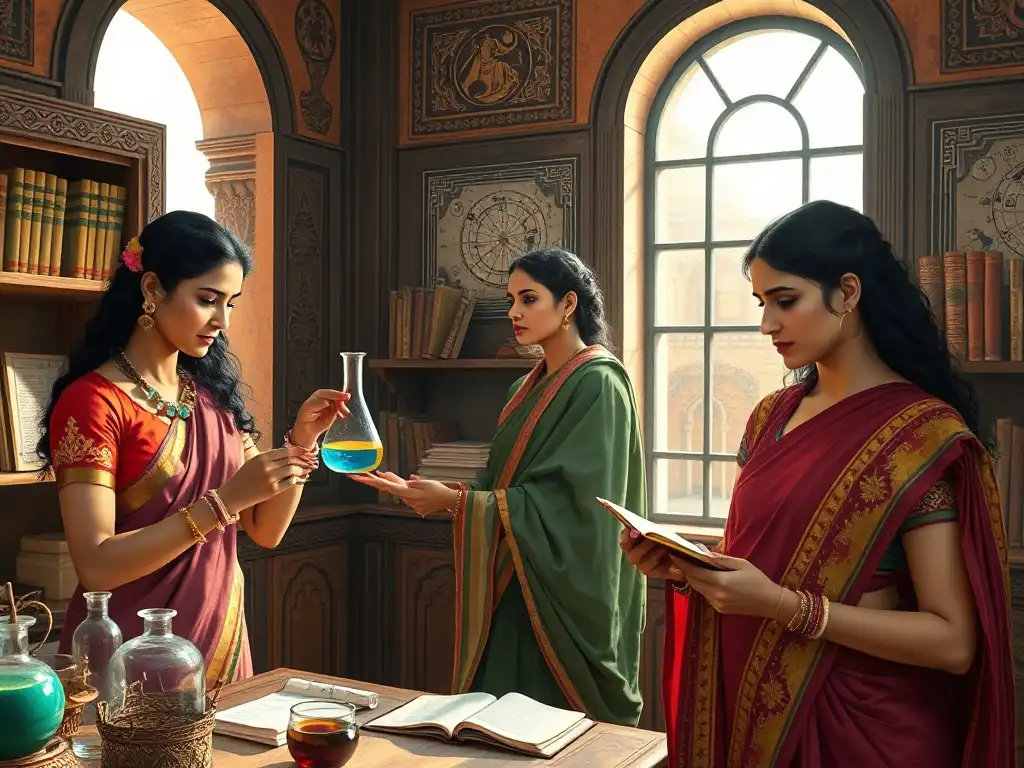
In ancient Indian society, gender roles were intricately woven into the fabric of daily life, influenced by various factors such as caste, class, and regional customs. Women often occupied a dual role—responsible for household duties and family care while simultaneously contributing to intellectual and scientific pursuits. Historical texts indicate that women had access to education, particularly in the realms of philosophy, mathematics, and medicine, albeit often within the confines of domesticity.
The Vedic period is notable for its relatively progressive attitudes towards women. Texts such as the Rigveda contain hymns composed by women sages, exemplifying their intellectual capabilities. For instance, Gargi Vachaknavi and Maitreyi are celebrated figures who engaged in philosophical debates, showcasing that women were not merely passive recipients of knowledge but active contributors to intellectual discourse.
Despite these advancements, patriarchal structures became more pronounced in later periods, particularly during the Maurya and Gupta empires. Women’s roles began to shift towards a more domestic sphere, yet notable exceptions persisted. The existence of female scholars and healers demonstrates that women continued to contribute to science and knowledge, often as midwives and practitioners of Ayurvedic medicine.
Key Periods: From the Indus Valley to the Gupta Empire
Understanding the contributions of women in ancient Indian science requires an examination of key historical periods:
- Indus Valley Civilization (c. 3300–1300 BCE):
- Archaeological findings suggest that women participated in various activities, including pottery, textile production, and possibly even in early forms of medicine. The prominence of female figurines indicates their societal significance.
- Vedic Period (c. 1500–500 BCE):
- This era marks a high point for women’s roles in intellectual pursuits. Women like Gargi and Maitreyi not only engaged in philosophical discussions but also contributed to early scientific thought, particularly in mathematics and astronomy.
- Maurya Empire (c. 322–185 BCE):
- During this time, women’s contributions became more restricted, yet notable figures such as Vatsyayana's references to women in Kama Sutra highlight their roles in sexual health and human anatomy, indicating a foundational understanding of biology.
- Gupta Empire (c. 320–550 CE):
- The Gupta period is often referred to as the Golden Age of India, where women like Aryabhata’s contemporaries exhibited prowess in mathematics and astronomy. Women contributed to the arts and sciences, and some even operated as patrons of scientific research.
Influence of Religion on Women's Scientific Contributions
Religion played a pivotal role in shaping the contributions of women in ancient Indian science. While many religious texts imposed restrictions, others provided opportunities for women to engage in scientific thought.
In Hinduism, the reverence for knowledge is exemplified in the goddess Saraswati, who symbolizes learning and wisdom. This cultural backdrop encouraged women to pursue knowledge, albeit within a religious framework. Women often participated in religious rituals that required an understanding of astronomy and agriculture, essential for determining auspicious dates for sowing and harvesting.
Moreover, Buddhism and Jainism offered alternative frameworks that promoted education for women. The Buddhist scriptures advocate for women's education, allowing them to engage in discussions on ethics, philosophy, and even medicine. Jains, similarly, emphasized the importance of knowledge, leading to women’s involvement in Ayurveda and other healing practices.
In contrast, the rise of orthodox practices during the later periods often relegated women to subordinate roles. Yet, even in these restrictive environments, women like Kadambini Ganguly, although from a later time, can be seen as descendants of the rich tradition of women contributing to science and knowledge, reflecting an enduring legacy that traces back to ancient times.
By exploring these facets, we gain a clearer understanding of the diverse contributions of women in ancient Indian science, revealing their roles as scholars, practitioners, and leaders within the constraints and opportunities presented by their societal contexts.
Pioneering Women Scientists in Ancient India
Notable Figures and Their Contributions
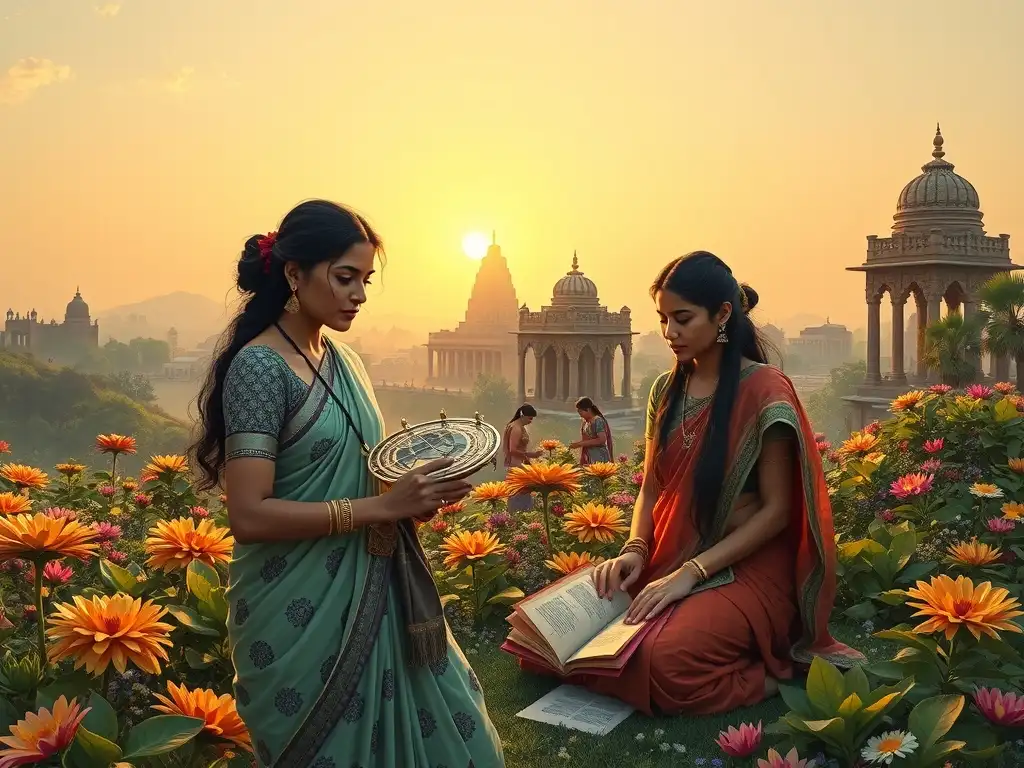
Ancient India was a cradle of scientific thought and innovation, and women played a significant role in this evolution, often contributing in fields such as mathematics, astronomy, and philosophy. These contributions, while sometimes overshadowed by their male counterparts, reveal a rich tapestry of female intellect and creativity.
Gargi: Philosophy and Astronomy
Gargi Vachaknavi, a prominent philosopher and scholar during the Vedic period, is a notable figure in ancient Indian science. Renowned for her intellect, Gargi was a contemporary of Yajnavalkya, a famous sage known for his profound philosophical insights. She is best remembered for her participation in philosophical debates, particularly in the Brahadaranyaka Upanishad, where her discussions on the nature of the universe and the concept of Brahman showcased her deep understanding of metaphysics.
- Contributions:
- Engaged in intellectual debates on metaphysical topics.
- Proposed questions regarding the nature of existence and reality, which laid the groundwork for later philosophical inquiries.
Gargi’s legacy extends beyond philosophy; her work in astronomy, although not extensively documented, is believed to have influenced later scholars in understanding celestial phenomena. She is often celebrated as one of the first women to challenge the patriarchal norms of her time, advocating for women's roles in intellectual pursuits.
Aryabhata's Female Scholars: Mathematics and Astronomy
The contributions of women in mathematics and astronomy during the time of Aryabhata (476–550 CE) are noteworthy, although specific names are often lost in historical texts. Aryabhata, an eminent mathematician and astronomer, is known to have had female scholars who significantly contributed to his work and the broader scientific community.
- Notable Contributions:
- Mathematical Innovations: Women were involved in the formulation of mathematical concepts, including the decimal system and innovations in trigonometry.
- Astronomical Observations: They contributed to astronomical observations, possibly participating in the calculations of planetary movements and eclipses.
Although the records of their identities remain obscure, the influence of these women in the field of science is evident. Their work helped establish a foundation for future generations of mathematicians and astronomers, reinforcing the notion that women in ancient India were integral to scientific advancements.
Other Influential Women in Ancient Indian Science
Beyond Gargi and the unnamed female scholars associated with Aryabhata, other women in ancient India made significant contributions to science. Their roles varied from being scholars and practitioners to being patrons of science.
- Charaka’s Female Practitioners: In the realm of medicine, women played crucial roles in Ayurveda. Charaka, a revered physician, mentioned female practitioners who contributed to medicinal knowledge and practices.
- Contributions to Botany and Herbal Medicine:
- Women were often the custodians of traditional medicine, utilizing their knowledge of herbs and plants for healing purposes.
- Patrons of Science: Many royal women acted as patrons of scholars and scientific endeavors, providing resources and support that allowed for advancements in various fields.
These contributions highlight the diverse roles women played in ancient Indian science, illustrating that their influence extended far beyond the confines of religious contexts. Their legacies continue to inspire and remind us of the rich history of female intellect in the scientific realm.
Scientific Contributions of Women in Various Fields

The contributions of women in ancient Indian science reflect a profound engagement with various disciplines, showcasing their roles not merely as passive participants but as active contributors to knowledge and innovation. This section explores the significant achievements of women in distinct scientific fields, including medicine, mathematics, astronomy, and agriculture.
Medicine and Ayurveda: Female Healers and Scholars
In ancient India, the field of medicine and Ayurveda was significantly influenced by the contributions of women. Female healers, often referred to as Vaidyas, played a crucial role in the healthcare system. They were responsible for the treatment of ailments, utilizing herbal remedies and intricate knowledge of the human body.
- Notable Figures: One of the prominent figures is Vagbhata, whose treatise on Ayurveda, the Ashtanga Hridaya, highlights the importance of women in medicinal practices. Although Vagbhata is primarily recognized as a male scholar, it is essential to acknowledge that women contributed to the transmission and application of this knowledge through oral traditions.
- Healing Practices: Women often engaged in various healing practices, such as:
- Herbalism: Utilizing local plants for remedies.
- Midwifery: Assisting in childbirth, which required extensive knowledge of female anatomy and reproductive health.
- Community Healers: Serving as the first line of healthcare in rural settings, where their knowledge was passed down through generations.
The reverence for female healers in local communities illustrates a vital aspect of their contributions to ancient Indian science, emphasizing their integral role in preserving and advancing medical knowledge.
Mathematics and Astronomy: Women’s Contributions to Knowledge
Women in ancient India also made notable contributions to mathematics and astronomy. While historical documentation primarily highlights male mathematicians and astronomers, evidence suggests that women were involved in these fields, often in supportive but critical roles.
- Mathematical Knowledge: Women were known to apply mathematical principles in daily activities, such as:
- Agricultural Practices: Calculating land areas and yields.
- Household Management: Managing family finances and resources, which required arithmetic skills.
- Astronomy Practices: In astronomy, women contributed to:
- Observation: Participating in celestial observations, sometimes noted in texts like the Surya Siddhanta, which discusses astronomical calculations and calendars.
- Cultural Rituals: Women played a role in astronomical events linked to religious practices, thereby influencing the understanding of celestial phenomena.
Although specific names of women mathematicians and astronomers from ancient India are often lost to history, their practical applications of these sciences demonstrate their contributions to knowledge and the advancement of these fields.
Agriculture and Botany: Women in Early Scientific Practices
Agriculture and botany were domains where women’s contributions were crucial. As primary caregivers and homemakers, women managed agricultural activities, which included knowledge of botany and plant cultivation.
- Traditional Agricultural Knowledge: Women utilized indigenous knowledge systems to:
- Select Seeds: Choosing appropriate seeds for different climates and seasons.
- Crop Rotation: Implementing sustainable practices that ensured soil fertility.
- Botanical Knowledge: Women were instrumental in the understanding of local flora, especially in:
- Herb Cultivation: Growing medicinal plants used in Ayurveda and traditional remedies.
- Food Preservation: Developing techniques for preserving fruits and vegetables, which showcased their understanding of botany and natural processes.
Women’s roles in agriculture and botany not only contributed to food security but also to the sustainability of ancient Indian societies. Their expertise in these areas reflects a sophisticated understanding of ecological balance and resource management.
The achievements of women in ancient Indian science extend far beyond the religious contexts often emphasized in historical narratives. Their roles as healers, mathematicians, astronomers, and agriculturalists underscore the diverse contributions that women made to the scientific landscape of ancient India. Recognizing and celebrating these contributions enriches our understanding of the historical narrative surrounding women's roles in society and science.
Impact of Women’s Contributions on Ancient Indian Society
Advancements in Knowledge and Technology
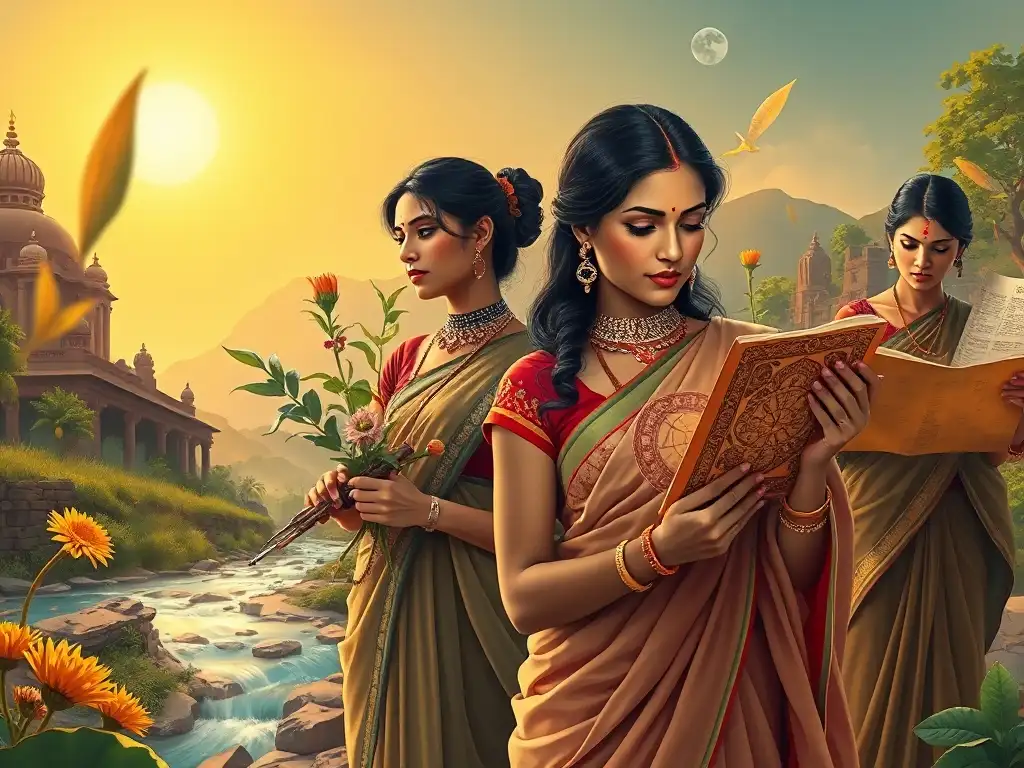
Women in ancient Indian science played a pivotal role in advancing knowledge and technology across various fields. Historical texts and archaeological evidence suggest that women were not only participants but also leaders in several scientific endeavors. For instance, Aryabhata, a renowned mathematician and astronomer, is often noted for his contributions; however, women like Brahmagupta's sister, who was said to have contributed significantly to astronomical observations, have often been overlooked.
- Mathematics: Women were known to contribute to mathematical advancements, particularly in the realms of arithmetic and geometry. The Sulbasutras, ancient texts that served as manuals for constructing altars, included contributions attributed to female scholars, who devised intricate geometric principles.
- Medicine: In the field of Ayurveda, women like Sushruta's wife are believed to have contributed to the compilation of medical texts. Women were often the primary caregivers in their communities and possessed extensive knowledge of herbal medicine and healing practices. This practical knowledge laid the groundwork for later medical systems.
- Astronomy: Women also participated in astronomical studies, contributing to the development of calendars and the understanding of celestial phenomena. References in texts indicate that women were involved in calculations that determined auspicious times for rituals and agricultural activities.
These advancements by women in ancient Indian science not only enriched their immediate communities but also laid foundational knowledge that would influence later scientific thought both in India and beyond.
Influence on Future Generations of Women in Science
The contributions of women in ancient Indian science significantly influenced future generations, creating a legacy that inspired many to follow in their footsteps. Their roles in various scientific fields showcased the potential for women to engage in scholarship, thereby encouraging subsequent generations to pursue education and careers in science.
- Role Models: Figures like Lilavati, a mathematician known for her work in algebra, served as role models for young girls. Her contributions were documented in texts that emphasized the importance of education for women, promoting the idea that women could excel in fields traditionally dominated by men.
- Educational Institutions: The existence of institutions, such as Gurukuls, where women were taught subjects ranging from mathematics to astronomy, facilitated the direct transmission of knowledge. This educational framework allowed women to gain confidence and expertise, which they would pass on to their daughters and students.
- Cultural Transmission: Women often played crucial roles in the oral transmission of knowledge, ensuring that scientific understanding was passed down through generations. Their involvement in storytelling and teaching helped maintain a continuity of scientific thought that is evident in later works by scholars.
The impact of these early contributions is still felt today, as modern women in science can trace their lineage back to these pioneering figures, drawing inspiration from their achievements.
Cultural Legacy of Women's Scientific Contributions
The cultural legacy of women's contributions to ancient Indian science is profound, interwoven with the broader tapestry of Indian civilization. This legacy is reflected in various aspects of society, including literature, art, and social norms.
- Literary Contributions: Texts like Vedic hymns and philosophical treatises often include references to women who contributed to scientific thought. The recognition of female scholars in these texts highlights their importance in shaping intellectual discourse.
- Art and Symbolism: Artistic representations often included motifs that celebrated women's roles in science, such as depictions of female scholars engaged in astronomical studies or herbal medicine. This cultural representation served to elevate the status of women and their contributions within society.
- Social Status and Recognition: The acknowledgment of women's roles in science contributed to broader discussions about gender equality in ancient Indian society. Their scientific achievements challenged prevailing norms and prompted reflections on women's capabilities and rights in various spheres of life.
The cultural legacy of women's contributions to ancient Indian science serves as a testament to their enduring impact on society. It not only reflects the historical importance of their roles but also inspires contemporary discussions about gender and science, reaffirming the notion that women have always been integral to the scientific narrative of ancient India.
Challenges Faced by Women in Ancient Indian Science
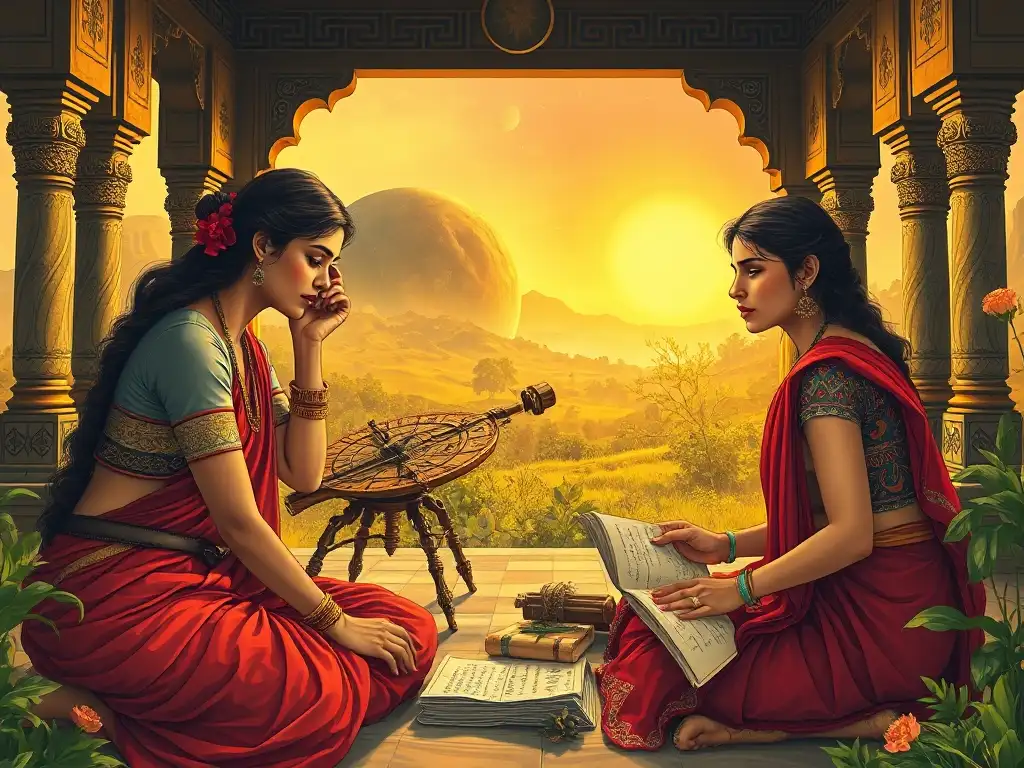
Women in ancient Indian science made significant contributions, yet they faced numerous challenges that limited their roles and recognition in the field. These challenges stemmed from societal norms, cultural beliefs, and historical documentation practices that often overlooked or marginalized their achievements. Understanding these obstacles is crucial to appreciating the full scope of women's contributions to ancient Indian science.
Societal Barriers and Limitations
In ancient India, societal barriers played a substantial role in constraining women's participation in scientific endeavors. The prevailing patriarchal structure resulted in several limitations, including:
- Education Access: Many women lacked access to formal education, which was predominantly reserved for men. This educational disparity hindered their ability to engage in scientific thought and exploration.
- Role Expectations: Traditional gender roles often relegated women to domestic responsibilities, limiting their opportunities to pursue interests in fields such as mathematics, astronomy, and medicine. As a result, many potential female scholars focused on household duties rather than scientific inquiry.
- Cultural Norms: The cultural milieu often regarded science as a male domain. Women who aspired to engage in scientific pursuits frequently faced skepticism or hostility, discouraging them from pursuing their interests or sharing their findings.
- Family Obligations: Women were typically expected to prioritize family obligations over personal ambitions. This expectation further restricted their time and resources for scientific exploration.
Despite these barriers, some women managed to break through societal constraints and contributed to scientific thought. Notable figures like Gargi and Maitrayi from ancient texts exemplify the intellectual prowess of women in philosophical and scientific discourse.
Historical Records and Recognition Issues
The historical documentation of women's contributions to science in ancient India presents its own set of challenges. Key issues include:
- Underrepresentation in Texts: Historical texts often emphasized male scholars and their discoveries, neglecting the roles of women. This underrepresentation makes it difficult to identify and appreciate the contributions of female scientists.
- Loss of Records: Many records from ancient India have been lost or destroyed over time, further obscuring women's achievements in science. The preservation of women’s contributions has been historically less prioritized than that of their male counterparts.
- Bias in Scholarship: Modern scholars often face challenges in reconstructing the historical narratives of women in science due to biases that persist in existing literature. This bias can lead to an incomplete understanding of women's roles and contributions.
- Intersection of Religion and Science: During certain periods, the intertwining of religion and science complicated the portrayal of women’s contributions. Many women were recognized primarily within religious contexts, overshadowing their scientific achievements.
These historical recognition issues continue to impact how women in ancient Indian science are viewed today. To truly honor their contributions, it is essential to seek out and highlight the work of these remarkable women, ensuring their legacies are not lost to time.
Conclusion: The Legacy of Women in Ancient Indian Science
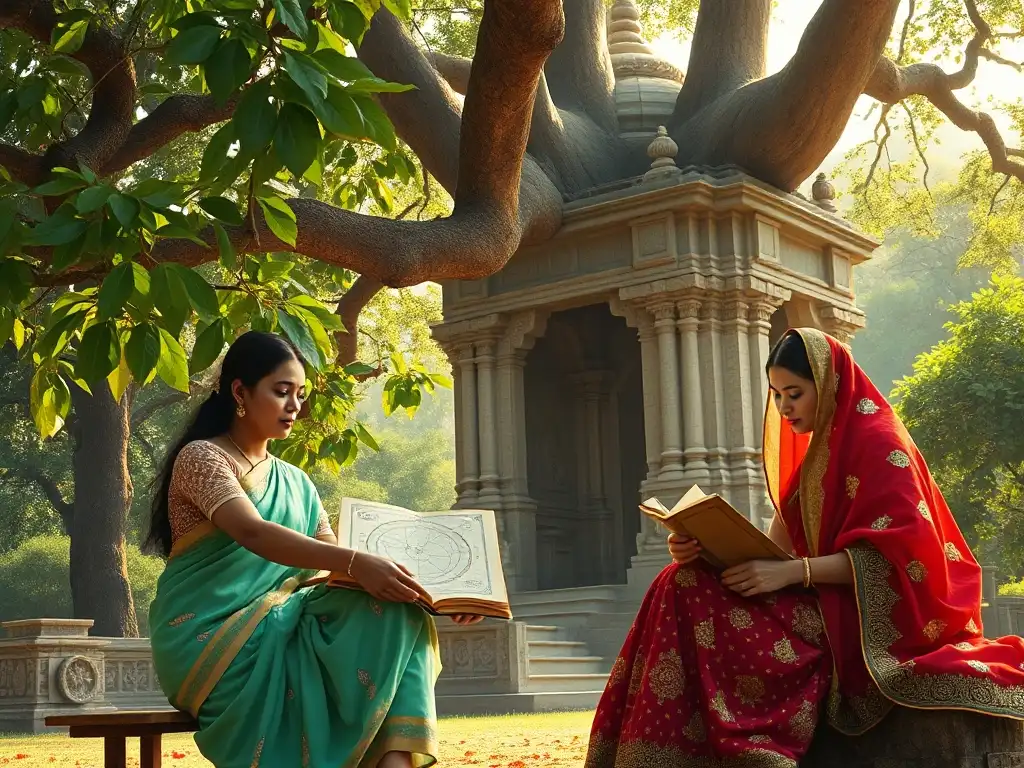
The legacy of women in ancient Indian science is a testament to their intellectual prowess and contributions that extend far beyond religious contexts. These remarkable women played pivotal roles in various fields such as mathematics, astronomy, medicine, and philosophy, often blending scientific inquiry with spiritual insight. Their contributions laid foundational stones for future generations, yet they often remain overshadowed by their male counterparts in historical narratives.
Understanding the significance of their work is essential for a comprehensive view of ancient Indian civilization. Notable figures like Aryabhata's contemporaries and Maitreyi, a philosopher and scholar, illustrate the depth of knowledge women possessed. These contributions highlight an era where women not only participated but thrived in scientific discourse, challenging the norms of their time.
Reflections on Their Contributions Beyond Religious Contexts
The contributions of women in ancient Indian science can be seen as multifaceted and complex. While many women were indeed involved in religious and philosophical discussions, their scientific achievements are equally noteworthy. For example:
- Mathematics: Women like Brahmagupta's sister contributed to mathematical theories, particularly in arithmetic and geometry. Their insights were critical in the development of algorithms that are still referenced today.
- Astronomy: Ancient texts suggest that women participated in astronomical observations, contributing to theories about celestial bodies. The work of women in astronomy helped refine calendars and improve agricultural planning.
- Medicine: Figures such as Sushruta, whose teachings on surgery were complemented by female practitioners, showed that women were integral to medicinal practices. Their knowledge of herbs and healing techniques was vital for the well-being of their communities.
In reflecting on these contributions, it's essential to recognize the societal frameworks that allowed these women to excel. The interplay between science and spirituality in ancient India provided a unique platform for women to engage in intellectual pursuits. Their legacies challenge us to rethink the narratives that often marginalize women's roles in history.
The Importance of Recognizing Women's Scientific Roles in History
Recognizing the scientific roles of women in ancient India is crucial for several reasons:
- Historical Accuracy: Acknowledging women's contributions provides a more accurate representation of ancient Indian history. It challenges the male-dominated narratives and highlights the collaborative nature of scientific advancement.
- Inspiration for Future Generations: By showcasing the achievements of women in ancient science, we offer contemporary women role models who can inspire them in STEM fields today.
- Cultural Heritage: Understanding the scientific contributions of women enriches our appreciation of ancient Indian culture and its holistic approach to knowledge, which integrated science, philosophy, and spirituality.
- Fostering Inclusivity: Recognizing women's roles encourages a more inclusive perspective in historical studies, prompting further exploration into the contributions of marginalized groups throughout history.
The study of women in ancient Indian science reveals a rich tapestry of knowledge and innovation that deserves greater recognition. Their legacies not only shaped the scientific landscape of their time but continue to resonate, reminding us of the vital role women have played in the advancement of human understanding.
Call to Action: Further Exploration of Women in Ancient Indian Contributions
The exploration of women in ancient Indian science reveals a tapestry of contributions that extend far beyond the confines of religious contexts. As we delve deeper into this fascinating subject, it becomes evident that female scholars, thinkers, and practitioners played pivotal roles in various scientific fields. Their legacy is not only significant but also serves as a reminder of the rich intellectual heritage of ancient India.
To fully appreciate the depth of their contributions, we encourage readers to further explore the following areas:
- Historical Texts: Examine ancient manuscripts and texts that shed light on the works of women in science.
- Biographies: Discover the lives of notable women scientists from ancient India and their impact on their respective fields.
- Cultural Context: Understand the societal norms and structures that either facilitated or hindered women's involvement in scientific endeavors.
Engaging with these areas will enhance your understanding of the multifaceted roles women played in shaping ancient Indian science.
Suggested Readings and Resources
To aid in this exploration of women in ancient Indian science, the following readings and resources are recommended:
| Resource Type | Title | Description |
|---|---|---|
| Books | The Women of India: A Historical Perspective | This book provides a comprehensive overview of women's roles in various historical contexts, including science. |
| Research Papers | Historical Contributions of Women in Ancient Indian Mathematics | An academic paper that delves into the contributions of women mathematicians in ancient India, highlighting their work and legacy. |
| Documentaries | Forgotten Women of Ancient India | A documentary that explores the lives and contributions of lesser-known women in ancient Indian history, including those in science. |
| Online Courses | Women in Indian History: A Study of Their Contributions | An online course focusing on the significant roles women have played throughout Indian history, emphasizing their scientific contributions. |
These resources provide a wealth of information that will enhance your understanding of the important contributions of women in ancient Indian science.
Engaging with the Historical Narrative of Women in Science
Understanding the historical narrative of women in ancient Indian science requires a multifaceted approach. This involves not only acknowledging their contributions but also dismantling the myths that often overshadow their achievements.
- Interdisciplinary Perspectives: Consider the intersections of gender, culture, and science. Women’s contributions were often collaborative, involving discussions with male counterparts, which challenges the notion of exclusivity in scientific discourse.
- Cultural Documentation: Ancient Indian texts, whether in the form of literature, poetry, or scientific treatises, often contained references to female scholars. For example, the Aryabhatiya references contributions by women in astronomy, indicating their active participation in this field.
- Societal Structures: It is crucial to analyze how societal structures influenced women’s roles in science. While some periods offered opportunities for women to engage in scientific pursuits, others imposed significant restrictions, shaping the narratives we study today.
- Modern Reinterpretations: Engage with contemporary scholars who reinterpret the contributions of women in ancient science. Their analyses can provide a fresh perspective on historical events and highlight the significance of women’s scientific roles in shaping modern understanding.
By engaging with these narratives, we can foster a more inclusive understanding of ancient Indian science and recognize the invaluable contributions of women that have often been overlooked. This exploration not only enriches our knowledge of history but also serves as an inspiration for future generations.
Frequently Asked Questions
What were the contributions of women in ancient Indian science?
Women in ancient India made significant contributions to fields such as mathematics, astronomy, and medicine. Their roles often extended beyond traditional confines, showcasing their intellectual prowess.
Were women recognized for their scientific achievements in ancient India?
Yes, women were recognized for their scientific achievements in various disciplines. Historical texts highlight the influence of female scholars and practitioners who contributed to scientific knowledge.
How did societal norms affect women's participation in science during ancient times?
Despite societal norms that often restricted women's roles, many women overcame barriers to engage in scientific pursuits. Their involvement reflected a complex interplay between tradition and innovation.
Can you name some prominent women scientists from ancient India?
Some notable figures include Aryabhata’s mother, who played a critical role in his education, and Vatsyayana’s wife, who contributed to his writings on mathematics and philosophy.
How does the study of women in ancient Indian science impact modern perspectives?
Exploring the roles of women in ancient Indian science fosters a greater appreciation for their contributions, encouraging a more inclusive understanding of history that recognizes the diversity of scientific thought.
Final Reflection: Celebrating the Legacy of Women in Ancient Indian Science
The contributions of women in ancient Indian science are not just historical footnotes; they are powerful testaments to the intellect and creativity that transcended societal constraints. Today, as we navigate a world still grappling with gender disparities in STEM fields, it becomes increasingly vital to recognize and honor the pioneering women who laid the groundwork for scientific inquiry in ancient India. Their stories remind us that innovation knows no gender and that the pursuit of knowledge is a universal endeavor.
The impact of these remarkable women extends far beyond their time, shaping the cultural and social landscapes of both ancient and modern India. Their achievements in mathematics, astronomy, and medicine challenge the traditional narratives that often overlook female contributions. As we reflect on their legacy, we are reminded of the words of the renowned physicist Marie Curie: > “I was taught that the way of progress was neither swift nor easy.” This sentiment resonates with the struggles and triumphs of women in ancient Indian science, whose perseverance paved the way for future generations.
As we close this exploration of women in ancient Indian science, I invite you to reflect on the lessons learned from their stories. Consider how you can honor their legacy by advocating for inclusivity and diversity in your own spheres of influence. Whether in your workplace, community, or personal life, let us strive to create environments where all voices are heard and valued. By doing so, we not only celebrate the past but also inspire a future where everyone can contribute to the tapestry of human knowledge.
Unleash the Legacy of Women in Ancient Indian Science!
Thank you for diving into the remarkable world of women in ancient Indian science with us! You’ve uncovered how these incredible figures made significant contributions that transcended the boundaries of their time. Now, let’s take that inspiration further!
Here are a few concrete ways you can honor their legacy today:
- Join a community: Engage with local or online groups focused on women in science and history to exchange ideas and celebrate their contributions.
- Share your insights: Discuss what you've learned on social media or with friends and family—let's spread the word!
- Explore further: Research a specific woman highlighted in our exploration and create a presentation or blog post about her groundbreaking work.
As you take these steps, consider this: How will you integrate these remarkable stories into your own journey or share them with others? Your voice could ignite inspiration for someone else!