
How Ayurveda Can Enhance Emotional Wellbeing: Ancient Insights

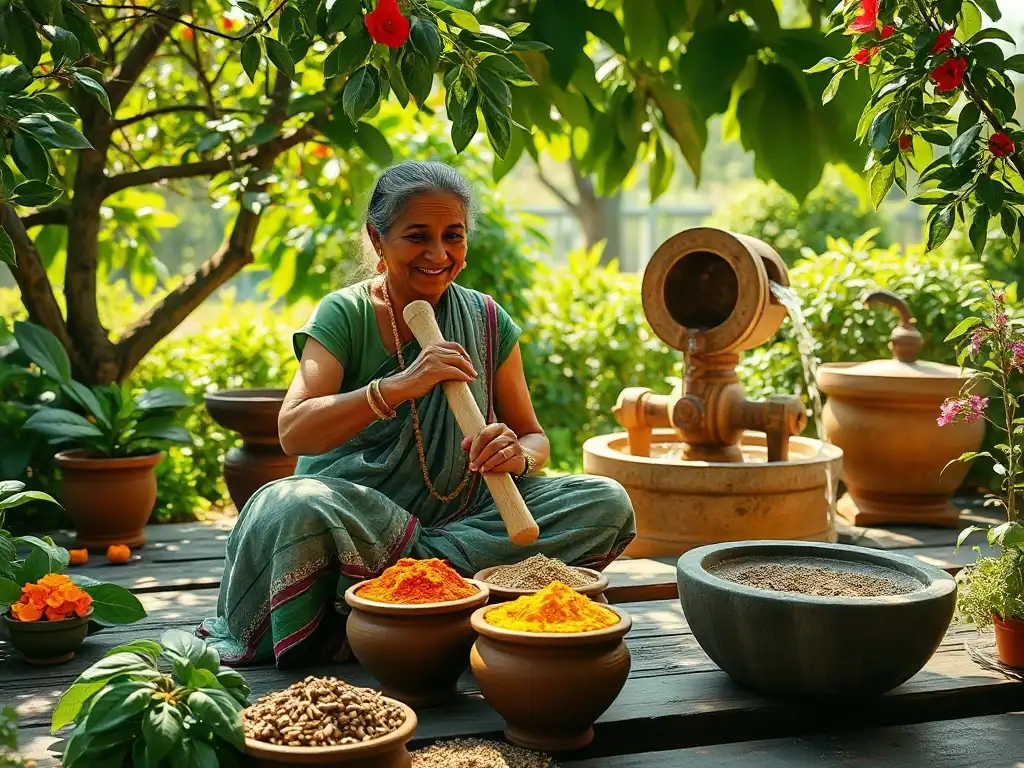
Welcome to Ancient India History, where we delve into the fascinating tapestry of India's rich past! Here, you'll discover the profound contributions of ancient civilizations, from the innovative Indus Valley to the illustrious Gupta Empire. In our featured article, "How Ayurveda Can Enhance Emotional Wellbeing: Ancient Insights," we invite you to explore the age-old wisdom of Ancient Ayurveda for Emotional Wellbeing.
Uncover how these timeless practices can provide modern solutions to emotional health and ignite your curiosity about the interconnectedness of ancient knowledge and contemporary life. Join us on this enlightening journey as we unravel the secrets of the past and their relevance in today's world!

Introduction to Ancient Ayurveda for Emotional Wellbeing
Ayurveda, often termed the "science of life," is an ancient Indian system of medicine that emphasizes balance, harmony, and holistic health. Originating over 5,000 years ago, Ayurveda integrates physical, mental, and spiritual well-being, offering profound insights into the management of emotional health. As modern society grapples with increasing stress, anxiety, and emotional challenges, revisiting these ancient teachings can illuminate pathways for enhancing emotional wellbeing. This article will explore the foundational principles of Ayurveda related to emotional health, delve into its historical significance, and demonstrate how ancient insights can be applied to contemporary challenges in emotional wellbeing.
Overview of Ayurveda and Its Historical Significance
Ayurveda is not merely a medical system but a comprehensive lifestyle philosophy that has shaped various aspects of Indian culture. Its principles are rooted in the understanding of five basic elements—earth, water, fire, air, and space—believed to influence the body and mind through three fundamental energies, or doshas: Vata, Pitta, and Kapha.
- Historical Context: Ancient texts, such as the Charaka Samhita and Sushruta Samhita, outline the principles of Ayurveda, focusing on preventive care and the treatment of ailments through natural remedies, diet, and lifestyle changes. These texts provide valuable insights into the emotional dimensions of health, emphasizing the interconnectedness of the body and mind.
- Cultural Impact: Ayurveda has influenced not just medicine but also art, philosophy, and spirituality in ancient India. Its teachings encourage individuals to live in harmony with nature and their surroundings, fostering emotional stability and resilience.
The Connection Between Ayurveda and Emotional Health
The Ayurvedic perspective on health is intrinsically linked to emotional wellbeing. It posits that imbalances in the doshas can lead to emotional disturbances. For instance:
- Vata Imbalance: Often associated with anxiety and fear, a Vata imbalance can disrupt mental clarity and emotional stability.
- Pitta Imbalance: This dosha governs transformation and can lead to anger or irritability when out of balance.
- Kapha Imbalance: Associated with lethargy and depression, an excess of Kapha can stifle motivation and emotional expression.
Through Ayurvedic practices like diet, herbal remedies, yoga, and meditation, individuals can restore balance to their doshas and, consequently, their emotional health.
Understanding Emotional Wellbeing in the Context of Ayurveda
Definition and Importance of Emotional Wellbeing
Emotional wellbeing refers to the ability to manage stress, relate to others, and make decisions that enhance one's quality of life. In Ayurveda, emotional health is as crucial as physical health.
- Holistic Approach: Ayurveda advocates for a balanced lifestyle that nurtures emotional health through self-awareness, healthy relationships, and mindfulness.
- Cultural Significance: In ancient Indian society, emotional wellbeing was seen as essential for overall health, leading to practices that promoted mental clarity and emotional resilience.
How Ancient Ayurveda Views Emotions and Mental Health
In Ayurveda, emotions are viewed not as isolated phenomena but as integral to the overall health of an individual.
- Emotional Spectrum: Each dosha corresponds to specific emotions, and understanding these connections can empower individuals to address their emotional states effectively.
- Mind-Body Connection: Ayurveda emphasizes the influence of the mind on the body and vice versa, advocating for practices that cultivate a balanced emotional state, such as meditation, yoga, and dietary adjustments.
By exploring these ancient insights, we can harness the wisdom of Ayurveda to enhance our emotional wellbeing in today's fast-paced world.
Key Principles of Ancient Ayurveda Relevant to Emotional Wellbeing
Ancient Ayurveda, a holistic system of medicine that originated in India over 3,000 years ago, emphasizes the importance of balance within the body and mind for achieving emotional wellbeing. At its core, Ayurveda operates on the principle that every individual is unique, and thus, their treatment should be personalized. This personalized approach is seen in the way Ayurveda categorizes individuals based on their doshas—Vata, Pitta, and Kapha—each representing different combinations of the five elements: earth, water, fire, air, and ether. Understanding these doshas is essential to harnessing Ayurvedic practices for emotional health.
Another key principle is the concept of Sattva, which signifies purity, harmony, and balance in the mind. Cultivating Sattva is crucial for achieving mental clarity and peace, thereby enhancing emotional wellbeing. Ayurveda also highlights the significance of Agni, or digestive fire, which not only governs physical digestion but also influences emotional reactions and mental states. A balanced Agni is vital for maintaining both physical and emotional health.
The Concept of Doshas and Their Role in Emotional Balance
In Ayurveda, doshas are the fundamental energies that govern physiological and psychological characteristics in individuals. Each dosha has unique attributes:
- Vata: Associated with the elements of air and ether, Vata is linked to creativity, flexibility, and movement. However, an imbalance can lead to anxiety, fear, and restlessness.
- Pitta: Comprising fire and water, Pitta governs transformation and metabolism. An excess can result in irritability, anger, and frustration.
- Kapha: Representing earth and water, Kapha is connected to stability and structure. When imbalanced, it may lead to lethargy, attachment, or depression.
Understanding one's dosha can aid in recognizing emotional triggers and patterns. By managing these dosha imbalances through diet, lifestyle, and mindfulness, individuals can foster emotional stability and resilience.
The Importance of Sattva for Mental Clarity and Peace

Sattva is a critical component of Ayurvedic philosophy that correlates directly with emotional wellbeing. It represents the quality of lightness, purity, and tranquility. A predominance of Sattva in an individual's mind leads to enhanced clarity, increased focus, and a sense of inner peace.
To cultivate Sattva, Ayurveda recommends engaging in activities that promote positivity and joy, such as spending time in nature, practicing gratitude, and surrounding oneself with positive influences. Foods that are fresh, light, and nourishing—like fruits, vegetables, and whole grains—also contribute to Sattvic qualities. When Sattva is nurtured, it helps in reducing emotional turmoil and promotes a balanced state of mind.
The Role of Agni (Digestive Fire) in Emotional Health
Agni, or digestive fire, is a cornerstone of Ayurvedic health, impacting both physical and emotional states. A strong Agni facilitates proper digestion and nutrient absorption, which in turn influences mental clarity and emotional stability. When Agni is weak, individuals may experience symptoms like sluggishness, mood swings, or emotional disturbances.
Maintaining a balanced Agni is achieved through mindful eating practices, such as consuming warm, cooked meals that are easy to digest. Spices like ginger and cumin can enhance Agni, while overeating, irregular eating schedules, or consuming heavy, processed foods can lead to its depletion. By prioritizing Agni, individuals can foster a more stable emotional state and resilience against stress.
Ayurvedic Practices to Enhance Emotional Wellbeing
Ayurveda offers a variety of practices tailored to enhance emotional wellbeing, focusing on lifestyle adjustments, dietary changes, and holistic therapies. These practices are designed to promote balance in the body and mind, facilitating a harmonious emotional state.
Dietary Recommendations for Emotional Balance
An Ayurvedic diet emphasizes the importance of balance and harmony in food choices. To support emotional wellbeing, practitioners often recommend:
- Sattvic Foods: Emphasizing fresh, organic fruits, vegetables, and whole grains.
- Avoiding Processed Foods: Reducing intake of processed, stale, or overly spicy foods that can disturb emotional balance.
- Regular Meal Timing: Eating at consistent intervals to help stabilize Agni and maintain energy levels.
By adhering to these dietary recommendations, individuals can nourish their bodies and minds, fostering a more positive emotional state.
Herbal Remedies in Ayurveda for Emotional Support
Ayurveda utilizes a myriad of herbs and plants known for their calming and stabilizing effects on the mind. Some notable herbs include:
- Ashwagandha: Known for its adaptogenic properties, it helps in reducing stress and anxiety.
- Brahmi: Enhances cognitive function and promotes mental clarity, reducing feelings of overwhelm.
- Tulsi (Holy Basil): Supports emotional resilience and aids in stress management.
Incorporating these herbs into daily routines can provide significant emotional support and balance.
Meditation and Mindfulness Techniques from Ayurveda
Meditation and mindfulness are integral components of Ayurvedic practices aimed at enhancing emotional wellbeing. Techniques include:
- Pranayama: Breath control exercises that help regulate energy and calm the mind.
- Dhyana: Meditation practices focusing on breath awareness or visualizations to promote inner peace.
- Mindful Living: Engaging in daily activities with full awareness to foster connection with oneself and reduce emotional turbulence.
Regular practice of these techniques can significantly enhance emotional health, leading to a more centered and balanced life.
Lifestyle Changes Inspired by Ancient Ayurveda
Ayurveda, the ancient Indian system of medicine, emphasizes a holistic approach to health, which integrates body, mind, and spirit. One of the key components of Ayurveda is its focus on lifestyle changes that promote emotional wellbeing. By aligning our daily habits and routines with the principles of Ayurveda, we can cultivate a more balanced emotional state and enhance overall wellbeing. This lifestyle transformation is rooted in concepts such as Dinacharya (daily routines) and Ritucharya (seasonal routines), which guide individuals in living harmoniously with the natural rhythms of the environment.
Daily Routines (Dinacharya) for Emotional Wellbeing
Dinacharya refers to the daily regimen that includes practices designed to maintain balance in the body and mind. These routines are essential for emotional wellbeing as they establish a sense of stability and predictability in daily life. Key components of Dinacharya include:
- Waking Up Early: Rising before sunrise allows individuals to connect with the calming energy of the early morning, fostering mental clarity and emotional tranquility.
- Meditation and Mindfulness: Incorporating meditation into the morning routine helps to center the mind, reduce anxiety, and promote a positive outlook.
- Balanced Nutrition: Eating wholesome, seasonal foods that align with one’s dosha (constitution) supports physical health and emotional stability.
- Regular Exercise: Engaging in physical activities like yoga or walking can release endorphins, thereby enhancing mood and reducing stress.
- Evening Wind Down: Establishing a calming routine before bed, such as reading or gentle stretching, promotes restorative sleep, which is crucial for emotional resilience.
By adhering to these daily practices, individuals can foster a nurturing environment that supports emotional wellbeing.
Seasonal Routines (Ritucharya) and Their Impact on Emotions
Ritucharya emphasizes the importance of adapting lifestyle practices according to the changing seasons. Each season has unique qualities that can significantly impact our emotional health. For example:
- Spring (Vasant): This season is characterized by renewal and growth. Engaging in detoxification practices, such as cleansing diets, can uplift spirits and clear mental fog.
- Summer (Grishma): As temperatures rise, focusing on hydration and cooling foods can prevent irritability and emotional volatility.
- Autumn (Sharad): This is a time for reflection and grounding. Incorporating grounding practices like root vegetables and warm, nourishing meals can stabilize emotions.
- Winter (Hemant): Emphasizing warmth and comfort, such as through warm oils in self-massage, can soothe the mind and help combat seasonal affective disorder.
By aligning our practices with the seasons, we can enhance our emotional resilience and maintain harmony with the natural world.
The Importance of Self-Care in Ayurvedic Practices
Self-care is a cornerstone of Ayurvedic philosophy, emphasizing the need for individuals to prioritize their emotional and physical health. Ayurvedic self-care practices nurture both the body and mind, fostering a deeper connection to oneself. Important aspects of self-care include:
- Abhyanga (Self-Massage): Regular oil massage not only nourishes the skin but also calms the nervous system, promoting emotional stability.
- Herbal Remedies: Utilizing herbs such as Ashwagandha and Brahmi can help alleviate stress and anxiety, supporting mental clarity and emotional balance.
- Time in Nature: Spending time outdoors and practicing mindfulness in nature can enhance mood and create a sense of peace.
- Journaling: Writing down thoughts and feelings can provide clarity and facilitate emotional release.
By embracing self-care, individuals can significantly improve their emotional wellbeing, making it an integral part of their Ayurvedic practice.
Case Studies: Success Stories of Emotional Wellbeing through Ayurveda

The efficacy of Ayurveda in enhancing emotional wellbeing is supported by numerous case studies and personal accounts. These success stories illustrate how ancient practices can lead to transformative outcomes in mental health.
Personal Accounts of Transformation
Many individuals have reported profound changes in their emotional states after integrating Ayurvedic principles into their lives. For instance, a recent case study involved a woman struggling with anxiety and depression. After adopting a daily routine that included meditation, dietary adjustments, and herbal supplements, she experienced significant improvements in her mood and overall mental clarity. Her journey highlights how personalized Ayurvedic practices can lead to lasting emotional transformation.
Historical Figures Who Embraced Ayurvedic Practices for Mental Health
Throughout history, notable figures have recognized the benefits of Ayurveda for mental health. For example, Mahatma Gandhi often spoke about the importance of a balanced lifestyle, which included Ayurvedic principles such as moderation in food, regular exercise, and meditation. His commitment to these practices contributed to his emotional resilience and ability to lead with compassion during tumultuous times. Such historical examples underscore the enduring relevance of Ayurveda in promoting emotional wellbeing through mindful living.
Conclusion: Embracing Ancient Ayurveda for Modern Emotional Wellbeing
In a world where emotional challenges are increasingly prevalent, the ancient wisdom of Ayurveda offers invaluable insights into achieving emotional wellbeing. This holistic system of medicine, rooted in the principles of balance and harmony, emphasizes the interconnectedness of the mind, body, and spirit. By integrating Ayurvedic practices into our daily lives, individuals can cultivate greater self-awareness, emotional resilience, and overall mental health.
The teachings of Ayurveda remind us that emotional wellbeing is not merely the absence of distress but the presence of balance and vitality. By understanding our unique constitutions (doshas) and recognizing how they influence our emotional responses, we can tailor our approaches to self-care, allowing for more effective strategies in managing stress and emotional turmoil. Embracing these ancient practices can empower individuals to navigate the complexities of modern life with greater ease and grace.
The Relevance of Ancient Insights in Today's World
The relevance of Ayurvedic principles in today's fast-paced, often stressful environment cannot be overstated. As we face unprecedented levels of anxiety, depression, and emotional fatigue, the holistic approach of Ayurveda presents a compelling alternative to conventional methods. Ancient insights emphasize personalized care, encouraging individuals to honor their unique emotional landscapes rather than adhering to one-size-fits-all solutions.
Moreover, Ayurveda teaches that emotional wellbeing encompasses more than just mental health; it includes physical health, nutrition, lifestyle choices, and spiritual practices. This comprehensive outlook aligns seamlessly with contemporary understandings of mental health, which increasingly recognize the interconnectedness of various life domains. By weaving Ayurvedic wisdom into modern therapeutic practices, individuals can foster a deeper sense of holistic wellness that resonates across time and cultures.
Encouragement to Explore Ayurvedic Practices for Personal Growth
Exploring Ayurvedic practices can be a transformative journey toward personal growth and emotional wellness. Individuals are encouraged to experiment with various techniques, such as meditation, yoga, herbal remedies, and dietary adjustments, to discover what resonates most with their unique constitution and emotional state.
Engaging in community practices, such as group meditations or workshops, can also provide support and foster connections with like-minded individuals on similar journeys. The exploration of Ayurveda invites a deeper understanding of oneself, nurturing the ability to respond to life's challenges with increased wisdom and resilience. By committing to this journey, individuals can create a personalized toolkit for emotional wellbeing, drawing on the rich legacy of ancient Ayurvedic traditions.
Call to Action: Further Resources on Ancient Ayurveda
To deepen your understanding of Ayurveda and its applications for emotional wellbeing, consider exploring the following resources. These materials can serve as guides on your journey toward enhanced emotional health through ancient practices.
Recommended Books and Texts on Ayurveda and Emotional Wellbeing
- "The Complete Book of Ayurvedic Home Remedies" by Vasant Lad
This comprehensive guide offers insights into Ayurvedic healing practices, including those focused on emotional health.
- "The Ayurveda Bible: The Definitive Guide to Ayurvedic Healing" by Anne McIntyre:
A thorough exploration of Ayurvedic principles, this book includes remedies and practices for emotional balance.
- "Healing Your Life: Lessons on the Path of Ayurveda" by Dr. Marc Halpern:
This text delves into how Ayurvedic principles can be applied for personal healing and emotional growth.
- "Ayurveda: The Science of Self-Healing" by Dr. Vasant Lad:
A foundational text that provides insights into the principles of Ayurveda and their application to emotional wellbeing.
Workshops and Retreats Focused on Ayurvedic Practices
- Ayurvedic Wellness Retreat at the Chopra Center
This retreat focuses on integrating Ayurvedic principles into daily life, offering participants tools for emotional and physical healing.
- The Ayurvedic Institute Workshops
Regular workshops led by experienced practitioners delve into various aspects of Ayurveda, including emotional health.
- Yoga and Ayurveda Retreats in India
These immersive retreats provide an opportunity to experience traditional Ayurvedic practices in their cultural context, enhancing emotional and spiritual wellness.
By engaging with these resources, individuals can gain a deeper understanding of ancient Ayurveda's potential to enhance emotional wellbeing, creating a path for personal growth and holistic health.
Final Thoughts on Ancient Ayurveda for Emotional Wellbeing
Ancient Ayurveda offers profound insights into the relationship between emotional wellbeing and holistic health. By recognizing the intricate balance of the mind, body, and spirit, Ayurveda provides a framework for understanding how emotions can affect physical health and vice versa. Techniques such as meditation, herbal remedies, and dietary adjustments not only address emotional challenges but also promote overall wellness.
Through practices like Meditation (Dhyana) and Breathing Exercises (Pranayama), individuals can cultivate a stable emotional state, reduce anxiety, and enhance clarity of thought. Embracing the principles of Ayurveda enables a more grounded approach to stress management, encouraging individuals to reconnect with their inner selves and foster resilience against the emotional ups and downs of modern life.
As we navigate the complexities of the contemporary world, reviving these ancient practices can lead to a more harmonious existence. By integrating Ayurvedic wisdom into daily routines, individuals can take proactive steps toward achieving emotional balance and enhancing their overall quality of life.
The Importance of Integrating Ancient Wisdom into Modern Life
Incorporating ancient wisdom into modern life is essential for fostering a deeper understanding of health and wellbeing. Ancient Ayurveda, with its holistic approach, emphasizes the connection between mental and physical health, reminding us that true wellness encompasses more than just the absence of illness.
- Holistic Approach: Ayurveda teaches that emotional wellbeing is intertwined with physical health. By addressing both aspects together, individuals can achieve a state of balance that enhances their overall quality of life.
- Personalized Practices: One of Ayurveda's core principles is individualization. By recognizing one’s unique constitution (Prakriti) and emotional tendencies, tailored practices can be developed, leading to more effective outcomes in emotional management.
- Stress Reduction: In a fast-paced modern world, ancient techniques such as yoga and mindfulness can serve as powerful tools for stress reduction. These practices foster a sense of peace and presence, allowing individuals to navigate daily challenges with greater ease.
- Cultural Reconnection: Embracing ancient practices helps to rekindle a connection with cultural roots, fostering a sense of identity and belonging. This reconnection can provide emotional stability and a clearer sense of purpose in life.
- Sustainable Lifestyle Choices: Ayurvedic principles encourage the use of natural remedies, seasonal foods, and sustainable living, which not only promote emotional wellbeing but also contribute to environmental health.
Integrating ancient Ayurveda into contemporary life is not merely about adopting a set of practices; it is about embracing a philosophy that values balance, health, and emotional resilience. As we face modern challenges, the wisdom of Ayurveda offers timeless strategies that remain relevant and effective in enhancing emotional wellbeing.
- Introduction to Ancient Ayurveda for Emotional Wellbeing
- Understanding Emotional Wellbeing in the Context of Ayurveda
- Key Principles of Ancient Ayurveda Relevant to Emotional Wellbeing
- The Concept of Doshas and Their Role in Emotional Balance
- The Importance of Sattva for Mental Clarity and Peace
- The Role of Agni (Digestive Fire) in Emotional Health
- Ayurvedic Practices to Enhance Emotional Wellbeing
- Lifestyle Changes Inspired by Ancient Ayurveda
- Case Studies: Success Stories of Emotional Wellbeing through Ayurveda
- Conclusion: Embracing Ancient Ayurveda for Modern Emotional Wellbeing
- Call to Action: Further Resources on Ancient Ayurveda
- Final Thoughts on Ancient Ayurveda for Emotional Wellbeing
Frequently Asked Questions
What is Ayurveda?
Ayurveda is an ancient system of medicine from India that emphasizes a holistic approach to health, focusing on the balance between mind, body, and spirit. It integrates various practices, including herbal remedies and lifestyle changes.
How does Ayurveda contribute to emotional wellbeing?
Ayurveda enhances emotional wellbeing by promoting balance through diet, herbal treatments, and mindfulness practices. These methods aim to reduce stress and improve mental clarity and emotional stability.
The key principles include the concepts of doshas (body types), balance, and the importance of lifestyle choices. Understanding your dosha helps tailor treatments that can enhance emotional resilience and overall health.
Can Ayurveda be used alongside modern therapies for emotional issues?
Yes, Ayurveda can complement modern therapies by providing additional tools for emotional management. Integrating ancient practices with contemporary approaches can lead to a more comprehensive treatment plan.
What are some Ayurvedic practices for improving emotional wellbeing?
Practices such as meditation, yoga, and specific herbal formulations like Ashwagandha and Brahmi are recommended. These practices help reduce anxiety and improve mood, fostering a sense of calm and balance.
Final Reflection: Embracing Ancient Ayurveda for Emotional Wellbeing
In a world increasingly characterized by stress and emotional turmoil, the insights of Ancient Ayurveda for Emotional Wellbeing resonate more than ever. The wisdom of this ancient practice offers a holistic approach to mental health, reminding us that emotional balance is deeply intertwined with our physical and spiritual states. As we navigate the complexities of modern life, the teachings of Ayurveda serve as a beacon, guiding us toward a more harmonious existence.
The influence of Ayurveda extends beyond individual practices; it has the power to reshape our cultural and social landscapes. As we embrace these ancient teachings, we foster a community that values emotional wellbeing and holistic health. The resurgence of interest in Ayurveda reflects a collective yearning for balance and peace in our lives. The greatest wealth is health.
– Virgil. This quote encapsulates the essence of Ayurveda, emphasizing that true wealth lies in our emotional and physical wellbeing, which is crucial in today's fast-paced society.
As you reflect on the insights shared in this article, I invite you to take a moment to consider how you can incorporate the principles of Ayurveda into your daily life. Whether through mindful practices, dietary choices, or self-care rituals, each step you take toward emotional wellbeing is a step toward a more fulfilling life.
Embrace this ancient wisdom, and let it inspire you to cultivate a deeper connection with yourself and those around you. The journey toward emotional balance is not just a personal endeavor; it is a shared path that can lead to a healthier, more compassionate world.
Embrace Wellness: Transform Your Emotions with Ayurveda!
Thank you for joining us on this enlightening journey into the world of Ayurveda and its profound impact on emotional wellbeing. You've uncovered the timeless wisdom that can elevate your mental and emotional health. Now, it's time to put this knowledge into action and unlock a more balanced version of yourself!
Here are some powerful steps you can take today:
- Begin a Daily Practice: Incorporate a simple Ayurvedic routine, such as morning meditation or enjoying herbal tea, to ground your emotions and set a positive tone for your day.
- Explore Further: Dive deeper into Ayurvedic resources by reading relevant literature, attending workshops, or joining community groups focused on holistic healing.
- Share Your Journey: Invite a friend or family member to explore Ayurveda with you, fostering a supportive environment for mutual growth and learning.
How could adopting Ayurvedic practices reshape your daily emotional landscape? We’d love to hear your thoughts and experiences!