
The Influence of Geography on Crop Cultivation in Ancient India

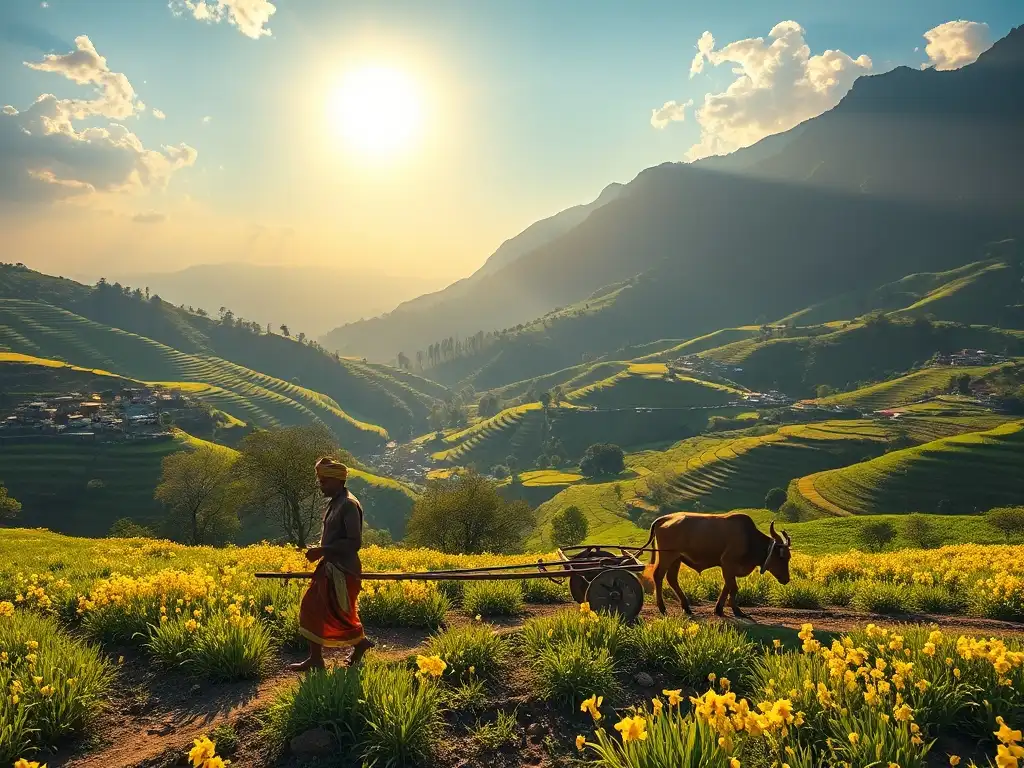
Welcome to Ancient India History, where we journey through the vibrant tapestry of India’s past! In our featured article, "The Influence of Geography on Crop Cultivation in Ancient India," we delve into the profound impact that the diverse landscapes of ancient India had on agricultural practices and economic development. Did you know that the topography and climate shaped not only the crops that flourished but also the very fabric of society?
Join us as we uncover the intricate connections between geography and cultivation that sustained mighty civilizations, inviting you to explore how these elements coalesced to create a legacy that continues to resonate today. Get ready to embark on an enlightening exploration of the agricultural heart of ancient India!
Introduction to Geography and Crop Cultivation in Ancient India
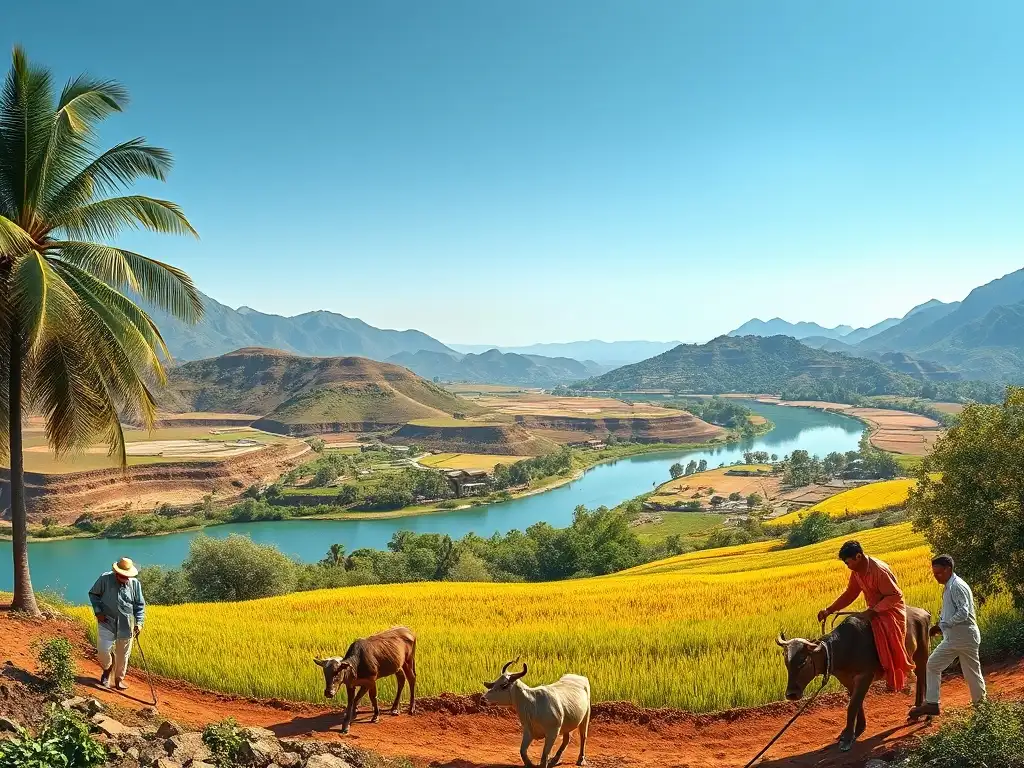
The intricate relationship between geography and crop cultivation in ancient India is a fascinating aspect of its agricultural history. Geography played a pivotal role in shaping the agricultural practices, crop diversity, and overall economic stability of various ancient Indian civilizations.
Understanding how the physical landscape influenced farming techniques helps illuminate the innovations and adaptations that occurred throughout different epochs, from the flourishing Indus Valley Civilization to the expansive Gupta Empire. This exploration not only highlights the agricultural strategies employed by ancient societies but also underscores the significance of geography in determining the types of crops cultivated and the sustainability of these practices over time.
Overview of Ancient Indian Geography
Ancient India was characterized by a diverse geography that encompassed a wide range of landscapes, including river valleys, plateaus, deserts, and coastal regions. Major geographical features such as the Himalayas in the north and the extensive coastline along the Indian Ocean played crucial roles in determining climatic conditions and soil fertility.
- Key Geographic Features:
- Indus River System: Provided water for irrigation and fertile alluvial soil.
- Ganges River Basin: Known for its rich agricultural land and multiple cropping systems.
- Deccan Plateau: Featured varied topography that influenced farming practices.
- Western and Eastern Coastal Regions: Supported fishing and salt-tolerant crops.
This geographical diversity allowed ancient Indian societies to cultivate a variety of crops, ranging from cereals to pulses and spices, thus laying the foundation for a robust agrarian economy.
Importance of Geography in Agricultural Practices
Geography significantly influenced agricultural practices in ancient India through its impact on climate, water availability, and soil types. Different regions experienced varying weather patterns, which dictated the timing and types of crop cultivation.
- Climate Variability: Regions like the arid deserts required innovative irrigation techniques, while fertile river valleys benefitted from natural floods that replenished soil nutrients.
- Soil Fertility: The alluvial soils of river valleys were ideal for intensive farming, whereas the rocky soils of plateaus posed challenges that required farmers to adapt their methods.
Overall, the interplay between geographical features and agricultural practices was crucial for the sustenance and growth of ancient Indian civilizations.
Major Geographic Regions of Ancient India
The Indus Valley: Fertile Lands and Irrigation Techniques
The Indus Valley, one of the earliest urban cultures in the world, thrived due to its fertile floodplains and advanced irrigation systems. The rivers, primarily the Indus and its tributaries, provided both water and nutrient-rich silt, making it a hub for agriculture.
- Irrigation Innovations: The inhabitants developed sophisticated irrigation techniques, including canals and water storage systems, which allowed for the cultivation of crops such as wheat, barley, and cotton.
- Urban Planning: The layout of cities like Harappa and Mohenjo-Daro showcases the importance of water management in supporting agricultural productivity.
This region's agricultural practices played a significant role in sustaining its large urban population and contributed to its economic prosperity.
The Ganges River Basin: Diverse Cropping Systems
The Ganges River Basin is renowned for its agricultural diversity and productivity. The basin's alluvial plains are among the most fertile in India, supporting a wide variety of crops.
- Crop Diversity: Farmers in this region cultivated rice, wheat, pulses, and various fruits and vegetables, adapting their practices to seasonal variations.
- Cultural Significance: Agriculture in the Ganges Basin was not just an economic activity; it was deeply intertwined with local customs and festivals, reflecting the cultural importance of agrarian life.
The region's agricultural richness significantly contributed to the growth and sustenance of ancient Indian kingdoms.
The Deccan Plateau: Challenges and Adaptations
The Deccan Plateau presents a contrasting landscape, characterized by its rocky terrain and variable rainfall patterns. While this region posed challenges for agriculture, its inhabitants displayed remarkable adaptability.
- Crops and Techniques: Farmers focused on drought-resistant crops, such as millet and sorghum, and employed traditional techniques like shifting cultivation and terrace farming to maximize productivity.
- Water Conservation: The use of rainwater harvesting systems became essential for sustaining agricultural practices amidst the challenges posed by the plateau's geography.
This adaptability illustrates the resilience of ancient agricultural societies in overcoming environmental obstacles.
Coastal Regions: Fishing and Saline Agriculture
The coastal regions of ancient India were critical not only for agriculture but also for fishing and trade. The proximity to the sea allowed communities to diversify their food sources and economic activities.
- Saline Agriculture: Coastal farmers often engaged in saline agriculture, cultivating crops that could withstand salty water, such as certain varieties of rice and legumes.
- Fishing Communities: Fishing played a vital role in the diet and economy of coastal populations, providing an additional source of nutrition alongside agriculture.
The combination of maritime and agricultural practices contributed to the economic diversity of these regions, showcasing the interplay between geography and livelihoods in ancient India.
Climate and Its Role in Crop Cultivation
The climate of ancient India was a pivotal factor influencing agricultural practices and crop selection. With a diverse range of climatic conditions, from arid deserts to tropical monsoons, farmers had to adapt their cultivation techniques to optimize yields. The intricate relationship between climate and agriculture facilitated the growth of a variety of crops suited to specific regions, thereby shaping the agrarian economy of ancient India.
Monsoon Patterns and Rainfed Agriculture
The Indian subcontinent is characterized by a distinct monsoon climate, with the southwest monsoon being crucial for agricultural success. Occurring from June to September, the monsoon brings significant rainfall that supports rainfed agriculture, particularly in regions like the Indo-Gangetic plains. Farmers relied on this seasonal rain for the cultivation of staple crops such as rice and pulses, which thrived in moist conditions.
The predictability of monsoon patterns allowed ancient Indian farmers to develop sophisticated agricultural calendars, planning sowing and harvesting around these seasonal rains. However, the dependency on monsoons also posed risks; erratic rainfall could lead to droughts or floods, significantly impacting crop yields and, consequently, the local economy.
Temperature Variations and Crop Selection
Temperature variations across different regions of ancient India also played a crucial role in crop selection. The northern plains, with their cooler winters, were ideal for growing wheat and barley, while the warmer southern regions favored rice cultivation. Additionally, the elevation of the Himalayan foothills provided a cooler climate conducive to the growth of certain fruits and vegetables.
Farmers had to consider not only average temperatures but also seasonal fluctuations and microclimates when selecting crops. This understanding of temperature's influence on growth cycles allowed for the cultivation of multiple harvests in a year, enhancing food security.
Soil Types and Their Suitability for Different Crops
Soil quality and composition varied widely across ancient India, influencing the types of crops that could be successfully cultivated. The alluvial soils of the Indo-Gangetic plains were rich in nutrients, making them highly suitable for crops like rice and wheat. In contrast, the black cotton soils of the Deccan plateau were ideal for cotton cultivation, which became a significant cash crop.
Farmers in ancient India practiced crop rotation and soil management techniques to maintain soil fertility. They understood the importance of soil types, often conducting rudimentary tests to assess drainage and nutrient content, thus enabling them to select appropriate crops for cultivation.
Key Crops Cultivated in Ancient India
The crop diversity in ancient India was a testament to the agricultural ingenuity of its civilizations. Different regions specialized in various crops, contributing to a rich tapestry of agricultural production that supported both local consumption and trade.
Staple Crops: Rice, Wheat, and Barley
Among the staple crops, rice, wheat, and barley were the most significant. Rice, primarily cultivated in the southern and eastern regions, was a dietary staple for the majority of the population. Wheat, thriving in the cooler northern plains, became the main food source in northern regions, while barley was often grown in harsher climates and served as animal fodder as well as food for humans.
These staple crops formed the backbone of ancient Indian diets and were integral to the economy, providing sustenance and trade opportunities.
Cash Crops: Spices and Textiles
In addition to staple crops, ancient India was renowned for its cash crops, particularly spices and textiles. Spices such as black pepper, cardamom, and turmeric were highly sought after, both domestically and in international markets, contributing significantly to trade networks. The cultivation of these spices was often concentrated in specific regions, where the climate and soil conditions were optimal.
Textile production, especially cotton, also flourished in ancient India. The favorable climate allowed for the growth of high-quality cotton, which was woven into fabrics that became popular across the world, enhancing India's reputation as a center of textile production.
The Role of Leguminous Plants in Soil Fertility
Leguminous plants played a vital role in ancient Indian agriculture by enhancing soil fertility. Crops such as lentils, chickpeas, and mung beans were not only essential food sources but also contributed to sustainable farming practices. These plants have the unique ability to fix nitrogen in the soil, improving its nutrient content and reducing the need for chemical fertilizers.
Farmers often practiced intercropping, planting legumes alongside staple crops, to maximize yields and maintain soil health. This sustainable approach to agriculture demonstrated an advanced understanding of ecological principles, allowing ancient Indian civilizations to thrive.
Innovations in Agricultural Practices Influenced by Geography
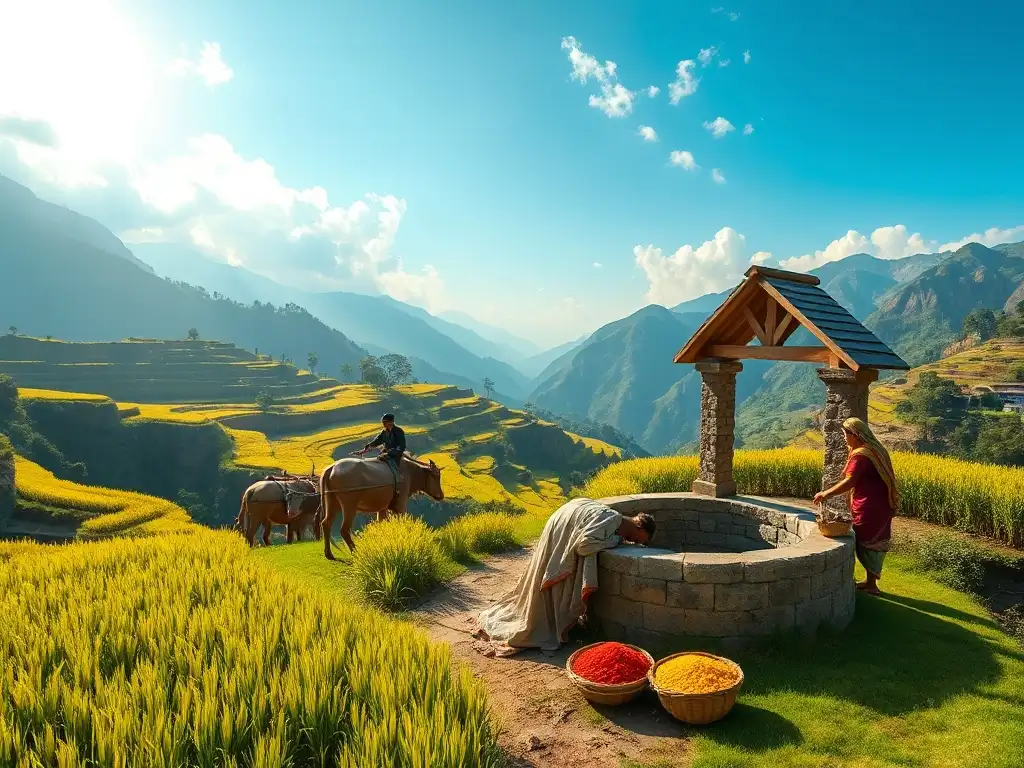
Ancient India saw a remarkable evolution of agricultural practices, heavily influenced by the diverse geography of the region. From the fertile plains of the Indus Valley to the arid deserts of Rajasthan, each area adopted unique methods tailored to its environmental conditions. Innovations emerged as farmers sought to maximize productivity while minimizing the risks associated with their specific landscapes.
In riverine regions, the abundance of water facilitated the development of sophisticated irrigation systems, while in arid areas, farmers relied on rainwater harvesting and the construction of wells. The use of crop varieties that were resilient to local climates was also a significant innovation. For instance, drought-resistant crops were cultivated in regions with scarce rainfall, demonstrating an adaptive strategy that ensured food security.
Moreover, the introduction of tools and techniques, such as plows adapted to different soil types and the use of organic fertilizers, reflected a deep understanding of local geography. These innovations not only enhanced crop yields but also contributed to the sustainability of agricultural practices, establishing a foundation for future advancements.
Traditional Irrigation Methods in Arid Regions
In arid regions of ancient India, traditional irrigation methods were crucial for successful agriculture. The scarcity of rainfall prompted farmers to develop elaborate systems to ensure a reliable water supply. Techniques such as qanats, an ancient water management technique, were employed to channel underground water to the surface, enabling the cultivation of crops in harsh environments.
Another prevalent method was the use of tank irrigation, where farmers constructed water storage tanks to collect and store rainwater. These tanks not only provided water for irrigation but also supported local ecosystems. The careful management of these water resources allowed for the cultivation of crops like millet and pulses, which thrived in drier conditions.
Additionally, the implementation of flood irrigation in areas near rivers showcased ingenuity in utilizing available resources. Farmers would direct excess river water into fields during the monsoon season, replenishing soil nutrients and ensuring a good harvest.
Crop Rotation and Sustainable Practices
Crop rotation was a fundamental agricultural practice in ancient India, significantly influenced by geographic and climatic conditions. By alternating the types of crops grown in a particular field, farmers could enhance soil fertility and reduce the risk of pest infestations. This practice was particularly beneficial in regions with distinct seasons, allowing farmers to maximize the use of land throughout the year.
For example, in the fertile Gangetic plains, the rotation of rice with legumes was common, as legumes enriched the soil with nitrogen, benefiting subsequent rice crops. This sustainable approach not only increased productivity but also contributed to a balanced ecosystem.
Moreover, sustainable farming practices were rooted in traditional knowledge passed down through generations. Farmers learned to observe the land and its needs, leading to the development of methods that preserved soil health, such as intercropping and the use of organic compost.
Trade and Geography: Impact on Crop Distribution
The interplay between trade and geography played a pivotal role in the distribution of crops across ancient India. As trade routes emerged, they facilitated not only the exchange of goods but also agricultural knowledge and practices. The geographical features of the land influenced the types of crops that could be cultivated, which in turn affected trade dynamics.
Trade Routes and Their Influence on Agriculture
Ancient trade routes, such as the Silk Road and the Grand Trunk Road, were instrumental in connecting various regions of India, allowing for the exchange of agricultural products. Crops that thrived in one area, like spices from the Western Ghats or rice from the eastern regions, found markets far beyond their local environments. This exchange not only diversified diets but also encouraged farmers to experiment with new crops.
The influence of geography on these trade routes was significant. Routes that traversed fertile plains or river valleys facilitated the easy transport of bulk crops, while mountainous regions posed challenges that impacted accessibility. As a result, certain crops became synonymous with specific regions, enhancing their economic value and cultural significance.
Geographic Barriers and Crop Diversity
Geographic barriers, such as mountains and deserts, played a dual role in ancient India’s agricultural landscape. While they limited the movement of people and goods, they also fostered a rich diversity of crops. Isolated regions developed unique agricultural practices and cultivated specific crops suited to their environment.
For example, the Himalayan foothills were known for producing a variety of herbs and high-altitude crops, while the Thar Desert encouraged the cultivation of drought-resistant plants. This diversity not only enriched the agricultural tapestry of ancient India but also contributed to the resilience of the food system, as different regions could support varied diets.
The Role of Geography in the Spread of Agricultural Knowledge
Geography was a critical factor in the dissemination of agricultural knowledge throughout ancient India. The natural features of the landscape played a role in determining how and where farming practices evolved. As communities interacted through trade and migration, they exchanged not only goods but also techniques and innovations.
For instance, the movement of peoples along trade routes facilitated the sharing of irrigation methods, crop varieties, and sustainable practices. Regions with similar climates often adopted successful strategies from one another, leading to improved agricultural productivity.
Moreover, the geographic layout of India fostered a rich tapestry of agricultural traditions, each deeply rooted in local conditions. This regional knowledge laid the groundwork for the agricultural advancements that would continue to shape Indian society for centuries to come.
Conclusion: The Interconnection of Geography and Crop Cultivation in Ancient India
The relationship between geography and crop cultivation in ancient India is a fascinating subject that reveals how the natural environment shaped agricultural practices and societal development. The diverse topography, climate variations, and river systems significantly influenced what crops were cultivated, how farming techniques evolved, and the overall agricultural productivity of ancient Indian civilizations. From the fertile plains of the Indus Valley to the terraced fields of the Himalayan foothills, the geographical features of the land dictated the types of crops grown and the methods employed by farmers.
This interconnection between geography and agriculture not only facilitated sustenance for growing populations but also fostered trade, cultural exchanges, and economic stability. The ancient Indian societies learned to adapt their agricultural practices to their environmental contexts, which led to innovations that would influence future generations. Understanding this relationship provides valuable insights into the agricultural legacy that has shaped modern practices in India today.
Summary of Geographic Influences on Agriculture
Ancient India's agricultural landscape was profoundly influenced by its geography, which played a critical role in determining the types of crops that could be cultivated:
- River Valleys: Fertile river valleys, such as those of the Indus and Ganges, provided rich alluvial soil, making them ideal for growing staples like wheat, barley, and rice. The seasonal flooding of these rivers replenished the soil nutrients, enhancing agricultural productivity.
- Climate Zones: The diverse climate across different regions allowed for a variety of crops. The tropical southern regions supported spices, sugarcane, and cotton, while the temperate northern areas were conducive to grains and pulses.
- Elevation and Topography: The varied elevation across the Indian subcontinent led to the development of distinct agricultural practices. For instance, terraced farming was practiced in the hilly regions to manage slope runoff and maximize arable land.
- Monsoon Patterns: The monsoon seasons played a pivotal role in agriculture, with timely rains being essential for crop growth. Farmers developed cropping calendars that relied heavily on these seasonal patterns to optimize their yields.
These geographic influences not only determined agricultural outputs but also shaped the economy and social structures of ancient Indian civilizations, illustrating the profound connection between the environment and human activity.
Lasting Impacts on Modern Agricultural Practices in India
The agricultural practices established in ancient India have left a lasting imprint on modern farming methods and the agricultural landscape of the country:
- Crop Diversity: The rich tradition of diverse cropping systems continues today, with India being one of the world's largest producers of various crops, including rice, wheat, and pulses. Farmers still rely on traditional knowledge passed down through generations, which is rooted in the geographical context of their regions.
- Irrigation Techniques: Ancient innovations in irrigation, such as stepwells and canals, have evolved into modern irrigation systems. The understanding of water management from ancient practices is crucial, especially in arid and semi-arid regions of India.
- Sustainable Practices: The ancient focus on sustainable farming practices, such as crop rotation and intercropping, remains relevant in contemporary agriculture, particularly in the face of climate change and the need for food security.
- Regional Specialization: The historical specialization in certain crops, based on geographical advantages, still defines regional economies. For example, Punjab continues to be known for its wheat production, while Kerala is recognized for its spices and coconuts.
Overall, the geographical influences on crop cultivation in ancient India have provided a foundation that continues to shape agricultural practices today, fostering a connection between history and modernity in India’s agricultural sector.
- Introduction to Geography and Crop Cultivation in Ancient India
- Major Geographic Regions of Ancient India
- Climate and Its Role in Crop Cultivation
- Key Crops Cultivated in Ancient India
- Innovations in Agricultural Practices Influenced by Geography
- Trade and Geography: Impact on Crop Distribution
- Conclusion: The Interconnection of Geography and Crop Cultivation in Ancient India
- What role did geography play in ancient Indian crop cultivation?
- Which regions were known for their agricultural productivity in ancient India?
- What types of crops were commonly cultivated in ancient India?
- How did irrigation practices affect agriculture in ancient India?
- Were there any significant contributions from ancient Indian civilizations to agriculture?
Frequently Asked Questions
What role did geography play in ancient Indian crop cultivation?
Geography significantly influenced crop cultivation in ancient India, as various regions offered distinct climates and soil types, leading to the growth of diverse agricultural practices.
Which regions were known for their agricultural productivity in ancient India?
The Indus Valley and Ganges River plain were particularly known for their agricultural productivity, benefiting from fertile alluvial soil and a favorable climate for crop growth.
What types of crops were commonly cultivated in ancient India?
Ancient Indian civilizations primarily cultivated rice, wheat, barley, and millets, adapted to the geographical conditions of their respective regions.
How did irrigation practices affect agriculture in ancient India?
Irrigation practices, such as canal systems and well-digging, improved agricultural output by ensuring a consistent water supply, especially in arid regions.
Were there any significant contributions from ancient Indian civilizations to agriculture?
Yes, ancient Indian civilizations made significant contributions to agriculture, including the development of crop rotation, fertilization techniques, and the domestication of various crops and livestock.
Final Reflection: The Enduring Legacy of Geography on Crop Cultivation in Ancient India
The intricate relationship between geography and crop cultivation in ancient India remains profoundly relevant today. As we navigate the complexities of modern agriculture, understanding how ancient civilizations adapted to their environments can inform our practices and policies. The lessons learned from the past are not just historical anecdotes; they are vital insights that can guide us in addressing contemporary agricultural challenges.
The influence of geography on crop cultivation has shaped not only the agricultural practices of ancient India but also the cultural and social fabric of its society. The diverse climates and terrains led to a rich tapestry of agricultural diversity, fostering innovations that resonate even in today's farming techniques. As Mahatma Gandhi once said, “The future depends on what you do today.” This quote encapsulates the importance of learning from our agricultural heritage to ensure sustainable practices for future generations.
As you reflect on the themes presented in this article, consider how the lessons from ancient India can inspire your own relationship with the land and food systems. Embrace the wisdom of the past to cultivate a more sustainable future. Whether you are a farmer, a consumer, or simply someone interested in the environment, let the knowledge of geography's impact on crop cultivation guide your actions and decisions. Together, we can honor the legacy of ancient practices while forging a path toward a resilient agricultural future.
Uncover the Secrets of Ancient Agriculture!
Thank you for joining us on this fascinating journey through the influence of geography on crop cultivation in Ancient India. We hope you found insights that spark your curiosity about how topography and climate shaped agricultural practices. Now, it’s time to take action!
Here are some ways you can dive deeper into this captivating topic:
- Explore local agricultural heritage: Visit a nearby farm or agricultural exhibition to witness modern practices that have evolved from ancient methods.
- Start a conversation: Share your thoughts and discoveries with friends or on social media; engage them in discussions about how geography continues to influence agriculture today.
- Research unique crops: Look into a lesser-known crop from Ancient India and uncover its historical significance and the role it played in the local economy.
What aspects of geography do you believe had the most significant impact on crop cultivation decisions in ancient societies? Let's discuss!