
How Ancient Indian Farmers Cultivated Resilience Through Crop Diversity

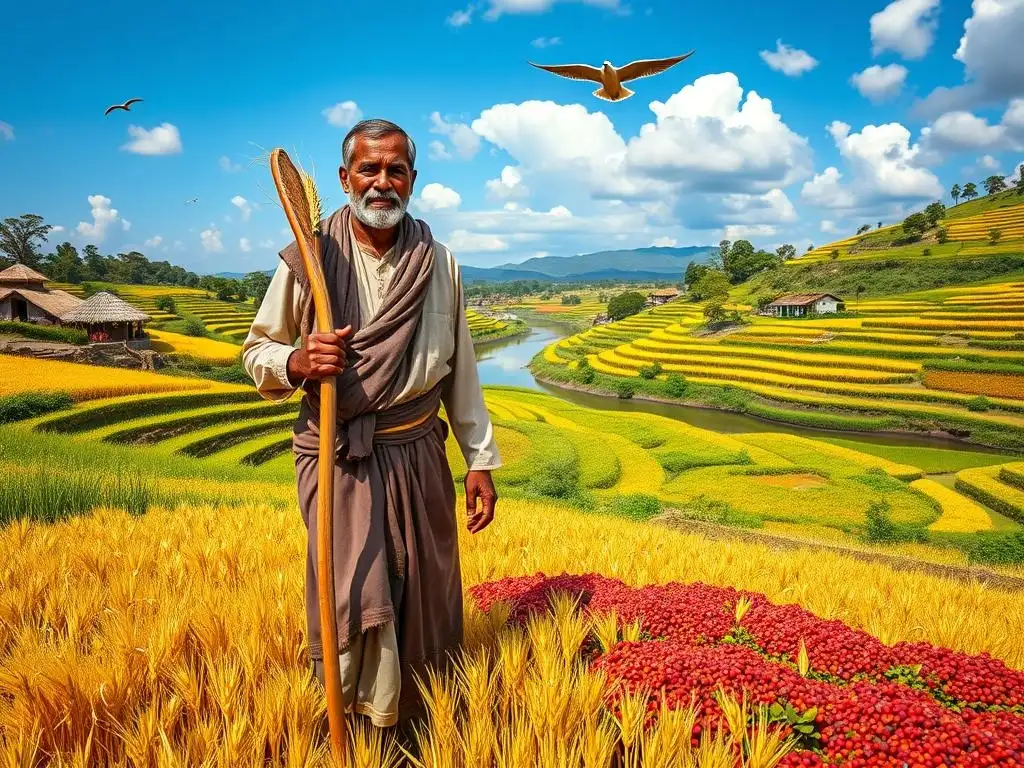
Welcome to Ancient India History, where we journey through the rich tapestry of India’s past! In our latest exploration, we delve into ancient Indian farming techniques, uncovering how these innovative practices not only shaped agricultural landscapes but also fostered resilience and sustainability in communities. How did farmers in ancient India cultivate a diverse array of crops to thrive despite challenges?
Join us as we unravel these fascinating stories and the profound impact of agriculture on the economy and culture of ancient civilizations. Your adventure into the depths of history begins here—don’t miss out on discovering the secrets of our agricultural heritage!
- Introduction to Ancient Indian Farming Techniques
- Historical Context of Ancient Indian Farming
- The Role of Crop Diversity in Resilience
- Techniques Employed by Ancient Indian Farmers
- Challenges Faced by Ancient Indian Farmers
- Lessons from Ancient Indian Farming Techniques
- Conclusion
-
Frequently Asked Questions
- What were the primary farming techniques used in ancient India?
- How did crop diversity contribute to ancient Indian agriculture?
- What role did the Indus Valley Civilization play in ancient Indian farming?
- How did the Gupta Empire influence agricultural practices?
- What impact did ancient Indian farming techniques have on the global agricultural landscape?
- Final Reflection: Embracing Resilience Through Diversity
- Embrace Resilience: Start Cultivating Diversity Today!
Introduction to Ancient Indian Farming Techniques
The history of ancient Indian farming techniques provides a fascinating glimpse into the agricultural practices that shaped one of the world's oldest civilizations. From the sophisticated irrigation systems of the Indus Valley to the innovative crop rotation methods during the Gupta Empire, ancient Indian farmers demonstrated remarkable resilience and adaptability.
This article delves into how these farmers cultivated not only their fields but also their ability to thrive in a variety of environmental conditions, primarily through the diversity of crops they cultivated. Understanding these techniques allows us to appreciate the profound impact of agriculture on the social, economic, and cultural fabrics of ancient India.
Overview of Ancient Indian Agriculture
Ancient Indian agriculture was characterized by a rich tapestry of practices that evolved over millennia. The Indus Valley Civilization, one of the earliest known urban cultures, showcased advanced agricultural techniques, including:
- Irrigation Systems: Farmers utilized a network of canals and wells, allowing them to harness the seasonal monsoon rains effectively.
- Crop Rotation: This technique involved alternating different crops in the same field across seasons to maintain soil fertility and reduce pest infestations.
- Terracing: In hilly regions, farmers built terraces to maximize arable land and prevent soil erosion.
These methods were not only practical but also reflected a deep understanding of local ecosystems. The use of indigenous seeds and natural fertilizers further exemplified the sustainable practices employed by ancient Indian farmers.
Importance of Crop Diversity in Ancient India
Crop diversity played a crucial role in the resilience of ancient Indian agriculture. By cultivating a variety of plants, farmers minimized the risks associated with crop failure due to pests, diseases, or adverse weather conditions. Some key aspects of this diversity included:
- Nutritional Security: A varied diet derived from multiple crops ensured better health and nutrition for communities.
- Economic Stability: Different crops could be sold or bartered, providing a buffer against economic downturns caused by poor harvests.
- Cultural Significance: Many crops, like rice, wheat, and pulses, held cultural importance and were integral to rituals and festivals.
The ability to adapt to changing conditions through crop diversity not only sustained ancient Indian communities but also laid the foundation for agricultural advancements that would follow, influencing generations to come. This rich legacy continues to inform modern agricultural practices in the region, emphasizing the value of resilience and diversity in farming.
Historical Context of Ancient Indian Farming
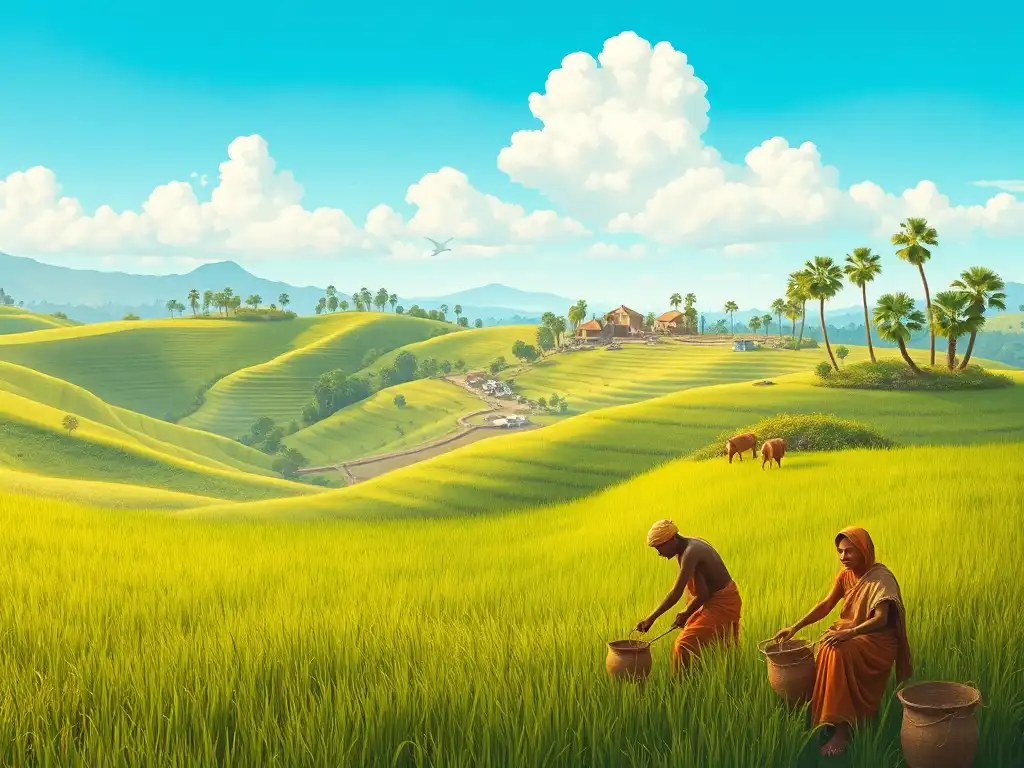
The agricultural practices in ancient India were deeply intertwined with the culture, economy, and social structure of its civilizations. Understanding the historical context allows us to appreciate how ancient Indian farmers cultivated resilience through diverse farming techniques, ultimately fostering a sustainable agricultural ecosystem.
Early Agricultural Practices in the Indus Valley
The Indus Valley Civilization, which flourished around 2500 BCE, is often heralded as one of the earliest centers of agriculture. Farming in this region was characterized by:
- Crop Cultivation: Farmers primarily cultivated wheat, barley, and peas. Archaeological evidence suggests that they practiced mixed cropping, which helped in maintaining soil fertility and mitigating risk against crop failure.
- Irrigation Systems: The people of the Indus Valley developed extensive irrigation systems, including canals and wells, to support agriculture in the arid landscape. This innovation allowed for year-round farming and increased crop yield.
- Storage Facilities: Granaries were constructed to store surplus grains, showcasing an early understanding of food security and resource management.
The combination of these practices laid the foundation for agricultural advancements in subsequent civilizations.
The Evolution of Farming Techniques in Ancient India
As ancient Indian societies evolved, so did their farming techniques. The following factors contributed to the evolution of agriculture:
- Crop Rotation: Farmers began to adopt crop rotation methods, which involved alternating different crops in the same field across seasons. This practice enhanced soil health and reduced pest infestations.
- Introduction of New Crops: Trade routes facilitated the introduction of new crops such as rice, millets, and sugarcane. This diversification not only improved nutrition but also made farming more resilient to climatic variations.
- Use of Animal Power: The integration of animals, such as oxen, in plowing and transportation significantly increased farming efficiency. This mechanization allowed for larger fields to be cultivated and reduced the physical burden on farmers.
These advancements illustrate how ancient Indian farmers adapted to changing conditions, enhancing both productivity and sustainability.
Key Civilizations and Their Contributions to Agriculture
Several ancient Indian civilizations made significant contributions to agricultural practices, each adding unique innovations and techniques:
- Maurya Empire (322-185 BCE): The Mauryan period witnessed the establishment of large-scale irrigation projects and the promotion of agriculture as a state policy. The emphasis on agricultural training and pest control methods showcased the sophistication of their farming techniques.
- Gupta Empire (c. 240-550 CE): Known as the Golden Age of Ancient India, the Gupta Empire saw advancements in agricultural tools, including the development of iron plows. This facilitated the cultivation of difficult terrains and improved overall crop yields.
- Chola Dynasty (c. 300 BCE-1279 CE): The Chola dynasty is noted for its innovative irrigation systems, including the construction of extensive tanks and canals. Their efforts significantly improved agricultural productivity in southern India.
The contributions from these civilizations not only helped in the immediate context but also laid the groundwork for future agricultural practices in India, emphasizing the importance of adaptability and diversity in ancient Indian farming techniques.
The Role of Crop Diversity in Resilience
Understanding Crop Diversity in Ancient Indian Farming
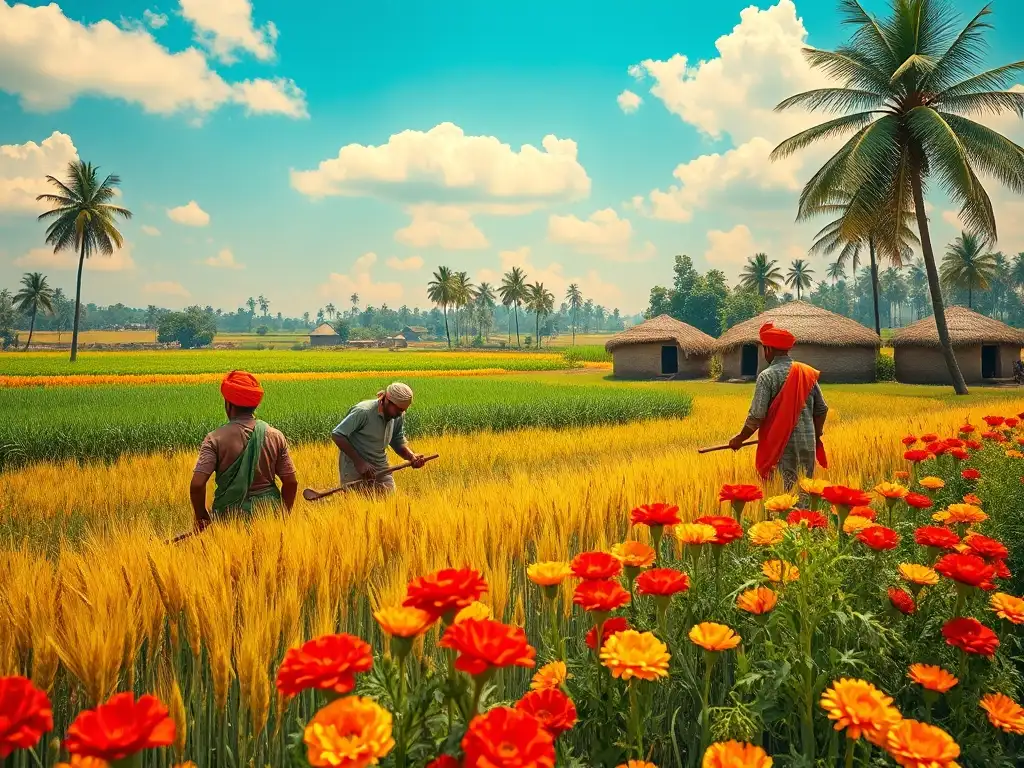
Crop diversity was a cornerstone of ancient Indian farming techniques, significantly contributing to the resilience of agricultural systems. Ancient Indian farmers understood that cultivating a wide variety of crops could mitigate risks associated with climate variability, pests, and diseases. The practice of polyculture, where multiple crops were grown simultaneously, not only enhanced soil health but also ensured a balanced diet for farming communities.
- Types of Crops:
- Cereals: Wheat, barley, and rice were staples.
- Pulses: Lentils, chickpeas, and peas enriched the soil with nitrogen.
- Fruits and Vegetables: A variety of local vegetables and fruits were cultivated, contributing to dietary diversity.
The ancient texts, such as the Arthashastra and Krishi Parashara, detail these practices, emphasizing the significance of crop rotation and intercropping for sustainable agriculture. Farmers often selected crops based on climatic conditions, soil types, and seasonal changes, leading to a sophisticated understanding of local ecosystems.
Benefits of Diversified Cropping Systems
The advantages of diversified cropping systems in ancient Indian agriculture were manifold. By planting various crops, farmers could achieve:
- Risk Management: Crop diversity acted as a buffer against crop failure due to environmental factors. If one crop suffered from drought or disease, others might still thrive, ensuring food security.
- Soil Health Improvement: Different crops had varying nutrient requirements and root structures, which helped maintain soil fertility and reduce soil erosion. For instance, legumes improved nitrogen levels in the soil, benefiting subsequent crops.
- Pest and Disease Control: A variety of crops disrupted pest cycles and reduced the likelihood of widespread disease outbreaks. Certain plants could attract beneficial insects or repel harmful ones, further bolstering crop health.
| Benefit | Description |
|---|---|
| Risk Management | Minimizes loss through crop failure |
| Soil Health Improvement | Maintains fertility and reduces erosion |
| Pest and Disease Control | Disrupts cycles and reduces outbreaks |
The integration of diverse crops not only enhanced resilience but also promoted sustainable farming practices that were deeply rooted in local traditions and knowledge.
Case Studies of Resilient Farming Communities
Several ancient Indian communities exemplified resilience through their innovative agricultural practices and crop diversity.
- Indus Valley Civilization:
- This civilization showcased advanced irrigation techniques and a variety of crops, including wheat, barley, and cotton. Archaeological evidence indicates sophisticated granaries and storage systems that allowed for surplus management, vital during less favorable seasons.
- The Gupta Empire:
- The Guptas promoted agricultural advancements, such as improved plowing techniques and crop rotation methods. The emphasis on diverse cropping systems during this period led to increased productivity and economic stability. Historical texts indicate that farmers grew multiple varieties of rice, which not only provided food security but also supported trade.
- Himalayan Communities:
- In the rugged terrains of the Himalayas, communities practiced terrace farming, cultivating various crops such as barley, millet, and potatoes. This practice showcased how crop diversity could adapt to challenging environments, ensuring sustenance and resilience against climatic extremes.
Ancient Indian farmers exhibited remarkable adaptability and innovation through their diverse agricultural practices. The emphasis on crop diversity not only fostered resilience in the face of challenges but also laid the groundwork for sustainable agricultural systems that have influenced farming practices to this day.
Techniques Employed by Ancient Indian Farmers
Traditional Farming Methods and Tools
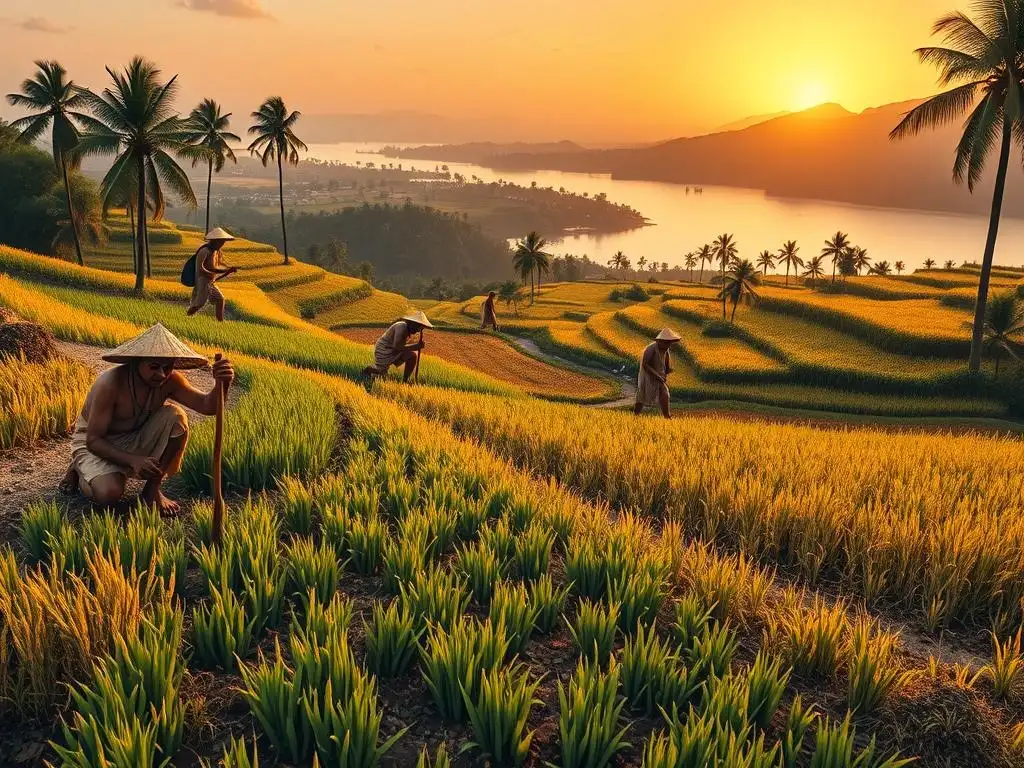
Ancient Indian farming techniques were characterized by a blend of traditional knowledge and innovative practices that evolved over millennia. Farmers in ancient India utilized a variety of tools and methods tailored to the diverse climates and soils of the region. Prominent among these were:
- Ploughing: The wooden plough, typically pulled by oxen, was a staple in ancient agriculture. It was used to turn the soil, making it more suitable for planting. The design varied, with some regions using a simple ard while others developed more sophisticated versions.
- Irrigation Techniques: Ancient Indians were pioneers in irrigation, employing methods such as:
- Canals: Constructed to divert river water to fields.
- Wells: Hand-dug wells provided a reliable water source, especially in arid regions.
- Rainwater Harvesting: Techniques to capture and store rainwater were also implemented, showcasing an early understanding of sustainability.
- Seed Selection and Sowing: Farmers practiced selective breeding to improve crop yield and resilience. Traditional knowledge guided them in choosing seeds that were best suited for their local environment.
The amalgamation of these methods not only maximized productivity but also fostered a sustainable agricultural system that thrived for centuries.
Crop Rotation and Its Impact on Soil Health
Crop rotation was a vital practice among ancient Indian farmers, contributing significantly to soil health and productivity. By alternating different crops in a systematic manner, farmers managed to:
- Enhance Nutrient Content: Different plants have varying nutrient requirements. For instance, legumes like lentils and peas fix nitrogen in the soil, replenishing it for subsequent crops like wheat or barley.
- Prevent Soil Degradation: Continuous planting of the same crop can lead to nutrient depletion and increased pest problems. Crop rotation disrupted pest cycles and reduced the need for chemical inputs, maintaining a healthier ecosystem.
- Improve Soil Structure: Diverse root systems from different crops helped in reducing soil compaction, enhancing aeration and water infiltration.
The practice of crop rotation not only ensured a sustainable yield but also laid the groundwork for modern agricultural practices that emphasize soil conservation.
Intercropping Practices and Their Advantages
Intercropping, the practice of growing two or more crops in proximity, was common in ancient Indian agriculture. This method provided several advantages that contributed to resilience and productivity:
- Biodiversity: By cultivating multiple species, farmers increased biodiversity in their fields. This variety helped in attracting beneficial insects and pollinators while deterring pests.
- Maximized Space and Resources: Intercropping allowed farmers to utilize their land more efficiently. For example, planting fast-growing crops alongside slower-growing ones ensured that land was used effectively throughout the growing season.
- Risk Mitigation: Growing a mix of crops reduced the risk of total crop failure due to disease or adverse weather conditions. If one crop failed, others could still provide a yield, ensuring food security.
- Improved Soil Fertility: Different plants contribute various organic materials to the soil, enhancing its fertility over time. For instance, pairing deep-rooted crops with shallow-rooted ones helped in nutrient extraction from different soil layers.
Through these intercropping practices, ancient Indian farmers demonstrated a profound understanding of ecological balance and sustainability, which continues to inform modern agricultural strategies.
Challenges Faced by Ancient Indian Farmers
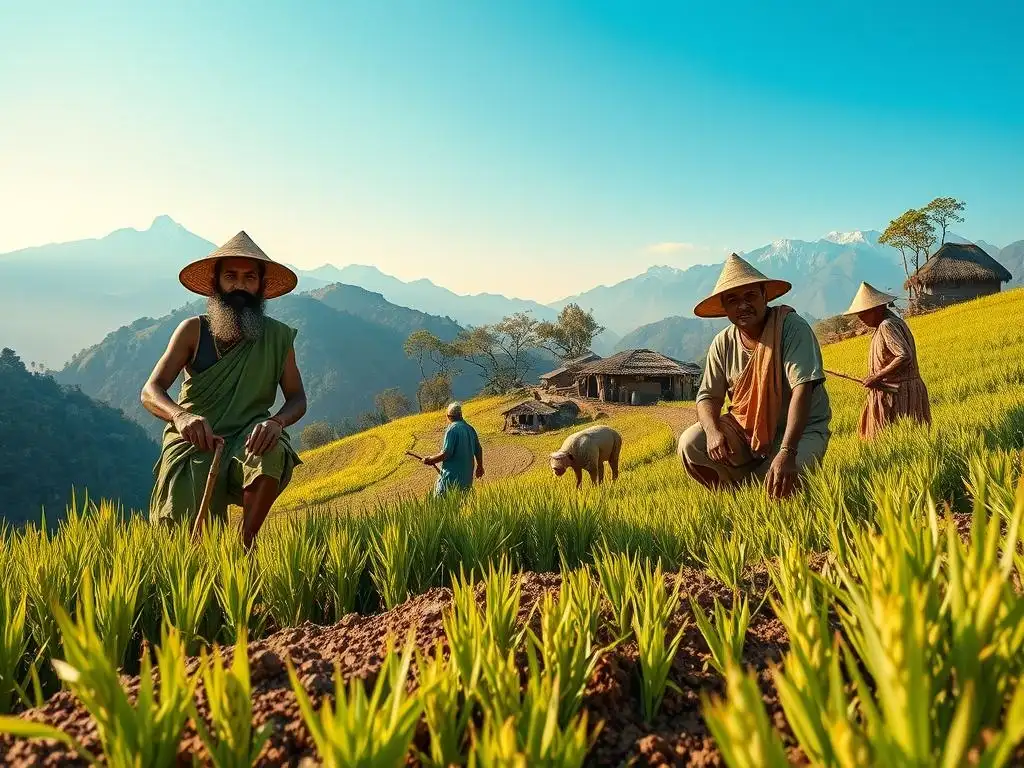
Ancient Indian farmers encountered a myriad of challenges that tested their resilience and ingenuity. These challenges primarily stemmed from environmental factors and socio-economic conditions that influenced agricultural productivity and sustainability. Understanding these obstacles provides insight into the adaptive strategies developed over centuries.
Environmental Factors Affecting Agriculture
Ancient Indian farmers operated in a diverse and often harsh environment. The following environmental factors played a significant role in shaping their agricultural practices:
- Monsoon Variability: The Indian subcontinent is heavily reliant on monsoons, which can be unpredictable. Years of excessive rainfall could lead to flooding, while drought years would devastate crop yields. Farmers had to develop techniques to manage water resources effectively.
- Soil Fertility: The fertility of the soil varied greatly across regions. In areas like the Indus Valley, alluvial soils were rich and conducive to agriculture. In contrast, regions with rocky or sandy soils faced challenges in sustaining crop growth. Farmers often practiced crop rotation and the use of organic fertilizers to maintain soil health.
- Pest and Disease Management: Pests and crop diseases posed significant threats to ancient crops. Farmers utilized various methods to combat these issues, including the introduction of companion planting, which involved growing certain plants together to deter pests.
- Climate Change: Fluctuations in climate over historical periods impacted agricultural cycles. Farmers adapted by diversifying their crop choices, allowing them to withstand adverse conditions and ensure food security.
These environmental challenges necessitated a deep understanding of local conditions and led to innovations in ancient Indian farming techniques, such as constructing irrigation systems and selecting drought-resistant crop varieties.
Socio-Economic Challenges and Their Solutions
In addition to environmental factors, socio-economic challenges also influenced ancient Indian farming:
- Land Ownership and Tenure: Land ownership patterns often dictated farmers' access to resources. Many farmers were sharecroppers or tenants with little control over the land they cultivated. This instability encouraged communal farming practices, where resources were pooled to enhance productivity.
- Market Access and Trade: Access to markets was crucial for the survival of farmers. In ancient times, many farmers faced difficulties in transporting their produce due to inadequate infrastructure. The development of trade routes and local markets allowed farmers to sell their surplus, thus incentivizing increased production.
- Labor Shortages: Seasonal labor shortages during peak agricultural periods could hinder crop cultivation. To address this, ancient farmers often relied on the support of family members and formed labor cooperatives, where communities worked together during harvesting seasons.
- Cultural Practices and Knowledge Transfer: The transmission of agricultural knowledge through generations was essential for resilience. Traditional practices, rituals, and festivals were intertwined with farming cycles, ensuring that communities remained connected to their agricultural roots.
Through these socio-economic strategies, ancient Indian farmers demonstrated remarkable adaptability and resilience, laying the groundwork for the agricultural practices that continue to influence Indian farming today.
Lessons from Ancient Indian Farming Techniques
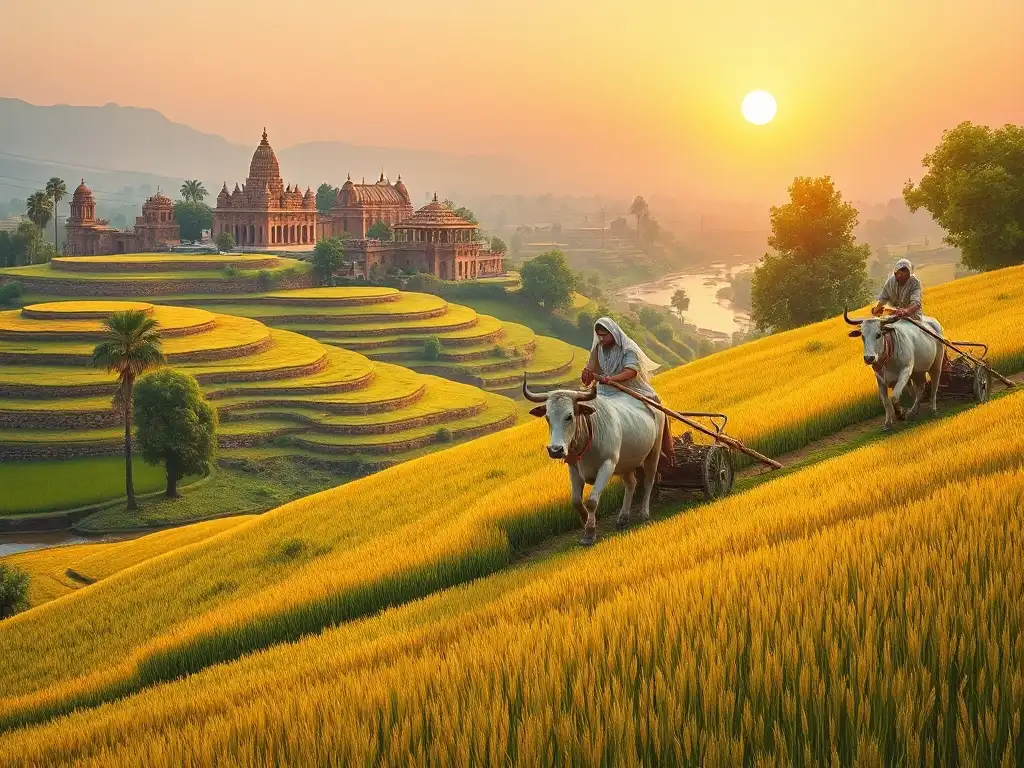
Ancient Indian farming techniques were characterized by innovative practices that prioritized sustainability and resilience through crop diversity. This approach not only ensured food security but also fostered a deep connection between the agricultural communities and their environment. As we delve into these historical practices, we uncover valuable lessons that can be applied to modern agriculture, particularly in the context of climate change and changing market demands.
The Relevance of Crop Diversity Today
Crop diversity was a fundamental component of ancient Indian agriculture, allowing farmers to adapt to varying climatic conditions and soil types. By cultivating a wide range of crops, farmers minimized the risk of total crop failure due to pests, diseases, or unpredictable weather. Here are some key aspects of crop diversity and its relevance today:
- Resilience to Climate Change: Ancient farmers understood the importance of growing multiple crops, which provided a buffer against environmental fluctuations. This strategy is increasingly important in today's world, where climate change poses significant challenges to food security. By promoting crop diversity, modern farmers can enhance resilience and adapt to changing conditions.
- Nutritional Benefits: The variety of crops grown in ancient India ensured a balanced diet for communities. Each crop offered unique nutrients, which contributed to the overall health of the population. Today, diverse diets are recognized for their health benefits, making crop diversity essential for nutrition and well-being.
- Biodiversity Conservation: Ancient farming practices often included the preservation of native plant species and traditional varieties. This emphasis on biodiversity not only supports ecological balance but also provides genetic resources for future crop breeding. By integrating these practices, contemporary agriculture can work towards conserving biodiversity.
- Economic Stability: By diversifying their crops, ancient farmers were able to stabilize their income, as different crops often had varying market demands. This principle remains valid today, where farmers who cultivate a range of crops can mitigate financial risks associated with market fluctuations.
Sustainable Agriculture Practices Inspired by Ancient Techniques
Ancient Indian farming techniques offer a wealth of sustainable practices that can be adapted to modern agricultural systems. These practices emphasize harmony with nature, resource conservation, and community involvement. Key sustainable techniques include:
- Intercropping: This technique involves planting two or more crops in proximity for mutual benefit. Ancient farmers often intercropped legumes with cereals, which enriched the soil with nitrogen and reduced pest populations. Modern farmers can adopt intercropping to improve soil health and increase yields.
- Crop Rotation: Rotating crops on a seasonal basis prevents soil depletion and reduces the risk of pest infestations. Ancient practices of rotating crops not only replenished nutrients but also disrupted pest life cycles. Today's farmers can benefit from this technique by enhancing soil fertility and productivity.
- Natural Pest Management: Ancient farmers utilized local biodiversity to control pests, relying on beneficial insects and natural predators rather than chemical pesticides. This approach is gaining traction today as sustainable pest management practices are promoted to reduce chemical use and protect the environment.
- Water Management Techniques: Ancient irrigation systems, such as stepwells and traditional tanks, were designed to conserve water and manage its distribution effectively. Modern agriculture can incorporate these ancient practices to promote efficient water use, particularly in arid regions.
The agricultural wisdom of ancient Indian farmers has much to offer contemporary practices. By embracing crop diversity and sustainable techniques, we can cultivate resilience in our agricultural systems, ensuring food security and environmental sustainability for future generations.
Conclusion
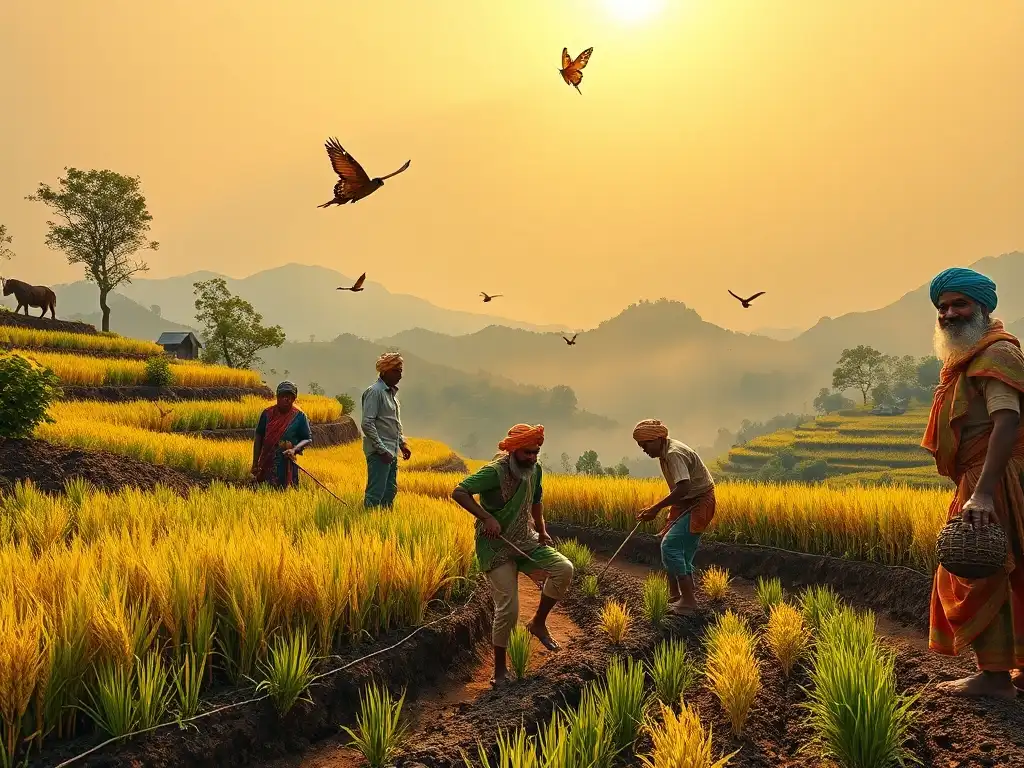
Summary of Ancient Indian Farming Techniques and Their Legacy
Ancient Indian farming techniques reflect a profound understanding of agriculture that has been passed down through centuries. The farmers of ancient India showcased remarkable resilience and adaptability through their diverse crop cultivation methods, which were tailored to the unique geographic and climatic conditions of the subcontinent. The following key aspects summarize their farming techniques:
- Crop Diversity: Ancient Indian farmers practiced polyculture, cultivating a variety of crops simultaneously. This approach not only enhanced soil fertility but also minimized the risk of total crop failure due to pests or diseases. Commonly grown crops included:
- Rice: A staple in the eastern regions, especially in the fertile plains of the Ganges.
- Wheat: Predominantly cultivated in the north, particularly in the Indo-Gangetic plains.
- Millets: Resilient grains such as bajra and jowar were essential in arid regions.
- Legumes: Pulses were integral for nitrogen fixation and enriching soil health.
- Innovative Irrigation Techniques: Ancient Indians developed sophisticated irrigation systems, including canals and wells, which allowed them to harness water from rivers and monsoons effectively. The Stepwell and Baoli are notable examples of water conservation techniques.
- Sustainable Practices: Crop rotation and the use of organic fertilizers, such as compost and animal manure, were common practices that preserved soil health and boosted productivity over time.
- Cultural and Spiritual Significance: Agriculture in ancient India was not just an economic activity but also intertwined with cultural and spiritual beliefs. Festivals like Makar Sankranti celebrated the harvest, emphasizing the community’s connection to the land.
These ancient techniques laid the foundation for sustainable agricultural practices, influencing modern farming methods and contributing significantly to India's agricultural legacy.
The Future of Agriculture Inspired by Historical Practices
As contemporary agriculture faces challenges such as climate change, soil degradation, and food security, rediscovering and adapting ancient Indian farming techniques offers valuable insights for modern practices. By embracing the wisdom of the past, we can foster resilience in today's agricultural systems. Key areas of focus include:
- Integrating Crop Diversity: Modern farmers can benefit from adopting polyculture systems that promote biodiversity, increasing resilience against pests and diseases while enhancing nutritional value.
- Water Conservation Techniques: Implementing traditional irrigation methods, such as rainwater harvesting and drip irrigation, can optimize water usage, particularly in regions facing water scarcity.
- Organic Farming and Soil Health: Reviving the use of organic fertilizers and sustainable practices, such as cover cropping and agroforestry, can improve soil health and reduce dependency on chemical inputs.
- Community-Based Approaches: Encouraging local farming communities to share knowledge and traditional techniques can strengthen food sovereignty and promote sustainable practices tailored to local ecosystems.
The resilience displayed by ancient Indian farmers through their diverse practices serves as a guiding principle for the future of agriculture. By blending historical wisdom with modern innovation, we can cultivate a sustainable agricultural landscape that honors the past while meeting the needs of future generations.
Frequently Asked Questions
What were the primary farming techniques used in ancient India?
Ancient Indian farmers employed techniques such as crop rotation, intercropping, and multi-cropping to enhance soil fertility and maximize yield.
How did crop diversity contribute to ancient Indian agriculture?
Crop diversity helped ancient Indian farmers mitigate risks associated with pests, diseases, and climate fluctuations, ensuring a more resilient food supply.
What role did the Indus Valley Civilization play in ancient Indian farming?
The Indus Valley Civilization showcased advanced agricultural practices, including sophisticated irrigation systems and the domestication of various crops, which laid the foundation for future farming methods.
How did the Gupta Empire influence agricultural practices?
During the Gupta Empire, there was significant advancement in agriculture, with the introduction of new tools and techniques, as well as an emphasis on agricultural texts that documented best practices.
What impact did ancient Indian farming techniques have on the global agricultural landscape?
Ancient Indian farming techniques, particularly in crop diversity and sustainable practices, influenced agricultural methods worldwide and contributed to the global exchange of agricultural knowledge.
Final Reflection: Embracing Resilience Through Diversity
The lessons learned from ancient Indian farming techniques resonate profoundly in today's world, where climate change and global food security are pressing issues. The ability of ancient farmers to cultivate resilience through crop diversity not only ensured their survival but also laid the foundation for sustainable agricultural practices that are increasingly relevant in our modern context. As we face unprecedented environmental challenges, the wisdom of these ancient practices serves as a beacon of hope and a call to action for contemporary farmers and policymakers alike.
The influence of these ancient techniques extends far beyond agriculture; they reflect a deep understanding of ecological balance and community resilience that we can all learn from. The interconnectedness of diverse crops mirrors the diversity within our societies, emphasizing the importance of adaptability and cooperation. As Mahatma Gandhi once said, "> The future depends on what you do today." This wisdom encourages us to reflect on our current practices and consider how we can incorporate the principles of resilience and diversity into our own lives and communities.
As we move forward, let us take a moment to reflect on the importance of diversity in our own lives—be it in our diets, our communities, or our approaches to problem-solving. I invite you to embrace the spirit of ancient Indian farmers by cultivating resilience through diversity in your own life. Whether it’s supporting local farmers, exploring new food sources, or fostering inclusive communities, every small action contributes to a more sustainable and resilient future. Together, we can honor the legacy of those who came before us and ensure a thriving world for generations to come.
Embrace Resilience: Start Cultivating Diversity Today!
Thank you for joining us on this journey into the remarkable agricultural practices of ancient Indian farmers. By exploring how they thrived through crop diversity, you've discovered valuable lessons that resonate even today. Now, it's time to take action!
Here are a few ways you can incorporate these insights into your life:
- Start your own diverse garden! Choose a variety of plants to grow at home, promoting both biodiversity and sustainability in your community.
- Share your knowledge with friends and family— discuss the significance of crop diversity and how it can contribute to a more sustainable future.
- Consider joining or supporting local initiatives that focus on agricultural sustainability and conservation efforts to help preserve diverse farming practices.
How will you incorporate the wisdom of ancient resilience into your own journey? Let's share your plans below!