
The Agricultural Innovations that Fueled the Indus Valley Civilization

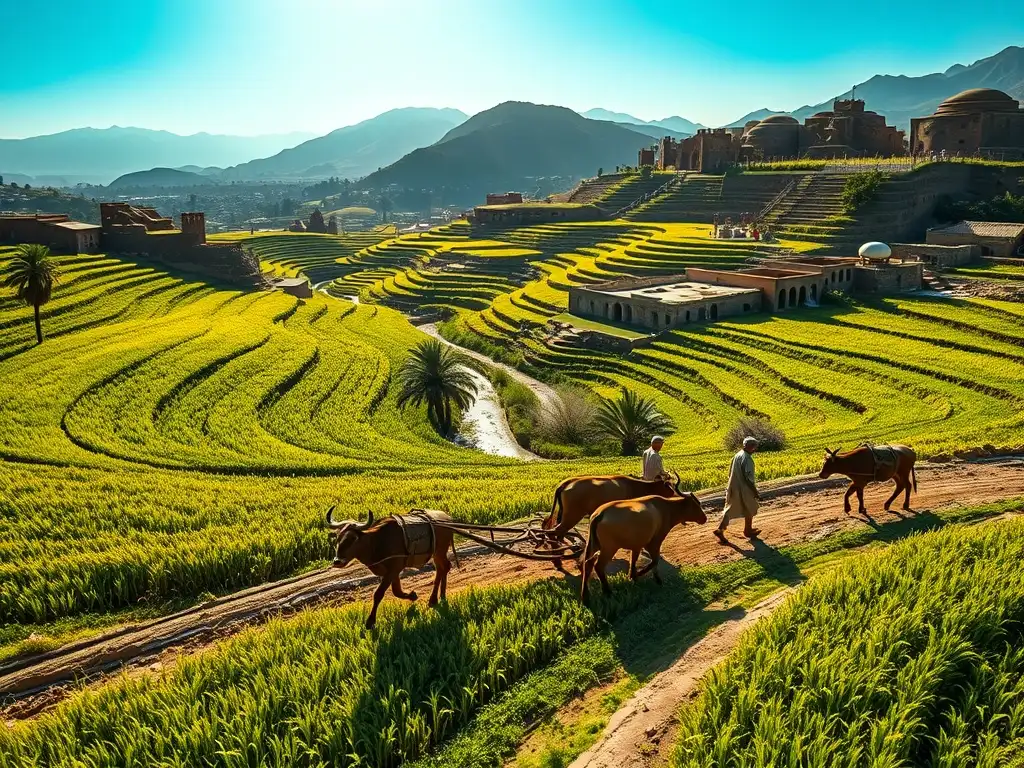
Welcome to Ancient India History, where we embark on an enlightening journey through the rich tapestry of ancient Indian civilizations. Here, we delve into the remarkable agricultural innovations that fueled the thriving Indus Valley Civilization, a cornerstone of India’s ancient heritage. What groundbreaking techniques did these early farmers employ to cultivate their land and ensure prosperity?
As you explore our featured article, "The Agricultural Innovations that Fueled the Indus Valley Civilization," prepare to uncover the secrets behind their success and discover how these advancements shaped the course of history. Join us as we unveil the wonders of a civilization that laid the foundation for a vibrant culture and a legacy that continues to influence us today.
- Introduction to Indus Valley Agricultural Innovations
- Key Agricultural Innovations in the Indus Valley
- Major Crops Cultivated in the Indus Valley
- The Role of Trade in Agricultural Advancements
- Societal Impacts of Agricultural Innovations
- Challenges Faced by Indus Valley Farmers
- Conclusion: Legacy of Indus Valley Agricultural Innovations
-
Frequently Asked Questions
- What were the key agricultural innovations of the Indus Valley Civilization?
- How did agricultural innovations impact the society of the Indus Valley?
- What crops were primarily cultivated in the Indus Valley?
- How did irrigation techniques evolve in the Indus Valley?
- What role did trade play in the agricultural innovations of the Indus Valley?
- Final Reflection: The Enduring Legacy of Indus Valley Agricultural Innovations
- Unveil the Secrets of Agricultural Innovation!
Introduction to Indus Valley Agricultural Innovations
The Indus Valley Civilization (IVC), one of the world's earliest urban cultures, thrived between 3300 BCE and 1300 BCE in what is now Pakistan and northwest India. Renowned for its advanced city planning, architecture, and social organization, the IVC also made significant strides in agricultural innovations that not only supported its population but also laid the foundation for future civilizations in the region.
In this article, we will delve into the various agricultural techniques and practices that fueled the prosperity of the Indus Valley, examining how these innovations contributed to the civilization's success and sustainability. Understanding these advancements is crucial to appreciating the complex interplay between agriculture and societal development in ancient India.
Overview of the Indus Valley Civilization
The Indus Valley Civilization, often referred to as the Harappan Civilization, emerged around 2500 BCE, encompassing a vast area that included major urban centers such as Harappa, Mohenjo-Daro, and Dholavira. This civilization is characterized by:
- Urban Planning: Cities were meticulously planned with grid layouts, advanced drainage systems, and standardized fired brick buildings.
- Trade Networks: The IVC engaged in extensive trade with neighboring regions, facilitating the exchange of goods, ideas, and agricultural products.
- Social Structure: Evidence suggests a complex societal hierarchy, with skilled artisans, traders, and farmers playing vital roles in the economy.
Agriculture was the backbone of the Indus Valley Civilization, providing food security and supporting its burgeoning population. The region's fertile plains, nourished by the Indus River and its tributaries, allowed for the cultivation of various crops, including wheat, barley, and legumes. This agricultural foundation not only sustained the cities but also fostered technological and cultural advancements.
Importance of Agriculture in Ancient Societies
Agriculture has always been a critical component of human civilization, serving as the primary means of food production and economic stability. In the context of the Indus Valley Civilization, agriculture was particularly significant for several reasons:
- Food Security: Reliable agricultural practices ensured a consistent food supply, which was essential for sustaining large urban populations.
- Economic Development: Surplus production allowed for trade, commerce, and the growth of specialized professions, contributing to the overall wealth of the civilization.
- Cultural Evolution: Agricultural practices influenced social customs, religious beliefs, and technological innovations, reflecting the interconnectedness of agriculture and cultural identity.
The agricultural innovations of the Indus Valley Civilization played a pivotal role in its development, facilitating not only survival but also prosperity and cultural richness. Understanding these contributions provides valuable insights into the foundations of ancient Indian societies and their lasting legacies.
Key Agricultural Innovations in the Indus Valley
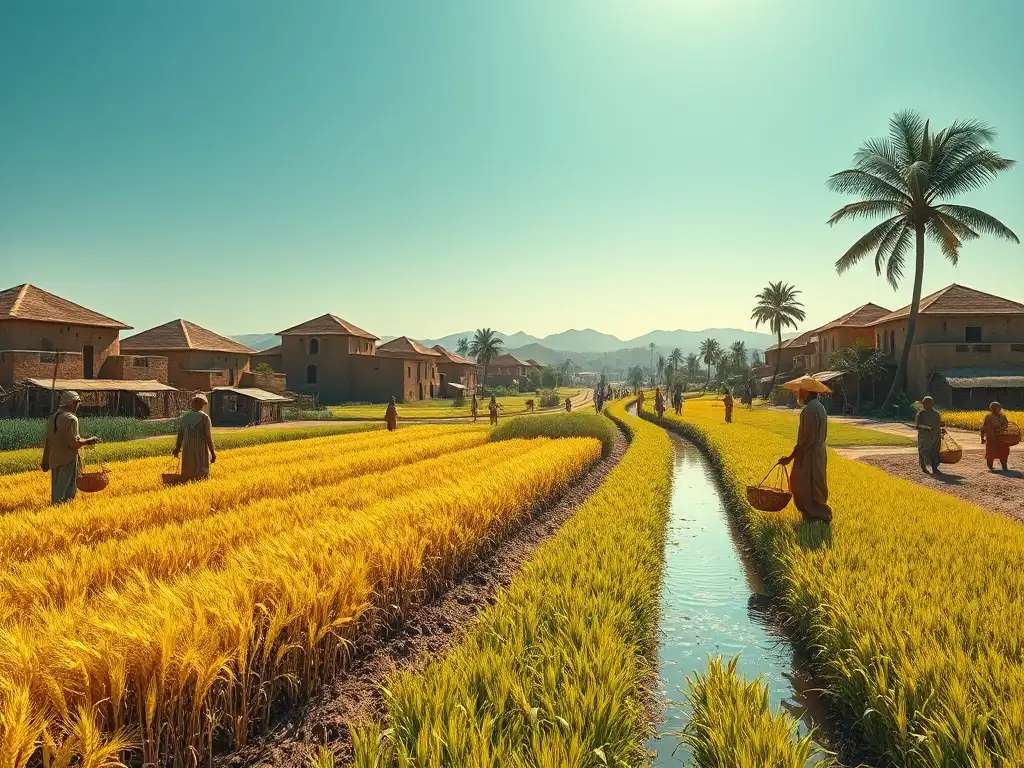
The Indus Valley Civilization (IVC), one of the world's earliest urban cultures, showcased remarkable advancements in agriculture that not only sustained its large population but also laid the groundwork for future civilizations. Agricultural innovations during this period were crucial in transforming the IVC into a thriving society, marked by sophisticated techniques and practices.
Irrigation Systems and Water Management Techniques
The Indus Valley agricultural innovations prominently featured advanced irrigation systems that were vital for crop production in the region's arid climate. The civilization developed a comprehensive network of canals, reservoirs, and wells that facilitated effective water management.
- Canal Systems: Archaeological evidence suggests that the IVC had well-engineered canals to channel river water to fields. These canals were lined with bricks, ensuring durability and minimizing water loss through seepage.
- Reservoirs: Large reservoirs, such as those found in Dholavira, were constructed to store rainwater and river water. These reservoirs not only provided a reliable water supply during dry seasons but also supported multiple agricultural cycles throughout the year.
- Wells: Deep wells were strategically dug in various settlements, allowing farmers to access groundwater. The presence of wells indicates the civilization's understanding of hydrology and their ability to adapt to local environmental conditions.
The combination of these innovative water management techniques enabled the Indus Valley farmers to cultivate crops efficiently, even in challenging climatic conditions.
Crop Rotation Practices and Their Benefits
Crop rotation was another critical agricultural innovation in the Indus Valley that contributed to sustainable farming practices. This method involved alternating the types of crops grown in a particular field over different seasons, which had several benefits:
- Soil Fertility: Rotating crops helped to maintain soil fertility by preventing nutrient depletion. Different crops have varying nutrient requirements and contribute differently to soil health. For example, leguminous plants, which fix nitrogen in the soil, were likely cultivated alongside cereals.
- Pest and Disease Management: By changing the crops grown in specific fields, farmers could disrupt the life cycles of pests and pathogens that thrived on certain plants. This natural pest control reduced the need for chemical interventions and promoted healthier crops.
- Increased Yields: The practice of crop rotation allowed farmers to maximize their land use by planting multiple types of crops throughout the year. This diversified their harvests and provided a more stable food supply.
Development of Ploughs and Farming Tools
The Indus Valley Civilization saw significant advancements in farming technology, particularly with the development of ploughs and various farming tools. These innovations greatly enhanced agricultural productivity:
- Ploughs: Archaeological findings indicate that the IVC utilized wooden ploughs, which were likely drawn by oxen. The introduction of the plough allowed for deeper soil tillage, enabling farmers to cultivate larger areas and improve crop yields.
- Sickle and Harvesting Tools: The sickle, a curved agricultural tool, was essential for harvesting grains efficiently. The design of these tools reflected the advanced metallurgical skills of the civilization, as they were often made from bronze or other durable materials.
- Storage and Transport: Innovations in storage facilities, such as granaries, helped preserve surplus crops, while improved transport methods facilitated the movement of agricultural produce to urban centers for trade.
Through these technological advancements, the Indus Valley Civilization not only enhanced its agricultural output but also contributed to the economic and social complexity of its urban centers, fostering trade and cultural exchange.
The Indus Valley agricultural innovations—from sophisticated irrigation systems to crop rotation practices and the development of farming tools—played a pivotal role in shaping one of history's most remarkable ancient civilizations. These innovations highlight the ingenuity and adaptability of the Indus Valley people in the face of environmental challenges.
Major Crops Cultivated in the Indus Valley
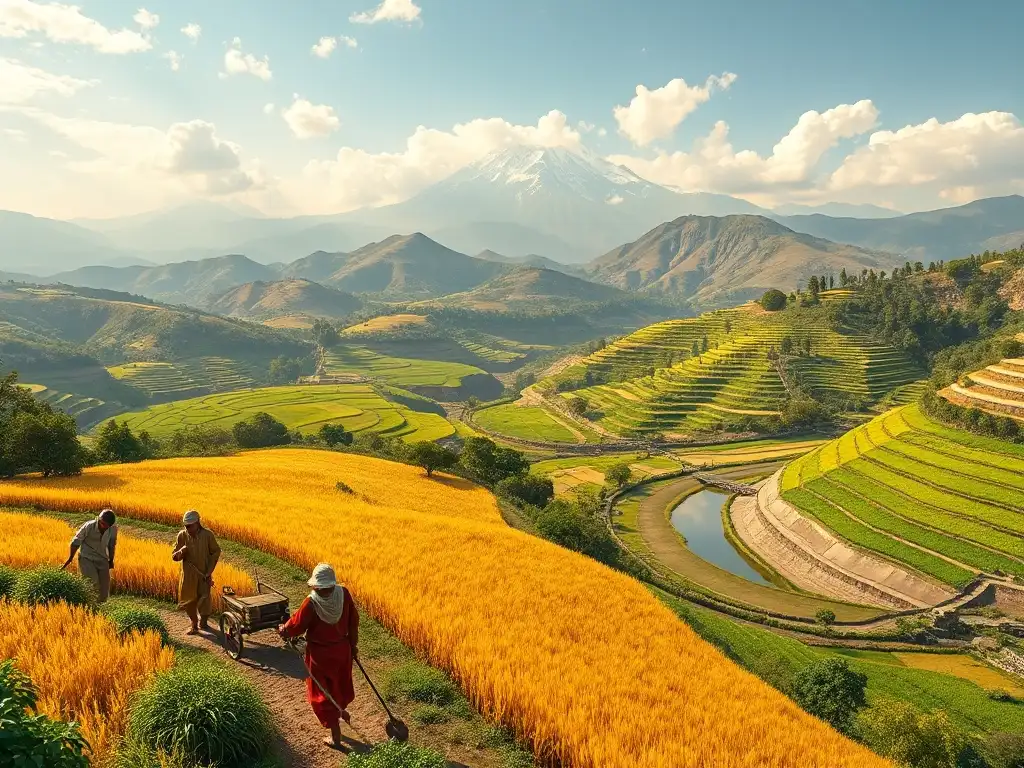
The agricultural practices of the Indus Valley Civilization were pivotal in shaping its economic and social structures. The region's fertile land and innovative farming techniques allowed for the cultivation of a variety of crops, which not only sustained the population but also facilitated trade and cultural exchanges. The major crops cultivated in this ancient civilization included staple grains, pulses, legumes, and cotton, each contributing uniquely to the society's development.
Wheat and Barley: Staple Grains of the Civilization
Wheat and barley were the primary staple grains of the Indus Valley Civilization, forming the backbone of their diet. Archaeological evidence suggests that these grains were cultivated as early as 7000 BCE, indicating a long-standing agricultural tradition.
- Wheat: The Indus Valley produced two main types of wheat: Triticum aestivum (common wheat) and Triticum durum (durum wheat). These varieties were resilient to the region's climate and soil conditions, allowing for consistent yields. Wheat was often ground into flour to make bread, which was a dietary staple.
- Barley: Barley was another significant crop, valued for its nutritional properties and adaptability. It was consumed in various forms, including as a porridge and beer, which played a role in social and ritualistic practices.
Both grains were essential not only for sustenance but also for trade, as they could be stored for long periods. The surplus production of wheat and barley contributed to the economic stability of the Indus Valley, allowing for the growth of urban centers.
Pulses and Legumes: Nutritional Contributions
Pulses and legumes played a crucial role in the diet of the Indus Valley people, providing essential nutrients that complemented the grains. These crops were rich in protein and fiber, contributing to a balanced diet.
- Key Pulses: Various types of pulses, such as lentils ( Lens culinaris), chickpeas ( Cicer arietinum), and peas ( Pisum sativum), were cultivated extensively. The favorable climatic conditions of the Indus Valley allowed for their successful growth, making them a staple in the diet.
- Nutritional Benefits: The inclusion of pulses in their diet not only enhanced the nutritional value but also supported soil health through nitrogen fixation. This agricultural practice ensured sustainable farming, as it reduced the need for chemical fertilizers.
The cultivation of pulses and legumes also facilitated trade with neighboring regions, where these crops were sought after for their health benefits and versatility in cooking.
Cotton Cultivation and Its Impact on Textiles
Cotton was another significant agricultural innovation of the Indus Valley Civilization. The region is often credited with being one of the earliest centers of cotton cultivation, with evidence dating back to around 5000 BCE.
- Cultivation Techniques: The Indus Valley farmers developed advanced techniques for cotton cultivation, which included irrigation systems that optimized water usage. This innovation was crucial in ensuring high-quality cotton production, which thrived in the region's climate.
- Impact on Textiles: The production of cotton had a transformative impact on the textile industry. The Indus Valley Civilization is known for its sophisticated weaving techniques, producing fine cotton fabrics that were highly prized both locally and in distant markets.
The cotton trade contributed significantly to the economy, as textiles became a major export commodity. This not only enhanced the wealth of the civilization but also facilitated cultural exchanges, influencing textile practices in other regions.
The agricultural innovations of the Indus Valley Civilization—particularly in wheat, barley, pulses, and cotton—played a crucial role in its development. These crops not only provided sustenance but also fostered trade and cultural interactions, laying the foundation for one of the most advanced ancient civilizations in history.
The Role of Trade in Agricultural Advancements
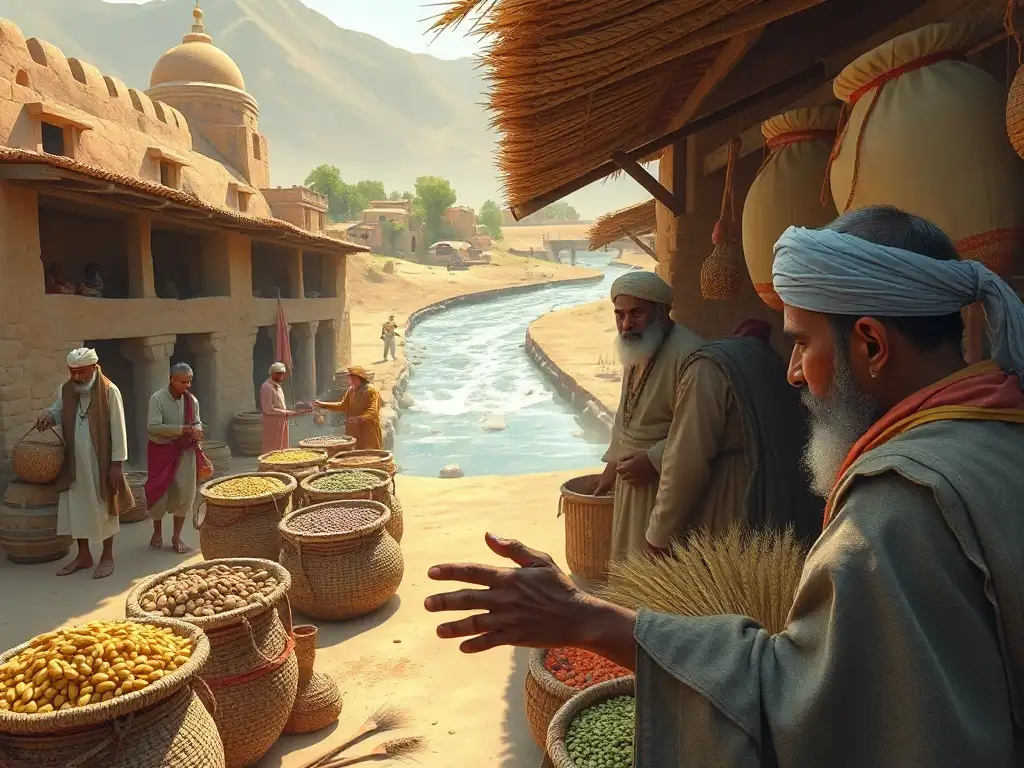
The Indus Valley Civilization (IVC) is renowned not only for its advanced urban planning and architecture but also for its significant agricultural innovations. A crucial factor that contributed to these advancements was trade. The exchange of goods, ideas, and agricultural techniques through trade networks played a pivotal role in shaping the agricultural landscape of the IVC.
Trade Routes and Agricultural Exchange
The Indus Valley was strategically located at the crossroads of key trade routes that connected various regions, facilitating the exchange of agricultural products and innovations. The major trade routes included:
- Northwest Trade Routes: Linking the IVC to the regions of Persia, Central Asia, and beyond, these routes enabled the exchange of grains, textiles, and various agricultural tools.
- River Trade on the Indus: The Indus River provided a natural highway for transporting goods. Boats were utilized to ferry agricultural produce, enhancing trade efficiency.
- Land Routes to the East: These routes connected the IVC with the fertile plains of the Ganges, allowing for the exchange of crops like rice and lentils, which were not initially grown in the Indus region.
The interaction with neighboring regions enriched the agricultural practices in the IVC. For instance, the introduction of new crop varieties and farming techniques from the west influenced local agricultural practices, leading to increased productivity.
- Cotton Cultivation: Evidence suggests that the IVC was among the first civilizations to domesticate cotton. The trade of cotton textiles became a significant economic activity, leading to innovations in weaving and dyeing.
- Irrigation Techniques: The exchange of knowledge regarding irrigation systems, especially from Mesopotamia, allowed the IVC to enhance its agricultural output. Canals and reservoirs were constructed to improve water management for crops.
Trade routes were not only conduits for goods but also for agricultural knowledge and innovations that fueled the Indus Valley Civilization's agricultural advancements.
Influence of Neighboring Civilizations on Agricultural Techniques
The agricultural innovations within the Indus Valley were profoundly influenced by interactions with neighboring civilizations. The exchange of ideas and techniques played a crucial role in the evolution of agriculture during this period.
- Mesopotamian Influence: The proximity to the Mesopotamian civilization facilitated the exchange of agricultural practices. Techniques such as crop rotation and the use of plows were likely adopted by the Indus Valley farmers, enhancing soil fertility and crop yields.
- Interactions with the Iranian Plateau: The exchange of livestock, particularly the domestication of animals like sheep and goats, contributed to agricultural diversity. This not only improved farming efficiency but also provided additional sources of food and materials.
- Cultural Exchange and Adaptation: As traders and farmers interacted with other cultures, they adapted their agricultural practices to include new crops and methods. For example, the introduction of barley and wheat from the west complemented the existing agricultural system, leading to a more resilient food supply.
The synthesis of agricultural knowledge from various civilizations allowed the Indus Valley to innovate and refine its agricultural practices, resulting in a robust and sustainable agricultural system that could support its growing population.
The agricultural innovations of the Indus Valley Civilization were significantly shaped by trade and cultural exchanges with neighboring regions. These interactions not only facilitated the transfer of goods but also enriched the agricultural practices that defined this remarkable civilization.
Societal Impacts of Agricultural Innovations

The agricultural innovations of the Indus Valley Civilization were pivotal in shaping its societal structure and overall development. These advancements not only ensured food security but also facilitated significant changes in population dynamics, urbanization, and economic structures.
Population Growth and Urbanization
The introduction of advanced agricultural techniques, such as irrigation and crop rotation, played a crucial role in supporting a growing population. The fertile plains of the Indus River Valley allowed for the cultivation of diverse crops, including wheat, barley, and pulses.
- Increased Food Production:
- The use of irrigation systems helped increase crop yields, providing a stable food supply.
- The cultivation of multiple crops in a year reduced the risk of famine and ensured a steady source of nutrition.
As food availability improved, the population of the Indus Valley Civilization experienced substantial growth. Archaeological evidence suggests that urban centers, such as Harappa and Mohenjo-Daro, emerged as significant hubs of activity.
- Urban Development:
- The rise of cities was marked by sophisticated planning and architecture, including grid layouts and advanced drainage systems.
- These urban centers attracted people from surrounding rural areas, leading to increased social and economic interactions.
This urbanization was further supported by the development of trade networks, which connected various regions and facilitated the exchange of goods and ideas.
Economic Prosperity Driven by Agriculture
The agricultural innovations of the Indus Valley Civilization were not merely about food production; they were foundational to the region's economic prosperity. This prosperity can be attributed to several key factors:
- Trade and Commerce:
- Surplus agricultural produce enabled the Indus Valley people to engage in trade with neighboring regions, exchanging goods such as textiles, pottery, and metals.
- Trade routes facilitated the movement of agricultural products, leading to economic interdependence with other cultures.
- Specialization of Labor:
- Abundant food supplies allowed people to specialize in various trades beyond agriculture, such as crafting and metallurgy.
- This specialization fostered innovation and the production of high-quality goods, further enhancing trade opportunities.
- Storage and Distribution:
- The establishment of granaries and storage facilities ensured that surplus crops could be stored for use during lean seasons, promoting a stable economic environment.
- Efficient distribution systems allowed for the equitable sharing of resources among the population, contributing to social cohesion.
The agricultural innovations of the Indus Valley Civilization were instrumental in driving population growth, urbanization, and economic prosperity. The interplay of these elements created a dynamic society that laid the foundations for one of the world's earliest urban cultures.
Challenges Faced by Indus Valley Farmers
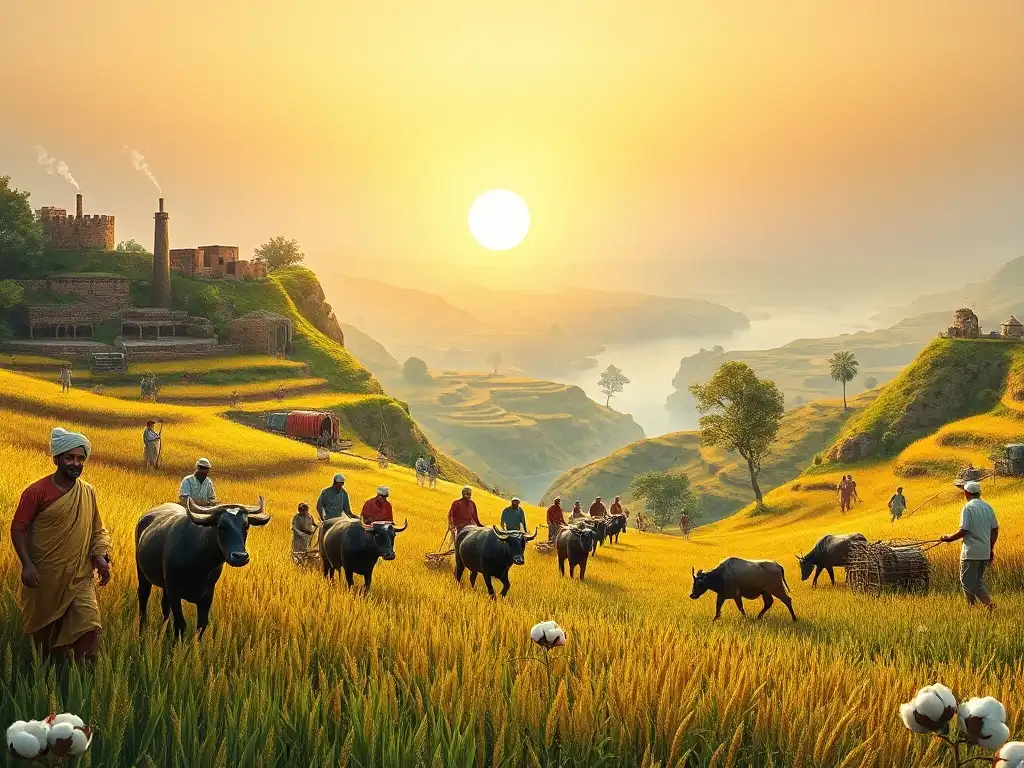
The agricultural practices of the Indus Valley Civilization were remarkable for their time, but they were not without challenges. Farmers faced numerous obstacles that could significantly affect their productivity and the sustainability of their agricultural systems. Understanding these challenges provides valuable insights into the resilience and adaptability of the Indus Valley communities.
Climate Variability and Its Effects on Crop Production
Climate variability was a significant challenge for Indus Valley farmers. The region experienced fluctuations in weather patterns, which directly impacted agricultural outputs.
- Monsoon Dependence: The agricultural calendar of the Indus Valley was closely tied to the monsoon rains. A delay or failure in the monsoon season could lead to drought conditions, severely limiting crop yields. For example, evidence from archaeological sites indicates that certain years experienced drastically reduced rainfall, leading to poor harvests.
- Temperature Fluctuations: Historical climatic data suggests that temperature variations during different seasons could affect crop growth cycles. High temperatures during critical growing periods could lead to heat stress on crops, diminishing their productivity.
- Flooding Risks: Conversely, while the rivers of the Indus Valley provided necessary irrigation, they also posed risks of flooding. Seasonal floods could destroy crops and erode soil, leading to significant losses for farmers. This duality of reliance on rivers for irrigation and the risk of flooding exemplified the precarious balance that farmers had to maintain.
To adapt to these climatic challenges, Indus Valley farmers developed various strategies, such as shifting planting schedules and diversifying crops. They grew drought-resistant varieties of grains, which helped them mitigate the impacts of inconsistent rainfall.
Soil Degradation and Agricultural Sustainability Issues
Soil degradation emerged as another critical challenge for the agricultural practices of the Indus Valley Civilization. Over time, several factors contributed to the decline in soil health, impacting agricultural sustainability.
- Intensive Farming Practices: The rise of urban centers in the Indus Valley led to increased demand for food, pushing farmers to adopt intensive farming methods. While these methods initially boosted yields, over time, they resulted in nutrient depletion of the soil. Continuous cropping without adequate fallow periods led to diminished soil fertility.
- Salinization: Irrigation practices, particularly in areas close to rivers, contributed to salinization. Poor drainage and rising water tables caused salts to accumulate in the soil, which adversely affected crop growth. Crops such as wheat and barley, which were staples, struggled in saline conditions, leading to reduced harvests.
- Erosion: Deforestation and land clearance for agriculture likely contributed to soil erosion. The loss of vegetation cover meant that the soil was more susceptible to being washed away during rains, further exacerbating the problem of land degradation.
To combat these sustainability issues, it is believed that the Indus Valley farmers may have employed crop rotation and integrated pest management strategies. However, the extent of these practices and their effectiveness in countering soil degradation remains a subject of ongoing research.
While the Indus Valley agricultural innovations marked significant advancements in ancient farming techniques, the challenges posed by climate variability and soil degradation underscored the complexities of sustaining these innovations over time. Understanding these factors is crucial for appreciating the resilience of the Indus Valley Civilization and its agricultural practices.
Conclusion: Legacy of Indus Valley Agricultural Innovations
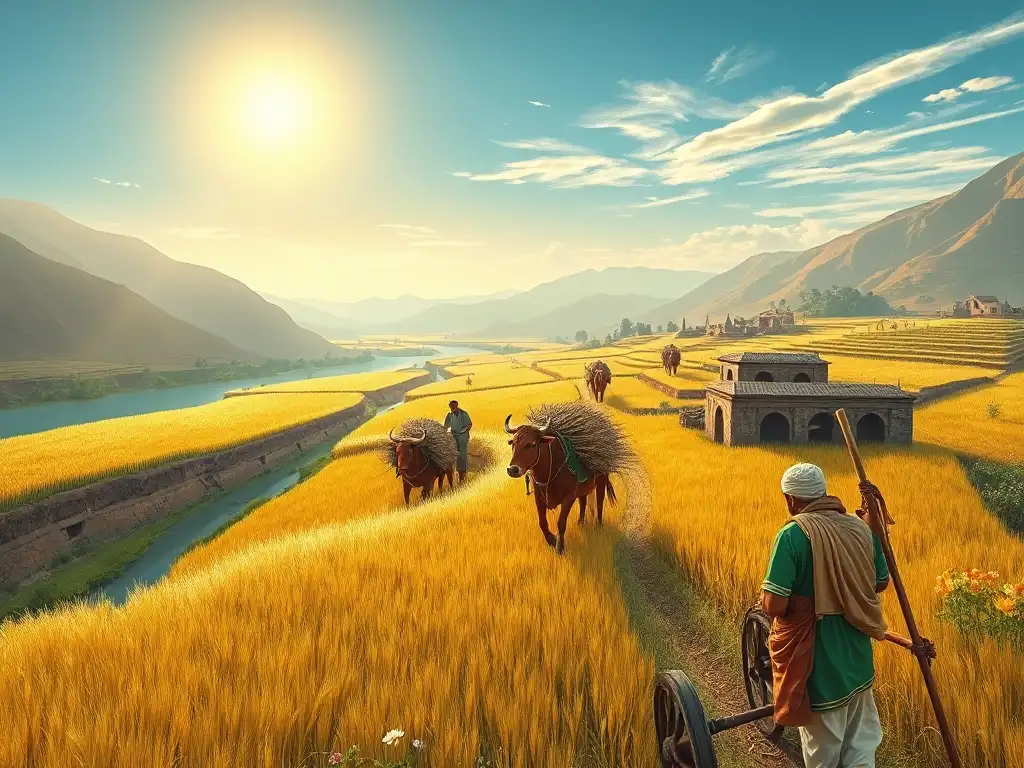
The agricultural innovations of the Indus Valley Civilization laid the groundwork for the development of subsequent Indian societies. These advancements were not merely a reflection of the agricultural practices of the time but also a testament to the ingenuity and adaptability of the Indus people. The legacy of their agricultural techniques extends far beyond their era, influencing the agricultural practices of future civilizations in the Indian subcontinent.
Lasting Influence on Subsequent Indian Civilizations
The innovations in agriculture during the Indus Valley period had a profound impact on later Indian civilizations. For instance, the techniques of crop rotation and irrigation developed by the Indus farmers were adopted and refined by later agrarian societies, particularly during the Vedic period. This agricultural foundation facilitated population growth and urbanization, leading to the rise of major kingdoms and empires in ancient India.
The emphasis on sustainable agricultural practices can also be traced back to the Indus Valley. Their understanding of land management and crop diversification laid the groundwork for more advanced practices in subsequent cultures, ensuring food security and resource management. Notably, the cultivation of staple crops such as wheat and barley became prevalent in later civilizations, establishing a dietary staple that is still significant in modern Indian cuisine.
| Agricultural Innovation | Impact on Subsequent Civilizations |
|---|---|
| Irrigation systems | Enhanced crop yield and urban development |
| Crop rotation | Sustained soil fertility and agricultural diversity |
| Domestication of animals | Improved labor efficiency and transportation |
Lessons from the Agricultural Practices of the Indus Valley Civilization
The agricultural practices of the Indus Valley Civilization offer several valuable lessons that are relevant even today. Firstly, the importance of sustainable farming is evident; their methods demonstrated an awareness of environmental balance, which is crucial in the face of modern agricultural challenges. Techniques such as mixed cropping and the use of natural fertilizers highlight the significance of ecological harmony.
Moreover, the sophisticated irrigation systems they developed—comprising canals and reservoirs—underscore the importance of water management in agriculture. This principle remains vital in contemporary agricultural strategies, especially in water-scarce regions.
Additionally, the social organization surrounding agriculture in the Indus Valley, which included specialized roles and community cooperation, illustrates the benefits of collaborative farming practices. This model can inspire current agricultural communities to emphasize teamwork and shared resources.
The agricultural innovations of the Indus Valley Civilization not only fueled their own society but also left an enduring legacy that shaped the agricultural landscape of future Indian civilizations. The lessons derived from their practices continue to resonate, offering insights that are applicable to contemporary agricultural challenges.
Frequently Asked Questions
What were the key agricultural innovations of the Indus Valley Civilization?
The Indus Valley Civilization is known for its advanced irrigation systems, efficient crop rotation, and the domestication of animals, which significantly boosted agricultural productivity.
How did agricultural innovations impact the society of the Indus Valley?
These innovations led to increased food production, which supported larger populations, facilitated trade, and ultimately contributed to the growth of urban centers within the civilization.
What crops were primarily cultivated in the Indus Valley?
The people of the Indus Valley primarily cultivated wheat, barley, and various pulse crops, which were crucial for their diet and economic stability.
How did irrigation techniques evolve in the Indus Valley?
The Indus Valley utilized complex canal systems and water management techniques to optimize their agricultural output, allowing them to thrive in a diverse range of environments.
What role did trade play in the agricultural innovations of the Indus Valley?
Trade networks allowed the Indus Valley Civilization to exchange agricultural products and innovations with neighboring regions, fostering cultural exchange and enhancing their agricultural techniques.
Final Reflection: The Enduring Legacy of Indus Valley Agricultural Innovations
The agricultural innovations that emerged from the Indus Valley Civilization are not just relics of the past; they are foundational elements that continue to shape modern agriculture today. The sophisticated techniques developed by the Indus Valley people, such as irrigation systems and crop rotation, laid the groundwork for sustainable farming practices that are crucial in addressing contemporary challenges like food security and climate change. Their ingenuity reminds us that the seeds of innovation can grow into solutions that transcend time.
The impact of these agricultural advancements extends far beyond their historical context, influencing both cultural practices and societal structures. As we reflect on the significance of these innovations, we recognize how they fostered community collaboration and resource management, principles that are still relevant in today’s agricultural discourse. Innovation is the ability to see change as an opportunity – not a threat.
This quote encapsulates the spirit of the Indus Valley farmers, who embraced change to cultivate a thriving civilization.
As we look to the future, let us draw inspiration from the agricultural innovations of the Indus Valley Civilization. Consider how you can apply these lessons in your own life, whether through sustainable practices in your garden, supporting local agriculture, or advocating for innovative farming solutions in your community. The legacy of the Indus Valley is a powerful reminder that by honoring our past, we can cultivate a more sustainable and prosperous future for generations to come.
Unveil the Secrets of Agricultural Innovation!
Thank you for joining us on this journey through the remarkable agricultural advancements of the Indus Valley Civilization! Your curiosity about ancient innovations not only enriches your knowledge but also connects you to the roots of human ingenuity.
Now, it’s time to take action and deepen your exploration of this fascinating topic:
- Dive deeper into ancient farming methods: Explore articles that discuss various ancient civilizations and their innovative agricultural techniques.
- Share your thoughts: Engage with fellow history enthusiasts on our community forum and exchange insights about these significant advancements.
- Explore local agriculture today: Visit a nearby farm or agricultural museum to see how these historical practices continue to influence modern farming.
What aspect of Indus Valley agricultural innovation surprises you the most, and how do you believe it still influences our farming practices today?