
Architectural Wonders of the Indus Valley: A Closer Look at Harappa

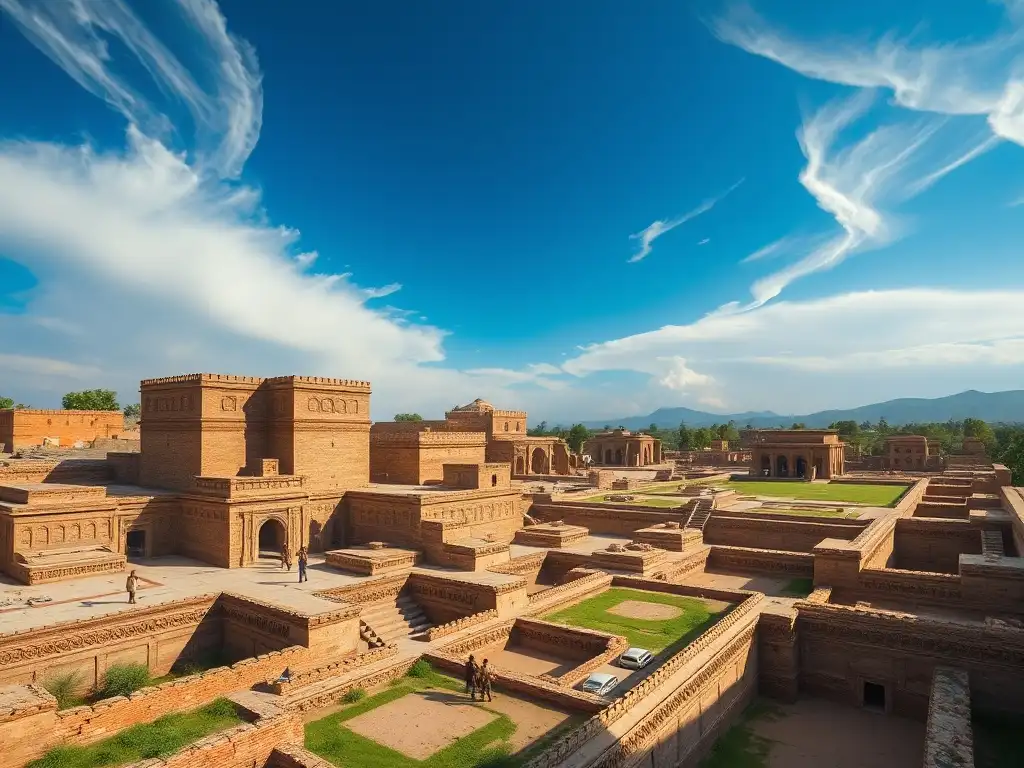
Welcome to Ancient India History, where we invite you to embark on a fascinating journey through the rich tapestry of ancient Indian civilizations. From the enigmatic streets of the Indus Valley to the splendid achievements of the Gupta Empire, our exploration unveils the diverse cultural heritage that shaped a nation. In today’s feature, we shine a spotlight on the remarkable Indus Valley architectural features, revealing the ingenuity and sophistication of the Harappan society.
Curious about what secrets lie within these ancient structures? Join us as we delve deeper into the architectural wonders that continue to inspire and intrigue scholars and enthusiasts alike!
- Introduction to Indus Valley Civilization Architectural Features
- Historical Context of Harappa
- Key Indus Valley Architectural Features in Harappa
- Artistic Elements in Harappan Architecture
- Comparisons with Other Ancient Civilizations
- The Legacy of Indus Valley Architectural Features
- Conclusion: The Enduring Impact of Harappa’s Architectural Wonders
-
Frequently Asked Questions
- What are the key architectural features of the Indus Valley civilization?
- How did the urban planning of Harappa differ from other ancient civilizations?
- What materials were primarily used in Indus Valley architecture?
- What role did drainage systems play in Harappa's architecture?
- How did the cultural significance of architecture manifest in the Indus Valley?
- Final Reflection: The Enduring Legacy of Indus Valley Architectural Features
- Unveil the Hidden Secrets of Harappa!
Introduction to Indus Valley Civilization Architectural Features
The architectural features of the Indus Valley Civilization stand as a testament to the ingenuity and sophistication of one of the world's earliest urban societies. Flourishing around 2500 BCE in what is now modern-day Pakistan and northwest India, this civilization is renowned for its advanced city planning, innovative drainage systems, and impressive public buildings.
By exploring the architectural wonders of the Indus Valley, particularly at sites like Harappa, we gain insight not only into the aesthetic preferences of the time but also into the social, economic, and political structures that shaped this remarkable civilization. This article will delve into the distinctive architectural features of Harappa, highlighting their significance and the legacy they left in the context of ancient Indian history.
Overview of the Indus Valley Civilization
The Indus Valley Civilization, often referred to as the Harappan Civilization, is one of the oldest urban cultures in the world. It thrived from approximately 3300 BCE to 1300 BCE and is characterized by its remarkable achievements in various fields, including urban planning, metallurgy, and trade. Key cities such as Harappa and Mohenjo-Daro were meticulously laid out, featuring grid patterns, sophisticated drainage systems, and standardized fired brick construction.
Key Features of the Indus Valley Civilization:
- Urban Planning: Cities were designed with a grid layout, suggesting advanced planning and organization.
- Drainage Systems: Complex drainage systems indicate a profound understanding of sanitation and urban infrastructure.
- Standardized Bricks: The use of uniform bricks for construction reflects a high level of standardization and craftsmanship.
- Public Buildings: Structures such as the Great Bath in Mohenjo-Daro highlight the importance of public spaces for social and possibly ritual activities.
Importance of Architecture in Ancient Civilizations
Architecture serves as a crucial indicator of cultural and technological advancement in ancient civilizations. In the case of the Indus Valley, the architectural features reveal much about the society’s priorities, values, and innovations. The meticulous planning and construction techniques not only facilitated daily life but also demonstrated the civilization's ability to manage resources and labor effectively.
Reasons Why Architecture is Essential:
- Cultural Identity: Architectural styles and techniques reflect the cultural identity and social values of a civilization.
- Technological Advancement: Innovations in construction and design often indicate a society's technological progress.
- Historical Record: Architectural remains provide vital clues to understanding the historical context and evolution of a civilization.
Through examining the architectural features of the Indus Valley, we can appreciate the profound impact these innovations had on the lives of its inhabitants and their enduring legacy in the annals of history.
Historical Context of Harappa
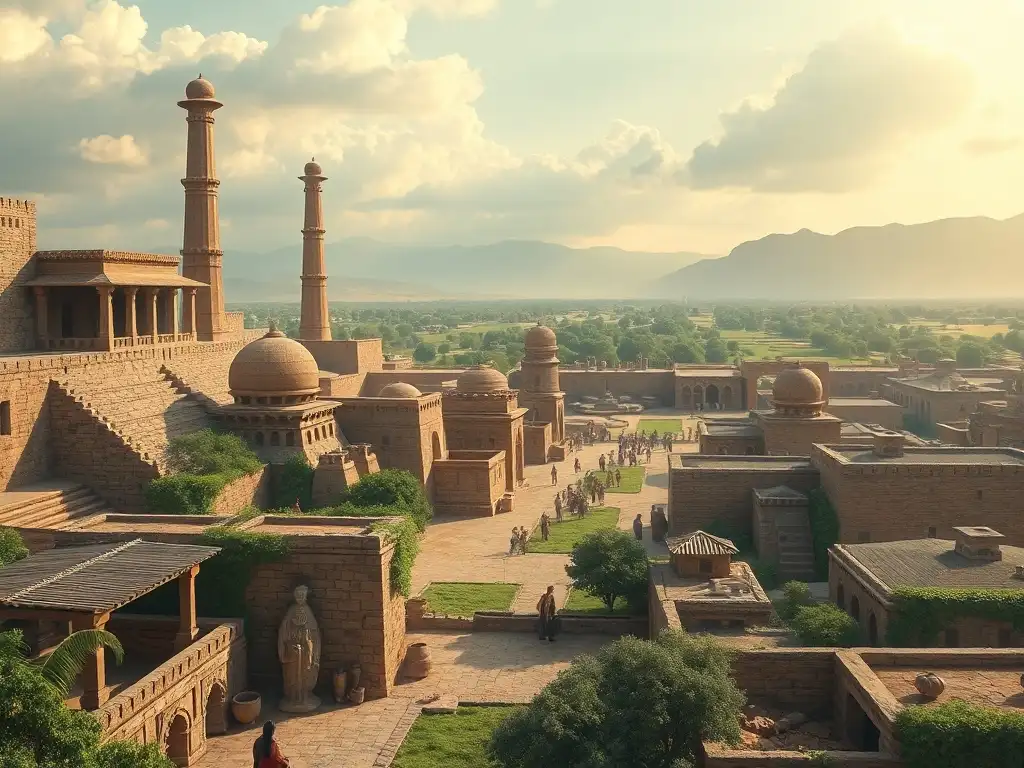
The ancient city of Harappa, part of the Indus Valley Civilization (IVC), represents one of the earliest urban centers in human history. Established around 2600 BCE, Harappa was located in what is now modern-day Pakistan. It served as a critical hub for trade, culture, and architectural innovation during its peak. The civilization is renowned for its advanced urban planning and architectural features, which laid the groundwork for subsequent Indian cultures.
The Discovery of Harappa and Its Significance
The rediscovery of Harappa in the 1920s marked a pivotal moment in archaeological studies concerning ancient Indian civilizations. The site was excavated by British archaeologist Sir John Marshall, revealing a sophisticated layout that included:
- Grid-patterned streets: Streets were laid out in a precise grid, showcasing advanced urban planning.
- Drainage systems: The presence of elaborate drainage systems indicates a high level of sanitation and public health awareness.
- Public baths: Structures like the Great Bath suggest a cultural emphasis on ritual cleanliness and communal activities.
The significance of Harappa lies not only in its architectural features but also in what it reveals about the social, economic, and cultural practices of the IVC. The artifacts unearthed, such as seals, pottery, and tools, provide insights into trade relations, artistic expression, and daily life during this period. The discovery has also challenged previous narratives about ancient civilizations, highlighting the sophistication of urban life in South Asia long before the advent of other notable cultures.
Timeline of Harappa's Development and Decline
The development and decline of Harappa can be mapped through key phases that reflect its growth as a center of the Indus Valley Civilization.
- Early Development (c. 3300 - 2600 BCE):
- Early settlements began to form, with evidence of agriculture and trade.
- Pottery and craft production started to flourish, indicating a burgeoning economy.
- Mature Harappan Phase (c. 2600 - 1900 BCE):
- Urban planning and architectural features reached their zenith.
- Harappa became a major trading hub, with connections to distant regions.
- The construction of multi-storied buildings, granaries, and public spaces reflects advanced engineering and architectural skills.
- Decline (c. 1900 - 1300 BCE):
- A gradual decline in urban activity is observed, with evidence of reduced trade and population.
- Possible factors include climatic changes, resource depletion, and socio-political disruptions.
- By around 1300 BCE, Harappa had largely ceased to be a major urban center, although the reasons behind its decline remain a subject of ongoing research.
The timeline of Harappa illustrates not only the rise and fall of an ancient city but also serves as a microcosm of the broader dynamics within the Indus Valley Civilization. Its architectural features and urban design set a precedent for future Indian civilizations, influencing the region's cultural and historical trajectory for centuries to come.
Key Indus Valley Architectural Features in Harappa
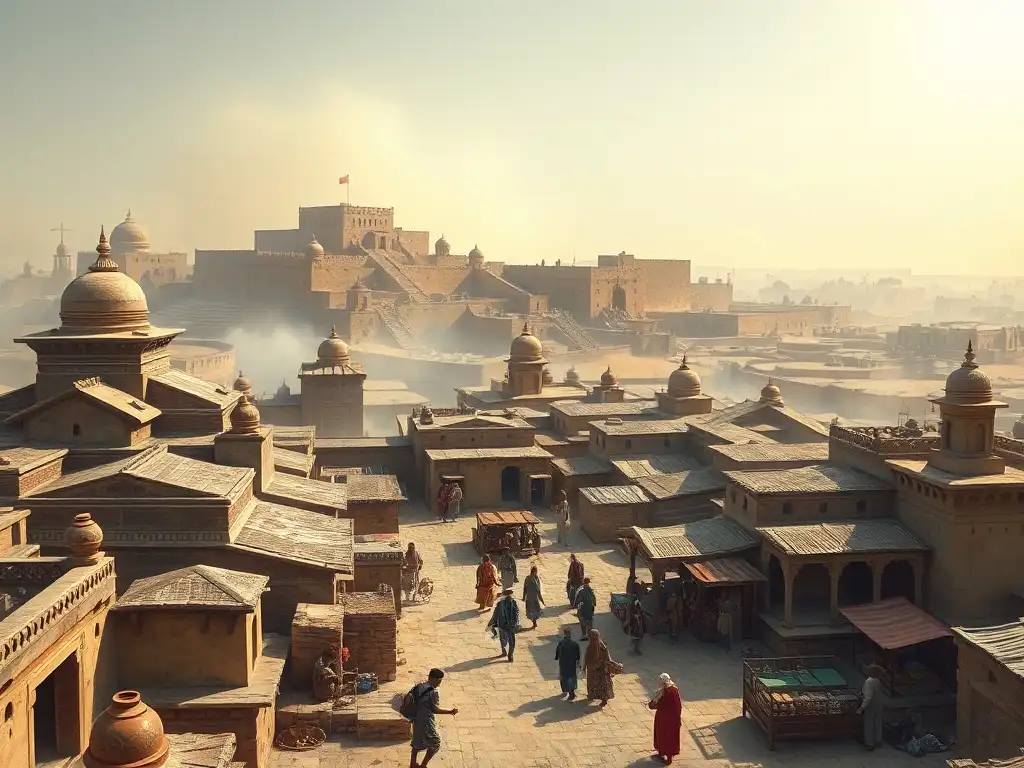
Urban Planning and Layout of Harappa
The urban planning of Harappa highlights the advanced engineering and architectural capabilities of the Indus Valley Civilization. The city was meticulously designed, showcasing a high degree of organization and foresight.
Grid Pattern and Street Design
One of the defining characteristics of Harappa is its grid pattern layout. Streets were arranged in a precise grid, intersecting at right angles, which facilitated efficient movement throughout the city. This planning allowed for easy navigation and a systematic approach to urban development.
- Width of Streets: The streets varied in width, typically ranging from 1.5 to 3.5 meters, accommodating both pedestrian and vehicle traffic.
- Orientation: The streets were oriented north-south and east-west, maximizing exposure to sunlight and aiding in drainage during the monsoon season.
The grid design reflects a profound understanding of urban planning, indicating that the inhabitants prioritized functionality and accessibility.
Zoning of Residential and Commercial Areas
Harappa's layout also featured distinct zones for residential and commercial purposes, showcasing a sophisticated approach to urban living.
- Residential Areas: These were primarily located in the western part of the city, characterized by well-constructed houses made of baked bricks. Most homes were single or two-story structures, equipped with courtyards and multiple rooms.
- Commercial Zones: The eastern sections were dedicated to markets and workshops, indicating a vibrant economic environment. The presence of large storage facilities suggests that trade and commerce were vital components of Harappan life.
This zoning not only facilitated day-to-day activities but also contributed to the social and economic dynamics of the civilization.
Construction Materials and Techniques
The construction techniques and materials used in Harappa were innovative and indicative of the civilization's advanced engineering skills.
Use of Baked Brick and Stone
Baked bricks were the primary building material in Harappa, a choice that set the Indus Valley apart from other ancient civilizations.
- Standardization: The bricks were uniform in size, typically measuring 7.5 x 15 x 30 cm. This standardization allowed for precise construction and stability in structures.
- Durability: The use of baked bricks ensured longevity, as they were more resistant to weathering compared to unbaked mud bricks. This durability is evident in the remnants of Harappa that have survived through millennia.
Stone was also utilized in various constructions, particularly for walls and drainage systems, further enhancing the robustness of the architecture.
Innovations in Drainage Systems
One of the most remarkable features of Harappa's architectural design is its sophisticated drainage system.
- Construction of Drains: The drains were constructed from baked bricks and stone, featuring a slight slope to facilitate the flow of wastewater. They were typically covered with slabs to prevent blockage and maintain sanitation.
- Public Health: This advanced drainage system demonstrates a significant commitment to public health, indicating that the Harappans were aware of the importance of sanitation in urban living.
The presence of these drainage systems not only highlights the technical prowess of the Harappans but also their prioritization of health and hygiene in urban environments.
The architectural features of Harappa exemplify the ingenuity and sophistication of the Indus Valley Civilization. From the meticulously planned urban layout to the use of durable materials and innovative drainage solutions, Harappa serves as a testament to the advanced capabilities of ancient Indian architects and planners.
Major Structures and Their Functions
The architectural landscape of Harappa, one of the prominent sites of the Indus Valley Civilization, showcases a remarkable blend of functionality and aesthetic appeal. The city's layout is characterized by its well-planned streets, advanced drainage systems, and monumental structures that served various purposes crucial to urban life. Major structures in Harappa include public baths, granaries, and residential complexes, each designed with specific functions in mind. These edifices reflect the civilization's sophisticated urban planning and social organization, demonstrating a deep understanding of architecture and engineering.
The strategic placement of these structures within the city indicates a communal approach to urban living, where public spaces were accessible and served the needs of the inhabitants. The architectural features of Harappa not only highlight the practical aspects of daily life but also provide insights into the social, economic, and religious practices of the Indus Valley people. The integration of function and design in these major structures is a testament to the ingenuity and resourcefulness of this ancient civilization.
The Great Bath: Purpose and Architectural Significance
The Great Bath of Harappa stands as one of the most iconic symbols of the Indus Valley Civilization, showcasing the architectural sophistication of the period. This large, rectangular structure is believed to have been used for ritual bathing, indicating the importance of water in the cultural and religious practices of the Indus people. Measuring approximately 12 meters long and 7 meters wide, the Great Bath features a waterproofed interior made with finely fitted bricks, demonstrating advanced engineering techniques of the time.
The architectural significance of the Great Bath lies not only in its size but also in its design. The structure includes steps leading down to the water, surrounded by a portico that provides access to the bathing area. It is speculated that the Great Bath served as a communal space, promoting social interaction and reinforcing community ties.
Additionally, the presence of drainage systems connected to the bath suggests an understanding of sanitation and hygiene, reflecting the civilization's emphasis on cleanliness. The Great Bath's enduring legacy highlights the spiritual and social dimensions of life in Harappa, marking it as a significant architectural achievement of the Indus Valley.
Public Granaries: Storage and Distribution in Harappa
Public granaries in Harappa serve as a remarkable testament to the economic organization and agricultural practices of the Indus Valley Civilization. These large storage facilities, often constructed from mud bricks, were strategically located near the city's center, facilitating the efficient storage and distribution of surplus grain. Archaeological evidence suggests that these granaries were essential for managing the region's agricultural output, enabling the society to sustain its population and support trade.
The architectural design of the granaries is indicative of advanced planning, with features such as ventilation holes to prevent spoilage and raised platforms that helped protect the stored grain from moisture and pests. The presence of these granaries also reflects the communal efforts in food distribution, suggesting a system of resource management that was critical for the well-being of the inhabitants. By ensuring a steady supply of food, the public granaries played a vital role in the stability and prosperity of Harappa, highlighting the intricate relationship between architecture, economy, and society in the Indus Valley Civilization.
Residential Buildings: Typical Layouts and Features
The residential buildings of Harappa reveal much about the daily lives and social structures of its inhabitants. Typically constructed with baked bricks, these homes were often organized along a grid pattern, reflecting the city's advanced urban planning. Most residences featured a central courtyard, surrounded by living spaces, which facilitated ventilation and natural light, enhancing the quality of life for the residents.
Interiors of these homes varied in size and complexity, with wealthier families having access to larger spaces that included multiple rooms, bathing areas, and even specialized rooms for storage. The presence of drainage systems within the residential buildings indicates a commitment to hygiene and public health, as wastewater was efficiently managed and directed away from living areas. Additionally, many homes included features such as hearths for cooking and platforms for sleeping, showcasing the practical aspects of daily living.
The typical layouts of residential buildings in Harappa emphasize a sense of community while also allowing for individual privacy. This architectural style not only met the functional needs of the residents but also reflected the social hierarchies and cultural practices of the time, making the residential structures of Harappa a significant aspect of its architectural heritage.
Artistic Elements in Harappan Architecture
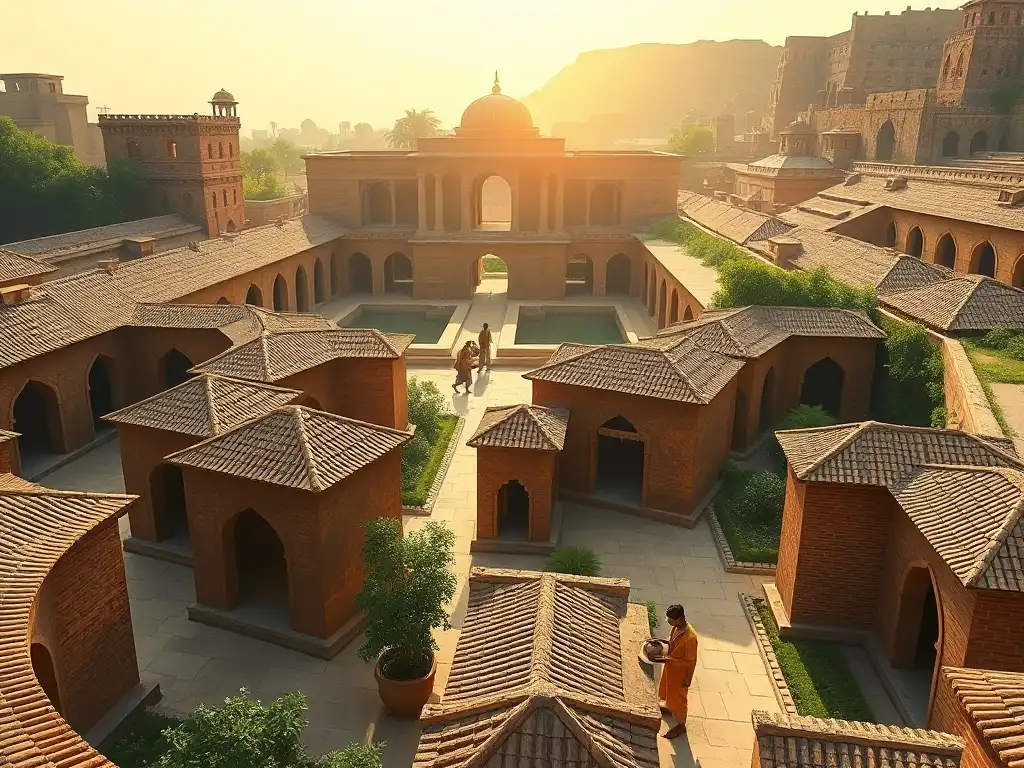
The architectural features of the Indus Valley Civilization, particularly in Harappa, are not just functional but also deeply artistic, reflecting a sophisticated aesthetic sensibility. The Harappan architects employed a variety of artistic elements that complemented their urban planning and construction techniques. These elements can be observed in the use of decorative motifs, symbolism, and the incorporation of natural influences which together narrate the civilization's cultural ethos.
Decorative Motifs and Symbolism
In Harappan architecture, decorative motifs played a crucial role in embellishing structures and public spaces. These motifs often included geometric patterns, animal figures, and floral designs, showcasing the artisans' skills and the civilization's appreciation for beauty.
- Geometric Patterns: The use of geometric shapes such as circles, triangles, and squares is prevalent in many artifacts and architectural remnants. These patterns were not merely decorative; they also held symbolic meanings, often believed to represent harmony and balance in the cosmos.
- Animal Figures: Numerous seals and pottery fragments have been discovered featuring animals like unicorns, elephants, and bulls. These motifs likely held significant cultural importance, possibly symbolizing power, fertility, or protection. For instance, the unicorn motif is often interpreted as a symbol of purity and strength, indicating the spiritual connection the Harappans had with their environment.
- Floral Designs: Floral motifs were extensively used in terracotta and pottery, which often adorned the walls of homes and public buildings. The recurrence of these designs suggests a reverence for nature and a desire to bring the beauty of the natural world into their daily lives.
The intricate craftsmanship displayed in these artistic elements is indicative of a highly developed skill set among Harappan artisans, reflecting the civilization's complex social and economic structures.
Influence of Nature in Harappan Art and Design
Nature had a profound impact on the artistic expressions found in Harappan architecture. The civilization's close relationship with its environment is evident in several aspects of their art and design.
- Materials Sourced from Nature: Harappan builders utilized locally available materials such as clay, stone, and wood, which influenced the aesthetic choices in their architecture. The use of fired bricks, for example, not only provided durability but also allowed for smoother finishes, enhancing the visual appeal of structures.
- Integration of Natural Landscapes: The layout of Harappan cities, including Harappa itself, demonstrates an understanding of topography and climate. Buildings were often aligned to optimize light and airflow, reflecting an architectural design that harmonized with the natural environment. This integration suggests that the Harappans valued comfort and functionality while also respecting the landscapes in which they lived.
- Symbolic Representations of Natural Elements: Many artifacts feature representations of natural elements such as trees and rivers, which indicate a cultural significance attached to these aspects of nature. These symbols may have represented fertility, life, and sustenance, further emphasizing the civilization's dependence on and reverence for their environment.
The artistic elements in Harappan architecture reveal a civilization that was not only sophisticated in its urban planning and construction techniques but also deeply connected to its cultural and natural surroundings. The decorative motifs and the influence of nature in their art and design are testaments to the rich and diverse heritage of the Indus Valley Civilization.
Comparisons with Other Ancient Civilizations
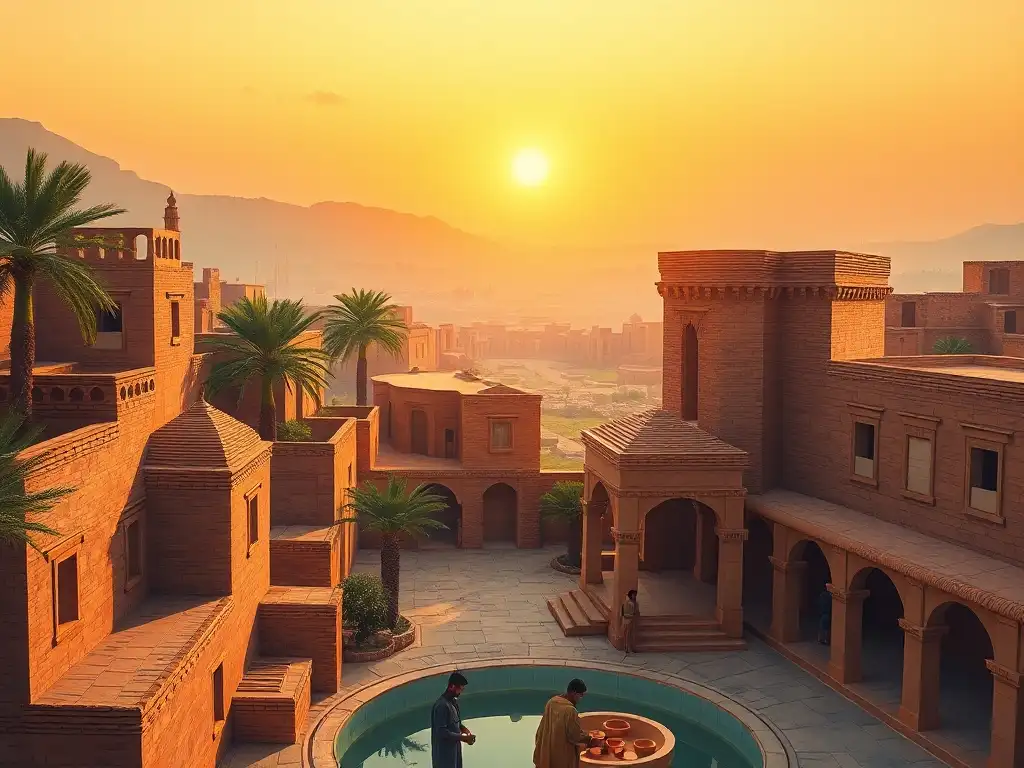
Indus Valley Architecture vs. Mesopotamian Architecture
The architectural features of the Indus Valley Civilization exhibit intriguing parallels and contrasts when compared to those of Mesopotamia. Both regions displayed remarkable ingenuity in urban planning and construction, yet their methods and cultural expressions diverged significantly.
Similarities in Urban Planning
Both the Indus Valley and Mesopotamian cities were characterized by advanced urban planning that included well-organized street layouts and sophisticated drainage systems. For instance, cities like Harappa and Mohenjo-Daro in the Indus Valley had grid-pattern streets and an intricate drainage system that facilitated sanitation and water management. Similarly, cities like Ur and Babylon in Mesopotamia implemented planned layouts, featuring wide streets and public spaces.
| Feature | Indus Valley Civilization | Mesopotamian Civilization |
|---|---|---|
| Urban Layout | Grid pattern | Irregular layout |
| Drainage Systems | Advanced, with covered drains | Simple, open drainage ditches |
| Public Spaces | Baths and granaries | Ziggurats and marketplaces |
Despite these similarities, the purpose and execution of these urban features often reflected different societal values and environmental contexts.
Differences in Construction Techniques
When it comes to construction techniques, the Indus Valley Civilization primarily utilized baked bricks of standardized size, which allowed for uniformity in building. The use of high-quality kiln-fired bricks was crucial for creating durable structures.
In contrast, Mesopotamia predominantly employed sun-dried mud bricks, which, while abundant, were less durable and led to different architectural outcomes. The reliance on mud bricks in Mesopotamian structures often resulted in more organic forms, reflecting the availability of materials and local climate conditions.
Indus Valley Architecture vs. Egyptian Architecture
The architectural features of the Indus Valley also stand in distinct contrast to those of Ancient Egypt. While both civilizations achieved monumental architecture, their styles and cultural reflections diverged sharply.
Architectural Styles and Cultural Reflections
In the Indus Valley, architecture prioritized functionality and urban organization over monumental religious structures. The cities featured residential areas, public baths, and granaries that reflected a focus on communal living and trade. The uniformity of the buildings suggested a society that valued order and egalitarianism.
Conversely, Egyptian architecture was heavily influenced by religious beliefs, resulting in grand structures like pyramids and temples designed for worship and burial. The use of massive stone blocks and intricate carvings reflected the Egyptians' focus on immortality and the divine, with architecture serving as a means to honor their gods and pharaohs.
| Element | Indus Valley Architecture | Egyptian Architecture |
|---|---|---|
| Primary Purpose | Urban organization and trade | Religious and monumental |
| Building Materials | Baked bricks | Stone blocks |
| Architectural Focus | Functional and egalitarian | Divine and monumental |
This contrast highlights how each civilization's architectural features were not only functional but also deeply intertwined with their respective cultural identities and values. The study of these differences enhances our understanding of the diverse expressions of human achievement across ancient civilizations.
The Legacy of Indus Valley Architectural Features
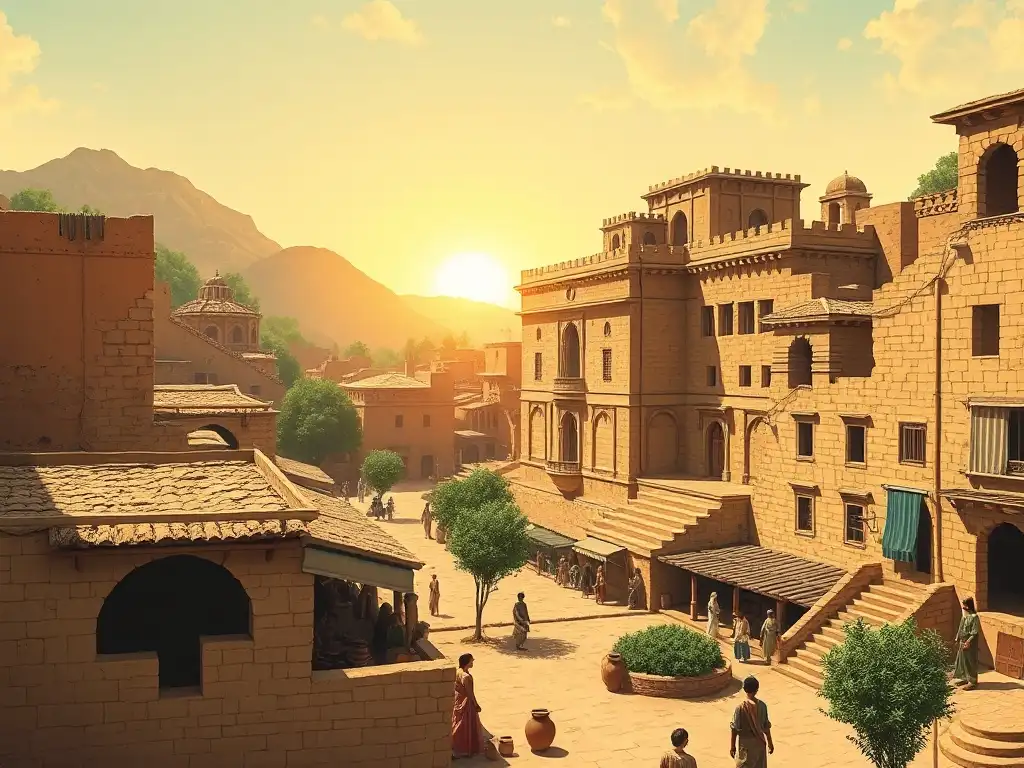
The architectural features of the Indus Valley Civilization (IVC) represent a remarkable legacy that has had a lasting impact on the development of architecture in India and beyond. The ingenuity and sophistication of Harappa's urban planning, materials, and construction techniques set a high standard that influenced subsequent generations of builders and architects.
Influence on Subsequent Indian Architecture
The architectural principles established in the Indus Valley are evident in many later Indian architectural styles. Notably:
- Urban Planning: The grid-like layout of Harappa and Mohenjo-Daro, characterized by well-planned streets and advanced drainage systems, has been echoed in the urban designs of later Indian cities. For example, the city of Jaipur, established in the 18th century, reflects similar planning principles with its organized street patterns.
- Building Materials: The use of fired bricks in the IVC is a significant architectural feature that paved the way for future construction techniques. The durability of these bricks influenced later Indian architecture, including the grand structures of the Maurya and Gupta empires, which also utilized fired bricks as a primary building material.
- Public Infrastructure: The presence of large public baths, like the Great Bath of Mohenjo-Daro, represents an architectural innovation that highlights the importance of communal spaces. This emphasis on public sanitation and social gathering areas can be seen in later Indian architecture, such as the public wells and baths in medieval Indian cities.
- Artistic Elements: The intricate seals and sculptures discovered at Harappa exhibit a level of artistry that influenced subsequent Indian art forms. The motifs and designs found in IVC artifacts can be traced in the decorative elements of temples and palaces built in later periods.
The architectural features of the Indus Valley not only laid the groundwork for various styles that emerged in India but also contributed to the overall aesthetic and functional development of urban spaces throughout the subcontinent.
Preservation Efforts and Modern Relevance
Preserving the architectural heritage of the Indus Valley is crucial for understanding the historical context of ancient Indian civilizations. Several efforts are underway to protect and study these invaluable sites:
- Archaeological Research: Continuous excavations at key sites like Harappa and Mohenjo-Daro are essential for uncovering more about the architectural features of the IVC. Collaborative efforts between national and international archaeological teams have yielded significant findings that enhance our understanding of these ancient urban centers.
- Site Management: The Archaeological Survey of India (ASI) has implemented measures to protect and manage sites of historical significance. This includes establishing protective barriers, controlled access for visitors, and educational programs to raise awareness about the importance of these sites.
- Modern Adaptations: The architectural principles derived from the IVC can inform contemporary urban planning and architecture. Concepts such as sustainable building practices, efficient waste management systems, and community-centric designs reflect the enduring relevance of Indus Valley architectural features in addressing modern urban challenges.
- Cultural Heritage Programs: Initiatives aimed at promoting the cultural heritage of the Indus Valley through exhibitions, educational workshops, and public lectures play a vital role in fostering a connection between modern society and ancient architectural practices.
The architectural features of the Indus Valley Civilization not only represent a significant chapter in ancient Indian history but also offer valuable insights for contemporary architecture and urban planning. Their influence is felt not just in India, but across the globe, highlighting the universal relevance of ancient architectural wisdom.
Conclusion: The Enduring Impact of Harappa’s Architectural Wonders
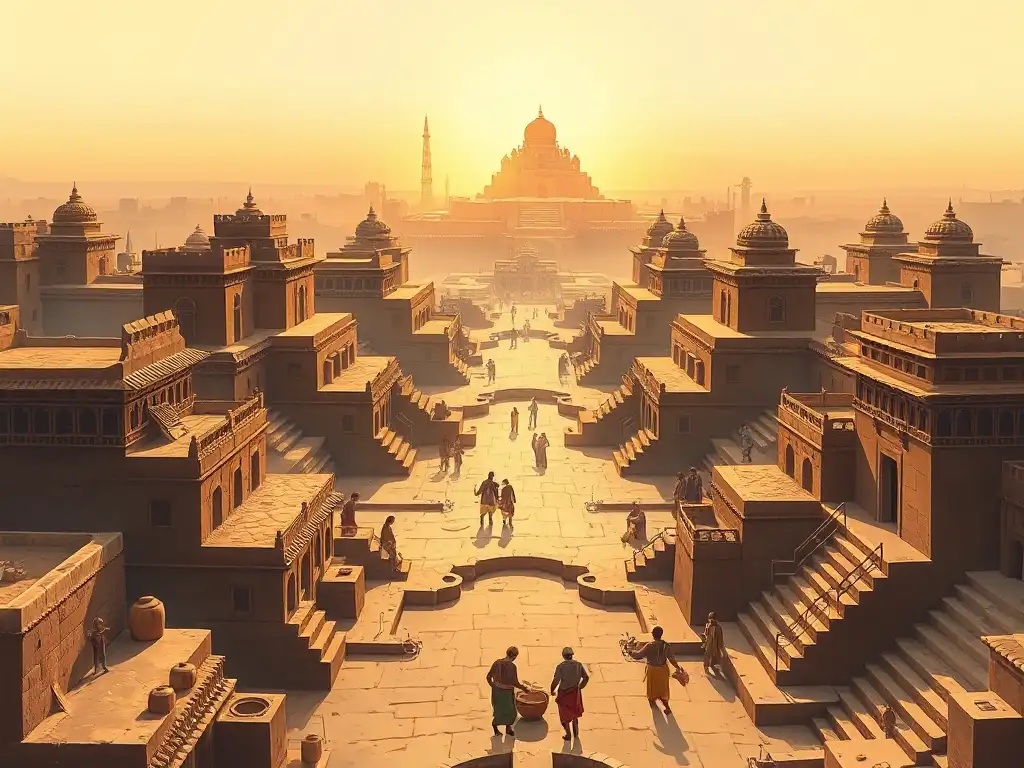
The architectural features of Harappa, a prominent city of the Indus Valley Civilization, showcase an incredible blend of functionality, aesthetics, and urban planning that continues to influence contemporary architecture and urban design. The remarkable layout and construction techniques employed by the Harappans illustrate their advanced understanding of engineering and environmental adaptation. From the meticulous grid pattern of streets to the use of standardized baked bricks, the legacy of Harappa remains evident in various facets of modern architecture.
Summary of Indus Valley Architectural Features
The architectural features of the Indus Valley Civilization, particularly at Harappa, can be categorized into several key elements:
- Urban Planning:
- Cities were laid out in a grid pattern, demonstrating sophisticated urban planning.
- Street systems were well-organized, allowing for efficient movement and trade.
- Drainage Systems:
- Advanced drainage systems featured covered drains running along the streets, indicating a high level of sanitation.
- Wastewater management systems were integrated into the urban design, highlighting public health considerations.
- Residential Structures:
- Houses were constructed from uniformly sized baked bricks, promoting durability and aesthetic uniformity.
- Many homes featured multiple rooms, courtyards, and even bathrooms, showcasing a sophisticated approach to residential living.
- Public Buildings:
- The Great Bath of Mohenjo-Daro, while not in Harappa, exemplifies the communal structures that reflect the cultural practices of the civilization.
- Granaries and assembly halls indicate a centralized approach to governance and resource management.
- Material Use:
- The use of fired bricks, stone, and timber reflects an understanding of local resources and construction techniques.
- Decorative elements, such as seals and pottery, highlight the artistic achievements of the civilization.
This architectural sophistication not only served practical purposes but also reflected the social organization and cultural values of the Indus Valley Civilization.
Final Thoughts on Cultural Contributions to Ancient India
The architectural wonders of Harappa serve as a testament to the ingenuity and creativity of ancient Indian civilizations. The innovations in urban planning, construction techniques, and public health initiatives set a precedent for future generations.
- The impact of Harappa's architecture transcends time, influencing various aspects of Indian culture, including:
- Urban Development:
- The principles of city planning from Harappa can be seen echoed in later Indian cities, emphasizing order and functionality.
- Cultural Identity:
- The architectural features contribute to a sense of identity and continuity in Indian culture, providing a rich historical context for modern society.
- Technological Advances:
- The engineering feats achieved by the Harappans laid the groundwork for subsequent advancements in architecture and civil engineering within India.
- Urban Development:
The enduring legacy of Harappa not only enriches our understanding of ancient Indian history but also inspires contemporary architects and planners to draw from the past to create sustainable and innovative urban environments. In essence, the architectural features of the Indus Valley are more than mere structures; they are a profound reflection of the civilization's cultural contributions to the broader tapestry of human history.
Frequently Asked Questions
What are the key architectural features of the Indus Valley civilization?
The Indus Valley civilization is known for its urban planning, advanced drainage systems, and the use of baked bricks in construction, highlighting their engineering prowess.
How did the urban planning of Harappa differ from other ancient civilizations?
Harappa showcased a grid layout with well-structured streets, indicating a sophisticated approach to city planning that was more advanced than many contemporary societies.
What materials were primarily used in Indus Valley architecture?
The primary materials included baked bricks, wood, and stone, which were utilized to create durable structures and public buildings that have withstood the test of time.
What role did drainage systems play in Harappa's architecture?
The drainage systems were integral to Harappa's infrastructure, allowing for effective waste management and contributing to the hygiene and overall health of its inhabitants.
How did the cultural significance of architecture manifest in the Indus Valley?
Architecture in the Indus Valley not only served practical purposes but also reflected their social organization, religious practices, and artistic expressions, showcasing their rich cultural heritage.
Final Reflection: The Enduring Legacy of Indus Valley Architectural Features
The architectural wonders of the Indus Valley civilization continue to resonate in today's world, reminding us of the ingenuity and sophistication of ancient societies. As we explore the intricate designs and urban planning of Harappa, we uncover not only the aesthetic beauty of these structures but also the profound understanding of community and environment that shaped them. The lessons learned from the Indus Valley's architectural features are as relevant today as they were thousands of years ago, urging us to reflect on our own urban landscapes and the sustainability of our built environments.
The influence of Indus Valley architecture extends beyond mere historical curiosity; it serves as a source of inspiration for contemporary architects and urban planners. The principles of efficient drainage systems, organized layouts, and the integration of natural elements into urban design are increasingly vital in our modern cities, which often struggle with overcrowding and environmental challenges. The past is not dead; it is living in us, and we are its future.
This quote encapsulates the ongoing dialogue between our present and the architectural achievements of our ancestors, reminding us that their innovations can guide us toward a more sustainable future.
As we conclude this exploration of Harappa's architectural features, I invite you to reflect on how these ancient designs can inform your own life and surroundings. Consider the spaces you inhabit—how can they be improved to foster community, sustainability, and beauty? Let the legacy of the Indus Valley inspire you to advocate for thoughtful design and conscious living, ensuring that the architectural wonders of the past continue to influence the future for generations to come.
Thank you for exploring the fascinating architectural wonders of the Indus Valley with us! Your curiosity not only enriches your knowledge but also pays homage to the ingenuity of ancient civilizations. Now, it's time to take that inspiration and turn it into action. Here’s how you can deepen your connection with Harappa and its incredible history:
- Dive deeper: Visit a local museum that features exhibits on ancient civilizations to experience artifacts firsthand.
- Engage with others: Join online forums or local history clubs to discuss and share insights about the architectural marvels of Harappa.
- Get creative: Consider writing your own blog or article about a lesser-known aspect of the Indus Valley Civilization to contribute to the conversation!
What aspect of Harappa’s architecture fascinates you the most, and how do you plan to explore it further?