
The Architectural Wonders of the Indus Valley: A Study in Engineering

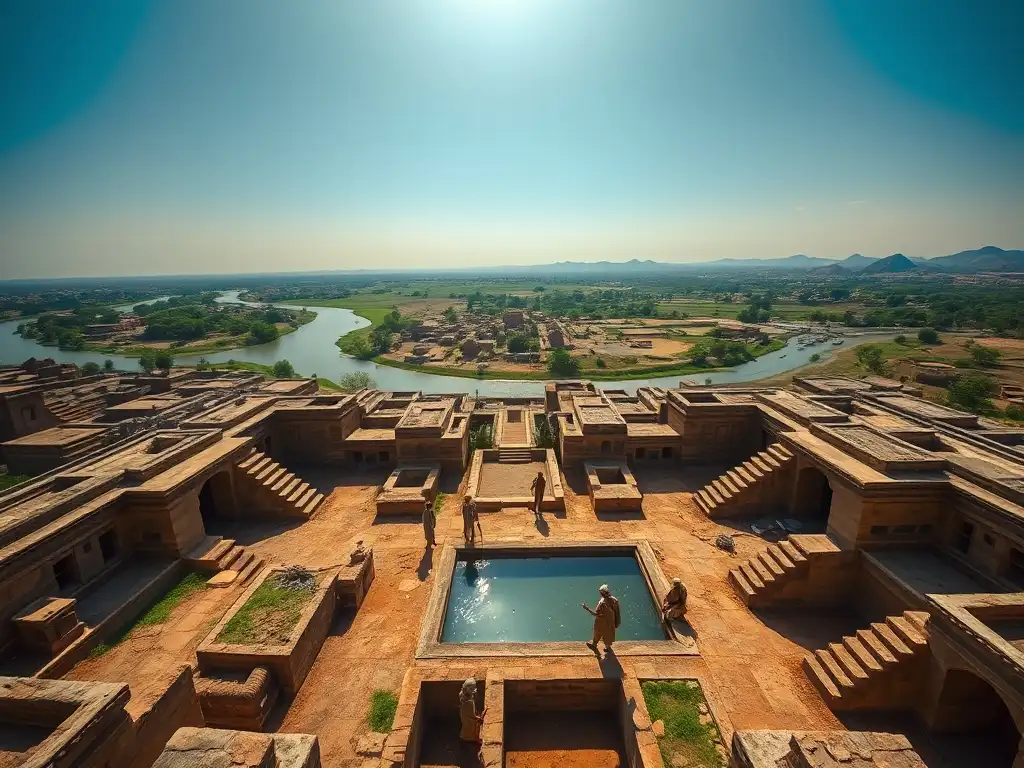
Welcome to Ancient India History, where we embark on a fascinating journey through the rich tapestry of ancient Indian civilizations! Discover the remarkable Indus Valley architectural engineering, a testament to the ingenuity and innovation of one of the world's earliest urban societies. From meticulously planned cities to advanced drainage systems, the architectural wonders of the Indus Valley await your exploration.
Dive into our main article, "The Architectural Wonders of the Indus Valley: A Study in Engineering," and uncover the secrets behind these awe-inspiring structures that have stood the test of time. Prepare to be captivated—your adventure into the depths of history starts here!
Introduction to Indus Valley Architectural Engineering
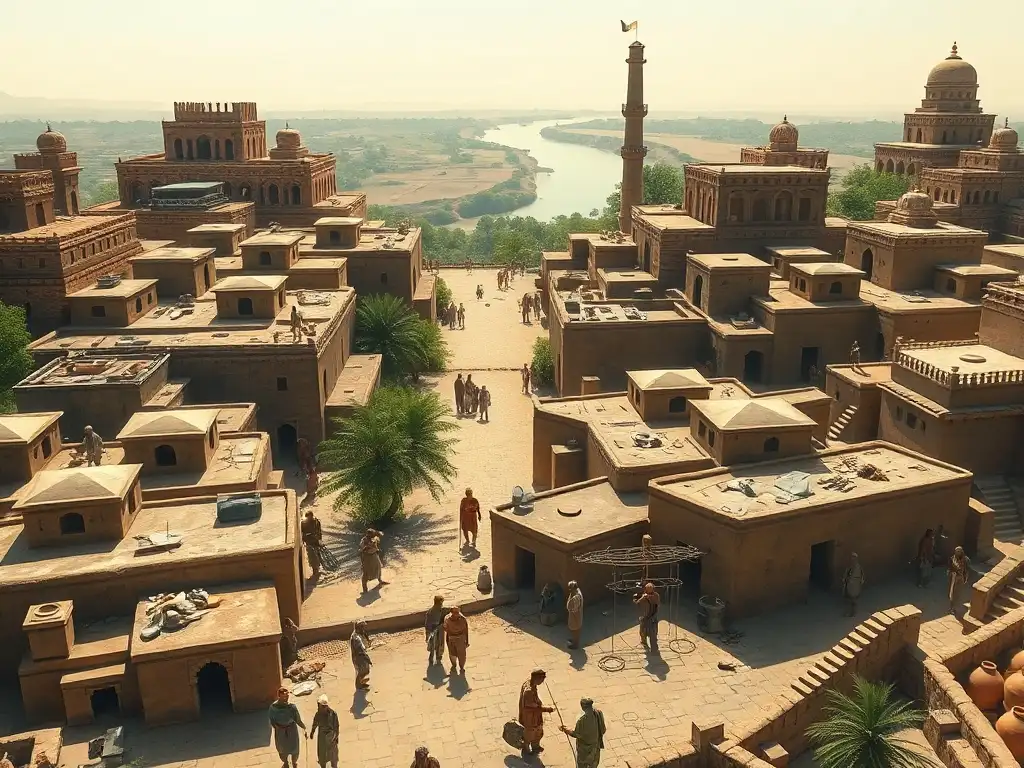
The Indus Valley Civilization, flourishing around 2500 BCE in what is now modern-day Pakistan and northwest India, is renowned for its advanced urban planning and architectural sophistication. This ancient civilization was a beacon of engineering excellence, showcasing remarkable achievements in construction and design that continue to astonish historians and archaeologists alike.
The study of Indus Valley architectural engineering reveals not only the ingenuity of its builders but also the cultural and technological advancements that contributed to the development of one of the world's earliest urban societies. The architectural wonders of the Indus Valley serve as a testament to the civilization's ability to harmonize form, function, and innovation.
Overview of Indus Valley Civilization
The Indus Valley Civilization, also known as the Harappan Civilization, was marked by its well-planned cities like Mohenjo-Daro and Harappa. These urban centers were meticulously designed, featuring grid patterns, fortified walls, and public baths. The civilization thrived through trade, agriculture, and craftsmanship, laying the foundation for a complex social structure. The use of standardized weights and measures indicates a sophisticated economy, while the intricate art and pottery reflect a rich cultural heritage.
Significance of Architectural Engineering in Ancient India
Architectural engineering in ancient India, particularly within the Indus Valley, played a crucial role in shaping the living environments of its people. The strategic planning of cities and the implementation of advanced engineering techniques not only facilitated daily life but also showcased the civilization's understanding of urban infrastructure. This emphasis on engineering laid the groundwork for subsequent architectural developments in India, influencing later empires and contributing to the rich tapestry of Indian history.
Key Features of Indus Valley Architectural Engineering
The architectural engineering of the Indus Valley is characterized by several key features that illustrate the civilization's advanced understanding of construction and urban planning.
Urban Planning in Indus Valley Cities
One of the most striking aspects of Indus Valley architecture is its meticulous urban planning. Cities were laid out in a grid pattern, with streets running at right angles to one another, which facilitated efficient movement and organization.
- Key elements of urban planning include:
- Wide streets: Designed for easy transportation and trade.
- Residential blocks: Constructed with uniformity, indicating a standardized approach to housing.
- Public spaces: Including marketplaces and assembly areas, promoting social interaction.
Advanced Drainage Systems and Sanitation
The Indus Valley Civilization is celebrated for its sophisticated drainage systems, which were among the most advanced of the ancient world.
- Features of the drainage systems:
- Covered drains: Running along the streets, ensuring sanitation and hygiene.
- Waste disposal: Efficiently managed through a network of pipes leading to communal toilets.
- Water management: Highlighting the civilization's understanding of engineering principles related to fluid dynamics.
Use of Fired Brick and Standardized Weights
The construction techniques utilized by the Indus Valley builders were innovative for their time, particularly the widespread use of fired brick.
- Significance of fired brick:
- Durability: Ensured the longevity of structures.
- Uniformity: Allowed for precise construction and design.
- Standardized weights:
- Facilitated trade and commerce, reflecting an organized economic system that relied on consistent measurements.
The architectural wonders of the Indus Valley not only illustrate the engineering prowess of this ancient civilization but also highlight its profound impact on urban development and architectural practices in subsequent cultures.
Major Architectural Sites of the Indus Valley
The Indus Valley Civilization (IVC) is renowned for its remarkable architectural achievements, which showcase advanced urban planning and engineering techniques. Among the most significant archaeological sites, Mohenjo-Daro, Harappa, and Dholavira stand out as prime examples of the civilization's ingenuity. These cities were not only centers of trade and culture but also epitomes of sophisticated architectural design.
Mohenjo-Daro: The City of the Dead
Mohenjo-Daro, translated as "Mound of the Dead," is one of the most well-preserved urban sites of the Indus Valley Civilization, located in present-day Pakistan. This ancient city, which flourished around 2500 BCE, is famous for its grid layout, including wide streets and well-planned drainage systems.
Key features of Mohenjo-Daro include:
- The Great Bath: This large, public water reservoir is thought to have been used for ritualistic purification. Its sophisticated water-tight construction and drainage system highlight the advanced engineering skills of the Indus people.
- Residential Areas: Houses were made of baked brick, often two or three stories high, with flat roofs and central courtyards, promoting ventilation and light.
- Drainage System: Mohenjo-Daro's drainage system was unmatched for its time, with covered drains running along the streets, ensuring sanitation and waste management.
The meticulous planning and engineering of Mohenjo-Daro reflect the significance of urban living in the IVC and its emphasis on hygiene and infrastructure.
Harappa: The Gateway to Understanding
Harappa, another pivotal site of the Indus Valley Civilization, offers profound insights into the social, economic, and architectural practices of the time. Situated in modern-day Punjab, Pakistan, Harappa provides crucial clues to understanding the entire civilization's layout and functionality.
Highlights of Harappa include:
- Urban Planning: Similar to Mohenjo-Daro, Harappa featured a well-organized street grid, with homes constructed around a central courtyard, indicating a communal lifestyle.
- Storage Facilities: Large granaries, indicative of agricultural surplus, were strategically placed, showcasing efficient food storage practices and possibly trade.
- Artifacts and Inscriptions: Numerous seals and pottery found at the site provide evidence of trade relations and administrative systems, further enhancing our understanding of Harappa’s role in the IVC.
Harappa serves as a critical gateway for researchers looking to unravel the complexities of the Indus Valley Civilization and its architectural advancements.
Dholavira: The Masterpiece of Water Conservation
Dholavira, located on the arid island of Khadir in Gujarat, India, is an exceptional example of engineering prowess, particularly in water conservation. This site, which dates back to around 3000 BCE, is celebrated for its innovative approach to managing scarce water resources.
Distinctive features of Dholavira include:
- Water Reservoirs: The city is famous for its sophisticated system of reservoirs and cisterns, which collected and stored rainwater, crucial for survival in the desert climate.
- Advanced Drainage Systems: Dholavira boasted an intricate network of water channels and drainage systems that facilitated efficient water management and sanitation.
- Urban Design: The layout of Dholavira was meticulously planned, with fortified walls and strategic placement of buildings to optimize water conservation efforts.
Dholavira exemplifies the ingenuity of the Indus Valley Civilization in tackling environmental challenges through architectural and engineering innovation.
Engineering Techniques of the Indus Valley
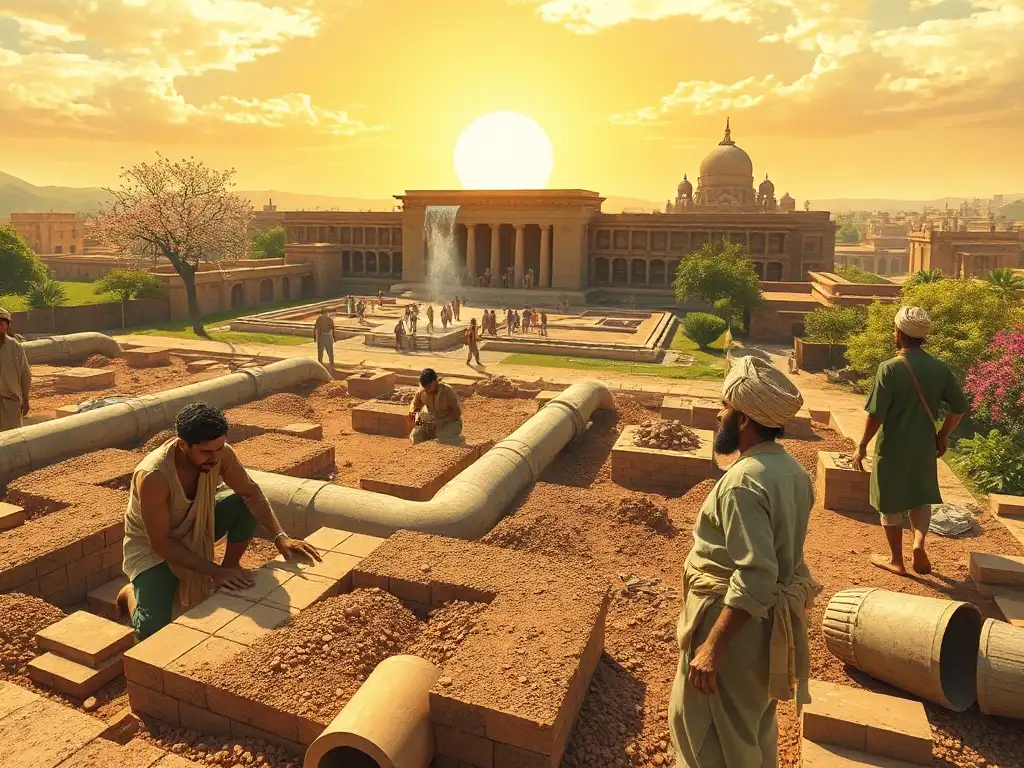
The architectural achievements of the Indus Valley Civilization were not merely products of aesthetic design but were deeply rooted in advanced engineering techniques. These techniques reflect a sophisticated understanding of materials, geometry, and urban planning.
Construction Methods and Materials Used
The Indus Valley engineers employed a variety of construction methods and materials that contributed to the durability and functionality of their architectural structures.
- Bricks: The standardized baked bricks, made from clay and molded into uniform sizes, were a hallmark of IVC construction. This allowed for consistency in building and facilitated the creation of robust structures.
- Mortar: A mixture of gypsum and lime was often used as mortar, enhancing the strength of the buildings and ensuring longevity.
- Building Techniques: The use of load-bearing walls and corbelled arches demonstrates an advanced understanding of structural integrity, allowing for multi-story buildings and complex layouts.
These methods not only highlight the technological advancements of the time but also their ability to adapt to local environmental conditions.
Innovations in Civil Engineering
The Indus Valley Civilization is recognized for its groundbreaking innovations in civil engineering, which laid the groundwork for future urban development.
- Drainage Systems: The extensive drainage systems found in cities like Mohenjo-Daro and Harappa were revolutionary. They included brick-lined drains and covered channels that effectively managed wastewater and promoted public health.
- Urban Planning: The grid layout of cities exemplifies advanced planning techniques. Streets were oriented to allow for optimal sunlight, and residential areas were strategically placed to minimize flooding risks.
- Water Management: The engineering of water reservoirs and cisterns in Dholavira reflects a sophisticated understanding of hydrology, showcasing how ancient engineers maximized water use in arid environments.
These innovations underscore the IVC's role as a pioneer in urban engineering and infrastructure development.
The Role of Geometry in Urban Layout
Geometry played a crucial role in the urban layout of Indus Valley cities, influencing everything from street planning to building design.
- Grid Patterns: The cities were laid out in a grid pattern, showcasing a clear understanding of geometric principles that allowed for organized and efficient movement throughout the urban space.
- Proportions and Symmetry: The buildings often exhibited symmetrical designs and harmonious proportions, reflecting the aesthetic values of the civilization while also ensuring structural stability.
- Spatial Organization: The careful spatial organization of public and private spaces indicates that geometric considerations were not only functional but also cultural, facilitating community interaction and social order.
The application of geometry in the Indus Valley architectural engineering demonstrates a remarkable blend of art, science, and practicality that has left a lasting legacy in urban design.
Comparison of Indus Valley Architecture with Contemporary Civilizations
The architectural achievements of the Indus Valley Civilization (IVC) stand out not only for their ingenuity but also for their distinct characteristics when compared to contemporary civilizations such as Mesopotamia, Egypt, and ancient China. The IVC, flourishing around 2600 to 1900 BCE, showcased remarkable urban planning, sophisticated drainage systems, and standardized fired brick construction. This innovative approach to architecture was both functional and aesthetic, setting it apart from the architectural practices of neighboring civilizations.
Architectural Achievements of Mesopotamia
Mesopotamian architecture, characterized by the use of mud bricks and monumental structures, significantly contrasts with the IVC's brick-based construction. The ziggurats of Mesopotamia, towering structures built as temples, illustrate the region's emphasis on religious architecture. In comparison, Indus Valley cities like Mohenjo-Daro and Harappa featured well-planned streets, public baths, and granaries, emphasizing urban functionality over monumental religious structures. This fundamental difference reflects varying priorities in urban development, with the IVC focusing on civic amenities and hygiene, illustrated by their advanced drainage systems.
Egyptian Architecture: Parallels and Differences
Egyptian architecture is renowned for its grand pyramids and temples, showcasing a strong focus on the afterlife and divine worship. While the Indus Valley did not construct monumental funerary architecture to the same extent, their use of uniformity in brick size and building techniques demonstrates a different but equally impressive architectural coherence. The IVC's emphasis on planned cities with residential and commercial areas reveals a stark contrast to Egypt's hierarchical urban design. Both civilizations, however, employed advanced engineering techniques; the Egyptians used precise alignment and massive stone blocks, while the IVC excelled in urban planning and efficient drainage systems.
Insights from Ancient Chinese Engineering
Ancient Chinese engineering, particularly during the Shang and Zhou dynasties, showcased remarkable advancements in metallurgy and construction. While the IVC's architectural style differed, both civilizations demonstrated a profound understanding of materials and design principles. The use of rammed earth in Chinese architecture is notable, paralleling the IVC's use of fired bricks for durability.
Both cultures also exhibited a focus on urban planning—Chinese cities often featured central layouts with walls, akin to the fortified cities of the Indus Valley, which emphasized both defense and community organization. This shared emphasis on structured urban environments reflects a common understanding of the importance of civic architecture.
The Influence of Indus Valley Architectural Engineering on Future Civilizations
The architectural engineering of the Indus Valley Civilization has left an indelible mark on subsequent cultures, particularly in the Indian subcontinent. The innovative practices developed during this period influenced various aspects of urban planning and construction techniques that are evident in later architectural styles, demonstrating a legacy that extends beyond its time.
Contributions to Indian Architecture
The principles of urban planning and construction techniques established by the IVC laid the groundwork for future Indian architectural traditions. The grid-like city layouts and advanced drainage systems became templates for later civilizations, including the Maurya and Gupta empires. Moreover, the Indus Valley's emphasis on symmetry and standardized construction can be seen in subsequent Indian temples and urban settlements, reflecting a continuity of architectural thought that resonates through history.
Legacy in Modern Urban Planning
The urban planning strategies of the Indus Valley Civilization resonate in contemporary urban design. The systematic layout of streets, public spaces, and sanitation infrastructure serves as a model for modern city planners seeking sustainable and efficient designs. Cities inspired by the IVC principles often prioritize accessibility, environmental considerations, and community health, underscoring the civilization's forward-thinking approach to urban engineering.
Preservation of Architectural Techniques
Many of the architectural techniques developed during the Indus Valley period have been preserved and adapted over time. The use of fired brick, for instance, remains a fundamental aspect of construction in many parts of India. Additionally, techniques for managing water resources and drainage have been adapted to modern needs, showcasing the IVC's enduring influence on architectural practices. The continued study and preservation of these ancient techniques not only honor the civilization's legacy but also provide valuable insights into sustainable building practices for future generations.
Challenges Faced in Indus Valley Architectural Engineering
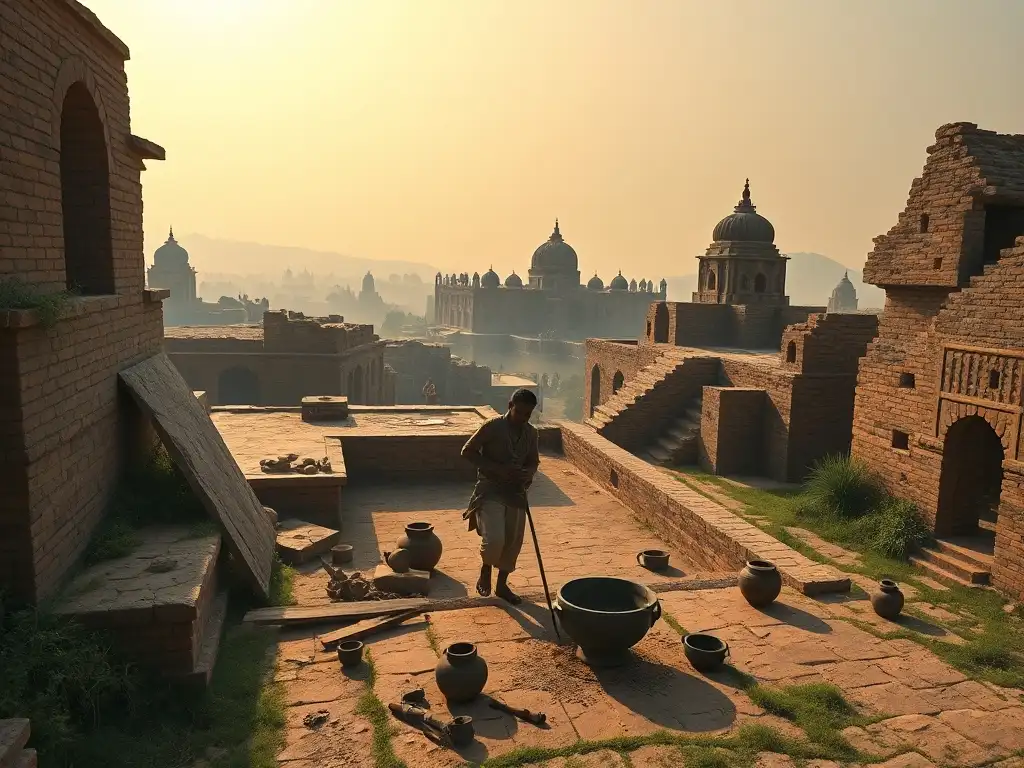
The Indus Valley Civilization (IVC) is renowned for its remarkable architectural achievements, yet these accomplishments did not come without significant challenges. The engineers and builders of the IVC faced various obstacles that influenced their construction practices and the eventual decline of their architectural legacy. Understanding these challenges provides insight into the ingenuity and adaptability of ancient Indian civilizations.
Natural Disasters and Their Impact
Natural disasters posed a considerable challenge to the architects and engineers of the Indus Valley. The region is known for its susceptibility to flooding, particularly from the nearby rivers such as the Indus and its tributaries. Archaeological evidence suggests that cities like Mohenjo-Daro experienced flooding events that may have damaged infrastructure and disrupted urban life.
Additionally, seismic activity in the region could have resulted in earthquakes, causing structural failures. The meticulous planning of drainage systems and the use of raised platforms for buildings reflect the inhabitants' awareness of these risks. However, despite their advanced engineering techniques, the recurrence of such disasters likely undermined the stability of settlements, affecting both the safety and longevity of their architectural marvels.
Socio-Political Factors Affecting Construction
The socio-political landscape of the Indus Valley Civilization also played a crucial role in shaping architectural engineering. The centralized governance, possibly reflecting a form of bureaucratic control, influenced the allocation of resources and labor for construction projects. Changes in leadership or political stability could directly impact the construction pace and the scale of architectural endeavors.
Moreover, inter-city rivalry and competition for resources may have led to inconsistencies in architectural quality and innovation. Urban planning decisions, such as the layout of streets and public spaces, were likely influenced by social hierarchies and the need for communal spaces. As political dynamics evolved, some cities may have faced neglect or decline, resulting in unfinished or derelict structures that reflect the shifting priorities of their societies.
Resource Management in Ancient Times
Effective resource management was paramount for the successful implementation of architectural projects in the Indus Valley. The civilization relied on locally sourced materials, such as mud bricks, stone, and timber, which limited their ability to undertake more ambitious constructions. The availability of quality resources fluctuated due to seasonal changes and environmental factors, necessitating careful planning and sustainable practices.
Moreover, the organization of labor was essential to managing resources efficiently. Artisans, laborers, and craftsmen were vital to the construction process, and their skills needed to be harnessed optimally. The ability to coordinate and mobilize a workforce, while ensuring access to materials, was a significant challenge that directly impacted the scale and complexity of architectural projects.
Conclusion: The Enduring Legacy of Indus Valley Architectural Engineering
The architectural engineering of the Indus Valley stands as a testament to human ingenuity, reflecting a society that thrived despite numerous challenges. The remarkable urban planning, advanced drainage systems, and standardized brick sizes reveal an understanding of engineering principles that remain impressive even by modern standards.
Reflection on Engineering Innovations
Reflecting on the engineering innovations of the Indus Valley, it becomes evident that their approaches to urban planning and construction were foundational to later architectural developments. The meticulous layout of cities, with their grid patterns and sophisticated drainage systems, established benchmarks for urban design. The use of baked bricks and standardized measurements showcased an early understanding of construction techniques that influenced successive civilizations.
The legacy of these engineering feats continues to inspire contemporary architects and engineers, who study the principles of sustainability and efficiency that were inherent in Indus Valley constructions. The ability to adapt to environmental challenges and social dynamics underscores the resilience and creativity of ancient builders.
The Importance of Preserving Ancient Architecture
Preserving the architectural remains of the Indus Valley is crucial not only for historical scholarship but also for cultural heritage. These structures carry the stories of a civilization that contributed significantly to engineering and urban planning. Efforts to conserve and study these sites allow us to gain insights into past technologies and lifestyles, fostering a deeper understanding of human history.
Moreover, preserving these ancient wonders serves as a reminder of the achievements of the Indus Valley Civilization, encouraging future generations to appreciate and learn from their engineering prowess. As we engage with these architectural legacies, we reaffirm the importance of safeguarding our historical sites and the knowledge they encompass, ensuring that the innovations of the past continue to inform our future.
References
To truly appreciate the architectural wonders of the Indus Valley Civilization and their remarkable engineering feats, it's essential to delve into a variety of scholarly resources. Below are some key references that provide a deeper understanding of the subject.
Recommended Reading on Indus Valley Civilization
- "The Indus Civilization: A Contemporary Perspective" by Gregory L. Possehl
- This book offers a comprehensive overview of the Indus Valley Civilization, discussing its urban planning, architecture, and technological advancements. It provides insights into the social and cultural context that shaped these innovations.
- "Archaeology of the Indus Valley: A Study of Ancient Indian Civilization" by R.S. Sharma
- Sharma's work provides an in-depth analysis of archaeological findings from the Indus Valley sites, emphasizing the significance of architectural developments and their implications for understanding ancient Indian society.
- "Indus Valley Civilization: An Encyclopedia" by Susan W. Andrews
- This encyclopedia serves as a valuable resource for quick references on various aspects of the Indus Valley Civilization, including its engineering marvels, urban planning, and cultural practices.
- "The Indus Valley: An Archaeological Guide" by A. G. K. Menon
- Menon’s guide presents a detailed examination of major archaeological sites of the Indus Valley, highlighting their architectural features and engineering techniques that demonstrate advanced planning and construction methods.
Academic Journals and Articles on Architectural Engineering
- "Engineering the Indus Valley: Urban Planning and Architecture" - Journal of Historical Archaeology
- This article explores the advanced urban planning techniques employed by the Indus Valley Civilization, focusing on drainage systems, road layouts, and residential architecture. It emphasizes how these engineering principles contributed to the civilization's sustainability.
- "The Hydraulic Engineering of the Indus Valley Civilization" - International Journal of Water Resources Development
- This research paper delves into the sophisticated water management systems developed by the Indus Valley engineers, including wells, reservoirs, and drainage systems, which were essential for supporting urban life.
- "Indus Valley Architecture: A Study of Materials and Techniques" - Journal of Architectural Engineering
- The paper investigates the materials used in Indus Valley constructions, such as baked brick and stone, and discusses the techniques that enabled the construction of durable buildings, showcasing the engineering ingenuity of the period.
- "Urbanization in the Indus Valley Civilization: Architectural Innovations" - Journal of Urban History
- This article examines the urbanization processes in the Indus Valley, highlighting how architectural innovations played a critical role in the development of cities and the organization of space within them.
These references collectively contribute to a richer understanding of Indus Valley architectural engineering, revealing the sophistication and ingenuity that characterized one of the world's earliest urban civilizations.
- Introduction to Indus Valley Architectural Engineering
- Key Features of Indus Valley Architectural Engineering
- Major Architectural Sites of the Indus Valley
- Engineering Techniques of the Indus Valley
- Comparison of Indus Valley Architecture with Contemporary Civilizations
- The Influence of Indus Valley Architectural Engineering on Future Civilizations
- Challenges Faced in Indus Valley Architectural Engineering
- Conclusion: The Enduring Legacy of Indus Valley Architectural Engineering
- References
- What are the main features of Indus Valley architectural engineering?
- How did the Indus Valley civilization influence modern architecture?
- What materials were primarily used in Indus Valley architecture?
- Can you name some significant architectural sites from the Indus Valley civilization?
- What role did water management play in Indus Valley engineering?
Frequently Asked Questions
What are the main features of Indus Valley architectural engineering?
The Indus Valley architectural engineering is characterized by advanced urban planning, including grid layouts, extensive drainage systems, and public baths that reflect a high level of engineering skill.
How did the Indus Valley civilization influence modern architecture?
The Indus Valley civilization set foundational principles for urban design and drainage systems that are still relevant in modern architecture, showcasing their innovative engineering techniques.
What materials were primarily used in Indus Valley architecture?
The Indus Valley civilization primarily utilized baked bricks, mud, and stone, which contributed to the durability and sophistication of their architectural structures.
Can you name some significant architectural sites from the Indus Valley civilization?
Key sites include Mohenjo-Daro and Harappa, known for their remarkable city planning and engineering feats, including granaries and residential buildings.
What role did water management play in Indus Valley engineering?
Water management was crucial, with the civilization developing advanced drainage systems and water reservoirs to ensure hygiene and support urban life, indicating their engineering prowess.
Final Reflection: The Enduring Legacy of Indus Valley Architectural Engineering
The architectural marvels of the Indus Valley civilization continue to resonate with us today, showcasing an extraordinary blend of innovation and functionality that remains unparalleled. As we delve into the intricacies of their urban planning and engineering techniques, we uncover not just a glimpse into a bygone era, but a profound understanding of how these ancient practices can inform our modern approaches to sustainable living and urban development. The ingenuity of the Indus Valley architects stands as a testament to human creativity and resilience, reminding us that great engineering transcends time.
The impact of Indus Valley architectural engineering is evident not only in historical studies but also in contemporary discussions surrounding urban sustainability and infrastructure development. As we grapple with the challenges of modern urbanization, the principles established by the Indus Valley civilization offer valuable lessons in resource management and community planning. The greatest architect is not the one who builds the most, but the one who builds wisely.
This quote encapsulates the essence of what we can learn from the past; it urges us to consider the long-term implications of our architectural choices and the importance of harmonizing our built environment with nature.
As we reflect on the significance of the Indus Valley's architectural achievements, I invite you to consider how these lessons can be applied in your own life and community. What can we learn from their approach to engineering and urban planning?
Let this be a call to action for each of us to embrace sustainable practices, to think critically about our environments, and to honor the legacy of those who came before us by creating spaces that are not only functional but also enriching for future generations. Together, we can build a future that respects the wisdom of the past while innovating for a better tomorrow.
Unveil the Secrets of Indus Valley Engineering!
Thank you for exploring the remarkable architectural wonders of the Indus Valley with us! By delving into this ancient engineering marvel, you have gained insights into a civilization that laid the groundwork for urban planning and design. Now, let’s keep that inspiration flowing and take action!
Here are some ways you can dive deeper into this fascinating topic:
- Explore more by visiting local museums or virtual exhibits that showcase artifacts and architectural reconstructions from the Indus Valley civilization.
- Share your thoughts on social media! Post an intriguing fact or your favorite aspect of Indus Valley architecture and tag us to spark a conversation with others.
- Join a community discussion or online forum focused on ancient civilizations, where you can exchange ideas and broaden your understanding.
What unique architectural feature of the Indus Valley do you find most captivating, and why? Let’s connect in the comments!