
Exploring the Maurya Empire's Diplomatic Strategies: Governance Beyond Borders


Welcome to Ancient India History, where we embark on an enthralling journey through the rich tapestry of ancient Indian civilizations. Today, we delve into the fascinating world of the Maurya Empire, uncovering its diplomatic strategies that shaped governance beyond borders. What secrets lie within their intricate alliances and negotiations? Join us as we explore how these historical tactics not only influenced their empire but also left a lasting legacy on the art of diplomacy. Dive deeper into the narrative of power, culture, and influence that defined an era!
Introduction to the Maurya Empire
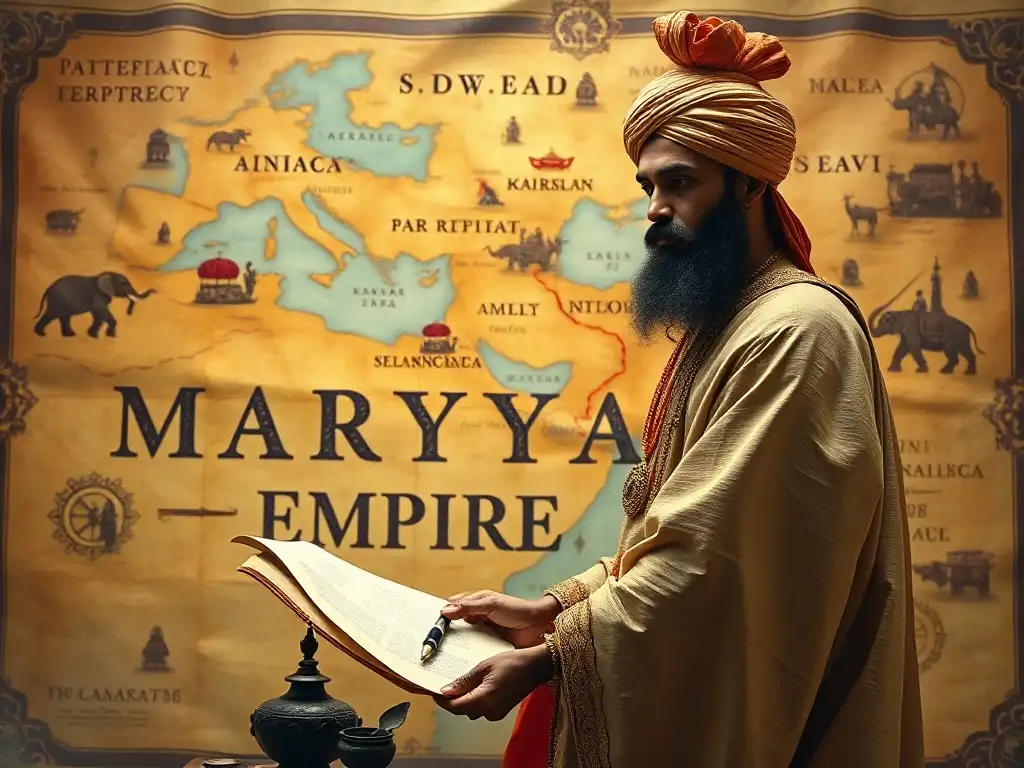
The Maurya Empire, one of the most significant and expansive empires in ancient India, thrived from approximately 322 BCE to 185 BCE. It was marked by its remarkable administrative and diplomatic strategies, which allowed it to govern a vast territory that stretched across a large part of the Indian subcontinent. The Mauryan rulers, especially Chandragupta Maurya and Ashoka the Great, implemented innovative governance techniques that not only facilitated internal stability but also fostered relationships with neighboring states. This article delves into the diplomatic strategies employed by the Maurya Empire, highlighting how these approaches contributed to its influence and longevity.
Overview of the Maurya Empire's Historical Context
The Maurya Empire emerged in a period of fragmentation following the decline of the Magadha Kingdom. Under the leadership of Chandragupta Maurya, it unified various regions through a combination of military conquest and strategic alliances. By employing effective governance mechanisms, the Maurya rulers were able to maintain control over diverse populations and cultures. The empire reached its zenith under Ashoka, who is renowned not only for his military prowess but also for his commitment to Buddhism and non-violence, which played a crucial role in shaping its diplomatic relations.
Significance of Diplomacy in Ancient Indian Civilizations
Diplomacy in ancient Indian civilizations was not merely a tool for conflict resolution but a vital component of governance. It facilitated trade, cultural exchange, and the establishment of alliances among various kingdoms. The Maurya Empire's diplomatic strategies exemplified how effective communication and negotiation could lead to peaceful coexistence and mutual prosperity among different states. Such diplomatic efforts were instrumental in expanding the empire's influence beyond its borders, allowing for the exchange of ideas, goods, and cultural practices that enriched both the Maurya Empire and its neighbors.
Understanding Maurya Empire Diplomatic Strategies
Definition of Diplomatic Strategies in the Context of the Maurya Empire
In the context of the Maurya Empire, diplomatic strategies refer to the methods and practices employed by its rulers to manage relationships with other states and territories. These strategies encompassed a variety of tactics, including diplomatic marriages, treaties, and envoy exchanges. The overarching goal was to maintain stability, promote trade, and prevent conflicts, thereby enhancing the empire's political and economic power.
Key Features of Maurya Empire Diplomacy
The diplomatic strategies of the Maurya Empire were characterized by several key features:
- Realpolitik Approach: The empire practiced pragmatic diplomacy, often prioritizing political expediency over ideological alignment.
- Cultural Diplomacy: Emphasizing cultural exchange, the Mauryas engaged in promoting art, religion, and education as means of fostering goodwill among neighboring states.
- Strategic Alliances: The Maurya rulers formed alliances with local rulers and tribes, often through marriages or treaties, to strengthen their position and influence.
- Use of Envoys: The appointment of envoys played a crucial role in maintaining communication and negotiating terms with other states, enhancing the empire's diplomatic outreach.
By exploring these aspects, we gain a deeper understanding of how the Maurya Empire's diplomatic strategies were integral to its governance beyond borders, setting a precedent for subsequent Indian empires and influencing diplomatic practices in the region for centuries to come.
The Role of Ashoka in Diplomatic Relations
Ashoka the Great, the third ruler of the Maurya Empire, is often regarded as one of the most significant figures in ancient Indian history, particularly for his innovative diplomatic strategies. His reign, which spanned from approximately 268 to 232 BCE, marked a pivotal shift in how governance and diplomacy were conducted within and beyond the Indian subcontinent. Ashoka's approach was heavily influenced by his conversion to Buddhism, which profoundly shaped his diplomatic ideology and practices.
Under Ashoka, the Maurya Empire expanded not only through military conquests but also through strategic diplomatic engagements. He emphasized the importance of establishing peaceful relations with neighboring states, advocating for non-violence and mutual respect as cornerstones of his foreign policy. This shift from aggressive expansion to diplomatic engagement reflected a broader understanding of governance that prioritized stability and long-term relationships over short-term gains.
Ashoka's Philosophy of Non-Violence and Diplomacy
Ashoka's conversion to Buddhism introduced a philosophy of ahimsa, or non-violence, that became foundational to his diplomatic strategies. This philosophy was not merely a personal belief but a guiding principle that influenced his interactions with other kingdoms. Ashoka believed that genuine diplomacy should be rooted in compassion, respect for life, and the promotion of peace, which resonated deeply with the Buddhist teachings he embraced.
His commitment to non-violence allowed him to engage in diplomacy without resorting to coercive measures. Instead of using military force to achieve his objectives, Ashoka sought to foster goodwill through negotiation and dialogue. This approach not only enhanced the Maurya Empire's reputation as a benevolent power but also encouraged other states to reciprocate his diplomatic overtures. The principles of non-violence and mutual respect became integral to Ashoka's vision of governance, making him a unique figure in the annals of diplomacy.
Diplomatic Missions and Alliances Established by Ashoka
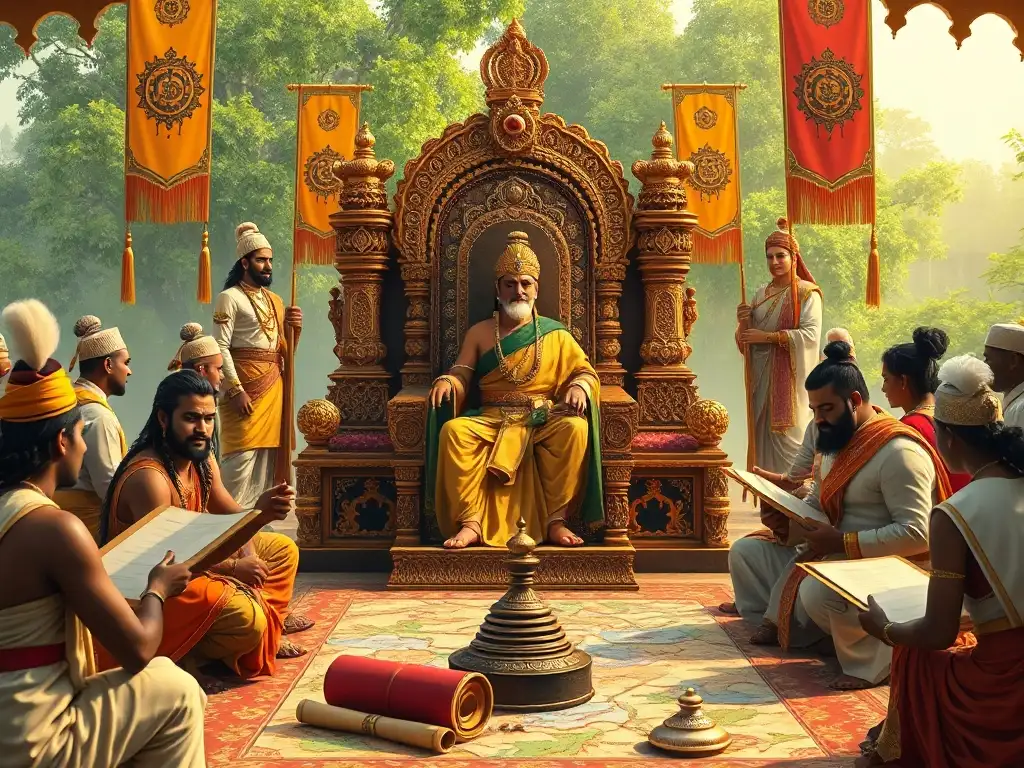
Ashoka's reign was characterized by a series of diplomatic missions that aimed to establish and strengthen alliances with various kingdoms. One of his notable contributions to diplomacy was the sending of emissaries to distant lands, including contemporary regions of modern-day Afghanistan, Sri Lanka, and Southeast Asia. These emissaries were tasked with promoting Buddhism, establishing trade routes, and fostering political alliances.
One significant example of Ashoka's diplomatic outreach was his relationship with the Kingdom of Sri Lanka. By sending his son Mahinda as an ambassador, Ashoka successfully facilitated the spread of Buddhism on the island, which not only strengthened cultural ties but also solidified political alliances. This relationship exemplified how Ashoka utilized diplomatic missions to extend the Maurya Empire's influence and foster goodwill among neighboring states.
Governance Beyond Borders: Diplomatic Strategies in Action
The Maurya Empire's diplomatic strategies under Ashoka were not merely theoretical; they were put into practice through various mechanisms designed to promote stability and cooperation. Ashoka’s reign exemplified how effective governance could transcend borders, leading to a more interconnected and harmonious regional landscape.
The empire's diplomatic engagement included a combination of treaties, alliances, and cultural exchanges that aimed to create a network of mutually beneficial relationships with other states. By prioritizing diplomacy, Ashoka was able to maintain peace and stability within his vast empire, promoting economic prosperity and cultural exchange that would have lasting impacts on the region.
Treaties and Agreements: A Look at Notable Examples
One of the most significant aspects of Ashoka's diplomatic strategies was the establishment of treaties and agreements with neighboring kingdoms. These formal agreements often included clauses that promoted trade, mutual defense, and the exchange of envoys. For instance, Ashoka’s treaty with the Kalinga Kingdom, prior to its conquest, showcased his commitment to peaceful negotiations and dialogue.
After the Kalinga War, which deeply affected Ashoka, he sought to create a lasting peace through a series of treaties that included provisions for trade and cultural exchanges. These agreements often emphasized non-violence and mutual respect, reflecting his philosophical beliefs. Such treaties not only helped to consolidate power but also ensured stability in the region, allowing for economic growth and cultural development.
The Use of Marriage Alliances in Diplomacy

Marriage alliances were another crucial aspect of Ashoka's diplomatic strategies. These alliances served as a means of securing political ties and fostering goodwill between different royal families. By marrying into influential families, Ashoka was able to strengthen diplomatic relations and promote stability within the empire and its surrounding regions.
One notable example includes Ashoka’s marriage to a princess from the Kalinga Kingdom, which helped to mend relationships following the conquest of Kalinga. This marriage not only solidified political ties but also promoted cultural exchange, reinforcing Ashoka's commitment to non-violence and peace. Marriage alliances were a strategic tool that allowed Ashoka to extend his influence and create a network of alliances that bolstered the Maurya Empire's political landscape.
Impact of Maurya Empire Diplomatic Strategies on Neighboring States
The Maurya Empire, under the leadership of figures such as Chandragupta Maurya and Ashoka, implemented a range of diplomatic strategies that significantly influenced neighboring states. One of the most notable impacts was the establishment of peaceful relations through strategic alliances and treaties. These diplomatic maneuvers not only secured the empire's borders but also facilitated trade and cultural exchanges, enhancing economic prosperity across the region.
Furthermore, the Mauryan diplomatic approach included both military and non-military strategies, allowing for flexibility in dealing with different states. For instance, rather than resorting solely to warfare, the Mauryas often opted for negotiations, which helped to minimize conflict and promote stability. This strategy was particularly effective in managing relations with states that were either too powerful to conquer outright or those that posed a potential threat to the empire's interests.
Additionally, the Maurya Empire's diplomatic strategies contributed to a significant shift in regional power dynamics. By engaging in marriage alliances and forming coalitions, the empire not only expanded its influence but also encouraged neighboring states to adopt similar diplomatic practices, leading to a more interconnected political landscape across ancient India and beyond.
Relations with the Hellenistic World
The Maurya Empire's interactions with the Hellenistic world, particularly during the reign of Chandragupta Maurya, marked a significant phase in its diplomatic strategies. Following the conquests of Alexander the Great, the Mauryas established relations with the remnants of his empire in the northwest, which included regions like Bactria and the Indo-Greek kingdoms. This engagement was characterized by mutual respect and an exchange of ideas, goods, and culture.
One of the key figures in this interaction was Seleucus I Nicator, one of Alexander's generals. The Maurya Empire and Seleucid Empire negotiated a peace treaty around 303 BCE, which included the exchange of ambassadors and the establishment of trade routes. This treaty not only solidified the Maurya Empire's western borders but also opened avenues for economic collaboration and cultural exchanges that enriched both civilizations.
Moreover, the spread of Hellenistic art and ideas influenced Mauryan culture, as seen in the architectural and artistic developments during this period. The adoption of certain Hellenistic elements in Indian art and the promotion of philosophical dialogues between the two cultures exemplify the depth of these diplomatic relations.
The Influence of Maurya Diplomacy on Regional Politics
The diplomatic strategies employed by the Maurya Empire significantly altered the political landscape of ancient India. By engaging in diplomacy with neighboring states, the Maurya rulers were able to exert a powerful influence over regional politics without the constant need for military intervention. This approach allowed for the establishment of a more stable and cooperative political environment.
Through strategic alliances and the promotion of cooperation, the Mauryan Empire was able to foster loyalty among smaller kingdoms and tribal groups, often integrating them into the imperial framework. This not only expanded the empire's territory but also created a network of vassal states that contributed to its economic and military strength.
Additionally, the Maurya Empire's diplomatic strategies encouraged the spread of governance ideas and administrative practices across the region. Neighboring states often looked to the Mauryas as a model for effective governance, leading to the adoption of similar administrative structures and policies. This diffusion of governance concepts helped to stabilize various regions and created a more cohesive political culture in ancient India.
Cultural Exchange as a Diplomatic Strategy
Cultural exchange played a pivotal role in the Maurya Empire's diplomatic strategies, serving as a means to foster goodwill and cooperation among neighboring states. The Mauryan rulers understood the importance of culture in diplomacy and actively promoted exchanges that would strengthen their ties with other civilizations.
By embracing and promoting various cultural practices, including art, literature, and religious beliefs, the Maurya Empire was able to create a rich tapestry of intercultural relations. This openness not only enhanced the empire's prestige but also facilitated trade and communication, further solidifying its influence across the region.
Spread of Buddhism and Cultural Diplomacy
The Maurya Empire's promotion of Buddhism under Emperor Ashoka is one of the most notable examples of cultural diplomacy in ancient history. Ashoka's conversion to Buddhism after the Kalinga War led him to adopt a foreign policy grounded in non-violence and compassion, which he disseminated through edicts and missions.
Ashoka dispatched Buddhist missionaries to various regions, including Southeast Asia, the Hellenistic world, and beyond, promoting not only the religion but also the values of peace and ethical governance. This initiative had a profound impact on regional politics and culture, as it encouraged the establishment of Buddhist communities and led to the spread of Buddhist art and philosophy.
The diplomatic use of Buddhism also allowed the Maurya Empire to forge alliances with other cultures, as the shared values of Buddhism helped to bridge cultural divides. The establishment of monasteries and stupas served as cultural hubs that facilitated dialogue and cooperation among diverse populations.
The Role of Art and Architecture in Diplomatic Relations
Art and architecture were instrumental in the Maurya Empire's diplomatic strategies, serving as powerful symbols of its cultural achievements and political authority. The construction of monumental structures, such as the Ashoka Pillars and stupas, not only showcased the empire's artistic prowess but also communicated its ideological values to both domestic and foreign audiences.
These architectural marvels often contained inscriptions that conveyed messages of goodwill, peace, and cooperation. By embedding diplomatic sentiments into public monuments, the Mauryas effectively used art as a means to express their intentions and strengthen their diplomatic standing.
Moreover, the Mauryan artistic style, which incorporated influences from both Indian and Hellenistic traditions, became a medium for cultural exchange. This unique blend of artistic elements attracted admiration from neighboring states, fostering relationships based on mutual respect and appreciation for each other's cultural heritage.
The Maurya Empire's diplomatic strategies were multifaceted, encompassing political alliances, cultural exchanges, and the promotion of shared values. These strategies not only secured the empire's power but also left a lasting legacy on the region's political and cultural landscape.
Challenges Faced by the Maurya Empire in Diplomacy
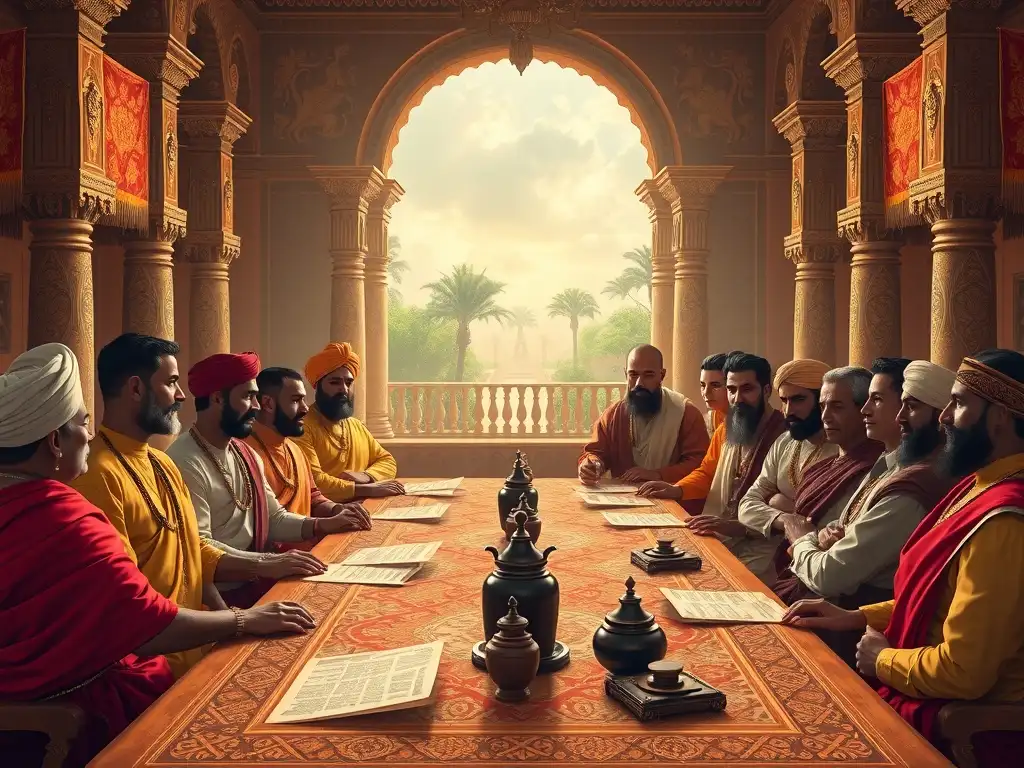
The Maurya Empire, one of the largest and most powerful empires in ancient India, faced several challenges in its diplomatic endeavors. These challenges not only tested the resilience and adaptability of its governance but also shaped its strategic approach to foreign relations. The complexities of managing a vast territory with diverse cultures, languages, and political structures played a significant role in the empire's diplomatic strategies.
Internal Struggles and Their Impact on Foreign Relations
Internal struggles within the Maurya Empire, particularly during the reign of its later rulers, created significant ramifications for its foreign relations. The power dynamics among the royal family, as well as between regional governors and local rulers, often led to political instability. This internal discord hindered effective decision-making and communication, which are crucial for successful diplomacy.
Moreover, the emergence of rival factions and dissenting groups within the empire prompted external powers to exploit these divisions. For instance, the fragmented political landscape made it easier for neighboring states to challenge Mauryan authority, leading to a series of diplomatic negotiations often tinged with distrust. The internal struggles, therefore, not only weakened the Maurya Empire's position but also complicated its ability to project power and maintain alliances.
Historical Conflicts and Resolutions
The Maurya Empire's diplomatic strategies were frequently tested by historical conflicts, both within its borders and with external entities. A notable example is the conflict with the Greek states following Alexander the Great's conquests. The empire's diplomatic response involved a combination of military readiness and strategic alliances, showcasing a multifaceted approach to conflict resolution.
The Mauryans, particularly under Chandragupta Maurya and later Ashoka, sought to establish peace through negotiations and treaties. These diplomatic resolutions often involved the exchange of gifts, marriage alliances, and mutual recognition of sovereignty, which helped to mitigate the tensions arising from historical conflicts. By prioritizing peaceful resolutions over military confrontations, the Maurya Empire laid the groundwork for a diplomatic legacy that emphasized dialogue and cooperation.
Conclusion: Legacy of Maurya Empire Diplomatic Strategies
The diplomatic strategies employed by the Maurya Empire had lasting impacts on the region and beyond, influencing subsequent Indian civilizations in various ways. The empire's approach to governance extended beyond mere territorial control; it encompassed a sophisticated understanding of diplomacy that prioritized stability and cooperation.
Lasting Effects on Subsequent Indian Civilizations
The legacy of Maurya Empire diplomatic strategies can be seen in the governance models adopted by later Indian kingdoms. The emphasis on diplomacy over warfare, alongside the establishment of trade relations, became a hallmark of Indian political culture. Successors to the Maurya Empire, such as the Gupta Empire, inherited and refined these diplomatic practices, facilitating a period of relative peace and prosperity.
Additionally, the Mauryan emphasis on ethical governance, as exemplified in Ashoka's edicts, influenced the moral framework within which future rulers conducted their diplomatic affairs. This ethical approach to diplomacy fostered a culture of respect and mutual benefit in international relations, which resonated throughout Indian history.
Lessons from Maurya Diplomacy for Modern Governance
The Maurya Empire's diplomatic strategies offer valuable lessons for modern governance in today’s globalized world. The importance of dialogue, understanding cultural nuances, and maintaining internal cohesion are as relevant now as they were in ancient times. Moreover, the Mauryan practice of conflict resolution through negotiation rather than force serves as a critical reminder of the potential for peaceful coexistence.
Modern states can draw inspiration from the Mauryan model by prioritizing diplomacy and collaborative governance. The emphasis on ethical considerations in international relations, as practiced by Ashoka, highlights the significance of aligning diplomatic efforts with moral imperatives, promoting global peace and cooperation in an increasingly interconnected world.
References and Further Reading on Maurya Empire Diplomatic Strategies
Understanding the diplomatic strategies of the Maurya Empire requires delving into both historical texts and contemporary analyses. Below is a curated list of references and further reading materials that provide comprehensive insights into the diplomatic practices employed by this significant ancient Indian civilization.
Primary Sources
-
Arthashastra by Kautilya (Chanakya)
This ancient Indian treatise on statecraft and military strategy provides invaluable insights into the political and diplomatic strategies of the Maurya Empire. Kautilya’s pragmatic approach to governance and diplomacy has been influential in shaping India's political thought.
-
Indica by Megasthenes
Written by the Greek ambassador Megasthenes who visited the Maurya Empire during Chandragupta Maurya's reign, this text offers a firsthand account of Indian society, culture, and administration, including aspects of diplomacy.
Secondary Sources
-
The Maurya Empire: A Historical Study by R. S. Sharma
This book offers a detailed analysis of the Maurya Empire's governance structures, including diplomatic relations with neighboring states and the strategies that ensured its stability and expansion.
-
Ancient Indian Political Thought by Rajiv Kumar
This work explores the philosophical underpinnings of Indian political strategies, focusing on the role of diplomacy in the Maurya Empire.
Academic Journals
-
Journal of Ancient Indian History
Articles in this journal often discuss various aspects of the Maurya Empire, including diplomatic strategies, treaties, and international relations. A search through its archives can yield valuable studies.
-
Indian Historical Review
This journal features research papers on various historical topics, including the administration and diplomacy of the Maurya Empire.
Online Resources
-
Digital South Asia Library
This resource contains a wealth of primary sources and secondary literature on ancient Indian history, including materials focusing on the Maurya period.
-
Ancient History Encyclopedia
This website provides accessible articles and resources summarizing key aspects of the Maurya Empire, including its diplomatic strategies and international relations.
Recommended Documentaries
-
The Mauryan Empire: The First Indian Empire
This documentary explores the rise and fall of the Maurya Empire, highlighting its diplomatic endeavors and strategies to maintain control over a vast territory.
By exploring these references and resources, readers can gain a deeper understanding of the complex diplomatic strategies that characterized the Maurya Empire and contributed to its enduring legacy in ancient Indian history.
- Introduction to the Maurya Empire
- Understanding Maurya Empire Diplomatic Strategies
- The Role of Ashoka in Diplomatic Relations
- Ashoka's Philosophy of Non-Violence and Diplomacy
- Diplomatic Missions and Alliances Established by Ashoka
- Governance Beyond Borders: Diplomatic Strategies in Action
- Treaties and Agreements: A Look at Notable Examples
- The Use of Marriage Alliances in Diplomacy
- Impact of Maurya Empire Diplomatic Strategies on Neighboring States
- Cultural Exchange as a Diplomatic Strategy
- Challenges Faced by the Maurya Empire in Diplomacy
- Conclusion: Legacy of Maurya Empire Diplomatic Strategies
- References and Further Reading on Maurya Empire Diplomatic Strategies
- What were the key diplomatic strategies of the Maurya Empire?
- How did the Maurya Empire manage relations with neighboring states?
- What role did the Maurya Emperor Ashoka play in diplomacy?
- How did the Maurya Empire's diplomatic strategies affect its governance?
- What impact did the Maurya Empire's diplomacy have on its legacy?
Frequently Asked Questions
What were the key diplomatic strategies of the Maurya Empire?
The Maurya Empire employed various diplomatic strategies, including marriage alliances, envoys, and treaties to maintain peace and expand influence across regions.
How did the Maurya Empire manage relations with neighboring states?
The empire utilized strategic diplomacy by fostering alliances and engaging in negotiations to secure trade routes and minimize conflicts with neighboring states.
What role did the Maurya Emperor Ashoka play in diplomacy?
Emperor Ashoka is renowned for his non-violent diplomatic approach, promoting Buddhism as a means to establish peaceful relations and cultural exchanges with other kingdoms.
How did the Maurya Empire's diplomatic strategies affect its governance?
The diplomatic strategies allowed the Maurya Empire to focus on internal governance, enhancing stability and prosperity while mitigating the need for constant military engagement.
What impact did the Maurya Empire's diplomacy have on its legacy?
The diplomatic achievements of the Maurya Empire contributed to its legacy as a model for political governance and international relations in ancient history, influencing future empires.
Final Reflection: The Enduring Legacy of Maurya Empire Diplomatic Strategies
In an era where global interconnectedness is more crucial than ever, the diplomatic strategies of the Maurya Empire serve as a timeless reminder of the power of governance beyond borders. The article has illuminated how these ancient practices not only shaped the political landscape of their time but also offer valuable lessons for contemporary diplomacy. As nations grapple with complex international relations today, the Maurya Empire's emphasis on strategic alliances and cultural diplomacy resonates profoundly, reminding us that effective governance transcends mere territorial control.
The Maurya Empire's diplomatic strategies have left an indelible mark on the cultural and social fabric of our world, influencing how nations engage with one another. The principles of negotiation, respect for diversity, and mutual benefit that were central to Mauryan diplomacy continue to inform modern diplomatic practices. In the realm of diplomacy, the greatest victories are often those achieved through understanding and cooperation.
This quote encapsulates the essence of the Maurya Empire's approach, highlighting the importance of fostering relationships that go beyond conflict and competition.
As we reflect on the lessons drawn from the Maurya Empire's diplomatic strategies, I invite you to consider how these principles can be applied in your own life and community. How can you foster understanding and cooperation in your interactions? By embracing the spirit of diplomacy in our daily lives, we can contribute to a more harmonious and interconnected world. Let us take inspiration from the past and strive to build bridges that unite rather than divide, ensuring that the legacy of the Maurya Empire continues to inspire future generations.
Unveil the Legacy of Diplomatic Triumphs!
Thank you for diving into the fascinating world of the Maurya Empire's diplomatic strategies! You've uncovered the remarkable ways governance extended beyond borders, which not only shaped history but also offers valuable lessons for today. Now, let’s channel that knowledge into action!
Here are some powerful steps you can take to deepen your understanding and share the wealth of this knowledge:
- Explore further: Dive into the extensive resources available on the history of ancient India to uncover even more strategies employed by the Maurya Empire.
- Share the insight: Discuss these diplomatic tactics with friends or on social media to spark conversations and strengthen your connections!
- Engage with the community: Join our forum and share your thoughts or questions about the Maurya Empire—your insights could inspire others!
Which strategies from the Maurya Empire do you believe are most relevant in today’s world of diplomacy? Let’s start the conversation!