
The Indus Valley Civilization: A Journey Through Time and Space

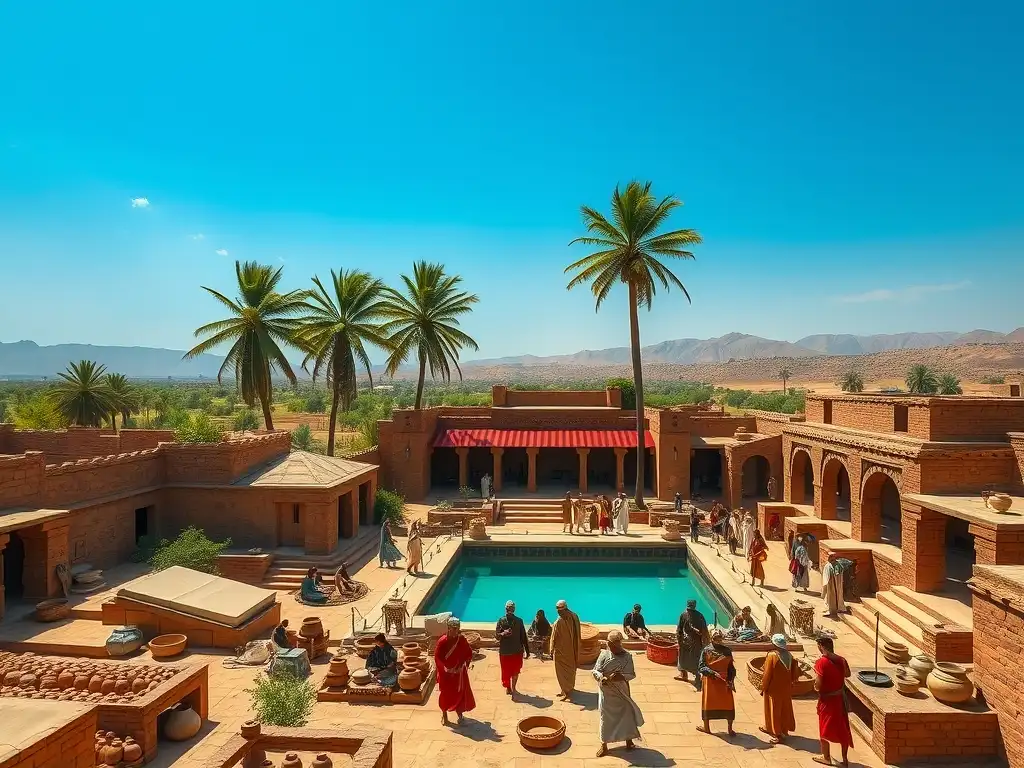
Welcome to Ancient India History, where we embark on an enlightening journey through the vast tapestry of India's rich and diverse heritage. Dive deep into the fascinating world of the Indus Valley Civilization, a cornerstone of ancient Indian civilizations that laid the groundwork for many cultural advancements. In our featured article, " The Indus Valley Civilization: A Journey Through Time and Space," you'll uncover the mysteries of this remarkable society, its innovations, and its lasting impact.
Prepare to be captivated as we explore the echoes of the past and uncover the stories that shaped a civilization like no other. What secrets lie beneath the sands of time? Join us as we unravel the enigma of the Indus Valley!
Introduction to Indus Valley Civilization History
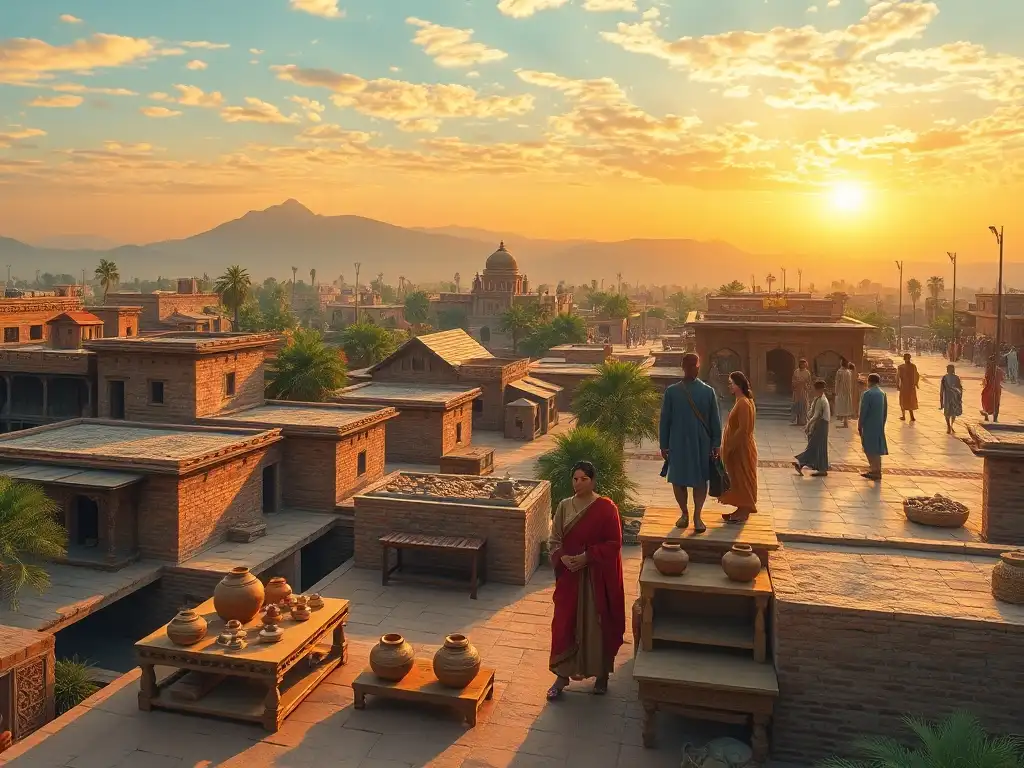
The Indus Valley Civilization (IVC) stands as one of the most remarkable and enigmatic societies of the ancient world, thriving from around 3300 BCE to 1300 BCE in what is now Pakistan and northwest India. This early urban civilization is celebrated not only for its sophisticated urban planning and architectural prowess but also for its advances in trade, agriculture, and social organization.
Understanding the Indus Valley Civilization history offers invaluable insights into the foundations of one of the oldest cultures in human history, revealing how its innovations and practices shaped subsequent civilizations in the Indian subcontinent and beyond. As we embark on this journey through time and space, we will uncover the origins, evolution, and enduring significance of the Indus Valley Civilization.
Overview of the Indus Valley Civilization
The Indus Valley Civilization was marked by its impressive city layouts, which featured grid patterns, advanced drainage systems, and monumental architecture. Major urban centers, such as Mohenjo-Daro and Harappa, showcased a high degree of craftsmanship in pottery, jewelry, and metallurgy. The civilization is believed to have had a well-established economy based on agriculture, supplemented by trade with neighboring regions, including Mesopotamia. The social structure of the IVC remains a topic of debate, with evidence suggesting a relatively egalitarian society that emphasized communal living and cooperation.
Significance of Studying Indus Valley Civilization History
Studying the history of the Indus Valley Civilization is crucial for several reasons:
- Cultural Heritage: The IVC is an integral part of India's cultural heritage, influencing art, architecture, and urban planning.
- Technological Advances: Insights into ancient technologies, such as water management and urban infrastructure, can inspire modern innovations.
- Historical Context: Understanding the IVC provides context for the evolution of societies in South Asia, including the later Vedic period and the rise of major empires.
- Global Trade Networks: The civilization's trade practices highlight the interconnectedness of ancient societies across regions, contributing to our understanding of globalization.
Origins of the Indus Valley Civilization
Geographical Location and Environmental Factors
The Indus Valley Civilization flourished in the fertile floodplains of the Indus River, stretching across present-day Pakistan and northwest India. The region's geography played a pivotal role in the development of this civilization:
- River Systems: The Indus and its tributaries provided essential water resources for agriculture and sustained the population.
- Climate: A semi-arid climate with seasonal monsoons facilitated agricultural practices, particularly the cultivation of wheat, barley, and cotton.
- Natural Resources: The availability of raw materials, such as stone, copper, and timber, supported various industries, including metallurgy and craft production.
Early Settlements and Agriculture in the Indus Valley
The roots of the Indus Valley Civilization can be traced back to early farming communities that emerged around 7000 BCE. These communities gradually transitioned from a nomadic lifestyle to settled agriculture, leading to the establishment of permanent settlements. Key developments included:
- Agricultural Practices: The domestication of crops and animals enabled surplus production.
- Community Organization: The growth of settlements led to the formation of social structures and trade networks.
- Technological Innovations: The invention of tools and pottery improved agricultural productivity and storage capabilities.
Key Archaeological Sites: Mohenjo-Daro and Harappa
Two of the most significant archaeological sites of the Indus Valley Civilization— Mohenjo-Daro and Harappa—provide critical insights into the life and culture of this ancient society:
- Mohenjo-Daro: Known for its well-planned urban layout, advanced drainage system, and the Great Bath, an iconic structure that suggests the importance of ritual and public health.
- Harappa: Features similar urban planning and has yielded numerous artifacts, including seals, toys, and tools, which reflect the daily life and trade practices of its inhabitants.
These sites are not just remnants of a bygone era; they are gateways to understanding the complexity and sophistication of the Indus Valley Civilization, underscoring its lasting legacy in the tapestry of human history.
Evolution of the Indus Valley Civilization
The Indus Valley Civilization, which flourished around 2500 BCE in what is now Pakistan and northwest India, represents one of the world's earliest urban cultures. Its evolution can be traced back to the pre-Harappan cultures, which laid the groundwork for what would become a highly sophisticated society. Initially, small farming communities began to emerge in the fertile plains of the Indus River, where agriculture thrived due to the regular flooding of the river, depositing nutrient-rich silt.
As these communities grew, they transitioned from simple agrarian societies to complex urban centers. This evolution was marked by the establishment of prominent cities like Harappa and Mohenjo-Daro, which showcased advanced urban planning, including grid layouts, drainage systems, and public baths. By around 2600 BCE, the civilization reached its peak, characterized by its extensive trade networks, social stratification, and remarkable technological innovations.
The decline of the Indus Valley Civilization around 1900 BCE remains a topic of intense research and debate. Scholars propose various theories, including climate change, shifting river patterns, and socio-political factors, which may have contributed to its gradual disintegration. Despite its decline, the legacy of the Indus Valley Civilization continues to influence subsequent cultures in the region.
Cultural Development and Social Structure
The cultural development of the Indus Valley Civilization was marked by its ability to adapt and innovate in various aspects of life. Central to this civilization was a complex social structure that appears to have been both hierarchical and egalitarian. Evidence suggests the existence of a ruling class or elite, which may have been involved in governance, trade, and religious practices.
Archaeological findings, including seals and inscriptions, indicate a network of trade and communication that connected various city-states. These interactions likely promoted cultural exchange, leading to a shared identity among the inhabitants. Everyday life in the Indus Valley was characterized by a focus on community, as reflected in the communal bathhouses and public granaries discovered in many cities.
Moreover, the presence of standardized weights and measures suggests a sophisticated economic system where trade was vital. The social fabric was likely woven from diverse communities engaging in agriculture, crafts, and trade. Women, too, played a significant role in society, evidenced by artifacts that indicate their involvement in artisanal activities. Overall, the cultural development of the Indus Valley Civilization showcases a dynamic interplay of social structures, economic practices, and communal life.
Trade and Economy: The Indus Valley's Role in Ancient Trade Networks
The economy of the Indus Valley Civilization was robust and intricately connected to extensive trade networks that spanned vast regions. The strategic location of the Indus Valley, with access to both land and maritime routes, facilitated exchanges with neighboring areas, including Mesopotamia and the Arabian Peninsula.
Archaeological evidence points to the trade of various goods such as cotton textiles, pottery, precious stones, and metals. The use of standardized weights and measures indicates a highly organized trading system, allowing for the efficient exchange of goods. The discovery of seals featuring intricate designs suggests that these items were used for trade and perhaps even as a means of branding.
Additionally, the Indus Valley's agricultural production, particularly of wheat and barley, supported not only local sustenance but also provided surplus for trade. The civilization's economic prowess was further enhanced by its ability to produce quality crafts, making them sought after in distant markets. This dynamic trade network played a crucial role in the prosperity of the Indus Valley Civilization and facilitated cultural exchanges that enriched its society.
Technological Innovations and Urban Planning
The Indus Valley Civilization is renowned for its remarkable technological innovations and urban planning that set it apart from contemporary cultures. One of the most striking features of its cities is the advanced layout, characterized by a grid pattern and sophisticated drainage systems. Streets were lined with standardized brick houses, showcasing an early form of urban architecture that prioritized both aesthetics and functionality.
Moreover, the civilization demonstrated remarkable engineering skills in constructing public baths, granaries, and warehouses. The Great Bath of Mohenjo-Daro is a prime example, illustrating the emphasis on hygiene and communal activities. The presence of a well-developed drainage system reflects an understanding of sanitation that was ahead of its time.
In terms of technology, the Indus Valley people excelled in metallurgy, pottery, and textile production. They utilized advanced kilns for pottery and created intricate jewelry from gold and semi-precious stones. The innovations in agriculture, including irrigation techniques, facilitated the cultivation of crops in an otherwise arid environment, underscoring the civilization's adaptability and ingenuity. Overall, the technological advancements and urban planning of the Indus Valley Civilization laid a foundation for future urban societies.
Art and Culture of the Indus Valley Civilization
Art and culture in the Indus Valley Civilization were deeply intertwined with everyday life, reflecting the values, beliefs, and aesthetic sensibilities of its people. The civilization's artistic expressions were not only functional but also served as vehicles for communication and cultural identity.
Artistic Expressions: Pottery, Sculpture, and Crafts
The artistic expressions of the Indus Valley Civilization can be observed through its pottery, sculpture, and various crafts. Pottery from this era is characterized by its high quality and intricate designs, often featuring geometric patterns and animal motifs. The use of a red slip and painted decorations highlights the artisans' skill and creativity.
Sculpture also played a significant role, with notable artifacts such as the famous "Dancing Girl" bronze statuette and various terracotta figurines. These artworks provide insights into the aesthetics of the time and suggest a culture that valued both beauty and craftsmanship.
Crafts, including bead-making and metallurgy, were integral to the economy and cultural expression. The use of semi-precious stones in jewelry-making illustrates a sophisticated understanding of materials and techniques. Overall, the artistic expressions of the Indus Valley Civilization reflect a vibrant culture that celebrated creativity and innovation.
Religious Practices and Beliefs in the Indus Valley
Religion in the Indus Valley Civilization remains somewhat enigmatic due to the limited decipherability of its script and symbols. However, archaeological findings reveal a complex spiritual life characterized by various practices and beliefs.
The presence of figurines resembling deities, along with seals depicting animals and other symbols, suggests a belief system that may have included nature worship and animism. The Great Bath in Mohenjo-Daro is theorized to have had religious significance, possibly serving as a site for ritual purification.
Additionally, the discovery of terracotta figurines, some of which resemble mother goddesses, indicates a possible fertility cult and reverence for feminine deities. The absence of grand temples, unlike in other ancient civilizations, implies that religious practices may have been more decentralized and community-oriented.
Overall, while much about the religious practices of the Indus Valley Civilization remains speculative, the available evidence points to a rich spiritual life that played a vital role in shaping the cultural identity of its people.
Language and Script: The Indus Valley Writing System
The language and script of the Indus Valley Civilization remain one of the most intriguing mysteries of ancient history. The civilization is known for its seals, inscribed with symbols that scholars believe represent an early form of writing. These seals, often made of steatite, feature a variety of symbols and motifs, suggesting a complex system of communication.
Despite numerous attempts, the Indus script has yet to be deciphered, leading to various theories about its linguistic structure and purpose. Some scholars propose that it may have been a form of proto-writing, while others suggest it could represent a fully developed writing system, possibly related to the Dravidian languages.
The prevalence of the script on seals indicates its significance in trade and administration, possibly serving as a means of identifying goods, owners, or merchants. The continued efforts to decode the Indus script highlight the importance of understanding this aspect of the civilization, as it could provide profound insights into their society, culture, and history. Until a breakthrough occurs, the Indus Valley writing system remains an enigmatic piece of a fascinating puzzle in the broader narrative of ancient Indian civilizations.
Decline of the Indus Valley Civilization
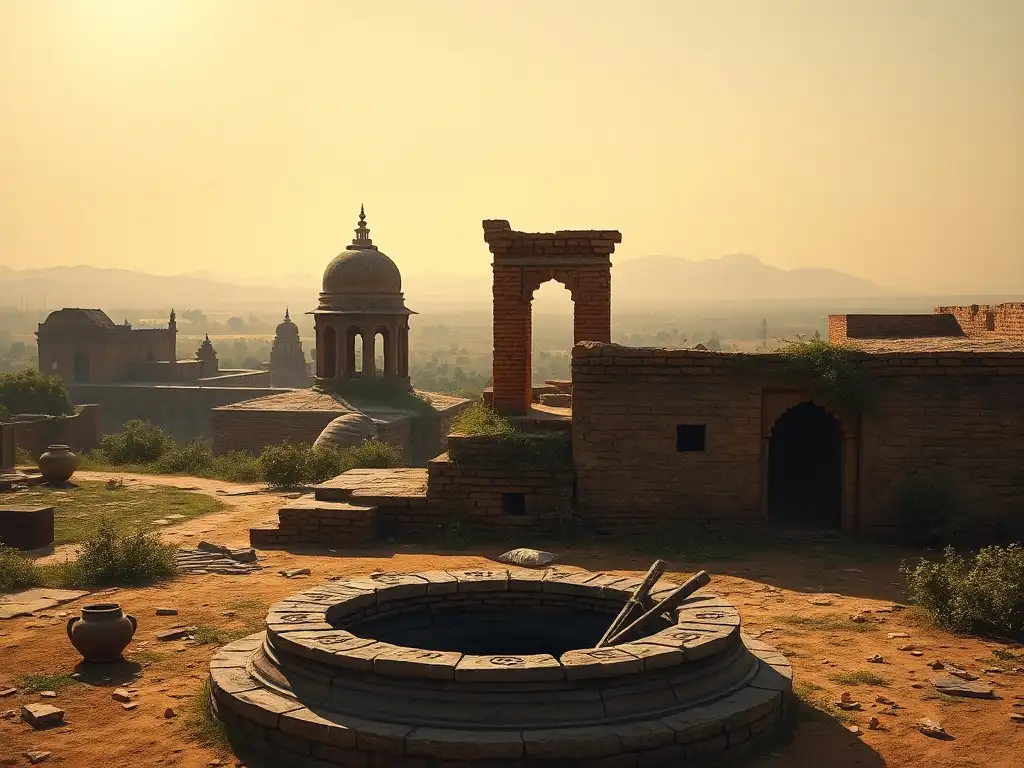
The decline of the Indus Valley Civilization, one of the world's earliest urban cultures, remains a topic of significant scholarly interest. This ancient civilization, which thrived between approximately 2600 BCE and 1900 BCE, exhibited remarkable achievements in urban planning, architecture, and social organization. However, by around 1900 BCE, many of its cities, such as Mohenjo-Daro and Harappa, began to decline, leading to the eventual abandonment of these urban centers. The reasons behind this decline are multifaceted, encompassing environmental, economic, and social factors.
Archaeological evidence indicates that the population in major urban areas began to decrease during the latter part of the civilization. The reasons for this decline are still debated among historians and archaeologists, with various theories attempting to explain the eventual downfall of this once-thriving civilization.
Theories Behind the Decline of the Indus Valley Civilization
Several theories have been proposed to account for the decline of the Indus Valley Civilization. Among the most discussed are:
- Natural Disasters: Earthquakes, floods, or other natural disasters may have disrupted the social and economic fabric of the civilization. Studies suggest that tectonic activities could have altered river courses, impacting agriculture and trade.
- Climate Change: Evidence points to significant shifts in climate during this period, possibly leading to droughts that would have severely affected the agrarian economy. A decrease in monsoon rains could have made farming unsustainable, forcing populations to migrate.
- Socio-political Factors: Internal conflicts, social stratification, and economic challenges might have contributed to the weakening of societal structures. The emergence of regional powers and trade disruptions could have led to the fragmentation of the civilization.
- Economic Decline: The decline in trade, especially with Mesopotamia and other regions, could have led to economic stagnation. As resources became scarce, urban centers may have found it increasingly difficult to sustain their populations.
Environmental Changes and Their Impact on Civilization
Environmental changes played a critical role in shaping the fate of the Indus Valley Civilization. The civilization was heavily reliant on the Indus River and its tributaries for agriculture and trade. However, shifts in the river's course, potentially caused by tectonic activity or sedimentation, could have led to the loss of fertile land.
Additionally, archaeological findings suggest that the region experienced significant climatic changes, including monsoonal variability. As water sources diminished, agricultural productivity would have suffered, threatening the food supply and leading to malnutrition and social instability.
Ultimately, these environmental challenges likely forced many inhabitants to abandon their urban centers in search of more habitable regions, leading to the slow but steady decline of the civilization.
Legacy of the Indus Valley Civilization in Ancient India
Despite its decline, the legacy of the Indus Valley Civilization has profoundly influenced subsequent Indian cultures. The civilization's achievements in urban planning, drainage systems, and standardized weights and measures set a precedent for future societies in the region.
Moreover, the agricultural practices, craftsmanship, and trade networks established during this period laid the foundation for the development of later Indian civilizations. The urban characteristics and cultural elements, such as pottery styles and seals, can be traced through the ages, showcasing the enduring impact of the Indus Valley on the Indian subcontinent.
Conclusion: The Enduring Legacy of Indus Valley Civilization History
The story of the Indus Valley Civilization is not merely about its rise and fall; it is also a testament to human ingenuity and resilience. The decline of this great civilization serves as a reminder of the complex interplay between environmental factors and societal development. Understanding this history provides valuable insights into the dynamics that shaped ancient Indian societies.
Impact on Subsequent Indian Civilizations
The Indus Valley Civilization's influence extended well beyond its decline. The subsequent Vedic period, which followed the decline of the Indus Valley, inherited many cultural and technological elements from this ancient civilization. The urban planning concepts, agricultural techniques, and social structures formed the backbone of later Indian communities.
Moreover, the scripts, seals, and artifacts from the Indus Valley have left an indelible mark on Indian history, influencing religious, cultural, and economic practices for centuries.
Lessons from the Indus Valley Civilization for Modern Society
The history of the Indus Valley Civilization offers critical lessons for contemporary society. In an age where environmental change and urbanization pose significant challenges, the civilization’s experience underscores the importance of sustainable practices and resilience in the face of adversity.
Moreover, the importance of social cohesion, robust infrastructure, and adaptability to changing conditions remains relevant today. By studying the successes and failures of the Indus Valley Civilization, modern societies can gain insights into building more sustainable and resilient futures.
References and Further Reading on Indus Valley Civilization History
The Indus Valley Civilization (IVC) has intrigued historians, archaeologists, and enthusiasts alike due to its remarkable urban planning, advanced drainage systems, and unique script. To fully appreciate and understand the complexities of this ancient civilization, a variety of scholarly resources are available, ranging from books to research articles and archaeological reports. Below, we provide curated recommendations for further exploration into the fascinating history of the Indus Valley Civilization.
Recommended Books and Articles
-
"The Indus Civilization: A Contemporary Perspective" by Gregory L. Possehl
This comprehensive book serves as a foundational text for understanding the socio-economic, technological, and cultural aspects of the IVC. Possehl's work synthesizes archaeological findings with historical narratives, providing a well-rounded view of the civilization.
-
"Indus Valley Civilization" by Rita Lucarelli and Ashok K. Singh
A detailed exploration of the various facets of the IVC, this publication discusses the archaeological sites, artifacts, and the socio-political structures of the civilization, enriched with vivid illustrations.
-
"The Archaeology of the Indus Valley Civilization" by J. P. Joshi
This article delves into the archaeological methodologies employed in the study of the IVC, highlighting key excavations and their significance in understanding the civilization's timeline and cultural practices.
-
"Ancient India: A History" by Upinder Singh
Although this book covers a broader timeline, Singh provides insightful sections focused on the IVC, placing it within the larger context of Indian history and its evolution.
-
"Indus Script: A New Perspective" by Iravatham Mahadevan
This work offers an in-depth analysis of the undeciphered Indus script, discussing its implications for understanding the civilization's communication systems and socio-political organization.
Important Archaeological Reports and Findings
-
Excavation Report of Mohenjo-Daro (1924-1925)
Conducted by Sir John Marshall, this landmark excavation detailed the urban layout, including the Great Bath and complex drainage systems of Mohenjo-Daro, providing critical insights into the advanced engineering skills of the IVC.
-
The Harappa Archaeological Project (1990s)
This project, spearheaded by a team of international archaeologists, produced significant findings regarding trade networks, pottery styles, and the evolution of urban settlements in Harappa. The reports illustrate the interconnectedness of various sites within the IVC.
-
"The Indus Valley Civilization: A Comprehensive Survey" (2001)
This survey compiles data from multiple archaeological sites, offering a comparative analysis of artifacts, trade practices, and urban planning across the IVC. It highlights how regional variations contributed to the overall identity of the civilization.
-
"Climate Change and the Indus Valley Civilization" (2019)
This study examines the environmental factors impacting the IVC, particularly focusing on how climatic shifts influenced agricultural practices and settlement patterns, shedding light on the civilization's eventual decline.
-
"Recent Discoveries at Dholavira" (2021)
This report outlines the significant archaeological findings at Dholavira, including water conservation systems and monumental architecture, which showcases the ingenuity and adaptability of the Indus Valley people in a challenging environment.
Through these resources, readers can deepen their understanding of the Indus Valley Civilization's rich history, its societal structures, and its lasting impact on ancient Indian civilization.
- Introduction to Indus Valley Civilization History
- Origins of the Indus Valley Civilization
- Evolution of the Indus Valley Civilization
- Art and Culture of the Indus Valley Civilization
- Decline of the Indus Valley Civilization
- Conclusion: The Enduring Legacy of Indus Valley Civilization History
- References and Further Reading on Indus Valley Civilization History
- What is the Indus Valley Civilization history?
- What were some significant contributions of the Indus Valley Civilization?
- How did the Indus Valley Civilization influence later Indian cultures?
- What are some notable cities of the Indus Valley Civilization?
- Why is the Indus Valley Civilization significant in ancient history?
Frequently Asked Questions
What is the Indus Valley Civilization history?
The Indus Valley Civilization flourished around 2500 BCE in what is now Pakistan and northwest India. It is known for its advanced urban planning, architecture, and social organization.
What were some significant contributions of the Indus Valley Civilization?
The civilization is credited with innovations in drainage systems, standardized weights and measures, and script, showcasing their advanced understanding of engineering and trade.
How did the Indus Valley Civilization influence later Indian cultures?
The Indus Valley Civilization laid a foundation for subsequent Indian cultures, particularly in areas like urban development, art, and trade, which carried on through later periods.
What are some notable cities of the Indus Valley Civilization?
Some of the key urban centers include Mohenjo-Daro, Harappa, and Dholavira, each exhibiting remarkable architectural planning and social organization.
Why is the Indus Valley Civilization significant in ancient history?
It is significant due to its advanced society, which demonstrated early forms of government, economics, and cultural practices, influencing the course of Indian history profoundly.
Final Reflection: The Timeless Legacy of the Indus Valley Civilization
The history of the Indus Valley Civilization remains profoundly relevant today, as it serves as a reminder of humanity's capacity for innovation and resilience. In an age where we often grapple with rapid technological advancements and societal changes, the sophisticated urban planning, trade networks, and cultural richness of the Indus Valley Civilization highlight the enduring human spirit and our quest for progress. This ancient civilization, which thrived thousands of years ago, continues to inspire us to reflect on our own development and the legacies we leave behind.
Culturally and socially, the Indus Valley Civilization has influenced our understanding of early urban societies and their complexities. Its remarkable achievements in architecture, governance, and trade have laid the groundwork for future civilizations, shaping the very fabric of human history. As we explore the remnants of this great civilization, we are reminded of the words of historian Will Durant: Civilization exists by geological consent, subject to change without notice.
This observation underscores the importance of recognizing and learning from our past, as it is the foundation upon which we build our present and future.
As you reflect on the lessons of the Indus Valley Civilization, consider how its principles of community, innovation, and sustainability can be applied in your own life. Embrace the opportunity to learn from history, and let it inspire you to contribute positively to your community and the world. The journey through time and space that this civilization offers is not just a tale of the past; it is a call to action for each of us to create a legacy that future generations will cherish and learn from.
Embark on Your Exploration of Ancient Wonders!
Thank you for diving into the intriguing world of the Indus Valley Civilization with us! You've uncovered insights into a remarkable era of innovation and culture that shaped history. Now, it's time to take that knowledge and turn it into action.
Here are some steps you can take to deepen your understanding and share your passion:
- Dive deeper: Explore related topics such as the art, trade, and urban planning of the Indus Valley. Visit our website for more articles that will further enrich your knowledge.
- Join the conversation: Engage with fellow history enthusiasts in the comments section below or on our social media platforms. We encourage you to share your thoughts or ask questions!
- Share your discoveries: Educate others by discussing what you've learned with friends or by starting a blog to document your journey through ancient history.
What aspect of the Indus Valley Civilization sparked your curiosity the most, and how do you plan to explore it further?