
The Intersection of Science and Culture in the Indus Valley Civilization

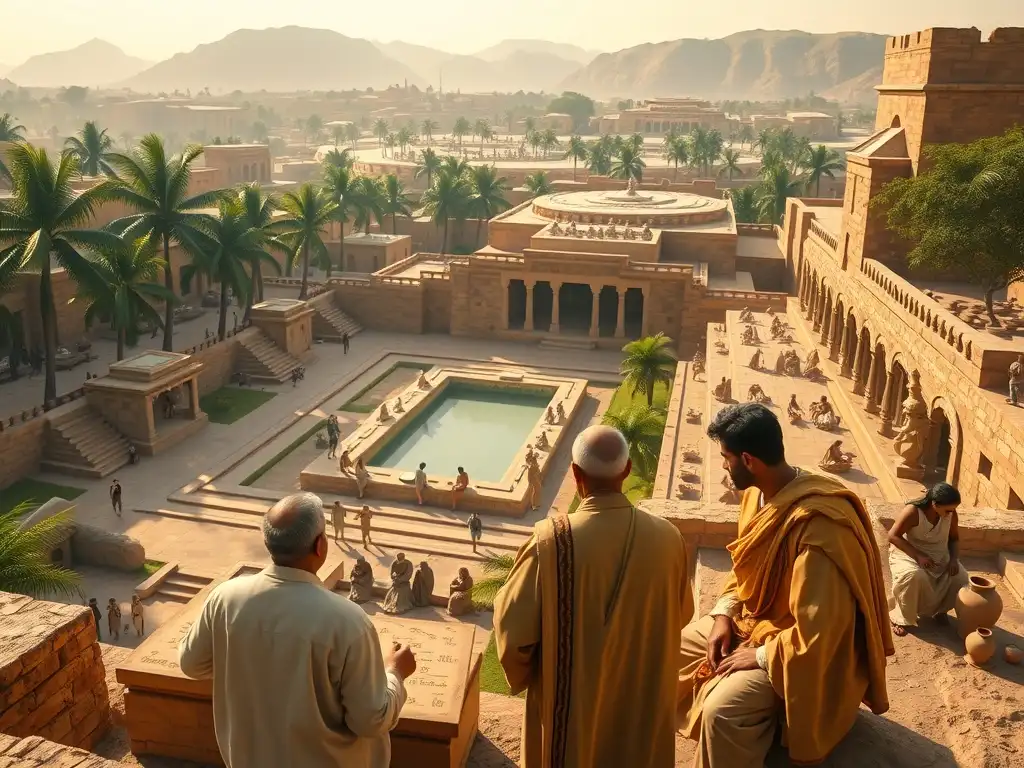
Welcome to Ancient India History, where we embark on a fascinating journey through the rich tapestry of India's past. Dive into the Indus Valley civilization contributions, a cornerstone of ancient innovation and culture that laid the groundwork for future advancements. What secrets lie within the remnants of this remarkable civilization? Uncover the intersection of science and culture as we explore how the ingenuity of the Indus Valley continues to influence us today. Prepare to be captivated, as every click unveils a new layer of history waiting to be discovered!

Introduction to the Indus Valley Civilization
The Indus Valley Civilization (IVC), one of the earliest urban cultures in the world, flourished around 2500 BCE in what is now Pakistan and northwest India. Renowned for its advanced urban planning, sophisticated drainage systems, and impressive architecture, this ancient civilization represents a remarkable chapter in human history.
The contributions of the Indus Valley civilization are not merely confined to its material achievements; they reflect a profound intersection of science and culture, showcasing how these elements coalesced to shape the society's daily life and long-term legacy. Understanding this interplay provides valuable insights into the foundations of modern scientific thought and cultural practices.
Overview of the Indus Valley Civilization Contributions
The contributions of the Indus Valley civilization are numerous and multifaceted. They include:
- Urban Planning: The cities of Harappa and Mohenjo-Daro exemplify advanced urban design, featuring grid layouts, sophisticated drainage systems, and standardized fired bricks.
- Water Management: The civilization developed intricate systems for irrigation and water storage, indicating advanced knowledge in hydrology.
- Trade and Economy: The IVC engaged in extensive trade networks, both locally and with distant regions, showcasing a complex economy supported by agriculture and craftsmanship.
- Writing System: Although still undeciphered, the Indus script suggests a sophisticated form of communication that hints at administrative and cultural complexities.
These contributions highlight the civilization's ability to harmonize scientific innovation with cultural expression, laying the groundwork for its enduring influence.
Importance of Science and Culture in Ancient Civilizations
Science and culture are intricately linked in the context of ancient civilizations, serving as catalysts for progress and societal development. The Indus Valley civilization contributions exemplify how scientific advancements fostered cultural growth and vice versa. For instance:
- Scientific Inquiry: The need for efficient agriculture led to developments in meteorology and agricultural sciences, which influenced cultural practices related to farming.
- Cultural Expression: Art and craftsmanship reflect the values and beliefs of a society, often intertwined with scientific understanding, such as the construction techniques used in architecture.
This synergy between science and culture is crucial for understanding the dynamics of ancient societies and their contributions to the world.
Historical Context of the Indus Valley Civilization
To appreciate the richness of the Indus Valley civilization's contributions, it is essential to explore its historical context, including its timeline, key locations, and cultural diversity.
Timeline of the Indus Valley Civilization
The timeline of the Indus Valley civilization can be divided into several key phases:
- Early Harappan Phase (c. 3300-2600 BCE): Initial settlements emerge, marked by the development of agriculture and trade.
- Mature Harappan Phase (c. 2600-1900 BCE): The height of urbanization, characterized by well-planned cities and advanced craftsmanship.
- Late Harappan Phase (c. 1900-1300 BCE): Decline in urban centers, likely due to environmental changes and shifts in trade routes.
These phases illustrate the evolution and eventual decline of the civilization, providing a framework for understanding its contributions.
Key Locations and Settlements
The Indus Valley civilization encompassed a vast territory with several prominent cities and settlements, including:
- Mohenjo-Daro: Known for its impressive architecture, including the Great Bath and advanced drainage systems.
- Harappa: Another major urban center featuring large granaries and evidence of trade.
- Dholavira: Notable for its sophisticated water conservation systems and unique architecture.
These locations played critical roles in the development of the civilization and demonstrate the diversity of its urban planning and cultural practices.
Cultural Diversity in the Indus Valley
The Indus Valley civilization was marked by remarkable cultural diversity, as evidenced by:
- Art and Craftsmanship: Intricate pottery, seals, and jewelry reflect a rich artistic tradition and varied cultural influences.
- Religious Practices: Evidence suggests a complex belief system, possibly involving fertility rituals and reverence for nature.
- Trade Networks: Interactions with neighboring cultures facilitated the exchange of ideas, goods, and technologies, enriching the civilization's cultural fabric.
This cultural diversity not only contributed to the civilization's resilience but also laid the foundation for future cultural developments in the region.
Scientific Contributions of the Indus Valley Civilization
The Indus Valley Civilization (IVC), flourishing from approximately 3300 to 1300 BCE, is renowned for its significant contributions to various fields of science. These contributions laid the groundwork for future advancements and reflect the civilization's impressive understanding of technology, engineering, and environmental management. Below, we explore some of the key scientific advancements that emerged from this ancient civilization.
Advances in Urban Planning and Architecture
Urban planning in the Indus Valley Civilization was revolutionary for its time. Cities like Harappa and Mohenjo-Daro were meticulously designed with a grid layout, featuring wide streets and well-defined blocks. The use of standardized fired bricks allowed for uniform construction, enhancing both durability and aesthetics.
Key features of their urban planning include:
- Drainage Systems: The sophisticated drainage systems, with covered drains along the streets, demonstrate a high level of sanitation and public health awareness.
- Water Supply: The presence of large public baths, such as the Great Bath of Mohenjo-Daro, highlights their advanced understanding of water management.
- Zoning: The differentiation of residential, commercial, and industrial areas indicates a well-planned urban structure, which catered to the needs of its inhabitants.
These advancements not only improved daily life but also influenced future urban designs across various cultures.
Innovations in Agriculture and Irrigation
Agriculture was the backbone of the Indus Valley Civilization's economy, supported by significant innovations in farming techniques and irrigation. The fertile land, nourished by the Indus River and its tributaries, allowed for the cultivation of various crops, including wheat, barley, and cotton.
Innovative practices included:
- Irrigation Techniques: The civilization developed an extensive irrigation system that utilized canals and reservoirs to manage water supply effectively, ensuring crop growth even during dry periods.
- Crop Rotation: Evidence suggests that the IVC practiced crop rotation, enhancing soil fertility and agricultural sustainability.
- Domestication of Animals: Alongside crop cultivation, the domestication of animals like cattle and goats played a crucial role in their agricultural practices, providing both labor and food.
These agricultural advancements significantly contributed to the civilization's prosperity and stability.
Metallurgy and Craftsmanship
The Indus Valley Civilization was notable for its early advancements in metallurgy, particularly in the production of bronze and copper tools, weapons, and ornaments. Artisanship flourished, showcasing a high level of skill and creativity.
Key aspects of metallurgy and craftsmanship include:
- Bronze Tools: The use of bronze tools facilitated more efficient agricultural practices and construction methods.
- Jewelry and Ornaments: The production of intricate jewelry, often adorned with semi-precious stones, reflects the aesthetic sensibilities and skilled craftsmanship of the artisans.
- Seals and Terracotta Figurines: The creation of seals, often inscribed with symbols and script, and terracotta figurines highlights the intersection of art and functional design.
These metallurgical advancements not only contributed to daily life but also played a crucial role in trade and cultural exchange.
Cultural Contributions of the Indus Valley Civilization
In addition to their scientific advancements, the Indus Valley Civilization made significant cultural contributions that have influenced various aspects of society. Their art, spirituality, and communication methods reflect a rich cultural tapestry that continues to be studied and appreciated.
Art and Artisanship
The artistry of the Indus Valley Civilization is evident in their pottery, sculpture, and bead-making. The civilization produced a variety of artistic expressions that were both functional and decorative.
Highlights of their artistic contributions include:
- Pottery: The IVC is known for its painted pottery, often featuring intricate designs and motifs that reflect their cultural beliefs and practices.
- Sculpture: Terracotta figurines, including representations of animals and female forms, indicate a deep connection to their beliefs and daily life.
- Seal Carvings: The seals, often depicting animals and human figures, served both practical and ceremonial purposes, showcasing the civilization's artistic ingenuity.
These artistic contributions reveal the sophisticated cultural identity of the Indus Valley people.
Religion and Spirituality
The religious beliefs of the Indus Valley Civilization remain partially understood due to the lack of written records. However, archaeological findings provide insights into their spiritual practices and deities.
Key elements include:
- Worship Practices: Evidence suggests that the IVC engaged in ritualistic practices, possibly centered around fertility and nature.
- Sacred Symbols: Seals often feature symbols that may represent deities or religious beliefs, indicating a complex spiritual system.
- Public Bathing: The Great Bath is believed to have held religious significance, possibly serving as a site for purification rituals.
These aspects of spirituality illustrate the importance of religion in the daily lives of the Indus Valley people.
Language and Communication
The Indus Valley Civilization utilized an undeciphered script, known as the Indus script, which appears on seals and pottery. While the exact nature of their language remains a mystery, it reflects their complex communication system.
Key points regarding language and communication include:
- Seals and Inscriptions: The presence of symbols and inscriptions on seals indicates a form of record-keeping or communication, possibly related to trade or administrative activities.
- Symbolic Representation: The use of symbols suggests a sophisticated understanding of language, even if the specific meanings remain elusive.
- Cultural Exchange: The interaction with neighboring civilizations likely facilitated the exchange of ideas and cultural practices, further enriching their communication methods.
These contributions to language and communication highlight the advanced nature of the Indus Valley Civilization and its lasting impact on future societies.
The Interplay Between Science and Culture
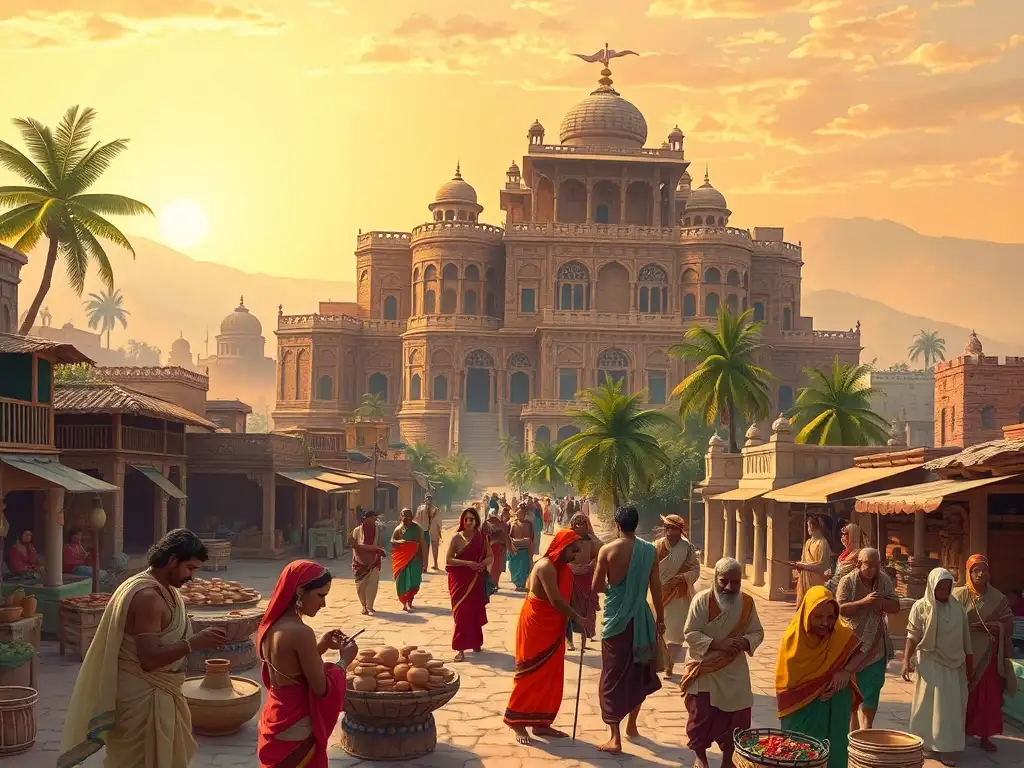
The Indus Valley Civilization (IVC), one of the world's earliest urban societies, exhibits a fascinating interplay between science and culture. This ancient civilization, flourishing around 2500 BCE in what is now Pakistan and northwest India, was characterized by advanced urban planning, sophisticated architecture, and a remarkable understanding of various scientific principles. The integration of scientific knowledge into daily life significantly influenced cultural practices, leading to innovations that shaped societal norms, trade, and even religious beliefs.
The advancements in metallurgy, urban planning, and agriculture not only showcase the scientific prowess of the Indus Valley people but also reflect their cultural priorities. For instance, the systematic layout of cities like Mohenjo-Daro and Harappa demonstrates an early understanding of urban engineering, emphasizing the importance of sanitation and public health. This synthesis of science and culture illustrates how technological innovations were not merely tools for survival but also integral to the cultural identity of the inhabitants.
How Scientific Innovations Shaped Cultural Practices
Scientific innovations in the Indus Valley Civilization profoundly influenced cultural practices. One of the most significant contributions was in the field of agriculture, where the development of irrigation systems allowed for the cultivation of crops on a large scale. This agricultural abundance supported a thriving population and led to the establishment of complex social structures. The surplus of food enabled the division of labor, fostering specialized crafts and trade, which in turn shaped the economic and cultural landscape.
Additionally, the IVC made notable advancements in metallurgy, particularly in the production of bronze. This not only facilitated better tools and weapons but also influenced artistic expressions. The exquisite craftsmanship seen in figurines and seals reflects a culture that valued artistry alongside utility. Furthermore, the scientific understanding of materials and their properties led to innovations in pottery, where techniques such as kiln firing resulted in durable and aesthetically pleasing vessels that played important roles in both daily life and ceremonial practices.
The Role of Trade in Cultural Exchange
Trade played a vital role in the cultural exchange of the Indus Valley Civilization, linking it with both neighboring regions and distant lands. The extensive trade networks established by the IVC facilitated the exchange of goods such as textiles, pottery, and metalwork, which not only enriched the local economy but also introduced new ideas and cultural practices. The presence of Indus seals in Mesopotamia and other regions indicates that these exchanges were vital for both commerce and cultural interaction.
The influence of trade is also evident in the adoption of various artistic styles and motifs, which were likely influenced by interactions with other cultures. This cross-pollination of ideas contributed to the evolution of religious beliefs and practices, as well as the fusion of languages and customs. The significant role of trade underscores how the Indus Valley Civilization was not an isolated entity but rather an integral part of a larger ancient world, with its cultural and scientific contributions resonating far beyond its geographical confines.
Legacy of the Indus Valley Civilization on Future Societies
The legacy of the Indus Valley Civilization is profound and far-reaching, impacting future societies in several critical ways. The urban planning principles established by the IVC, including grid layouts and sophisticated drainage systems, influenced subsequent city designs in India and beyond. These innovations set a precedent for sustainable living and urban development, showcasing an early commitment to public health and environmental management.
Moreover, the IVC's advancements in agriculture and trade laid the groundwork for subsequent economic systems in the region. The agricultural techniques and crop varieties developed during this period continued to be utilized and adapted by later civilizations, ensuring food security and economic stability. The cultural exchanges initiated through trade also fostered a spirit of innovation and adaptation, which became a hallmark of Indian civilization.
Conclusion
Summary of Key Contributions of the Indus Valley Civilization
The Indus Valley Civilization made significant contributions across various domains, intertwining scientific advancements with cultural practices. From groundbreaking urban planning and agricultural innovations to the promotion of trade and cultural exchange, the IVC established a framework that influenced future societies. These contributions not only reflect the civilization's sophistication but also highlight the interconnectedness of science and culture in shaping human history.
Reflection on the Importance of Understanding Ancient Civilizations
Understanding the Indus Valley Civilization is crucial for appreciating the complexities of ancient societies and their enduring legacies. By exploring the interplay between science and culture, we gain insights into how human ingenuity has shaped social structures, economic systems, and cultural identities. Such knowledge enriches our understanding of history and encourages a deeper appreciation for the diverse contributions of ancient civilizations to our modern world. Recognizing these legacies can inspire contemporary societies to learn from the past, fostering innovation and cultural exchange in today's global landscape.
Additional Resources for Further Exploration
To gain a deeper understanding of the Indus Valley civilization contributions, a variety of resources are available for further exploration. These resources encompass books, online articles, and academic journals that provide valuable insights into the scientific and cultural aspects of this ancient civilization. Engaging with these materials will enrich your knowledge and appreciation of the complex society that flourished in the Indus Valley.
Recommended Books on Indus Valley Civilization Contributions
- "The Indus Civilization: A Contemporary Perspective" by Shereen Ratnagar
- This book offers a comprehensive overview of the Indus Valley civilization, focusing on its urban planning, trade networks, and agricultural practices. Ratnagar's work is pivotal for understanding the socio-economic dynamics of the era.
- "Indus Valley Civilization: An Introduction" by J. P. Joshi
- A thorough introduction that explores the archaeological findings and cultural contributions of the Indus Valley civilization. Joshi details the technological advancements and artistic expressions of this ancient society.
- "The Archaeology of the Indus Valley" by Stuart F. Piggott
- Piggott's seminal work delves into the archaeological evidence of the Indus Valley, analyzing its settlements, artifacts, and the implications for understanding its cultural heritage.
- "Civilization of the Indus Valley: A Historical Perspective" by R. S. Sharma
- This book contextualizes the Indus Valley civilization within the broader historical framework of ancient India, examining its contributions to subsequent Indian cultures and civilizations.
- "The Indus Valley Civilization: A History" by Romila Thapar
- Thapar’s narrative presents an engaging history of the Indus Valley civilization, highlighting its scientific achievements and cultural richness, making it an essential read for anyone interested in ancient Indian history.
Online Articles and Journals for In-Depth Study
- "Science and Technology in the Indus Valley Civilization" - Journal of Ancient History
- This scholarly article analyzes the technological innovations of the Indus Valley civilization, such as metallurgy, urban planning, and water management systems. It provides insights into how these advancements influenced later civilizations.
- "The Cultural Legacy of the Indus Valley: An Exploration" - Ancient Civilizations Journal
- This article discusses the cultural aspects of the Indus Valley civilization, including its arts, crafts, and religious practices. It highlights how these cultural contributions laid the foundation for future Indian cultures.
- "Trade Networks in the Indus Valley Civilization" - International Journal of Archaeology
- A focused study on the trade routes and economic interactions of the Indus Valley civilization with neighboring regions. This article sheds light on the civilization's role in ancient trade networks and its impact on cultural exchange.
- "Urban Planning and Architecture of the Indus Valley" - Archaeological Research Journal
- This research paper examines the sophisticated urban planning and architectural achievements of cities like Mohenjo-Daro and Harappa. It details how these developments reflect the civilization's scientific understanding of urban life.
- "The Indus Valley: Society and Culture" - South Asian Studies Review
- This comprehensive review article explores the social structure, cultural practices, and daily life of the Indus Valley civilization, providing a well-rounded perspective on its contributions to human civilization.
These resources serve as essential tools for anyone seeking a thorough understanding of the Indus Valley civilization and its enduring contributions to science and culture. Engaging with this literature will undoubtedly enhance one’s appreciation of this remarkable ancient civilization.
- Introduction to the Indus Valley Civilization
- Historical Context of the Indus Valley Civilization
- Scientific Contributions of the Indus Valley Civilization
- Cultural Contributions of the Indus Valley Civilization
- The Interplay Between Science and Culture
- Conclusion
- Additional Resources for Further Exploration
- What are the key contributions of the Indus Valley civilization?
- How did the Indus Valley civilization influence later cultures?
- What role did science play in the Indus Valley civilization?
- How did the Indus Valley civilization contribute to trade?
- What are some notable archaeological discoveries from the Indus Valley civilization?
Frequently Asked Questions
What are the key contributions of the Indus Valley civilization?
The Indus Valley civilization is known for its advanced urban planning, sophisticated drainage systems, and innovative agricultural practices that laid the foundation for future societies.
How did the Indus Valley civilization influence later cultures?
The cultural practices and trade networks established by the Indus Valley civilization significantly influenced subsequent civilizations in the region, including the Vedic culture and later empire formations.
What role did science play in the Indus Valley civilization?
The Indus Valley civilization exhibited a remarkable understanding of mathematics, geometry, and metallurgy, which were essential for their urban planning and construction techniques.
How did the Indus Valley civilization contribute to trade?
The civilization developed extensive trade networks that connected them with Mesopotamia and other regions, facilitating the exchange of goods such as cotton textiles and precious metals.
What are some notable archaeological discoveries from the Indus Valley civilization?
Archaeological sites like Mohenjo-Daro and Harappa have revealed advanced city layouts, inscriptions, and artifacts, showcasing the technological and cultural achievements of the Indus Valley people.
Final Reflection: The Enduring Legacy of Indus Valley Civilization Contributions
The exploration of the Indus Valley Civilization contributions reveals a profound connection between science and culture that remains relevant today. As we navigate the complexities of modern society, understanding the innovative practices of this ancient civilization can inspire us to appreciate the intricate relationship between technological advancement and cultural development. The ingenuity of the Indus Valley people, from urban planning to agricultural techniques, serves as a striking reminder of how foundational ideas can shape the trajectory of human progress.
Culture and science are not isolated domains; they are intertwined threads that weave the fabric of society. The contributions of the Indus Valley Civilization have influenced not only the region's historical narrative but also the broader discourse on sustainability and urban living. As we reflect on their achievements, we recognize their lasting impact on contemporary practices. Civilizations are not defined by their monuments but by the lives they shape.
This quote encapsulates the essence of how the Indus Valley's legacy continues to resonate, reminding us that the true measure of progress lies in the quality of life we create for future generations.
As we conclude this exploration, I invite you to reflect on how the lessons from the Indus Valley Civilization can inform your own life. Consider how you can integrate the principles of innovation, sustainability, and cultural appreciation into your daily actions. Let the spirit of the Indus Valley inspire you to contribute positively to your community, fostering a harmonious balance between scientific advancement and cultural richness. The past holds valuable insights for our future; it is up to us to carry these lessons forward.
Unveil the Rich Tapestry of Indus Valley Civilization!
Thank you for immersing yourself in the fascinating world of the Indus Valley Civilization! Your curiosity has led you to appreciate the incredible intersection of science and culture that shaped this ancient society. Now, it’s time to take that knowledge and **make an impact**.
Here are some actionable steps you can take next:
- Dive deeper: Explore specific archaeological sites or artifacts from the Indus Valley. Consider visiting a museum or an online archive to connect with history on a personal level.
- Share your insights: Join our community by commenting below or sharing this article with friends who have an interest in ancient civilizations. Your thoughts could spark engaging discussions!
- Engage creatively: Try your hand at creating a piece of art or writing inspired by the innovations of the Indus Valley. Whether it’s a story, a drawing, or a poem, let the rich history motivate your creativity!
What aspect of the Indus Valley's cultural achievements do you find most inspiring, and how do you believe it influences our world today?