
The Legacy of the Maurya Empire's Political Structure on South Asian History

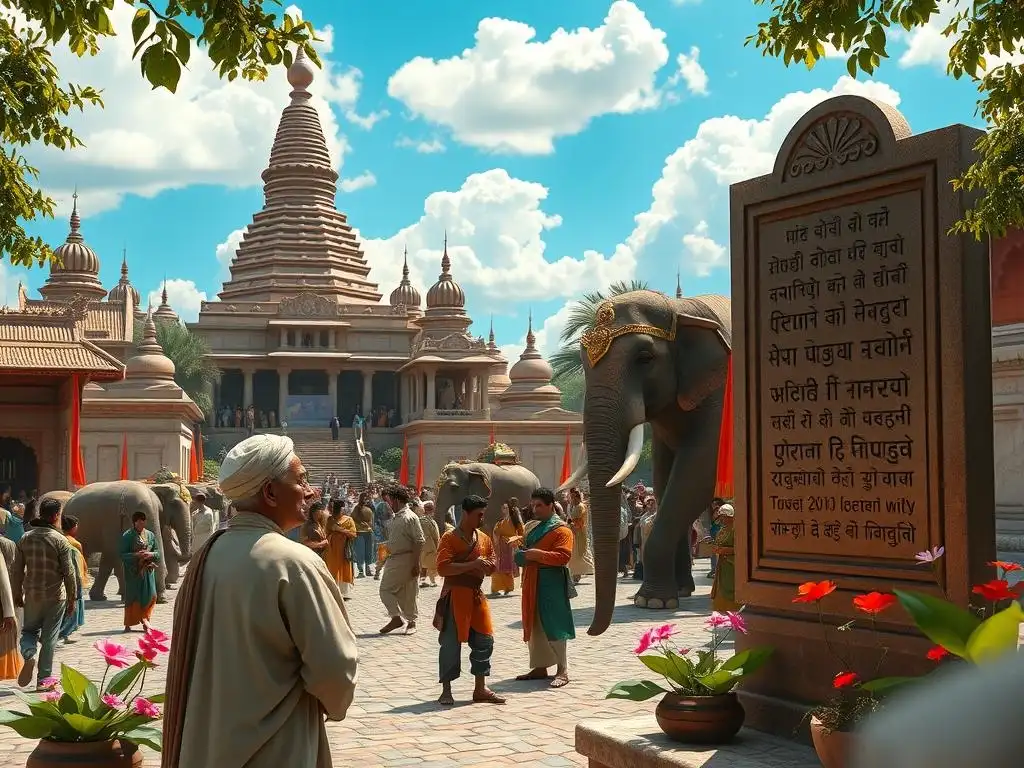
Welcome to Ancient India History, where we embark on a fascinating journey through the rich tapestry of ancient Indian civilizations. Here, we delve deep into the remarkable contributions and cultural heritage that have shaped the subcontinent, from the sophisticated urban planning of the Indus Valley to the profound philosophies of the Gupta Empire.
In our featured article, we explore the political legacy of the Maurya Empire, a powerful dynasty whose governance and administrative innovations continue to influence South Asian history today. Join us as we uncover the intricacies of their political structure and its lasting impact—prepare to be captivated and inspired!
- Introduction to the Maurya Empire Political Legacy
- The Formation of the Maurya Empire Political Structure
- Core Elements of the Maurya Empire's Political Structure
- The Maurya Empire's Political Legacy on South Asia
- Comparisons: Maurya Empire Political Structure vs. Other Ancient Civilizations
- Challenges and Adaptations in the Maurya Political System
- Evaluating the Long-term Effects of the Maurya Empire's Political Legacy
- Conclusion: Understanding the Maurya Empire Political Legacy
-
Frequently Asked Questions
- What was the political structure of the Maurya Empire?
- How did the Maurya Empire influence South Asian politics?
- Who were some notable leaders of the Maurya Empire?
- What were the key contributions of the Maurya Empire to Indian history?
- How did the Maurya Empire's policies affect trade in ancient India?
- Final Reflection: The Enduring Echo of the Maurya Empire's Political Legacy
- Unveil the Legacy: Take Action Today!
Introduction to the Maurya Empire Political Legacy
The Maurya Empire, one of the most significant and expansive empires in ancient India, left an indelible mark on the political landscape of South Asia. Established in 322 BCE by Chandragupta Maurya, this empire expanded to encompass a vast territory stretching from the northern regions of present-day India to parts of Afghanistan and Bangladesh.
The political legacy of the Maurya Empire is particularly noteworthy for its innovative administrative frameworks, sophisticated governance strategies, and the promotion of a centralized authority that influenced subsequent South Asian political structures. This article delves into the intricate political systems of the Maurya Empire, exploring how they established foundational principles that shaped the region's governance for centuries to come.
Overview of the Maurya Empire
The Maurya Empire is often celebrated for its remarkable achievements in various realms, including politics, economics, and culture. Under the leadership of notable figures such as Chandragupta Maurya and his grandson, Ashoka the Great, the empire reached unprecedented heights. Key features of the Maurya Empire include:
- Centralized Administration: The Mauryan rulers implemented a highly organized bureaucratic system that facilitated effective governance across diverse regions.
- Legal Framework: A comprehensive legal system was established, ensuring justice and order throughout the empire.
- Diplomacy and Military Strategy: The Maurya Empire was known for its formidable military prowess, which was complemented by astute diplomatic relations with neighboring states.
The Maurya Empire's political structure not only consolidated power but also promoted trade, cultural exchange, and religious tolerance, which were pivotal in shaping the socio-political fabric of ancient India.
Importance of Political Structures in Ancient Civilizations
Political structures in ancient civilizations serve as the bedrock of societal organization, influencing governance, social hierarchy, and economic stability. The Maurya Empire's political systems exemplify the significance of such structures in the following ways:
- Establishment of Governance Models: The Maurya Empire introduced a centralized form of governance that became a template for later empires in South Asia, including the Gupta Empire.
- Promotion of Unity and Integration: By unifying diverse cultures and regions under a central authority, the Maurya Empire fostered a sense of collective identity among its subjects.
- Inspiration for Future Administrations: The administrative strategies and policies developed during the Maurya period set a precedent that influenced the political landscape of South Asia for centuries, particularly in the realms of taxation, law, and public welfare.
The political legacy of the Maurya Empire continues to resonate throughout South Asian history, highlighting the importance of cohesive governance and its impact on the evolution of civilizations.
The Formation of the Maurya Empire Political Structure
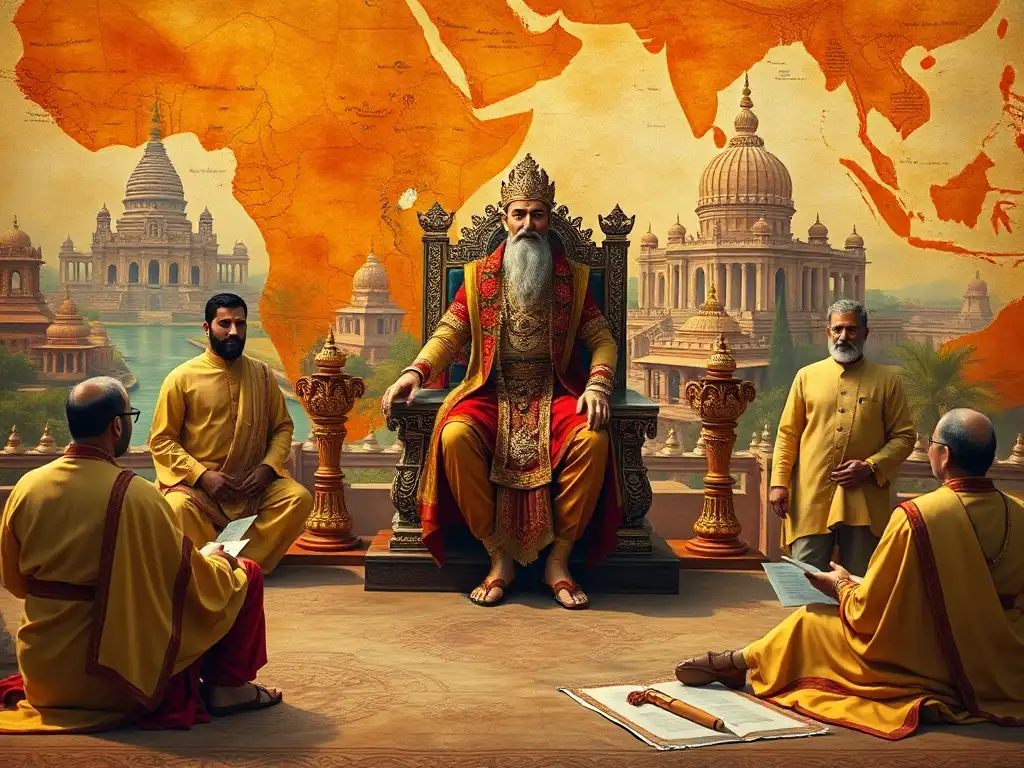
The Maurya Empire, established in the 4th century BCE, marked a significant turning point in South Asian history. Its political structure laid the foundation for future governance in the region, characterized by a centralized authority and elaborate administrative systems. The emergence of this empire can be attributed to various factors, including military conquests, strategic alliances, and innovative governance practices that transformed the political landscape of ancient India.
Key Figures in the Establishment of Governance
The Maurya Empire's political legacy is deeply intertwined with the contributions of key figures who played pivotal roles in its establishment. Among these figures, Chandragupta Maurya stands out as a visionary leader who unified numerous smaller kingdoms under a centralized regime. His rise to power was facilitated by the decline of the Nanda dynasty, and he was instrumental in laying the groundwork for a bureaucratic state.
- Chandragupta Maurya: As the founder of the Maurya Empire, he implemented a structured governance framework that included a system of provincial administration. He divided the empire into several provinces, each overseen by a governor, ensuring efficient governance across vast territories.
- Kautilya (Chanakya): A contemporary of Chandragupta, Kautilya was not only a skilled strategist but also a political philosopher whose ideas profoundly influenced the Maurya governance model. His work, the Arthashastra, served as a manual for statecraft, detailing the principles of governance, economics, and military strategy.
- Bindusara: The son of Chandragupta, Bindusara continued to expand the empire and maintain its political stability. His reign solidified the administrative frameworks established by his father, ensuring continuity in governance.
These figures collectively contributed to a political structure that emphasized central authority, efficient administration, and strategic military governance, which would have lasting impacts on subsequent South Asian empires.
The Role of Chandragupta Maurya in Political Innovation
Chandragupta Maurya's political innovation was characterized by his ability to adapt and refine existing governance models to suit the needs of a rapidly expanding empire. His strategic approach included several key innovations:
- Centralization of Power: Chandragupta centralized authority by consolidating power in the hands of the emperor, thereby reducing the influence of regional chieftains. This centralization enabled more effective control over the vast territories of the Maurya Empire.
- Administrative Divisions: The empire was divided into provinces (Mahajanapadas), each governed by an appointed official. This administrative division allowed for localized governance while maintaining overarching control from the capital, Pataliputra.
- Bureaucratic System: Chandragupta established a comprehensive bureaucratic system that included various departments responsible for taxation, law, agriculture, and public works. This system ensured the efficient functioning of the empire and facilitated communication between the emperor and local officials.
- Military Organization: He reformed the military structure, creating a standing army that was well-trained and organized. This military innovation not only defended the empire from external threats but also maintained internal stability.
Chandragupta's political innovations set a precedent for future rulers in the subcontinent, demonstrating the effectiveness of a centralized and organized governance structure.
Influence of Kautilya's Arthashastra on Governance
Kautilya's Arthashastra is often regarded as one of the most influential treatises on political philosophy and statecraft in ancient India. Its impact on the Maurya Empire's political structure cannot be overstated. Key aspects of Kautilya's influence include:
- Realpolitik: Kautilya emphasized pragmatic governance, advocating for realpolitik over idealism. He believed that political leaders should be shrewd and strategic, employing cunning and intelligence to achieve their goals.
- Economic Policies: The Arthashastra laid out comprehensive economic strategies, including taxation systems and trade regulation. These policies contributed to the empire's wealth and stability, facilitating infrastructure development and public welfare.
- Diplomacy and Warfare: Kautilya outlined various tactics for diplomacy and warfare, emphasizing the importance of espionage and intelligence in political decision-making. This strategic approach allowed the Maurya Empire to navigate complex relationships with neighboring states effectively.
- Administrative Principles: The text provided guidelines for effective governance, including the importance of appointing competent officials, ensuring justice, and maintaining public order. These principles were integral to the empire's administrative success.
The synthesis of Chandragupta Maurya's innovative governance and Kautilya's strategic insights established a political legacy that influenced subsequent South Asian empires, reinforcing the significance of centralized authority and effective administration in maintaining a vast and diverse territory.
Core Elements of the Maurya Empire's Political Structure
Centralized Administration and Bureaucracy
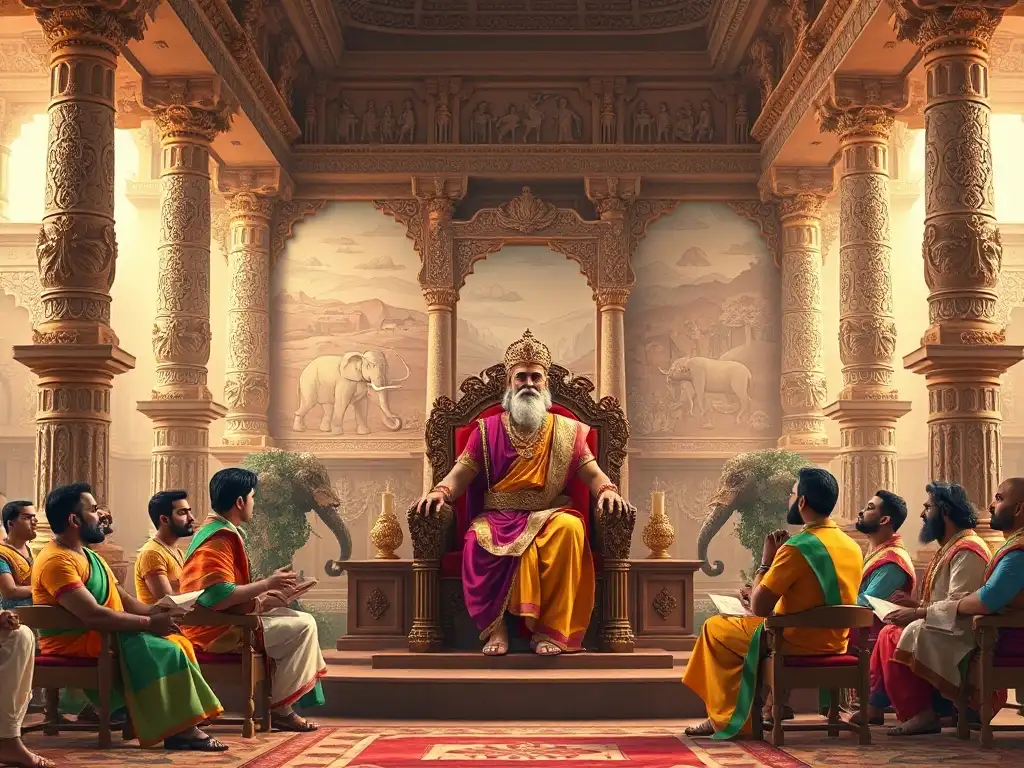
The Maurya Empire, one of the most prominent ancient Indian civilizations, is renowned for its highly centralized political structure. At the heart of this system was a sophisticated bureaucracy that enabled effective governance across vast territories. The emperor, often considered a divine figure, held ultimate authority, and this centralized power allowed for swift decision-making and implementation of policies.
Key Features of the Centralized Administration:
- Emperor's Authority: The emperor, such as Chandragupta Maurya and his grandson Ashoka, wielded substantial power. Their decrees were absolute and their decisions shaped the course of the empire.
- Bureaucratic Hierarchy: The administration was organized into a hierarchical structure, ensuring that various levels of governance were interconnected. This included:
- Ministries: Specialized departments managed different aspects of the state, such as finance, military, and agriculture.
- Regional Officials: These were responsible for executing the emperor’s directives at local levels.
- Standardization of Laws: The Maurya Empire implemented a standardized legal code, which facilitated uniform governance. This was crucial for maintaining order in a diverse empire, where various cultures and traditions coexisted.
- Taxation System: A well-defined taxation system was established, which provided the necessary revenue for the empire. Taxes were collected efficiently, ensuring that state funds were available for public works and military campaigns.
The centralized administration laid the groundwork for future governance models in South Asia, influencing subsequent empires and states.
The Role of Ministers and Advisors in Governance
In the Maurya Empire, the emperor was supported by a council of ministers and advisors who played critical roles in the governance process. Their expertise and counsel were vital for the effective administration of the empire.
Key Roles of Ministers and Advisors:
- Council of Ministers (Mantriparishad): This council comprised trusted individuals who provided strategic advice to the emperor. Their input was essential for formulating policies and making crucial decisions.
- Specialized Ministers: Various ministers were appointed to oversee specific domains:
- Finance Minister: Managed the empire's finances, overseeing taxation and expenditure.
- Military Minister: Responsible for maintaining the army and ensuring the security of the empire.
- Judicial Minister: Handled legal matters and ensured the implementation of the law.
- Advisory Functions: Advisors not only provided expertise but also acted as a bridge between the emperor and the populace. They communicated the emperor's policies to the people and gathered feedback on governance, ensuring that the administration remained responsive to the needs of its subjects.
The involvement of ministers and advisors significantly enriched the political legacy of the Maurya Empire, demonstrating the importance of collaborative governance.
Provincial Administration: The Role of Governors (Uparikas)
To manage the expansive territories of the Maurya Empire, provincial administration was crucial. Governors, known as Uparikas, were appointed to oversee different regions, ensuring that local governance aligned with the emperor's objectives.
Responsibilities of Uparikas:
- Regional Governance: Uparikas were responsible for implementing the emperor's policies at the provincial level, adapting them to local contexts as necessary. This localized approach helped maintain stability and loyalty among diverse populations.
- Law Enforcement: They ensured that laws were upheld and justice was administered fairly within their provinces. The Uparikas had the authority to adjudicate disputes and manage local courts.
- Tax Collection: Uparikas played a key role in the collection of taxes and resources, ensuring that the empire’s coffers remained filled. This was essential for sustaining the military and funding public projects.
- Public Welfare: The governors also oversaw infrastructure development, including roads, irrigation systems, and public buildings, enhancing the quality of life for the citizens.
The system of provincial administration established by the Maurya Empire served as a model for future governance in South Asia, influencing political structures in later empires and shaping the region's political landscape for centuries to come.
The Maurya Empire's Political Legacy on South Asia
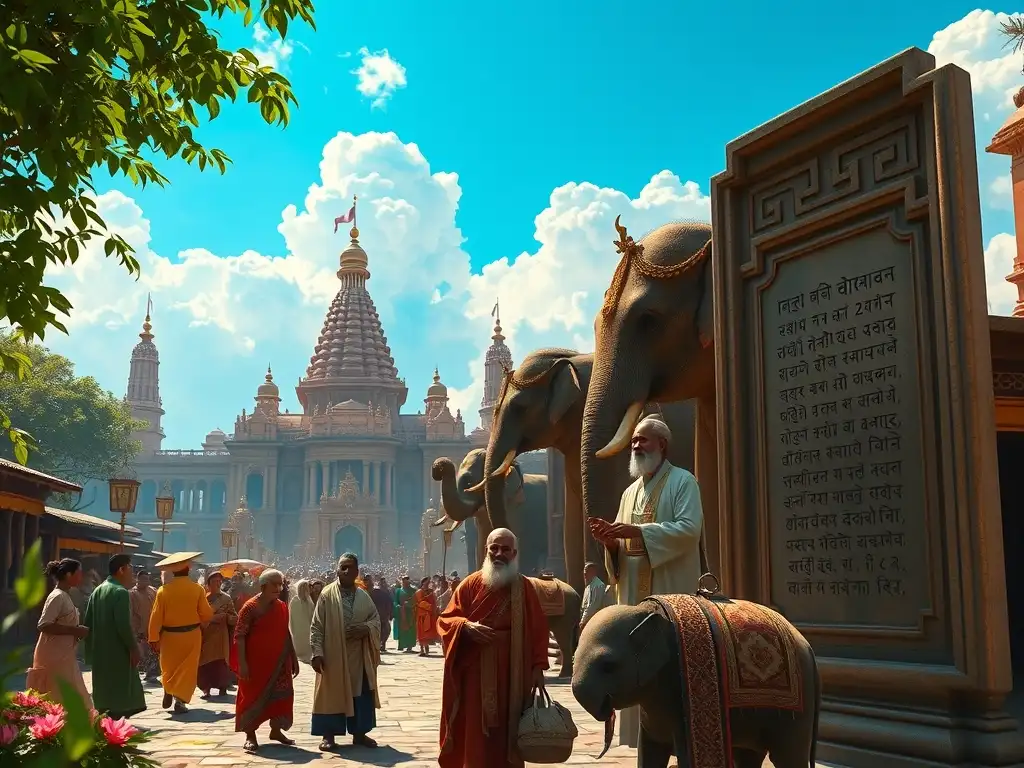
The Maurya Empire, which flourished from 322 to 185 BCE, established one of the first centralized empires in ancient India. Its political legacy laid the groundwork for the governance of subsequent Indian empires and significantly influenced the political landscape of South Asia. The empire, under leaders like Chandragupta Maurya and Ashoka, implemented a sophisticated administrative structure that emphasized centralized authority, efficient bureaucracy, and a comprehensive legal code. These elements not only ensured stability and order during its reign but also set a precedent that would be emulated by later dynasties.
Influence on Subsequent Indian Empires
The Maurya Empire's political structure served as a blueprint for several future empires in India, including the Gupta Empire and the South Indian dynasties.
- Centralized Administration: The Mauryan model promoted a strong central authority, with provincial governors (known as Mahamatras) overseeing local administrations. This system ensured that the central government maintained control over vast territories, a practice adopted by the Guptas, who further refined provincial governance by introducing a more localized approach.
- Military Organization: The Mauryan military structure, which combined infantry, cavalry, and war elephants, influenced the military strategies of later empires. The emphasis on a professional standing army allowed subsequent rulers to expand their territories effectively and maintain internal order.
- Taxation and Revenue Collection: The tax system established by the Mauryas became a standard for future empires. The Mauryan administration implemented a systematic approach to revenue collection, which included taxes on agriculture, trade, and crafts. This model was instrumental for the Guptas, who continued to enhance revenue streams through trade and agricultural productivity.
The Maurya Empire's political legacy was pivotal in shaping the governance frameworks of later Indian empires, promoting stability, and fostering economic growth.
The Impact on Regional Governance Structures
The Maurya Empire's influence extended beyond the borders of India, affecting regional governance structures in South Asia.
- Cultural Integration: The Mauryan Empire fostered a sense of unity among diverse cultures and ethnicities in South Asia. By promoting the use of Prakrit and Sanskrit as administrative languages, the Mauryas facilitated communication and cultural exchange across regions, which was instrumental in shaping the political fabric of neighboring territories.
- Diplomacy and Alliances: The Mauryan emphasis on diplomacy and strategic alliances laid the groundwork for regional governance. Ashoka’s foreign policy, characterized by peaceful coexistence and non-violence, encouraged subsequent rulers to adopt similar diplomatic strategies, impacting the political dynamics in regions such as modern-day Afghanistan and Sri Lanka.
- Local Governance: The Mauryan system of local governance, which involved local councils ( Samiti and Sabha), inspired regional leaders to adopt participatory governance models. This encouraged greater civic engagement and accountability in local administrations, influencing governance practices in later periods.
The Maurya Empire's political legacy created a framework that allowed for increased regional stability and cooperation, fundamentally shaping the governance landscape in South Asia.
Legal and Administrative Practices Derived from the Maurya Era
The legal and administrative practices established during the Maurya Empire have had a lasting impact on South Asia's judicial and bureaucratic systems.
- Legal Codes: One of the most significant contributions of the Maurya Empire was the development of legal codes, particularly under Ashoka, who promoted the Dhamma. This code emphasized moral governance and ethical conduct, influencing the legal frameworks of subsequent kingdoms, such as the Guptas, who integrated these principles into their own legal systems.
- Bureaucratic Structure: The Mauryan administration was characterized by a well-organized bureaucracy that included various officials responsible for specific functions, such as tax collection, law enforcement, and public works. This bureaucratic model was adopted and adapted by later empires, resulting in more efficient governance and administration throughout South Asia.
- Public Welfare Initiatives: The Mauryas implemented numerous public welfare policies, including the establishment of hospitals, roads, and irrigation systems. These initiatives not only improved the quality of life for citizens but also set a precedent for future rulers to invest in public infrastructure, laying the groundwork for improved governance practices.
The legal and administrative practices of the Maurya Empire established a framework that has endured through centuries, influencing the governance and legal systems of South Asia well into the modern era.
Comparisons: Maurya Empire Political Structure vs. Other Ancient Civilizations
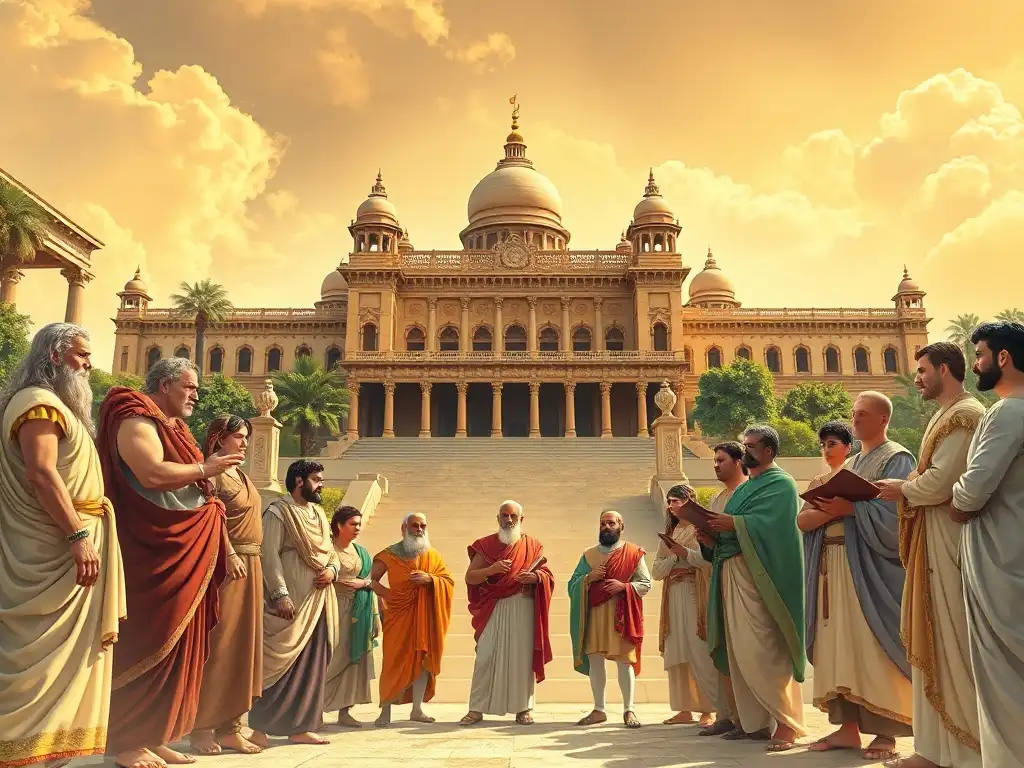
The political structure of the Maurya Empire, characterized by its centralized authority and bureaucratic governance, has often been compared to the administrative frameworks of other ancient civilizations. Understanding these comparisons highlights the unique contributions of the Maurya Empire political legacy to the broader landscape of South Asian history.
Similarities with Persian Administrative Systems
The Maurya Empire's political structure bears notable similarities to that of the Persian administrative systems, particularly in its emphasis on centralization and extensive bureaucratic governance. Here are some key parallels:
- Centralized Authority: Both empires operated under a strong central authority. The Mauryan emperors, much like the Persian kings, wielded significant power over vast territories, often employing a network of governors to manage different regions.
- Bureaucratic Governance: The Maurya Empire established a sophisticated administrative apparatus, reminiscent of the Persian model. Each level of government, from the empire's capital to local provinces, was staffed with officials responsible for taxation, law enforcement, and public works.
- Use of Spies: Both empires utilized a system of spies to gather intelligence and maintain control over their realms. This practice allowed for better governance and the ability to quash dissent swiftly.
These similarities underscore the influence of Persian governance on the Maurya Empire, which adopted and adapted elements to fit its own context, thereby enhancing its political legacy.
Contrasts with Greek Political Structures
In contrast to the Maurya Empire's centralized governance, Greek political structures tended to favor city-states with varying degrees of autonomy. This divergence highlights the distinct approach to governance in the two civilizations:
- City-State Autonomy: Greek city-states, such as Athens and Sparta, operated independently, each with its own government and political systems. In contrast, the Maurya Empire unified a diverse population under a centralized administration, reducing local autonomy.
- Democratic Practices: While some Greek city-states, particularly Athens, experimented with democracy, the Maurya Empire maintained a more autocratic rule. The emperor held supreme power, and political participation was limited to a small elite, in stark contrast to the broader civic engagement seen in some Greek polities.
- Military Organization: The Maurya Empire's military structure was also more integrated with its political organization. The emperor had direct control over the army, whereas Greek military forces were often tied to individual city-states, leading to fragmented military strategies.
These contrasts illustrate how the Maurya Empire's political legacy was distinct from Greek models, emphasizing centralization and a more cohesive governance approach that influenced South Asian political thought.
Lessons Learned from the Maurya Empire in Governance
The Maurya Empire's political structure offers several valuable lessons in governance, many of which remain relevant today:
- Centralized Control with Local Autonomy: While centralization can enhance efficiency, incorporating elements of local governance can lead to better representation and responsiveness to regional needs. The Maurya Empire exemplified this balance through its provincial governors.
- Bureaucratic Efficiency: The Maurya Empire's extensive bureaucracy demonstrated the importance of a well-organized administrative system. Effective governance often relies on trained officials who can manage resources, enforce laws, and implement policies efficiently.
- Intelligence and Surveillance: The use of spies for intelligence gathering highlights the necessity of understanding local dynamics in governance. This approach can help leaders anticipate challenges and respond proactively.
The Maurya Empire political legacy provides crucial insights into effective governance, blending centralized authority with administrative sophistication that has influenced subsequent political structures in India and beyond.
Challenges and Adaptations in the Maurya Political System
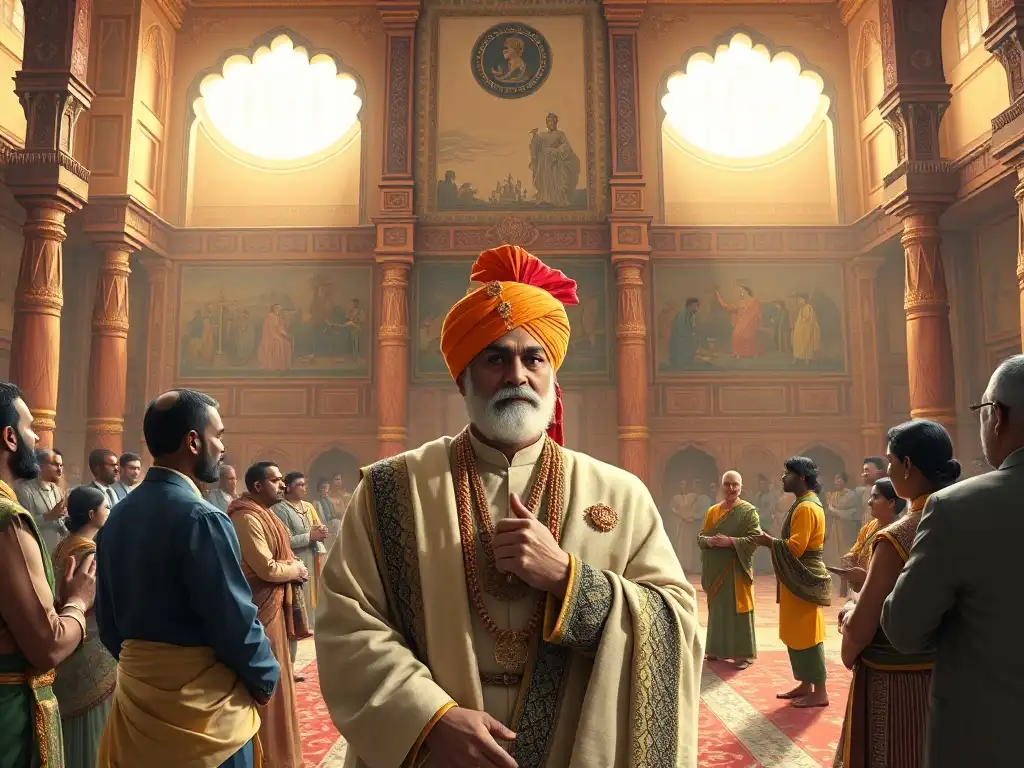
The Maurya Empire, established in the 4th century BCE under Chandragupta Maurya, is renowned for its political structure that shaped the governance of South Asia. However, this monumental empire faced a myriad of challenges that necessitated adaptations within its political system. Understanding these challenges is crucial to grasping the Maurya Empire's political legacy and its enduring influence on subsequent South Asian governance.
Internal Conflicts and Political Strategy
Internal conflicts represented a significant challenge during the Maurya Empire's reign. The vastness of the empire, which stretched from the Indus Valley to the Ganges, encompassed a multitude of cultures, languages, and political aspirations. These differences often led to strife, necessitating a robust political strategy to maintain unity.
- Succession Issues: The issue of succession was a recurring theme in the Maurya Empire. After the death of Chandragupta, his son, Bindusara, faced challenges from rival factions within the court. This highlights the need for a clear and stable succession plan. The Mauryan rulers employed a strategy of appointing trusted generals and advisors to mitigate potential conflicts.
- Royal Bureaucracy: To manage internal dissent, the Maurya rulers developed a complex bureaucracy. This structure ensured that various regions were governed efficiently while allowing local leaders to maintain some degree of autonomy. The employment of a well-trained civil service, often referred to as the "Arthashastra," was crucial in addressing internal conflicts by providing a framework for governance that emphasized both justice and order.
- Intelligence Networks: The Maurya political legacy is also marked by the establishment of an extensive intelligence network. Spies and informants were employed to monitor dissent and gather information about potential uprisings. This proactive approach allowed the Mauryan rulers to preemptively address threats to their authority.
These strategies not only helped in mitigating internal conflicts but also solidified the Maurya Empire's political legacy by establishing governance practices that would influence future South Asian empires.
Adaptations to Diverse Cultures within the Empire
The Maurya Empire was a melting pot of diverse cultures and traditions, which posed unique challenges that required thoughtful adaptations in its political structure. The rulers recognized the importance of inclusivity and cultural sensitivity in governance, which became a cornerstone of their political legacy.
- Cultural Integration: The Mauryan rulers actively promoted cultural integration by adopting elements from the various cultures within their empire. For instance, they respected local customs and traditions, which helped in gaining the loyalty of diverse populations. This adaptability enabled the empire to maintain stability and cohesion across different regions.
- Religious Tolerance: The Maurya Empire is often noted for its religious tolerance, particularly under the reign of Ashoka. After the Kalinga War, Ashoka embraced Buddhism and promoted its principles of non-violence and compassion throughout the empire. This shift not only fostered a sense of unity among the diverse religious communities but also set a precedent for future governance in South Asia, where religious pluralism became a valued principle.
- Decentralized Governance: The vastness of the Maurya Empire necessitated a decentralized approach to governance. Local rulers, known as Rajukas, were appointed to administer various regions, allowing for localized decision-making that respected cultural differences. This system empowered local leaders while ensuring that the overarching authority of the Mauryan rulers was maintained.
The adaptations made by the Maurya Empire to address cultural diversity played a pivotal role in its political legacy. They established a model of governance that prioritized unity in diversity, a principle that continues to influence South Asian political thought today.
Evaluating the Long-term Effects of the Maurya Empire's Political Legacy
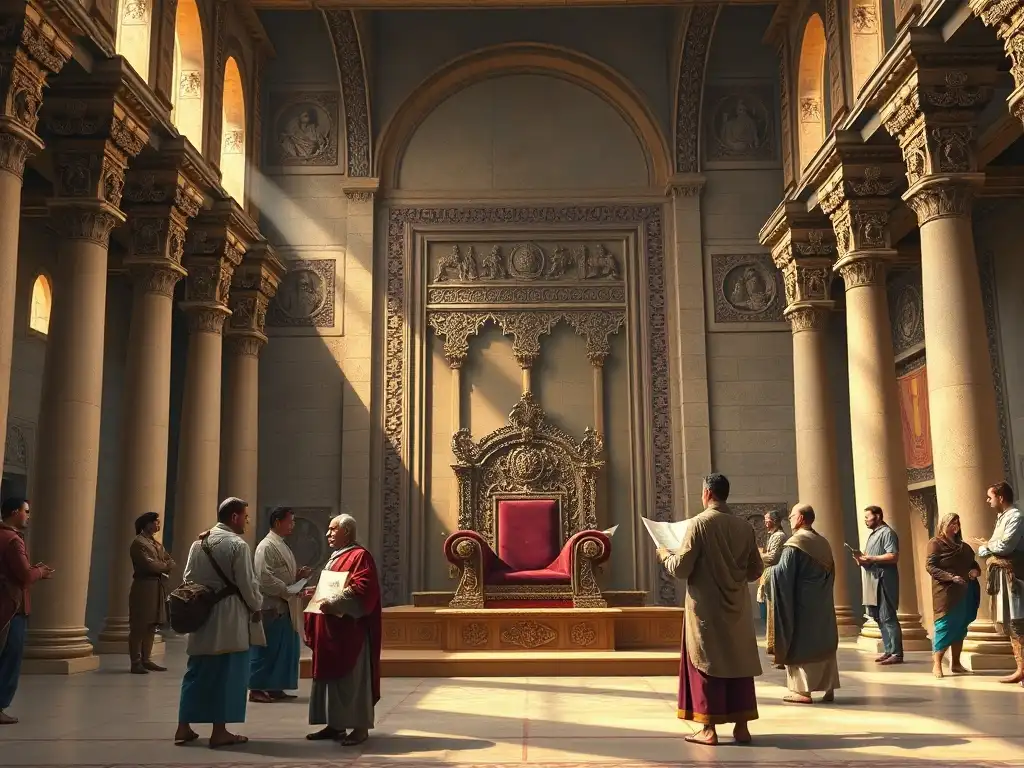
Lasting Impact on Modern South Asian Political Thought
The Maurya Empire, which thrived from 322 to 185 BCE, established a political framework that greatly influenced subsequent governance structures across South Asia. Its legacy is evident in various aspects of modern political thought, particularly in the principles of centralized governance, statecraft, and administrative efficiency.
-
Centralized Governance:
The Mauryan political system was characterized by a strong central authority. Emperor Ashoka, in particular, is renowned for his efforts to unify the diverse territories under his rule. This centralization laid the groundwork for future empires in South Asia, such as the Gupta Empire, and can be seen today in the political organization of modern nations within the region. The emphasis on a centralized government has persisted, shaping political ideologies and administrative practices in contemporary South Asian states.
-
Legal and Administrative Framework:
The Mauryas implemented a sophisticated administrative system that included a network of officials responsible for various sectors such as taxation, agriculture, and law enforcement. This bureaucratic approach has influenced modern administrative practices in South Asia. The idea of codified laws, which was prominent during the Maurya period, has evolved into contemporary legal systems that emphasize the rule of law and governance.
-
Diplomacy and Statecraft:
The Maurya Empire's diplomatic strategies were innovative for their time. The use of envoys and treaties to manage relations with other states set a precedent for modern diplomatic practices. The principles of negotiation and strategic alliances that were employed during this era continue to resonate in today’s diplomatic engagements in South Asia.
Reflections on Governance in Contemporary India
In contemporary India, the echoes of the Maurya Empire's political legacy are particularly salient. The principles established during the Maurya period can be observed in several facets of governance:
-
Decentralization and Federalism:
While the Mauryan Empire emphasized central authority, modern India has adopted a federal structure that balances power between the central government and state administrations. This duality reflects the historical evolution of governance from a centralized empire to a more distributed power structure, accommodating regional identities and needs.
-
Public Welfare and Ethical Governance:
Ashoka’s commitment to public welfare and ethical governance has influenced India’s approach to social justice and welfare programs. His edicts, which promoted non-violence and moral governance, resonate in modern policies aimed at enhancing the quality of life for citizens, including health care, education, and environmental sustainability.
-
Political Mobilization and Civic Engagement:
The Maurya Empire’s emphasis on citizen participation in governance can be seen in contemporary India's democratic practices. The legacy of public assemblies and councils established during the Maurya period has transformed into a robust democratic framework where citizens actively engage in political processes through voting, public discourse, and civic activism.
The Maurya Empire's political legacy is thus not merely a relic of ancient history; it continues to shape the political landscape of modern South Asia, particularly in India. Its principles of governance, ethical leadership, and administrative efficiency remain relevant as the region navigates the complexities of contemporary political challenges.
Conclusion: Understanding the Maurya Empire Political Legacy
The Maurya Empire, which thrived from 322 to 185 BCE, laid down a political legacy that significantly influenced the trajectory of South Asian history. Its sophisticated governance system, administrative practices, and public welfare policies set a precedent for future empires and states in the region. Understanding this legacy is crucial for grasping the evolution of political thought and administration in South Asia.
Summary of Key Contributions to South Asian History
The Maurya Empire's political structure introduced several key contributions that shaped the governance of subsequent Indian states. Here are some of the most notable aspects:
- Centralized Administration:
- The Mauryan rulers established a strong centralized government, which allowed for efficient decision-making and resource allocation.
- This centralization served as a model for later dynasties, promoting the idea of a unified state.
- Bureaucratic Organization:
- The introduction of a well-organized bureaucracy under Chandragupta Maurya and later under Ashoka facilitated effective governance.
- Officials were appointed to oversee various regions, ensuring local governance aligned with imperial policies.
- Legal Framework:
- The Maurya Empire codified laws that addressed various aspects of society, including trade, land management, and criminal justice.
- This legal system influenced subsequent legal traditions in India and provided a foundation for the concept of justice in governance.
- Public Welfare Initiatives:
- Ashoka’s emphasis on Dhamma and public welfare initiatives, such as hospitals, irrigation projects, and roads, highlighted the role of the state in promoting the welfare of its citizens.
- These initiatives reinforced the idea that rulers had a moral obligation to care for their subjects.
- Diplomacy and International Relations:
- The Maurya Empire engaged in diplomatic relations with neighboring kingdoms and regions, laying the groundwork for future diplomatic practices in South Asia.
- The exchange of ideas, culture, and trade with regions like Persia and the Hellenistic world expanded the scope of political thought.
The Maurya Empire's political legacy is characterized by a blend of centralized authority, legal sophistication, and a focus on public welfare, all of which have had lasting impacts on the governance of South Asia.
Final Thoughts on the Importance of Studying Ancient Political Structures
Studying the political structures of ancient civilizations like the Maurya Empire is vital for several reasons:
- Understanding Governance Evolution:
- Analyzing how the Maurya Empire shaped governance helps historians and political scientists trace the evolution of political systems in South Asia.
- It provides insights into the adaptability and transformation of political ideas over centuries.
- Influence on Modern Governance:
- The principles established during the Maurya period continue to resonate in contemporary political discourse in India and neighboring countries.
- Concepts such as centralized governance and public welfare can be seen in modern political frameworks.
- Cultural Identity and Heritage:
- The Maurya Empire contributed significantly to India's cultural and political identity.
- Understanding this legacy fosters a sense of pride in the rich historical tapestry of the region.
- Lessons for Current Governance:
- The challenges faced and solutions implemented by the Maurya rulers can provide valuable lessons for contemporary policymakers.
- Issues such as public welfare, legal justice, and administrative efficiency remain relevant in today’s governance.
By delving into the political legacy of the Maurya Empire, we not only uncover the historical roots of South Asian governance but also enrich our understanding of how ancient principles can inform current and future political landscapes.
Frequently Asked Questions
What was the political structure of the Maurya Empire?
The Maurya Empire's political structure was characterized by a centralized authority with a strong bureaucracy, which helped maintain order and governance across vast territories.
How did the Maurya Empire influence South Asian politics?
The political legacy of the Maurya Empire established administrative practices and governance models that influenced subsequent South Asian empires and shaped regional politics for centuries.
Who were some notable leaders of the Maurya Empire?
Prominent leaders included Chandragupta Maurya, the empire's founder, and his grandson, Ashoka, who is renowned for his promoting Buddhism and non-violence.
What were the key contributions of the Maurya Empire to Indian history?
The Maurya Empire contributed significantly to political organization, economic growth, and the spread of cultural ideas, which laid the groundwork for future Indian civilizations.
How did the Maurya Empire's policies affect trade in ancient India?
The Maurya Empire implemented policies that enhanced trade networks, facilitated economic prosperity, and helped integrate various regions within India, promoting cultural exchange as well.
Final Reflection: The Enduring Echo of the Maurya Empire's Political Legacy
The political legacy of the Maurya Empire continues to resonate profoundly in contemporary South Asia, shaping governance, administrative practices, and cultural identities. As we delve into the intricacies of this ancient empire's political structure, we uncover a rich tapestry of ideas and systems that have laid the groundwork for modern political thought in the region. The Maurya Empire's influence is not merely a relic of the past; it is a living testament to the power of effective governance and the enduring impact of visionary leadership.
The Maurya Empire's political innovations have significantly influenced the social and cultural landscape of South Asia, fostering a sense of unity and administrative coherence that persists today. From Ashoka's edicts promoting ethical governance to the establishment of a centralized administration, the principles set forth during this era continue to inspire contemporary leaders. As historian Romila Thapar aptly noted, The Maurya Empire was not just a political entity; it was a paradigm of governance that set standards for future generations.
This observation underscores the importance of understanding the Maurya Empire's legacy as we navigate the complexities of modern governance and societal challenges.
As we reflect on the lessons from the Maurya Empire's political legacy, I invite you to consider how these historical insights can inform your own understanding of leadership and civic responsibility. Embrace the opportunity to learn from the past—to recognize the value of ethical governance, inclusivity, and the pursuit of justice in your own community. Let the legacy of the Maurya Empire inspire you to contribute positively to the world around you, fostering a society that honors the principles of unity and progress that have endured through the ages.
Unveil the Legacy: Take Action Today!
Thank you for exploring the impactful political structure of the Maurya Empire! Your curiosity about this significant chapter in South Asian history enhances our understanding of contemporary governance and society. Now, let's turn that interest into meaningful action!
- Explore further: Read about the similarities between the Maurya Empire and modern governance. Consider picking up a book or watching a documentary that dives deeper into this topic!
- Share your insights: Discuss your findings with friends or on social media. Your perspective could inspire others to reflect on the importance of historical political systems!
- Engage in community: Join an online forum or a local group focused on South Asian history to connect with others who share your passion. You might uncover new insights along the way!
Which aspect of the Maurya Empire’s legacy do you think is most relevant to today’s political landscape? Let's start the conversation!