
How the Maurya Empire Promoted Arts and Sciences through Administrative Support

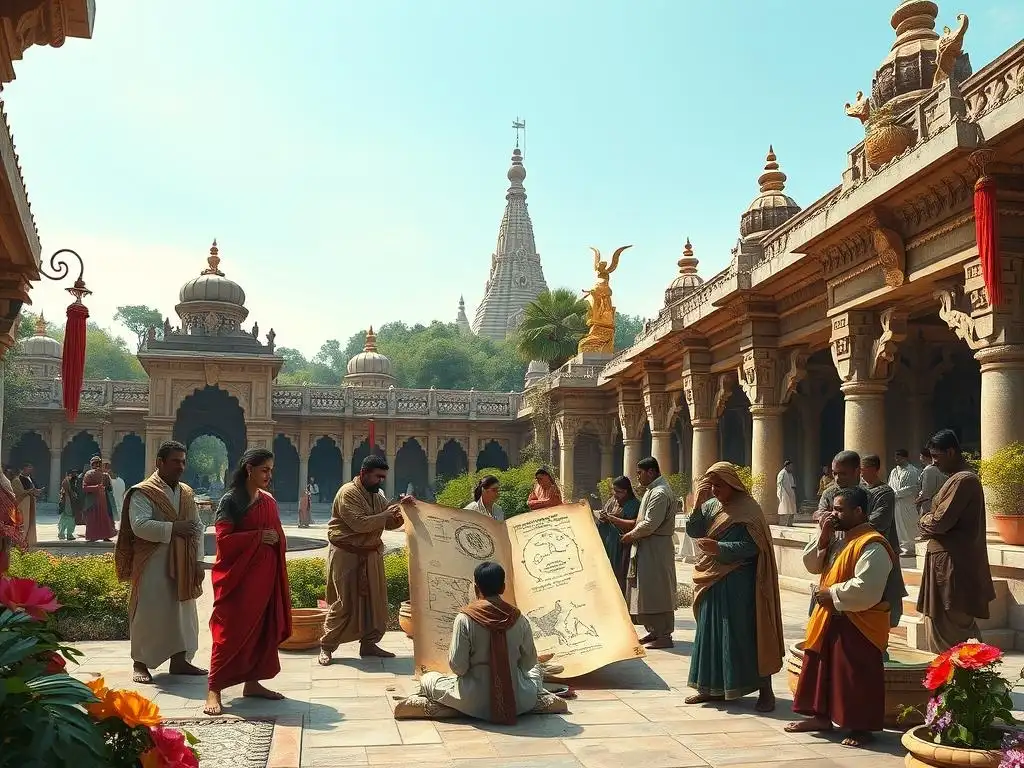
Welcome to Ancient India History, where we embark on a captivating journey through the rich tapestry of ancient Indian civilizations. Today, we delve into the fascinating world of the Maurya Empire, a time when arts and sciences flourished under remarkable administrative support. What were the groundbreaking innovations that emerged during this era, and how did they shape the cultural landscape of India?
Join us as we uncover the profound contributions of the Maurya Empire, igniting your curiosity and inspiring a deeper appreciation for the brilliance of ancient India. Keep reading to explore the vibrant interplay of creativity and intellect that defined this extraordinary period!
- Introduction to the Maurya Empire Arts and Sciences
- The Role of Administrative Support in Promoting Arts and Sciences
- Patronage of Arts during the Maurya Empire
- Advancement of Sciences under the Maurya Empire
- Educational Institutions and Their Impact on Arts and Sciences
- Cultural Integration and Its Influence on Arts and Sciences
- Conclusion: Legacy of the Maurya Empire in Arts and Sciences
-
Frequently Asked Questions
- What was the role of the Maurya Empire in promoting arts and sciences?
- How did the Maurya Empire's administration impact cultural development?
- Which notable figures emerged during the Maurya Empire in arts and sciences?
- What types of arts flourished during the Maurya Empire?
- How did the Maurya Empire's support influence later civilizations?
- Final Reflection: The Enduring Legacy of the Maurya Empire's Support for Arts and Sciences
- Ignite Your Passion for Ancient Arts and Sciences!
Introduction to the Maurya Empire Arts and Sciences
The Maurya Empire, one of the largest and most influential empires in ancient Indian history, played a pivotal role in the promotion of arts and sciences. Established in the 4th century BCE, the empire stretched across vast territories, encompassing much of the Indian subcontinent.
Under the reign of notable emperors like Chandragupta Maurya and his grandson Ashoka, the Maurya Empire not only unified diverse regions but also fostered an environment that encouraged intellectual pursuits and artistic expression. This article delves into how the Maurya Empire's administrative support significantly contributed to the flourishing of arts and sciences, laying a foundation for cultural advancements that would resonate through the ages.
Overview of the Maurya Empire
The Maurya Empire emerged in 322 BCE, founded by Chandragupta Maurya after the decline of the Nanda Dynasty. The empire reached its zenith under Ashoka, who ruled from 268 to 232 BCE. Notable aspects of the Maurya Empire include:
- Territorial Expansion: At its height, the Maurya Empire covered most of the Indian subcontinent, extending from present-day Afghanistan to Bangladesh.
- Centralized Administration: The empire was characterized by a well-organized and centralized governance structure, which facilitated effective communication and resource allocation.
- Diverse Population: The empire was home to various ethnic groups and cultures, contributing to a rich tapestry of traditions and ideas.
The Maurya Empire's governance was instrumental in creating a conducive atmosphere for intellectual and artistic endeavors, leading to significant advancements in various fields.
Significance of Arts and Sciences in Ancient India
In ancient India, arts and sciences were not merely forms of expression but integral components of society that reflected cultural values and advancements. The Maurya Empire recognized the importance of these fields, leading to several key developments:
- Cultural Identity: The promotion of arts fostered a shared cultural identity among the diverse populations of the empire.
- Scientific Inquiry: Advances in mathematics, astronomy, and medicine were encouraged, with scholars making significant contributions that would influence future generations.
- Artistic Patronage: The Maurya emperors, particularly Ashoka, were known for their patronage of the arts, commissioning works that celebrated their reign and spread messages of peace and dharma.
Overall, the Maurya Empire's commitment to supporting arts and sciences not only enhanced its cultural heritage but also laid the groundwork for future civilizations in India. This legacy continues to inspire contemporary appreciation for the rich artistic and scientific achievements of ancient India.
The Role of Administrative Support in Promoting Arts and Sciences
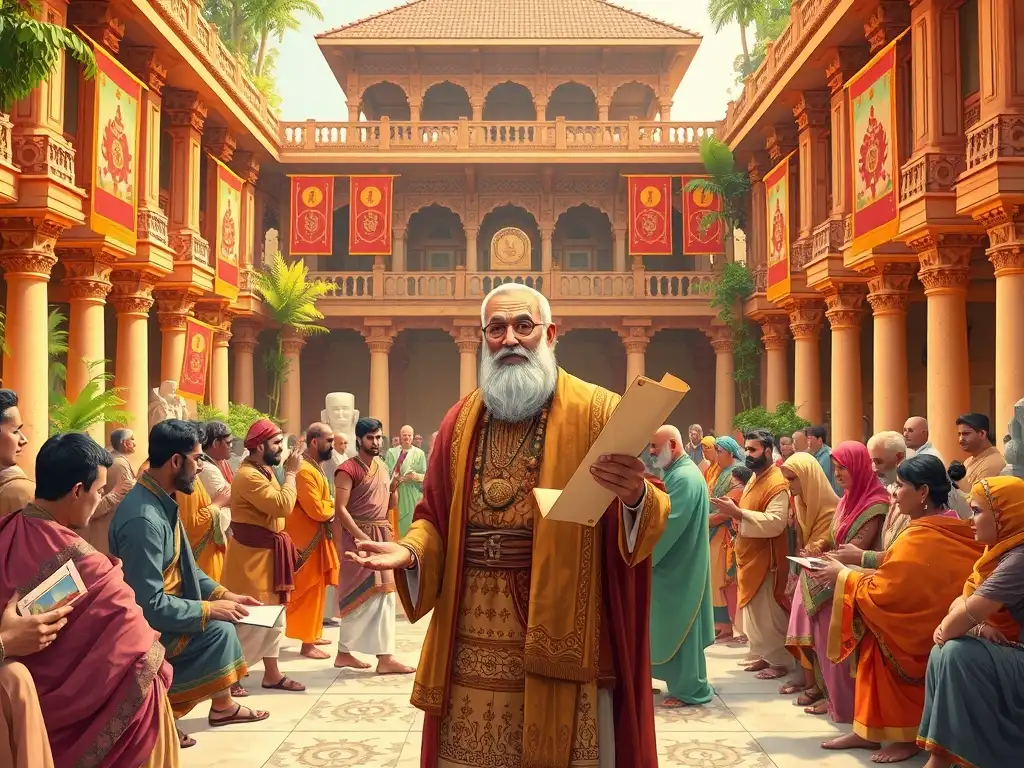
The Maurya Empire, known for its vast territorial expanse and intricate governance, played a crucial role in fostering arts and sciences through systematic administrative support. This support was not merely a backdrop; it was essential in cultivating a thriving environment where culture and knowledge could flourish. The empire's administrative framework provided stability and resources that allowed for the patronage of artists, scholars, and scientists, thereby contributing significantly to the intellectual and artistic achievements of the period.
Definition of Administrative Support in the Maurya Empire
In the context of the Maurya Empire, administrative support refers to the structured governance actions undertaken by the ruling authorities to promote and facilitate the development of arts and sciences. This included:
- Financial Patronage: The government allotted funds to support artists, poets, and scholars, ensuring they had the resources necessary to pursue their crafts.
- Institutional Framework: Establishment of educational institutions and libraries that served as hubs for learning and creativity.
- Cultural Policies: Implementation of policies that encouraged artistic expression and scientific inquiry, often influenced by the emperor's own interests and values.
The administrative support was pivotal in aligning the empire's resources towards cultural and intellectual endeavors, which in turn enhanced the empire's prestige and cultural identity.
Key Figures in the Administration Promoting Arts and Sciences
Several prominent figures within the Maurya Empire's administration played significant roles in promoting arts and sciences. Their contributions were instrumental in shaping the cultural landscape of ancient India:
- Chandragupta Maurya: As the founder of the Maurya Empire, Chandragupta laid the groundwork for a strong administrative system that valued education and the arts. His reign saw the establishment of various institutions that encouraged the exchange of knowledge.
- Chanakya (Kautilya): A renowned philosopher and strategist, Chanakya authored the Arthashastra, a seminal text that not only focused on governance and economics but also on various scientific domains, including political science and military strategy. His ideas significantly influenced the administrative policies that supported intellectual pursuits.
- Ashoka the Great: Perhaps the most celebrated Mauryan emperor, Ashoka was a patron of Buddhism and played a key role in promoting art and architecture, including the construction of stupas and pillars that showcased intricate carvings. His edicts frequently emphasized moral and ethical values, further encouraging artistic expression aligned with these principles.
- Patronage of Scholars: The Maurya administration also saw the rise of various scholars and artists who were directly supported by the state. For example, poets like Kalidasa and mathematicians contributed to literature and science, with their works often sponsored or encouraged by the ruling elite.
The efforts of these individuals and their administrative strategies were integral to the flourishing of arts and sciences during the Maurya Empire, leading to a rich cultural legacy that continues to influence India today.
Patronage of Arts during the Maurya Empire
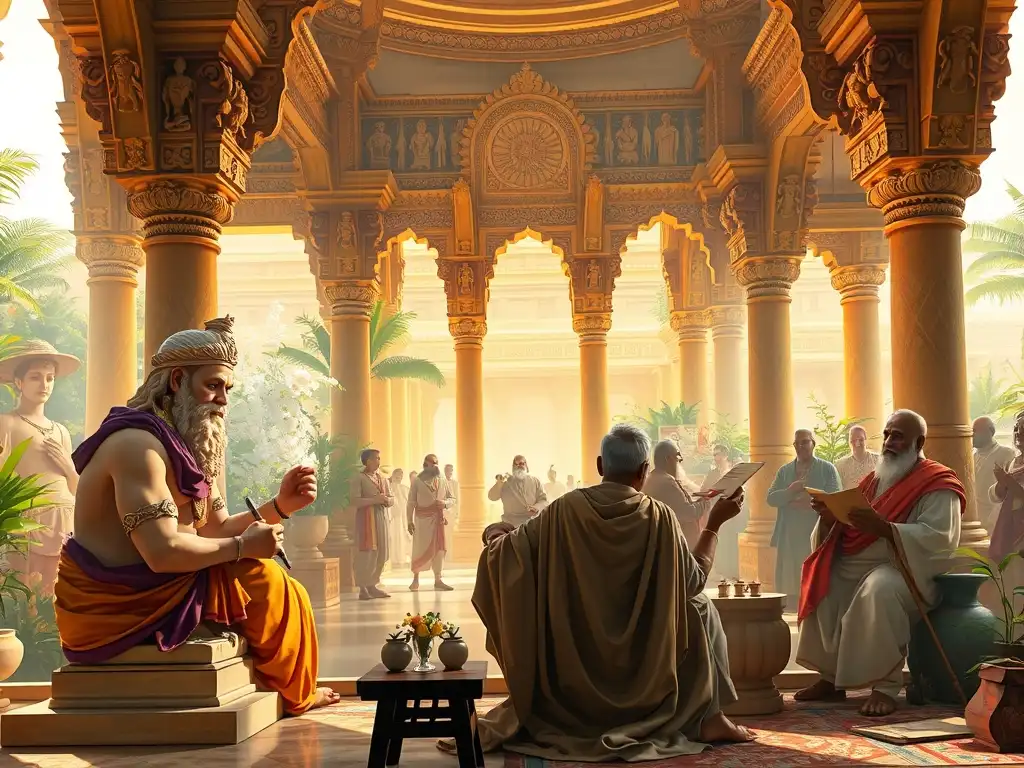
The Maurya Empire, one of the most significant empires in ancient India, was not only a political powerhouse but also a vibrant center for arts and culture. The patronage of arts during this period significantly contributed to the flourishing of various artistic expressions, from architecture to sculpture, textiles, and literature. The imperial support was pivotal in fostering creativity and innovation, which reflected both the values of the empire and the diverse cultures within its vast territories.
The Mauryan rulers, particularly Emperor Ashoka, recognized the importance of arts in unifying the empire and promoting dharma (moral law). This led to the establishment of workshops and the encouragement of artisans, who were employed in different crafts. The arts became a means of communication and a vehicle for disseminating the emperor's messages, including moral and ethical teachings.
Influence of Emperor Ashoka on Artistic Expression
Emperor Ashoka, who reigned from 268 to 232 BCE, had a profound impact on the arts during the Maurya Empire. His conversion to Buddhism played a crucial role in shaping artistic themes and expressions. Ashoka's dedication to the promotion of Buddhism led to the commissioning of numerous stupas, monastic complexes, and rock-cut caves, which served both religious and artistic purposes.
- Edicts and Inscriptions: Ashoka's edicts, inscribed on rocks and pillars throughout the empire, are remarkable examples of early Indian script and calligraphy. These inscriptions not only conveyed messages of peace and moral conduct but also showcased the artistic skills of the period. The polished stone pillars, adorned with intricate carvings and lion capitals, are iconic representations of Mauryan artistry.
- Buddhist Art: Under Ashoka's patronage, Buddhist art flourished. The creation of stupas, such as the Sanchi Stupa, and the development of the iconic Buddha sculptures illustrated the depth of artistic innovation. The introduction of motifs such as the lotus, wheel, and other symbols of Buddhism in the art of this era reflected the spiritual essence of the time.
- Cultural Syncretism: Ashoka's empire encompassed diverse cultures and ethnicities. This diversity was reflected in the arts, as various regional styles blended with Buddhist themes. The Mauryan art style thus became a unique amalgamation of local craftsmanship and Buddhist influences, leading to a rich tapestry of artistic expression.
Notable Artistic Contributions and Innovations
The Maurya Empire is renowned for several notable artistic contributions that continue to be celebrated for their craftsmanship and innovation. The following highlights showcase the key advancements and creations from this era:
| Artistic Contribution | Description |
|---|---|
| Lion Capital of Ashoka | A symbol of India, this beautifully carved sculpture from the Sarnath site exemplifies Mauryan artistry and is recognized for its intricate detailing and symbolic significance. |
| Rock Edicts | These rock-cut inscriptions not only serve as historical records but are also significant for their artistic presentation, showcasing the technical prowess of Mauryan artisans. |
| Stupas and Viharas | Structures like the Great Stupa at Sanchi and the rock-cut caves at Ajanta illustrate the architectural innovations of the Maurya period, blending functionality with artistic beauty. |
| Terracotta and Pottery | The production of terracotta figures and pottery during this period reflected both utilitarian and aesthetic aspects, showcasing the skills of local artisans. |
| Textiles and Crafts | The Maurya Empire also saw advancements in textile production, with artisans creating intricate designs and patterns that were highly sought after in trade. |
The legacy of the Maurya Empire in arts and sciences is profound, as the period laid the groundwork for future artistic endeavors in India. The patronage of arts not only served to elevate the cultural status of the empire but also ensured that the artistic talents of its people were nurtured and celebrated, making the Maurya Empire a cornerstone of ancient Indian civilization.
Advancement of Sciences under the Maurya Empire
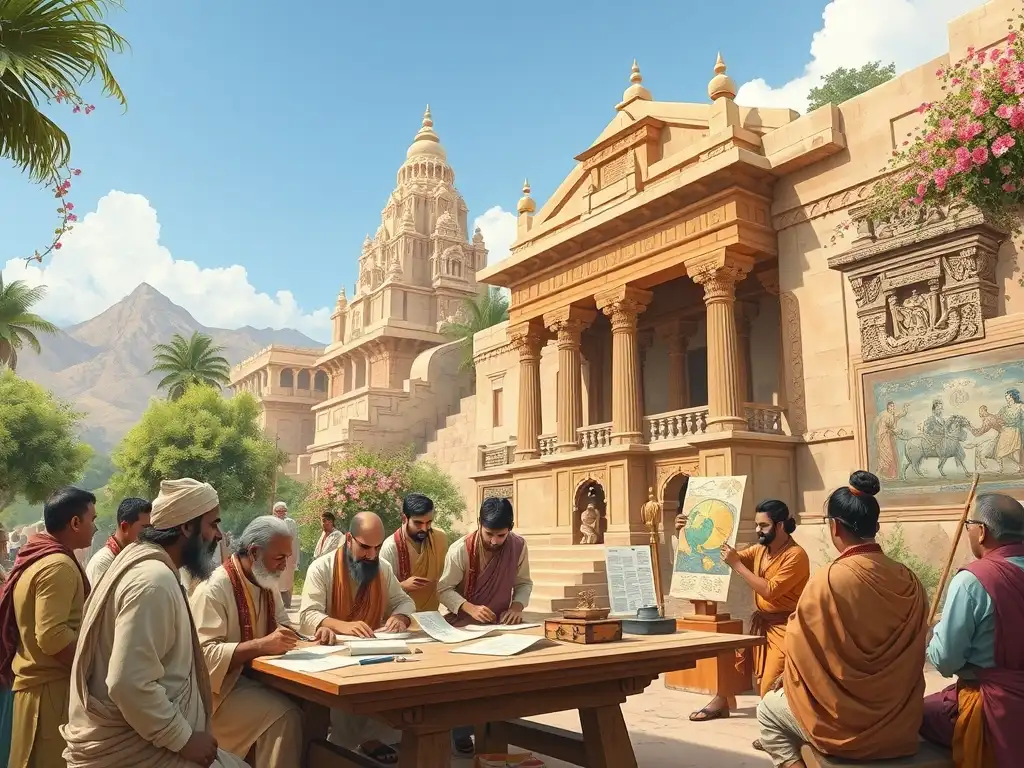
The Maurya Empire, which thrived from 322 to 185 BCE, is renowned not only for its political and military prowess but also for its significant contributions to the advancement of arts and sciences. Under the patronage of rulers like Chandragupta Maurya and Ashoka the Great, the empire fostered an environment that encouraged intellectual exploration and scientific inquiry. This was achieved through a structured administrative system that supported scholars and facilitated the growth of various fields of study.
Contributions to Mathematics and Astronomy
The Maurya Empire saw remarkable advancements in the fields of mathematics and astronomy. Scholars during this period began to explore concepts that would lay the groundwork for future developments in these domains.
- Mathematical Innovations:
- The use of zero as a placeholder was conceptualized during this era, which later transformed mathematical calculations.
- Notable contributions included advancements in geometry and arithmetic, with scholars developing techniques for solving complex problems.
- Astronomical Studies:
- The Mauryan period is noted for its early astronomical observations. Scholars like Aryabhata, who came later but was influenced by preceding Mauryan thought, documented movements of celestial bodies.
- The establishment of observatories provided a platform for studying planetary motions, eclipses, and the calendar system, which was pivotal for agricultural planning.
- Institutional Support:
- The Mauryan administration supported mathematicians and astronomers through state-sponsored institutions. This organizational backing allowed for the accumulation and dissemination of knowledge, leading to significant breakthroughs.
Development of Medicine and Health Sciences
The Maurya Empire also made substantial strides in medicine and health sciences, reflecting a sophisticated understanding of human anatomy and wellness.
- Ayurveda and Traditional Medicine:
- The foundations of Ayurveda, an ancient system of medicine, were solidified during the Maurya period. Scholars compiled texts that detailed herbal remedies, surgical procedures, and holistic health practices.
- Notable texts, likely influenced by Mauryan scholars, emphasized the importance of diet, lifestyle, and mental well-being in maintaining health.
- Public Health Initiatives:
- The Maurya rulers undertook initiatives to promote public health, including the establishment of hospitals and medical facilities. Ashoka, in particular, is known for his efforts to ensure healthcare accessibility for the populace.
- The empire's emphasis on hygiene and sanitation reflected an understanding of disease prevention, with regulations surrounding waste disposal and water quality.
- Training of Medical Practitioners:
- The administration also facilitated the training of physicians and healers. Medical schools were set up to educate practitioners in various disciplines of medicine, ensuring the continuity of knowledge and skills.
The Maurya Empire's commitment to promoting arts and sciences through administrative support played a pivotal role in shaping the intellectual landscape of ancient India. The advancements in mathematics, astronomy, and medicine during this period not only reflect the empire's cultural richness but also its enduring influence on future generations.
Educational Institutions and Their Impact on Arts and Sciences
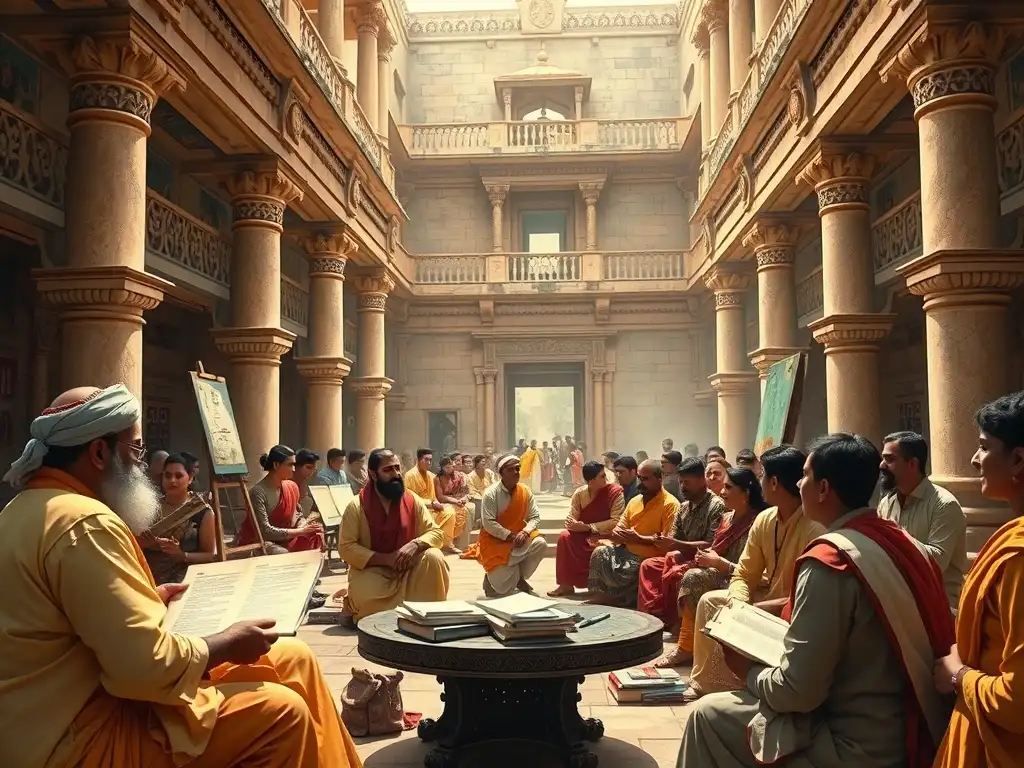
Establishment of Nalanda and Other Centers of Learning
The Maurya Empire, particularly under the reign of Emperor Ashoka, recognized the importance of education in promoting arts and sciences. One of the most significant contributions to this endeavor was the establishment of Nalanda University, which became a beacon of learning not just in India but across Asia. Founded in the 5th century BCE, Nalanda was one of the world's first residential universities, attracting scholars from as far as China, Korea, and Tibet.
Key Features of Nalanda University:
- Extensive Library: Nalanda housed a vast library known as the Dharmaganja, which contained thousands of manuscripts and texts covering a plethora of subjects including philosophy, medicine, mathematics, and the arts.
- Diverse Curriculum: The curriculum was not limited to religious studies; it encompassed various disciplines that fostered critical thinking and creativity among students.
- Prominent Scholars: Renowned figures such as Aryabhata and Nagarjuna taught at Nalanda, contributing significantly to the fields of mathematics and philosophy.
In addition to Nalanda, other educational institutions flourished during the Maurya period. For instance, the Taxila University, established even earlier, was another crucial center that laid the groundwork for advanced studies in various fields, including astronomy and surgery.
Curriculum Focused on Arts and Sciences
The curriculum at Mauryan educational institutions was meticulously designed to nurture talents in arts and sciences. This comprehensive approach played a vital role in shaping the intellectual landscape of ancient India.
Subjects Offered:
- Literature and Philosophy: Students explored classical texts and engaged in philosophical debates, which enhanced their understanding of ethics and aesthetics.
- Mathematics and Astronomy: The study of mathematics included arithmetic, geometry, and algebra, while astronomy involved the observation of celestial bodies, facilitating advancements in navigation and calendar systems.
- Medicine and Surgery: The curriculum also emphasized practical knowledge, with courses in Ayurveda and surgery, which were critical for public health and well-being.
Teaching Methods:
- Interactive Learning: The educational model promoted dialogue and discussion, allowing students to challenge existing ideas and innovate.
- Practical Application: Students were encouraged to apply theoretical knowledge through hands-on experiences, particularly in fields like medicine, where practical skills were essential.
The Maurya Empire's commitment to education significantly advanced the arts and sciences, laying a solid foundation that would influence future generations. By fostering an environment of learning and inquiry, the empire not only nurtured individual talents but also enriched the cultural and intellectual heritage of ancient India.
Cultural Integration and Its Influence on Arts and Sciences
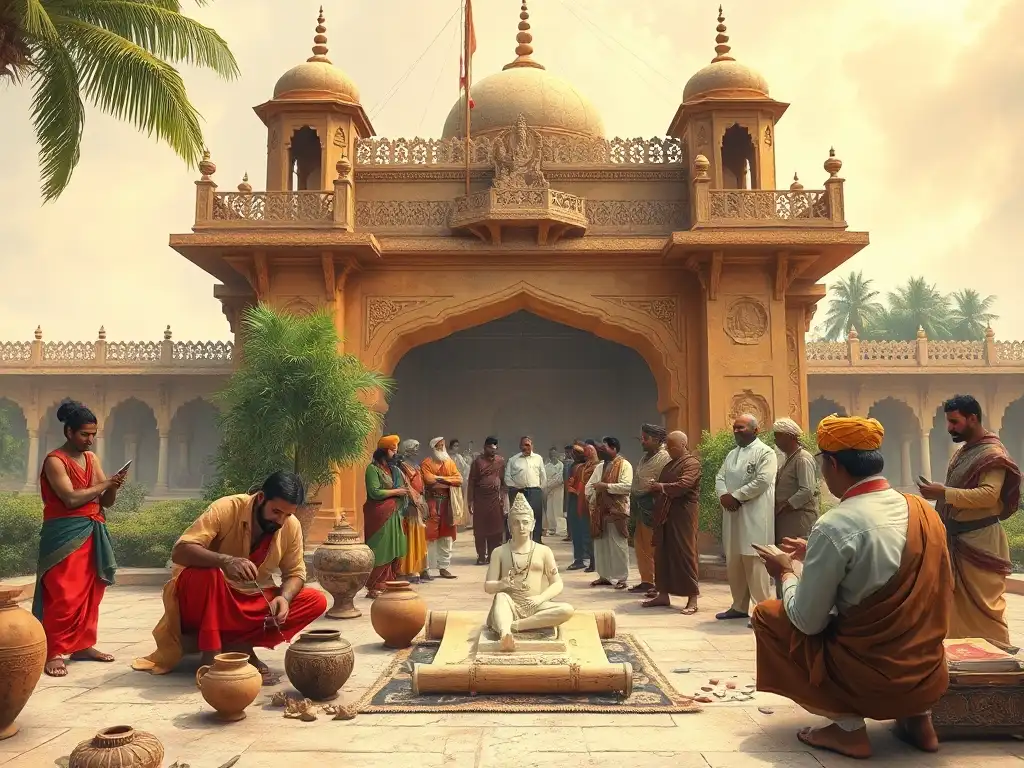
The Maurya Empire, which flourished from approximately 322 to 185 BCE, was characterized by its extensive territorial expanse and cultural integration. This integration played a crucial role in promoting arts and sciences during this period. By fostering an environment where diverse ideas and practices could merge, the Mauryan administration laid the groundwork for remarkable advancements in various fields.
Interaction with Other Civilizations
The interaction between the Maurya Empire and neighboring civilizations significantly enriched its cultural landscape. The Mauryan rulers, especially Emperor Ashoka, established trade routes that facilitated exchanges not only of goods but also of ideas. Through these interactions, the empire encountered various cultures, such as those of Persia, Greece, and Central Asia.
- Trade and Cultural Exchange:
- The Silk Road emerged as a vital trade route, connecting the Maurya Empire with regions far beyond its borders, leading to an influx of foreign goods, philosophies, and artistic styles.
- Merchants and travelers became conduits for knowledge, bringing with them advanced techniques in metallurgy, agriculture, and textile production.
- Diplomatic Relations:
- Diplomatic missions to and from other empires allowed for the exchange of scholarly works and artistic practices. For instance, the Greek influence is particularly notable in sculpture and coinage.
- The Maurya Empire also engaged with the Hellenistic world, which introduced new forms of governance and administrative practices, further enhancing its own systems.
The resultant multicultural milieu fostered an atmosphere conducive to innovation, allowing artists and scientists to draw inspiration from a variety of sources.
Synthesis of Ideas and Artistic Traditions
The unique blend of cultural influences during the Maurya Empire led to a synthesis of ideas that significantly shaped the arts and sciences. This fusion is evident in several key areas:
- Art and Architecture:
- The Mauryan artistic style merged indigenous traditions with influences from Hellenistic and Persian art, resulting in distinctive sculptures and stupas. The Great Stupa at Sanchi and the Lion Capital of Ashoka are prime examples of this artistic amalgamation, showcasing intricate carvings and symbolic representations.
- The use of stone as a primary medium marked a shift in architectural practices, leading to the construction of monumental structures that emphasized durability and grandeur.
- Literature and Philosophy:
- The period saw the flourishing of literature, with texts such as the Arthashastra by Kautilya, which offered insights into governance, economics, and military strategy. This work reflects a synthesis of local traditions and foreign ideas, illustrating the pragmatism of Mauryan governance.
- Philosophical discourses were enriched by the interaction with Buddhist, Jain, and Hindu thought, leading to a diverse intellectual landscape that encouraged debate and exploration of metaphysical ideas.
- Scientific Advancements:
- The Mauryan Empire also witnessed advancements in fields such as astronomy, mathematics, and medicine. The integration of knowledge from various civilizations led to improved agricultural practices and innovations in irrigation techniques.
- Notable figures, such as Aryabhata, emerged during or shortly after this period, contributing to mathematical concepts that would later influence Indian and global scholarship.
The Maurya Empire's promotion of arts and sciences was deeply rooted in its capacity for cultural integration and the synthesis of diverse ideas. This rich tapestry of influences not only advanced the empire's intellectual and artistic achievements but also laid the foundation for future developments in ancient Indian civilization.
Conclusion: Legacy of the Maurya Empire in Arts and Sciences

The Maurya Empire, which thrived from 322 to 185 BCE, is recognized not only for its vast territorial expanse but also for its significant contributions to arts and sciences. Under the reign of notable emperors such as Chandragupta Maurya and Ashoka, the empire established a framework that encouraged intellectual pursuits and artistic expression. This legacy continues to influence Indian culture and civilization in profound ways.
Lasting Impact on Indian Culture and Civilization
The arts and sciences during the Maurya Empire reached remarkable heights, setting a standard for future generations. This impact can be categorized into several key areas:
- Architecture and Sculpture: The Mauryan period witnessed the emergence of magnificent architectural structures, including stupas and monolithic pillars. The Ashoka Pillars, with their intricate carvings and edicts, are prime examples of the architectural prowess of the time. These structures not only served religious purposes but also acted as symbols of governance and cultural identity.
- Literature and Language: The patronage of literature flourished, notably with the use of Prakrit and Sanskrit. The edicts of Ashoka, inscribed on rocks and pillars, reflect a sophisticated understanding of governance and moral philosophy, highlighting the role of language in administration and culture.
- Mathematics and Astronomy: The Maurya Empire made strides in mathematical concepts and astronomical observations. Scholars during this period began exploring mathematical theories that would later influence Indian numerals and calculations. The foundations laid during this time paved the way for future advancements in these fields.
- Philosophy and Religion: The support for various philosophical schools, including Buddhism and Jainism, allowed for a vibrant exchange of ideas. Ashoka's promotion of Buddhism, characterized by the spread of its tenets throughout Asia, is a testament to the cultural diffusion that occurred under Mauryan rule.
The legacy of these contributions is evident in contemporary Indian culture, where traditional arts, literature, and scientific principles continue to thrive.
Reflection on the Importance of Administrative Support in Cultural Development
The Maurya Empire exemplifies how administrative support is crucial for the flourishing of arts and sciences. The centralization of power under a strong bureaucracy provided the necessary resources and stability for cultural development. Key aspects include:
- Funding and Patronage: The Mauryan rulers actively funded artistic projects and intellectual endeavors. This financial backing was instrumental in advancing the arts, as seen in the construction of grand monuments and the support of scholars.
- Establishment of Institutions: The creation of institutions dedicated to learning and artistic expression facilitated the growth of knowledge. Libraries and centers of learning emerged, attracting scholars and artists from various regions.
- Encouragement of Innovation: The Maurya Empire's governance model encouraged innovation by allowing diverse cultural expressions. This environment fostered creativity, leading to advancements in various fields, including sculpture, painting, and literature.
- Cultural Policies: The policies implemented by the Mauryan rulers, especially Ashoka's emphasis on dharma (moral duty), promoted a culture of peace and intellectual curiosity. This approach nurtured an environment where arts and sciences could flourish without the constraints of conflict.
The Maurya Empire's administrative support was pivotal in promoting arts and sciences, creating a legacy that resonates in modern India. The interplay between governance and cultural development during this era serves as a powerful reminder of the importance of leadership in shaping the intellectual landscape of a civilization.
Frequently Asked Questions
What was the role of the Maurya Empire in promoting arts and sciences?
The Maurya Empire played a crucial role by providing administrative support and resources that facilitated the growth of artistic and scientific endeavors.
How did the Maurya Empire's administration impact cultural development?
The administration under the Maurya rulers encouraged a thriving environment for scholars and artists, leading to significant advancements in various fields of art and science.
Which notable figures emerged during the Maurya Empire in arts and sciences?
Prominent figures like Chanakya in political science and Brahmagupta in mathematics exemplified the intellectual achievements fostered by the Maurya Empire.
What types of arts flourished during the Maurya Empire?
The Maurya Empire saw the flourishing of sculpture, architecture, and literature, with remarkable works like the Sanchi Stupa reflecting its cultural vibrancy.
How did the Maurya Empire's support influence later civilizations?
The patronage of arts and sciences during the Maurya Empire laid the foundation for future Indian civilizations, influencing cultural and intellectual trends for centuries.
Final Reflection: The Enduring Legacy of the Maurya Empire's Support for Arts and Sciences
The Maurya Empire's commitment to the promotion of arts and sciences stands as a testament to the profound impact that governance can have on cultural and intellectual development. In today's world, where the intersection of politics and culture remains as relevant as ever, we can draw parallels between the administrative support of the Maurya Empire and modern initiatives that seek to foster creativity and innovation. The legacy of this ancient empire serves as a reminder that investing in the arts and sciences is not merely a luxury but a necessity for societal advancement.
The influence of the Maurya Empire on the cultural landscape is still palpable today. From the intricate sculptures that adorn our museums to the philosophical texts that inspire contemporary thought, the seeds planted by the Mauryan rulers continue to flourish. The empire's support for scholars, artists, and scientists created a vibrant intellectual community that transcended time and geography. As the philosopher and historian Will Durant once said, Civilization exists by geological consent, subject to change without notice.
This observation underscores the importance of nurturing our cultural heritage, as it shapes our identity and informs our future.
As we reflect on the lessons from the Maurya Empire, let us consider how we can apply these insights in our own lives. Take a moment to think about how you can support the arts and sciences in your community. Whether it's advocating for educational programs, attending local exhibitions, or simply engaging in creative pursuits, every action counts. By embracing the spirit of the Maurya Empire, we can contribute to a flourishing cultural landscape that honors the past while inspiring future generations.
Ignite Your Passion for Ancient Arts and Sciences!
Thank you for taking the time to explore the rich tapestry of the Maurya Empire and its remarkable support for arts and sciences. You've gained valuable insights into how effective administration can cultivate cultural growth. Now, it’s time to turn that inspiration into action!
Here are some steps you can take to deepen your understanding and engage with the legacy of the Maurya Empire:
- Dive into Research: **Explore** more about Indian history by reading books or watching documentaries focused on the contributions of the Maurya Empire to arts and sciences.
- Join a Community: **Connect** with history enthusiasts by participating in forums or local groups where you can discuss and share insights on ancient Indian culture.
- Create and Share: **Engage** in a creative project, such as writing an article, painting a piece inspired by Maurya-era art, or sharing your discoveries on social media!
What fascinates you most about the relationship between governance and cultural advancement in ancient empires?