
Prakrit and Pali in Historical Context: Their Role in Ancient Indian Politics

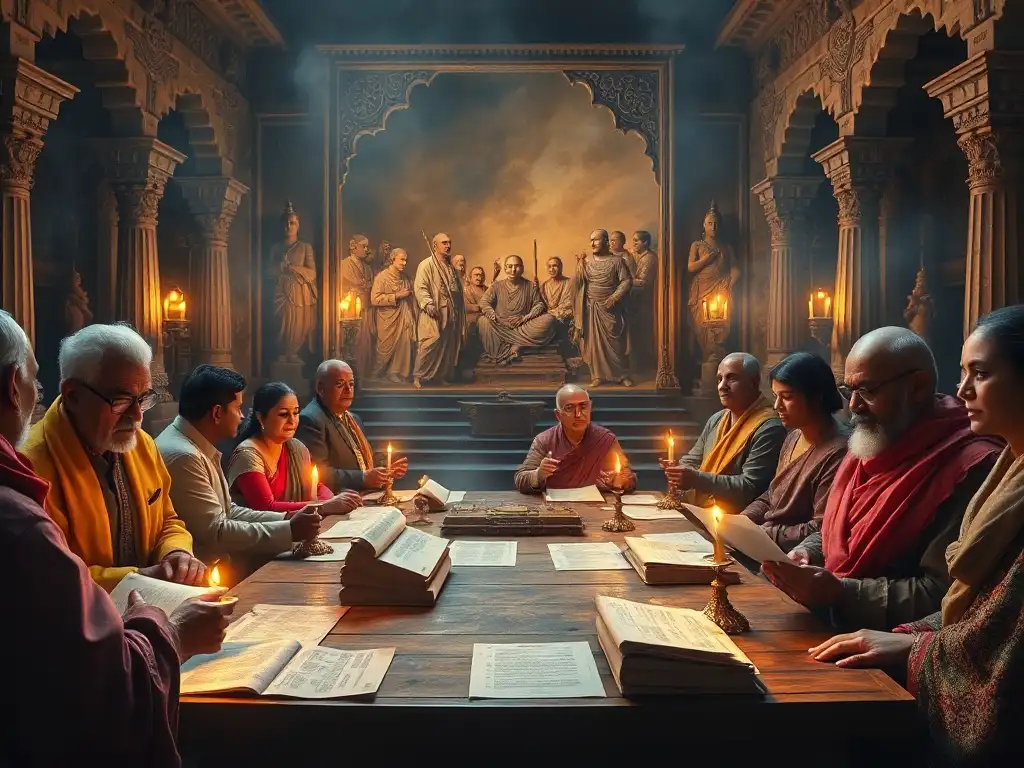
Welcome to Ancient India History, where we embark on a journey through the vibrant tapestry of India's past. In this exploration, we delve into the fascinating interplay of language and politics, specifically through the lens of Prakrit and Pali. These ancient tongues were not merely part of everyday conversation; they played a pivotal role in shaping the political landscape of their time.
What secrets do they hold about governance, culture, and society? Join us as we unravel the intricate connections between these languages and the powerful empires of ancient India. Prepare to be captivated by the stories that await you!
- Introduction to Prakrit and Pali in Ancient Indian Politics
- Historical Background of Prakrit and Pali
- Role of Prakrit and Pali in Ancient Indian Politics
- Key Historical Figures and Their Contributions
- Regional Variations of Prakrit and Pali
- Literary Contributions of Prakrit and Pali
- The Decline of Prakrit and Pali in Political Contexts
- Conclusion: The Legacy of Prakrit and Pali in Ancient Indian Politics
- References and Further Reading
-
Frequently Asked Questions
- What are Prakrit and Pali?
- How did Prakrit and Pali influence ancient Indian politics?
- What is the significance of Prakrit in ancient Indian literature?
- How did the use of Pali reflect the cultural changes in ancient India?
- What role did these languages play in the spread of Buddhism in ancient India?
- Final Reflection: The Enduring Legacy of Prakrit and Pali in Ancient Indian Politics
- Unveil the Rich Legacy of Prakrit and Pali!
Introduction to Prakrit and Pali in Ancient Indian Politics
The study of ancient Indian languages, particularly Prakrit and Pali, offers profound insights into the socio-political landscape of historical India. These languages not only served as means of communication but also played pivotal roles in shaping the political discourse and administrative frameworks of their times.
As we delve into the historical context of Prakrit and Pali, we uncover their significance in the realms of governance, culture, and society from the Indus Valley civilization through the Gupta Empire. Understanding the intricate ties between these languages and ancient Indian politics illuminates the broader narrative of India's rich heritage, showcasing how language influenced power dynamics and societal structures.
Overview of Prakrit and Pali Languages
Prakrit and Pali are two significant languages that emerged in ancient India, each with its unique characteristics and historical relevance.
- Prakrit:
- A group of Middle Indo-Aryan languages, Prakrit was extensively used in various regions of India, particularly during the period of the Mauryan Empire. It served as a vernacular language, contrasting with the more formal Sanskrit.
- Prakrit dialects, such as Ardhamagadhi and Maharashtri, were employed in literature, inscriptions, and even in the dialogues of Buddhist texts, making them accessible to a broader audience.
- Pali:
- Pali is closely associated with the Theravada Buddhist tradition and is primarily known as the language of the Pali Canon, the earliest collection of Buddhist scriptures.
- It emerged as a liturgical language, facilitating the spread of Buddhist teachings and philosophy across Asia. Pali’s simplicity and clarity made it an effective medium for religious instruction.
Both languages reflect the cultural and political milieu of their times, serving as tools for communication, governance, and philosophical discourse.
Importance of Language in Political Contexts
Language has always played a crucial role in shaping political landscapes, and this was particularly true in ancient India. The use of Prakrit and Pali can be traced back to their influence on governance, law, and administration.
- Political Communication:
- The adoption of Prakrit in royal edicts and inscriptions allowed rulers to connect with their subjects, transcending the limitations of Sanskrit, which was often perceived as elitist.
- Pali, with its roots in Buddhist teachings, became instrumental in promoting moral governance and ethical leadership, influencing rulers like Ashoka, who utilized its principles in his policies.
- Cultural Integration:
- The proliferation of these languages facilitated cultural exchanges among diverse populations, fostering unity and cohesion in an era marked by regional differences.
- They also enabled the dissemination of ideas, ideologies, and narratives that shaped political thought and influenced the actions of leaders and citizens alike.
In essence, Prakrit and Pali were not merely languages; they were vital components of ancient Indian politics, embodying the ethos of their times and serving as mediums for both communication and cultural integration. Understanding their roles allows for a richer comprehension of the political dynamics that shaped ancient Indian civilization.
Historical Background of Prakrit and Pali
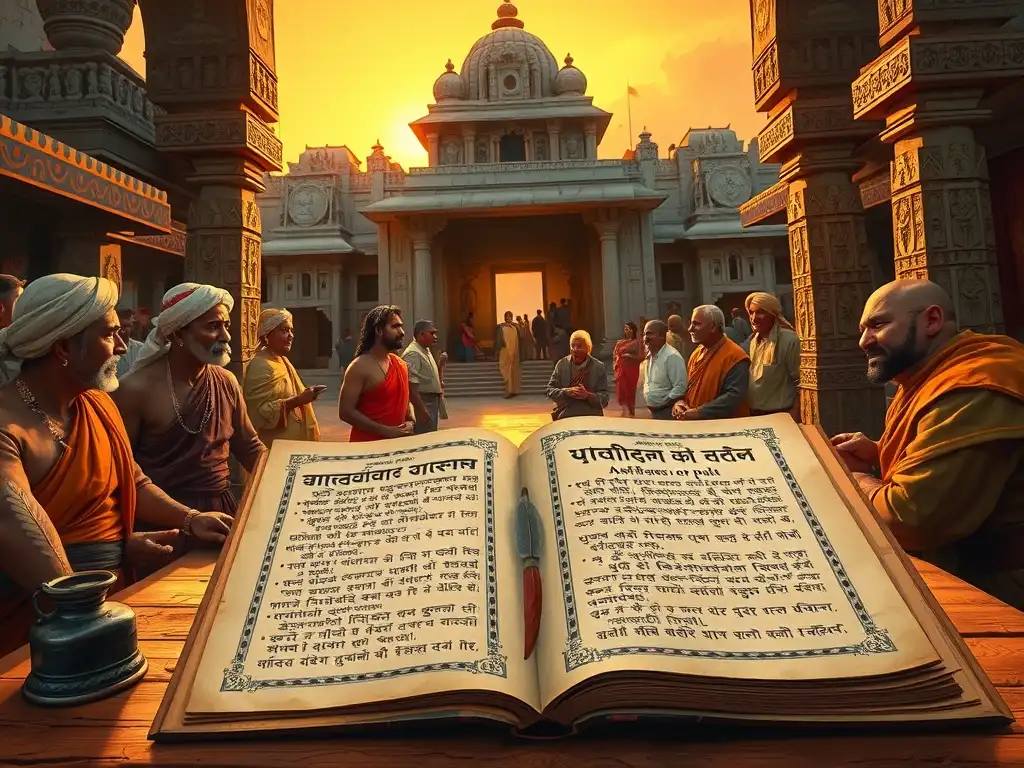
Prakrit and Pali are two significant languages that played a crucial role in ancient Indian politics and culture. Understanding their historical background provides insight into their utilization, evolution, and influence across various regions and periods in ancient India. Both languages emerged during a time when Sanskrit was the dominant literary language, yet they offered alternative avenues for expression, especially among the common people and in religious contexts.
Origins of Prakrit and Pali Languages
Prakrit languages are derived from Sanskrit, representing a vernacular form that evolved to accommodate the linguistic needs of various regions. The term 'Prakrit' itself translates to "natural," indicating its use among the general populace as opposed to the more formal and rigid structure of Sanskrit. The origins of Prakrit can be traced back to around the 6th century BCE, with its usage documented in various ancient texts, including plays, poetry, and inscriptions.
Pali, on the other hand, is closely associated with the teachings of Buddhism. It is believed to have originated around the same time as Prakrit, during the 5th century BCE. The language serves as the liturgical and scholarly language of Theravada Buddhism, encapsulating the Buddha's teachings in texts such as the Tipitaka. Pali's significance lies not only in its role as a language of scripture but also in its adoption by various rulers who supported Buddhism, thereby intertwining its use with political power and governance.
While both Prakrit and Pali share a common lineage rooted in ancient Indian linguistic traditions, they diverged in their applications and cultural significance. Prakrit became more associated with the everyday life of the people, while Pali emerged as a key medium for Buddhist philosophy and administration.
Evolution Through Different Indian Dynasties
The evolution of Prakrit and Pali languages saw significant changes and adaptations through various Indian dynasties, reflecting the socio-political dynamics of the times.
- Maurya Empire (c. 322–185 BCE): During this period, both languages gained prominence. The Edicts of Ashoka, inscribed in Brahmi script, utilized Prakrit to communicate with the common people across his vast empire. This indicated a shift towards using vernacular languages in governance, making political statements more accessible.
- Shunga and Kanva Dynasties (c. 185–30 BCE): After the Mauryas, the Shunga and Kanva dynasties continued to use Prakrit in literature and inscriptions. Notably, the playwright Bhasa wrote in Prakrit, showcasing its literary significance during these times.
- Gupta Empire (c. 240–550 CE): The Gupta period marked a renaissance in arts and literature, with Prakrit and Pali flourishing in various forms. The emergence of the "Prakrit dramas" highlighted the language's versatility and connection to political and social themes. Additionally, Buddhist texts continued to be composed in Pali, further solidifying its importance in religious and political discourse.
- Post-Gupta Period (c. 550 CE onwards): With the decline of the Gupta Empire, the use of Prakrit and Pali began to wane as regional languages gained prominence. However, the influence of these languages persisted, especially in the context of Buddhism, as they remained integral to the teachings and practices of the religion across Southeast Asia.
The evolution of Prakrit and Pali languages is a testament to their adaptability and ongoing relevance in ancient Indian politics and culture. Their transition from vernacular forms to prominent languages of administration and religion illustrates a complex interplay of societal needs and political ambitions.
Role of Prakrit and Pali in Ancient Indian Politics

The languages of Prakrit and Pali served as critical instruments in shaping the political landscape of ancient India. Their usage spanned various aspects of governance, administration, and religious discourse, contributing significantly to the political dynamics of the time. Understanding the roles these languages played provides insight into the socio-political fabric of ancient Indian civilizations.
Use of Prakrit in Governance and Administration
Prakrit, a group of Middle Indo-Aryan languages, emerged as a vital medium for administration and governance in ancient Indian kingdoms. Its use can be traced back to the Mauryan Empire (c. 322–185 BCE), where it became the language of the masses, contrasting with the more formal Sanskrit used in elite circles.
- Administrative Documents: Prakrit was employed in various administrative documents, including edicts and inscriptions. For instance, the Edicts of Ashoka, inscribed throughout his empire, were primarily written in Prakrit. These inscriptions communicated royal decrees and ethical guidelines, directly addressing the populace in a language they understood.
- Local Governance: As local rulers adopted Prakrit, it facilitated governance at regional levels. The language allowed for better communication between the ruling elite and the common people, fostering a sense of inclusion and representation in political matters. This practice is evident in the Prakrit inscriptions found in places like Taxila and Ujjain, where local rulers articulated their power through the language of the people.
- Cultural Integration: The use of Prakrit also played a role in integrating various cultures within the vast Indian subcontinent. By adopting a language that resonated with diverse local populations, rulers could promote unity and stability across their territories. This linguistic strategy was instrumental in mitigating regional tensions and fostering loyalty among subjects.
Prakrit's role in governance and administration highlighted its significance as a tool of political communication, bridging the gap between the rulers and the ruled, and reinforcing the authority of dynasties throughout ancient India.
Influence of Pali in Religious and Political Discourse
Pali, closely associated with the teachings of Buddhism, emerged as a significant language in ancient Indian political and religious discourse. Its influence extended beyond religious texts and into the political realm, shaping ideologies and governance during the time of the Mauryan Empire and beyond.
- Buddhist Texts and Political Ideology: The Pali Canon, the standard collection of scriptures in the Theravada Buddhist tradition, not only conveyed religious teachings but also contained profound political philosophies. Concepts such as Dhamma (righteousness) articulated in these texts influenced rulers' ethical conduct, promoting benevolence and justice as core tenets of governance. Ashoka's embrace of Buddhism and the propagation of Dhamma through Pali inscriptions exemplify how Pali language intersected with political power.
- Political Propaganda: Pali was also employed as a tool for political propaganda. Rulers utilized Buddhist principles articulated in Pali to legitimize their reign and foster public support. By associating their rule with the moral values derived from Buddhist teachings, they aimed to create a stable political environment conducive to prosperity. This strategy was particularly effective in regions influenced by Buddhist culture, such as the Magadha region.
- Cultural Diplomacy: The spread of Pali through missionary activities, particularly during the reign of Ashoka, facilitated cultural diplomacy across South Asia and beyond. By promoting Buddhist teachings in Pali, ancient Indian rulers were able to forge alliances and establish political ties with neighboring states, thereby enhancing their influence and reach.
Pali's influence on religious and political discourse was profound, intertwining ethical governance with the growth of Buddhism. Its role in shaping political ideologies and facilitating cultural connections illustrates its importance in the context of ancient Indian politics.
By examining the roles of Prakrit and Pali, we gain a deeper understanding of how language influenced governance, administration, and political thought in ancient India, showcasing the intricate relationship between language and power during this pivotal historical period.
Key Historical Figures and Their Contributions
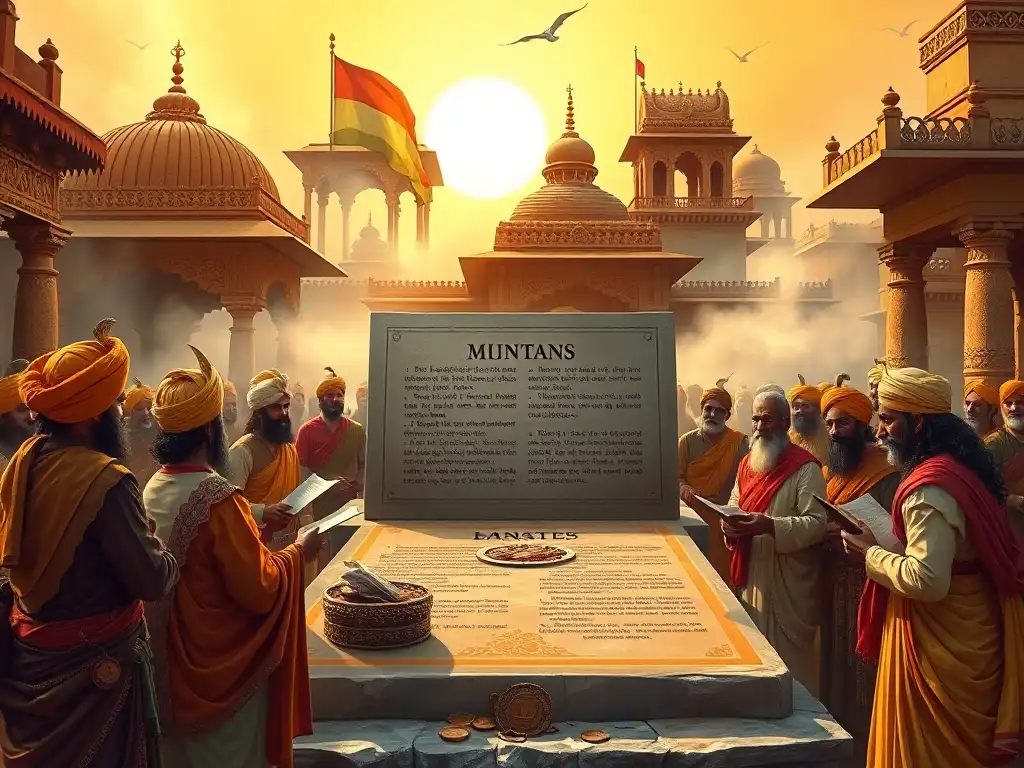
The influence of Prakrit and Pali languages in ancient Indian politics cannot be overstated. Key historical figures played pivotal roles in the promotion and dissemination of these languages, which were integral to the political and cultural fabric of their times. From rulers who utilized these languages for administration to religious leaders who sought to propagate their philosophies, each contributed uniquely to the rich tapestry of ancient Indian history.
Prominent Rulers and Their Use of Prakrit
Prakrit, a vernacular language, gained prominence during the Mauryan Empire under the rule of Emperor Ashoka (c. 268–232 BCE). Ashoka's edicts, inscribed on rocks and pillars across the Indian subcontinent, were primarily written in Prakrit. This choice was significant as it made his messages accessible to the common people, ensuring that his policies and moral teachings reached a wider audience.
- Ashoka's Edicts: The edicts not only conveyed royal decrees but also emphasized concepts of dhamma (moral law), promoting non-violence and welfare. By using Prakrit, Ashoka effectively bridged the gap between the elite and the masses.
- Other Rulers: Following Ashoka, other rulers such as the Satavahanas and the Western Kshatrapas also adopted Prakrit in their inscriptions. These inscriptions often reflected local dialects, showcasing the adaptability of the language.
- Cultural Integration: The use of Prakrit in administration and literature during these periods fostered a sense of cultural integration. It facilitated communication among diverse communities, thus playing a vital role in the political cohesion of ancient Indian states.
The Role of Buddhist Leaders in Promoting Pali
Buddhist leaders were instrumental in popularizing Pali, particularly during the spread of Buddhism across Asia. The language became the medium for Buddhist texts and teachings, which had profound implications for ancient Indian politics and society.
- Buddhaghosa and the Pali Canon: One of the most notable figures was Buddhaghosa, a 5th-century scholar who played a crucial role in the compilation and commentary of the Pali Canon. His works not only preserved Buddhist teachings but also influenced the political landscape by promoting ideals of governance based on dharma.
- Political Patronage: Many rulers, such as the Mauryan Emperor Ashoka and later the Gupta rulers, supported Buddhism and the use of Pali. Their patronage led to the establishment of monasteries and educational institutions where Pali was taught, further embedding it into the socio-political framework.
- Cultural Exchange: The promotion of Pali by Buddhist leaders facilitated cultural exchanges between India and other regions, including Southeast Asia. This exchange often resulted in the adoption of Indian political concepts and administrative practices, showcasing the far-reaching impact of Pali beyond its linguistic confines.
The historical trajectory of Prakrit and Pali in ancient Indian politics is deeply intertwined with the contributions of prominent rulers and Buddhist leaders. Their strategic use of these languages not only shaped governance and administration but also left a lasting legacy on the cultural and political identity of ancient India.
Regional Variations of Prakrit and Pali
The evolution of Prakrit and Pali languages is deeply intertwined with the diverse regional cultures and political environments of ancient India. These languages were not monolithic; rather, they manifested in various dialects that reflected the unique sociopolitical contexts of their respective regions. Understanding these variations is crucial to grasping how Prakrit and Pali influenced ancient Indian politics.
Different Dialects and Their Political Implications
Prakrit and Pali were not uniform across ancient India; they developed numerous dialects that were influenced by local languages and cultural practices. Some of the notable dialects include:
- Ardha-Magadhi: Predominantly spoken in the Magadha region, Ardha-Magadhi was the vernacular of many early Buddhist texts. Its use in political discourse helped solidify the authority of local rulers who embraced Buddhism, allowing them to communicate effectively with the masses. The language served as a bridge between elite and common citizens, facilitating governance and administration.
- Maharashtri: Emerging in the western regions, particularly in Maharashtra, Maharashtri played a significant role in courtly politics. It was often used in poetry and drama, which were favored by royal patrons. The patronage of Maharashtri by the ruling classes allowed for the dissemination of political ideologies and cultural narratives, further entrenching the authority of dynasties.
- Sauraseni: This dialect was prevalent in the central regions of India, including modern-day Madhya Pradesh and parts of Uttar Pradesh. Sauraseni's political implications are evident in its usage in inscriptions and edicts, which were often aimed at consolidating power and legitimizing rule. The language's adaptability to incorporate local idioms made it a tool for regional rulers to assert their dominance.
The dialectical variations of Prakrit and Pali did not merely reflect linguistic diversity; they were instrumental in shaping political landscapes. Regional rulers utilized these dialects to gain favor with the populace, thereby ensuring political stability and control.
Influence of Regional Languages on Prakrit and Pali Usage
The interaction between Prakrit and Pali with regional languages significantly impacted their usage and development. As these languages spread across different regions, they absorbed elements from local tongues, enriching their vocabulary and syntax. This blending had profound implications for political communication and administration.
- Cultural Integration: The incorporation of regional words and phrases into Prakrit and Pali facilitated a more inclusive political discourse. For instance, rulers who spoke in dialects infused with local terms were able to connect more deeply with their subjects. This cultural integration fostered loyalty and reduced resistance, as the population felt acknowledged in their linguistic identity.
- Administrative Efficiency: As the need for governance grew, so did the necessity for clear communication. The adaptation of Prakrit and Pali with regional languages allowed for more effective administrative practices. Local dialects were often employed in edicts and official documents, ensuring that political messages reached broader audiences. This practice not only enhanced understanding but also reinforced the legitimacy of rulers.
- Literary Expression: The regional influences on Prakrit and Pali paved the way for a rich literary tradition, which included political treatises, poetry, and drama. These works often addressed contemporary political issues, reflecting the concerns and aspirations of the populace. The ability of Prakrit and Pali to absorb local influences made them versatile mediums for political expression.
The regional variations of Prakrit and Pali and their interactions with local languages significantly shaped ancient Indian politics. By understanding these dynamics, we can appreciate the role of language as a pivotal factor in the governance and cultural identity of ancient Indian civilizations.
Literary Contributions of Prakrit and Pali

Prakrit and Pali, two prominent languages of ancient India, played a significant role in shaping the literary landscape of the subcontinent. Their contributions extend beyond mere communication; they are intertwined with the political, cultural, and philosophical fabric of ancient Indian civilizations. As regional languages emerging from Sanskrit, Prakrit and Pali facilitated a broader expression of ideas and governance, making them essential to understanding ancient Indian politics.
Political Texts and Literature in Prakrit
Prakrit served as a medium for various political texts and literature that reflected the socio-political dynamics of ancient Indian states. Notable among these are the inscriptions and edicts that were often composed in Prakrit to reach a wider audience. These texts provide essential insights into the administration, policies, and governance of the time.
- Inscriptions and Edicts: The edicts of Emperor Ashoka, inscribed on pillars and rocks throughout his empire, are vital examples. While many are in Brahmi script, the language used is predominantly Prakrit. These inscriptions communicated Ashoka's policies on governance, ethics, and welfare, emphasizing moral leadership and public service.
- Drama and Poetry: Prakrit was also the language of choice for various forms of drama and poetry, such as those written by Kalidasa in his plays. The use of Prakrit in these literary forms not only enriched the cultural landscape but also subtly conveyed political themes, reflecting the power dynamics among rulers and their courts.
- Historical Chronicles: Works like the "Ain-i-Akbari" and "Rajatarangini" utilized Prakrit to document the histories of various dynasties. These texts provide narratives that highlight the relationships between different kingdoms, as well as the political intrigues that shaped their interactions.
Pali Literature and Its Impact on Governance
Pali, primarily associated with Buddhism, has its own unique contributions to the governance and political philosophies of ancient India. Its literature provides insights into the ethical and administrative principles that guided rulers and their subjects.
- Buddhist Canons: The Pali Canon, or Tripitaka, is a foundational text for understanding the governance principles in Buddhist societies. It includes the "Vinaya Pitaka," which outlines the discipline of the monastic community and indirectly influences political structures by advocating for moral governance and social justice.
- Dhamma and Statecraft: The concept of "Dhamma," which translates to moral law or duty, is central in Pali literature and has been adopted in political contexts. Rulers like Ashoka emphasized Dhamma in their edicts, promoting a governance style rooted in ethical and moral principles. This approach fostered a sense of responsibility and benevolence among leaders, impacting how states were administered.
- Literature on Kingship: Pali texts also explored the qualities of an ideal king, often portraying rulers as embodiments of virtue and justice. This literary tradition influenced political thought, as it provided a framework for kingship that prioritized the welfare of subjects and the stability of the realm.
The literary contributions of Prakrit and Pali are pivotal in understanding the nuances of ancient Indian politics. Through political texts, drama, and philosophical writings, these languages have left an indelible mark on the governance and social structures of their times, reflecting a rich interplay between language, literature, and political thought.
The Decline of Prakrit and Pali in Political Contexts
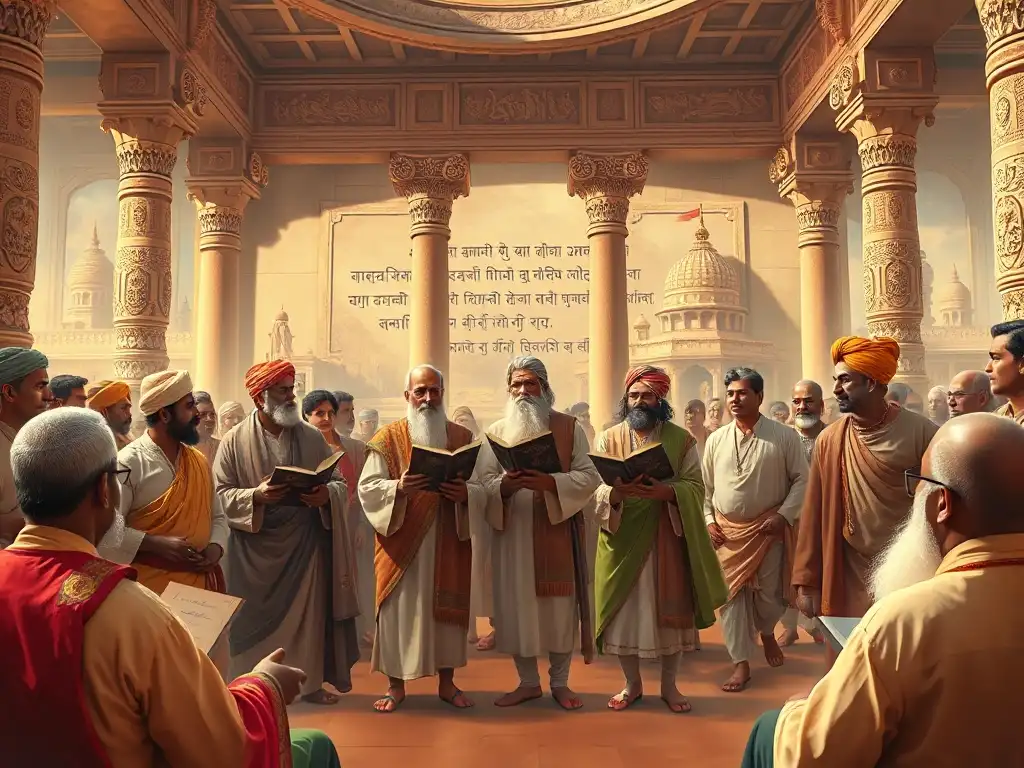
The decline of Prakrit and Pali in the context of ancient Indian politics marks a significant shift in the linguistic landscape of the subcontinent. Once dominant in both administrative and literary spheres, these languages faced gradual obsolescence due to a variety of social, cultural, and political factors.
Factors Leading to the Decline of These Languages
The decline of Prakrit and Pali can be attributed to several interconnected factors:
- Rise of Sanskrit:
- Cultural Prestige: Sanskrit emerged as the language of the elite and was heavily patronized by royal courts, particularly during the Mauryan and Gupta empires. Its association with religious texts and scholarly discourse led to a gradual perception of Prakrit and Pali as less prestigious.
- Literary Flourishing: The development of Sanskrit literature, including works like Kalidasa's Shakuntala, overshadowed Prakrit and Pali, effectively diminishing their use in high culture.
- Religious Transformation:
- Buddhism and Jainism's Decline: While Pali was the liturgical language of Theravada Buddhism and Prakrit was associated with Jain texts, the decline of these religions in favor of Hinduism resulted in reduced demand for these languages.
- Sanskrit as a Religious Language: The resurgence of Hinduism and its textual traditions, particularly the Vedas and later Puranas, further marginalized Prakrit and Pali.
- Political Changes:
- Territorial Expansion of Empires: As empires expanded, new administrative languages were adopted. The Gupta Empire, for instance, emphasized Sanskrit, leading to the relegation of Prakrit and Pali in official records and governance.
- Regional Languages: The emergence and consolidation of regional languages began to take precedence in political affairs. Languages like Tamil, Bengali, and others gained prominence, leading to the gradual phase-out of Prakrit and Pali.
- Socioeconomic Factors:
- Urbanization and Trade: The growth of urban centers and trade networks necessitated a more pragmatic approach to language. The rise of vernacular languages made them more suitable for communication in increasingly diverse populations.
- Education and Literacy: The decline in the use of Pali and Prakrit in educational institutions, where Sanskrit and regional languages became the norm, contributed significantly to their fading relevance.
Transition to Other Languages in Governance
As Prakrit and Pali waned in their political significance, the transition to other languages in governance reflected a broader cultural and administrative evolution:
- Sanskrit's Ascendancy:
- Administrative Use: Sanskrit became the primary language for royal edicts, legal documents, and administrative communication. This transition not only impacted governance but also influenced the socio-political hierarchy, as those fluent in Sanskrit gained power and status.
- Development of Vernacular Languages:
- Local Governance: With the establishment of regional powers, vernacular languages began to play a crucial role in local governance. This included the use of languages like Tamil in the south and Bengali in the east, which catered to local populations more effectively.
- Literature and Culture: The flourishing of regional literature in these languages further entrenched their use in governance, as poetic and prose forms became vehicles for political commentary and advocacy.
- Impact on Administration:
- Bureaucratic Changes: The shift to Sanskrit and regional languages necessitated changes in bureaucratic practices, with new systems emerging for education, law, and public administration.
- Cultural Policies: The new linguistic policies led to the promotion of cultural narratives that often sidelined the contributions and heritage associated with Prakrit and Pali.
The decline of Prakrit and Pali in ancient Indian politics is a testament to the dynamic interplay between language, culture, and governance. The transition to Sanskrit and regional languages not only reshaped administrative practices but also reflected the broader sociopolitical changes occurring in ancient India. Understanding this transition provides valuable insights into the linguistic history and cultural evolution of the region.
Conclusion: The Legacy of Prakrit and Pali in Ancient Indian Politics
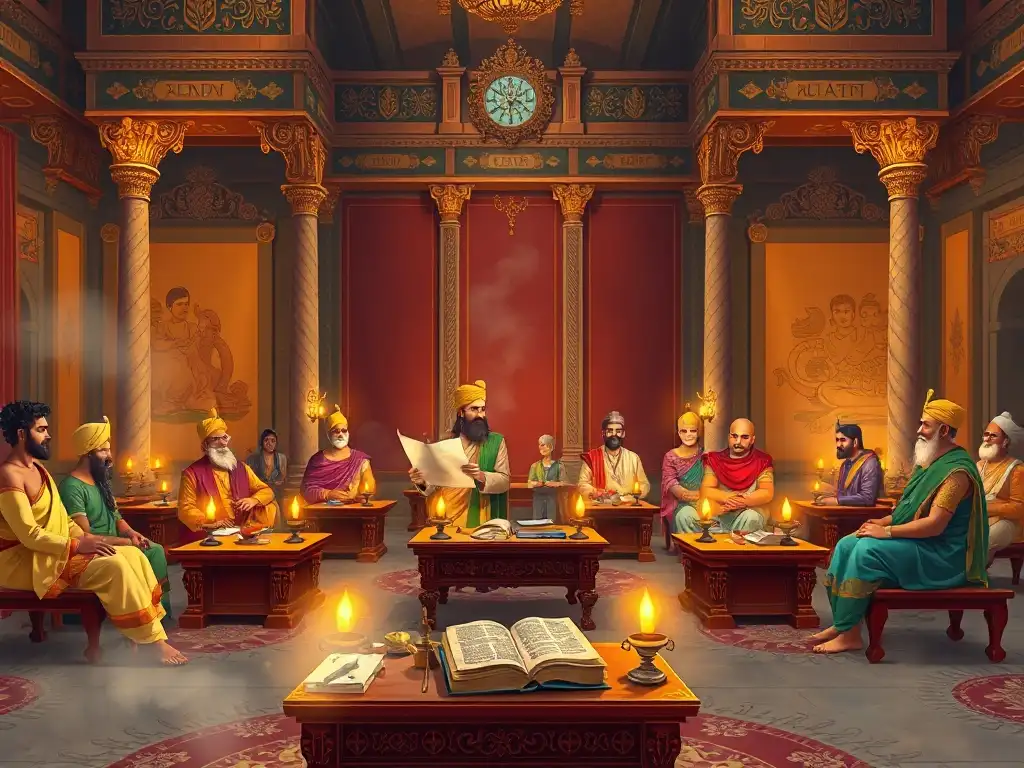
The legacy of Prakrit and Pali in ancient Indian politics extends far beyond their historical usage; these languages played a crucial role in shaping the political landscape of their time. As vernacular languages, Prakrit and Pali served as conduits for communication, cultural exchange, and administrative efficiency in a diverse and multifaceted society.
Lasting Impact on Modern Indian Languages
The influence of Prakrit and Pali on modern Indian languages is profound. Many contemporary languages in India, such as Hindi, Bengali, and Marathi, have roots in these ancient tongues. The grammatical structures, vocabulary, and even stylistic elements of Prakrit and Pali can be traced in these languages, showcasing a continuity of linguistic heritage.
| Language | Influence from Prakrit/Pali |
|---|---|
| Hindi | Vocabulary and phonetics |
| Bengali | Syntax and poetic forms |
| Marathi | Lexical contributions |
For example, the Prakrit term sādhaka (meaning practitioner) has evolved into similar forms across various languages, signifying the continued reverberations of these ancient dialects in modern vernaculars. The poetic and literary traditions established in Prakrit and Pali also paved the way for later literary expressions, influencing the thematic and stylistic choices of subsequent generations of poets and playwrights.
Reflections on Language and Power in Ancient India
In ancient India, language was not merely a means of communication; it was a tool of power and governance. Prakrit and Pali were instrumental in the dissemination of political ideologies and royal edicts. The use of Pali in the inscriptions of Emperor Ashoka, for instance, signified a deliberate choice to reach a broader audience, reflecting the emperor's commitment to Dharma and moral governance.
Language shapes our understanding of power; in ancient India, Prakrit and Pali were the voices of authority and conscience.
Moreover, the association of Pali with Buddhism and Prakrit with Jainism highlights how language served as a vehicle for religious and political identity. Rulers who adopted these languages often sought to legitimize their authority by aligning themselves with the teachings of these religions, thereby reinforcing their political agendas.
The study of Prakrit and Pali offers invaluable insights into the intricate relationship between language and politics in ancient India. Their enduring legacy is evident not only in the modern languages that evolved from them but also in the ways they shaped social hierarchies and governance structures in the past. As we explore the rich tapestry of ancient Indian history, Prakrit and Pali stand out as vital threads woven into the fabric of political discourse and cultural identity.
References and Further Reading
Suggested Texts on Prakrit and Pali
The study of Prakrit and Pali languages is enriched by a variety of texts that provide insight into their historical context and usage in ancient Indian politics. Below is a curated list of essential readings:
-
"The Prakrit Languages: An Introduction"
This book offers a comprehensive overview of the Prakrit languages, exploring their nuances, grammar, and evolution. It serves as a foundational text for understanding the linguistic landscape of ancient India.
-
"Pali Literature and Language"
A detailed examination of Pali texts, this work highlights their significance in preserving Buddhist teachings and their impact on ancient Indian political thought.
-
"The Politics of Language in Ancient India"
This scholarly text investigates the role of language in shaping political discourse during ancient times, focusing on how Prakrit and Pali influenced governance and administration.
-
"Prakrit and Pali: Their Role in Ancient Indian Literature"
This book delves into the literary contributions of these languages, shedding light on their influence in political narratives and historical documentation.
-
"An Introduction to the Grammar of Pali"
This resource provides an in-depth look at Pali grammar, essential for understanding its application in political texts and inscriptions.
Additional Resources on Ancient Indian Politics
To further explore the intricate relationship between Prakrit, Pali, and ancient Indian politics, consider the following resources:
-
Online Databases and Archives
Many universities maintain digital collections of ancient manuscripts that include texts written in Prakrit and Pali. Accessing these can provide firsthand insight into political documents and inscriptions.
-
Documentaries and Lectures
Look for documentaries focusing on ancient Indian history that discuss the political implications of language use. Lectures by historians specializing in ancient India can also provide valuable perspectives.
-
Academic Journals
Journals such as the Journal of South Asian Studies and Indica often publish articles on the role of language in politics, offering peer-reviewed insights into the subject matter.
-
Conferences and Workshops
Participate in events dedicated to South Asian studies, where topics on Prakrit, Pali, and their political contexts are frequently discussed. Networking with scholars in this field can lead to further resources and insights.
By engaging with these texts and resources, readers can gain a deeper understanding of how Prakrit and Pali influenced ancient Indian politics and their broader cultural implications.
Frequently Asked Questions
What are Prakrit and Pali?
Prakrit and Pali are ancient languages of India, often used in literary and religious texts. They played a significant role in the cultural and political landscape of ancient Indian civilizations.
How did Prakrit and Pali influence ancient Indian politics?
These languages were used in administrative documents and political discourse, helping to shape the governance and legal systems of various ancient Indian kingdoms.
What is the significance of Prakrit in ancient Indian literature?
Prakrit is known for its rich literary tradition, including poetry and plays, which reflect the social and political themes of the time, thereby providing insights into ancient Indian society.
How did the use of Pali reflect the cultural changes in ancient India?
Pali became prominent with the rise of Buddhism, serving as the language of the Buddhist scriptures, which influenced not only religion but also the political ideologies of the era.
What role did these languages play in the spread of Buddhism in ancient India?
Prakrit and Pali were instrumental in the dissemination of Buddhist teachings, facilitating communication and interaction across diverse regions, thus impacting political alliances and cultural exchanges.
Final Reflection: The Enduring Legacy of Prakrit and Pali in Ancient Indian Politics
The exploration of Prakrit and Pali in ancient Indian politics reveals their profound influence on governance, culture, and communication. These languages were not merely tools of expression; they were pivotal in shaping the political landscape of their time. As we navigate the complexities of modern governance and cultural identity, understanding the historical significance of these languages reminds us of the power of communication in uniting diverse communities and fostering political discourse.
The impact of Prakrit and Pali extends beyond their historical context; they continue to resonate in contemporary discussions about language, identity, and power dynamics. The evolution of these languages reflects the socio-political changes in ancient India, illustrating how language can serve as a vehicle for both inclusion and exclusion.
As Mahatma Gandhi once said, “A language is something infinitely greater than grammar and philology. It is the poetic testament of the genius of a race and culture, and the living embodiment of the thoughts and fancies that have moulded them.” > This quote encapsulates the essence of how Prakrit and Pali not only shaped political narratives but also contributed to the cultural fabric of India.
As we reflect on the lessons from the past, let us consider how the principles of inclusivity and understanding that emerged from the use of Prakrit and Pali can guide our actions today. I invite you to explore how language shapes your own community and political landscape. Engage in conversations that honor diverse voices and perspectives, and recognize the historical significance of communication in fostering unity. By doing so, we can honor the legacy of Prakrit and Pali, ensuring that their influence continues to inspire future generations in the realm of politics and beyond.
Unveil the Rich Legacy of Prakrit and Pali!
Thank you for taking a moment to dive into the fascinating historical context of Prakrit and Pali! You’ve gained valuable insights into how these languages shaped ancient Indian politics, culture, and society. Now, it's time to take that knowledge and put it into action.
Here are some engaging ways to deepen your understanding and connect with this rich legacy:
- Explore primary texts in Prakrit and Pali to uncover their significance firsthand—consider starting with The Pali Canon or Prakrit dramas.
- Share your thoughts with friends or on social media! Start a discussion on how these languages influenced political structures and cultural exchange in ancient India.
- Join a local or online community focused on ancient languages and studies—learning with others can spark new perspectives and insights!
Which aspect of the influence of Prakrit and Pali on ancient politics intrigues you the most? Join the conversation below!