
The Revival of Sanskrit: Why It Matters Today

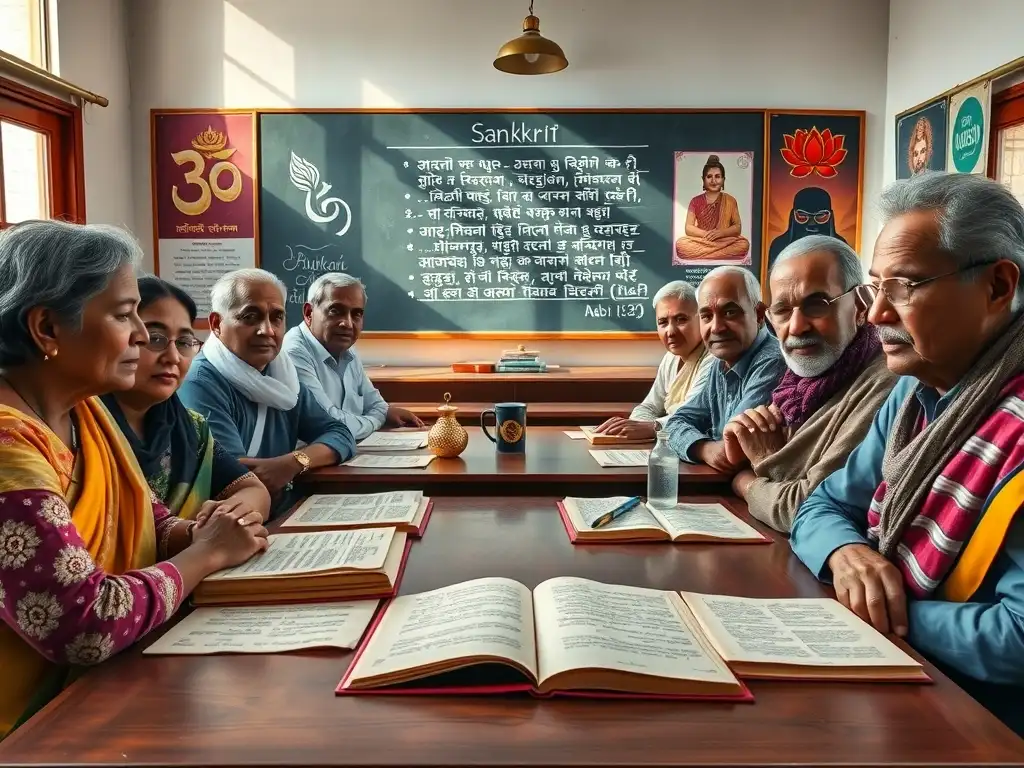
Welcome to Ancient India History, where we embark on a fascinating journey through the rich tapestry of India’s past! In this exploration, we delve into the importance of Sanskrit in India, a language that has shaped not just literature and philosophy, but the very essence of Indian culture. As we uncover the revival of Sanskrit and its significance in today's world, prepare to be intrigued by how this ancient language continues to influence modern society. Join us as we unravel the threads of history that connect us to this linguistic treasure and discover why it truly matters today.
Sanskrit, one of the oldest languages in the world, holds a significant place in the cultural and intellectual heritage of India. With its roots embedded in the ancient civilizations of the Indus Valley and flourishing through the ages, Sanskrit has been a vessel of knowledge, philosophy, and art. Today, as we witness a revival of interest in this classical language, it is essential to explore the importance of Sanskrit in India and its relevance in contemporary society.
This article delves into the multifaceted reasons for this revival, emphasizing not just the linguistic aspects, but also its cultural, educational, and spiritual implications. From being a medium of ancient scriptures and literary treasures to its potential in modern educational frameworks, the revival of Sanskrit is a crucial movement that resonates with the identity of India.
Historical Significance of Sanskrit
Sanskrit has been the cornerstone of many classical texts that shape Indian philosophy, science, and literature.
- Sacred Texts: The Vedas, Upanishads, and Puranas are foundational texts that have been composed in Sanskrit, influencing spiritual practices and beliefs.
- Cultural Legacy: Ancient Indian dramas, poetry, and scientific treatises, such as those by Kalidasa and Aryabhata, are composed in this language, showcasing its richness and versatility.
Through centuries, Sanskrit has not only served as a means of communication but also as a repository of wisdom that reflects the ethos of ancient Indian society.
The Role of Sanskrit in Modern Education
The resurgence of Sanskrit in educational institutions highlights its value beyond traditional contexts.
- Curriculum Integration: Many universities are incorporating Sanskrit studies into their curricula, recognizing its importance in understanding India's cultural heritage.
- Language Preservation: Initiatives aimed at teaching Sanskrit in schools foster an appreciation for the language among younger generations.
- Cognitive Benefits: Studies suggest that learning Sanskrit enhances cognitive skills, such as memory and analytical thinking, making it a valuable addition to modern education.
These efforts underscore the necessity of preserving and promoting Sanskrit as a vital element of India's educational landscape.
Cultural Relevance and Identity
The revival of Sanskrit is not just a linguistic movement; it is closely tied to the cultural identity of India.
- Cultural Festivals: Events celebrating Sanskrit literature and arts have gained popularity, fostering community engagement and cultural pride.
- Spiritual Practices: The recitation of Sanskrit shlokas and mantras continues to play a significant role in spiritual and religious rituals, reinforcing its relevance in daily life.
- Global Interest: The increasing interest in Sanskrit and its philosophical teachings has transcended borders, attracting scholars and enthusiasts worldwide.
This cultural renaissance emphasizes the profound connection between language and identity, illuminating the importance of Sanskrit in contemporary India.
Conclusion
The revival of Sanskrit is a multifaceted phenomenon that speaks to its historical significance, educational value, and cultural relevance. As we navigate the complexities of modern society, understanding the importance of Sanskrit in India becomes crucial not only for preserving a rich heritage but also for nurturing a sense of identity and continuity in a rapidly changing world. Through its revival, Sanskrit stands as a bridge between the past and the future, inviting new generations to engage with the wisdom of ancient India.
- Historical Significance of Sanskrit
- The Role of Sanskrit in Modern Education
- Cultural Relevance and Identity
- Conclusion
Understanding Sanskrit and Its Historical Significance

The Origins of Sanskrit in Ancient India
Sanskrit, often regarded as the mother of many modern Indian languages, boasts a rich history that traces back over 3,500 years. Its origins can be linked to the Indo-Aryan migrations, around 1500 BCE, when the speakers of early forms of Sanskrit began to settle in the northern regions of India. The language is part of the larger Indo-European language family, which includes Latin, Greek, and Persian, among others.
The earliest known Sanskrit texts are found in the Rigveda, a collection of hymns composed around 1500-1200 BCE. This sacred text is not just significant for its religious content but also for its linguistic value, as it showcases the early forms of Vedic Sanskrit. The evolution of Sanskrit continued over the centuries, leading to Classical Sanskrit, which emerged around the 4th century BCE, significantly influenced by the grammatical work of Panini.
Key Features of Sanskrit
- Phonetics: Sanskrit is renowned for its precise phonetic structure, allowing for clear articulation of sounds. This precision aids in the preservation of oral traditions.
- Grammar: The grammar of Sanskrit is systematic and highly structured, which has influenced many modern linguistic theories.
- Morphology: It employs a complex system of prefixes and suffixes, enabling the formation of a vast vocabulary.
Key Texts and Literature in Sanskrit
Sanskrit literature is a treasure trove of knowledge that encompasses various genres, including poetry, drama, and philosophy. Some of the most significant texts include:
- The Vedas: The oldest sacred scriptures of Hinduism, consisting of four collections: Rigveda, Samaveda, Yajurveda, and Atharvaveda.
- The Upanishads: Philosophical texts that explore the nature of reality and the self, forming the core of Indian spirituality.
- Mahabharata and Ramayana: Epic narratives that not only serve as stories of valor and duty but also as profound philosophical discourses about dharma (duty/righteousness).
- The Puranas: A genre of ancient Indian literature that contains mythological stories, cosmology, and history.
These texts are crucial for understanding not only the language itself but also the cultural and societal frameworks of ancient India. They demonstrate the importance of Sanskrit in preserving knowledge across generations and its role in shaping spiritual and philosophical thought.
The Role of Sanskrit in Ancient Indian Philosophy and Science
Sanskrit was instrumental in the development of various fields of knowledge in ancient India, particularly in philosophy and science. The language served as a vehicle for intellectual discourse, where scholars could articulate complex ideas with clarity.
Philosophy
- Sanskrit as a Medium: Major philosophical schools, including Vedanta, Samkhya, and Nyaya, utilized Sanskrit to articulate their doctrines. The precision of the language allowed for nuanced arguments and debates.
- Influence on Other Philosophies: The philosophical works in Sanskrit laid the foundation for later developments in not only Indian philosophy but also influenced Buddhist and Jain thought.
Science
- Mathematics and Astronomy: Ancient Indian mathematicians like Aryabhata and Brahmagupta wrote extensively in Sanskrit, contributing to concepts such as zero and the decimal system. They documented astronomical observations and calculations, showcasing the sophistication of ancient Indian science.
- Medicine: Texts like the Sushruta Samhita and Charaka Samhita in Sanskrit detail medical practices and surgical techniques, highlighting the advanced understanding of health and medicine in ancient India.
The revival of Sanskrit today is not merely a linguistic endeavor but a means of reconnecting with this profound intellectual heritage. Understanding the importance of Sanskrit in India is crucial for appreciating the depth and breadth of ancient Indian civilization and its lasting impact on contemporary thought.
The Current State of Sanskrit in India
The Decline of Sanskrit Usage
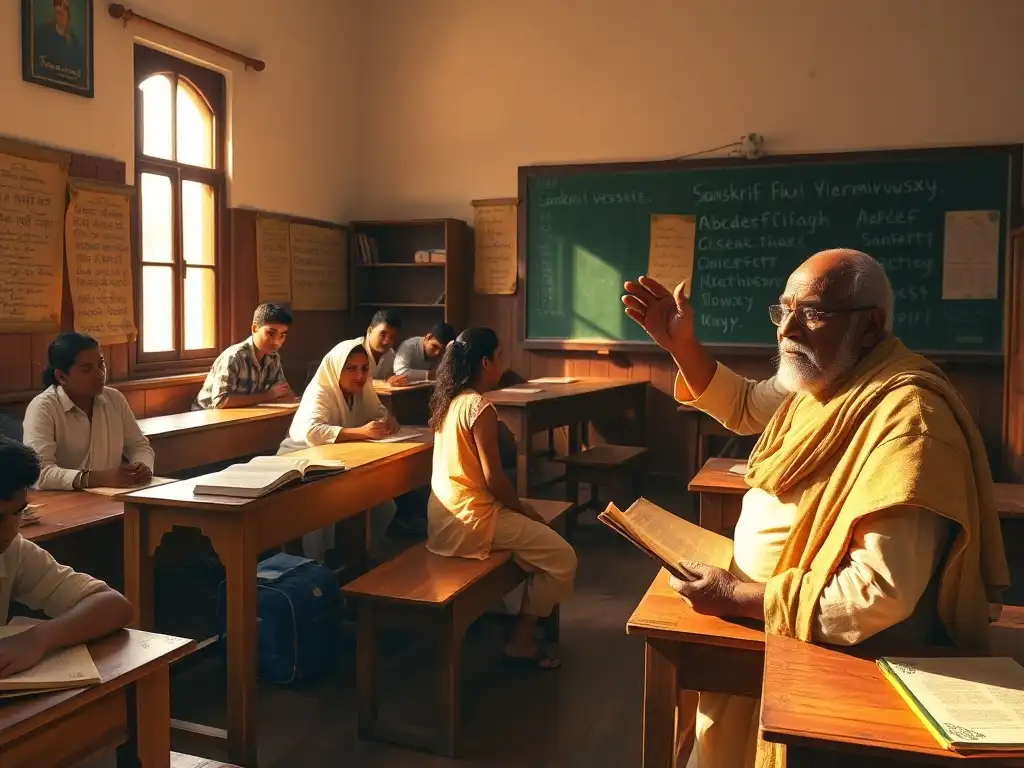
The decline of Sanskrit in India can be traced back to various sociopolitical changes that occurred over centuries. Once the primary language of scholarly and religious discourse, Sanskrit has seen a significant reduction in daily use. Today, it is primarily confined to traditional contexts such as rituals, religious ceremonies, and some academic settings.
- Historical Context: The decline began during the medieval period when regional languages started to gain prominence. The establishment of various empires led to the proliferation of local dialects and languages, which gradually overshadowed Sanskrit.
- Modern Influence: The British colonial period further exacerbated the situation, as English became the medium of administration and education. This shift caused a generational gap, where younger populations were less exposed to Sanskrit, leading to its marginalization.
The impact of this decline is evident in contemporary society, where only a small percentage of the population speaks Sanskrit fluently. According to the 2011 Census of India, approximately 24,821 people reported Sanskrit as their mother tongue, highlighting its status as a language at risk.
Efforts for Reviving Sanskrit in Modern Education
In recent years, there has been a concerted effort to revitalize Sanskrit and integrate it into modern education. Various initiatives have emerged, focusing on making Sanskrit accessible and relevant to contemporary learners.
- Curriculum Integration: Many educational institutions have started incorporating Sanskrit into their curricula. Schools and universities are offering courses that not only teach the language but also delve into its literature, philosophy, and grammar. This approach aims to foster a deeper understanding of the language and its cultural significance.
- Online Learning Platforms: With the rise of digital education, online courses and resources have become available, catering to a wider audience interested in learning Sanskrit. Platforms like Sanskrit Bharati and various MOOCs (Massive Open Online Courses) offer structured learning paths for beginners to advanced students.
- Community Workshops: Local organizations and cultural institutions are hosting workshops and seminars to promote Sanskrit. These events often include interactive sessions, storytelling, and discussions that engage participants and rekindle interest in the language.
Institutions Promoting Sanskrit Language and Culture
Several institutions play a pivotal role in the promotion and preservation of Sanskrit in India. These organizations work tirelessly to ensure that the language receives the attention it deserves.
- Sanskrit Bharati: This organization is dedicated to the promotion of Sanskrit through various means, including education, literature, and cultural programs. They conduct classes across India and even abroad, aiming to make Sanskrit accessible to all.
- Rashtriya Sanskrit Sansthan: Established by the Government of India, this institution focuses on the growth and development of Sanskrit studies. It offers degrees in Sanskrit and promotes research in various fields related to the language.
- Vedic Research Institutes: Several research institutions focus on Vedic studies and Sanskrit literature, contributing to the academic body of knowledge while training new generations of scholars. These institutions often collaborate with universities to promote interdisciplinary studies.
Through these efforts, the importance of Sanskrit in India is being recognized anew, emphasizing its cultural, historical, and intellectual value. As these initiatives continue to grow, Sanskrit is poised to reclaim its place in the rich tapestry of Indian heritage.
Importance of Sanskrit in India Today

Cultural Significance of Sanskrit in Modern Society
Sanskrit, often referred to as the mother of many Indian languages, holds a profound cultural significance in modern society. Its revival is not merely an academic exercise but a vibrant attempt to reconnect with India's rich heritage. The language encapsulates ancient philosophies, literature, and forms of expression that continue to resonate today.
- Literature and Arts: Many classical forms of Indian art, including dance, music, and theater, draw heavily from Sanskrit texts. For example, the Natya Shastra, attributed to Bharata Muni, provides foundational principles for Indian classical dance and drama.
- Philosophy and Spirituality: Texts such as the Bhagavad Gita and the Upanishads are not only pivotal to Hindu philosophy but also influence other spiritual practices worldwide. The language serves as a bridge to understanding these texts in their original context, deepening the philosophical discourse.
- Identity and Unity: In a diverse nation like India, Sanskrit serves as a unifying force that transcends regional languages and dialects. It fosters a sense of shared cultural identity, reminding people of their common historical roots.
The Role of Sanskrit in Preserving Indian Heritage
The preservation of Sanskrit is crucial for maintaining the integrity of Indian heritage. This ancient language is a repository of knowledge that spans across various fields including science, mathematics, medicine, and astronomy.
- Historical Texts: Many historical documents, inscriptions, and manuscripts are written in Sanskrit, offering insights into ancient Indian civilization. For instance, the Aryabhatiya by Aryabhata provides foundational principles in mathematics and astronomy that are still relevant today.
- Traditional Knowledge Systems: Sanskrit is integral to the transmission of traditional knowledge systems, such as Ayurveda and Vastu Shastra. These systems rely on ancient texts to provide holistic approaches to health and architecture, emphasizing balance and harmony within the environment.
- Cultural Practices: Rituals, ceremonies, and festivals often invoke Sanskrit chants and hymns, reinforcing cultural practices and beliefs. The use of Sanskrit in these contexts supports the continuation of cultural traditions and values.
Sanskrit as a Tool for Interdisciplinary Studies
The revival of Sanskrit also opens new avenues for interdisciplinary studies, allowing scholars from various fields to collaborate and explore the language's relevance across disciplines.
- Linguistics and Comparative Studies: Sanskrit serves as a valuable resource for linguists and researchers studying the development of languages. Its structure and grammar provide insights into Indo-European language family relationships.
- Philosophy and Cognitive Science: The philosophical texts in Sanskrit offer rich material for cognitive scientists exploring human thought processes and consciousness. The intricate nature of Sanskrit grammar can inform studies on language processing and development.
- Cultural Studies and Anthropology: Sanskrit texts provide a window into ancient societal structures, beliefs, and practices. Cultural anthropologists utilize these resources to understand the evolution of Indian society and its impact on contemporary culture.
The importance of Sanskrit in India today transcends mere linguistic revival; it embodies a cultural renaissance that enriches modern society, preserves heritage, and fosters interdisciplinary exploration. The language stands as a testament to India's enduring legacy and its potential for future generations.
Challenges Facing the Revival of Sanskrit
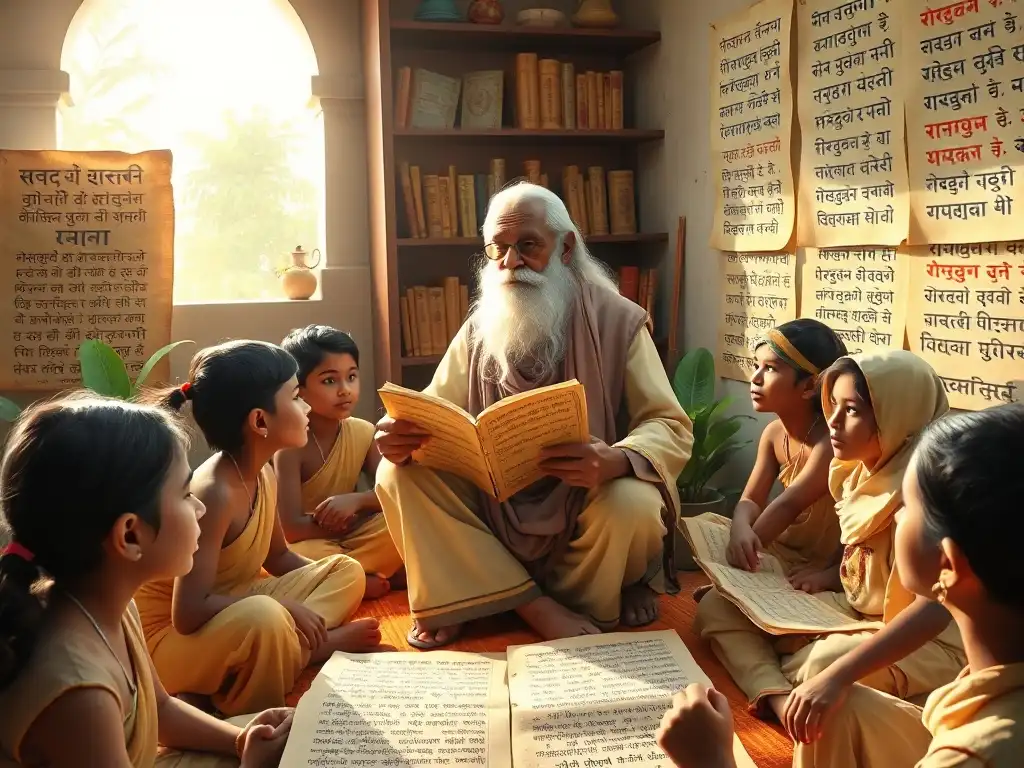
The revival of Sanskrit in contemporary India faces a multitude of challenges that hinder its widespread acceptance and use. While there is a growing interest in this ancient language, several factors contribute to its struggle for relevance in modern society.
Attitudes Towards Sanskrit in Contemporary India
The perception of Sanskrit varies significantly across different segments of Indian society. For many, Sanskrit is seen primarily as a liturgical language, used predominantly in religious contexts. This belief can limit its application in daily life and diminish its perceived utility.
- Cultural Perception: Some view Sanskrit as a language of the elite, often associated with Brahmanical traditions. This association can alienate segments of the population who feel disconnected from these cultural roots.
- Educational System: The current educational framework often prioritizes modern languages over classical ones. Despite the inclusion of Sanskrit in school curricula, it is frequently relegated to a secondary status, limiting students’ exposure and engagement with the language.
As a result, while there is a subset of enthusiasts advocating for the revival of Sanskrit, the general attitude remains lukewarm, which poses a significant barrier to its revitalization.
The Need for Modern Adaptation of Sanskrit
To foster the revival of Sanskrit, it is crucial to adapt it for modern contexts. This involves integrating the language into contemporary platforms and discussions.
- Technological Integration: The development of digital tools, applications, and online courses can help make Sanskrit more accessible. For instance, creating language-learning apps that utilize gamification can attract younger audiences.
- Literary and Scientific Contributions: Emphasizing the contemporary relevance of Sanskrit through its vast literature and contributions to science can help bridge the gap. The exploration of ancient texts in fields such as mathematics, medicine, and philosophy highlights the language’s value in modern scholarship.
By modernizing the approach to Sanskrit, it can be repositioned as a dynamic language capable of contributing to today’s dialogues.
Addressing Misconceptions About Sanskrit
Misconceptions surrounding Sanskrit often hinder its revival efforts. Addressing these misunderstandings is essential for fostering a more informed appreciation of the language.
- Sanskrit as a Dead Language: One common misconception is that Sanskrit is a "dead" language with no practical use in modern communication. However, it is essential to recognize that many languages evolve over time, and Sanskrit can similarly adapt to contemporary needs.
- Exclusivity: There is a belief that Sanskrit is only for scholars or religious practitioners. In reality, Sanskrit can be learned and enjoyed by anyone interested in the richness of Indian heritage and culture.
By combating these misconceptions through education and outreach, advocates for the revival of Sanskrit can create a more inclusive atmosphere that encourages broader participation in learning and using the language.
The Future of Sanskrit: Opportunities and Initiatives
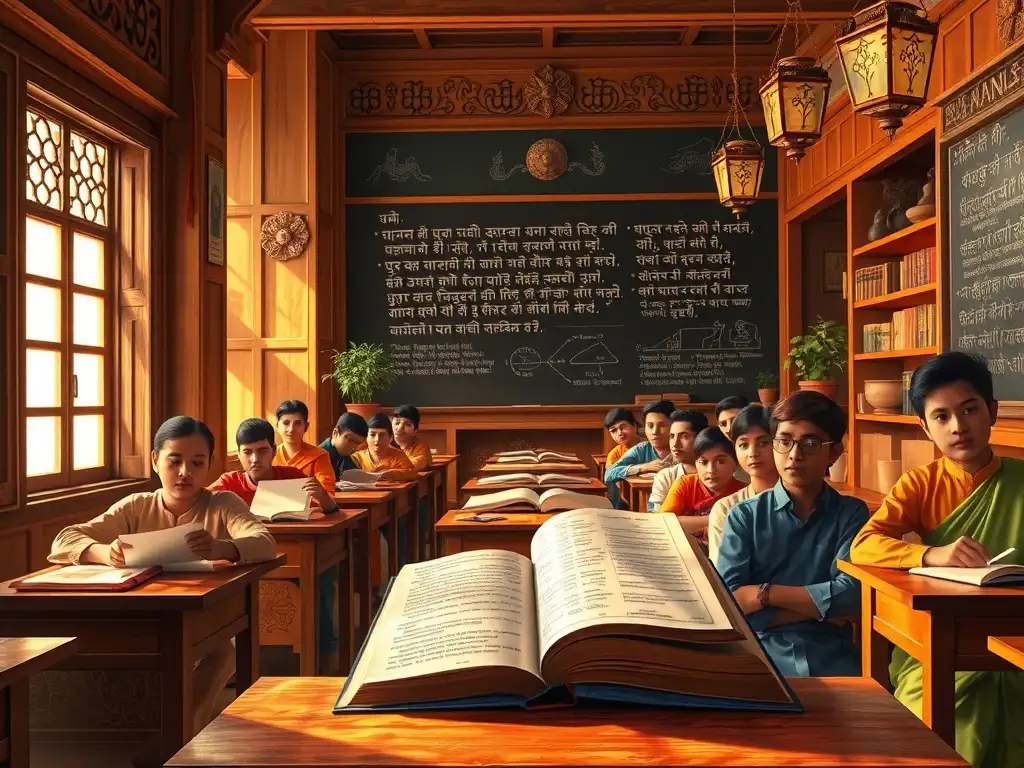
As interest in the Sanskrit language continues to grow, various opportunities and initiatives are emerging to promote its use and relevance in contemporary society. The revival of Sanskrit is not merely a nostalgic endeavor; it encompasses educational, cultural, and technological dimensions that can significantly impact modern India. Understanding these initiatives can illuminate the path forward for Sanskrit, emphasizing its importance in India today.
Educational Programs Supporting Sanskrit Learning
Educational institutions across India are increasingly recognizing the value of Sanskrit and implementing programs to facilitate its learning. Many universities have introduced specialized courses, ranging from introductory levels to advanced studies, focusing on the language, literature, and philosophy of Sanskrit.
Notable Educational Initiatives:
- Undergraduate and Graduate Programs: Numerous universities, such as Banaras Hindu University and Jawaharlal Nehru University, offer dedicated degrees in Sanskrit. These programs often combine traditional learning with contemporary linguistic studies.
- Certification Courses: Short-term certification courses have become popular, providing a gateway for those interested in learning Sanskrit without committing to a full degree. These courses are designed for both students and professionals, catering to diverse audiences.
- Online Learning Platforms: With the rise of digital education, platforms like Coursera and edX now feature Sanskrit courses that can be accessed globally. This accessibility encourages a wider demographic to engage with the language.
Furthermore, the incorporation of Sanskrit into school curricula, especially in states like Karnataka and Maharashtra, highlights a growing acknowledgment of its cultural significance. Schools are offering Sanskrit as a second language, which not only helps in preserving the language but also instills respect for its literary heritage.
Community Initiatives for Sanskrit Usage
Community-driven initiatives play a crucial role in the revival of Sanskrit, fostering its everyday use and cultural appreciation. Various organizations and groups work tirelessly to create environments where Sanskrit can thrive.
Key Community Efforts:
- Sanskrit Speaking Clubs: Groups dedicated to conversing in Sanskrit have emerged in urban and rural areas alike. These clubs encourage participants to practice spoken Sanskrit, making the language more accessible and less intimidating.
- Cultural Festivals: Events such as the annual “Sanskrit Mahotsav” celebrate the language through performances, workshops, and exhibitions. These festivals not only promote the beauty of Sanskrit literature and arts but also engage audiences of all ages.
- Social Media Campaigns: The rise of social media has enabled various organizations to launch campaigns aimed at popularizing Sanskrit. Hashtags like #SanskritForAll encourage users to share content in Sanskrit, creating a contemporary space for the language.
Community initiatives underline the importance of grassroots efforts in promoting Sanskrit. They foster a sense of belonging and community, encouraging individuals to reclaim and celebrate their linguistic heritage.
The Role of Technology in Reviving Sanskrit
Technology is reshaping the way languages are learned and used, and Sanskrit is no exception. Innovative tools and platforms are emerging that leverage technology to enhance the learning experience and promote language use.
Technological Innovations:
- Language Apps: Applications such as “Sanskrit Dictionary” and “Learn Sanskrit” provide users with resources for vocabulary building, grammar, and pronunciation. These apps cater to both beginners and advanced learners, making Sanskrit learning more approachable.
- Digital Archives: The digitization of ancient texts and manuscripts has expanded access to Sanskrit literature. Initiatives like the "Digital Library of India" provide online access to countless texts, preserving them for future generations.
- AI and Machine Learning: The application of AI in language processing is revolutionizing how Sanskrit is perceived and interacted with. Tools that translate Sanskrit to other languages facilitate greater understanding and appreciation among non-Sanskrit speakers.
The integration of technology in the promotion of Sanskrit not only makes it more accessible but also aligns with the digital age, ensuring that the language continues to evolve and remain relevant in contemporary discourse.
The future of Sanskrit is bright, marked by various educational programs, community initiatives, and technological advancements. Each of these elements underscores the importance of Sanskrit in India, ensuring that this ancient language not only survives but flourishes in the modern world.
Conclusion: The Importance of Sanskrit in Shaping India's Future

As we reflect upon the resurgence of Sanskrit in contemporary India, it becomes increasingly evident that this ancient language plays a crucial role in shaping the nation's cultural and intellectual landscape. The revival of Sanskrit is not merely a nostalgic return to the past; it is a strategic endeavor aimed at reinforcing India's rich heritage, enhancing educational frameworks, and fostering a deeper understanding of the country's philosophical and literary traditions.
Reflecting on the Revival of Sanskrit's Cultural and Educational Importance
The cultural significance of Sanskrit cannot be overstated. It is not just a language; it embodies the ethos and philosophical underpinnings of ancient Indian civilization. For many, Sanskrit serves as a gateway to understanding the vast corpus of ancient texts, including the Vedas, Upanishads, and classical epics. By reviving Sanskrit, we open the door to a treasure trove of knowledge that has shaped not only Indian thought but also contributed to global philosophical discourse.
- Preservation of Heritage: Sanskrit is a key to unlocking the history and cultural practices of ancient India. Initiatives to teach and promote Sanskrit in schools and universities help preserve this linguistic heritage for future generations.
- Interdisciplinary Studies: The study of Sanskrit encourages interdisciplinary research, linking areas such as philosophy, linguistics, history, and literature. This holistic approach enriches academic discourse and fosters critical thinking.
- Cognitive Benefits: Learning Sanskrit has been associated with enhanced cognitive skills, including improved memory and problem-solving abilities, due to its structured grammar and vocabulary complexity.
Moreover, the educational importance of Sanskrit is increasingly recognized. Educational institutions are beginning to incorporate Sanskrit into their curricula, promoting its study not just as a language but as an essential element of India's intellectual heritage.
Encouraging a New Generation to Embrace Sanskrit
To ensure the survival and growth of Sanskrit, it is essential to encourage a new generation to embrace this ancient language. This can be achieved through various strategic initiatives:
- Innovative Teaching Methods: Utilizing modern technology and interactive teaching methods can make learning Sanskrit more engaging for students. Online courses, mobile apps, and gamified learning can attract younger audiences.
- Cultural Programs: Organizing cultural events, workshops, and festivals centered around Sanskrit can spark interest and excitement among youth. These programs can highlight the relevance of Sanskrit in contemporary contexts, such as literature, music, and philosophy.
- Community Involvement: Engaging local communities and institutions in promoting Sanskrit can create a supportive environment for learners. Community classes and study groups can foster collaboration and peer learning.
The revival of Sanskrit is not just an academic endeavor; it is a vital movement towards cultural rejuvenation and intellectual empowerment in India. By recognizing the importance of Sanskrit in India, we can ensure that this ancient language continues to thrive, enriching the lives of future generations and contributing to a more profound understanding of our shared heritage.
Frequently Asked Questions
What is the importance of Sanskrit in India?
Sanskrit is considered the mother of many Indian languages and holds a significant cultural and historical value, influencing literature, philosophy, and religion in ancient India.
How has Sanskrit contributed to Indian literature?
Sanskrit is the language of many classical texts, including the Vedas, Upanishads, and epics like the Mahabharata, showcasing its profound impact on literature and philosophy.
Why is there a revival of Sanskrit today?
The revival of Sanskrit aims to reconnect with India's cultural heritage and promote its use in education, research, and spiritual practices, highlighting its timeless relevance.
What role does Sanskrit play in modern education?
Sanskrit is being integrated into modern curricula to encourage a deeper understanding of Indian philosophy, linguistics, and cultural studies, fostering a sense of national identity.
How can individuals contribute to the revival of Sanskrit?
Individuals can support the revival by learning the language, participating in Sanskrit workshops, and promoting its use in schools and communities, ensuring its legacy continues.
Final Reflection: The Timeless Importance of Sanskrit in India
The revival of Sanskrit is not merely a cultural renaissance; it is a profound acknowledgment of our roots and heritage. In today's fast-paced world, where globalization often overshadows local traditions, the importance of Sanskrit in India serves as a beacon of identity and continuity. As we navigate through modern challenges, embracing the wisdom embedded in this ancient language can empower us to forge a more meaningful connection with our past while shaping our future.
Sanskrit's influence extends beyond the realm of linguistics; it is a cornerstone of our philosophical, spiritual, and cultural identity. The resurgence of interest in this language is a testament to its enduring relevance in contemporary society. As we witness a growing movement to integrate Sanskrit into education and public discourse, we are reminded of the words of Mahatma Gandhi: A language is something infinitely greater than grammar and philology. It is the poetic testament of the genius of a race and culture, and the living embodiment of the thoughts and fancies that have moulded them.
This observation highlights not only the linguistic significance of Sanskrit but also its role in shaping the collective consciousness of India.
As we reflect on the importance of Sanskrit in our lives, let us embrace the opportunity to explore this rich linguistic heritage. I invite you to engage with Sanskrit, whether through learning its intricacies, appreciating its literature, or participating in community initiatives that promote its use. By doing so, we not only honor our ancestors but also enrich our own lives and contribute to a more culturally aware society. The revival of Sanskrit is not just about preserving a language; it is about rekindling a connection to our identity and the wisdom that has guided generations before us.
Revive Your Connection to Sanskrit Today!
Thank you for diving into the fascinating world of Sanskrit and its significance in our modern lives. You've explored how this ancient language enriches our culture and deepens our understanding of history. Now, it’s time to take action and become part of this revival!
Here are a few practical steps you can take:
- Join a local Sanskrit class or workshop: Immerse yourself in the language and experience its beauty firsthand.
- Share your knowledge: Discuss the significance of Sanskrit with friends and family or share insights on social media to inspire interest in this ancient language.
- Explore Sanskrit literature: Choose a book or online resource to start reading Sanskrit texts that resonate with you.
What aspect of Sanskrit excites you the most, and how do you plan to integrate it into your life? Let’s start a conversation!