
Ancient Indian Legal Practices and Their Influence on Modern Alternative Dispute Resolution

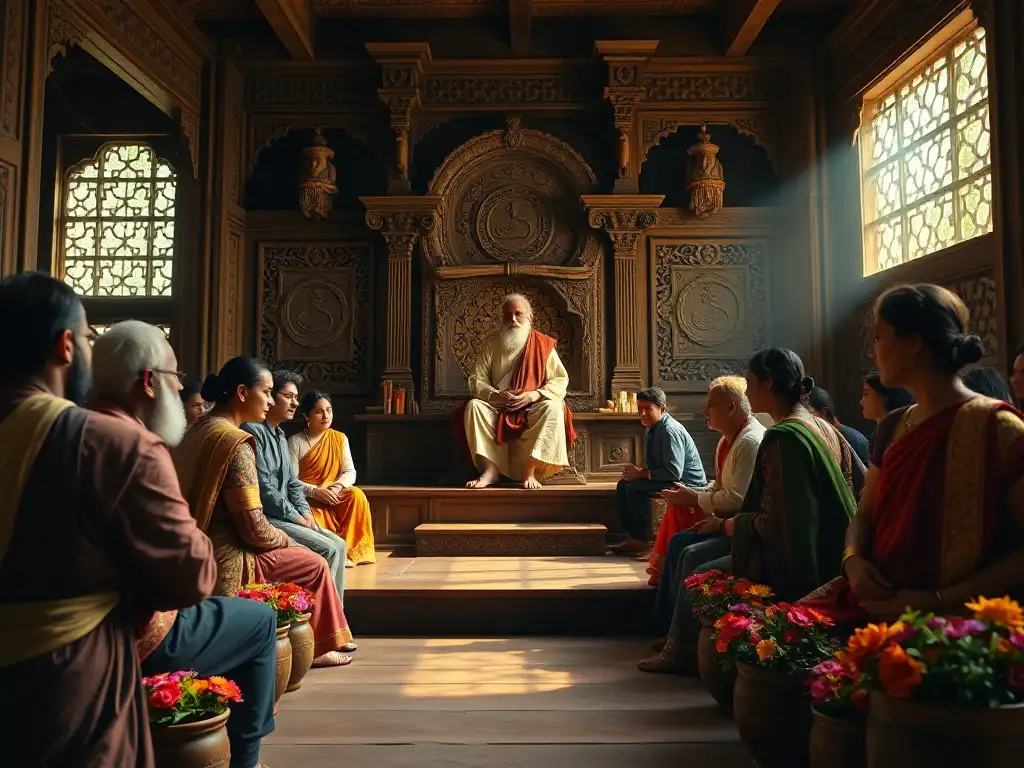
Welcome to Ancient India History, where we invite you to embark on a fascinating journey through time, uncovering the rich tapestry of cultures and civilizations that shaped the Indian subcontinent. In our featured article on ancient Indian legal practices, we delve into the intricate laws and codes that governed societies long before the modern era, exploring their profound influence on contemporary alternative dispute resolution methods. As you immerse yourself in the captivating world of ancient jurisprudence, prepare to discover how these age-old practices continue to resonate in today's legal frameworks. Curiosity awaits—let’s explore together!
- Introduction to Ancient Indian Legal Practices
- Historical Development of Legal Practices in Ancient India
- Key Features of Ancient Indian Legal Practices
- Influence of Ancient Indian Legal Practices on Modern Alternative Dispute Resolution
- Challenges and Critiques of Ancient Indian Legal Practices
- Conclusion: The Legacy of Ancient Indian Legal Practices
- References
-
Frequently Asked Questions
- What are ancient Indian legal practices?
- How did the Manusmriti contribute to legal practices in ancient India?
- What influence did ancient Indian legal practices have on modern alternative dispute resolution?
- How did the Gupta Empire impact legal systems in ancient India?
- Are there any contemporary applications of ancient Indian legal practices?
- Final Reflection: The Enduring Legacy of Ancient Indian Legal Practices
- Unveil the Power of Ancient Wisdom in Modern Dispute Resolution!
Introduction to Ancient Indian Legal Practices
The landscape of ancient Indian legal practices is a fascinating and complex tapestry that reflects the diverse cultures and societies that flourished in the Indian subcontinent. Spanning from the sophisticated urban centers of the Indus Valley Civilization to the philosophical advancements during the Gupta Empire, these practices not only laid the groundwork for legal systems but also influenced contemporary approaches to justice and conflict resolution.
This article delves into the intricacies of ancient Indian legal frameworks, highlighting their principles, procedures, and the profound impact they have had on modern alternative dispute resolution (ADR) mechanisms. By examining the foundational legal texts, customary laws, and the role of various judicial institutions, we aim to uncover the enduring legacy of ancient Indian legal practices in shaping today's legal landscape.
Overview of Legal Systems in Ancient India
Ancient India boasted a variety of legal systems that evolved over centuries, influenced by regional customs, religious beliefs, and philosophical schools. These systems can be broadly categorized into the following:
- Dharmashastras: Texts outlining the moral and ethical duties of individuals, which served as a primary source of law.
- Smritis: Traditional texts that provided guidelines on conduct and societal norms, allowing for flexibility according to local customs.
- Royal Edicts: Pronouncements by rulers that dictated legal standards and practices, often reflecting the king's authority and governance style.
The interplay between these systems created a dynamic legal environment. For instance, the Manusmriti, one of the most influential Dharmashastras, articulated various laws concerning family, property, and social duties, while also emphasizing the importance of justice and fairness in dispute resolution.
Significance of Ancient Indian Legal Practices in Historical Context
Understanding the significance of ancient Indian legal practices requires an exploration of their historical context and their lasting influence on modern legal systems. These practices were not merely arbitrary rules; they were deeply connected to the socio-political structures and cultural ethos of the time. Key points to consider include:
- Integration of Justice and Morality: Ancient Indian legal frameworks were grounded in the belief that law should align with ethical principles. This integration fostered a sense of social responsibility and community well-being.
- Alternative Dispute Resolution: The mechanisms for resolving conflicts often favored reconciliation and mediation over adversarial approaches. This emphasis on harmony and consensus is a cornerstone of modern ADR practices.
- Influence on Contemporary Legal Systems: Many principles from ancient Indian legal practices, such as panchayati raj (village council system) and mediation techniques, have found resonance in contemporary legal frameworks, particularly in regions influenced by Indian culture.
Ancient Indian legal practices not only serve as a fascinating historical study but also offer valuable insights into the evolution of legal thought and practice, highlighting their relevance in today's quest for equitable and efficient dispute resolution.
Historical Development of Legal Practices in Ancient India
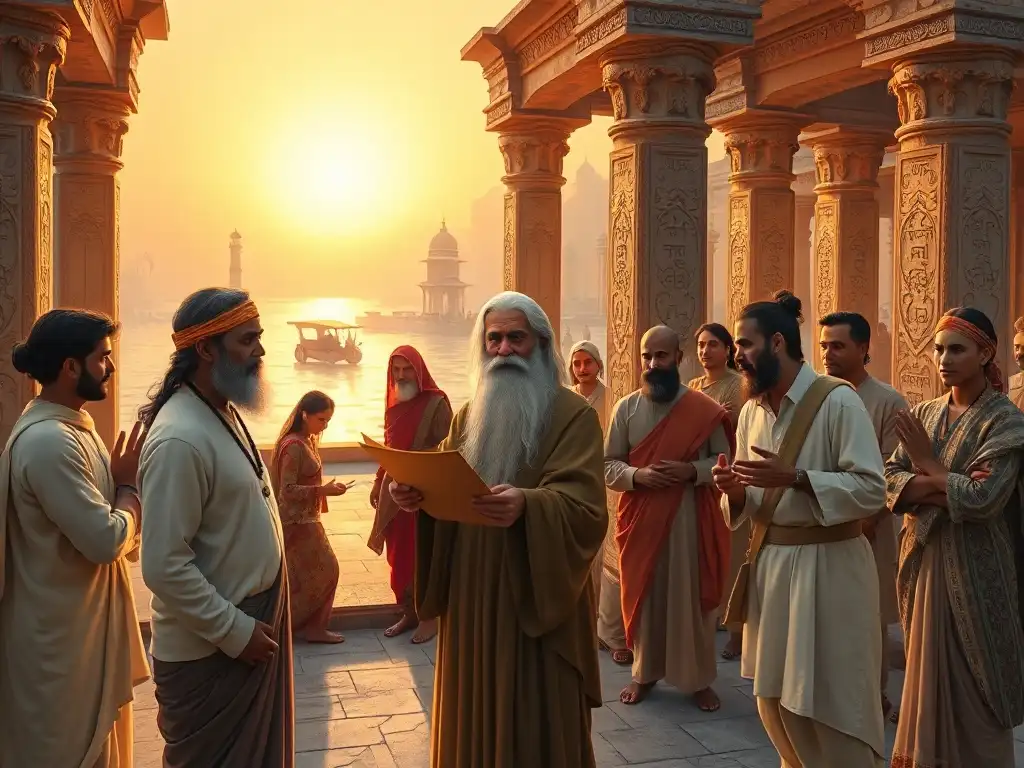
Early Legal Traditions in the Indus Valley Civilization
The Indus Valley Civilization, flourishing between 3300 BCE and 1300 BCE, is one of the earliest examples of urban planning and governance, which implies a sophisticated legal system. Archaeological evidence, such as seals, weights, and measures, suggests the existence of well-defined legal practices.
- Seals and Trade Regulations: The use of seals indicates that there were regulations governing trade and commerce. These inscriptions could represent a form of legal documentation, showcasing the importance of contracts and trade agreements in ancient Indian society.
- Urban Planning as a Legal Framework: The meticulous layout of cities like Harappa and Mohenjo-Daro reflects a legal structure governing urban life. The presence of public baths and drainage systems suggests that laws regarding hygiene and public welfare were in place, showcasing an early understanding of communal rights and responsibilities.
- Dispute Resolution Mechanisms: Evidence points to community-based mechanisms for dispute resolution, where elders likely played a key role. This system laid the groundwork for more formalized legal practices in later periods.
Vedic Legal Principles and Their Evolution
With the advent of the Vedic period (1500 BCE to 500 BCE), legal practices became more codified, drawing from religious texts and oral traditions. The Vedas, particularly the Yajurveda and Atharvaveda, contain references to legal principles that influenced later judicial practices.
- Dharma and Its Significance: The concept of Dharma, which denotes duty, morality, and law, became central in Vedic society. It provided a framework for ethical behavior and legal obligations, influencing social order and justice.
- Conflict Resolution through Sacrifices: Rituals and sacrifices were employed as means to resolve conflicts, illustrating the intertwining of law and spirituality. This practice reflects an early understanding of mediation and the importance of appeasing deities for societal harmony.
- Gradual Codification of Laws: Over time, Vedic texts began to codify legal principles. This culminated in the formation of Smritis, which served as guidelines for social conduct and legal frameworks, marking a significant evolution in ancient Indian legal practices.
The Role of Manusmriti in Shaping Legal Norms
The Manusmriti, composed around the 2nd century BCE, stands as one of the most influential texts in ancient Indian legal tradition. This text outlines a comprehensive set of laws and social norms that governed various aspects of life.
- Varna System and Legal Hierarchies: The Manusmriti codified social hierarchies based on the Varna system, which assigned roles and responsibilities to different classes. This classification had profound implications for legal rights and obligations, influencing the application of laws based on social standing.
- Regulation of Family and Property Laws: The text provides detailed regulations concerning marriage, inheritance, and property ownership. These legal norms established frameworks for family relations and property rights, ensuring social stability and order.
- Influence on Modern Legal Systems: The principles laid out in the Manusmriti continue to resonate in contemporary alternative dispute resolution practices in India. Concepts such as mediation, arbitration, and community-based conflict resolution draw heavily from these ancient legal practices, demonstrating their lasting influence on modern legal frameworks.
Ancient Indian legal practices have a rich historical context that has significantly influenced contemporary legal systems, especially in the realm of alternative dispute resolution. Understanding these practices provides valuable insights into the evolution of law and justice in Indian society.
Key Features of Ancient Indian Legal Practices
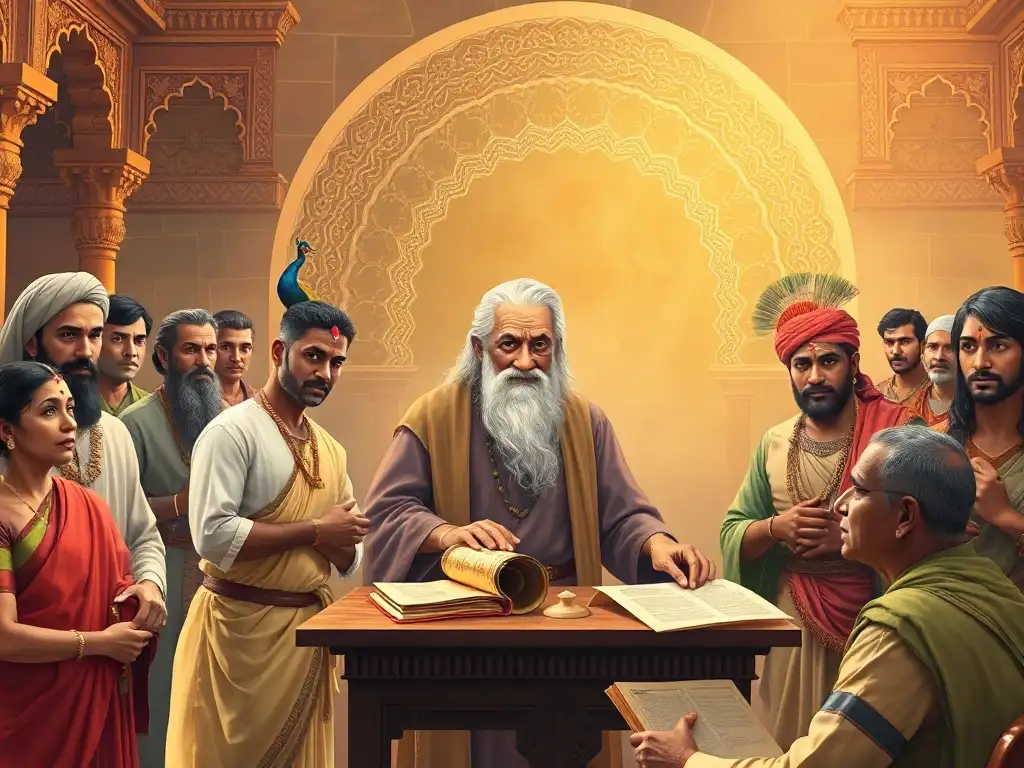
Ancient Indian legal practices were characterized by a unique blend of formal and informal mechanisms that facilitated conflict resolution and upheld societal norms. They were deeply rooted in the cultural and social fabric of the time, reflecting the values and principles of ancient Indian civilization. Understanding these key features provides insight into how ancient Indian legal practices laid the groundwork for modern alternative dispute resolution (ADR) methods.
Community-Based Dispute Resolution
One of the most notable aspects of ancient Indian legal practices was their emphasis on community-based dispute resolution. Local communities often played a central role in resolving conflicts, relying on traditional practices and the wisdom of elders. This approach reflected a profound understanding of the social dynamics at play, as community members were typically more attuned to the nuances of interpersonal relationships than formal courts.
- Panchayati System: The Panchayat, a council of elders, was instrumental in settling disputes. Comprised of respected community members, the Panchayat would listen to both parties, assess the situation, and provide a verdict. This system emphasized mediation and reconciliation, aiming to restore harmony rather than impose punitive measures.
- Consensus-Building: Dispute resolution often involved a collaborative approach, where the parties sought a solution agreeable to all. This consensus-building method encouraged dialogue and understanding, fostering a sense of community solidarity.
- Restorative Justice: Rather than focusing solely on punishment, ancient practices often aimed at restoring the injured party's dignity and status within the community. This restorative approach is echoed in modern ADR practices, which prioritize healing relationships over adversarial confrontations.
Religious Influence on Legal Practices
Religion played a significant role in shaping ancient Indian legal practices, intertwining moral and ethical principles with legal codes. The texts of Hindu law, particularly the Manusmriti, provided guidelines that were both legal and spiritual in nature.
- Dharma: The concept of Dharma, or righteous duty, was central to legal practices. Individuals were expected to act in accordance with their Dharma, which varied based on their social status, occupation, and personal circumstances. This moral framework influenced not only personal conduct but also judicial decisions.
- Religious Courts: Many disputes were settled in religious courts, where priests or religious leaders presided. These courts often dealt with matters such as marriage, inheritance, and moral transgressions, reinforcing the connection between law and religion.
- Rituals and Oaths: Legal proceedings frequently involved rituals and oaths, believed to invoke divine support for the truth. The use of oaths in court, as a means of ensuring honesty, remains a practice in modern legal systems.
The Role of Kings and Governance in Legal Matters
The governance structure of ancient India significantly influenced legal practices, with kings serving as both rulers and arbiters of justice. The authority of the king was often seen as a reflection of divine will, and this perception shaped the legal landscape.
- Royal Edicts: Kings issued edicts (or Prasasti) that codified laws and regulations, establishing a formal legal framework. These texts provided guidelines for governance, covering various aspects of social life, including trade, property rights, and criminal offenses.
- Judicial Functions of Kings: Kings often held court, where they would personally adjudicate significant disputes. This direct involvement not only reinforced their authority but also highlighted the expectation of fairness and justice from the ruling class.
- Balancing Power: While the king held significant power, ancient Indian legal practices also included checks and balances. Local leaders, or Rajukas, played a role in governance, ensuring that justice was administered fairly and in accordance with local customs.
The key features of ancient Indian legal practices—community-based dispute resolution, religious influences, and the role of kings—collectively contributed to a rich tapestry of justice that resonates in modern alternative dispute resolution methods. These practices not only facilitated harmony within communities but also laid the groundwork for contemporary legal systems.
Influence of Ancient Indian Legal Practices on Modern Alternative Dispute Resolution
Transition from Traditional to Modern Legal Systems
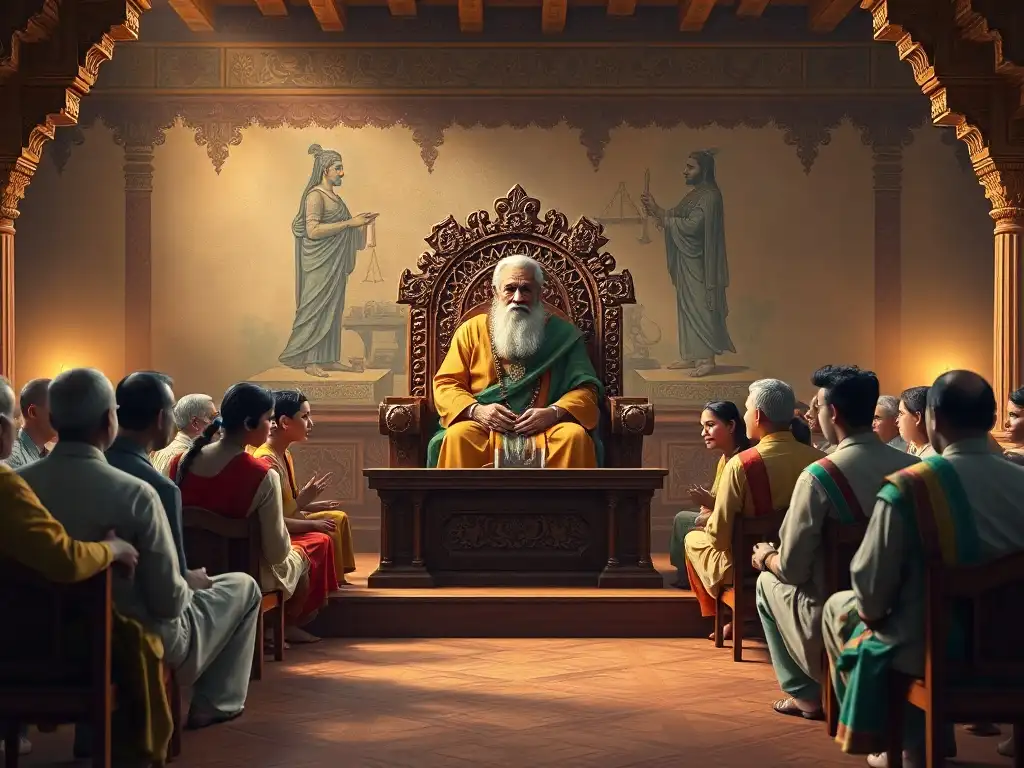
The transition from traditional legal systems to modern alternative dispute resolution (ADR) mechanisms can be traced back to the foundational principles established by ancient Indian legal practices. In ancient India, the legal framework was deeply intertwined with social norms, customs, and the spiritual ethos of the society. Disputes were often resolved through community-based approaches, emphasizing harmony and mutual respect.
One significant aspect of ancient Indian legal practices was the role of local panchayats or councils. These councils, composed of respected community members, operated as informal courts to mediate disputes. They relied on traditional wisdom, collective consensus, and restorative justice principles rather than punitive measures. This method of dispute resolution laid the groundwork for modern ADR strategies, which prioritize collaboration over confrontation.
In contemporary settings, we see a shift towards similar principles in ADR processes such as mediation and conciliation. These methods encourage parties to engage in dialogue, seeking mutually beneficial outcomes rather than engaging in adversarial litigation. The emphasis on community involvement and consensus from ancient practices has been revived and adapted to modern contexts, highlighting the enduring influence of ancient Indian legal practices.
Comparative Analysis: Ancient Practices vs. Modern ADR Techniques
To understand the influence of ancient Indian legal practices on modern ADR techniques, it is essential to conduct a comparative analysis of both systems. Below is a detailed comparison:
| Aspect | Ancient Indian Legal Practices | Modern ADR Techniques |
|---|---|---|
| Nature of Dispute Resolution | Community-based and restorative | Collaborative and interest-based |
| Role of Authority | Local panchayats with community respect | Trained mediators or arbitrators |
| Focus | Harmony, social cohesion, and restoration | Efficiency, speed, and satisfaction |
| Outcome | Consensus and mutual agreement | Binding agreements or settlements |
| Cultural Context | Deeply rooted in societal norms and spirituality | Structured legal frameworks and regulations |
The above table illustrates that while the structures have evolved, the core values of resolving disputes amicably remain consistent. Ancient practices emphasized reconciliation, which has been mirrored in modern ADR approaches that focus on preserving relationships and fostering understanding among disputing parties.
Case Studies of Successful Modern ADR Inspired by Ancient Practices
Several contemporary case studies highlight the successful application of ancient Indian legal principles in modern ADR contexts. Here are a few notable examples:
- Mediation in Family Disputes: Many family courts in India now incorporate mediation techniques inspired by the community-based dispute resolution methods of ancient times. Programs that facilitate discussions among family members highlight the importance of communication and understanding, reminiscent of the panchayat system.
- Village-Level ADR Initiatives: In rural areas, initiatives such as Lok Adalats (people's courts) embody the spirit of ancient panchayats. These courts resolve disputes at the community level, applying principles from ancient practices to ensure culturally sensitive and locally accepted resolutions.
- Corporate Mediation Programs: Corporations increasingly seek mediation processes that emphasize collaborative problem-solving. By adopting the consensus-driven approach of ancient Indian practices, businesses have seen enhanced relationships and reduced litigation costs.
These case studies demonstrate how ancient Indian legal practices continue to inform and shape modern ADR processes, leading to more effective and culturally adaptable solutions within the contemporary legal landscape.
Challenges and Critiques of Ancient Indian Legal Practices
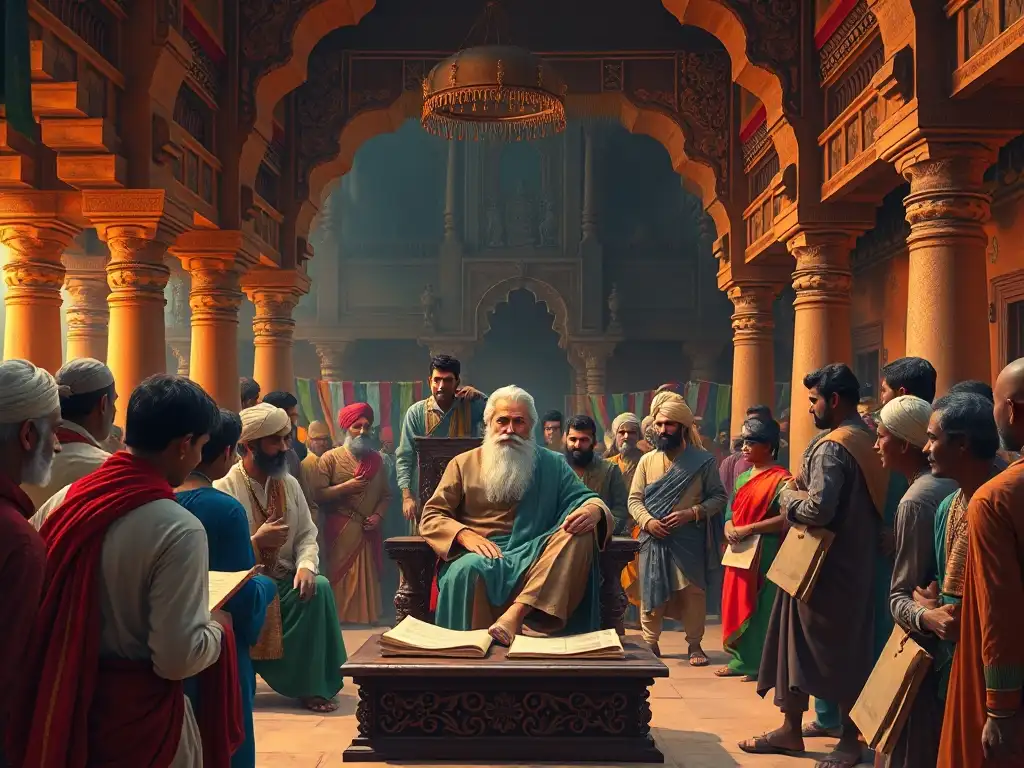
Ancient Indian legal practices have long been a subject of admiration for their complexity and depth. However, like any historical framework, they are not without their challenges and critiques. Understanding these limitations is crucial for appreciating how ancient frameworks have shaped modern alternative dispute resolution systems.
Limitations of Ancient Dispute Resolution Methods
Ancient Indian legal practices, while sophisticated, faced several limitations that can be categorized into structural, cultural, and procedural issues:
- Lack of Formal Codification:
- Many legal principles were derived from oral traditions, making them susceptible to variations and misinterpretations. The absence of standardized legal codes often led to inconsistencies in legal outcomes.
- Caste-Based Disparities:
- The caste system deeply influenced legal practices. Dispute resolution could be biased, favoring higher castes while marginalizing lower castes. This inherent inequality often resulted in unjust outcomes for a significant portion of the population.
- Limited Accessibility:
- Legal processes were not universally accessible. The elite often controlled legal proceedings, leaving the common populace without adequate representation or recourse. This barrier limited the effectiveness of dispute resolution methods for the masses.
- Cultural Constraints:
- Social norms and cultural beliefs significantly shaped legal practices. In many cases, practices such as mediation and arbitration were influenced by prevailing societal values, which may not have accounted for individual rights or modern notions of justice.
- Inadequate Mechanisms for Enforcement:
- While dispute resolution methods existed, there were often insufficient mechanisms for enforcing decisions. This lack of enforcement could lead to repeated disputes and a lack of faith in the resolution process.
Misinterpretations and Misapplications in Modern Context
The influence of ancient Indian legal practices on contemporary systems is profound, yet it is often marked by misinterpretations and misapplications:
- Overgeneralization of Ancient Principles:
- Modern scholars sometimes overgeneralize ancient legal principles without considering the contextual nuances of the time. This can lead to a simplistic understanding that fails to capture the complexity of ancient practices.
- Inapplicability to Modern Legal Frameworks:
- Certain ancient practices may not be directly applicable to contemporary legal systems. For instance, the reliance on communal consensus in dispute resolution may clash with individual rights emphasized in modern laws.
- Misuse of Cultural Practices:
- In some instances, modern practitioners may invoke ancient methods to legitimize practices that do not align with the original intent or context. This can distort the true nature of ancient practices, leading to ineffective or unjust resolutions.
- Ignoring Evolution of Legal Thought:
- The evolution of legal thought from ancient to modern times is often overlooked. Many modern legal principles have emerged as responses to the limitations of ancient practices, and failing to recognize this progression can hinder effective legal discourse.
- Cultural Appropriation:
- The adoption of ancient practices in modern legal frameworks can sometimes border on cultural appropriation. When these methods are utilized without a true understanding of their historical context, they risk undermining the original practices and their significance.
Understanding these challenges and critiques of ancient Indian legal practices is essential for effectively integrating their principles into modern alternative dispute resolution systems. By recognizing the limitations and avoiding misapplications, we can foster a more nuanced and equitable approach to dispute resolution that respects both tradition and contemporary values.
Conclusion: The Legacy of Ancient Indian Legal Practices
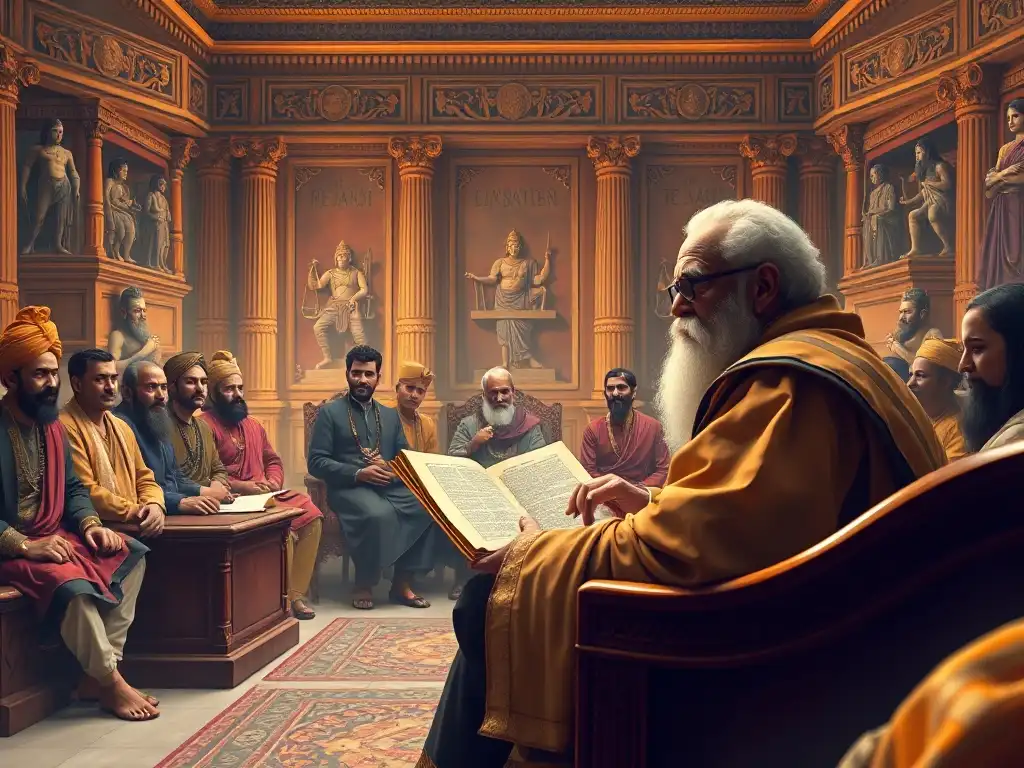
The rich tapestry of ancient Indian legal practices has left a profound and lasting impact on contemporary judicial systems and alternative dispute resolution (ADR) methods. These practices, rooted in ancient texts and customs, established foundational principles that resonate in today's legal frameworks. From the Dharma Shastras, which emphasized moral and ethical conduct, to the procedural norms reflected in ancient courts, the legacy of these practices continues to influence modern legal thought.
One of the most notable aspects of ancient Indian legal practices is their emphasis on community involvement in the resolution of disputes. Traditional approaches often favored mediation and negotiation over adversarial litigation, a principle that is increasingly embraced in modern ADR. This community-centric focus allowed for resolutions that were not only legally sound but culturally relevant, fostering social harmony.
Furthermore, the ancient legal systems' recognition of diverse perspectives and localized customs laid the groundwork for the pluralistic legal environment we see today. The adaptability of these practices to different regional contexts can inform current efforts to create more inclusive and effective legal solutions, particularly in multicultural societies.
Lasting Impacts on Contemporary Legal Frameworks
The influences of ancient Indian legal practices extend into various contemporary legal frameworks, particularly in the realms of mediation and arbitration. The following points illustrate these impacts:
- Mediation as a Preferred Method: The ancient practice of resolving conflicts through mediation is evident in modern ADR. Many legal systems now promote mediation as a first step in dispute resolution, valuing its efficiency and ability to preserve relationships.
- Cultural Sensitivity in Legal Processes: Ancient practices showcased an understanding of cultural contexts in legal proceedings. Today, there is a growing recognition of the need for culturally sensitive approaches in legal systems, particularly in countries with diverse populations.
- Emphasis on Ethical Conduct: The principles derived from ancient texts underscore the importance of ethics in legal practice. Modern legal frameworks increasingly prioritize ethical standards, aligning closely with the moral imperatives found in ancient Indian legal thought.
| Aspect of Influence | Ancient Indian Practices | Modern Applications |
|---|---|---|
| Conflict Resolution | Mediation and negotiation | ADR processes |
| Community Involvement | Localized decision-making | Family and community courts |
| Ethical Standards | Dharma Shastras | Legal ethics codes |
The harmonious blend of these ancient practices with contemporary legal principles offers a pathway for enhancing the effectiveness of legal systems worldwide.
Future Directions for Research and Practice in Alternative Dispute Resolution
As we look to the future, the exploration of ancient Indian legal practices offers a rich vein of insights for scholars and practitioners in the field of alternative dispute resolution. Several key areas warrant further investigation:
- Integration of Traditional Practices: Research could focus on how ancient mediation techniques can be integrated into modern practices. This could involve studying historical case studies to identify effective methods and principles that can be adapted today.
- Cultural Competence in ADR: The importance of cultural sensitivity in conflict resolution cannot be overstated. Future studies might explore how ancient practices can inform the development of culturally competent ADR frameworks that respect and incorporate diverse cultural backgrounds.
- Comparative Analysis: A comparative analysis between ancient Indian legal frameworks and other historical legal systems could yield insights into universal principles of justice and resolution. This could enhance our understanding of global legal practices and their evolution.
- Interdisciplinary Approaches: Emphasizing interdisciplinary research that combines law, anthropology, and sociology can provide a more holistic view of ancient practices and their implications for modern ADR.
The exploration of ancient Indian legal practices not only enriches our understanding of historical legal systems but also paves the way for innovative approaches to contemporary dispute resolution. As we continue to study these practices, we can uncover valuable lessons that contribute to a more just and harmonious society.
References

Key Texts and Sources on Ancient Indian Legal Practices
Ancient Indian legal practices are documented in several significant texts and sources that provide insights into the legal systems of the time. These texts not only illustrate the procedural aspects of law but also reflect the philosophical and moral underpinnings of ancient Indian society. Below are some of the key texts that are essential for understanding ancient Indian legal practices:
-
Manusmriti (Laws of Manu):
Considered one of the most authoritative texts on ancient Hindu law, the Manusmriti outlines various legal codes, moral duties, and social responsibilities. It covers topics such as property rights, inheritance, and the roles of different social classes in the legal system.
-
Yajnavalkya Smriti:
This text is another essential legal manuscript that discusses civil and criminal law, providing guidelines for judicial procedures and the roles of judges. It is known for its more refined approach to law compared to the Manusmriti.
-
Nītiśāstra:
A genre of texts focused on ethics and governance, the Nītiśāstra includes works that address the principles of just rule and the administration of justice. Authors like Kautilya (Chanakya) contributed to this body of work, emphasizing the importance of law in governance.
-
Dharmashastras:
These texts encompass various treatises on dharma (moral and legal duties), discussing the responsibilities of individuals and the social order. They serve as a foundation for understanding the intersection of law and ethics in ancient Indian society.
-
Court Records and Inscriptions:
Archaeological findings, such as inscriptions and court records from ancient Indian kingdoms, provide tangible evidence of legal practices. These records often detail judgments, legal disputes, and the functioning of courts.
Quote: "The application of law in ancient India was deeply intertwined with the philosophical ideals of justice and morality."
Further Reading on the Influence of Ancient Law on Modern Systems
The legacy of ancient Indian legal practices extends far beyond historical significance; they have also influenced contemporary legal systems, particularly in the realm of Alternative Dispute Resolution (ADR). Here are some recommended readings that explore this connection:
-
"The Role of Mediation in Ancient Indian Legal Practices":
This article examines how mediation was employed in ancient India as a means of resolving disputes, highlighting techniques and principles that are still relevant in modern ADR practices.
-
"Comparative Analysis of Ancient and Modern Legal Frameworks":
This text provides a comprehensive comparison of ancient Indian legal concepts with modern legal systems, focusing on conflict resolution methods and the adaptability of ancient practices in today's context.
-
"Cultural Influences on Legal Practices: Ancient India to Modern Times":
This book delves into the cultural and philosophical influences that shaped legal practices in ancient India and their continuity in modern legal frameworks, particularly in ADR.
-
"The Evolution of Dispute Resolution in India":
A scholarly work that traces the evolution of dispute resolution mechanisms from ancient times to the present day, emphasizing the relevance of ancient practices in contemporary legal systems.
-
"Mediation and the Indian Legal System":
This publication explores the role of mediation as a preferred method of dispute resolution in India, drawing parallels to ancient practices and discussing their impact on modern law.
By studying these texts and sources, readers can gain a comprehensive understanding of ancient Indian legal practices and their enduring influence on contemporary legal systems, particularly in the field of alternative dispute resolution.
Frequently Asked Questions
What are ancient Indian legal practices?
Ancient Indian legal practices refer to the systems of law and judicial procedures that were developed in India, particularly during the Indus Valley Civilization and later periods, influencing modern legal frameworks.
How did the Manusmriti contribute to legal practices in ancient India?
The Manusmriti, an ancient legal text, laid down important laws and ethical guidelines that governed personal conduct, property rights, and social duties, significantly shaping the legal landscape of ancient India.
What influence did ancient Indian legal practices have on modern alternative dispute resolution?
Ancient Indian legal practices emphasized mediation and negotiation, which resonate with modern alternative dispute resolution methods, fostering a focus on amicable settlements rather than litigation.
How did the Gupta Empire impact legal systems in ancient India?
The Gupta Empire is known for its advancements in administration and law, promoting codified laws and a system of justice that encouraged fair trials and an organized approach to dispute resolution.
Are there any contemporary applications of ancient Indian legal practices?
Yes, many contemporary legal practitioners and mediators draw inspiration from ancient Indian texts and practices, integrating cultural wisdom into modern conflict resolution strategies.
Final Reflection: The Enduring Legacy of Ancient Indian Legal Practices
Ancient Indian legal practices have not only shaped the foundations of justice in their time but continue to resonate in today's methods of conflict resolution. The principles of fairness, community involvement, and restorative justice that were prevalent in ancient India are now finding renewed relevance in modern alternative dispute resolution (ADR) mechanisms. As we navigate a world increasingly characterized by complexity and conflict, these age-old practices remind us that wisdom can transcend time and inform contemporary solutions.
The influence of ancient Indian legal practices on today's social and cultural landscape is profound and multifaceted. From the village panchayats that emphasized consensus and collective decision-making to the intricate texts that guided ethical conduct, these practices have laid the groundwork for a more inclusive approach to justice. As we reflect on this legacy, we can appreciate the words of Mahatma Gandhi: An unjust law is itself a species of violence. Arrest for its breach is more so.
This sentiment echoes the ancient ethos that justice should not only be about punishment but about healing and restoration, a principle that is increasingly vital in our modern legal systems.
As we conclude this exploration, I invite you to reflect on how the lessons from ancient Indian legal practices can be integrated into your own life and community. Consider how you might embrace principles of dialogue, empathy, and collaboration in resolving conflicts around you. By applying these timeless values, we can contribute to a more harmonious society and honor the wisdom of our ancestors, ensuring that their legacy continues to thrive in our modern world.
Unveil the Power of Ancient Wisdom in Modern Dispute Resolution!
Thank you for taking the time to explore the fascinating intersection of ancient Indian legal practices and modern alternative dispute resolution. By diving into this rich history, you've uncovered valuable insights that can enhance your understanding of contemporary methodologies. Now, it's time to put that knowledge into action!
Here’s how you can deepen your engagement and make a meaningful impact:
- Start a dialogue: Engage with friends or colleagues about how ancient practices can reshape modern conflict resolution. Share your discoveries!
- Implement what you learned: Consider integrating principles from ancient Indian legal traditions into your own negotiation or mediation strategies.
- Join a community: Connect with local or online groups focused on conflict resolution to exchange ideas and insights inspired by historical practices.
Which aspect of ancient Indian legal practices do you believe could bring the most transformative change to today's dispute resolution methods?