
Decoding the Legal Codes of Ancient India: What They Reveal About Society


Welcome to Ancient India History, where we embark on a fascinating journey through the rich tapestry of ancient Indian civilizations. In our featured article, “Decoding the Legal Codes of Ancient India: What They Reveal About Society,” we delve into the intricate world of ancient Indian legal codes—systems that not only governed the lives of millions but also reflected the societal values and norms of their time. What secrets do these codes hold about the foundations of justice and order in ancient times?
Join us as we unravel the mysteries of these legal frameworks and their lasting impact on modern society. Your exploration of history starts here!
- Introduction to Ancient Indian Legal Codes
- Historical Context of Ancient Indian Legal Codes
- Key Ancient Indian Legal Codes
- Components of Ancient Indian Legal Systems
- Social Implications of Ancient Indian Legal Codes
- Comparison of Ancient Indian Legal Codes with Modern Legal Systems
- Conclusion: The Legacy of Ancient Indian Legal Codes
- References and Further Reading on Ancient Indian Legal Codes
-
Frequently Asked Questions
- What were the ancient Indian legal codes?
- How did the ancient Indian legal codes influence society?
- Were the ancient Indian legal codes uniform across all regions?
- What were the key principles outlined in the ancient Indian legal codes?
- How have the ancient Indian legal codes impacted modern legal systems?
- Final Reflection: Unveiling the Wisdom of Ancient Indian Legal Codes
- Uncover the Wisdom of Ancient Codes!
Introduction to Ancient Indian Legal Codes
The legal codes of ancient India serve as a fascinating window into the societal norms, values, and governance structures of one of the world's oldest civilizations. From the intricate laws of the Indus Valley Civilization to the more structured codes during the Gupta Empire, these legal frameworks reveal how ancient Indian societies balanced justice, morality, and order.
By examining these legal codes, we uncover not only the rules that governed daily life but also the philosophical underpinnings that shaped concepts of justice, punishment, and rights. This exploration is crucial for understanding the evolution of legal thought and practices that have influenced modern legal systems in India and beyond.
Overview of Legal Codes in Ancient India
Ancient Indian legal codes were diverse and evolved over millennia, reflecting the complexities of the societies from which they emerged. The most notable amongst these codes include the Manusmriti, Yajnavalkya Smriti, and the Narayana Smriti, each of which provides insights into the legal and moral priorities of the time.
- Manusmriti: Often considered the most important legal text, it outlines the duties and rights of individuals based on their varna (class) and ashrama (stage of life). It integrates legal principles with moral imperatives, emphasizing dharma (duty) as a guiding force in societal conduct.
- Yajnavalkya Smriti: This code is recognized for its systematic approach to law, addressing various aspects such as family law, property rights, and criminal offenses. It reflects a more pragmatic view of law, with a focus on social justice and equitable treatment.
- Narayana Smriti: This text provides a blend of traditional and contemporary legal thought, emphasizing the application of laws in a changing socio-political landscape.
These codes were not merely legal documents but were integral to the fabric of ancient Indian society, influencing everything from governance to personal relationships.
Importance of Studying Ancient Indian Legal Systems
Studying ancient Indian legal systems is critical for multiple reasons:
- Cultural Understanding: The legal codes provide insights into the cultural and ethical frameworks that guided ancient Indian civilizations. They reveal how societal norms were established and enforced, allowing us to appreciate the values that shaped daily life.
- Historical Context: Understanding the evolution of legal codes helps us trace the historical development of governance, justice, and law in India. This knowledge is vital for contextualizing contemporary legal practices and systems.
- Comparative Analysis: By examining ancient Indian legal codes alongside those from other civilizations, we can identify unique features and commonalities in legal thought. This comparative analysis enriches our understanding of global legal traditions.
- Influence on Modern Law: Many principles found in ancient Indian legal codes have persisted and evolved into modern legal frameworks. Studying these codes allows us to appreciate the continuity and change in legal thought over centuries.
The exploration of ancient Indian legal codes is not only essential for historians and legal scholars but also for anyone interested in the rich tapestry of human civilization and its ongoing evolution.
Historical Context of Ancient Indian Legal Codes
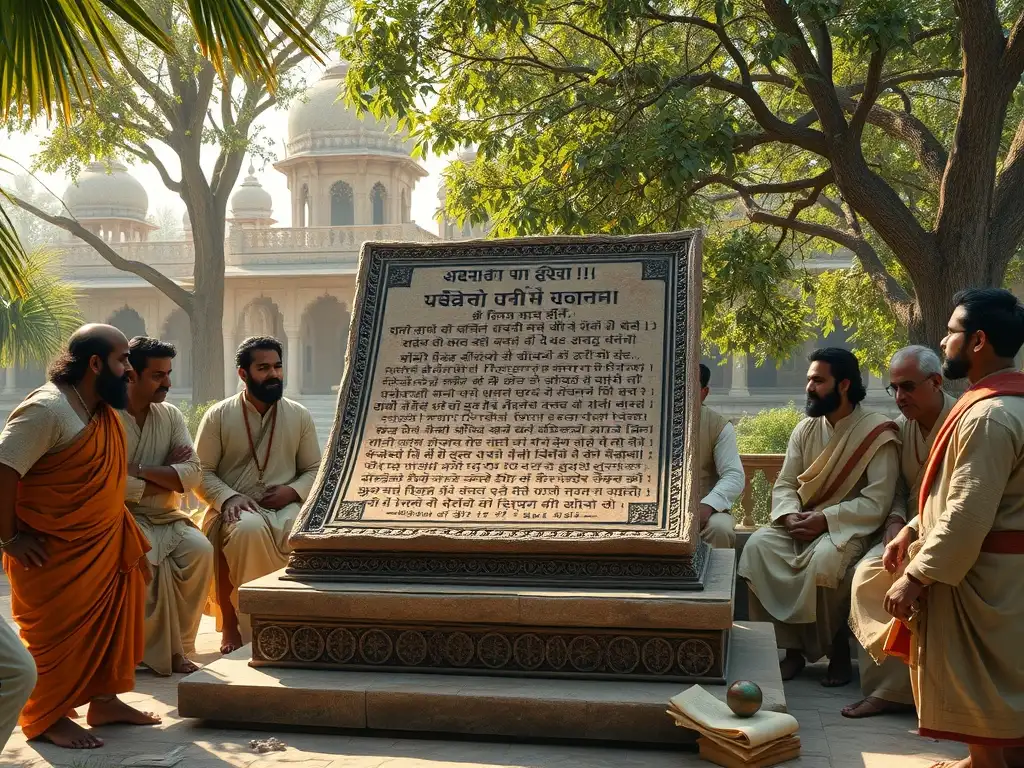
Understanding the historical context of ancient Indian legal codes reveals the intricate relationship between law, society, and culture in ancient India. The evolution of these codes reflects the changing dynamics of governance, social norms, and religious beliefs, paving the way for a rich tapestry of legal traditions that shaped Indian civilization.
Early Legal Practices in the Indus Valley Civilization
The Indus Valley Civilization (c. 3300–1300 BCE) is often recognized as one of the earliest urban societies in the world, showcasing advanced city planning and trade practices. While specific legal codes from this era are sparse, archaeological findings suggest the presence of standardized weights and measures, indicative of commercial regulations and trade agreements.
- Evidence of Governance:
- Urban Planning: Cities like Harappa and Mohenjo-Daro featured sophisticated drainage systems and grid layouts, hinting at a centralized form of governance that likely included some legal structure to maintain order.
- Seal Inscriptions: The discovery of seals with inscriptions points towards a system of record-keeping, which may have been used to document transactions and agreements.
While direct legal texts are nonexistent, the societal organization and infrastructure imply that laws governing trade and property were in place, laying the groundwork for future legal systems in ancient India.
Development of Legal Codes during the Vedic Period
The Vedic Period (c. 1500–500 BCE) marks a significant evolution in the formulation of legal codes, influenced by the oral traditions of the Vedas. This era saw the emergence of texts that began to codify societal norms and legal principles.
- The Manusmriti:
- Often referred to as the "Laws of Manu," this text is one of the most important ancient Indian legal codes, compiled around the 2nd century BCE. It addresses various aspects of life, including dharma (duty/ethics), varna (social classes), and punishment for transgressions.
- Key Concepts:
- Dharma: A central tenet in Vedic law, dharma encompasses moral and ethical duties, influencing legal obligations.
- Social Hierarchy: The Manusmriti enshrines the caste system, detailing the duties and rights of different social classes, which subsequently shaped legal interpretations and societal organization.
- Other Texts:
- The Yajnavalkya Smriti and Narayana Smriti also contributed to the legal framework by addressing specific legal issues and procedural laws, reflecting the evolving needs of society.
The Vedic legal codes laid a foundation that combined religious principles with practical governance, emphasizing the interconnectedness of law and spirituality.
Influence of Religion on Ancient Indian Law
Religion played a pivotal role in shaping ancient Indian legal codes, intertwining spiritual beliefs with secular law. The integration of religious principles into legal frameworks helped establish a moral foundation for societal conduct.
- Hindu Law:
- Ancient Indian legal codes were often derived from Hindu texts, where religious injunctions were codified as legal mandates.
- Rituals and Legal Procedures: Many legal procedures mirrored religious rituals, signifying that adherence to law was synonymous with spiritual duty.
- Buddhism and Jainism:
- The emergence of Buddhism and Jainism introduced alternative legal perspectives, advocating for non-violence and ethical conduct.
- Dhamma: The concept of dhamma in Buddhism emphasized moral law and justice, influencing legal thought and practices.
- Cultural Syncretism:
- As various cultures interacted, especially during the Maurya and Gupta Empires, legal codes incorporated diverse religious and philosophical ideas, promoting a more inclusive legal framework.
The influence of religion on ancient Indian law not only reinforced legal authority but also ensured that legal codes resonated with the moral and ethical values of society, creating a holistic approach to governance and justice.
This exploration of ancient Indian legal codes showcases the rich and complex interplay between law, society, and religion, providing a deeper understanding of how these codes served as a reflection of the values and practices of their time.
Key Ancient Indian Legal Codes

Manusmriti: The Most Influential Legal Text
The Manusmriti, also known as the Manu Smriti, stands as one of the most significant legal texts in ancient Indian history. Composed around the 2nd century BCE to the 2nd century CE, it serves as a comprehensive guide to moral, ethical, and legal norms governing society. The Manusmriti is structured in a way that outlines various aspects of life, including duties, rights, and laws pertaining to individuals and communities.
Structure and Content of Manusmriti
The Manusmriti is divided into twelve chapters (Adhyayas), each addressing different facets of life and law. The chapters include:
- Creation of Laws: Discussing the origins and authority of law.
- Duties of Different Classes: Outlining the responsibilities of the four varnas (social classes) - Brahmins, Kshatriyas, Vaishyas, and Shudras.
- Family Law: Covering marriage, inheritance, and familial duties.
- Criminal Law: Detailing various offenses and corresponding punishments.
The text employs a blend of narrative and prescriptive content, often using historical anecdotes to illustrate legal principles. This structure not only provides legal guidance but also reflects the socio-cultural norms of the time.
Key Principles and Laws in Manusmriti
The Manusmriti emphasizes several key principles that were foundational to ancient Indian society:
- Dharma: Central to the Manusmriti, dharma refers to the moral and ethical duties of individuals based on their varna and stage of life (ashrama).
- Karma: The law of cause and effect governs actions and their consequences, promoting a system of accountability.
- Social Hierarchy: The text reinforces the varna system, stipulating duties and privileges for each class, thereby shaping social dynamics.
- Punishment and Justice: Specific laws outline penalties for offenses, ranging from fines to corporal punishment, emphasizing retribution and deterrence.
The Manusmriti not only served as a legal guide but also shaped the cultural and moral fabric of ancient Indian civilization.
Arthashastra: A Treatise on Statecraft and Law
The Arthashastra, attributed to the ancient scholar Kautilya (Chanakya), is another pivotal legal text that offers insights into governance, economics, and law. Written around the 4th century BCE, the Arthashastra is a pragmatic manual on statecraft that addresses the complexities of maintaining a kingdom and administering justice.
Overview of Arthashastra's Legal Perspectives
The Arthashastra provides a detailed analysis of law from a political and economic lens. It covers various topics, including:
- Administrative Law: Guidelines for effective governance and the roles of officials.
- Criminal Justice: Strategies for law enforcement and maintaining public order.
- Economic Laws: Regulations surrounding trade, taxation, and property rights.
Kautilya's approach is utilitarian, focusing on the state's stability and the ruler's authority, often advocating for realpolitik over moral considerations.
Comparison with Manusmriti
While both the Manusmriti and Arthashastra are vital to understanding ancient Indian legal codes, they present contrasting perspectives:
- Focus: The Manusmriti emphasizes moral and ethical dimensions, while the Arthashastra prioritizes political and economic stability.
- Audience: The Manusmriti is directed towards individuals and society, whereas the Arthashastra serves rulers and administrators.
- Legal Framework: The Manusmriti outlines laws based on dharma, while the Arthashastra is more concerned with the effectiveness of laws in governance.
These texts together provide a comprehensive view of ancient Indian legal codes, illustrating the interplay between law, society, and governance in shaping the civilization's legacy.
Other Notable Legal Texts
In addition to the well-known Manusmriti, ancient India produced several other significant legal texts that contributed to the understanding and practice of law in various regions and communities. These texts reflect the diversity and complexity of legal thought and social norms in ancient Indian society. Among them, the Yajnavalkya Smriti and the Narada Smriti stand out as influential legal codes that shaped judicial practices and societal regulations.
Yajnavalkya Smriti
The Yajnavalkya Smriti is a crucial legal text attributed to the sage Yajnavalkya, who is believed to have lived around the 2nd century BCE to the 2nd century CE. This text is unique in its approach, combining legal philosophy with practical guidelines for everyday life.
- Structure and Content: The Yajnavalkya Smriti is divided into several sections, covering a wide range of topics such as dharma (duty), personal conduct, family law, inheritance, and criminal law. Its structure allows it to serve as both a guide for individuals and a framework for legal adjudication.
- Key Contributions: One of the significant contributions of the Yajnavalkya Smriti is its emphasis on the concept of “dharma” as a guiding principle for justice. It introduced the idea that laws should be adaptable to the times and circumstances, reflecting the changing nature of society. Additionally, the text delineates the duties of various social classes and the rights of individuals within the family unit.
- Influence on Later Legal Systems: The Yajnavalkya Smriti has had a lasting impact on Hindu legal traditions and has been referenced in various subsequent legal texts. Its principles were integrated into the legal practices of the Gupta Empire and later dynasties, influencing the development of social norms and judicial processes in ancient India.
Narada Smriti
The Narada Smriti is another significant legal treatise attributed to the sage Narada, who is often regarded as a divine figure in Hindu mythology. Believed to have been composed around the same time as the Yajnavalkya Smriti, the Narada Smriti focuses primarily on procedural law and the administration of justice.
- Focus on Judicial Procedures: Unlike the Yajnavalkya Smriti, which covers a broad array of topics, the Narada Smriti emphasizes the operational aspects of law. It provides detailed instructions on the roles of judges, the conduct of trials, the presentation of evidence, and the duties of legal practitioners. This focus on procedure highlights the importance of fairness and transparency in legal proceedings.
- Social and Ethical Foundations: The Narada Smriti also intertwines moral and ethical considerations with legal practices. It stresses the necessity for judges to be knowledgeable and impartial, ensuring that justice is served without bias. This ethical dimension of law is vital for understanding the societal values that underpin ancient Indian judicial systems.
- Legacy and Relevance: The Narada Smriti has influenced various legal systems within Hindu jurisprudence, particularly in its procedural aspects. Its teachings on the administration of justice have been echoed in later legal codes, showcasing the enduring significance of this text in shaping ancient Indian legal thought.
Both the Yajnavalkya Smriti and the Narada Smriti serve as essential texts for understanding the intricate web of legal codes in ancient India. They not only provide insights into the legal practices of their time but also reflect the societal values and ethical considerations that governed human conduct in ancient Indian civilization.
Components of Ancient Indian Legal Systems

Definition and Types of Laws in Ancient India
Ancient Indian legal codes were intricate and multifaceted, reflecting the complexities of its society and culture. The legal frameworks were primarily defined by two major categories of laws: Dharma and Niyama. These laws provided a comprehensive structure for governance, social conduct, and moral obligations, guiding the lives of individuals in various aspects.
Dharma: The Moral Law
Dharma can be understood as the moral and ethical law that governed individual behavior and societal norms. It represented a code of conduct that emphasized righteousness, duty, and moral integrity. Rooted in religious texts such as the Vedas and the Manusmriti, Dharma was not merely a legal obligation but also a spiritual guideline that shaped the moral fabric of society.
- Principles of Dharma:
- Righteousness: Upholding truth and justice in all dealings.
- Duty: Fulfilling one's responsibilities towards family, community, and the state.
- Compassion: Encouraging empathy and kindness towards all living beings.
The concept of Dharma was dynamic and adaptable, allowing it to evolve based on the changing societal contexts while remaining integral to the identity of ancient Indian civilization.
Niyama: The Statutory Law
In contrast to Dharma, Niyama represented the statutory laws that were codified and enforced by the state. These laws were more tangible and involved specific regulations governing various aspects of daily life, including commerce, property rights, and criminal offenses. Niyama was often compiled in legal texts, such as the Arthashastra, which provided a systematic approach to governance and law enforcement.
- Characteristics of Niyama:
- Prescriptive Nature: Clear guidelines on acceptable behavior and penalties for violations.
- State Enforcement: Laws were upheld by the king and his officials, ensuring order and justice.
- Public Welfare: Aimed at maintaining societal harmony and protecting the rights of individuals.
The interplay between Dharma and Niyama created a balanced legal system in ancient India, merging moral imperatives with state authority.
Roles and Responsibilities within the Judicial System
The ancient Indian judicial system was characterized by a well-defined hierarchy and specific roles for various participants, ensuring the effective administration of justice. Understanding the roles and responsibilities within this system is essential to grasp the broader legal landscape of ancient India.
Judges and their Authority
Judges in ancient India held significant authority and were often seen as representatives of both the state and divine justice. Their role was not only to adjudicate disputes but also to interpret laws and ensure that justice was served fairly.
- Qualifications of Judges:
- Knowledgeable in Law: Judges were expected to possess a deep understanding of both Dharma and Niyama.
- Impartiality: They were required to be unbiased, ensuring fair hearings for all parties involved.
- Moral Integrity: Judges were expected to embody the principles of Dharma in their judgments.
The judicial process was often communal, with local elders or village heads acting as judges, reinforcing the social fabric and local customs in legal proceedings.
The Role of Witnesses and Evidence
Witnesses played a crucial role in the judicial process of ancient India, serving as the backbone of evidence presentation. Their testimonies were vital in establishing facts and influencing the outcomes of cases.
- Types of Evidence:
- Oral Testimonies: Witnesses would provide firsthand accounts of events, emphasizing the importance of truthfulness.
- Documentary Evidence: Written records, contracts, and inscriptions served as formal evidence, particularly in commercial disputes.
The emphasis on reliable evidence underscored the integrity of the legal system and the importance of accountability among individuals. In ancient India, the judicial process was not merely a procedural affair but a holistic approach to maintaining societal harmony and justice through collective involvement.

Ancient Indian legal codes provide profound insights into the societal structures and norms of their time, reflecting not just the laws themselves but the values and beliefs that shaped everyday life. Through the examination of these codes, particularly the Manusmriti, the Arthashastra, and the Dharmashastras, we can uncover the intricate tapestry of social hierarchies, gender roles, and the understanding of justice and punishment that characterized ancient Indian civilizations.
The legal codes of ancient India were deeply intertwined with the caste system, which dictated social order and individual roles within society. The Manusmriti, often regarded as one of the most influential texts, explicitly outlined the duties and privileges of each caste, reinforcing a rigid social hierarchy.
- Caste Privileges:
- Brahmins: Occupying the highest position, Brahmins were granted the role of priests and scholars. Their legal codes often exempted them from certain punishments, reflecting their perceived superiority.
- Kshatriyas: As warriors and rulers, Kshatriyas were responsible for protection and governance. Their legal standing included specific rights that acknowledged their role in maintaining order.
- Vaishyas and Shudras: While Vaishyas (merchants and landowners) enjoyed some legal recognition, Shudras (laborers and service providers) faced significant restrictions, often bearing the brunt of legal penalties.
- Legal Discrimination:
- The legal texts often prescribed harsher punishments for lower castes, illustrating a systemic bias that ensured the dominance of higher castes. For instance, a Shudra who insulted a Brahmin could face severe consequences, reinforcing the notion of caste supremacy.
This hierarchical framework not only shaped legal proceedings but also dictated social interactions, thereby embedding caste dynamics into the very fabric of ancient Indian society.
Gender Roles within the Legal Framework
The treatment of women in ancient Indian legal codes reveals a complex interplay of respect and restriction. While some texts acknowledged women's rights, others perpetuated patriarchal norms.
- Status of Women:
- Manusmriti’s Stance: The Manusmriti articulated a dual narrative. It recognized women as crucial to family and social structures, granting them rights in matters like inheritance. However, it also prescribed subservience to male relatives, suggesting that women were to be protected rather than empowered.
- Property Rights: In some instances, women were allowed to inherit property, especially in the absence of male heirs. This legal provision indicated an acknowledgment of women's economic roles, albeit within constrained circumstances.
- Marriage and Familial Obligations:
- Legal codes often dictated the terms of marriage, emphasizing a woman's duty to her husband and family. The practice of Sati, though not universally mandated by all legal texts, reflects the extreme societal pressures placed on women regarding marital fidelity and honor.
The legal framework thus served to both uphold women's roles within the family and enforce societal expectations that limited their autonomy, illustrating the complexities of gender dynamics in ancient Indian society.
Justice and Punishments: Understanding their Societal Impact
The legal codes of ancient India also provide insight into the concepts of justice and punishment, reflecting societal values and norms regarding morality and order.
- Punitive Measures:
- Punishments were often severe, with physical penalties being common. The Arthashastra detailed various forms of punishment, including fines, mutilation, and even death, aimed at deterring crime and maintaining order.
- The severity of punishment often varied based on the caste of the offender and the victim, highlighting the ingrained inequalities within the legal system.
- Restorative Justice:
- Despite the harshness of punishments, some legal codes emphasized restorative justice. Compensation for victims, especially in cases of theft or harm, was encouraged as a means to restore societal balance and harmony.
- Public Trials and Community Involvement:
- Legal proceedings often involved community participation, where local elders or village assemblies played a role in adjudication. This communal aspect underscores the importance of collective responsibility in maintaining social order and resolving disputes.
The implications of these legal practices extend beyond mere punishment; they shaped societal norms and expectations regarding behavior, morality, and community cohesion, reflecting a legal system that was as much about social control as it was about justice.
The exploration of ancient Indian legal codes reveals a society deeply influenced by caste, gender, and communal values. Understanding these social implications allows us to appreciate the complexities of ancient Indian civilization and its enduring legacy on modern legal systems.
Comparison of Ancient Indian Legal Codes with Modern Legal Systems

Similarities with Contemporary Legal Principles
Ancient Indian legal codes, particularly the Manusmriti and the Dharmashastras, reveal a striking resemblance to several principles found in contemporary legal systems. The underlying philosophy of justice, equity, and morality can be seen as a precursor to modern legal frameworks. Here are some key similarities:
- Rule of Law:
- Just as modern legal systems emphasize the rule of law, ancient Indian codes advocated for a structured legal framework that upheld societal norms.
- The Manusmriti, for example, articulates the importance of adhering to established laws for societal harmony.
- Rights and Duties:
- Both systems recognize the balance between individual rights and societal duties.
- In ancient texts, specific duties were assigned to different classes and genders, similar to how modern laws delineate rights and responsibilities among citizens.
- Judicial Procedures:
- Ancient Indian legal codes included procedural guidelines that are echoed in current judicial practices.
- The concepts of evidence, witness testimonies, and appeals are documented in texts like the Arthashastra, providing a foundation for contemporary trial processes.
- Punishments and Rehabilitation:
- The ancient codes outlined various forms of punishment, including fines and imprisonment, much like modern penal systems.
- Rehabilitation was also a consideration, with some texts promoting reformative justice rather than purely punitive measures.
Differences in Judicial Practices and Philosophy
While there are notable similarities between ancient Indian legal codes and modern systems, significant differences also exist, reflecting the evolution of legal thought. Here are some key distinctions:
- Social Stratification:
- Ancient Indian legal codes were heavily influenced by the caste system, which determined legal rights and responsibilities based on social hierarchy.
- In contrast, modern legal systems strive for equality before the law, regardless of social status.
- Theocratic Influences:
- Many ancient codes were intertwined with religious doctrines, where law was often seen as a divine mandate.
- Contemporary legal systems generally separate law from religious influence, promoting secular governance.
- Concept of Justice:
- Justice in ancient India was viewed through a moral and ethical lens, often linked to dharma (duty/righteousness).
- Modern legal philosophies typically focus on legal positivism, prioritizing codified laws over moral considerations.
- Access to Justice:
- Access to legal recourse in ancient India was limited, often dependent on one's caste and wealth.
- Modern systems emphasize universal access to justice, with legal aid provisions to assist marginalized populations.
Conclusion
The comparison of ancient Indian legal codes with modern legal systems reveals both similarities and differences that reflect the evolution of legal thought and practice. Understanding these dynamics not only sheds light on the historical context of law in India but also enriches our comprehension of contemporary legal principles. The study of ancient Indian legal codes continues to be relevant, providing insights into the foundational aspects of justice and governance that persist in various forms today.
Conclusion: The Legacy of Ancient Indian Legal Codes

The legal codes of ancient India, particularly the Manusmriti, Yajnavalkya Smriti, and the Arthashastra, represent a critical framework for understanding the societal norms, values, and governance of early Indian civilizations. These texts not only provided legal guidance but also reflected the intricate relationship between law, religion, and morality in ancient society.
The legacy of these ancient Indian legal codes is profound, as they laid the groundwork for many modern legal principles. They introduced concepts such as justice, duty, and social order that remain relevant today. This historical foundation is essential for understanding the evolution of legal thought in India and its continued relevance in contemporary society.
Continuing Influence on Modern Indian Law
Ancient Indian legal codes have significantly influenced modern Indian law, particularly in areas such as family law, inheritance, and property rights. Many principles derived from these codes still resonate in current legal practices. For example:
- Personal Laws: The Hindu Succession Act and the Hindu Marriage Act incorporate various elements that echo the directives found in ancient texts.
- Equality and Justice: The ancient codes emphasized the importance of justice, which is a cornerstone of modern legal frameworks, ensuring that laws serve the public good.
Furthermore, the contemporary Indian legal system has increasingly recognized the need to integrate traditional wisdom with modern legal practices. This is evident in the ongoing discussions surrounding reforms that honor the cultural heritage while ensuring justice and equality for all citizens.
Importance of Preserving Ancient Legal Wisdom
Preserving the wisdom encapsulated in ancient Indian legal codes is essential for several reasons:
- Cultural Heritage: These texts are a vital part of India’s cultural and intellectual heritage, offering insights into the values and beliefs of ancient societies.
- Legal Education: Incorporating these codes into legal education can provide law students with a broader understanding of the historical context of contemporary legal principles.
- Social Relevance: Many issues in modern society, such as gender equality and environmental law, can benefit from the ethical considerations and social responsibilities highlighted in ancient texts.
The exploration of ancient Indian legal codes not only enriches our understanding of the past but also informs current legal practices and social norms. As we navigate the complexities of modern law, these ancient texts remind us of the enduring principles of justice, morality, and social responsibility. By preserving and studying this legal wisdom, we ensure that the lessons of the past continue to guide us in shaping a just society.
References and Further Reading on Ancient Indian Legal Codes
Suggested Books and Articles
- "The Laws of Manu" - This ancient text is a pivotal source that offers insights into the legal and social norms of early Indian society. It covers various aspects of law, including family, property, and social duties.
- "Ancient Indian Law: A Historical Perspective": by R. C. Sharma - This book provides a comprehensive analysis of the evolution of legal codes in ancient India, exploring their impact on societal structure and governance.
- "The Arthashastra" by Kautilya - Often regarded as a treatise on statecraft and military strategy, this work also delves into economic and legal matters, reflecting the complex relationship between law and governance in ancient India.
- "Indian Legal System" by S. P. Gupta - This book offers a modern interpretation of ancient legal codes, linking them to contemporary legal practices and examining their relevance in today's legal landscape.
- "Historical Dictionary of Ancient India" by J. C. D. Barua - This reference work includes entries on various legal codes, providing a concise overview of their significance and context within ancient Indian civilization.
Online Resources for Further Exploration
- Digital Library of India: A vast repository of ancient texts, including legal codes and commentaries. This resource provides access to primary texts for those interested in original sources.
- Internet Archive: Offers a collection of scanned texts related to ancient Indian legal codes, including translations and interpretations by various scholars.
- South Asia Archive: A digital archive that features a range of scholarly articles and documents on ancient Indian history, including legal systems and practices.
- The Indian Law Institute: Provides access to research papers and publications on the historical development of legal codes in India, including discussions on the implications of these laws on society.
- Academia.edu: A platform where scholars share their research papers, many of which explore ancient Indian legal codes in depth. It’s a valuable resource for finding recent studies and interpretations.
By exploring these references and resources, readers can gain a deeper understanding of ancient Indian legal codes and their significance in shaping the legal and social fabric of the time.
Frequently Asked Questions
What were the ancient Indian legal codes?
The ancient Indian legal codes were a set of laws and regulations that governed the behavior and conduct of individuals in society. They included texts like the Manusmriti and Yajnavalkya Smriti, reflecting moral, social, and legal principles.
How did the ancient Indian legal codes influence society?
The ancient Indian legal codes played a crucial role in shaping the social structure and norms of ancient Indian civilizations. They established guidelines for justice, property rights, and family relations, influencing everyday life.
Were the ancient Indian legal codes uniform across all regions?
No, the ancient Indian legal codes varied across different regions and communities. Each region had its own interpretations and practices based on local customs, leading to a diverse legal landscape in ancient India.
What were the key principles outlined in the ancient Indian legal codes?
Key principles included dharma (moral law), karma (action and consequences), and the importance of social duties. These principles emphasized the balance between individual rights and societal obligations.
How have the ancient Indian legal codes impacted modern legal systems?
Modern legal systems in India still reflect influences from the ancient Indian legal codes, particularly in areas like family law and property rights. The codes laid the foundation for legal thought and justice in contemporary society.
Final Reflection: Unveiling the Wisdom of Ancient Indian Legal Codes
The exploration of ancient Indian legal codes is not merely an academic endeavor; it is a vital lens through which we can understand the complexities of contemporary society. These codes, which governed the lives of millions, reveal the foundational principles of justice, morality, and social order that continue to resonate today. As we navigate the challenges of modern legal systems, the insights gleaned from these ancient texts remind us of the enduring quest for fairness and equity in human interactions.
The impact of ancient Indian legal codes extends far beyond their historical context; they shape our cultural and social landscapes in profound ways. From the principles of Dharma that emphasize ethical conduct to the intricate balance of rights and responsibilities, these codes have left an indelible mark on the values we uphold today. The law is the embodiment of the moral sentiment of the people.
This quote encapsulates the essence of how legal frameworks reflect societal values, urging us to consider how our current laws align with the ethical standards set forth by our ancestors.
As we reflect on the lessons of ancient Indian legal codes, I invite you to consider how these teachings can inform your own understanding of justice and community. Take a moment to ponder how the principles of fairness, responsibility, and respect for others can be woven into the fabric of your daily life. By embracing these timeless values, we can contribute to a society that honors the wisdom of the past while striving for a more just and equitable future.
Uncover the Wisdom of Ancient Codes!
Thank you for diving into the fascinating world of Ancient India's legal codes! You've just explored how these principles shaped society, offering insight into values, responsibilities, and social structures. Now, let's put this newfound knowledge into action!
- Reflect on how these ancient laws can inspire modern perspectives. Consider writing a journal entry about a specific code that resonates with you and its relevance in today's society.
- Engage with your community! Share this article with friends and family to spark discussions about the enduring impact of legal traditions over the centuries.
- Join our online forum focused on ancient Indian history and participate in enriching conversations with fellow enthusiasts eager to decode our shared past!
Which legal code from Ancient India do you believe holds the most significance today, and why?